Our verdict
Budouya belongs to the quieter side of Yufu dining, where the appeal is less about spectacle than the relationship between hot-spring town hospitality, local produce, and a measured dining-room rhythm. Use it as a lens on Yufuin’s ingredient-led restaurant culture, especially if the trip is built around ryokan stays, rural Oita cooking, and slower meals rather than urban tasting-menu theatre.

Pearl is the En Primeur Club membership app — saves, bookings, and concierge access live there. Same editors, same standards.
The menu
What to order
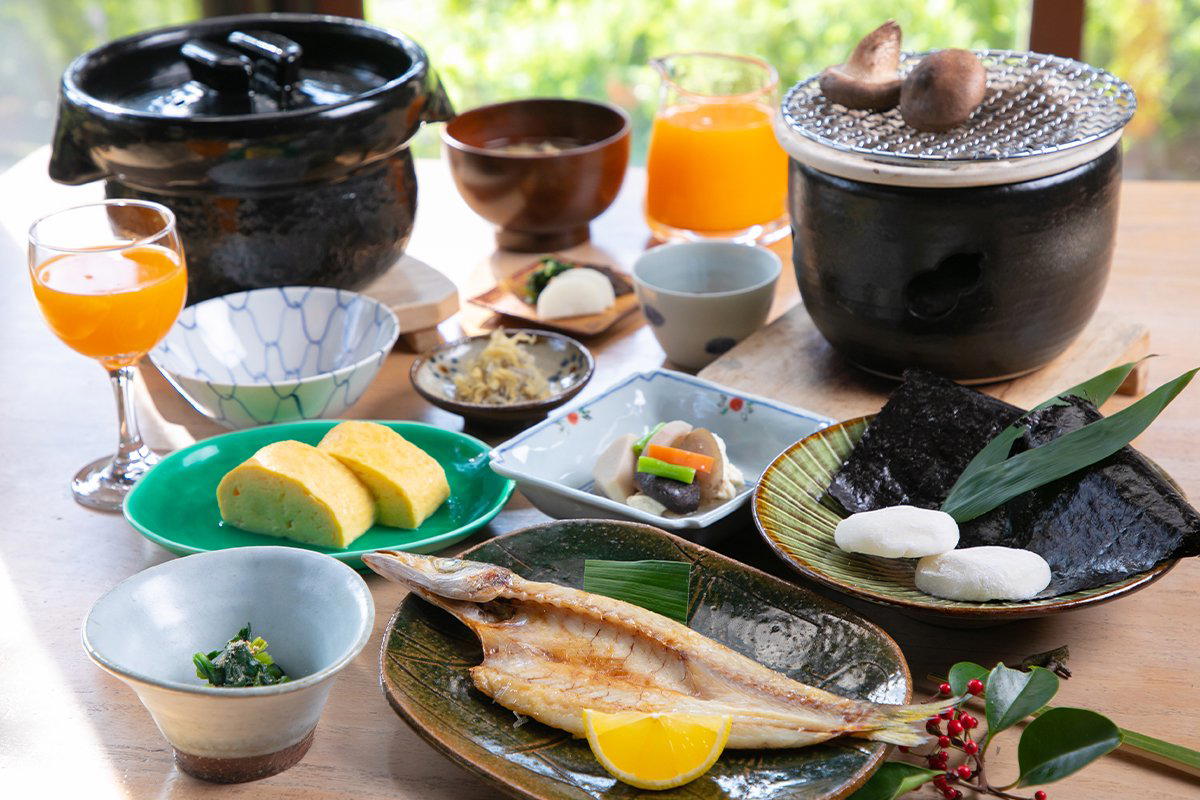
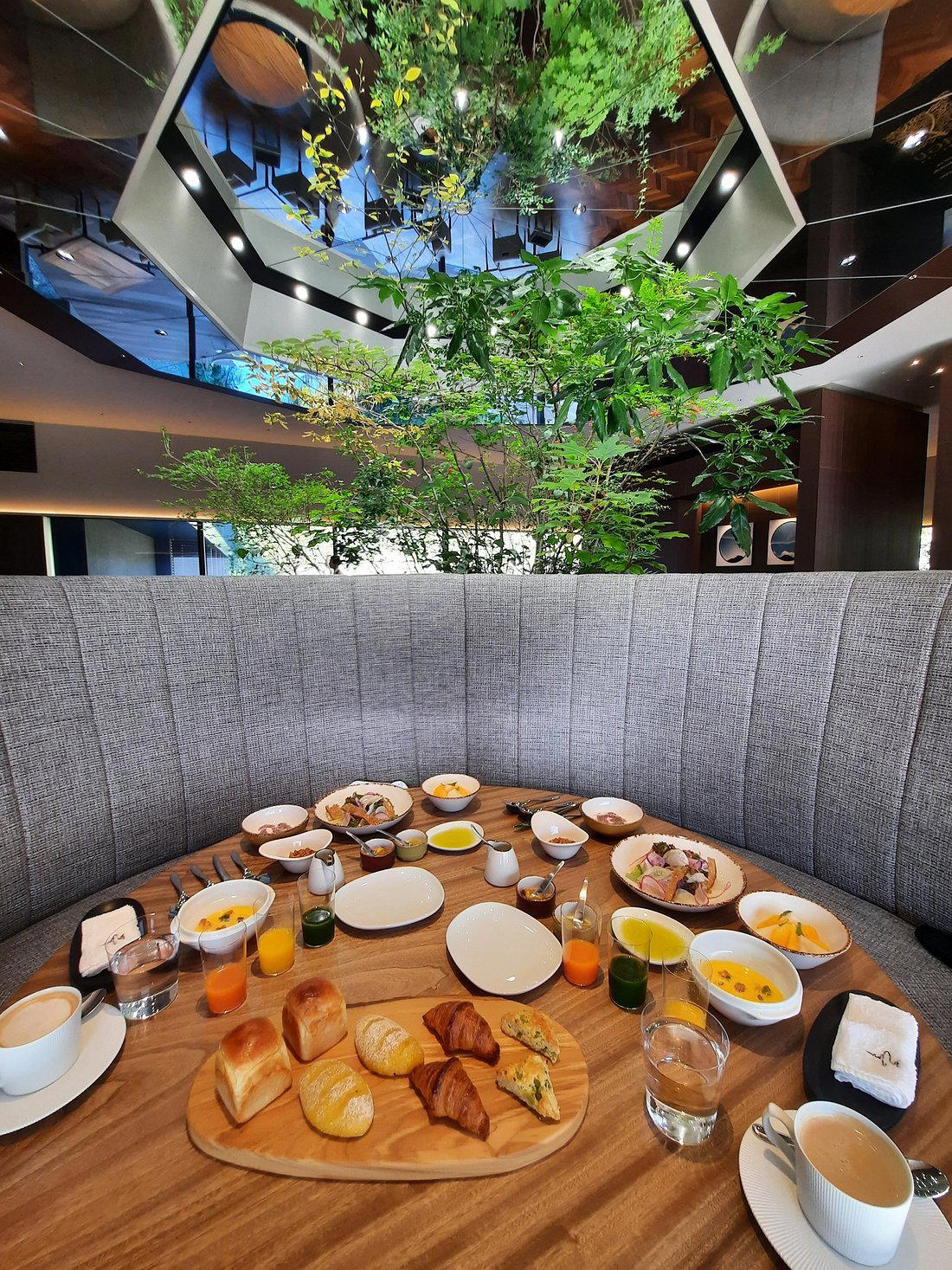
- Japanese course dinner featuring local beef
- Seasonal vegetable dishes
- Mountain cuisine kaiseki-style courses
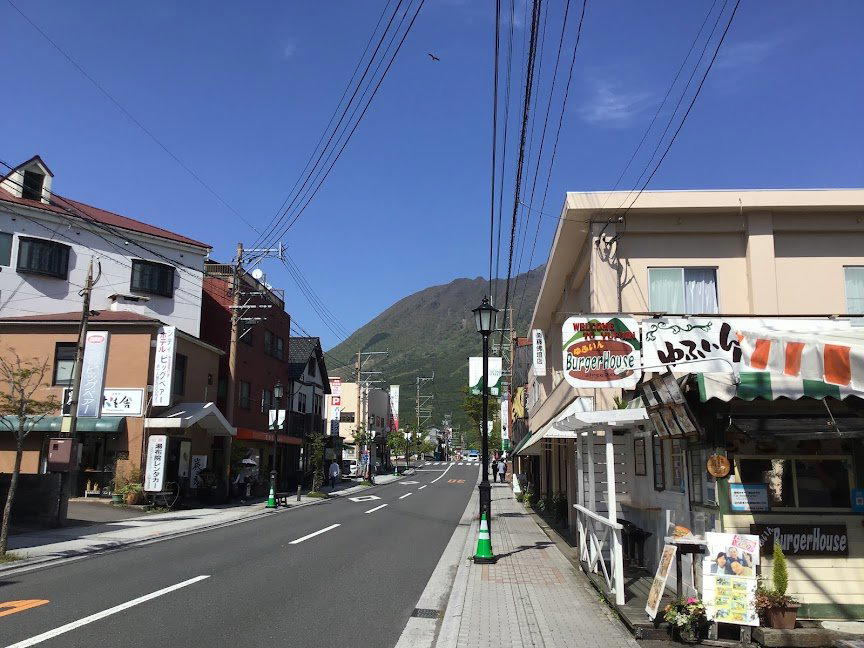
Yufu announces itself softly: a slower travel rhythm, compact hospitality, and a dining culture shaped as much by places to stay as by standalone restaurants. In that setting, Budouya fits the city’s quieter register. The point is not metropolitan flash or chef-counter performance; it is the way a smaller destination can turn proximity and pace into value, with meals that make sense because the city context sits close to the table.
That matters in Yufu because the city’s food scene includes visitor-friendly stops, lodging-linked meals, and small restaurants that work at a different tempo. B-speak represents one accessible end of the visitor circuit, while other local dining rooms, inns, and places such as Keikaen point toward the area’s lodging-linked dining traditions. Budouya belongs in conversation with that broader Yufu pattern: food as part of place, not as a detachable performance.
Yufu cooking works when the supply chain stays visible
The strongest argument for dining in Yufu is not a single famous plate. It is the city’s ingredient logic and the way a compact destination can keep the meal tied to its surroundings. Restaurants do not need to mimic large-city luxury codes when the local setting supplies much of the appeal.
This is where Budouya is most useful for a serious traveller: it sits in a city where sourcing and season can be part of the experience, even when the format is not publicly packaged as a grand tasting menu. The dining room should be read through Yufu’s local rhythm, where daytime visitors, lodging plans, and evening meals create different pulses through the same streets. The better comparison is not with a high-volume urban restaurant, but with the city’s own matrix of inns, cafés, and small dining rooms.
For broader planning, our full Yufu restaurants guide is the useful starting point, especially because the city rewards pairing meals with where visitors sleep and unwind. The companion rails are just as relevant: our full Yufu hotels guide helps frame lodging-led dining, while our full Yufu bars guide, our full Yufu wineries guide, and our full Yufu experiences guide show how compact the city’s hospitality ecosystem remains.
The right comparison is the town, not a trophy list
Budouya does not need to be forced into an awards-first reading. In Yufu, that can be the wrong yardstick. The city’s appeal comes from a layered hospitality economy: daytime stops for visitors, dining connected to overnight stays, and small restaurants that carry the evening after the busiest hours pass. A restaurant here earns attention when it clarifies that local pattern rather than pretending to be a city import.
That distinction is useful for travellers building a Japan itinerary beyond the obvious urban stops. A meal in Yufu should answer different questions from one in larger urban centres: what pace does the city set, how does the room fit the day, and how does it handle the shift between visitors and overnight guests? Those questions also explain why cross-country comparisons can be misleading. Restaurants in other Japanese cities may be anchored by a specific dish tradition, urban density, or after-work appetite, while smaller dining rooms elsewhere belong to different local appetites. Yufu asks for a more local reading.
International parallels are even looser but still instructive. Japanese dining formats can travel and narrow themselves abroad, often becoming defined by a single service style or dish. Budouya, by contrast, sits inside its source environment: a Japanese city where the meal is tied to setting, season, and the traveller’s pace through the day.
How to place it in a Yufu itinerary
The smart use of Budouya is as part of a wider Yufu day rather than as an isolated destination meal. Build the decision around the city’s tempo: daytime wandering and cafés, lodging plans later, then a meal that does not need to compete with the noise of a large city. If the trip is place-focused, this is precisely where Yufu has use: local food culture can feel coherent without needing a formal awards narrative.
For families, groups, and travellers with fixed train plans, the practical question is fit. Yufu is compact but not frictionless, and restaurant plans should sit cleanly around transport and lodging. Treat Budouya as a town-context choice: strongest for visitors who want a grounded Yufu meal, less suited to anyone seeking a heavily documented chef biography, a published tasting-menu structure, or a prize-driven restaurant checklist.
Frequently asked questions
Is Budouya okay with children?
Budouya is listed as a restaurant and dining room in Yufu, which reads as a normal dining setting rather than a formal counter. That format usually makes it easier to bring children than a more rigid tasting-menu room.
How would you describe the vibe at Budouya?
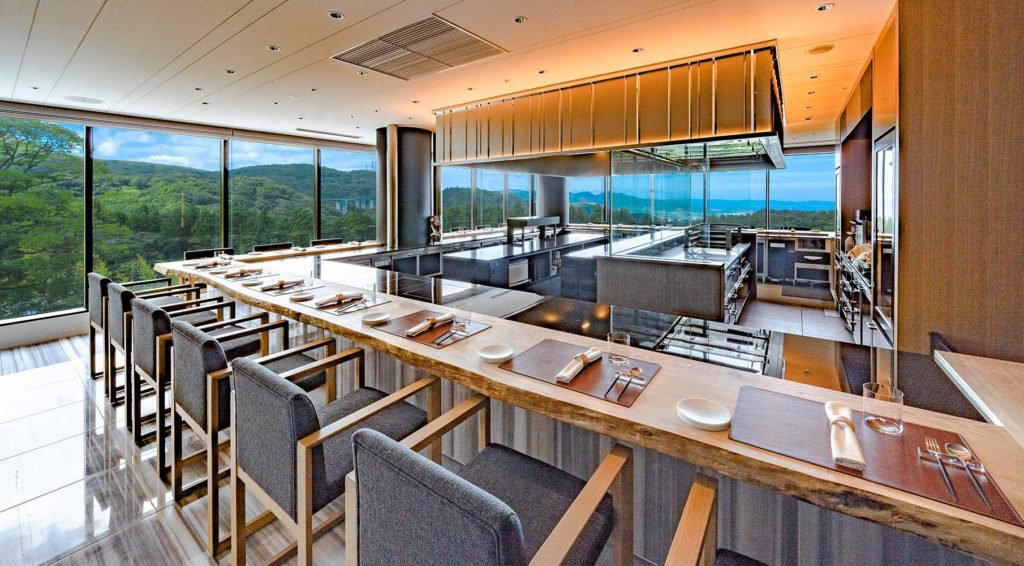
Expect a dining-room setting in Yufu rather than a trophy-driven, reservation-theatre atmosphere. The city context points to a local, town-focused meal.
Where do I go for Budouya?
Yufu.
How far ahead should I plan for Budouya?
Plan Budouya as part of a Yufu itinerary, since the listing gives a restaurant and dining room in Yufu but no booking details. That makes it easier to fit around the rest of a day in town.
What's Budouya best at?
Budouya's strongest appeal is its restaurant-and-dining-room format in Yufu, which suits a straightforward meal in the city. The Yufu setting is the clearest anchor here.
How It Stacks Up
Comparable venues by cuisine and price in the same metro.
| Venue | Cuisine | Price | Awards | Notes |
|---|---|---|---|---|
| BudouyaThis venue — the venue you are viewing | Traditional Japanese Mountain Cuisine (Ryokan Dining) | $20–30 | Not listed | Not listed |
| Nicol’s | Tea Room & Bar | Not listed | Not listed | Not listed |
| B-speak | Roll cake & cheesecake specialty shop | $10–20 | Tabelog 100 #41 | JPY 1,000 - JPY 1,999 JPY 1,000 - JPY 1,999 View spending breakdown |
| Yunotake-Ann | Regional Japanese Cuisine | Not listed | Not listed | Not listed |
Continue exploring
More in Yufu
Restaurants in Yufu
All restaurants in Yufu →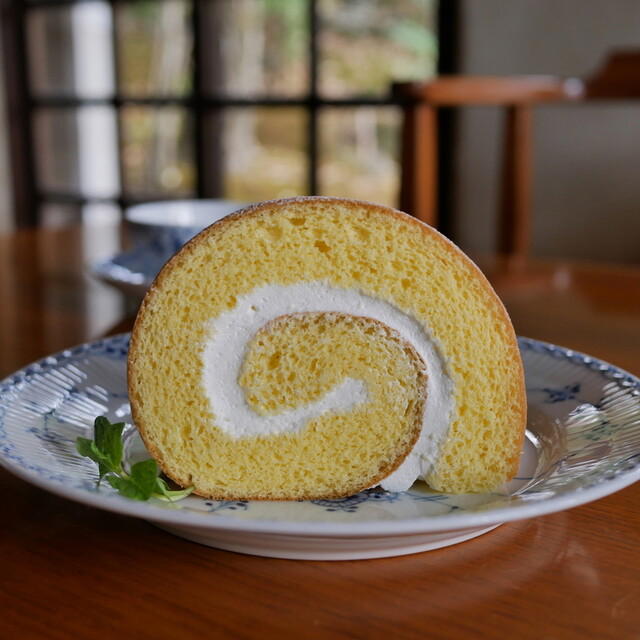
Bars in Yufu
All bars in Yufu →
Details
- Cozy
- Classic
- Rustic
- Quiet
- Intimate
- Date Night
- Special Occasion
- Business Dinner
- Celebration
- Hotel Restaurant
- Standalone
- Local Sourcing
- Set Menu
- Tasting Menu
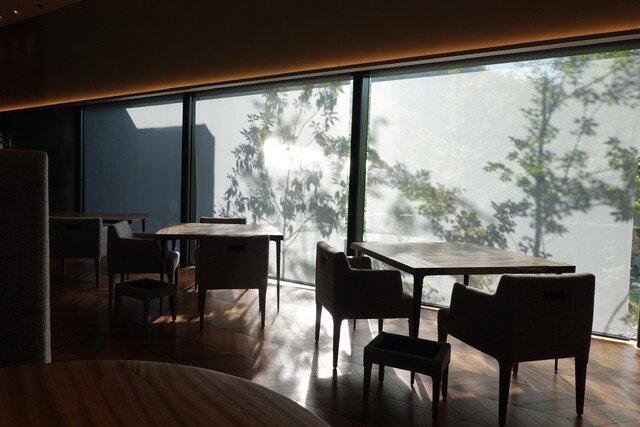
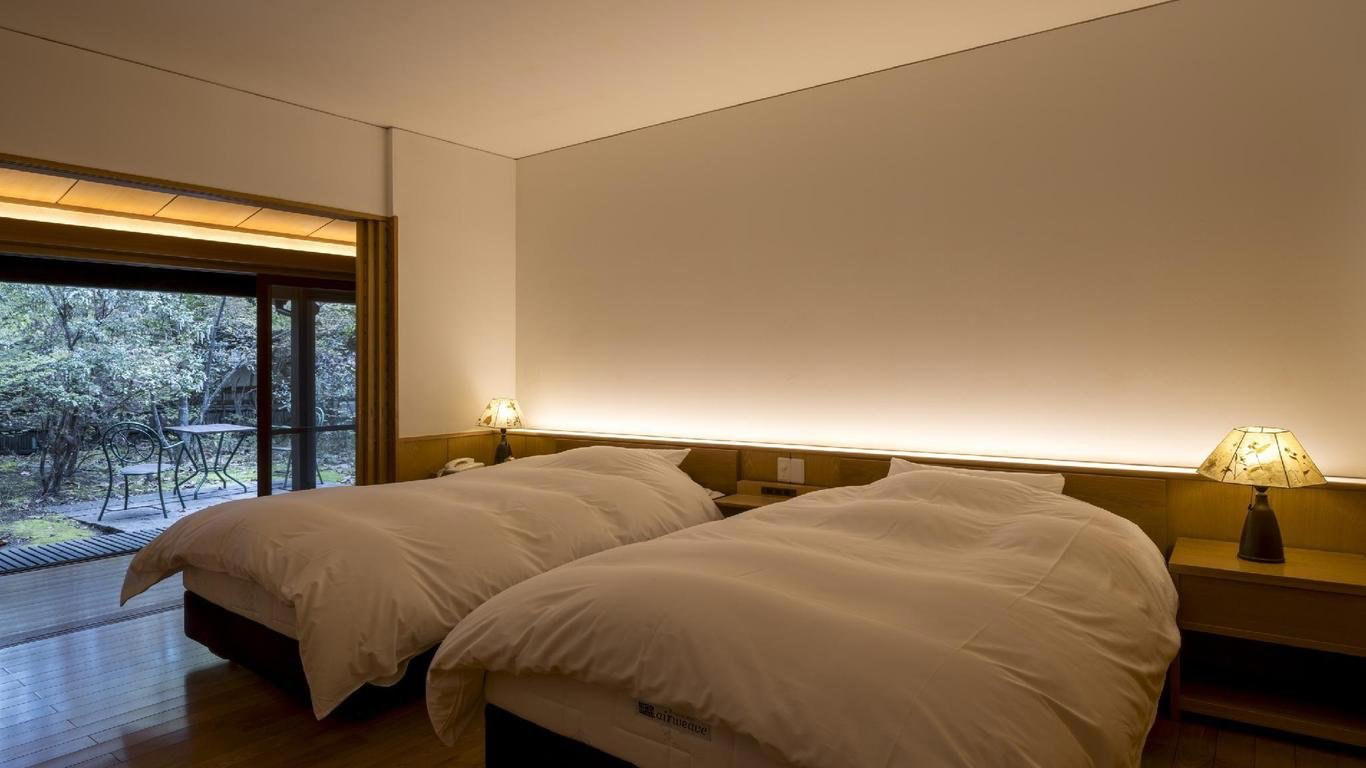
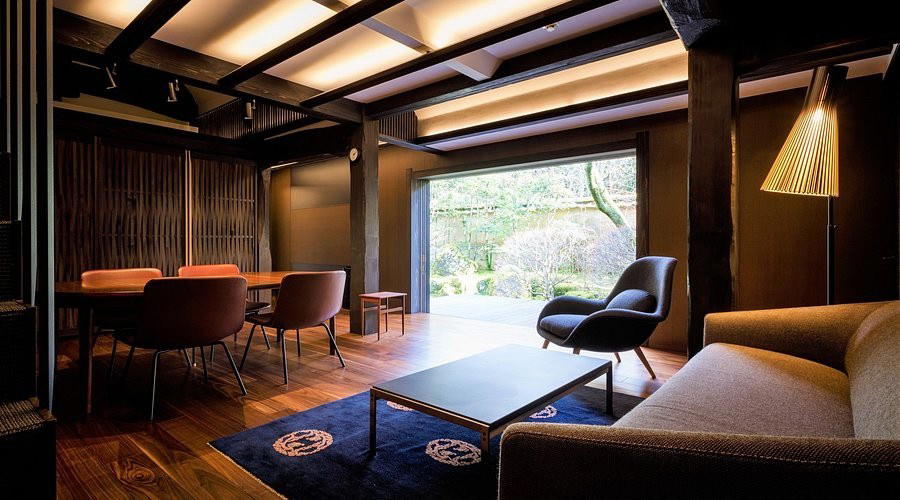
Traditional ryokan dining room atmosphere with a calm, quiet setting and a cozy, classic feel focused on seasonal Japanese course meals for staying guests.