
On a quiet church square in Næstved, B-Spis positions itself within a regional Danish dining tradition that treats local sourcing as structure rather than slogan. The address places it firmly outside Copenhagen's gravitational pull, making it a reference point for understanding how provincial New Nordic cooking operates on its own terms. For travellers moving through South Zealand, it anchors an itinerary in a way few addresses in this corridor can.
Pearl is the En Primeur Club membership app — saves, bookings, and concierge access live there. Same editors, same standards.
- Address
- Sct Peders Kirkeplads 9, 4700 Næstved, Denmark
- Phone
- +4528151667
- Website
- b-spis.dk
- Directions
- Get directions
 Saves & bookings on Pearl
A Church Square in South Zealand, and What It Signals
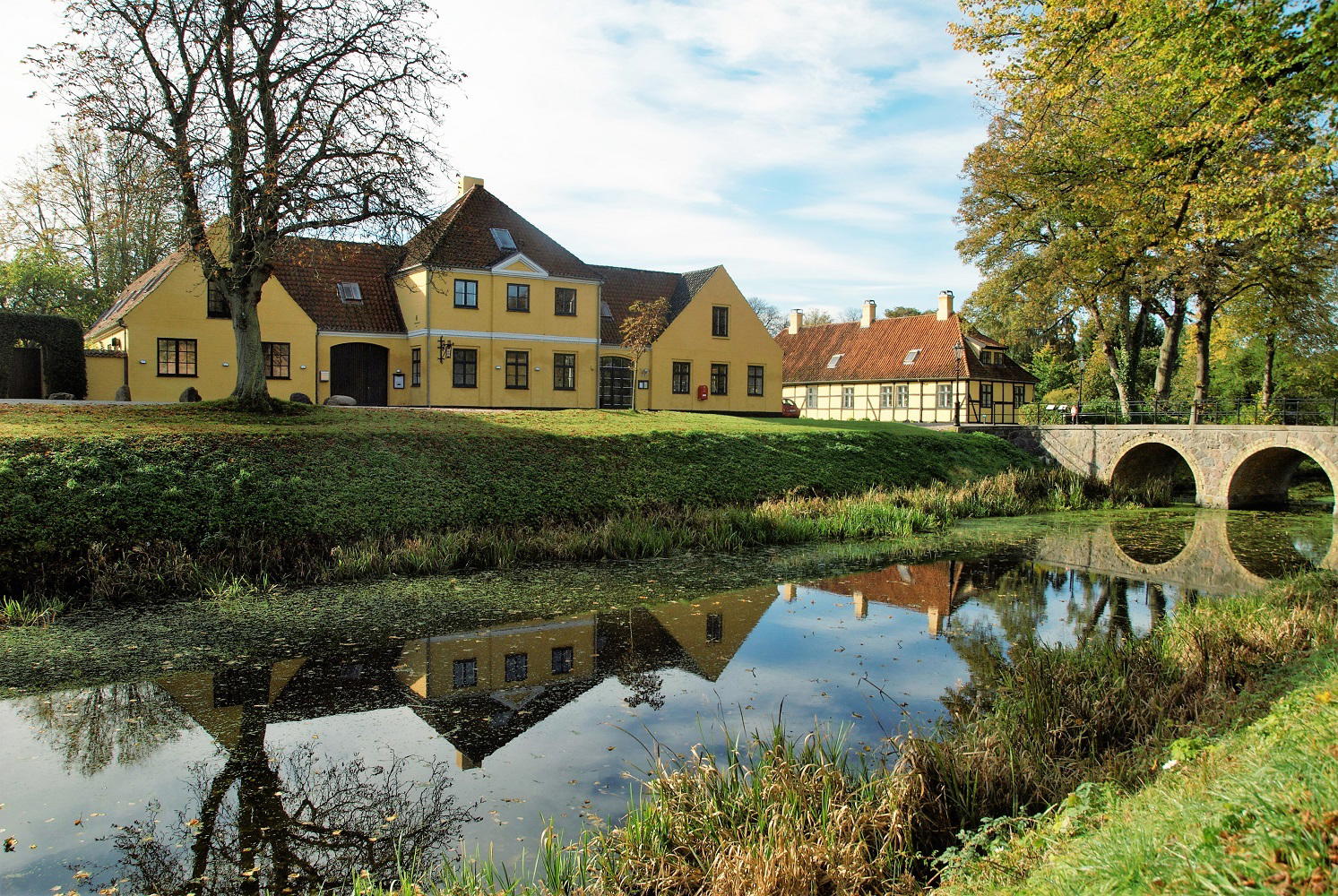
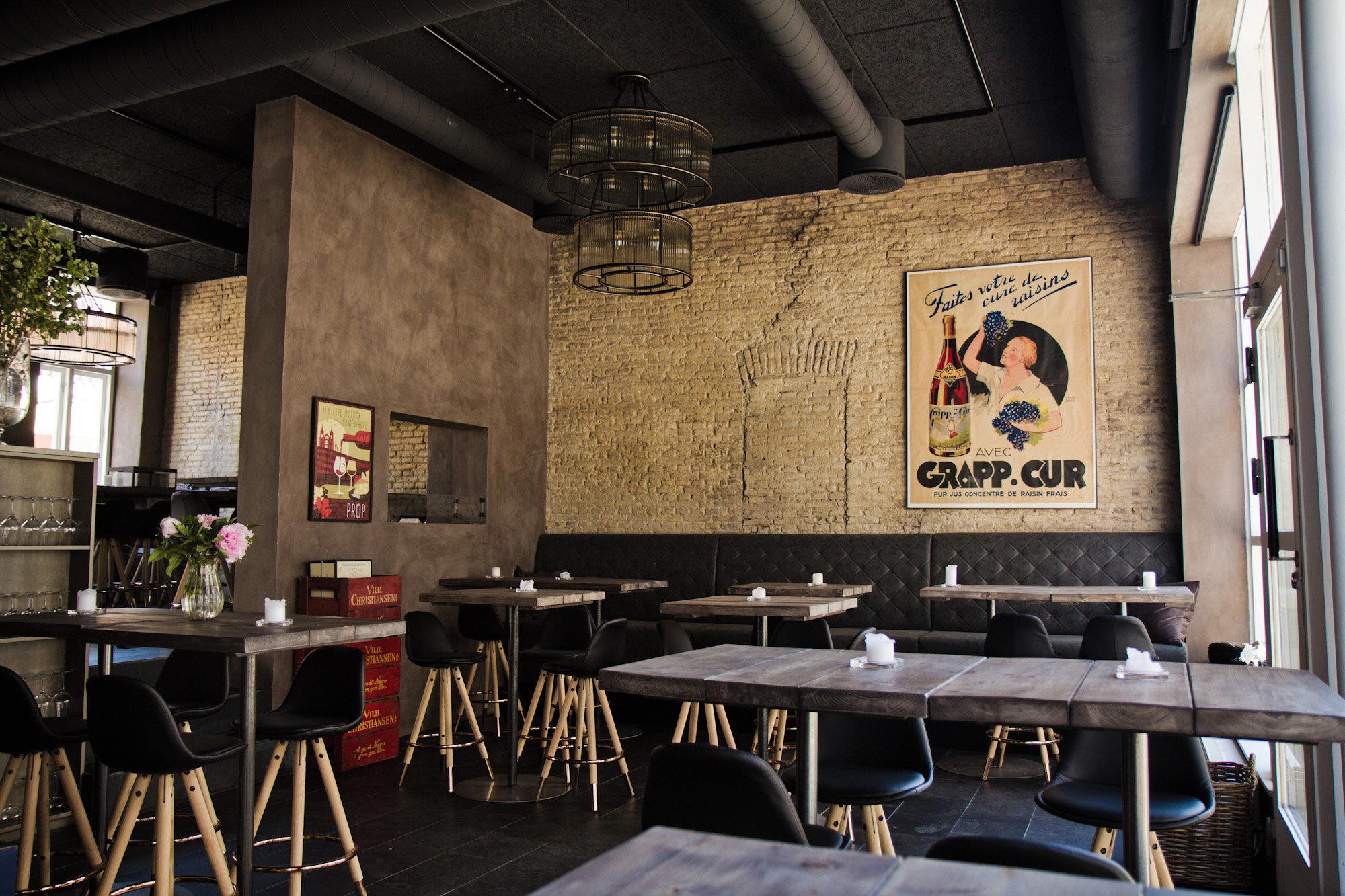
Sct Peders Kirkeplads is the kind of address that requires a deliberate decision to be there. The square fronting St. Peter's Church in Næstved is unhurried in the way that provincial Danish town centres tend to be: stone-set, low-scaled, seasonally quiet. Arriving here puts you at a remove from both Copenhagen's restaurant market and the tourist-facing cooking of the Danish coast. That remove is not incidental. It shapes what a place like B-Spis is for and who comes through the door.
Næstved is the largest city in South Zealand by population, yet it rarely appears in the same conversations as Præstø, Hørve, or other smaller towns in the region. The provincial New Nordic movement has historically anchored itself to dramatic landscapes, coastlines, forests, remote farmland, rather than mid-sized market towns. B-Spis, on this unassuming square, represents a different argument: that ingredient-led cooking does not require a scenic backdrop to be rigorous.
Sourcing as the Frame, Not the Story
Across the serious end of Danish regional cooking, the sourcing argument has moved well past marketing. At Frederiksminde in Præstø and Dragsholm Slot Gourmet in Hørve, proximity to farms, coastline, and estate-managed land is built into the physical structure of the operation. The kitchen has no choice but to cook from what surrounds it. That constraint, applied consistently over time, is what distinguishes sourcing-led cooking from the version that gestures toward local ingredients on a menu header but operates on conventional supply chains.
South Zealand's agricultural character gives kitchens in this part of Denmark a material advantage. The region sits between the productive farmland of the island's interior and the waters of the Smålandsfarvandet and Præstø Fjord. Growing seasons are moderate, livestock farming is established at a small-producer scale, and the distance to Copenhagen markets means produce that travels east often does so at the expense of condition. A kitchen willing to work directly with what is close, rather than what is prestigious, can operate at a different rhythm entirely, one governed by what arrived that morning rather than what was written into a season-long menu.
This is the context in which B-Spis sits. The address at Sct Peders Kirkeplads 9 does not announce itself as a destination restaurant in the way that Jordnær in Gentofte or Geranium in Copenhagen might. It operates within a town rather than above it. That positioning, in the provincial Danish context, tends to produce cooking that is answerable to a local dining public rather than to a travelling one, which applies a different kind of discipline to the sourcing question.
Denmark's Regional Restaurant Map and Where Næstved Fits
The serious restaurant culture of provincial Denmark has historically concentrated in a few recognisable nodes. Aarhus holds Frederikshøj and shapes a Jutland fine-dining identity. Vejle has LYST. Fredericia has Ti Trin Ned. On Zealand, the concentration has skewed toward the capital and its immediate satellites, with pockets of recognition appearing in coastal towns like Hørve and Præstø. Næstved, despite its scale, has sat outside that recognition circuit.
The broader Danish dining conversation remains fixed on Copenhagen's upper tier, Geranium as the three-star benchmark, the creative ambition of restaurants like Alchemist, the New Nordic and kaiseki fusion being explored at Koan. Against that backdrop, provincial addresses compete not on spectacle but on specificity: what they cook, where it comes from, and whether the answer to those two questions is honest. The international reference point for rigorous ingredient sourcing at the premium end, a kitchen like Le Bernardin in New York City built its reputation on treating a single category of ingredient with obsessive precision, suggests that narrowing the scope of what you cook around is not a limitation. It is a method.
For South Zealand as a dining region, the corridor between Næstved and the coast includes Frederiksminde in Præstø to the east and Henne Kirkeby Kro in Henne further west on Jutland. These are addresses that have attracted sustained recognition for cooking that treats its geography as both larder and argument. Næstved, as a market town with agricultural reach, could support that same logic. B-Spis is the address on which that possibility rests in this part of Zealand.
Reaching Næstved and Planning a Visit
Næstved sits roughly 80 kilometres south of Copenhagen, connected by direct rail on the southern Zealand mainline. Journey time from Copenhagen Central is typically around 55 to 65 minutes, making B-Spis reachable as an evening destination from the capital without requiring an overnight stay. By car from Copenhagen, the E47 and Route 22 provide a direct southern approach. The address on Sct Peders Kirkeplads is in the town centre, within walking distance of Næstved's main transport hub.
For those building a longer South Zealand itinerary, the region rewards multi-day planning. Frederiksminde in Præstø to the east and the estate-driven cooking at Dragsholm Slot Gourmet further north on Zealand create a coherent circuit for travellers interested in how this part of Denmark feeds itself and its guests.
Hours and pricing should be confirmed directly with the restaurant before you visit. Given the scale of the local dining public, table availability tends to be less pressured than at comparable addresses in the Copenhagen orbit, but that assessment should be tested before arrival rather than assumed.
Provincial Ambition and the Larger Danish Picture
The addresses attracting attention at the outermost edges of Denmark's provincial dining scene, Tri in Agger, Syttende in Sønderborg, Pearl by Paul Proffitt in Kruså, share a common quality: they are answerable primarily to their immediate geography. The cooking at these places is shaped by what can be sourced within a tight radius, and that constraint produces a clarity of identity that is harder to achieve in cities with access to everything. At ARO in Odense, Alimentum in Aalborg, and Domæne in Herning, similar dynamics operate in larger urban centres. Parsley Salon in Hellerup takes a different approach within the greater Copenhagen zone.
B-Spis sits in this wider conversation as a South Zealand representative of a type: the ingredient-serious provincial restaurant operating without Michelin recognition or a coastal drama backdrop, making its case through the quality of what lands on the table. That is a position that rewards attention, and patient travel.
A Quick Peer Check
Comparable venues nearby, for context on price, style, and recognition.
| Venue | Cuisine | Price | Notes |
|---|---|---|---|
| B-SpisThis venue — the venue you are viewing | European | $$ | Not listed |
| Røde Port Bistro | Danish Gastropub with House Brewery | $$ | Roskilde city center |
| Café K | European Café Fare | $$ | center |
| Apollo Bar | Modern European Bistro | $$$ | Indre By |
| Safari | Modern European sharing plates with Italian influences | $$ | Nørrebro |
| Maskinværkstedet | European Tapas & Small Plates | $$$ | Holbæk Havn |
Recognition history
Dated appearances from independent guides and award organizations, with the underlying list record or original source where available.
White Guide Denmark Restaurants - Masters Level
White Guide

At a Glance
Current opening hours
- Monday
- Closed
- Tuesday
- Closed
- Wednesday
- 12–3 PM, 6–10 PM
- Thursday
- 12–3 PM, 6–10 PM
- Friday
- 12–3 PM, 6 PM–1 AM
- Saturday
- 12–3 PM, 6 PM–1 AM
- Sunday
- Closed
Hours can change for holidays and private events. Last verified .