Broughton Delicatessen
Our verdict
Broughton Delicatessen occupies a quiet residential stretch of Barony Street in Edinburgh's New Town, operating in a neighbourhood defined more by local routine than tourist traffic. As a deli format in a city where fine dining clusters around Leith and the Old Town, it represents a different register of eating, one rooted in produce, everyday ritual, and the particular character of Broughton's residential streets.

The menu
What to order
- Broughton Deli breakfast
- Steak rocket and chimichurri sandwich
Barony Street and the Broughton Quarter
Edinburgh's dining conversation tends to anchor itself in two places: the restaurant-dense stretch of Leith, where Michelin-recognised kitchens like The Kitchin and Martin Wishart have built the city's fine-dining reputation over two decades, and the Old Town closes, where visitor footfall keeps covers turning. Broughton sits outside both orbits. The neighbourhood occupies the north-eastern edge of the New Town grid, where Georgian terraces give way to a quieter residential character, and where the morning rhythm is set by dog walkers, commuters cutting through from Canonmills, and locals moving between the independent shops along Broughton Street itself.
Barony Street, where the delicatessen operates at number seven, runs perpendicular to that busier corridor. The street is narrow and largely domestic in feel. Arriving here is a different experience from descending into a Leith waterfront kitchen or entering one of the Old Town's courtyard restaurants. There is no theatre of approach, no obvious destination energy. What the location offers instead is the particular quality of a neighbourhood business that exists for the neighbourhood first.
The Deli Format in Edinburgh's Eating Culture
Edinburgh has developed a serious restaurant culture at its upper tier, with Condita, AVERY, and Timberyard representing a second wave of ambitious cooking that has extended the city's culinary range well beyond its traditional strengths in game and seafood. But the deli format occupies a separate register in that culture, one that is less about the occasion of eating and more about the infrastructure of eating well on an ordinary day. A good urban deli functions as a kind of standing offer: prepared foods, sourced ingredients, ready-made items that assume the customer knows what they are looking for and does not need the meal to be constructed as an event.
In British cities, that format has historically been most visible in London, where a cluster of delis from Borough Market to Marylebone have set the standard for sourcing-led retail eating. Edinburgh's independent food scene has grown considerably, but the deli format remains a less populated category in the city than the restaurant end of the market. A neighbourhood deli on a residential street in Broughton therefore occupies a particular gap in the city's food infrastructure, serving residents rather than visitors, and operating on a daily-use logic rather than a special-occasion one.
That positioning makes it a different kind of reference point from the Michelin-level kitchens that dominate Edinburgh's international reputation. Where The Kitchin or Martin Wishart represent Edinburgh at its most formally ambitious, a deli like Broughton represents the city at its most functional and everyday. Both matter to the character of a city's food culture, and in Edinburgh's case, the latter category is still developing its density and consistency.
Neighbourhood Context: What Broughton Means as an Address
The Broughton area carries a specific social character within Edinburgh. It is one of the city's more established LGBTQ+ neighbourhoods, concentrated around Broughton Street, and has a longer history of independent retail than many comparable city-fringe zones. That independence has been under pressure from the same forces affecting independent retail across UK cities, but the street retains a cluster of non-chain businesses that give it a distinct feel from the more gentrified stretches of the New Town proper.
For a deli operating on Barony Street, that neighbourhood context matters. The customer base is primarily local, the walking-distance catchment includes a dense residential population, and the expectations are calibrated accordingly. This is not a destination venue in the way that a tasting-menu restaurant becomes a destination. It is place-specific in a more literal sense: it works because of where it is, and it serves the people who live within reasonable reach of it.
Edinburgh's broader food culture has become increasingly confident at the high end, with the city's Michelin cohort now sitting alongside comparable UK addresses like Midsummer House in Cambridge or Hand and Flowers in Marlow as evidence of serious cooking outside London. But that high-end confidence has not always translated down into the everyday food infrastructure of neighbourhood eating. A deli operating at street level in a residential quarter represents a different kind of contribution to the city's food character, and the Broughton address gives it a specific local identity that a more central or tourist-adjacent location would not.
How It Fits Within Edinburgh's Broader Food Map
For visitors using Edinburgh as a base for eating across Scotland, the relevant comparison set is not the city's tasting-menu restaurants but the network of specialty food shops, farm shops, and artisan delis that have developed across Scotland over the past fifteen years. That network has grown substantially, drawing on Scotland's exceptional larder of seafood, game, dairy, and charcuterie, and a deli in Edinburgh's Broughton quarter has reasonable access to that supply chain.
The city's high-end kitchens have done the work of establishing Scottish produce credibility internationally. The Kitchin's long-running commitment to Scottish sourcing, mirrored to varying degrees by Timberyard's larder-led approach, has created a reference point for what Scottish ingredients can do at the serious end. The deli format sits at the other end of the formality spectrum, where the same ingredients appear without the ceremony.
For anyone planning an Edinburgh stay that goes beyond the festival period and the standard Old Town circuit, the Broughton quarter offers a more residential, less-visited version of the city. Barony Street is a short walk from the best of Leith Walk and from the Water of Leith walkway, which connects several of the city's quieter neighbourhoods. The area works well as a base for exploring Edinburgh without the density of the centre. Visitors oriented toward food will find the neighbourhood's independent character more useful than the more commercial stretches of the New Town. For our full Edinburgh restaurants guide, including coverage of the city's Michelin-level kitchens and the wider dining scene, see the EP Club Edinburgh index.
Planning a Visit
The practical reality of visiting a neighbourhood deli is simpler than planning around Edinburgh's serious restaurant kitchens, where tables at Condita or AVERY require advance booking and defined meal slots. A deli on a residential street operates on a walk-in logic; the planning question is less about reservation windows and more about timing within the day. Delis in residential neighbourhoods typically see their highest footfall mid-morning and at lunchtime, with quieter periods in the early afternoon. Barony Street itself is easy to reach on foot from the city centre, roughly fifteen minutes from Princes Street through the New Town grid.
Those comparing Edinburgh's food offer to the broader UK Michelin tier, which runs from Waterside Inn in Bray to L'Enclume in Cartmel and Moor Hall in Aughton, will find that Edinburgh competes well at the formal end. The neighbourhood deli tier is a separate category, and Broughton Delicatessen's location gives it a specific local utility that makes it relevant to residents and to visitors who want to engage with the city at a more everyday level.
Frequently asked questions
What dish is Broughton Delicatessen famous for?
No specific signature dish data is confirmed in the public record for Broughton Delicatessen. As a deli format, the offer typically spans prepared foods, sourced ingredients, and ready-to-eat items rather than a single named dish. For the most current menu information, visiting in person or checking for any updated listings is the most reliable route.
How far ahead should I plan for Broughton Delicatessen?
Neighbourhood delis in Edinburgh generally operate on a walk-in basis without advance reservation requirements. The Barony Street location puts it within easy reach of the city centre on foot, and the format suits a same-day or spontaneous visit rather than the weeks-ahead booking windows that apply to Edinburgh's tasting-menu restaurants. During the Edinburgh Festival in August, footfall across the city increases substantially, so morning visits are generally less congested than midday.
What is Broughton Delicatessen known for?
Broughton Delicatessen is known primarily as a neighbourhood-serving food business on Barony Street in Edinburgh's Broughton quarter, operating in a residential area with a strong independent retail character. Its position in a part of the city that sits outside the main tourist and fine-dining corridors gives it a local, daily-use identity.
Is Broughton Delicatessen a good stop before or after visiting Edinburgh's fine-dining restaurants?
The Broughton quarter is a short walk from Leith Walk, which connects it to the Leith waterfront where several of Edinburgh's Michelin-level restaurants are based. For visitors combining a day in the New Town with an evening at The Kitchin or Martin Wishart, a daytime stop in the Broughton area offers a lighter, neighbourhood-scale counterpoint to the formal dinner ahead. The deli format and the area's independent character make it a practical midday option on that kind of itinerary.
Price Lens
| Venue | Cuisine | Price | Awards | Notes |
|---|---|---|---|---|
| Broughton DelicatessenThis venue (the venue you are viewing) | Scottish Deli Cafe | Not listed | Not listed | Not listed |
| Martin Wishart | Modern French with Scottish Ingredients | $200–300 | 1 Michelin Star · La Liste Top Restaurants | Modern European, Modern Cuisine |
| The Kitchin | Modern Scottish Fine Dining | $150–200 | 1 Michelin Star · La Liste Top Restaurants | Modern British, Modern Cuisine |
| Timberyard | Modern British Fine Dining | $100–150 | 1 Michelin Star · Star Wine List | Modern British - Nordic, Modern British |
| AVERY | Modern Californian-Scottish Fusion | $150–200 | 1 Michelin Star | Creative |
| Condita | Modern Scottish Seasonal Tasting Menu | $150–200 | 1 Michelin Star · The Good Food Guide GFG Very Good | Modern Cuisine |
Continue exploring
More in Edinburgh
Restaurants in Edinburgh
All restaurants in Edinburgh →
Bars in Edinburgh
All bars in Edinburgh →
Details
- Cozy
- Rustic
- Casual Hangout
- Standalone
- Local Sourcing
- Organic
- A La Carte
- Vegetarian Friendly
- Vegan Options
- Gluten Free Options
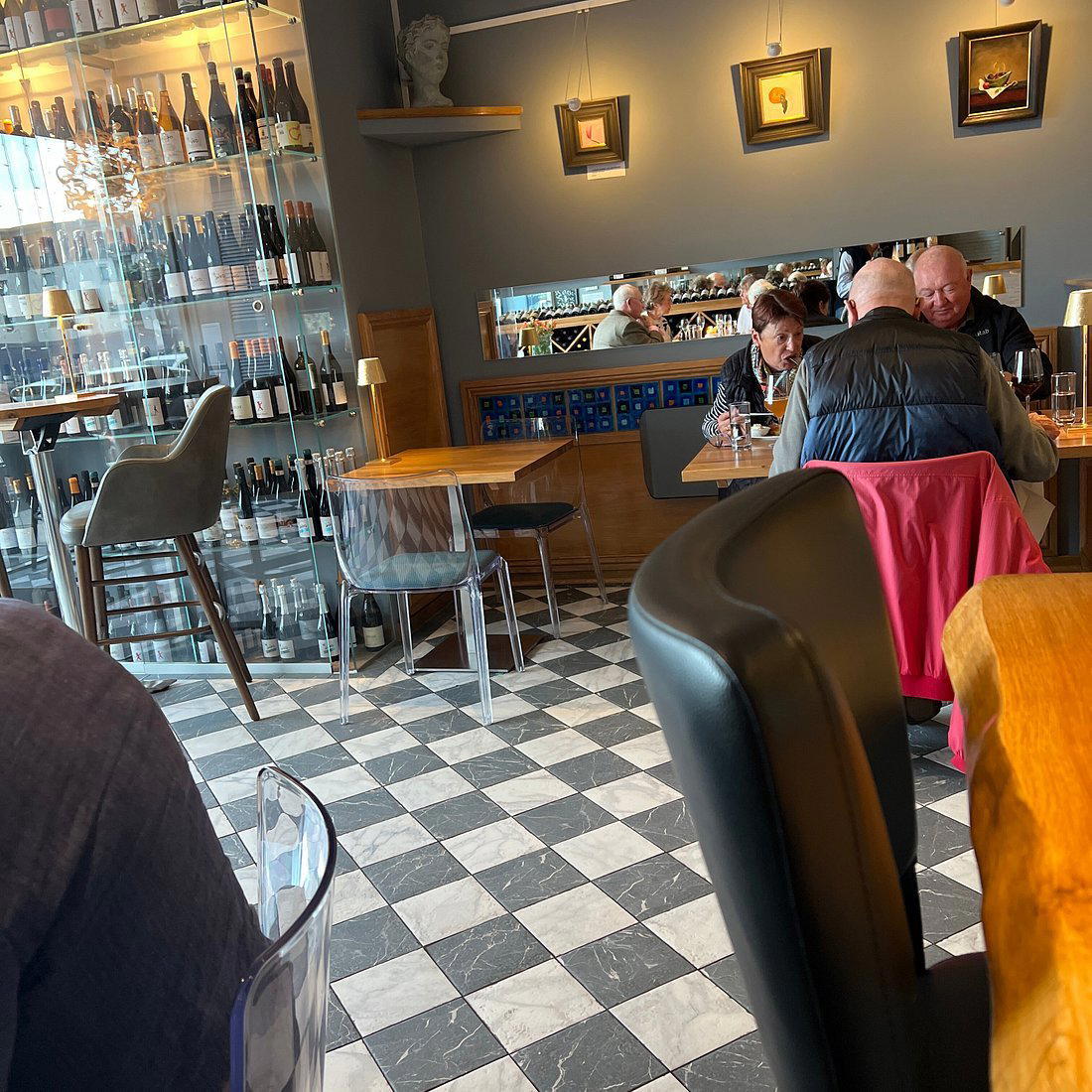
Cozy and intimate deli atmosphere with local art exhibits and a welcoming casual vibe.