Bürestubel

Michelin Plate
Our verdict
Bürestubel is a Michelin Plate-recognised Alsatian restaurant in the village of Pfulgriesheim, north of Strasbourg, where the cooking draws on the region's agricultural traditions rather than reinterpreting them for urban audiences. At the €€ price point, it sits in the tier of honest, ingredient-led village restaurants that have anchored Alsatian food culture for generations.

Pearl is the En Primeur Club membership app, where members save venues, book tables and use the concierge.
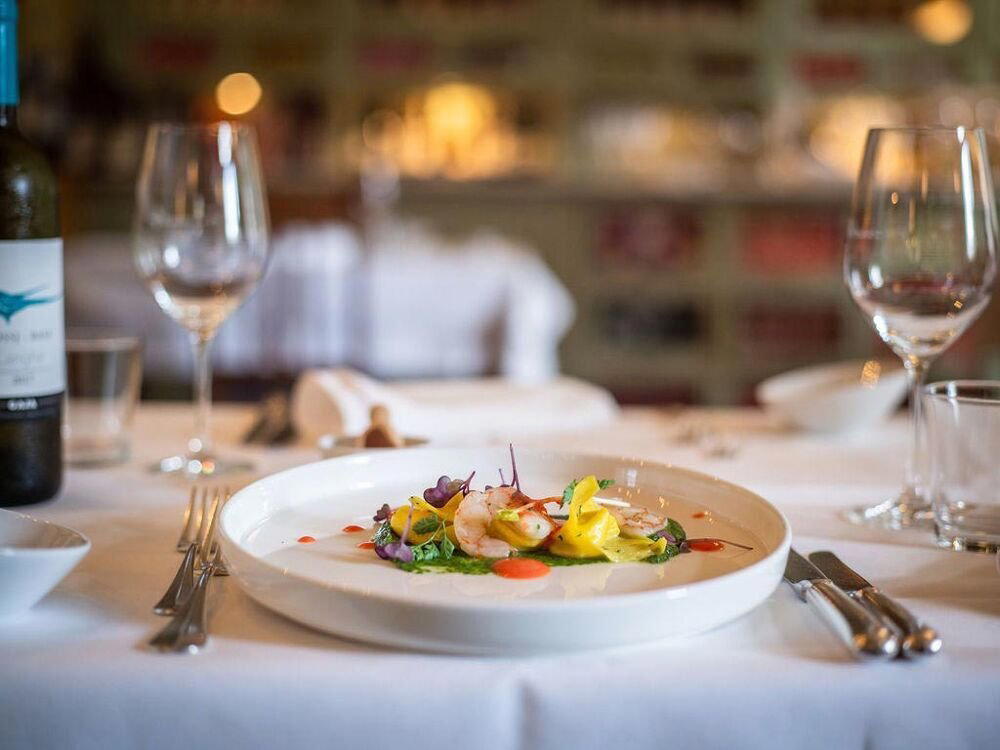
The menu
What to order
- Tarte flambée
- Bibalaskas
- Fleischnacka
- Crème caramel
Where the Alsatian Plain Comes to the Table
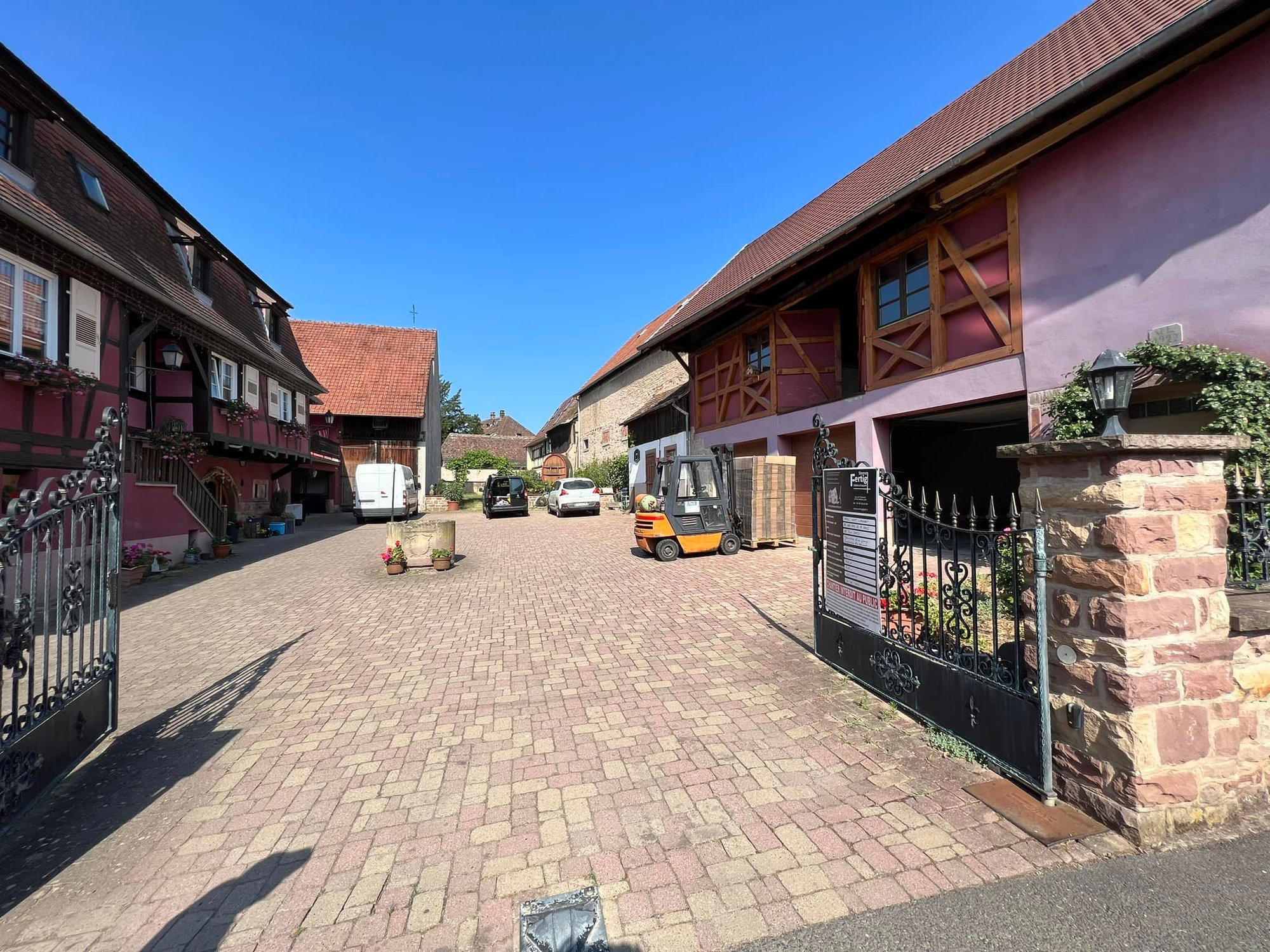
The villages of the Bas-Rhin plain north of Strasbourg do not announce themselves loudly. Pfulgriesheim sits roughly fifteen kilometres from the city, in flat agricultural country where the horizon is marked by church steeples and the silhouettes of farm buildings rather than tourist infrastructure. Arriving at Bürestubel on Rue de Lampertheim, the setting frames the meal before the first plate arrives: this is a Stube in the original sense, a room that belongs to its place rather than performing a version of it.
That physical rootedness matters for Alsatian cooking more than it does for most regional cuisines. The Alsatian table historically drew from a short radius: cabbages and root vegetables from the Rhine plain, freshwater fish from the Ill and the Rhine itself, pork from farm operations that shaped the charcuterie tradition still active across the region. Restaurants in this category are not translating that tradition for a metropolitan audience the way a Strasbourg address might require. They are cooking for the village and its surrounding communes, which tends to concentrate the sourcing conversation on what is genuinely available nearby.
The Michelin Plate in Village Context
The Michelin Plate, awarded to Bürestubel in both 2024 and 2025, marks a threshold worth understanding. It signals food quality worth a mention in the Guide without the full star apparatus. In the Alsace region, this places Bürestubel in meaningful company: the Plate sits below the three-star benchmark of an institution like Auberge de l'Ill in Illhaeusern, one of France's most sustained fine-dining addresses, and well below the creative ambition of operators such as Alléno Paris au Pavillon Ledoyen or Mirazur in Menton. But for a village address priced at €€, the recognition carries a different weight. It confirms that the kitchen is applying genuine discipline to Alsatian material, not simply running a comfortable local operation.
Across the region, the Plate tier at village level often tracks ingredient-driven menus rather than technical showmanship. The question those kitchens answer is whether local producers and seasonal rhythms are being taken seriously. The consistent Plate recognition across two consecutive years suggests the answer at Bürestubel is yes, and that the kitchen's approach is reliable rather than occasional.
Alsatian Ingredients and the Logic Behind Them
Alsatian cuisine has one of France's most clearly defined ingredient vocabularies. The choucroute complex, built on fermented white cabbage from the Krautergersheim area south of Strasbourg, is the most discussed element, but the sourcing logic extends through the whole menu. Munster cheese comes from the Vosges valleys to the west; the foie gras tradition runs through both Alsace and neighbouring Périgord; fresh egg pasta called Spätzle descends from Swabian influence across the Rhine; and the white wine base for cooking, typically Riesling or Pinot Gris from the Alsace wine route, gives the sauces their characteristic acidity and floral register.
At this price point and in this setting, the ingredient chain tends to be shorter than at urban addresses. Village restaurants in this tier of the Bas-Rhin often work with regional suppliers who do not have the volume or distribution infrastructure to service Strasbourg's top-end trade. That can represent an advantage: proximity to farm and producer, combined with the modest scale that a village operation implies, allows for a degree of freshness and turnover that larger urban kitchens sometimes cannot match. Périgord or Burgundy operations of comparable size and recognition, such as Bras in Laguiole or Troisgros in Ouches, have built international reputations from similarly anchored rural positions, though at a very different price tier.
For Alsatian restaurants at the €€ level, the seasonal calendar shapes the menu more directly than it does at restaurants with the budget to source outside the region. Winter menus in the Bas-Rhin lean on preserved, fermented, and braised preparations; spring brings white asparagus from the Alsatian plain, a product with a short and intensely local season; autumn centres game from the Vosges and the last of the stone-fruit harvests. Dishes at Bürestubel sit within this framework, following the rhythms that have defined the region's table for generations.
Within the regional picture, Bürestubel occupies a position worth mapping. Au Crocodile in Strasbourg represents the urban end of Alsatian fine dining. Assiette Champenoise in Reims and Auberge du Vieux Puits in Fontjoncouse demonstrate how deeply rural French addresses can punch in recognition terms, though both operate at significantly higher price points. Bürestubel's €€ pricing makes it one of the more accessible Michelin-recognised addresses in this part of France.
It reflects consistent performance across a broad base of local diners, not the narrower sample that often inflates ratings at destination restaurants dependent on one-time visitors.
Planning a Visit
Pfulgriesheim is a short drive from Strasbourg, making Bürestubel a realistic lunch or dinner destination for visitors based in the city. Those exploring the wider region can cross-reference our full Pfulgriesheim restaurants guide, and the village's position in the Bas-Rhin places it within reach of the Alsace wine route and the northern stretches of the Rhine plain. Accommodation options in the immediate area are covered in our Pfulgriesheim hotels guide, while those planning a broader itinerary around food and drink can consult our bars guide, our wineries guide, and our experiences guide for Pfulgriesheim. The address is 8 Rue de Lampertheim, 67370 Pfulgriesheim. The €€ price range suggests a meal accessible to most travellers without special planning around budget.
For those mapping out French regional cooking more broadly, addresses such as Flocons de Sel in Megève, AM par Alexandre Mazzia in Marseille, and Paul Bocuse's Auberge du Pont de Collonges represent very different points on the French culinary spectrum. Bürestubel's value is precisely that it does not compete on those terms: it is a village address doing Alsatian work honestly, at a price that reflects its context.
Frequently asked questions
How much does it cost to eat at Bürestubel?
Pricing at Bürestubel is listed as €€.
What part of town is Bürestubel in?
Bürestubel is located at 8 Rue de Lampertheim, 67370 Pfulgriesheim, France, Pfulgriesheim.
At-a-Glance Comparison
| Venue | Cuisine | Price | Awards | Notes |
|---|---|---|---|---|
| BürestubelThis venue (the venue you are viewing) | Traditional Alsatian | $50–100 | Michelin Plate | Not listed |
| Alléno Paris au Pavillon Ledoyen | Modern French Fine Dining | $150–200 | 3 Michelin Stars · World's 50 Best #79 | Creative |
| Kei | Contemporary French, Modern Cuisine | Not listed | Michelin 3 Star | Not listed |
| L'Ambroisie | Classic French Haute Cuisine | $300–500 | 2 Michelin Stars · World's 50 Best #23 | French, Classic Cuisine |
| Le Cinq - Four Seasons Hôtel George V | Modern French Fine Dining | $300–500 | 3 Michelin Stars · World's 50 Best #24 | French, Modern Cuisine |
| Plénitude | Modern French Sauce-Led Fine Dining | $300–500 | 3 Michelin Stars · World's 50 Best #14 | Contemporary French |
Recognition history
Dated appearances from independent guides and award organizations, with the underlying list record or original source where available.
Michelin Plate
Michelin
Full recognition history (3 entries)
Michelin Plate
Michelin
Michelin Plate
Michelin
Continue exploring
More in Pfulgriesheim
Restaurants in Pfulgriesheim
All restaurants in Pfulgriesheim →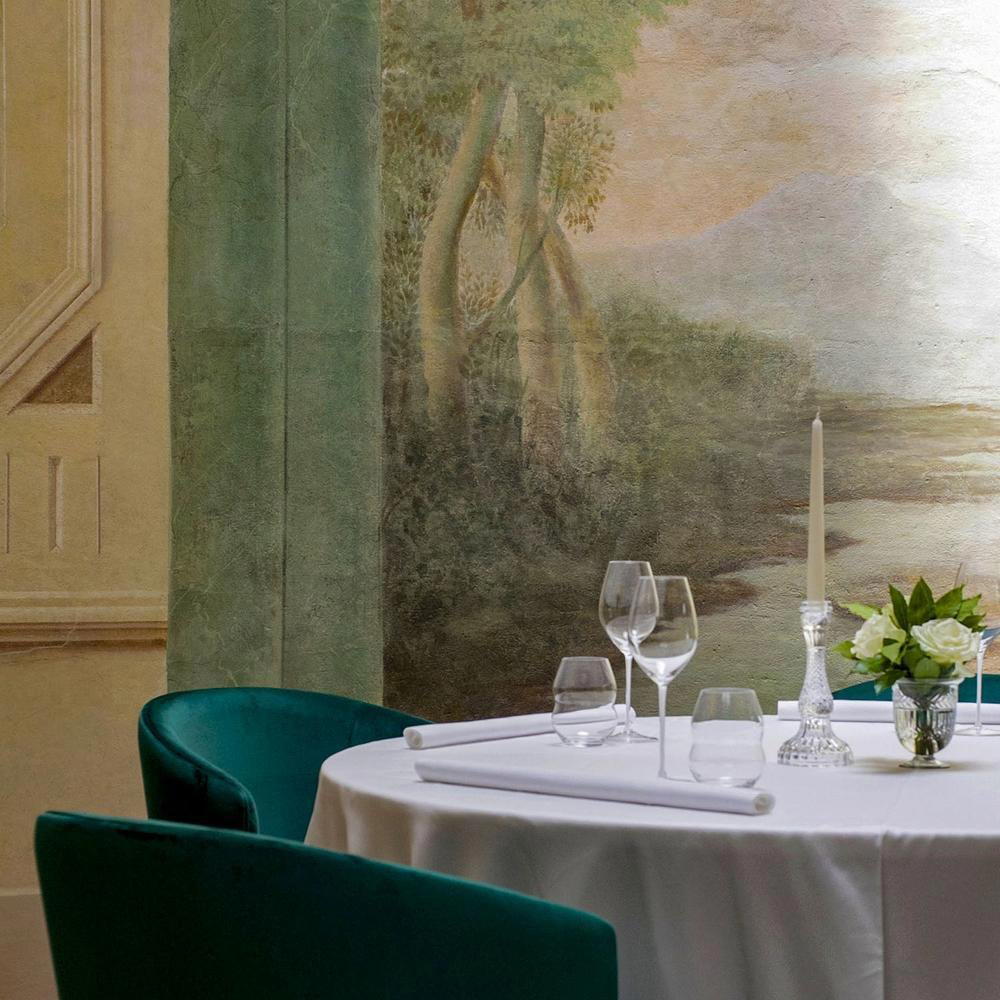
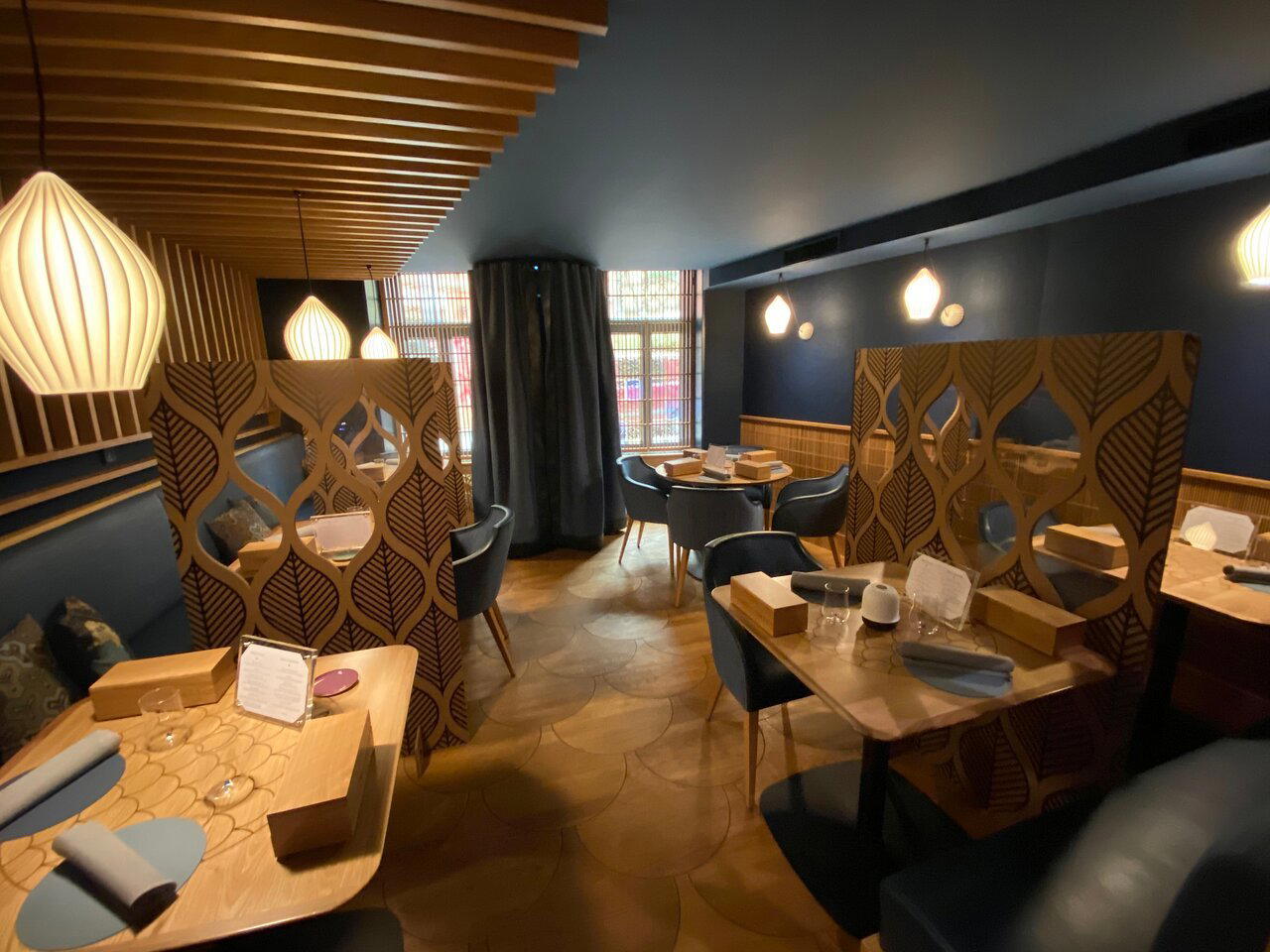
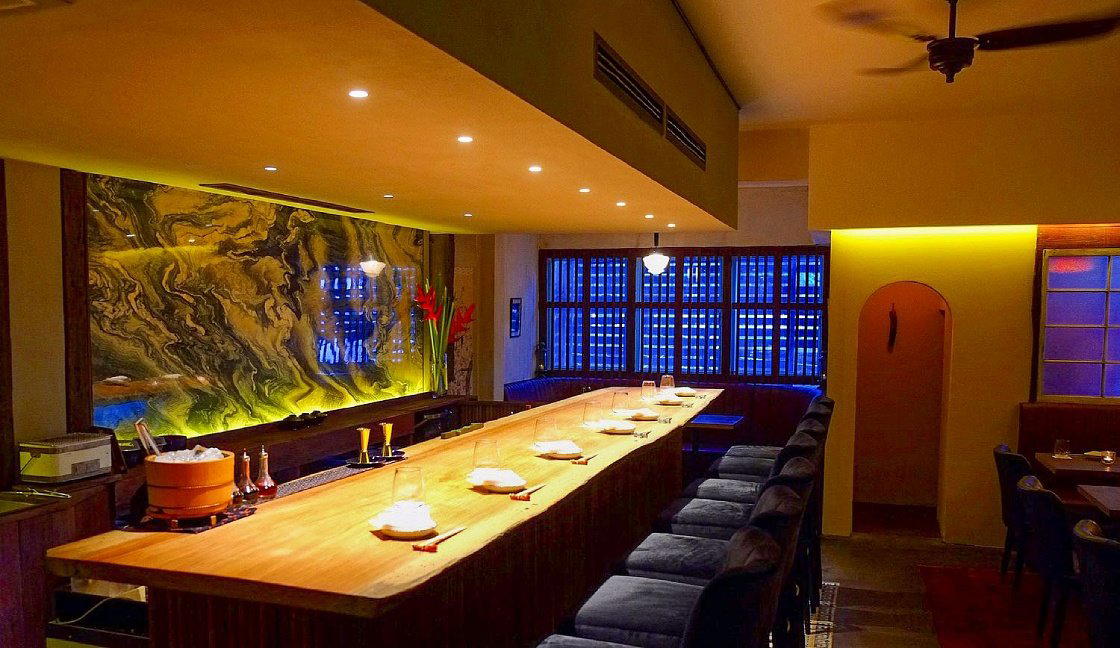
Bars in Pfulgriesheim
Browse all →

Details
- Rustic
- Cozy
- Classic
- Family
- Group Dining
- Special Occasion
- Terrace
- Historic Building
- Extensive Wine List
- Local Sourcing
- A La Carte
- Vegetarian Friendly
- Gluten Free Options
Current opening hours
- Monday
- Closed
- Tuesday
- 12–3 PM, 7–10:30 PM
- Wednesday
- 12–2:30 PM, 7–10:30 PM
- Thursday
- 12–2:30 PM
- Friday
- 12–3 PM, 7–11:30 PM
- Saturday
- 12–3 PM, 7–11:30 PM
- Sunday
- Closed
Hours can change for holidays and private events. Hours as of .
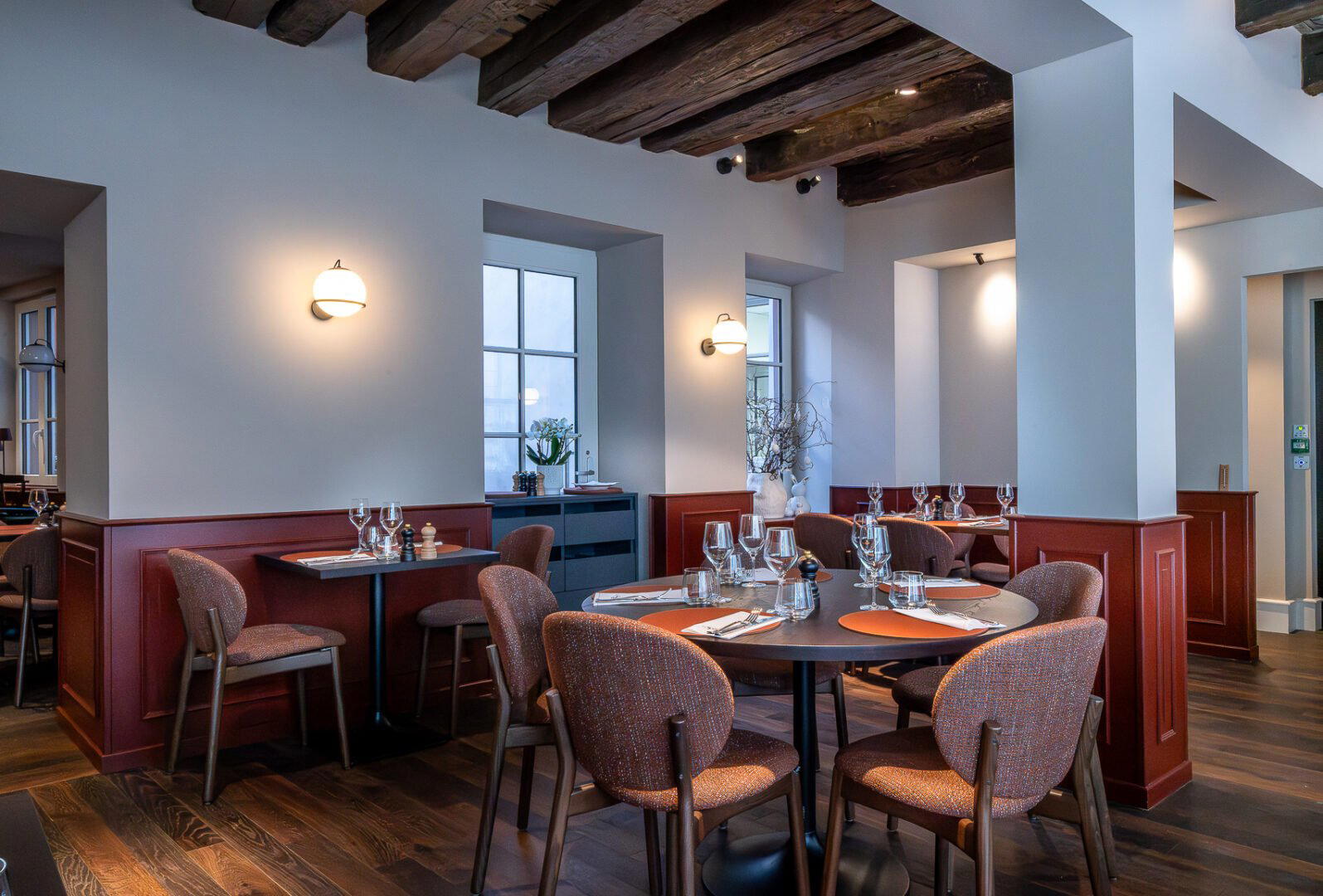
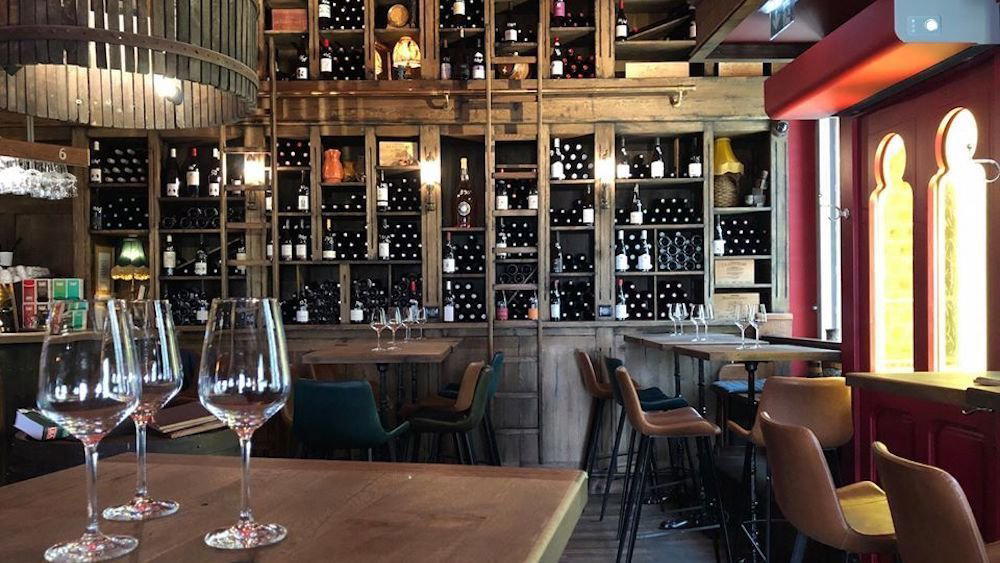
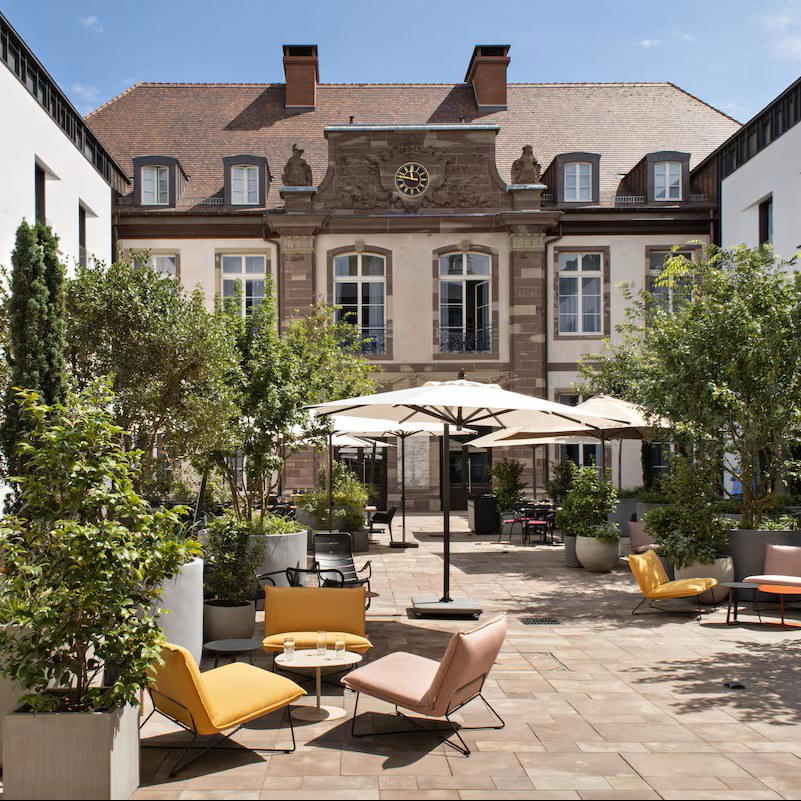
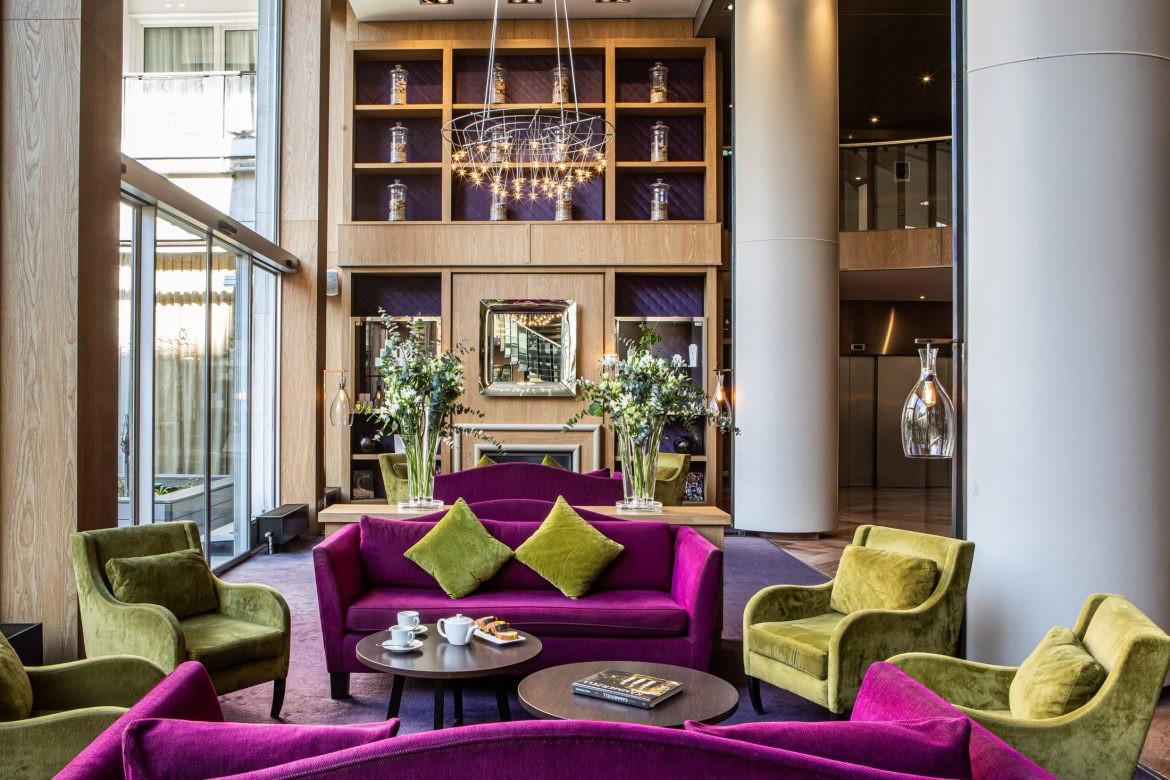
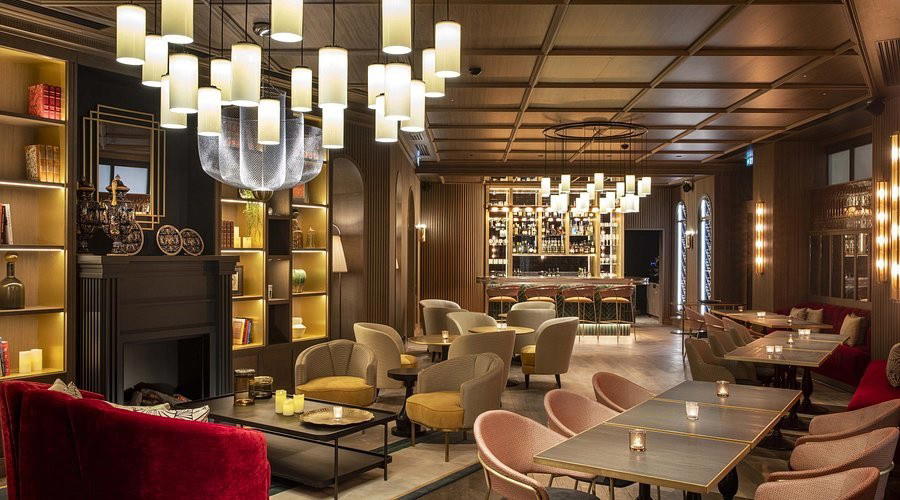
Cozy and characterful with exposed beams, patterned textiles, Alsatian ceramics, and warm country elegance.