Bärenstadl sits on Maria-Theresien-Straße in Lustenau, a town in Vorarlberg that sits closer to the Swiss border than to Vienna's dining conversation. In a region where Austrian tradition and alpine ingredient culture converge, it occupies the kind of neighbourhood address that serves locals before it serves travellers. Visit as part of a broader exploration of Vorarlberg's quietly serious food scene.
Pearl is the En Primeur Club membership app — saves, bookings, and concierge access live there. Same editors, same standards.
- Address
- Maria-Theresien-Straße 78a, 6890 Lustenau, Austria
- Phone
- +436642180864
- Website
- baerenstadl.at
- Directions
- Get directions
 Saves & bookings on Pearl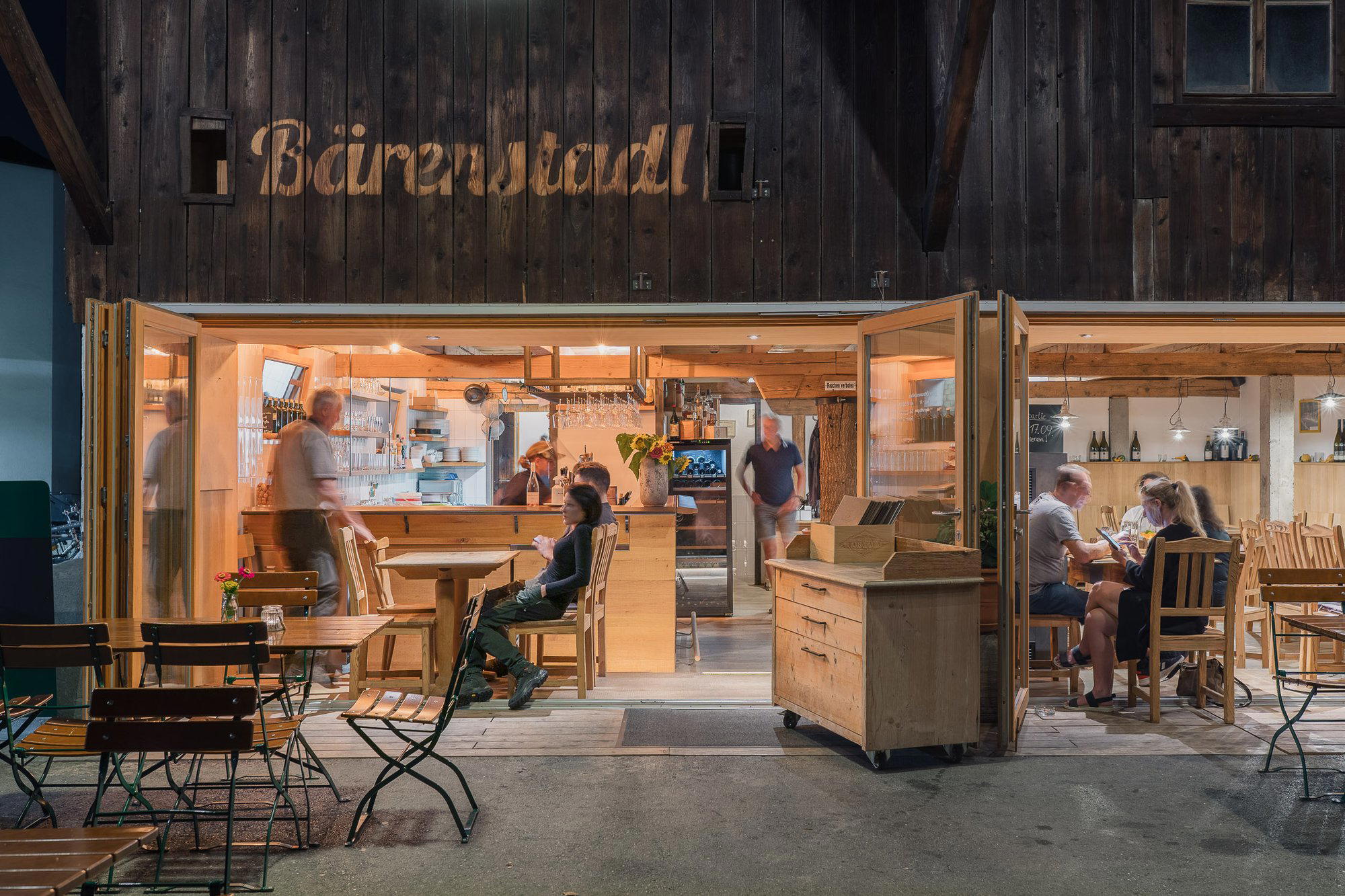
Where Vorarlberg's Ingredient Culture Shows Up Quietly
Austria's western edge operates on different dining logic than the capital. In Vorarlberg, the proximity to Switzerland, southern Germany, and the alpine growing zones of the Rhine Valley creates a food culture shaped less by grand-hotel formality and more by direct relationships between kitchen and land. Lustenau sits within that context: a mid-sized border town that lacks the tourist infrastructure of Lech or Ischgl but shares the same regional larder. Bärenstadl is a restaurant in Lustenau, Austria, serving Traditional Vorarlberg Austrian cuisine. Bärenstadl, at Maria-Theresien-Straße 78a, occupies a position in that local fabric rather than in any international dining conversation.
That distinction matters for how you approach the visit. This is not a destination address in the way that Griggeler Stuba in Lech or Gourmetrestaurant Tannenhof in Sankt Anton am Arlberg are destination addresses. Bärenstadl reads as a neighbourhood anchor, the kind of place where regulars arrive without reservations on a Tuesday and the menu reflects what the season and local suppliers have made available rather than what a tasting format requires year-round.
The Ingredient Geography of the Rhine Valley Border Zone
Vorarlberg's food identity is built on altitude and proximity. The alpine pastures above the Rhine plain produce dairy that shows up in local kitchens as aged cheese and fresh cream in forms you don't encounter in lowland Austria. The Rhine Valley floor, where Lustenau sits, gives access to market-garden produce from both the Austrian and Swiss sides of the border. That dual sourcing geography is one reason why cooking in this corridor tends toward freshness and directness rather than the reduction-heavy classical style that still dominates parts of eastern Austria.
Restaurants that work within that tradition, whether they name it explicitly or not, tend to let ingredient quality carry more of the load than technique. The reference points further afield confirm the direction: Döllerer in Golling an der Salzach has built a substantial reputation around alpine ingredient sourcing treated with precision, while Kräuterreich by Vitus Winkler in Sankt Veit im Pongau positions herb and forage sourcing at the centre of its identity. Bärenstadl operates in smaller register than either of those addresses, but the regional ingredient logic is the same.
Within Lustenau itself, the farm-to-table framing is more explicit at Freigeist, which sits in the €€ tier and foregrounds its sourcing directly. Bärenstadl and Freigeist occupy similar price territory and serve a similar local audience, though each takes a distinct angle on what a Vorarlberg neighbourhood restaurant should do. For visitors building a Lustenau itinerary that includes Regina Thai Cuisine or Restaurant Pizzeria Olive, Bärenstadl represents the Austrian-tradition end of a town that eats across a wider range than its size suggests.
What the Name Signals
The name Bärenstadl combines Bär (bear) with Stadl, the Austrian-German word for a barn or outbuilding, a framing that gestures toward rustic alpine architecture without committing to museum-piece gemütlichkeit. Across Austria's western provinces, Stadl-branded addresses tend to cluster in the mid-range, where the dining room skews warmer and less formal than a Stube but more rooted in local tradition than a contemporary bistro. That positioning puts Bärenstadl in a peer group that values consistency and familiarity over novelty, with a room likely built for groups, families, and extended meals rather than quick covers.
The contrast with Austria's most formally recognised addresses clarifies the tier. Steirereck im Stadtpark in Vienna and Landhaus Bacher in Mautern an der Donau occupy a different register entirely, one where sourcing is documented and the tasting format structures the evening. Obauer in Werfen and Ois in Neufelden show how regional Austrian kitchens can build serious reputations without Vienna's gravitational pull. Bärenstadl is not in that award-tracked conversation, but it doesn't need to be: its function in Lustenau's dining week is different, and that function has its own value for the traveller who wants to eat where residents eat.
Lustenau as a Dining Stop
Lustenau sits in the Rhine Valley between Bregenz and the Swiss city of St. Gallen, making it a practical stop for anyone crossing between Austria and Switzerland or spending time in the Bodensee region. The town is not a conventional tourist destination, which means its restaurants serve a working local population rather than a seasonal visitor spike. That dynamic tends to produce more reliable cooking at the mid-range: the audience is repeat and local, which creates accountability that transient tourist trade does not.
For the broader Austrian culinary picture, Schwarzer Adler in Hall in Tirol, Stüva in Ischgl, and Restaurant 141 by Joachim Jaud in Mieming show how Tyrol and Vorarlberg restaurants have developed their own fine-dining credibility distinct from Vienna. Lustenau sits at the accessible, everyday end of that western Austrian spectrum. Visitors who approach it with the right expectations, a neighbourhood meal rooted in regional ingredient culture rather than a set-piece dining event, tend to find more than those who arrive looking for the kind of experience on offer at Le Bernardin in New York City or Lazy Bear in San Francisco.
Practical planning for Bärenstadl is direct: the address at Maria-Theresien-Straße 78a is in a residential-commercial stretch of Lustenau accessible by local bus from Bregenz or by car from the Swiss border crossing at Lustenau/Au. The restaurant is open Monday through Friday from 4 to 11 PM and is closed Saturday and Sunday. Reservations are recommended, especially on Friday evenings. See our full Lustenau restaurants guide for more context on the town's dining options.
A Quick Peer Check
Comparable venues nearby, for context on price, style, and recognition.
| Venue | Cuisine | Price | Awards | Notes |
|---|---|---|---|---|
| BärenstadlThis venue — the venue you are viewing | Traditional Vorarlberg Austrian | $$ | Not listed | Not listed |
| Restaurant Pizzeria Olive | Mediterranean Pizza & Pasta | $$ | Not listed | Lustenau |
| Regina Thai Cuisine | Authentic Thai Cuisine | $$ | Not listed | Lustenau |
| Freigeist | Dining | Not listed | Bib Gourmand | Lustenau |
| Garfrenga 1 | Traditional Austrian Regional | $$ | Not listed | Nenzing |
| Brandnerhof | Austrian & German Classics | $$ | Not listed | Brandnertal |
Continue exploring
More in Lustenau
Restaurants in Lustenau
Browse all →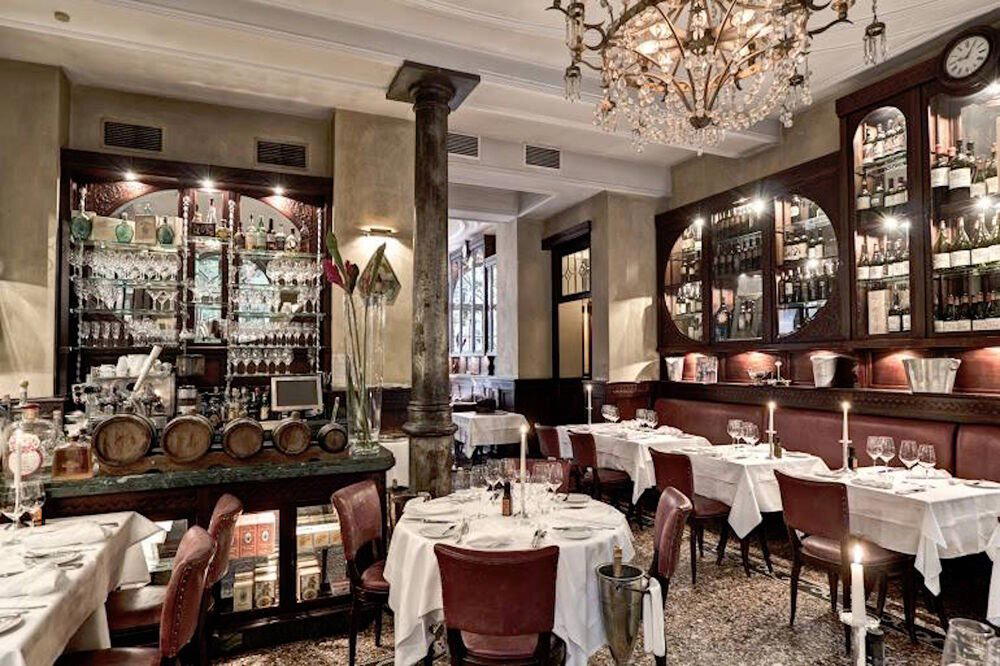
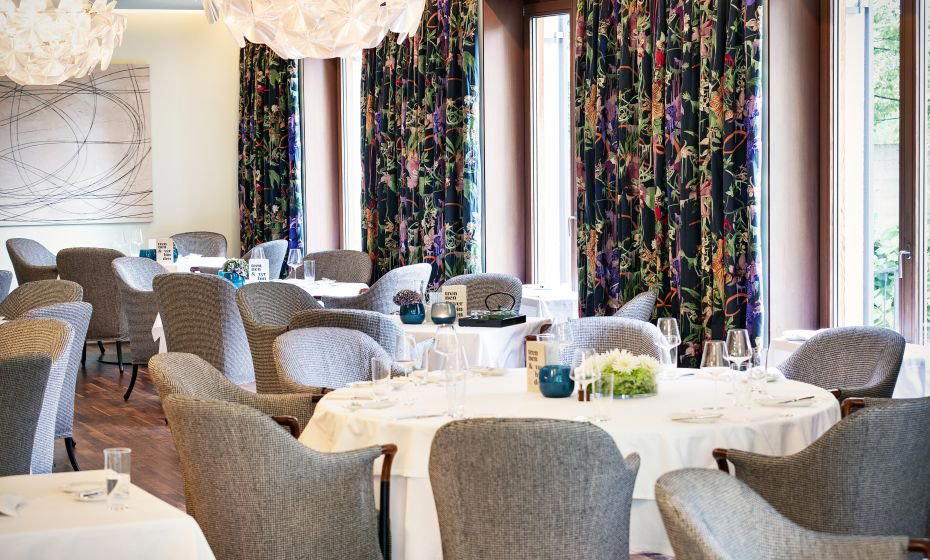
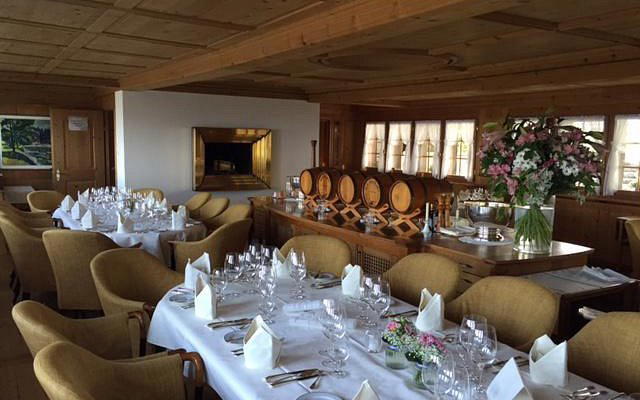
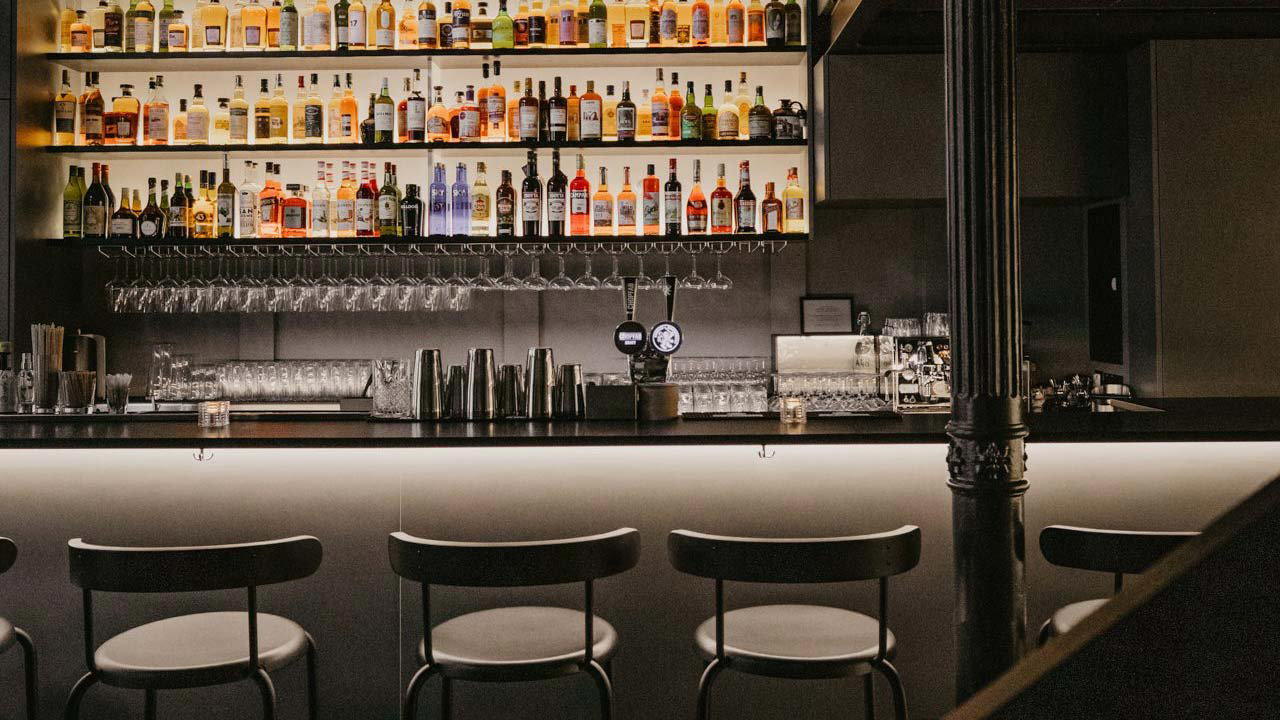
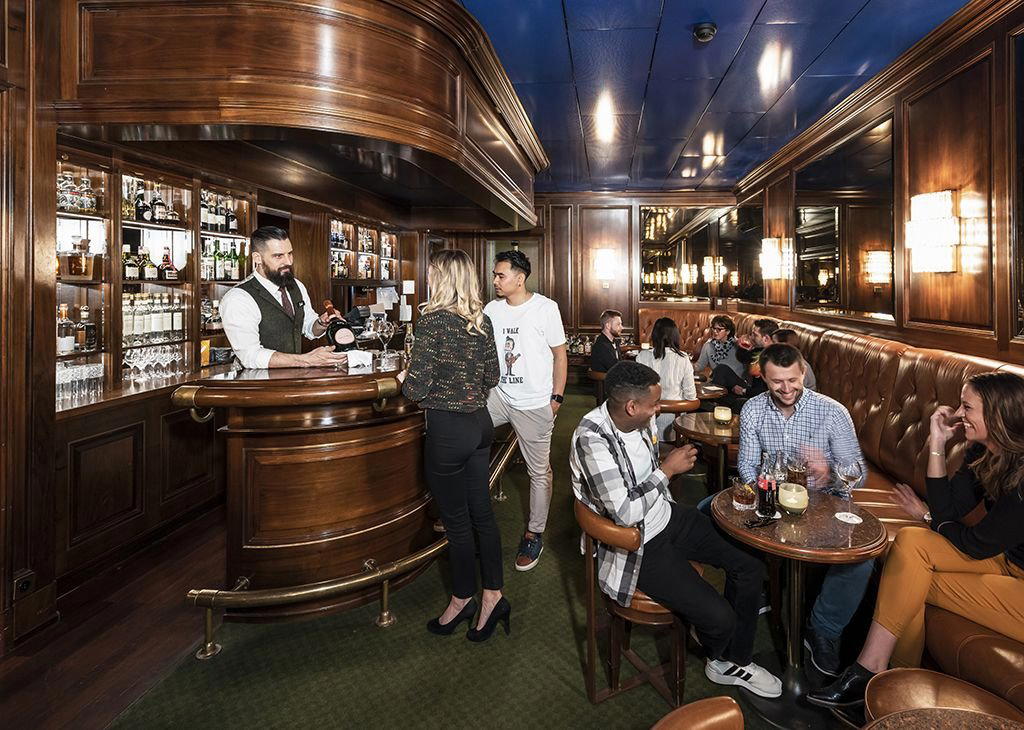
Bars in Lustenau
Browse all →
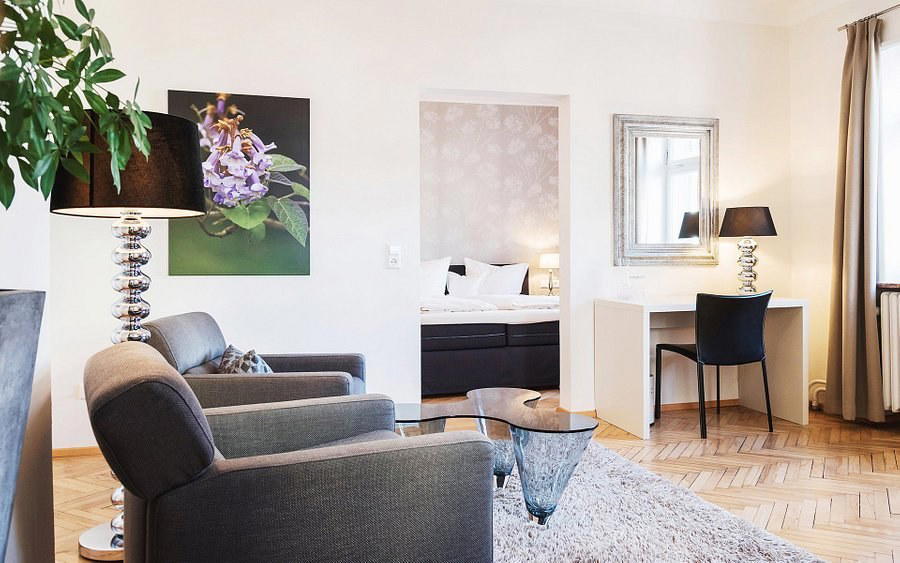
Hotels in Lustenau
Browse all →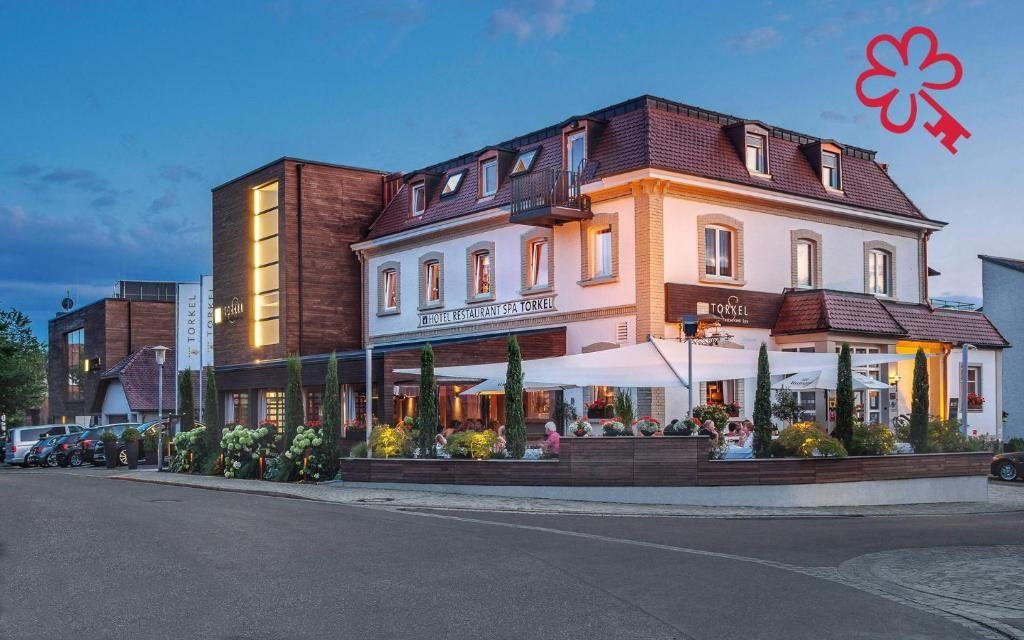

At a Glance
- Cozy
- Rustic
- Classic
- Family
- Casual Hangout
- Historic Building
- Local Sourcing
Current opening hours
- Monday
- 4–11 PM
- Tuesday
- 4–11 PM
- Wednesday
- 4–11 PM
- Thursday
- 4–11 PM
- Friday
- 4–11 PM
- Saturday
- Closed
- Sunday
- Closed
Hours can change for holidays and private events. Last verified .
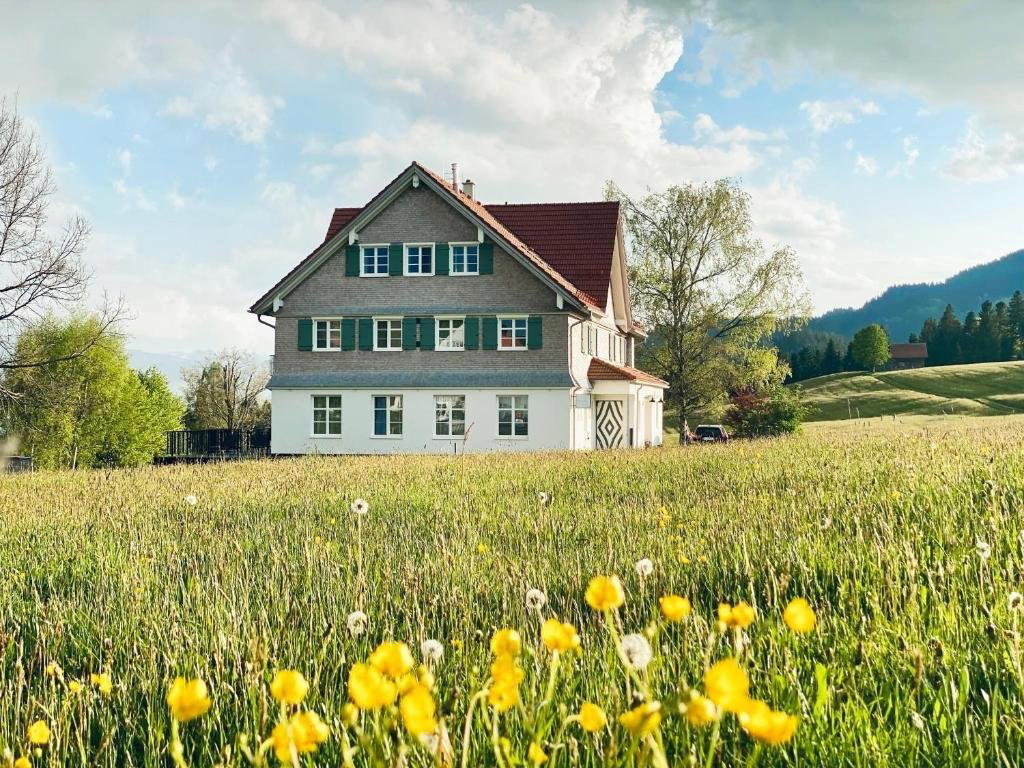
Warm and inviting gemütlich atmosphere with an open fireplace and cozy Stadl ambiance.