Thai cooking in the Rhine Valley sits some distance from its nearest regional peer. Regina Thai Cuisine on Kirchstraße in Lustenau fills that gap, bringing the herb-forward, balance-driven traditions of Central and Southeast Thai kitchens to a town better known for precision manufacturing than lemongrass. For visitors moving through Vorarlberg who want something other than Käsespätzle, it represents a deliberate detour worth making.
Pearl is the En Primeur Club membership app — saves, bookings, and concierge access live there. Same editors, same standards.
- Address
- Kirchstraße 10a, 6890 Lustenau, Austria
- Phone
- +4366475021358
- Website
- reginathaicuisine.at
- Directions
- Get directions
 Saves & bookings on Pearl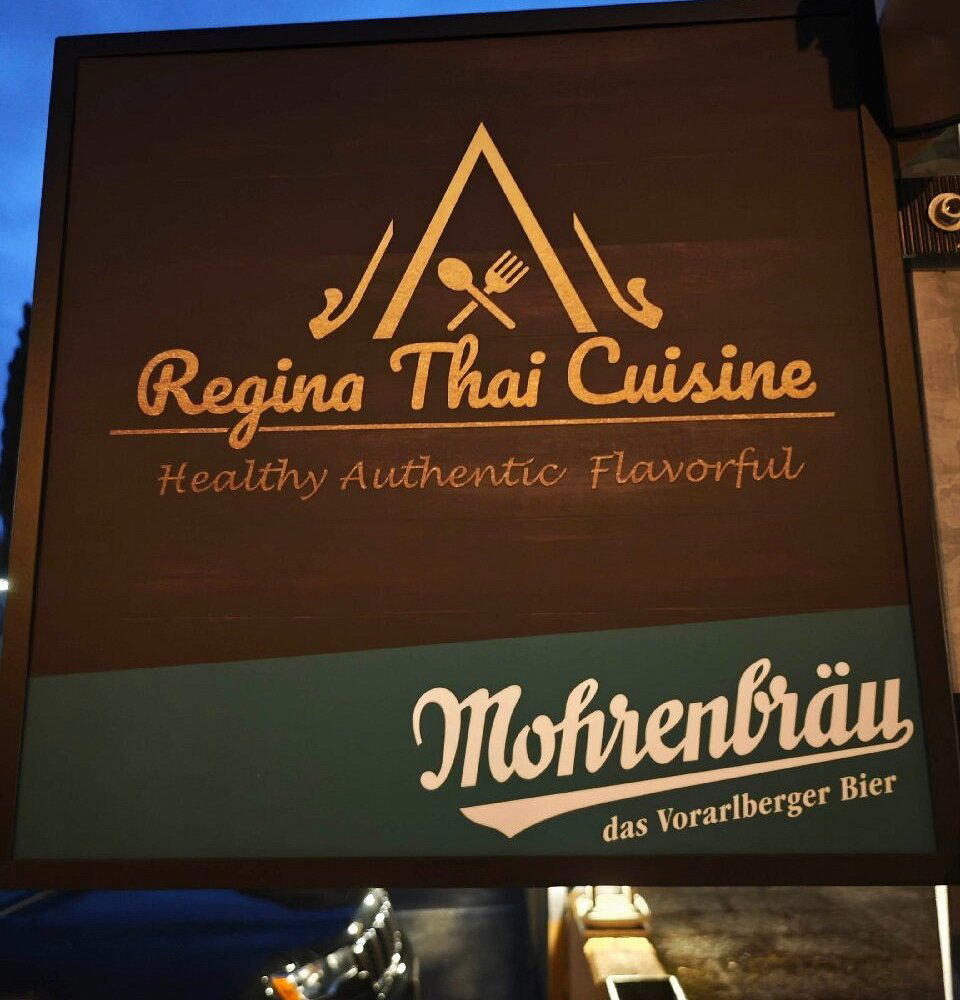
Thai Cuisine in the Vorarlberg Context
Lustenau is an industrial border town on the Rhine, separated from Switzerland by a river crossing and from the Austrian alpine dining circuit by temperament. Lustenau's own dining scene is smaller and more practical, anchored by neighbourhood restaurants like Restaurant Pizzeria Olive and the farm-linked cooking at Freigeist (Farm to table), which holds a €€ price point and sources close to home. Against that backdrop, a Thai kitchen on Kirchstraße is not an obvious fit, which is precisely why it draws attention.
Thai cooking, even when transplanted far from its origin, carries a sourcing logic that is unusually transparent. The cuisine depends on fresh aromatics, galangal, kaffir lime leaf, lemongrass, Thai basil, whose presence or absence is immediately legible in the finished dish. A Thai kitchen operating in landlocked Central Europe faces a version of the same challenge that faces any Thai restaurant outside of Southeast Asia: how to maintain the herbal freshness and structural balance that distinguish the cuisine from generic spiced cooking. That challenge frames how Regina Thai Cuisine should be read, not as a curiosity, but as a practical answer to a specific sourcing problem in a specific place.
What the Ingredient Question Reveals
Central to Thai cooking's identity is the relationship between wet and dry aromatics, the fresh paste foundations of dishes like green curry or tom kha, versus the dried spice notes that appear in regional dishes from the north and northeast. In Thailand, these ingredients are sourced daily from markets, often from producers within the same province. Outside of Asia, Thai restaurants typically work through specialist importers or grow certain herbs in controlled conditions. The quality differential between restaurants that invest in that supply chain and those that default to processed pastes is significant and almost immediately detectable: the former carry a volatile brightness in the aromatics; the latter tend toward a uniform, muted heat.
For a restaurant in Vorarlberg, a region that excels at dairy, root vegetables, and mountain herbs but has no native tradition of tropical aromatics, the sourcing question becomes the central operational one. Proximity to Switzerland and Germany gives Lustenau access to European distribution networks larger than those available to more remote Austrian addresses, and the Rhine Valley corridor is a known logistics route. What the cuisine demands, however, is clear, and that demand sets the standard against which the kitchen should be measured.
Kirchstraße and What Surrounds It
The address at Kirchstraße 10a places Regina Thai Cuisine in a residential-commercial strip typical of Lustenau's lower town. The neighbourhood is functional rather than atmospheric, no historic square, no obvious tourist draw, which means the restaurant operates on the strength of its food rather than on foot traffic or location advantage. In that respect it resembles the position of Bärenstadl, another Lustenau address that draws regulars through cooking rather than setting.
Arriving on Kirchstraße, the transition from Vorarlberg's grey-sky Rhine weather into a Thai interior carries its own atmospheric logic. Thai restaurant design in Europe has moved, over the past decade, from formulaic decorative shorthand, gilded Buddhas, teak screens, toward a more restrained approach that lets the food make the cultural statement.
Situating Regina Thai Within Austrian Dining
Austrian fine dining remains overwhelmingly European in its reference points. The recognised names, Döllerer in Golling an der Salzach, Ikarus in Salzburg, Kräuterreich by Vitus Winkler in Sankt Veit im Pongau, Gourmetrestaurant Tannenhof in Sankt Anton am Arlberg, work within alpine, Austrian-regional, or classical French frameworks. Asian cuisine in the country's western states occupies a different tier: it operates without award infrastructure, without the critical apparatus that covers a restaurant like Landhaus Bacher in Mautern an der Donau or Stüva in Ischgl, and it answers to a different set of expectations from its guests.
Thai restaurants in smaller Austrian cities tend to be assessed by the communities that use them most: local regulars, expat networks, and visitors from Switzerland and Germany who cross the border for dining options outside their own city centres. Regina Thai Cuisine sits within that community-driven tier, where word-of-mouth and repeat custom carry more weight than critic citations. The comparison set is not Schwarzer Adler in Hall in Tirol or Ois in Neufelden, it is other Thai restaurants accessible from the Rhine Valley, including those across the border in Switzerland's Rhine corridor.
Internationally, the benchmark for Southeast Asian cooking translated with technical rigour for a demanding Western audience is set by restaurants like Atomix in New York City at the Korean end of the spectrum, or the seafood discipline visible at Le Bernardin in New York City, neither of which is a direct peer, but both of which illustrate what ingredient-led precision looks like at its most committed. At the neighbourhood end of that same discipline, the markers are simpler: freshness of aromatics, balance across sweet, sour, salt, and heat, and the absence of the paste-jar shortcuts that flatten Thai food into something generic.
Planning a Visit
The restaurant is at Kirchstraße 10a in Lustenau, a ten-minute drive from the Swiss border crossing at Lustenau-Au and accessible from Dornbirn or Bregenz by regional road. Current hours are Monday closed and Tuesday through Sunday 11 AM to 2 PM and 5:30 PM to 10:30 PM. The restaurant is walk-in friendly. Similarly, Restaurant 141 by Joachim Jaud in Mieming is worth noting for those extending into Tyrol.
In Context: Similar Options
Comparable venues nearby, for context on price, style, and recognition.
| Venue | Cuisine | Price | Awards | Notes |
|---|---|---|---|---|
| Regina Thai CuisineThis venue — the venue you are viewing | Authentic Thai Cuisine | $$ | Not listed | Not listed |
| Restaurant Pizzeria Olive | Mediterranean Pizza & Pasta | $$ | Not listed | Lustenau |
| Bärenstadl | Traditional Vorarlberg Austrian | $$ | Not listed | Lustenau |
| Freigeist | Dining | Not listed | Bib Gourmand | Lustenau |
| Gabriel's Cucina | Authentic Italian Mediterranean | $$ | Not listed | Dornbirn city center |
| Marktplatz | Modern Austrian with Fingerfood | $$ | Not listed | Zentrum |
Continue exploring
More in Lustenau
Restaurants in Lustenau
Browse all →
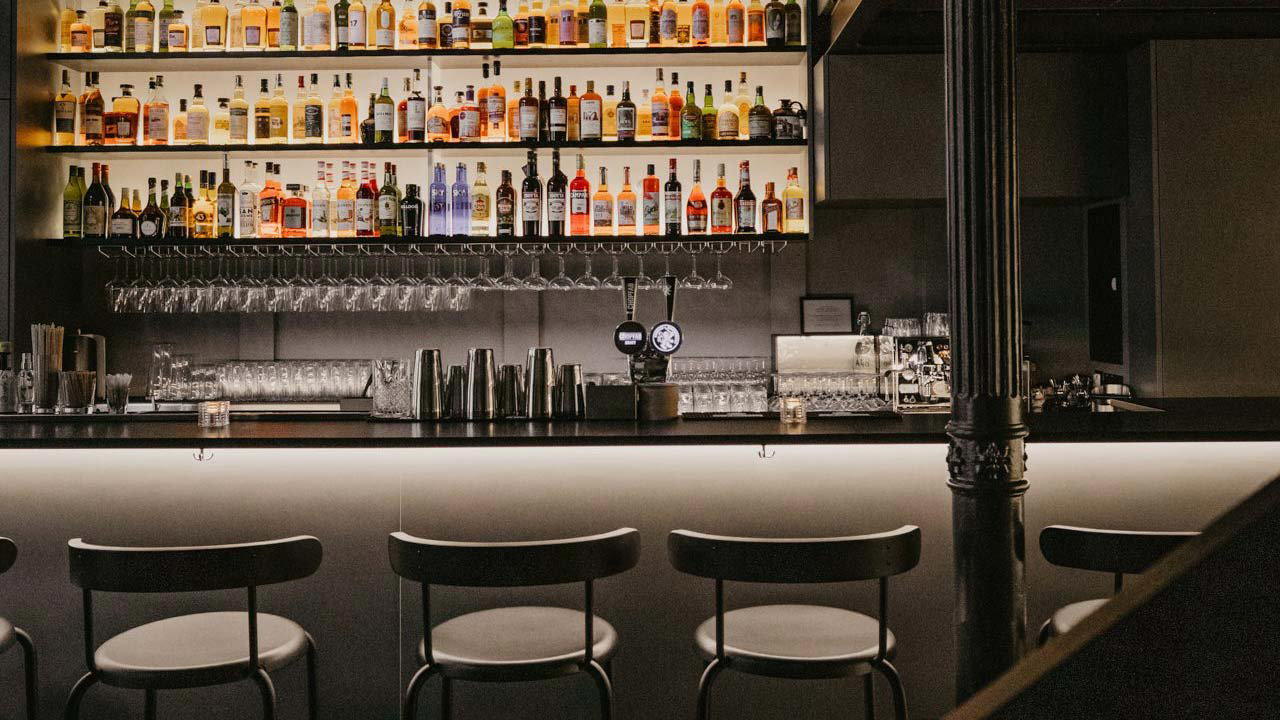
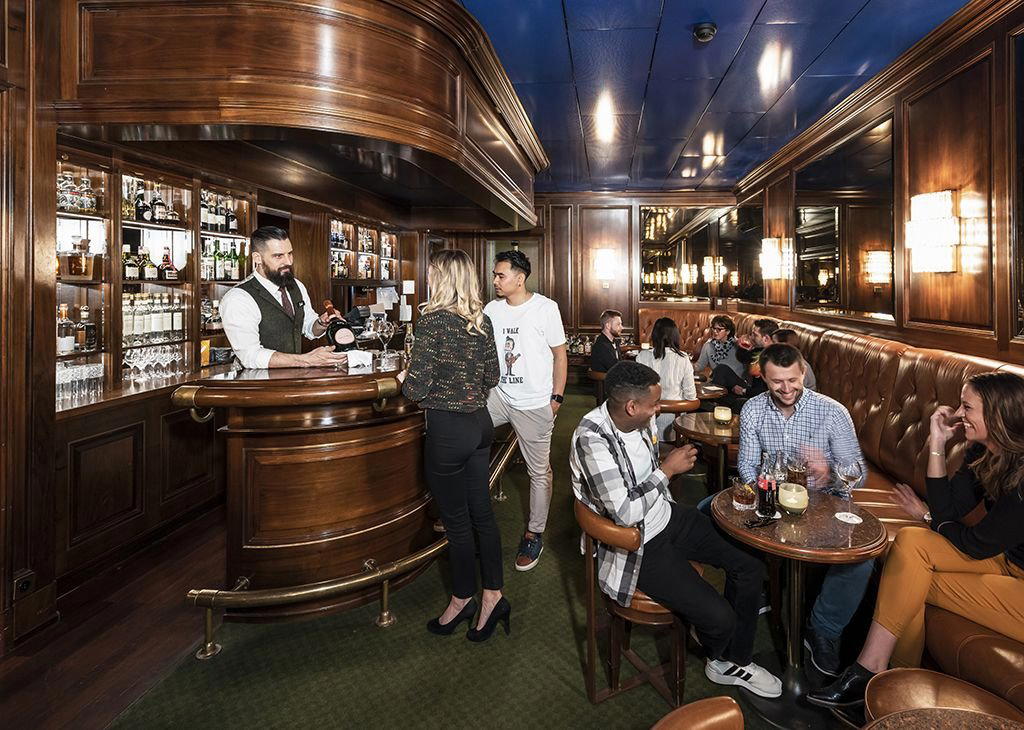
Bars in Lustenau
Browse all →
Hotels in Lustenau
Browse all →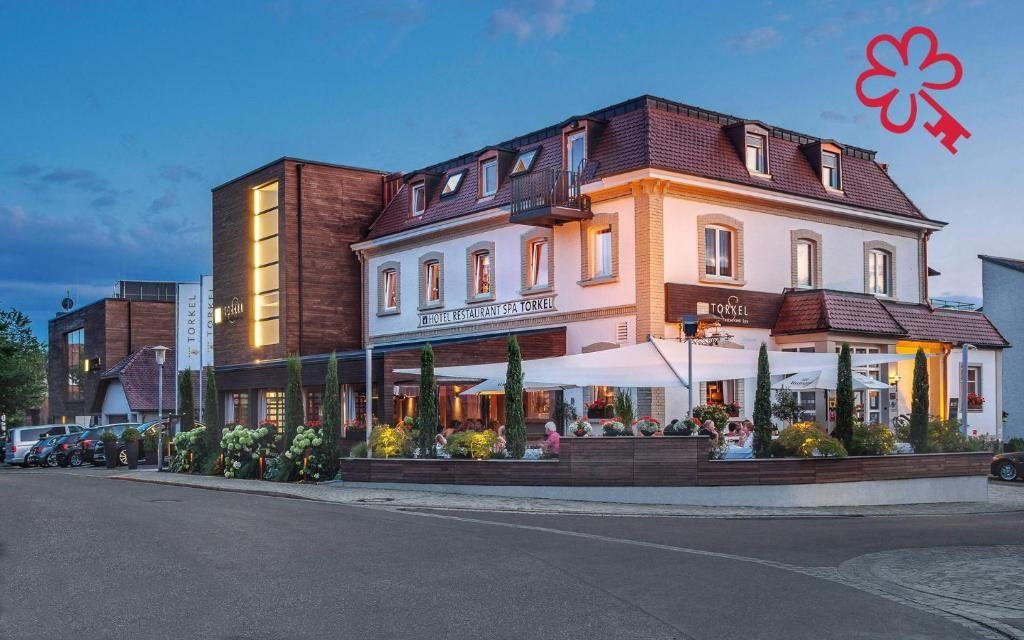

At a Glance
- Casual Hangout
Current opening hours
- Monday
- Closed
- Tuesday
- 11 AM–2 PM, 5:30–10:30 PM
- Wednesday
- 11 AM–2 PM, 5:30–10:30 PM
- Thursday
- 11 AM–2 PM, 5:30–10:30 PM
- Friday
- 11 AM–2 PM, 5:30–10:30 PM
- Saturday
- 11 AM–2 PM, 5:30–10:30 PM
- Sunday
- 11 AM–2 PM, 5:30–10:30 PM
Hours can change for holidays and private events. Last verified .