
Michelin Plate
Our verdict
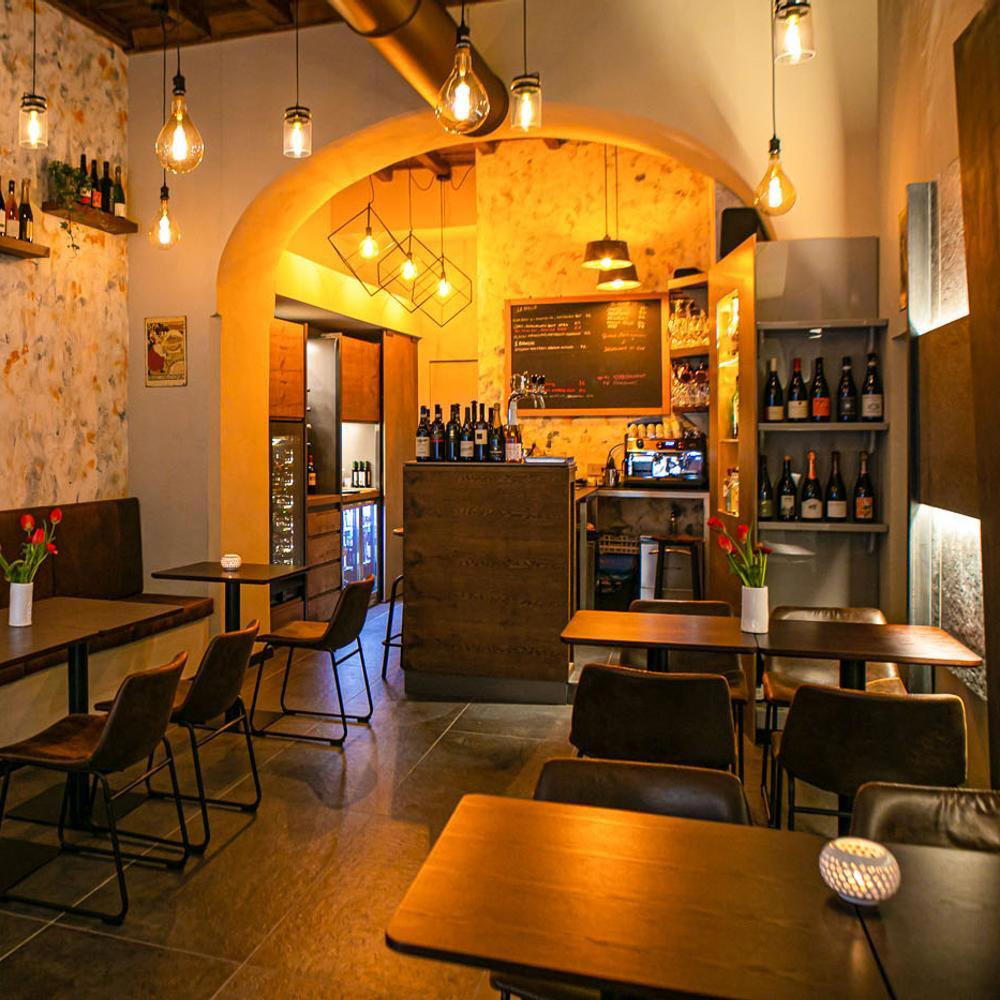
On a quiet lane in Palma's old quarter, steps from the Convento de la Concepció, Bàrbar occupies a restored stone building that splits into two distinct dining spaces. The à la carte format moves through Mediterranean cooking with seasonal inflections and a daily fish programme. The kitchen's handling of wild-caught fish, including grilled turbot sourced to order, has drawn consistent attention from visitors and locals alike.

Pearl is the En Primeur Club membership app — saves, bookings, and concierge access live there. Same editors, same standards.
- Address
- C/ de la Concepció, 3, Bajo, Centre, 07012 Palma, Balearic Islands, Spain
- Phone
- +34 854 62 01 45
- Hours
- Daily 1–4 PM, 7–11 PM
- Website
- barbarmallorca.com
- Directions
- Get directions
- Booking
- Book on CoverManager
The menu
What to order
- Steak tartare
- Grilled wild turbot
- Blue tuna
Stone Walls, Slow Meals: Dining in Palma's Old Quarter
Palma's Centre historic district has two modes of dining. The first is the high-concept restaurant, destination-driven and tasting-menu-led, represented by addresses like Marc Fosh and Zaranda, both carrying Michelin recognition and pricing that reflects it. The second is the neighbourhood-anchored room where the ritual of eating is quieter, unhurried, and oriented around the table rather than the kitchen narrative. Bàrbar belongs to the second category, and it does so from one of the old quarter's more atmospheric addresses: C/ de la Concepció, 3, a few metres from the convent that gives the street its name.
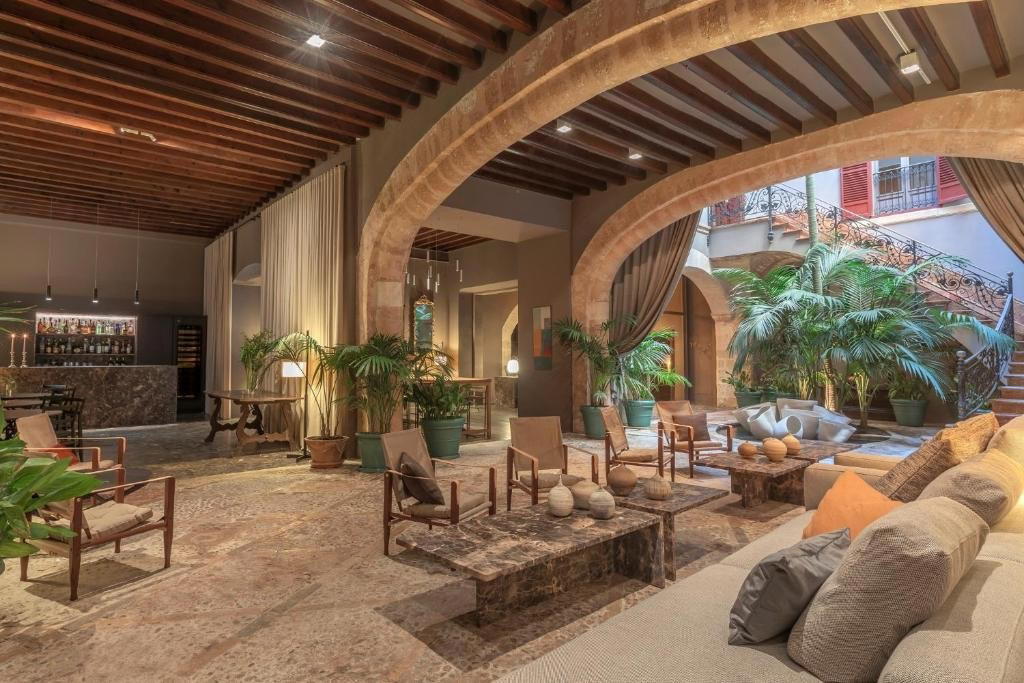
Approaching the entrance, the building reads as old Palma rather than renovated Palma. The restored natural stone walls inside are not decorative gesture but structural fact, a reminder that this corner of the city was built before air conditioning, before lighting design consultants, before the concept of a dining atmosphere was separated from the act of simply being somewhere. That quality, hard to manufacture and easy to lose in a renovation, shapes how a meal here feels from the moment you sit down.
Two Rooms, One Rhythm
The dining format at Bàrbar is à la carte, which in the context of Palma's broader restaurant scene represents a deliberate positioning. Much of the city's premium tier has moved toward set menus and tasting formats. Adrián Quetglas and DINS Santi Taura both structure the experience around a fixed progression. Aromata follows a similar logic. The à la carte room, where the diner sets the pace and composes the meal, has become a quieter tradition in this price segment.
Bàrbar offers two distinct dining spaces, and the choice between them carries different meal implications. The room overlooking the kitchen puts the operational rhythm of cooking into peripheral view, a format that has become shorthand in European dining for transparency and engagement. The main dining room, set further back, runs at a different tempo: conversation-forward, less aware of the pass, more settled into the stone-and-timber register of the building itself. Neither is wrong. They suit different kinds of evening.
The Mediterranean Table, Taken Literally
Spanish Mediterranean cooking, particularly in the Balearics, carries a specific logic. It is not the same as Catalan modernism, nor the Basque technical tradition represented elsewhere in Spain by addresses like Arzak or Azurmendi. Mallorcan cooking at its core is about the island's produce: seafood from the surrounding waters, vegetables from the interior, technique that stays close enough to tradition that the ingredient does most of the speaking. Bàrbar's menu operates within this frame, building an à la carte structure around Mediterranean foundations with occasional global references and a standing commitment to seasonal suggestions and fish of the day options.
The fish programme is where the kitchen signals its priorities most clearly. Wild turbot, grilled, has been noted as a point of reference by diners who have eaten here, and the quality of the sourcing registers in the result. Grilling a whole wild turbot correctly is a less forgiving task than it appears. The fish needs heat management that respects the thickness of the flesh, timing that keeps the interior barely set, and enough restraint to let the quality of the catch carry the plate. That discipline, when it works, produces something that tasting menus and elaborate preparations rarely match for directness.
The seasonal suggestions extend the logic. In a kitchen built around Mediterranean produce, the daily and weekly rotation of what arrives from suppliers is the real menu architecture, with the printed card as a secondary framework. Fish of the day options follow the same principle: what came in, prepared in a way that fits it. This is an older model of restaurant operation that some of Spain's most ambitious kitchens, including Aponiente and El Celler de Can Roca, have incorporated into highly structured formats. At Bàrbar, it remains the operating principle rather than a narrative device.
The Pace of the Meal
Eating in the old quarter of Palma moves differently from eating at a destination address outside the city. The neighbourhood has its own ambient rhythm: foot traffic through narrow lanes, the presence of the convent nearby, the particular quality of evening light in a city built this close to the sea. A meal at Bàrbar is not insulated from that context. The room opens onto the street-level reality of Centro, which means the dining experience is porous to the city in a way that purpose-built fine-dining rooms are not.
For a visitor planning an evening, this has practical implications. The à la carte format means no fixed duration, so the meal can be composed to fit the night rather than the other way around. A two-course fish-focused dinner with a glass of local wine from the Balearics is a complete thing. So is a longer table with multiple passes through the seasonal suggestions. The room does not impose a structure, which is itself a position in a city where the competing format is increasingly the curated progression.
For broader context on eating and drinking in Palma, see our full Palma restaurants guide, along with guides to bars, hotels, wineries, and experiences across the city and island.
Planning a Visit
Bàrbar sits at C/ de la Concepció, 3, in the Centro district of Palma, walkable from most of the old quarter's hotels and a short distance from the cathedral waterfront. The address places it inside the pedestrian fabric of the neighbourhood rather than on a main arterial, so arrival on foot is natural; taxis and ride-share drop-offs work on the nearby streets. Given the room size and the character of the neighbourhood, booking ahead is worth doing for weekend evenings and during the summer peak that runs through August and September. The evergreen nature of the offer means it draws both visitors during high season and locals in quieter months, so availability can compress in both directions.
Frequently asked questions
Where is Bàrbar in Palma?
Bàrbar is located at C/ de la Concepció, 3, Bajo, Centre, 07012 Palma, Balearic Islands, Spain, Palma.
Is Bàrbar award-winning?
Bàrbar has received recognition including: In the heart of Palma’s old quarter, just a few metres from the Convento de la Concepció after which the street is named, you’ll come across this rustic-style eatery with lots of character, thanks mainly to its restored natural stone walls.….
What do people recommend at Bàrbar?
The grilled wild turbot is the dish most consistently cited for the quality of its sourcing. Beyond that, the menu follows a Mediterranean à la carte structure with daily fish specials and seasonal suggestions, so the strongest choices on any given visit are likely to be whatever the kitchen has listed that day rather than a fixed signature.
How far ahead should I plan for Bàrbar?
Bàrbar sits on C/ de la Concepció in Palma's Centro district, within walking distance of most old quarter hotels, which puts it in the path of a steady flow of visitors during peak months from August through December. Booking a day or two in advance is advisable in high season; outside that window the pace of the neighbourhood tends to be more forgiving.
What makes Bàrbar worth seeking out?
In a city centre where tasting menus and high-concept formats dominate the conversation, Bàrbar holds to an à la carte structure built around the Mediterranean table, with fish of the day options and seasonal produce doing most of the work. The setting adds context: restored natural stone walls inside a building in Palma's old quarter, with a counter space overlooking the kitchen for those who want a closer read on what's being cooked.
What It’s Closest To
Comparable venues nearby, for context on price, style, and recognition.
| Venue | Cuisine | Price | Awards | Notes |
|---|---|---|---|---|
| BàrbarThis venue — the venue you are viewing | Modern Mediterranean Tapas | $50–100 | Michelin Plate | Not listed |
| Little Jarana | Modern Mediterranean Small Plates | $50–100 | Michelin Plate | near Passeig de Mallorca |
| Adrián Quetglas | Modern Mediterranean with Argentinian and International Influences | $50–100 | Michelin Plate · Star Wine List | Distrito Centro |
| Mambo | Modern Mediterranean Bistro | Not listed | Michelin Plate | Centre |
| Ca n'Ela Vegan Restaurant | Creative Vegan Mediterranean | $20–30 | Not listed | Lonja |
| Calma y Caos Restaurant | Modern Mediterranean Signature Cuisine | $50–100 | Not listed | Palma de Mallorca |
Recognition history
Dated appearances from independent guides and award organizations, with the underlying list record or original source where available.
Michelin Plate
Michelin
Continue exploring
More in Palma
Restaurants in Palma
Browse all →
Bars in Palma
Browse all →
Hotels in Palma
Browse all →
Details
- Rustic
- Elegant
- Modern
- Cozy
- Sophisticated
- Date Night
- Special Occasion
- Open Kitchen
- Extensive Wine List
- Local Sourcing
- A La Carte
- Small Plates
Current opening hours
- Monday
- 1–4 PM, 7–11 PM
- Tuesday
- 1–4 PM, 7–11 PM
- Wednesday
- 1–4 PM, 7–11 PM
- Thursday
- 1–4 PM, 7–11 PM
- Friday
- 1–4 PM, 7–11 PM
- Saturday
- 1–4 PM, 7–11 PM
- Sunday
- 1–4 PM, 7–11 PM
Hours can change for holidays and private events. Last verified .
Noble and stylish interior with kitchen views, busy yet sophisticated atmosphere praised for its magical impressiveness and modern presentation.