

Star Wine List · Wine Spectator Best of Award of Excellence
Our verdict
Brava Steakhouse makes a direct case for Saltillo's place in the northern Mexico dining conversation, anchoring its menu in Coahuila beef country and pairing it with a wine list built almost entirely around Mexican producers from the same region. The room is deliberately warm and unfussy, pitched somewhere between neighbourhood gathering place and considered dining destination. For anyone building an itinerary around Mexico's emerging wine and cattle corridor, Brava is a practical and honest starting point.

Pearl is the En Primeur Club membership app, where members save venues, book tables and use the concierge.
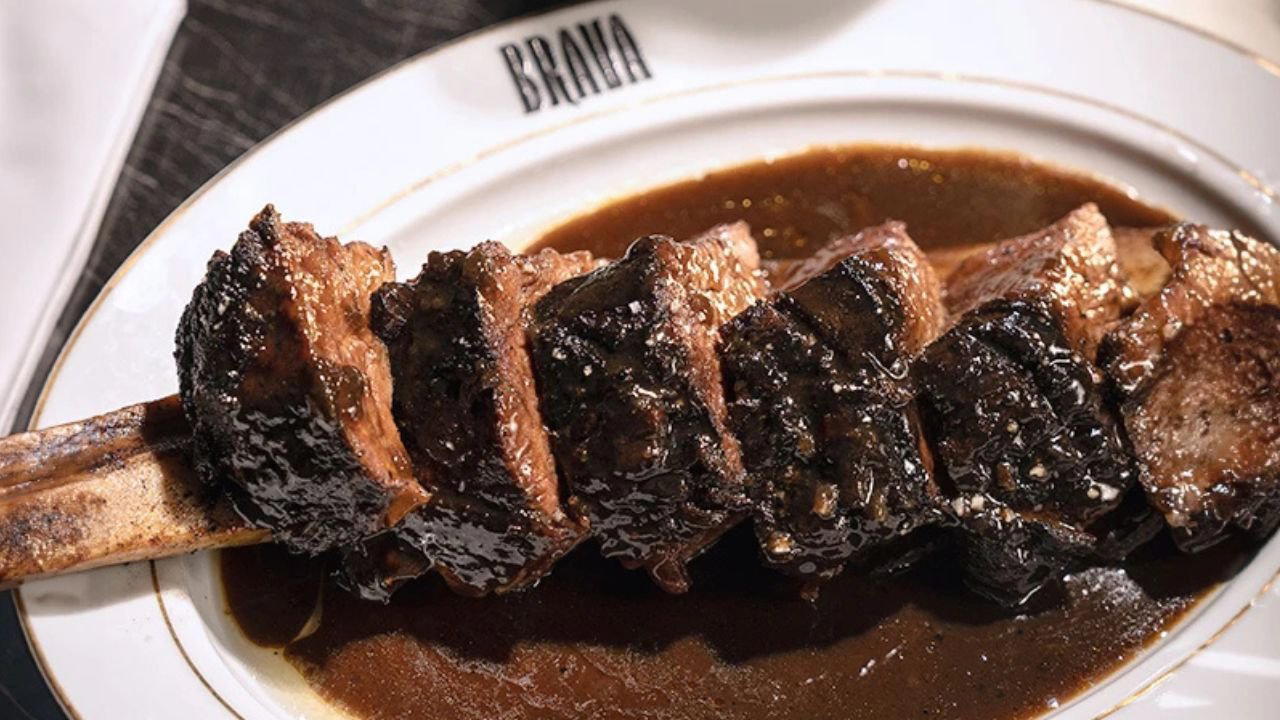
The menu
What to order
- Prime Rib
- New York Strip
- Meat Juice
- Caramelized Onions Dessert
Coahuila on the Plate: Why Northern Mexico's Beef Country Deserves Attention
The northern Mexican state of Coahuila sits at the intersection of two things that have historically defined serious steak culture: cattle ranching land and wine country. The state's high-altitude valleys, particularly around Parras de la Fuente, have produced wine since the 1590s, making them among the oldest wine-producing regions in the Americas. The ranchlands that spread across the wider state have fed northern Mexico's appetite for beef for centuries. Brava Steakhouse, located in Saltillo's Parque Centro on Blvd. Parque Centro 1273, is one of the restaurants currently doing the clearest work of placing both traditions in the same room.
Saltillo itself operates at a different register from Mexico City's high-profile dining circuit. Where restaurants like Pujol in Mexico City or Le Chique in Puerto Morelos draw international critical attention and multi-course tasting formats, the northern dining scene tends toward directness: good sourcing, uncomplicated presentations, and a pride in regional identity that doesn't require theatrical packaging to make its point. Brava belongs to that tradition.
The Room: Warmth as a Design Principle
The atmosphere at Brava reads as deliberately cosy rather than aspirationally cool. This is a deliberate positioning decision, and it matters. In a Mexican dining market increasingly split between destination-format fine dining and fast-casual, the mid-tier steakhouse that succeeds on warmth and substance occupies a meaningful space. The physical environment is designed to feel like a place you return to rather than a place you photograph once and move on from. That kind of repeat-visit positioning is harder to sustain than novelty, and Brava's approach is grounded in the quality of what arrives on the table rather than the architecture surrounding it.
The location within the Parque Centro commercial zone puts it in reach of Saltillo's professional and business community, which shapes the room's energy on weekday evenings. This is consistent with northern Mexico's broader steakhouse culture, where the midweek business dinner carries as much social weight as the weekend family table.
Where the Food Comes From and Why That Matters
Editorial case for Coahuila beef rests on geography. The state's semi-arid rangelands produce cattle under conditions that lean toward grass and open pasture, with the altitude and temperature variation of the Sierra Madre Oriental to the west providing a different grazing profile than the lowland beef regions of Mexico. This is cattle country in a specific, traceable sense, not a marketing claim. Restaurants that anchor their steak programs in this kind of regional sourcing are making an argument about place, the same argument that farm-to-table restaurants like Olivea Farm to Table in Ensenada or origin-focused kitchens like KOLI Cocina de Origen in Monterrey make in their own regional contexts.
The difference at Brava is the deliberate framing: the kitchen isn't simply cooking regional beef, it is making a case that this region's product is worth attention. That framing connects to a wider shift in Mexican dining, visible from Animalón in Valle de Guadalupe to Lunario in El Porvenir, where sourcing transparency and regional pride have become the substance of the dining proposition rather than its supporting material.
The Wine Program: A Direct Argument for Mexican Viticulture
The wine list is where Brava's editorial position becomes most explicit. Mexican wine operates under persistent skepticism from international buyers conditioned to look past Latin American producers in favour of European or Californian benchmarks. Brava's wine program pushes back against that default by exalting Coahuila's production alongside other Mexican labels. This is a meaningful stance in a steakhouse context, where the path of least resistance is usually to stock recognisable international labels and price them safely.
Coahuila wine has a legitimate claim to seriousness. The Parras Valley, home to Casa Madero (established 1597), produces Cabernet Sauvignon, Shiraz, and Merlot at altitude, with diurnal temperature swings that concentrate flavour and preserve acidity. When a steakhouse in Saltillo builds its list around these producers, it is connecting the food on the plate to the wine in the glass through a logic of place rather than prestige. That coherence is a more sophisticated move than importing bottles with recognisable labels, and it positions Brava within a growing segment of Mexican restaurants, from Alcalde in Guadalajara to Levadura de Olla in Oaxaca, that treat the domestic wine and spirits culture as intellectually serious.
For context, the wine program at Brava occupies a comparable position to what Pangea in San Pedro Garza García has done for Monterrey: using the wine list to make a regional argument that reinforces the food program's sourcing logic. The parallels are useful for anyone building an itinerary across northeastern Mexico's dining corridor.
Northern Mexico's Dining Moment
Saltillo is not on the international food circuit in the way that Oaxaca, Mexico City, or the Valle de Guadalupe have become. That relative obscurity reflects a gap in editorial coverage more than a gap in quality. Coahuila's combination of serious beef production, one of Mexico's oldest wine regions, and a city with a substantial professional class creates conditions that support considered dining, even if that dining hasn't yet attracted the critics and press that follow Mexico's more visited destinations.
The restaurants worth attention in this part of Mexico tend to make their case through substance rather than profile. Brava fits that pattern. It is not trying to compete with the tasting-menu ambition of HA' in Playa del Carmen or the international reach of Arca in Tulum. The goal is more specific: to demonstrate that a steakhouse anchored in Coahuila's cattle and wine tradition can be a coherent, regionally intelligent dining destination. On that measure, the approach holds.
For visitors building an itinerary around Saltillo, Brava sits logically alongside the city's other dining options. Pair it with a visit to the wine country around Parras, roughly 170 kilometres southwest, for a fuller picture of what Coahuila's food and drink identity looks like in practice. For a broader view of Saltillo's hospitality and dining options, consult our full Saltillo restaurants guide, our full Saltillo hotels guide, our full Saltillo bars guide, our full Saltillo wineries guide, and our full Saltillo experiences guide.
Planning Your Visit
Brava Steakhouse is located at La Gran Via, Blvd. Parque Centro 1273, Local 1, Planta Baja, Colonia Parque Centro, Saltillo, Coahuila, 25279. The Parque Centro zone is accessible by car and taxi from central Saltillo, and the surrounding commercial development means parking is generally available. Booking in advance is the practical approach for weekend evenings, particularly for larger groups, given the steakhouse's positioning as a neighbourhood destination with a loyal local following. Phone and online booking details are best confirmed directly through current local listings, as contact information was not available at time of publication.
Frequently asked questions
Is Brava Steakhouse good for families?
The room is designed around warmth and accessibility rather than ceremony, which makes it a reasonable choice for a family dinner. The cosy, approachable atmosphere at Parque Centro positions it as a neighbourhood steakhouse rather than a high-formality destination, so younger diners are unlikely to feel out of place.
Is Brava Steakhouse formal or casual?
Casual, by deliberate design. Brava positions itself as a cosy steakhouse rather than a white-tablecloth operation, which aligns with its role as a spotlight for Coahuila's regional dining scene rather than a fine-dining showcase. Comfortable clothing is appropriate; there is no indication of a dress code requirement.
Is Brava Steakhouse award-winning?
Brava Steakhouse has received recognition including: Brava is a super cosy steakhouse in Coahuila hoping to shine a spotlight on the Northern Mexico dining scene. The wine menu exalts the Coahuila region, promoting Mexican wine with pride whilst also op....
What dish is Brava Steakhouse famous for?
The editorial identity centres squarely on beef from Coahuila's semi-arid rangelands, making the steak programme the core draw. Beyond the beef, the wine list is a defining feature, built around Coahuila-region producers and Mexican viticulture, which is unusual for a steakhouse anywhere in the country.
Where is Brava Steakhouse in Saltillo?
Brava Steakhouse is located at La Gran Via, Blvd. Parque Centro 1273-Local 1. Planta Baja, Col. Parque, Centro, 25279 Saltillo, Coah. Mexico, Saltillo.
Is Brava Steakhouse reservation-only?
Parque Centro 1273, Local 1, is the most reliable way to confirm table availability before visiting.
In Context: Similar Options
Comparable venues nearby, for context on price, style, and recognition.
| Venue | Cuisine | Price | Awards | Notes |
|---|---|---|---|---|
| Brava SteakhouseThis venue (the venue you are viewing) | Premium Steakhouse with Northern Mexican Influences | $50–100 | Star Wine List · Wine Spectator Best of Award of Excellence | Not listed |
| Don Artemio | Contemporary Mexican Heritage | $30–50 | Wine Spectator Award of Excellence | Valle Hermoso |
| Casa Prime Monterrey | Modern Steakhouse | $50–100 | Not listed | Valle Oriente |
| Casa Prime San Luis Potosí | Classic Steakhouse | $50–100 | Not listed | The Park |
| La Torrada | Northeastern Mexican Grilled Steakhouse | $50–100 | Not listed | Valle Oriente |
| Señor Tanaka | Trendy Japanese Fusion | $50–100 | Not listed | San Pedro Garza García |
Recognition history
Dated appearances from independent guides and award organizations, with the underlying list record or original source where available.
Star Wine List
Star Wine List
Wine Spectator Best of Award of Excellence
Wine Spectator
Continue exploring
More in Saltillo
Restaurants in Saltillo
All restaurants in Saltillo →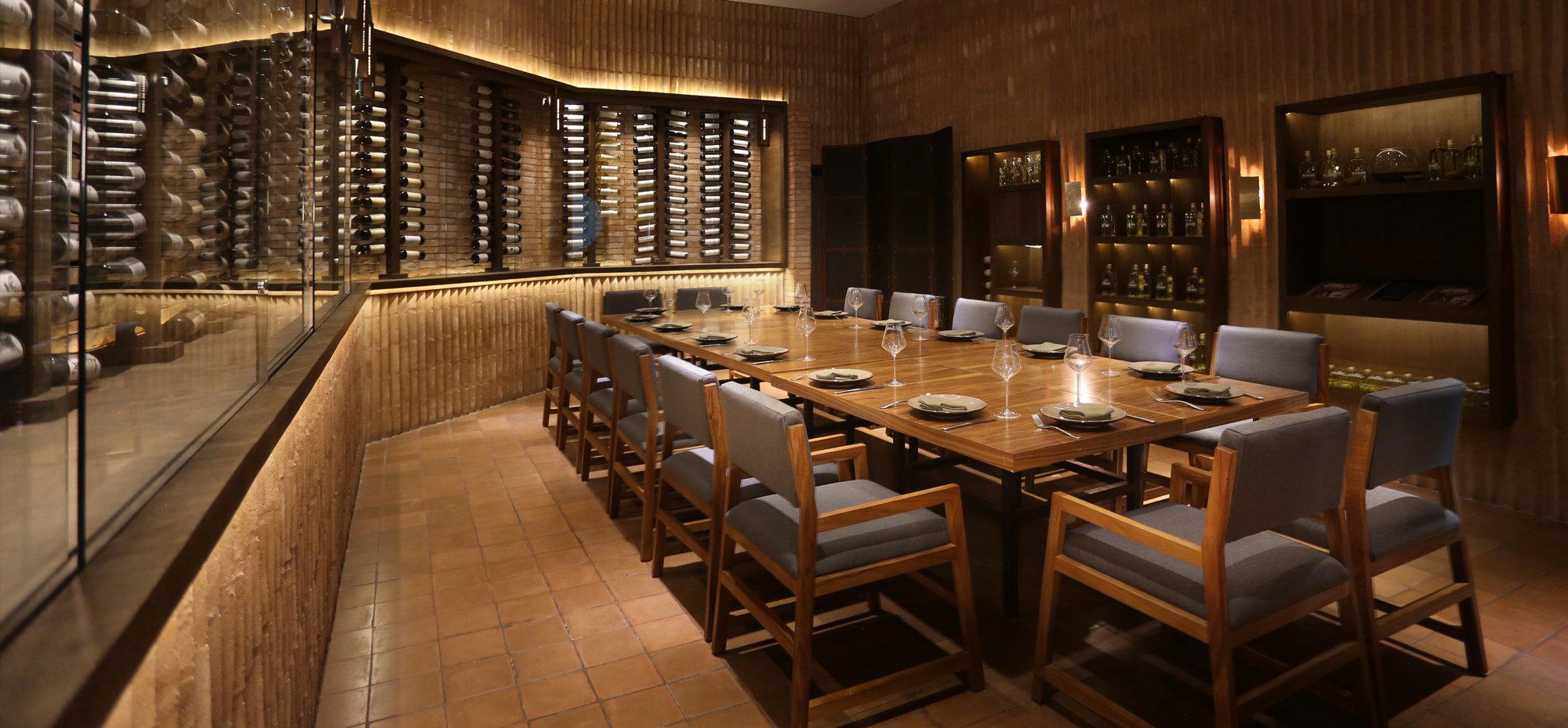
Brava Steakhouse
The wine
Brava Steakhouse holds the Wine Spectator Best of Award of Excellence, which Wine Spectator gives to lists of usually 350 or more selections.
- Wine Spectator
- Wine Spectator Best of Award of Excellence
- Extensive wine list
- Craft cocktails
Details
- Elegant
- Sophisticated
- Romantic
- Date Night
- Business Dinner
- Celebration
- Special Occasion
- Private Dining
- Craft Cocktails
- Extensive Wine List
- Local Sourcing
Current opening hours
- Monday
- 1 PM–2 AM
- Tuesday
- 1 PM–2 AM
- Wednesday
- 1 PM–2 AM
- Thursday
- 1 PM–2 AM
- Friday
- 1 PM–2 AM
- Saturday
- 1 PM–2 AM
- Sunday
- 1–6 PM
Hours can change for holidays and private events. Hours as of .
Upscale and refined atmosphere with warm, attentive service; described as a place to relax and celebrate with elegant presentation and pleasant, clean surroundings.