La Table Du Marais occupies a stretch of Amiens where the city's market-garden tradition meets the table in a direct, unfussy way. The address on Chaussée Jules Ferry places it at a remove from the cathedral-quarter tourist circuit, drawing a local crowd that prefers produce-led cooking over ceremony. For visitors willing to cross the ring road, the reward is a meal rooted in what the Somme basin actually grows.
Pearl is the En Primeur Club membership app — saves, bookings, and concierge access live there. Same editors, same standards.
- Address
- 472 Chau. Jules Ferry, 80090 Amiens, France
- Phone
- +33322461744
- Website
- facebook.com
- Directions
- Get directions
 Saves & bookings on Pearl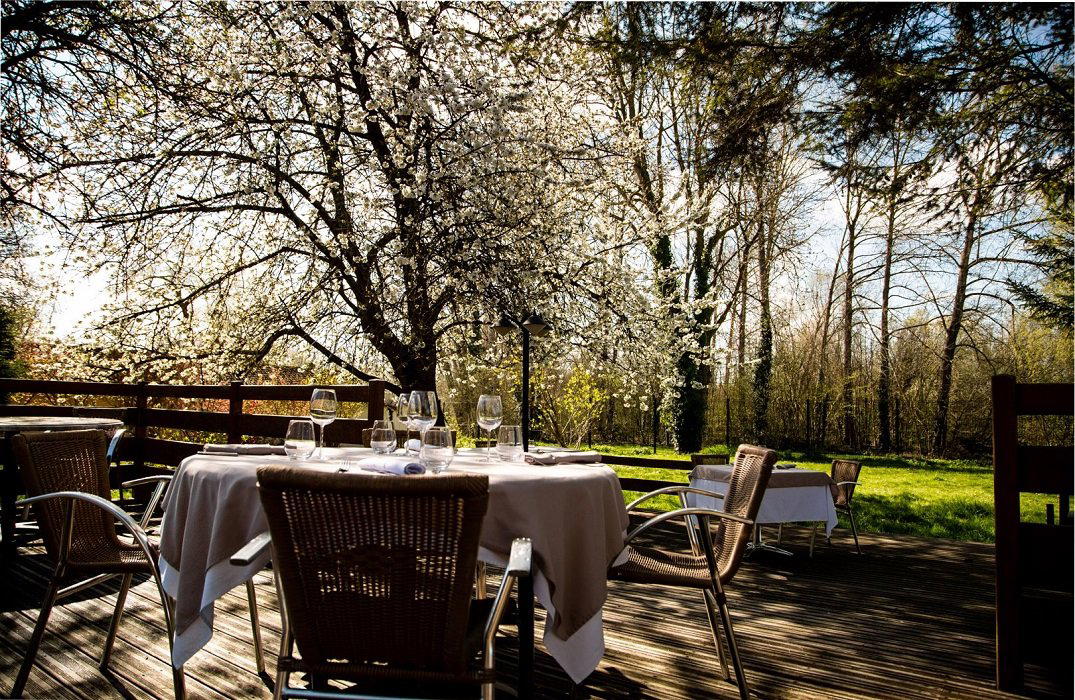
Where the Somme Basin Feeds the Table
Amiens sits at the centre of one of northern France's most productive agricultural zones. The Somme valley delivers chicory, leeks, endives, and early-season greens; the surrounding plains supply grain-fed poultry and pork; and the hortillonnages — the city's celebrated floating market gardens — remain active enough to supply restaurants that know to ask. Dining in Amiens, when it works, is a lesson in how geography shapes a plate. La Table Du Marais sits on Chaussée Jules Ferry in the 80090 district, a few kilometres from the cathedral quarter, and the address alone signals something about its orientation: this is a neighbourhood restaurant shaped by proximity to supply, not by footfall from the tourist circuit.
The name references the marais directly, the marshy, water-channelled terrain that defines the hortillonnages, and in northern French restaurant culture, that kind of naming tends to be a declaration of sourcing intent rather than mere local colour. Whether the kitchen formally contracts with market-garden producers or sources opportunistically through the city's wholesale channels, the framing matters: it positions the restaurant inside a tradition of place-led cooking that distinguishes the more serious end of Amiens dining from the brasserie strip around the Rue des Trois Cailloux.
Northern France's Ingredient Logic
The cooking culture of Picardy and the Hauts-de-France more broadly is not well understood outside France, which has historically worked in its favour. While Normandy accumulated the press coverage and Burgundy the prestige, the north quietly developed one of the country's most ingredient-coherent regional traditions. Maroilles cheese from the Avesnois, ficelle picarde, the local ham-and-mushroom crêpe, smoked eel from the Somme, and a vegetable repertoire that outpaces most of the country in variety and seasonal rhythm: these are the raw materials that a kitchen committed to the marais tradition can draw on.
Across France, the restaurants that have made the clearest arguments for regional ingredient sourcing, from Bras in Laguiole with its plateau-plant obsession to Mirazur in Menton with its kitchen garden, have done so by making the supply chain visible in the dining experience. The question for any Amiens restaurant working under a marais identity is whether the kitchen can do the same: translate the geography of the hortillonnages into something the diner actually tastes and understands. That is a harder brief than it looks, and it separates the restaurants that use local sourcing as a concept from those that build a menu architecture around it.
Amiens has a small but coherent group of kitchens working in this direction. Ail des Ours, operating at the €€ tier with a modern cuisine format, has drawn attention for its produce focus. Hyacinthe occupies similar ground with a contemporary approach. A Taaable represents the city's more experimental register. La Table Du Marais, by address and identity, belongs to a different sub-tier: closer in feel to a neighbourhood anchor than a destination restaurant, which in the Amiens context means it draws regulars rather than pilgrims.
The Chaussée Jules Ferry Address
The stretch of Chaussée Jules Ferry running through the 80090 district is not a dining destination in the way that the old town's pedestrian streets are. It is a working road through a residential and light-commercial zone, and restaurants that succeed here do so on the strength of repeat custom rather than walk-in traffic. For the visitor, that has a practical implication: you plan the trip, you do not stumble into it. The upside is that a restaurant surviving on this kind of address is, almost by definition, cooking for people who come back, which tends to focus a kitchen's priorities in useful ways.
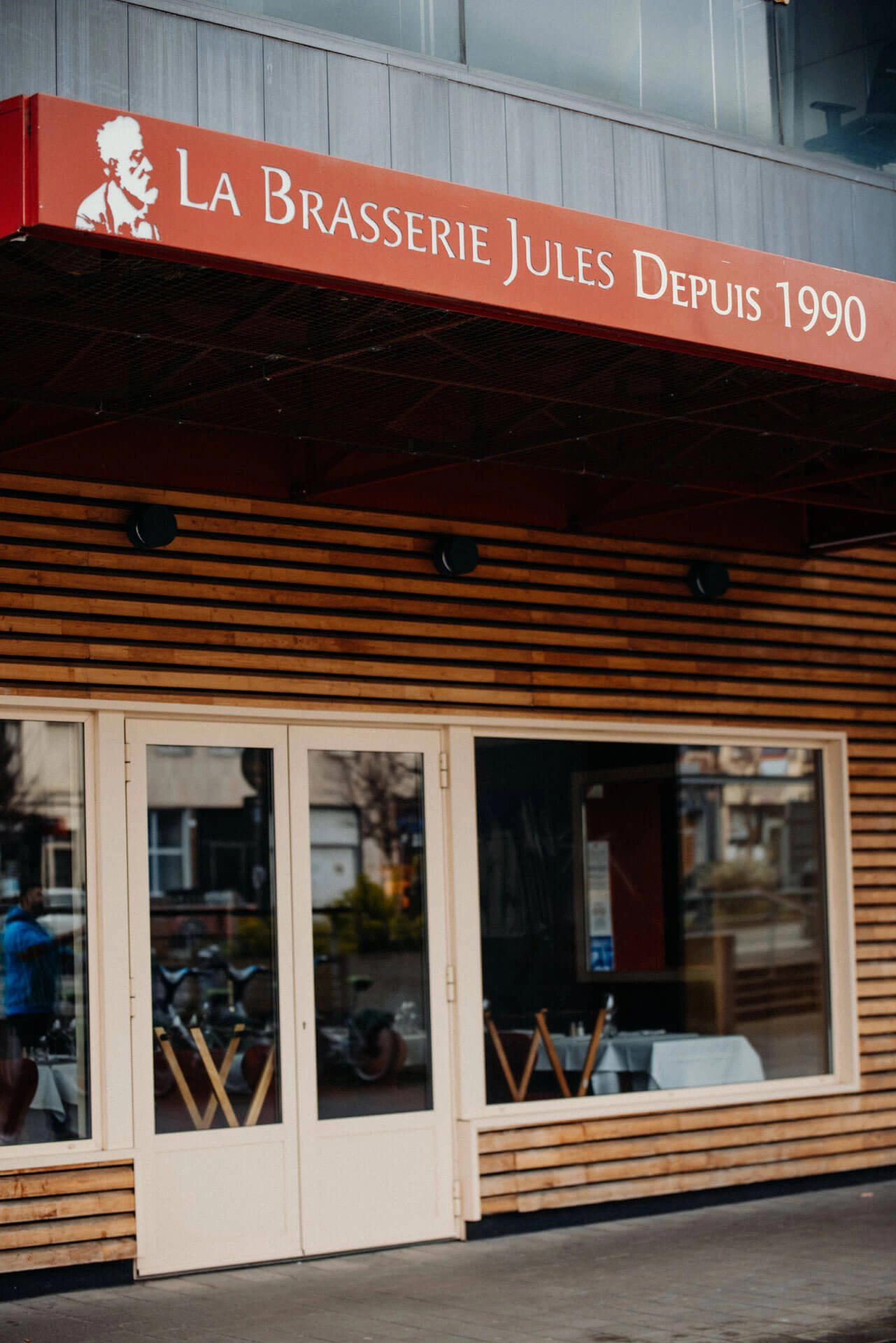
For context on Amiens dining more broadly, our full Amiens restaurants guide maps the city's options across price tiers and styles. Those wanting a more animated atmosphere closer to the central market might look at Brasserie Jules or Bombay for a different register entirely. La Table Du Marais occupies a quieter, more local frequency.
How It Sits in the Wider French Dining Picture
France's benchmark ingredient-sourcing restaurants tend to be found outside Paris: Flocons de Sel in Megève, Auberge de l'Ill in Illhaeusern, and Troisgros in Ouches all built their reputations on a relationship with a specific territory. The Parisian end of the spectrum, Alléno Paris au Pavillon Ledoyen among them, tends to source nationally and internationally, which is a different model. La Table Du Marais is not playing in that league, nor is it trying to: it operates at the scale and price point of a regional neighbourhood restaurant, where the comparison set is other Amiens tables, not the national award circuit that recognises kitchens like AM par Alexandre Mazzia in Marseille or Assiette Champenoise in Reims.
That is not a criticism. The French dining ecosystem depends on exactly this tier of restaurant: serious enough to source deliberately, local enough to price accessibly, and consistent enough to hold a neighbourhood together across years. The comparison with Michelin-decorated destinations like Paul Bocuse's Auberge du Pont de Collonges or internationally recognised rooms such as Le Bernardin in New York and Atomix or Au Crocodile in Strasbourg underlines the point: there is a long chain between a neighbourhood table on Chaussée Jules Ferry and those rooms, and different criteria apply at each link.
Planning a Visit
Because La Table Du Marais sits outside the central tourist zone, arriving by car or taxi from the cathedral district is the practical approach, Chaussée Jules Ferry is accessible but not walkable from the main sights in comfortable dining attire. As with most neighbourhood restaurants of this type in French regional cities, lunch service tends to draw a local professional crowd, while evenings lean more residential. Booking ahead is advisable; this is not the kind of address that keeps large tables vacant on a Friday evening. Specific hours and contact details are best confirmed directly, as published information on this address has not been verified at time of writing.
How La Table Du Marais Amiens compares with similar nearby venues.
| Venue | Cuisine | Price |
|---|---|---|
| Ail des Ours | Modern Cuisine | €€ |
At a Glance
- Elegant
- Intimate
- Quiet
- Sophisticated
- Date Night
- Business Dinner
- Special Occasion
- Celebration
- Terrace
- Private Dining
- Extensive Wine List
- Sommelier Led
- Local Sourcing
Current opening hours
- Monday
- Closed
- Tuesday
- 12–1:30 PM
- Wednesday
- 12–1:30 PM
- Thursday
- 12–1:30 PM, 7–9 PM
- Friday
- 12–1:30 PM, 7–9 PM
- Saturday
- 12–1:30 PM, 7–9 PM
- Sunday
- Closed
Hours can change for holidays and private events. Last verified .
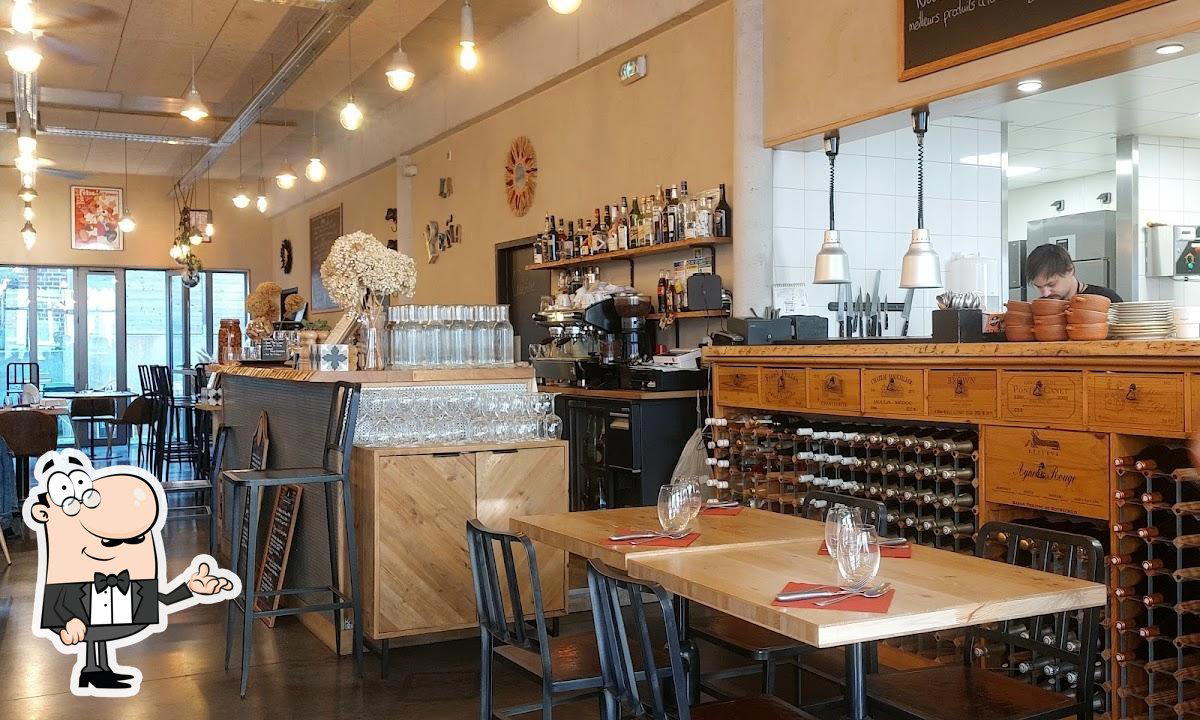
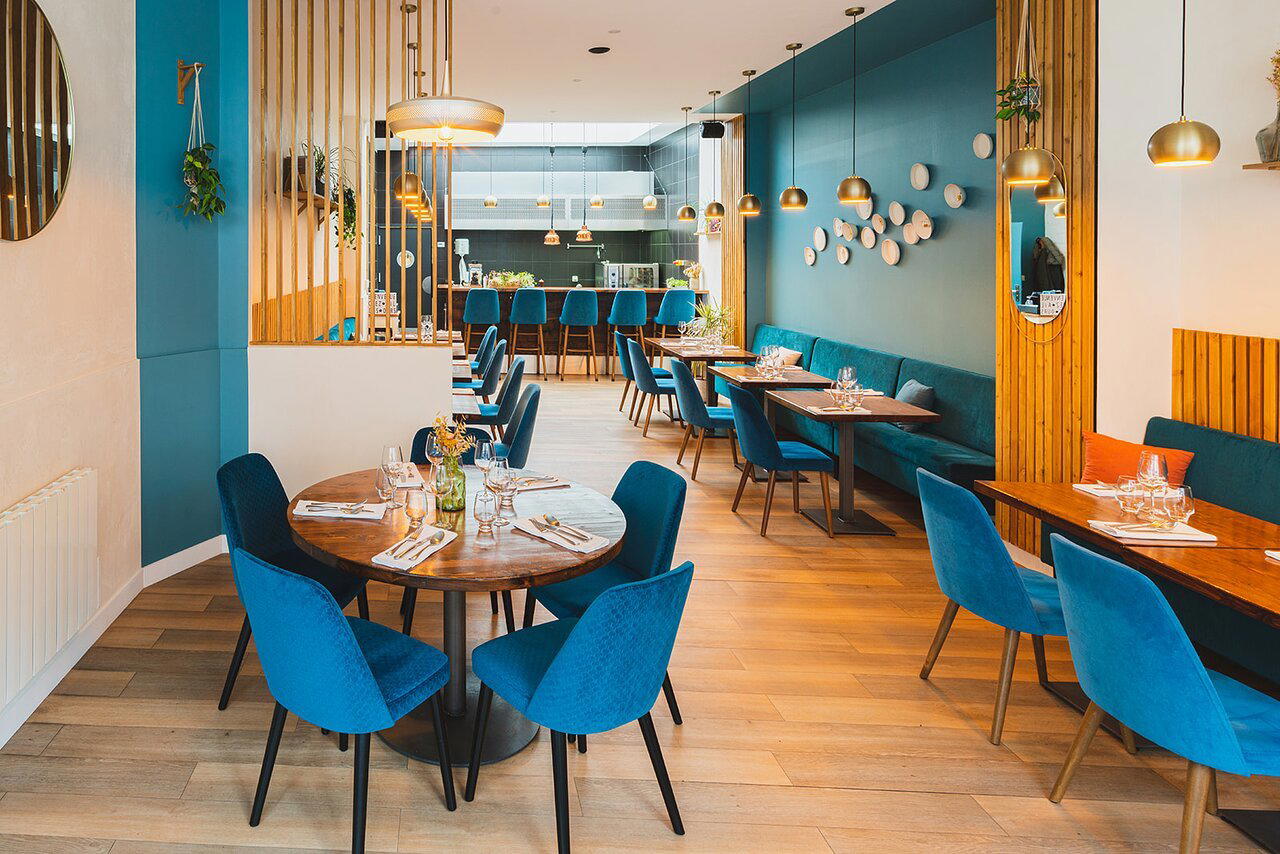
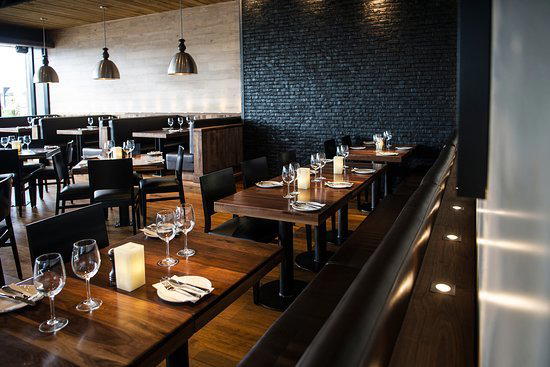
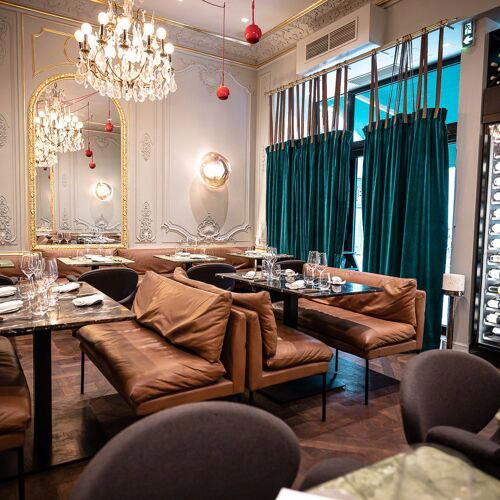
Minimalist beige décor with a sober yet warm atmosphere; intimate dining rooms with subtle, professional service; some tables overlook water views creating a serene setting.
Know Before You Go
- Getting there
- 472 Chau. Jules Ferry, 80090 Amiens, France