A brasserie address on Avenue Gambetta in the heart of Tournus, Brasserie du Rempart sits within a town that punches well above its size for serious eating. It occupies the accessible end of a local dining spectrum that runs from regional bistros through to creative fine dining, making it a practical anchor for visitors arriving in southern Burgundy for the first time.
 Discover on Pearl
Pearl is the En Primeur Club membership app — saves, bookings, and concierge access live there. Same editors, same standards.
- Address
- 2-4 Av. Gambetta, 71700 Tournus, France
- Phone
- +33385511056
- Website
- lerempart.com
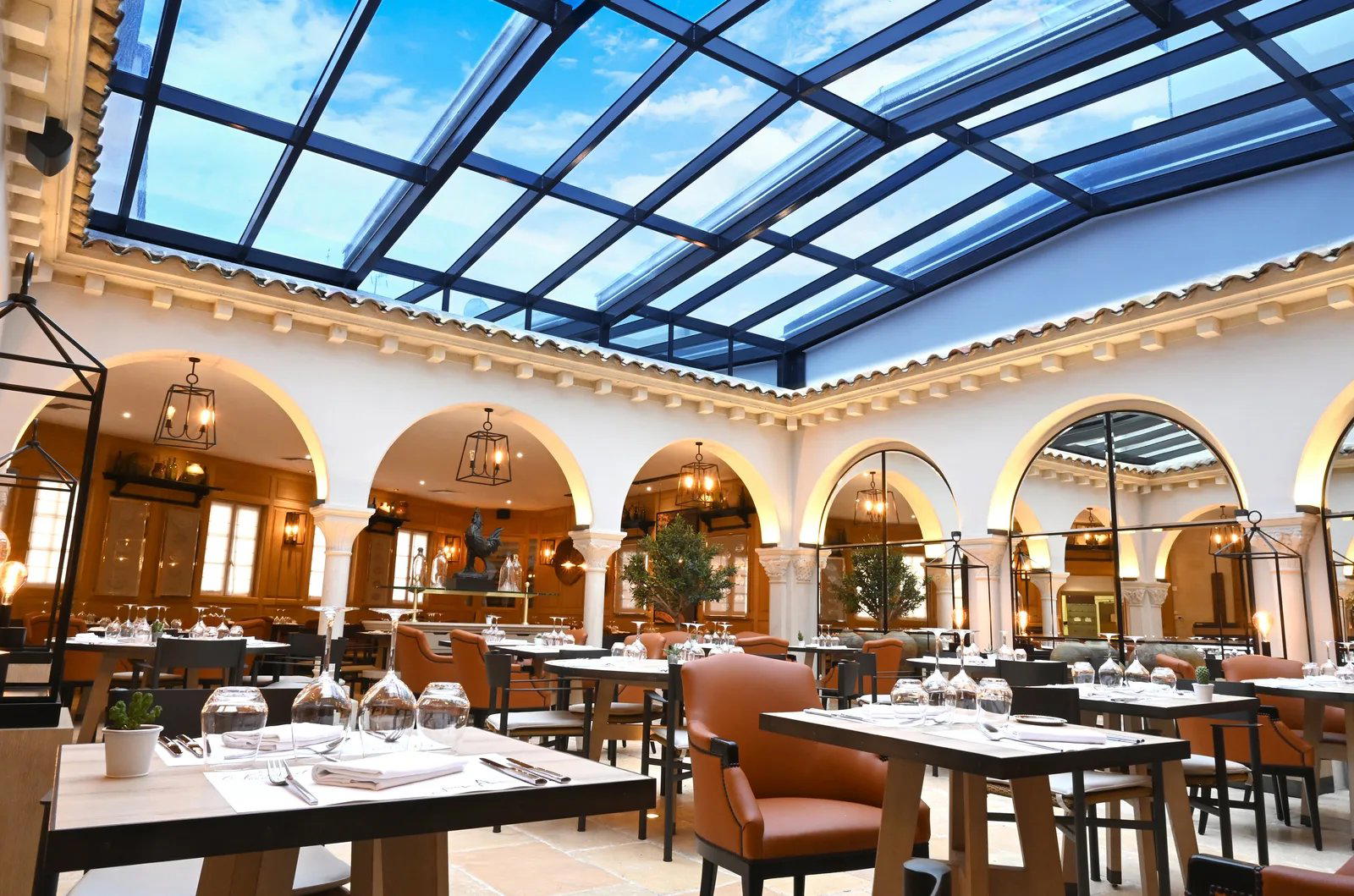
A Town That Takes Its Table Seriously
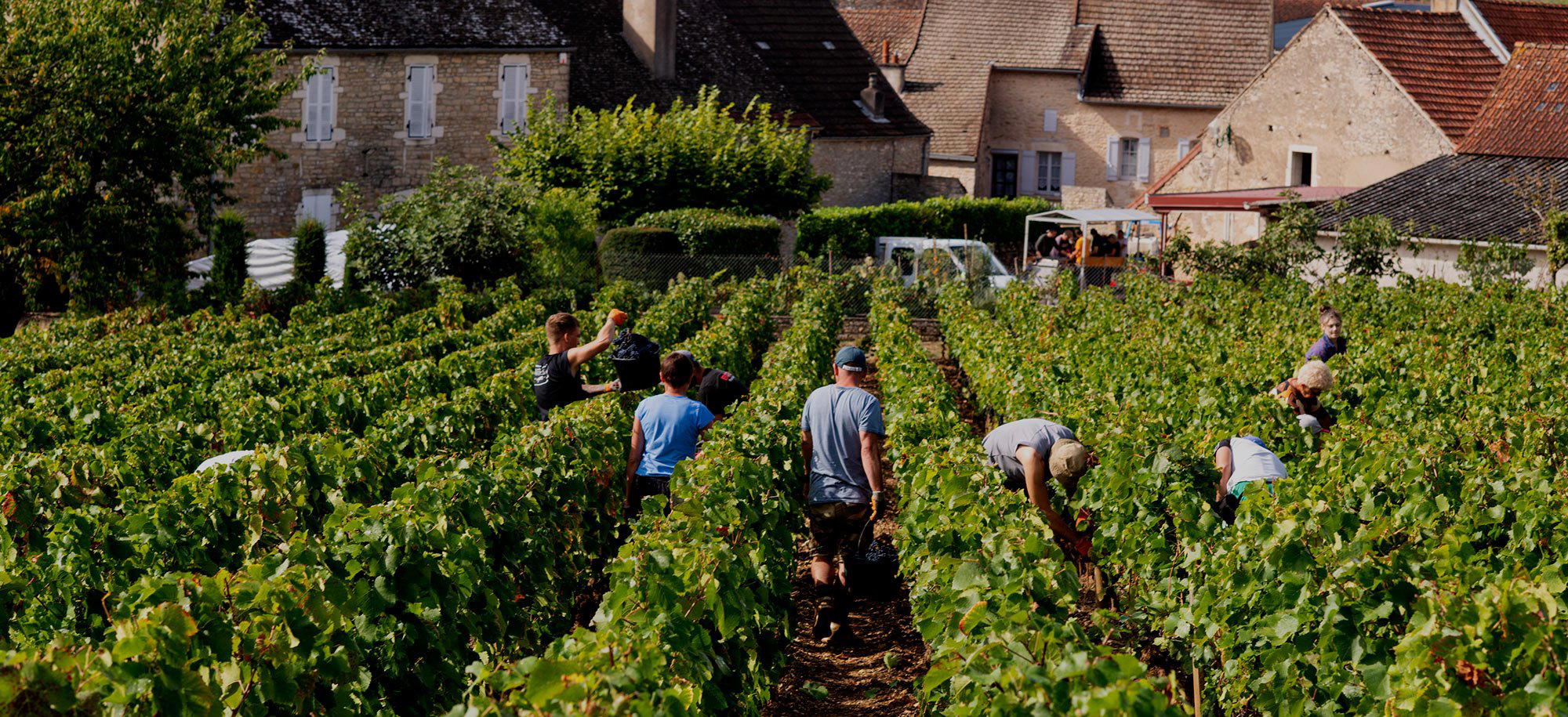
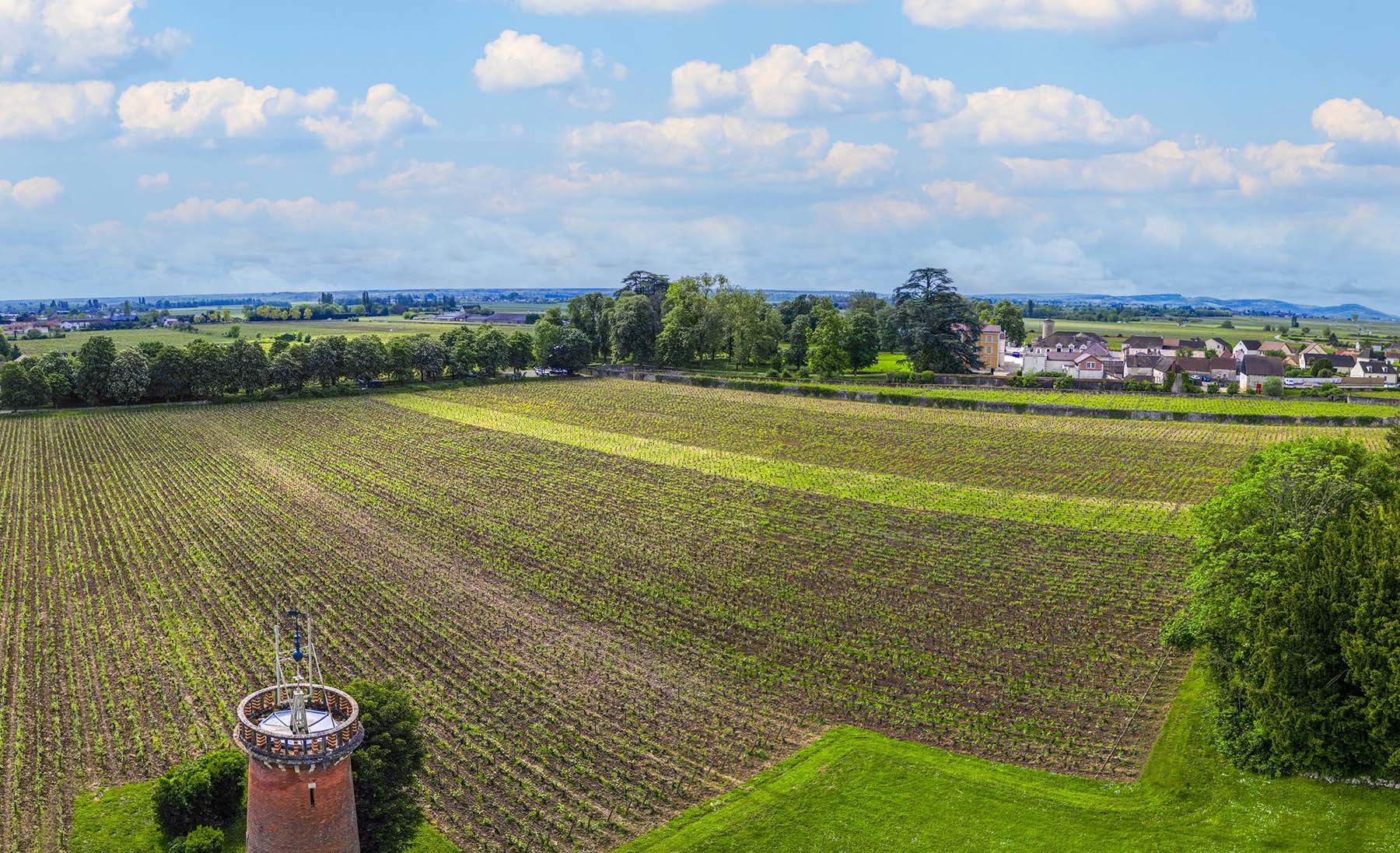
Tournus is a small Burgundian market town on the Saône, roughly equidistant between Lyon and Beaune, and it holds a concentration of considered restaurants that would be unremarkable in a city of ten times its population. That density is not accidental. Southern Burgundy sits in one of France's most productive agricultural corridors: Bresse chicken to the east, Charolais cattle to the west, freshwater fish from the Saône below, and a sweep of wine appellations stretching north through the Mâconnais and Côte d'Or. When the raw materials are this good and this local, even a neighbourhood brasserie has something to work with that a city restaurant would pay a premium to source.
Brasserie du Rempart, on Avenue Gambetta a short walk from the Romanesque abbey of Saint-Philibert, occupies the accessible middle of Tournus's dining range. That range runs from Le Bouchon Bourguignon and Le Terminus at the regional and traditional end, through the market-driven cooking at Aux Terrasses, and up to the creative fine dining of L'Écrin de Yohann Chapuis. A brasserie at this address is less a fallback option than a legitimate entry point into a food culture that the town takes at face value.
The Setting: Stone, Street, and the Pace of a Market Town
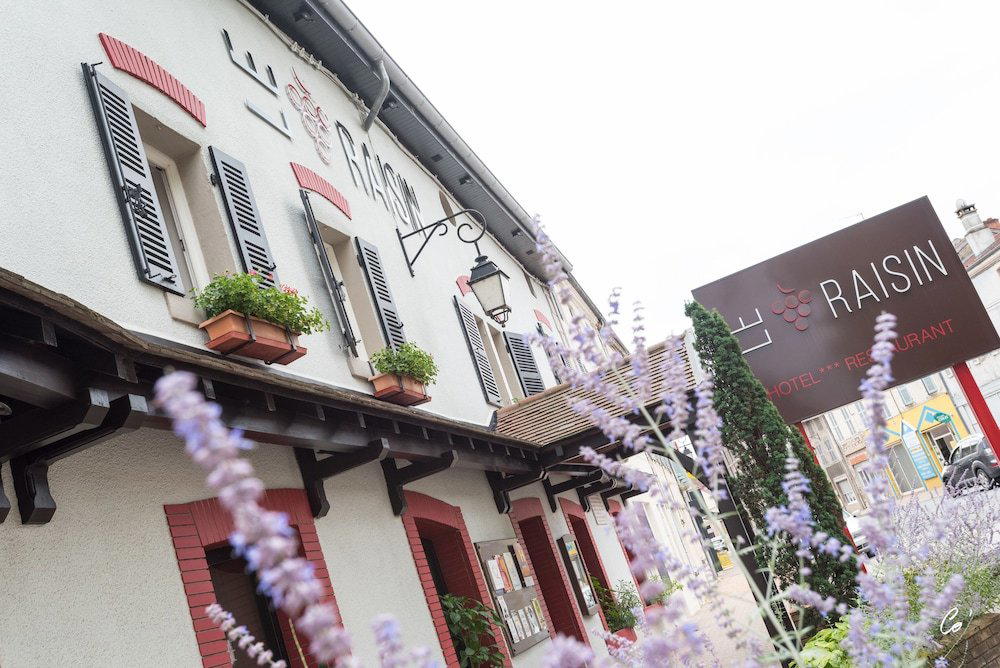
Avenue Gambetta is one of Tournus's main arteries, running from the town's old rampart walls toward the Saône. A brasserie here occupies the kind of position that French provincial towns reserve for their most democratic dining rooms: visible, approachable, and embedded in the daily rhythm of the place rather than set apart from it. The physical fabric of Tournus, with its Romanesque stonework, narrow medieval lanes, and Saturday market energy, gives any terrace-facing address a built-in character that no interior design scheme can replicate. You are eating in context, with the architecture of a town that has been continuously inhabited since Roman times doing most of the atmospheric work.
This matters because the brasserie format in France is inseparable from its physical situation. Unlike the destination restaurant, which asks you to travel to it, the brasserie traditionally belongs to the street. It is where the town eats on an ordinary Tuesday, where the market stallholders take lunch, and where the question of what is on the plate connects directly to what arrived at the back door that morning. That relationship between the room and the town around it is part of what you are paying for, and in Tournus it is more legible than in most places.
What Southern Burgundy Puts on the Plate
The ingredient argument for this part of France is difficult to overstate. Bresse, the appellation-controlled poultry region, begins almost immediately east of Tournus. The Charolais plateau, source of what many French chefs consider the country's reference beef breed, lies to the west. The Saône supplies pike, perch, and écrevisse (crayfish) to kitchens that have been cooking freshwater fish for centuries. Add the mustards, the aged cheeses, the walnut oils, and the wines of the Mâconnais and you have a larder that justifies the region's culinary reputation without any further argument.
In this context, a brasserie kitchen that shops locally and cooks seasonally is not performing a sourcing philosophy; it is doing what the geography makes obvious. The French brasserie tradition has always been less about technique than about fidelity to what the region produces, and southern Burgundy makes that fidelity easy. Dishes built around Charolais, Bresse poultry, or river fish are not menu flourishes here; they are the baseline expectation. Comparable sourcing commitments at destination restaurants across France, from Bras in Laguiole to Flocons de Sel in Megève, are built on the same logic: proximity to exceptional primary produce is the first competitive advantage, and technique follows from there.
For reference, the wider French fine dining conversation, represented by addresses like Troisgros in Ouches, Paul Bocuse in Collonges-au-Mont-d'Or, Auberge de l'Ill in Illhaeusern, and Les Prés d'Eugénie in Eugénie-les-Bains, was built largely on this same regional sourcing principle before it became a global talking point. The brasserie is where that principle operates at its most unpretentious scale.
Where Brasserie du Rempart Sits in the Local Order
Tournus's dining options sort into a clear hierarchy by format and price. Le Quai and Le Terminus anchor the traditional, accessible end. Aux Terrasses occupies the mid-market position with modern technique. L'Écrin de Yohann Chapuis operates at the creative fine dining tier. Brasserie du Rempart fits the classic brasserie bracket: broader menu, less ceremony, and a price point that makes it viable for a midweek lunch rather than a special-occasion booking.
That positioning is not a diminishment. In French culinary culture, the brasserie that does its job well, sourcing regionally, cooking cleanly, and operating as a genuine neighbourhood room, is as defensible a format as any tasting menu counter. The question is whether the kitchen holds to what the region offers or defaults to generic brasserie fare. In a town with Tournus's ingredient access and food culture, the local expectation is clear. Visitors arriving from cities with less immediate agricultural hinterland, or from international contexts like Le Bernardin in New York or Lazy Bear in San Francisco, will find the Burgundian brasserie format operates by different rules: less performance, more assumption that the product speaks.
Planning Your Visit
Tournus is accessible by TGV from Lyon (approximately 45 minutes) and from Paris Gare de Lyon (approximately 1 hour 40 minutes) via high-speed rail to Mâcon-Loché, with onward connections. By road, the A6 autoroute runs directly through the region, making Tournus a practical lunch stop on the Lyon-Paris axis. The town's compact scale means Brasserie du Rempart on Avenue Gambetta is easy to reach from the train station and the abbey quarter. Booking ahead for lunch during summer and on market days is sensible; the town draws steady visitor traffic from May through September, and the most direct rooms fill before walk-ins arrive. For broader regional context in the fine dining register, addresses in the surrounding area include Georges Blanc in Vonnas and Mirazur in Menton, though both represent a different format and price tier entirely. Closer to Tournus, La Table du Castellet and Alléno Paris au Pavillon Ledoyen illustrate the range of what the French fine dining register can contain, though both are well outside the brasserie category that Brasserie du Rempart occupies.
How It Stacks Up
Comparable venues nearby, for context on price, style, and recognition.
| Venue | Cuisine | Price | Awards | Notes |
|---|---|---|---|---|
| Brasserie du RempartThis venue — the venue you are viewing | Traditional Burgundian Brasserie | $$ | , | |
| Le Quai | Traditional French Brasserie | $$ | Michelin Plate | Quai de Verdun |
| Le Terminus | Classic Burgundy Brasserie | $$$ | Michelin Plate | Tournus |
| Le Bouchon Bourguignon | Traditional Burgundian Bouchon | $$$ | Bib Gourmand | Tournus |
| Aux Terrasses | Creative Modern French Gastronomic | $$$$ | Michelin 1 Star | Tournus center |
| L'Écrin de Yohann Chapuis | Modern Burgundian Fine Dining | $$$$ | Michelin 1 Star | Tournus |
Continue exploring
More in Tournus
Restaurants in Tournus
Browse all →
Bars in Tournus
Browse all →
Hotels in Tournus
Browse all →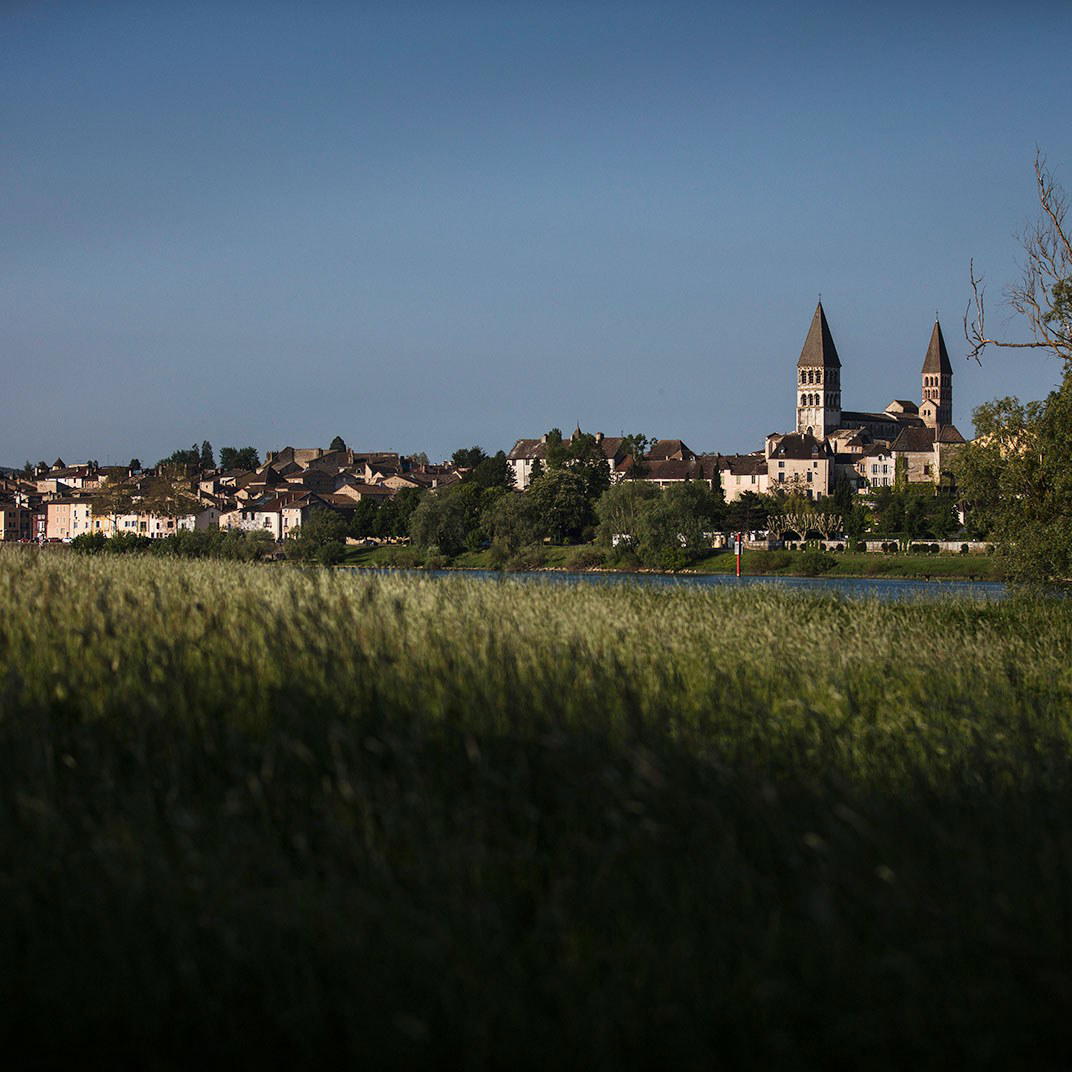
At a Glance
- Classic
- Cozy
- Elegant
- Family
- Casual Hangout
- Hotel Restaurant
- Historic Building
- Extensive Wine List
- Local Sourcing
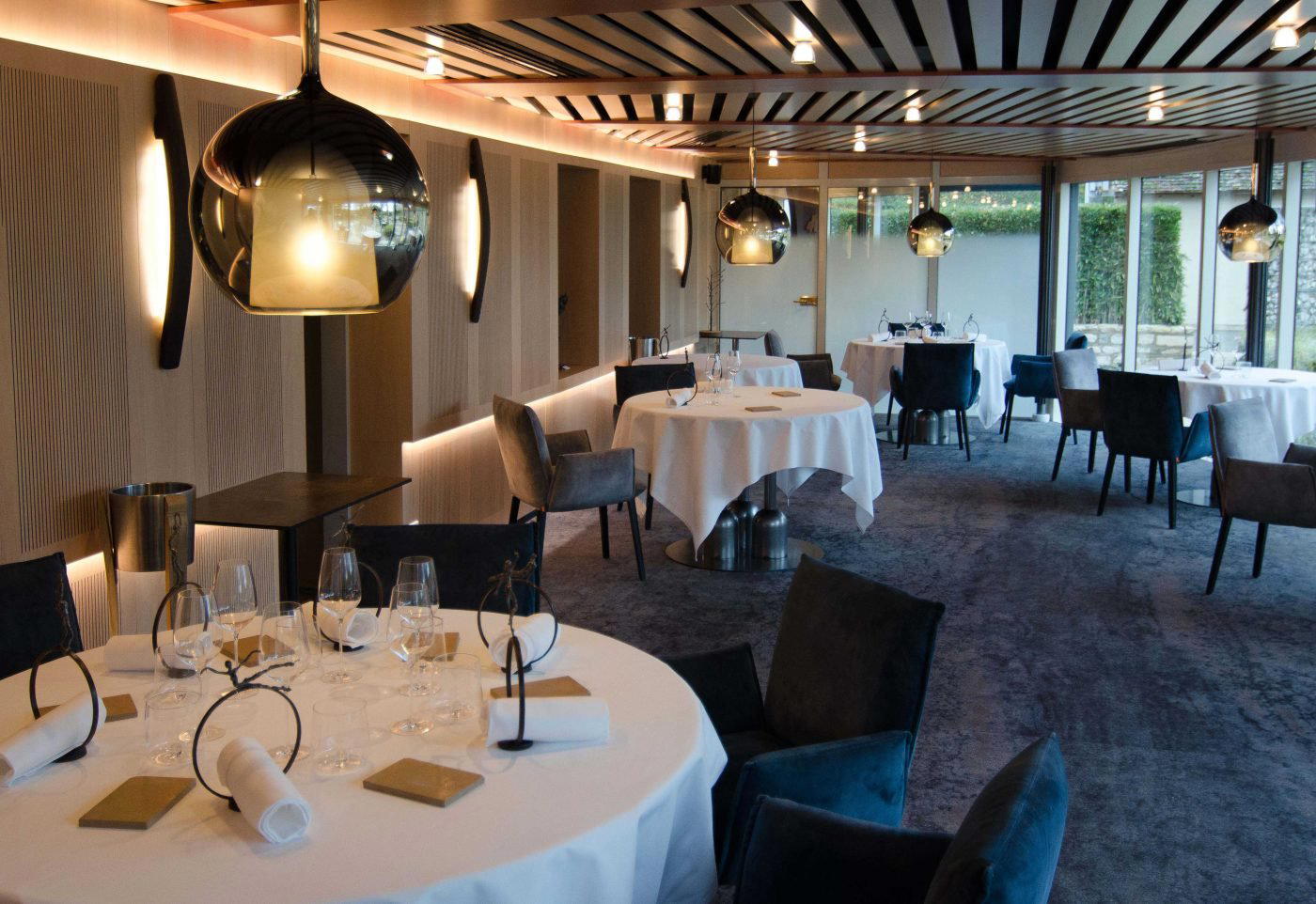
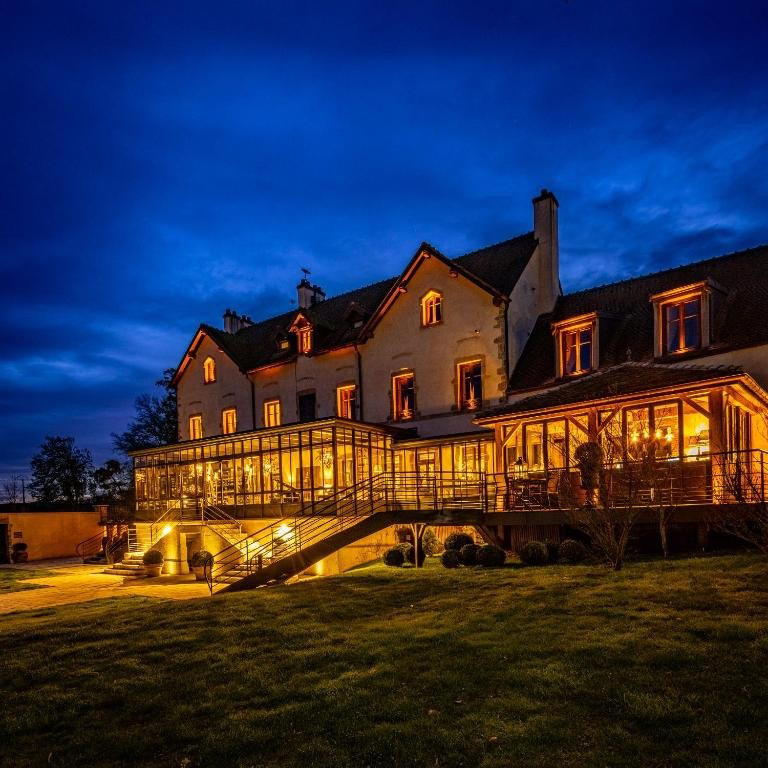
Chaleureux decor blending tradition and modernity with bright dining room.