Bottega di Petriolo
Our verdict
Bottega di Petriolo sits in the Cerreto Guidi countryside, where Tuscan dining is judged less by spectacle than by proximity to farms, olive groves and small producers. With little public ceremony around awards or chef branding, its appeal is the local logic of the table: ingredient-led cooking in a part of Tuscany where rural supply lines still shape the meal.

Pearl is the En Primeur Club membership app, where members save venues, book tables and use the concierge.
The menu
What to order
- BIO aperitifs with estate wines
- Cinta Senese DOP salumi platters
- Pizzas and schiacciate with ancient grains
- Aged cheeses from the farm
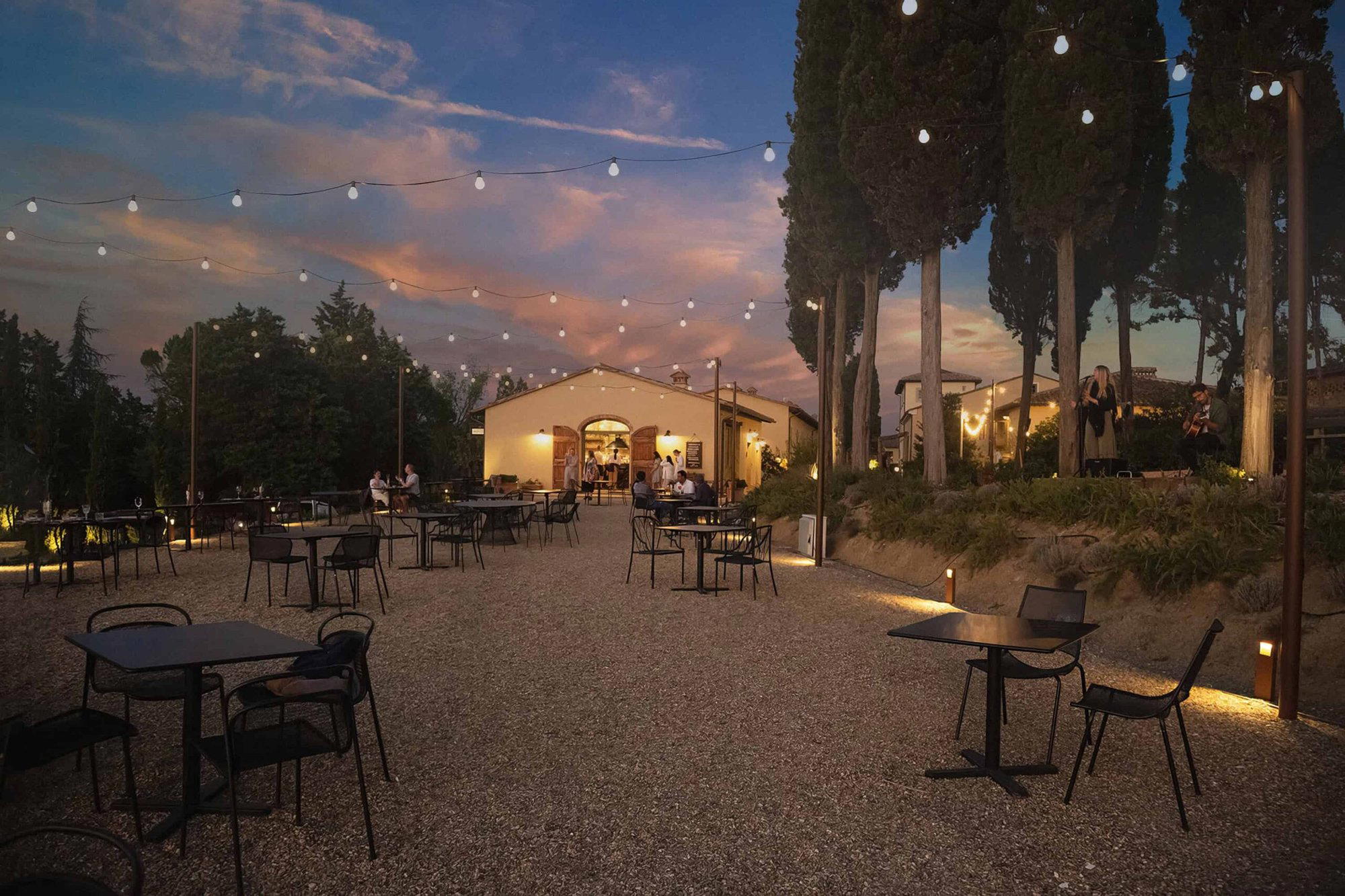
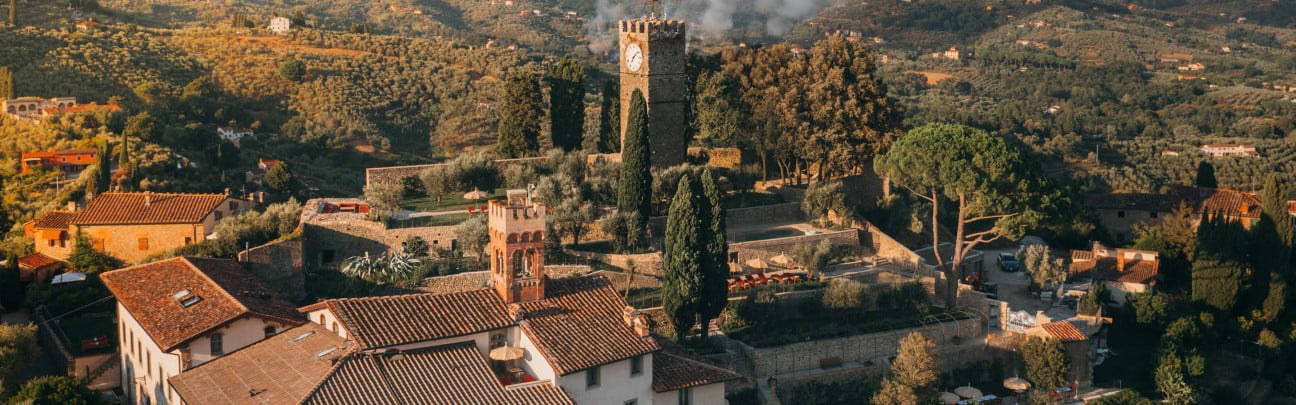
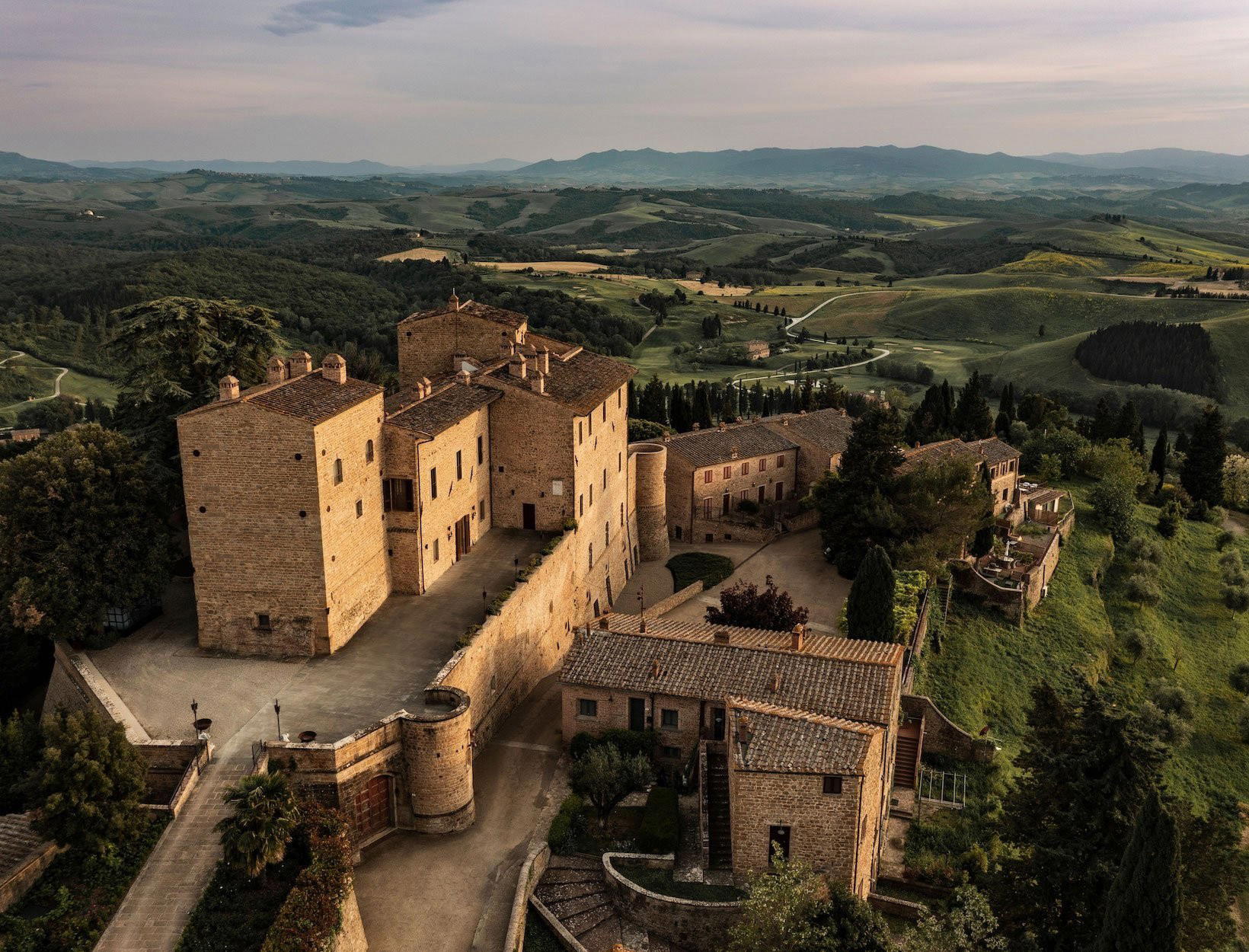
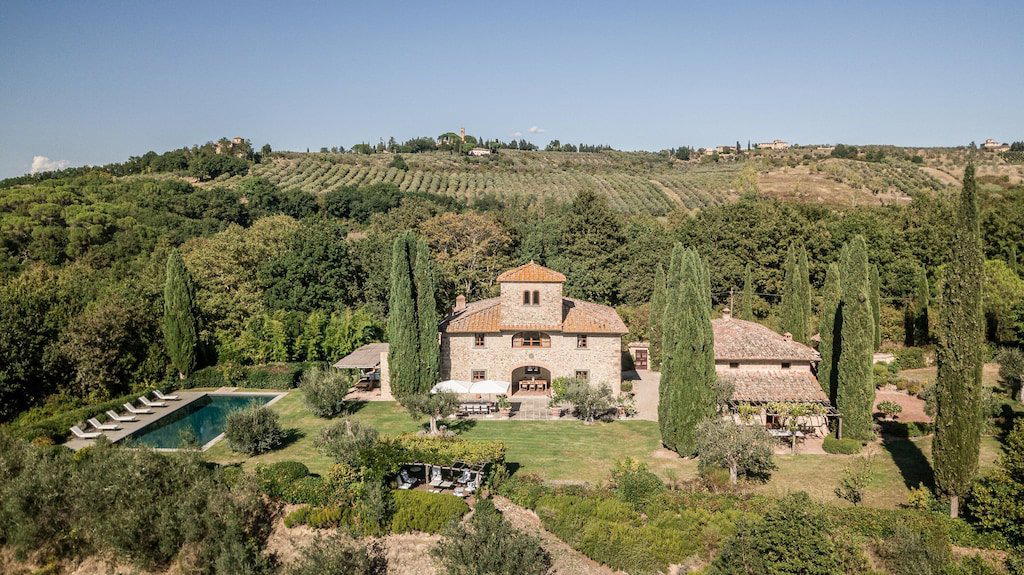
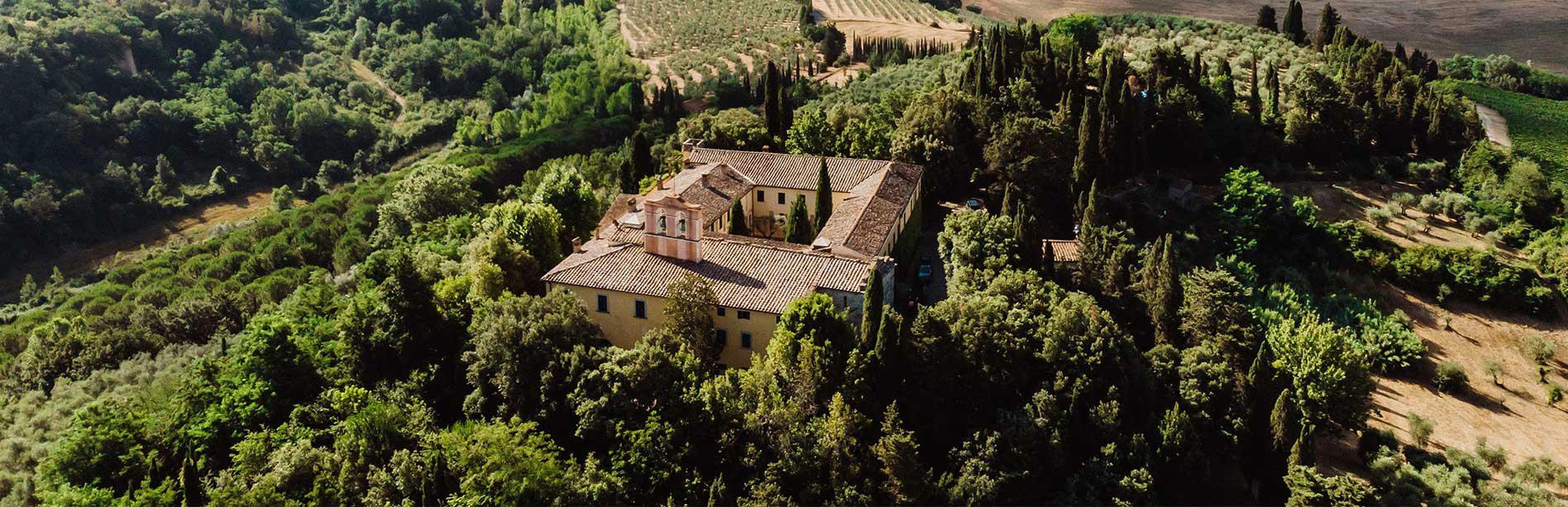
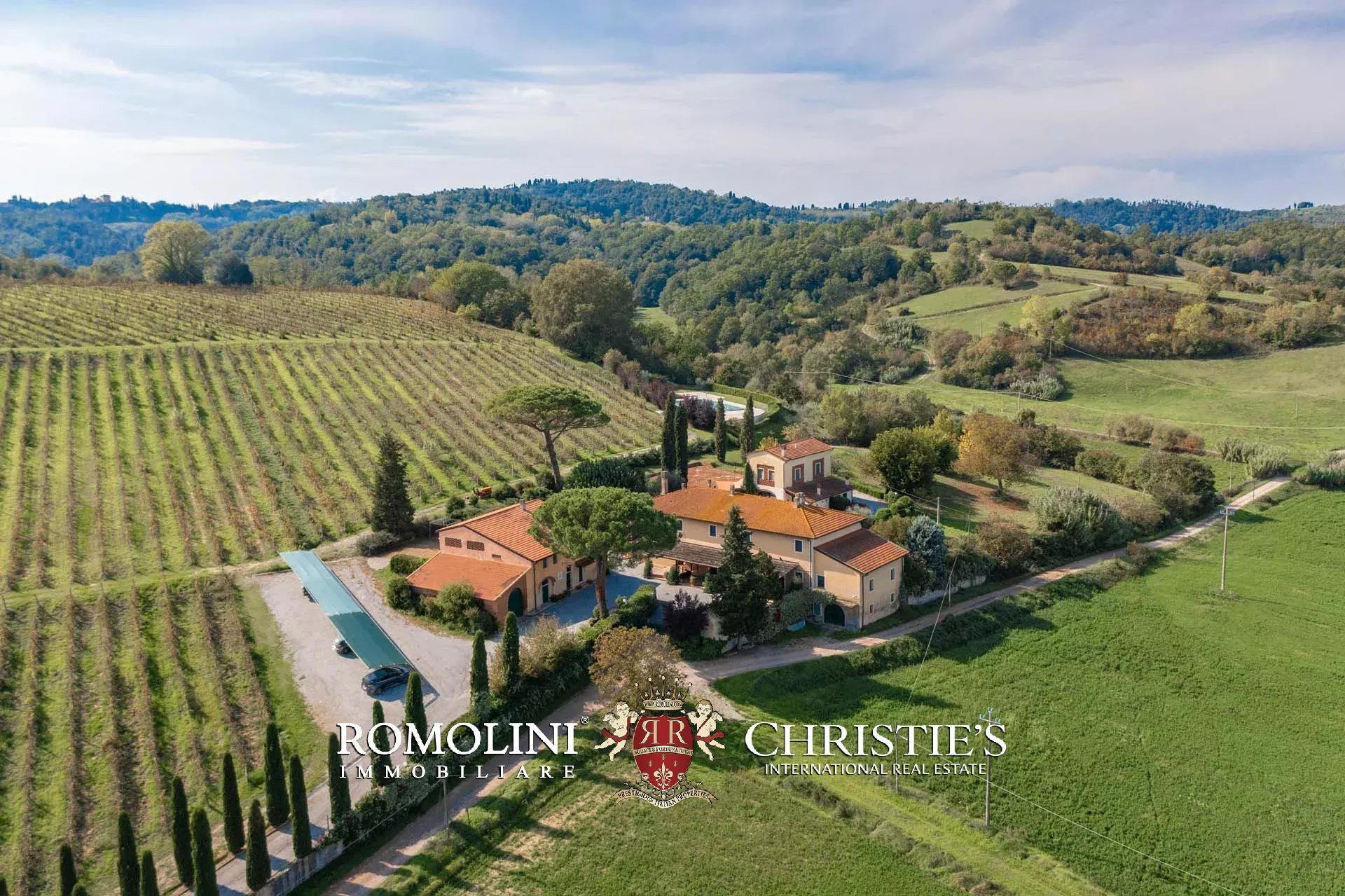
The road into Petriolo has the tempo of working Tuscany rather than postcard Tuscany: low hills, agricultural plots, farm buildings, and the sense that lunch and dinner here are tied to what the surrounding countryside can provide. In Cerreto Guidi, that matters. This is not city dining transplanted into the provinces, and it is not a resort version of Tuscany. The area sits in a quieter register, where the value of a meal often comes from short supply lines, familiar producers and cooking that does not need to explain itself with theatre.
Bottega di Petriolo belongs to that rural category. The name signals a shopkeeper’s scale rather than a formal dining room, and the surrounding territory supports that reading: Cerreto Guidi is a place where food culture is closely tied to the countryside before it is a restaurant destination. For travellers building a food itinerary through inland Tuscany, the point is not only what is on the plate, but how little distance there is between the plate and the landscape around it.
Ingredient-led Tuscany, away from the city-restaurant script
Regional cooking is often flattened into clichés abroad, but in the province it remains highly local. The useful grammar here is not a fixed list of signature dishes so much as a close relationship between the table, the season and the surrounding territory. A place like Bottega di Petriolo is best understood through that grammar rather than through chef biography or tasting-menu hierarchy. The editorial question is not whether it competes with destination dining rooms, but whether it gives a traveller a clear reading of the Cerreto Guidi table.
That distinction is useful in this part of Tuscany. Cerreto Guidi has a small restaurant scene, and nearby choices point in different directions. PS Ristorante occupies a more polished lane, while Osteria di Golpaja reads closer to a local-osteria tradition. Bottega di Petriolo sits nearer the ingredient-first end of that spectrum, where rural context carries more weight than formal category labels.
For a traveller, that makes the stop most persuasive as part of a wider day in the countryside rather than as a stand-alone trophy reservation. Cerreto Guidi works well when paired with local exploring, village walking and slow meals that do not try to imitate metropolitan dining. The broader planning frame is set out in our full Cerreto Guidi restaurants guide, with useful companion context in our full Cerreto Guidi wineries guide, our full Cerreto Guidi experiences guide, our full Cerreto Guidi hotels guide and our full Cerreto Guidi bars guide.
How to read the meal: local scale over formal signals
Public recognition and formal restaurant signals should not be the only way to define the decision here, which is itself a useful reminder. In rural Italy, some of the more revealing meals operate according to local scale rather than the prestige machinery that shapes city dining. That does not make them automatically better; it changes the criteria. The useful measures are seasonality, confidence with regional staples, the seriousness of sourcing, and whether the room feels connected to the area rather than imported from elsewhere.
Ingredient sourcing is the angle to watch. Around Cerreto Guidi, the surrounding agricultural economy gives kitchens a practical advantage when they choose to use it: the landscape is not just scenery, but part of the way a meal can make sense. A restaurant in this setting earns attention when those local elements feel structural rather than ornamental. Bottega di Petriolo is worth seeking out for that reason: it represents a rural dining mode that has become harder to find near heavily toured Tuscan towns, where menus often drift toward a visitor-facing shorthand.
The comparison with more formal Italian dining is instructive. A contemporary restaurant may justify a journey through technique, presentation and cellar depth; a rural Tuscan address justifies it through place. That is why a Cerreto Guidi meal should be judged differently from a city table, and differently again from urban counters, casual pizzerias or specialist bars elsewhere. For broader Italian contrast, the EP Club archive includes a wide spread of regional dining rooms, market-driven counters and contemporary city restaurants. Outside Italy, other ingredient-led formats show the opposite lesson: ingredient identity can travel, but rural context cannot be replicated.
The editorial read
Bottega di Petriolo is a stronger choice for travellers who care about regional food systems than for those collecting famous rooms. Its appeal lies in Cerreto Guidi’s scale: agricultural, quiet, close to the source. In a Tuscan itinerary crowded with named estates and polished dining rooms, this kind of address gives the trip a different rhythm, less about prestige and more about how the local table is assembled.
Frequently asked questions
Is Bottega di Petriolo okay with children?
Bottega di Petriolo in Cerreto Guidi reads as a practical rural stop rather than a formal dining room. For children, the deciding factor is usually the pace of the meal and the room size, not a chef-led format.
How would you describe the vibe at Bottega di Petriolo?
The vibe is rooted in Cerreto Guidi rather than city polish. Expect a local, low-theatre setting where the location matters as much as the plate.
What part of town is Bottega di Petriolo in?
Cerreto Guidi.
How far ahead should I plan for Bottega di Petriolo?
Cerreto Guidi is not always the sort of setting suited to a casual last-minute lunch. Planning ahead gives more flexibility, particularly for travellers building a Tuscan day around the restaurant.
What makes Bottega di Petriolo worth seeking out?
Bottega di Petriolo is worth the detour for travellers focused on Tuscany’s local food culture rather than trophy dining rooms. Its appeal is tied to Cerreto Guidi itself, and to the kind of rural address that anchors a meal in place.
Side-by-Side Snapshot
Comparable venues by cuisine and price in the same metro.
| Venue | Cuisine | Price | Awards | Notes |
|---|---|---|---|---|
| Bottega di PetrioloThis venue (the venue you are viewing) | Organic Tuscan bistrot & aperitif bar | $20–30 | Not listed | Not listed |
| PS Ristorante | Modern Tuscan Fine Dining | Not listed | Michelin Plate | Contemporary |
| Osteria di Golpaja | Traditional Tuscan Osteria | Not listed | Not listed | Not listed |
| Pepenero | Modern Tuscan with White Truffle Specialties | $50–100 | Michelin Plate | Tuscan |
| Atman | Modern Italian Fine Dining | $200–300 | 1 Michelin Star · La Liste Top Restaurants | Creative |
Continue exploring
More in Cerreto Guidi
Restaurants in Cerreto Guidi
All restaurants in Cerreto Guidi →
Bars in Cerreto Guidi
Browse all →
Hotels in Cerreto Guidi
All hotels in Cerreto Guidi →

Details
- Scenic
- Cozy
- Rustic
- Romantic
- Intimate
- Date Night
- After Work
- Casual Hangout
- Celebration
- Late Night
- Garden
- Panoramic View
- Hotel Restaurant
- Historic Building
- Terrace
- Beer Program
- Farm To Table
- Organic
- Local Sourcing
- Sustainable Seafood
- Vineyard
- Garden
- Mountain
- Small Plates
- A La Carte
- Wine
- Beer
- Liqueurs
- Organic Focus
Current opening hours
- Monday
- 12–2:30 pm, 7–10:30 pm
- Tuesday
- 12–2:30 pm, 7–10:30 pm
- Wednesday
- 12–2:30 pm, 7–10:30 pm
- Thursday
- 12–2:30 pm, 7–10:30 pm
- Friday
- 12–2:30 pm, 7–10:30 pm
- Saturday
- 12–2:30 pm, 7–10:30 pm
- Sunday
- 12–2:30 pm, 7–10:30 pm
Hours can change for holidays and private events. Hours as of .
Relaxed and intimate mini bistrot with panoramic views over the Tuscan hills, ideal for sunset aperitifs; atmosphere is casual yet romantic, centered on wine tastings, small bites, and a strong connection to the surrounding organic farm.