Our verdict
Bottega places Capalbio dining in the Maremma frame: rural roads, produce-led cooking, and a pace shaped by the Tuscan coast rather than city ceremony. With few published markers on format, price, or awards, it reads as a local-address choice for travellers comparing Capalbio’s country restaurants with the more formal tables along the Argentario and inland Tuscany.

Pearl is the En Primeur Club membership app — saves, bookings, and concierge access live there. Same editors, same standards.
- Address
- Strada Capalbio Pescia Fiorentina, 11b, 58011 Capalbio GR
- Directions
- Get directions
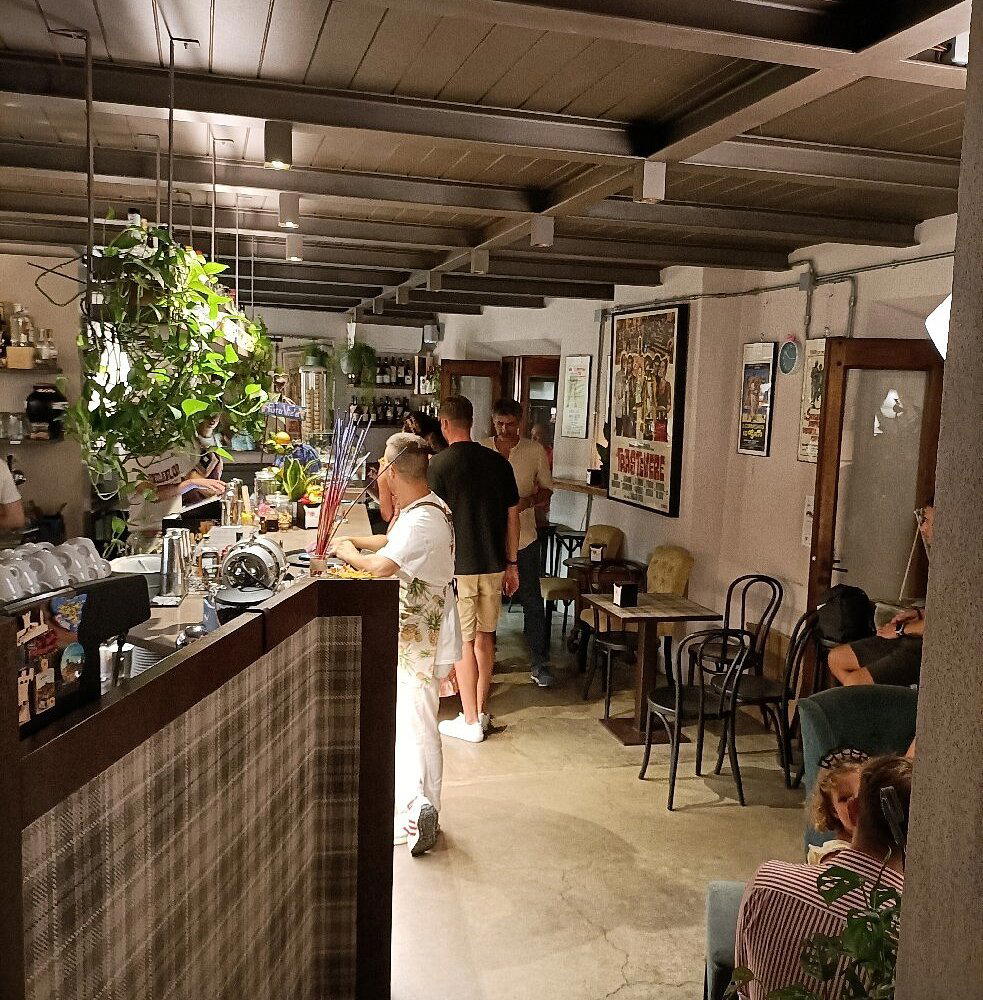
The menu
What to order
- Tagliatelle with wild boar ragù
- Sicilian rabbit
Approaching Bottega means reading Capalbio not only as a hill town but as Maremma: low roads, fields, olive groves, and the coastal pull that shapes eating here. Southern Tuscany needs little staging. Its strongest argument is ingredient proximity, where vegetables, oil, game, wheat, and seafood routes sit close enough to influence the table without becoming a terroir lecture.
That matters because Capalbio occupies a different dining lane from Florence, Rome, or polished resort tables farther along the coast. The rhythm is less chef-led spectacle than a kitchen interpreting a rural pantry for visitors arriving after a beach day, vineyard stop, or slow drive through the Grosseto countryside. Bottega belongs to that Capalbio category: a restaurant address tied to place first, with Capalbio placing it within a slower local dining circuit.
Capalbio's Maremma pantry sets the terms
The useful way to read a restaurant here is through sourcing logic, not menu fashion. Maremma has long sat between inland pastoral cooking and Tyrrhenian access, giving local kitchens a broader register than postcard Tuscan food. Tomato, legumes, bread, oil, herbs, sheep’s milk cheese, wild greens, and meat cookery all belong to the grammar; so does coastal influence when the kitchen chooses it.
Bottega should be judged in that frame. With no specific award or chef details in the provided record defining the story, the editorial question is sharper: does the meal feel anchored to Capalbio rather than interchangeable with a generic Tuscan stop? In this tier, convincing signals are restraint, seasonality, and whether the kitchen lets local materials work. The limited public recognition detail also shifts expectations. Travellers chasing a grand tasting-menu statement may look toward the wider regional circuit, including higher-profile coastal and inland addresses, while those planning around Capalbio are usually weighing ease, locality, and a meal that fits the day’s route.
For a nearby comparison inside town, Larossa restaurant gives another Capalbio reference point. Beyond the immediate area, the contrast grows with La Filanda, Caino, and Il Pellicano each occupying a different kind of Tuscan dining occasion. Those comparisons clarify the decision, not a hierarchy. Capalbio can support a country meal, a destination detour, or a more formal coastal occasion; Bottega reads closest to the first unless planning details suggest otherwise.
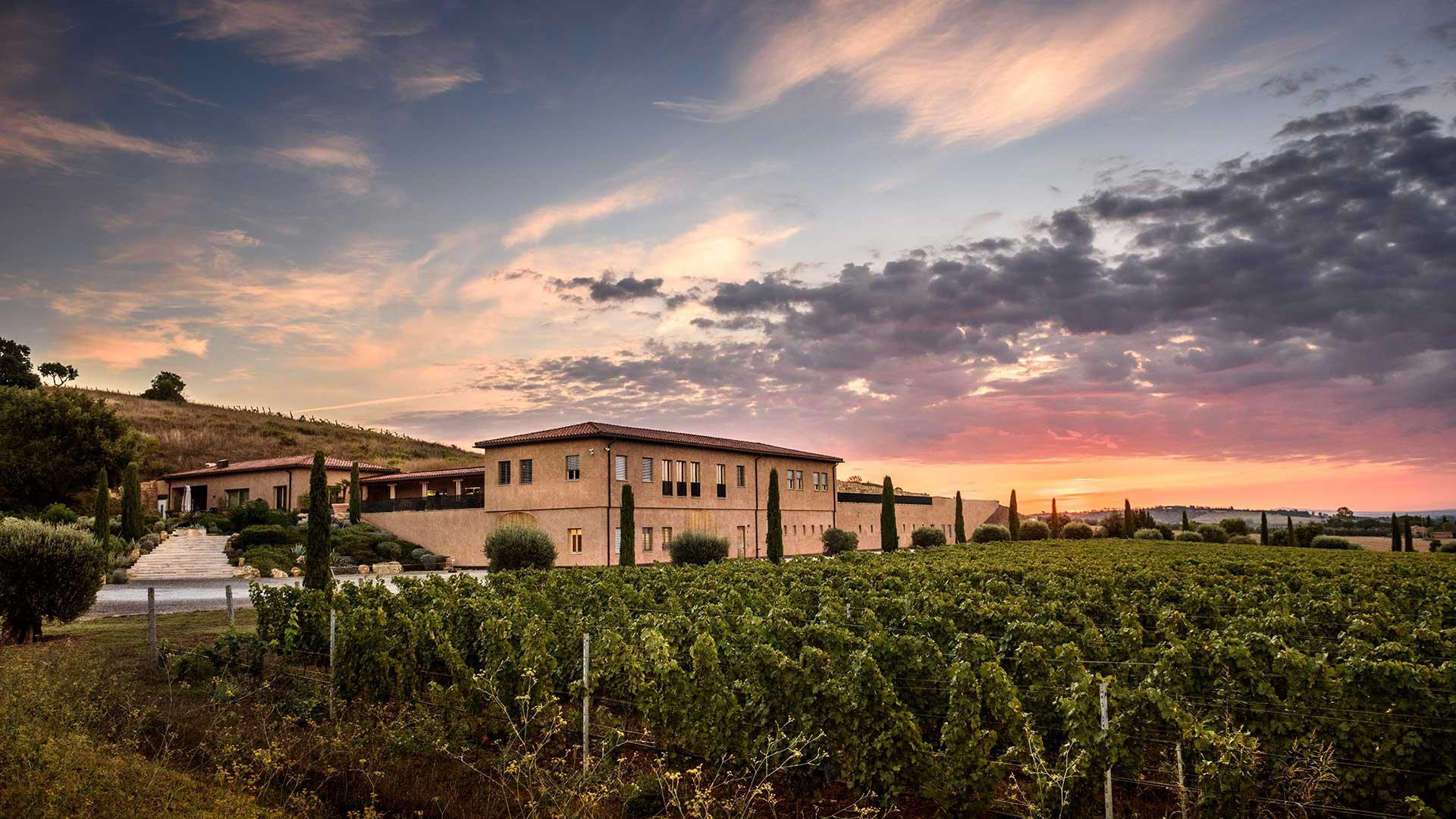
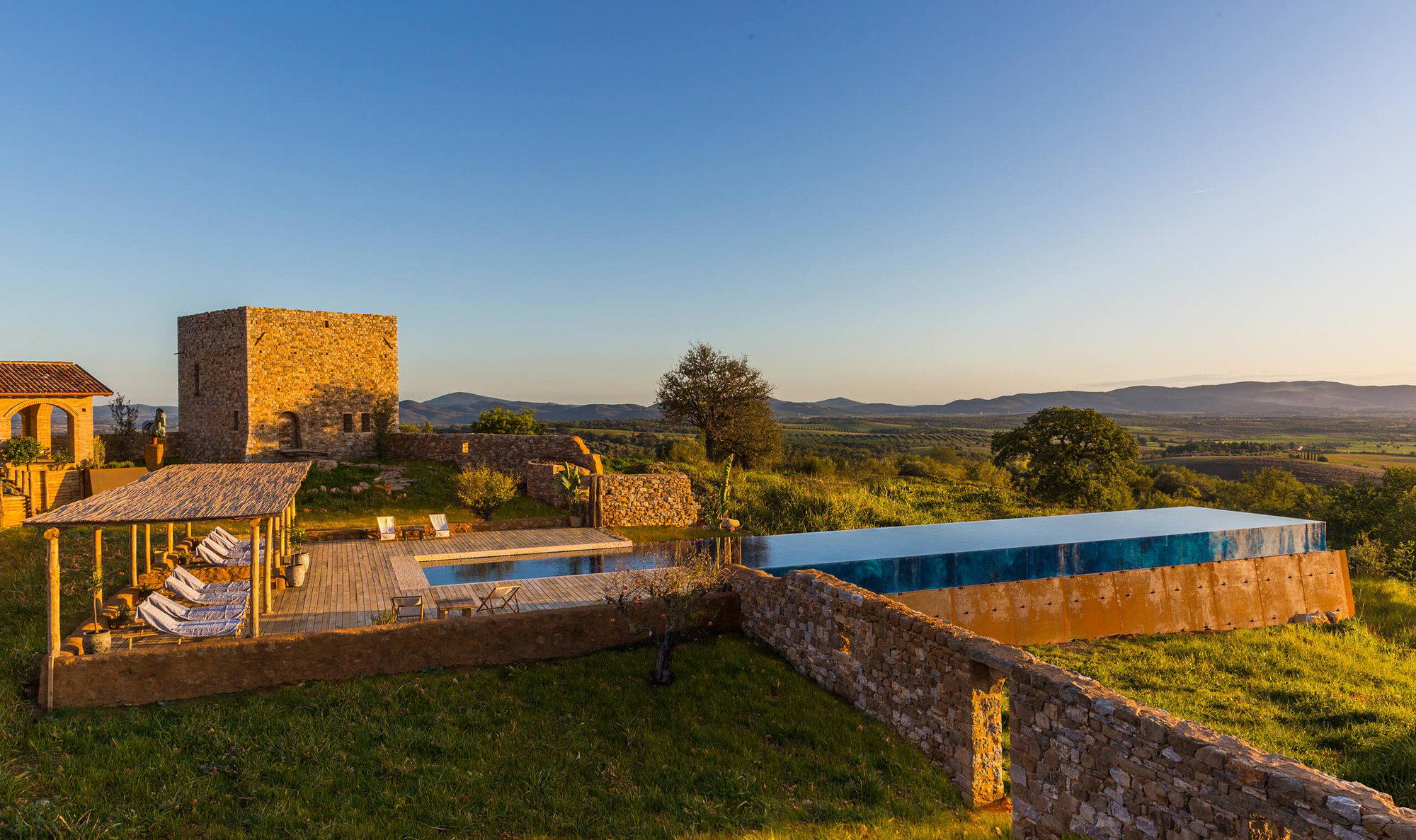
A country-road setting rather than resort theatre
Location shapes the experience before the menu. Capalbio does not signal urban dining density; it points to spread-out local geography, where the car is often part of the meal plan and timing matters. Capalbio’s restaurant culture often works around summer movement, when beach traffic, second homes, and evening drives alter demand. Outside peak holiday weeks, the area can feel far more local and measured.
That split matters for families and mixed groups. Capalbio is not a city where every dinner needs a long reservation arc, but summer can compress availability across better local addresses. Bottega’s public-facing details do not establish a tasting-menu-only format, formal dress code, or awards-led reservation pressure, so treat it as a local restaurant choice rather than a ceremony table. For families, fit depends less on prestige signals than the day’s menu, seating comfort, and whether the room can handle a relaxed pace.
The ingredient-sourcing angle also suits travellers who want Capalbio to taste like Capalbio. In southern Tuscany, value can lie in produce, oil, simple sauces, grilled or roasted elements, and the seasonal confidence of a kitchen close to its suppliers. Named signature dishes are not required. Demanding one can miss the point of a place whose strongest idea may be responsiveness to the local market and countryside.
How to place it within a Capalbio itinerary
The practical question is not whether Bottega replaces a destination restaurant elsewhere in Tuscany. It is whether it serves the Capalbio day better than driving out for a more formal meal. For travellers based locally, that is a real advantage. Capalbio rewards less frantic planning: hill-town wandering, coastal time, winery visits, and dinner that does not turn the evening into a transfer exercise.
Readers building a wider route can use EP Club’s city pages to decide how narrow or broad the plan should be: Our full Capalbio restaurants guide, Our full Capalbio hotels guide, Our full Capalbio bars guide, Our full Capalbio wineries guide, and Our full Capalbio experiences guide. For broader Italian context, compare how local identity shifts across other regional dining rooms, casual city counters, specialist formats, and destination restaurants. Non-Italian examples can show the opposite model: tightly defined specialist concepts rather than a Maremma country-road restaurant shaped by locality.
The editorial read is direct: Bottega is for a Capalbio meal grounded in the area, not inflated into a destination ritual. Its strongest context is the Maremma pantry and the practical geography of southern Tuscany. Treat it as local fabric, then let the day’s ingredients and season decide how much ceremony the table needs.
Frequently asked questions
Is Bottega good for families?
Bottega's Capalbio setting points to an easygoing local stop rather than a formal dining room. That usually suits families who want a meal without city-center noise.
What kind of setting is Bottega?
The setting is Capalbio. It reads as a Maremma dining address rather than an urban restaurant street.
Where is Bottega in Capalbio?
Capalbio.
How hard is it to get a table at Bottega?
No hours or booking policy are listed for Bottega, so the practical setting matters most: Capalbio is not a walk-in-heavy city grid. In Capalbio, that usually makes advance planning sensible.
What's the defining dish or idea at Bottega?
The clearest idea is place, not a named dish: Bottega sits in Capalbio. With no cuisine type or chef listed, it should be read as a local dining room shaped by Maremma rather than a menu built around one headline plate.
How does Bottega handle allergies?
No allergy policy is listed for Bottega, so the practical step is to raise any restrictions directly when planning a meal in Capalbio. The city, Capalbio, helps identify the venue clearly when making arrangements.
Comparison Snapshot
Comparable venues by cuisine and price in the same metro.
| Venue | Cuisine | Price |
|---|---|---|
| BottegaThis venue — the venue you are viewing | Traditional Maremma bar-bistro | $20–30 |
| Larossa restaurant | Tuscan Italian | $50–100 |
| La Filanda | Tuscan | Not listed |
| Caino | Tuscan | Not listed |
| Il Pellicano | Creative, Italian Contemporary | Not listed |
Continue exploring
More in Capalbio
Restaurants in Capalbio
Browse all →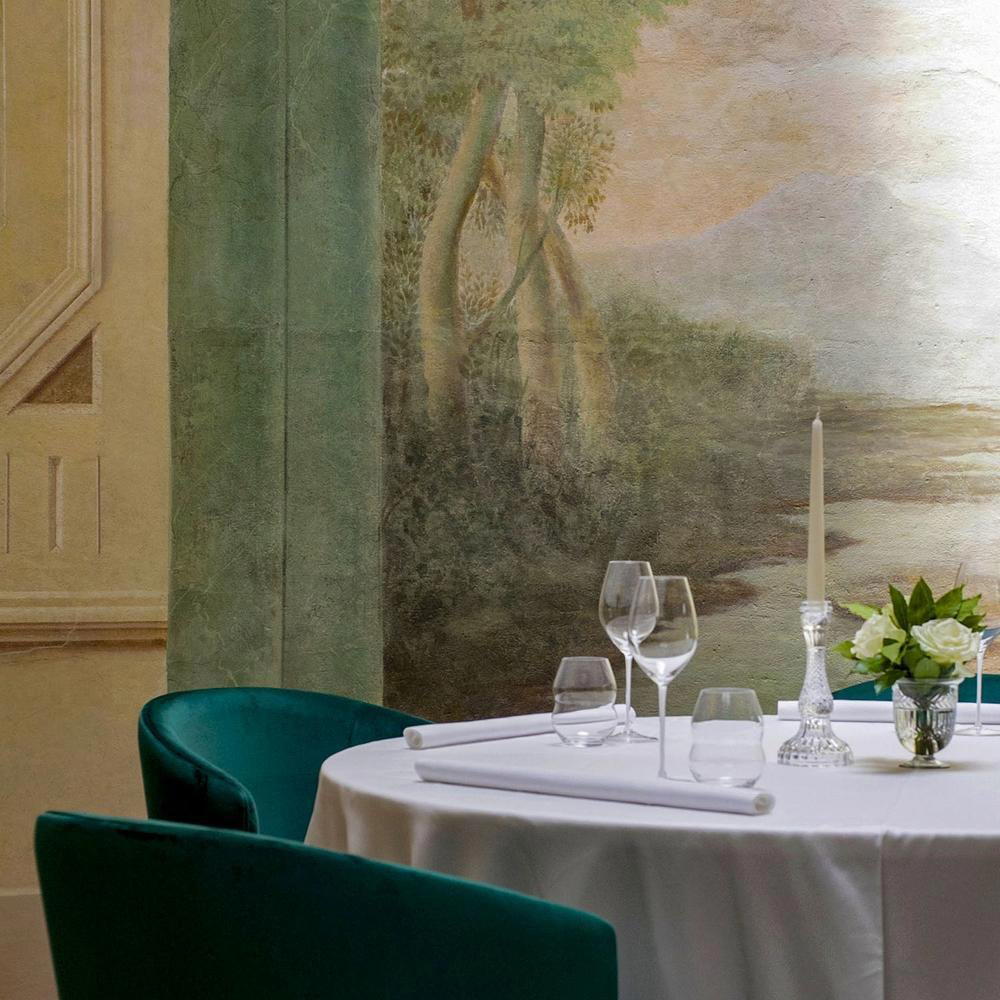
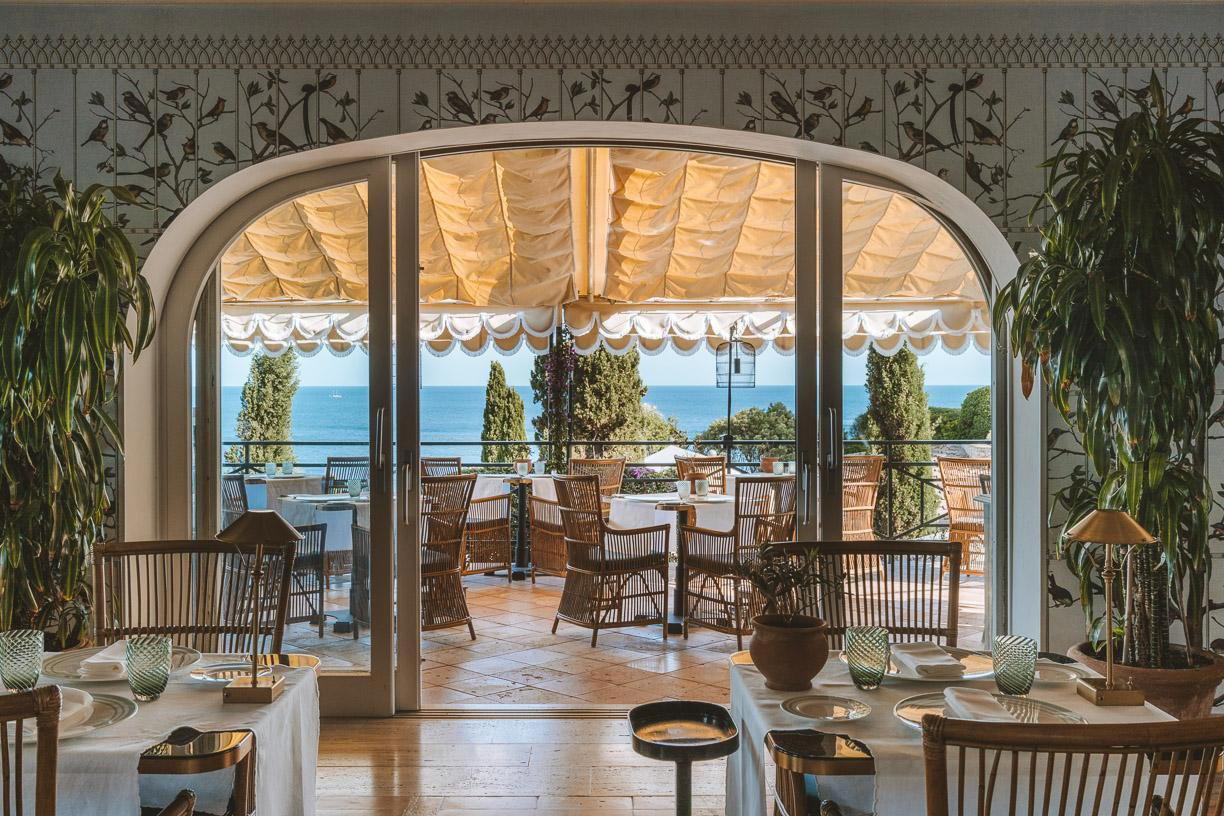
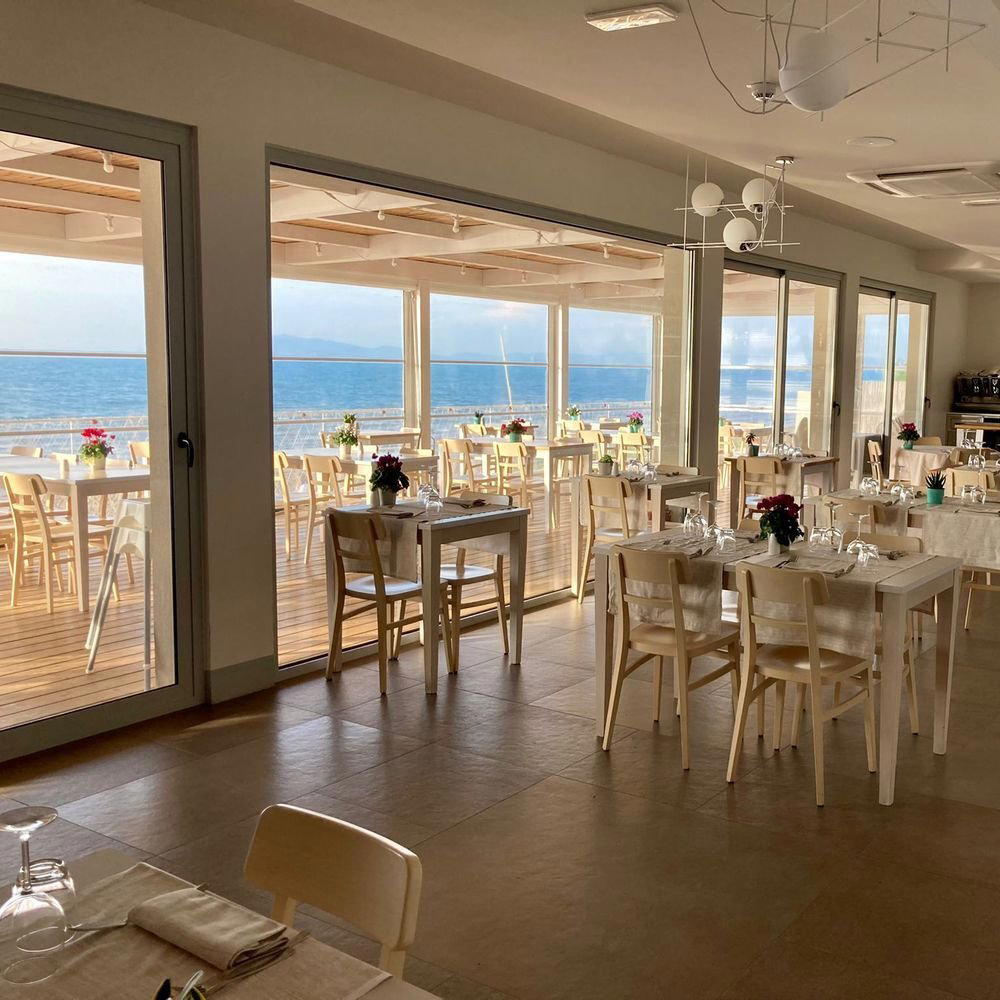
Bars in Capalbio
Browse all →
Hotels in Capalbio
Browse all →

Details
- Cozy
- Rustic
- Lively
- Intimate
- Casual Hangout
- Date Night
- After Work
- Solo
- Brunch
- Standalone
- Local Sourcing
- A La Carte
- Coffee
- Wine
- Beer
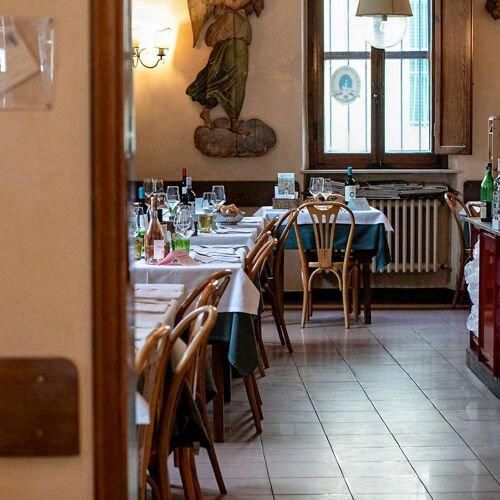
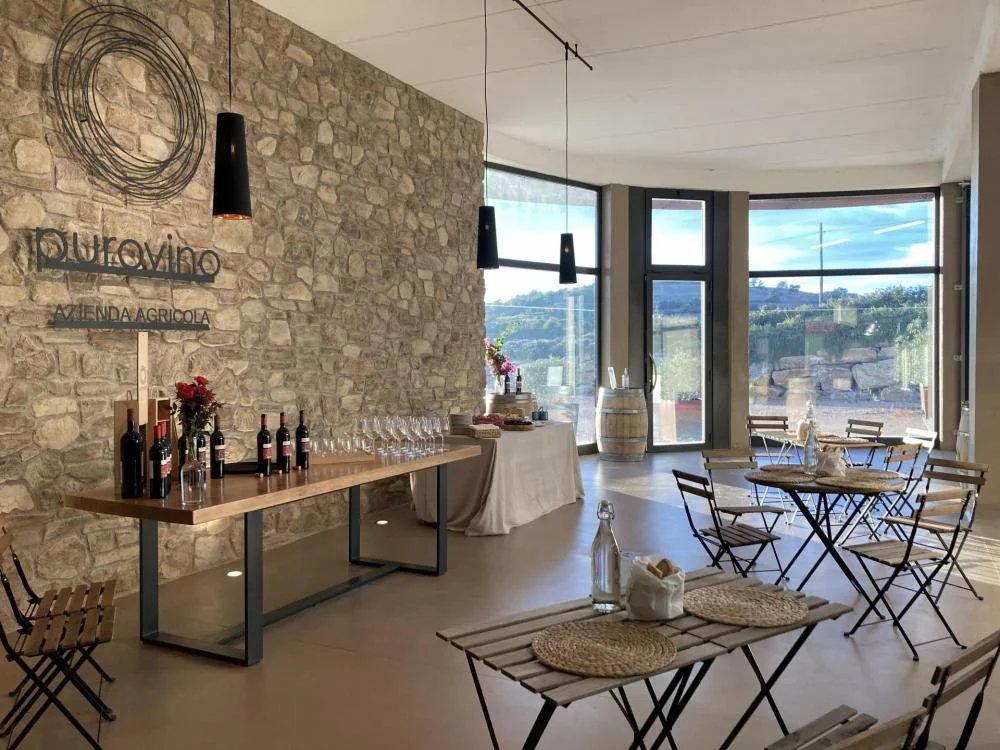
A small, well-kept and intimate room with a warm, rustic village feel; friendly staff, relaxed bistro-bar atmosphere, and attention to quirky decorative details even in the restroom create a welcoming, lived‑in charm rather than anything formal or polished.