Boro brings Medellín into Colombia’s regional tasting-menu conversation, with a Colombian format that spans the Pacific, Amazon, and Andes. The useful way to read it is through foundation ingredients and technique: corn, masa, tubers, river fish, tropical fruit, and regional memory handled as a contemporary dining structure rather than folkloric display.
Pearl is the En Primeur Club membership app — saves, bookings, and concierge access live there. Same editors, same standards.
- Address
- Cl. 10b #35-27, El Poblado, Medellín, El Poblado, Medellín, Antioquia, Colombia
- Phone
- +57 3114698886
- Website
- instagram.com
- Directions
- Get directions
 Saves & bookings on Pearl
Medellín’s dining rooms tend to announce themselves through energy first: the climb of the city, the shift from traffic to table, the social tempo that turns dinner into a late-evening commitment. Boro belongs to the more deliberate side of that spectrum, where the meal is not built around abundance alone but around sequence, geography, and the question of how regional Colombian cooking can hold its shape inside a tasting-menu format.
The useful frame is corn. Colombian cooking is often described through regions, but many of those regions are connected by masa, arepas, envueltos, bollos, and the older logic of turning grain into structure. Nixtamalization, tortilla craft, and heirloom corn conversations have become central across Latin American dining because they give chefs a way to talk about agriculture without turning the plate into a lecture. In Medellín, where paisa cooking has long been associated with generosity and density, a regional tasting menu creates a different rhythm: smaller portions, broader geography, and more emphasis on process.
Regional Colombia, read through masa and territory
Boro’s stated cuisine covers the Pacific, Amazon, and Andes, which matters because those zones do not share a single pantry. The Pacific brings coastal Afro-Colombian traditions, coconut, smoke, river and sea logic; the Amazon changes the conversation toward forest ingredients, freshwater species, bitter and acidic profiles; the Andes bring corn, tubers, altitude agriculture, dairy, and hearth cooking. A tasting menu that moves across those regions has to solve a basic editorial problem: how to avoid making Colombia feel like a sampler platter.
That is where foundational ingredients do useful work. Corn can carry memory without needing nostalgia. Masa can be rustic, ceremonial, everyday, or technical depending on grind, hydration, fermentation, and heat. A contemporary Colombian menu that treats corn seriously is not chasing novelty; it is returning attention to infrastructure. The same applies to cassava, plantain, cacao, panela, and native fruits. These are not garnish-level markers of place. They are the grammar of the cuisine.
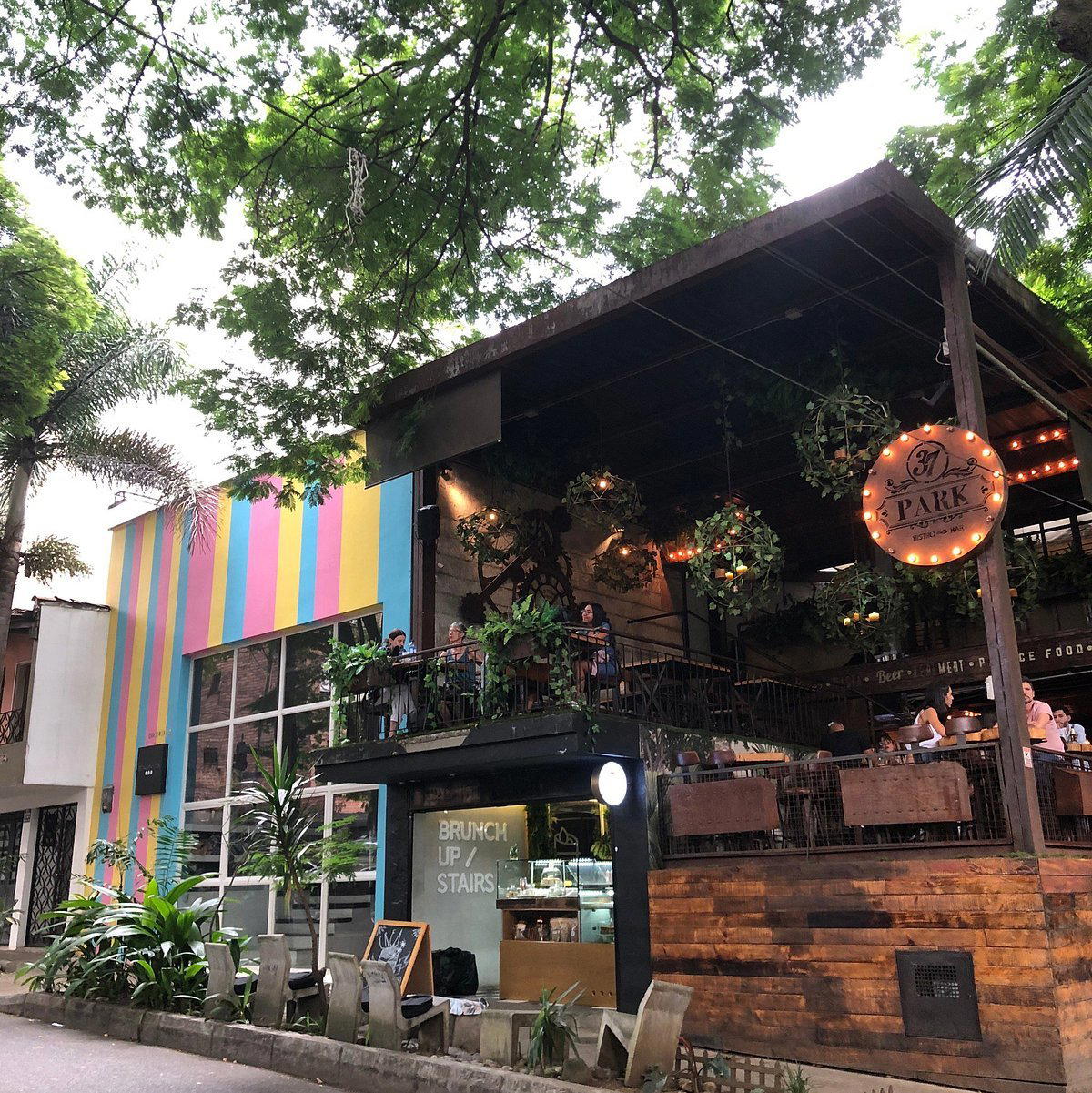
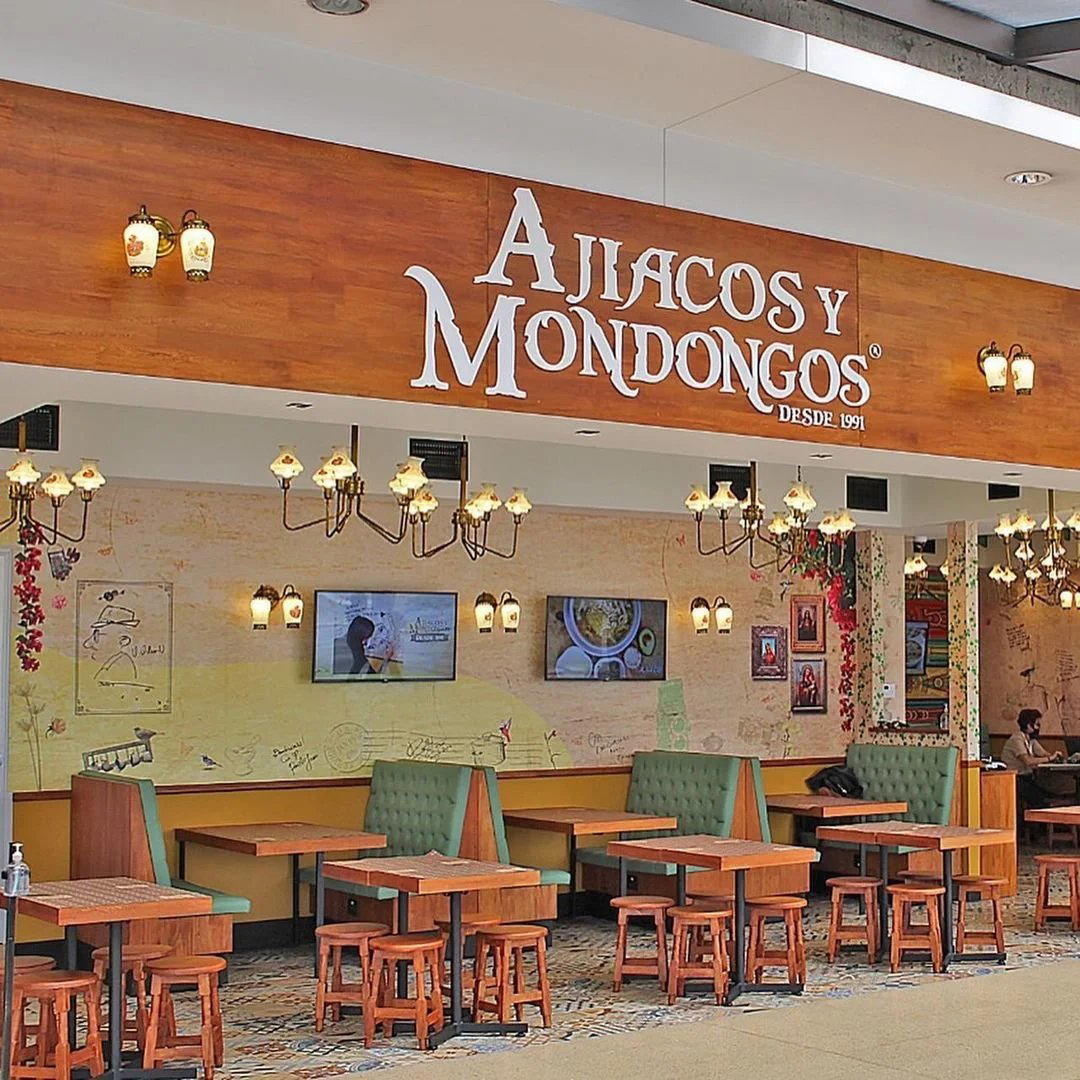
Medellín has enough conventional restaurant formats for a visitor to eat broadly without entering a tasting-menu room. The city’s appeal includes old-school soups, steakhouse culture, cafés, rooftops, and polished international dining. For that wider map, EP Club’s Medellín coverage includes Ajiacos y Mondongos, Cambalache Parrilla Argentina, Café Le Gris, 37 Park, and Cambria. Boro sits in a narrower category: regional Colombian cooking presented as a composed progression rather than a single-plate order.
Why this format makes sense in Medellín now
The city has spent years moving beyond a travel reputation built mainly on climate, nightlife, and recovery narrative. Dining is part of that shift, but not every serious room needs to imitate Bogotá’s capital-city breadth or Cartagena’s coastal polish. Medellín’s stronger opportunity is intimacy: smaller dining rooms, neighbourhood-driven evenings, and menus that can translate Colombian regions for visitors without sanding off local references.
That matters for international diners because Colombia is often reduced abroad to a few shorthand dishes. A regional tasting menu can correct that flattening. The Pacific, Amazon, and Andes each carry different histories of migration, Indigenous knowledge, African influence, altitude, rainfall, and trade. When handled with discipline, the format lets a meal move from grain to forest to coast without requiring the diner to know every regional term before sitting down.
The editorial caveat is simple: this kind of cooking depends on clarity. A tasting menu with regional ambition succeeds when the structure makes the geography legible, not when it buries the diner under explanation. The more technical the kitchen becomes, the more important restraint becomes. Corn, masa, broths, ferments, and native fruits have enough authority on their own; they do not need excessive styling to signal seriousness.
For planning a broader Colombia route, Medellín can sit between coastal and Andean dining rather than compete with either. Cartagena offers a different colonial and Caribbean register through places such as 1621 The Restaurant in Cartagena and Alyzia Rooftop & Dining in Cartagena de Indias. Bogotá’s produce-led capital cooking appears in venues such as Abasto Quinta Camacho in Bogotá, while the country’s casual and regional spread runs through references including Andrés Carne de Res in Chia, Basto Resto Bar in Armenia, and Adictta pizza Manizales in Manizales.
How to place it in a Medellín itinerary
Boro is better treated as the anchor meal of an evening, not a quick stop between plans. The tasting-menu structure asks for attention, and the regional span rewards diners who arrive interested in Colombian ingredients rather than a generic fine-dining checklist. The room’s relevance comes from the format itself: Colombian regional cooking, specifically Pacific, Amazonian, and Andean, organized with enough intent to make the meal read as an argument about place.
Use the rest of the trip to widen the lens. EP Club’s city pages collect the practical spread across Our full Medellín restaurants guide, Our full Medellín hotels guide, Our full Medellín bars guide, Our full Medellín wineries guide, and Our full Medellín experiences guide. For readers extending the itinerary beyond Colombia, the broader EP Club map also reaches dining rooms such as Jōdo Saké Bar in Los Angeles and Onigiri Time in Pasadena, useful reminders that ingredient-led formats read differently from city to city.
The reason to pay attention here is not celebrity machinery or trophy language. It is the seriousness of the proposition: Medellín as a place where Colombian regional cooking can be compressed, edited, and served in courses without losing its agricultural base. When corn and masa are treated as architecture rather than decoration, the meal has a stronger chance of saying something specific about the country.
Reputation & Price
Comparable venues nearby, for context on price, style, and recognition.
| Venue | Cuisine | Price | Notes |
|---|---|---|---|
| BoroThis venue — the venue you are viewing | Not listed | $$$$ | Not listed |
| Cambalache Parrilla Argentina | Not listed | $$$$ | Patio Bonito, El Poblado, Argentine Parrilla & Steakhouse |
| X.O. | Not listed | $$$ | El Poblado, Modern Colombian Fusion Tasting |
| OCI. Mde | Provenza, Contemporary Colombian | $$$ | Not listed |
| Medellín Es Sabor-Champi | El Poblado, Authentic Colombian | $$ | Not listed |
| Mamasita | El Poblado, Modern Colombian Paisa | $$ | Not listed |

At a Glance
- Modern
- Elegant
- Sophisticated
- Trendy
- Date Night
- Special Occasion
- Business Dinner
- Celebration
- Design Destination
- Hotel Restaurant
- Local Sourcing
- Farm To Table
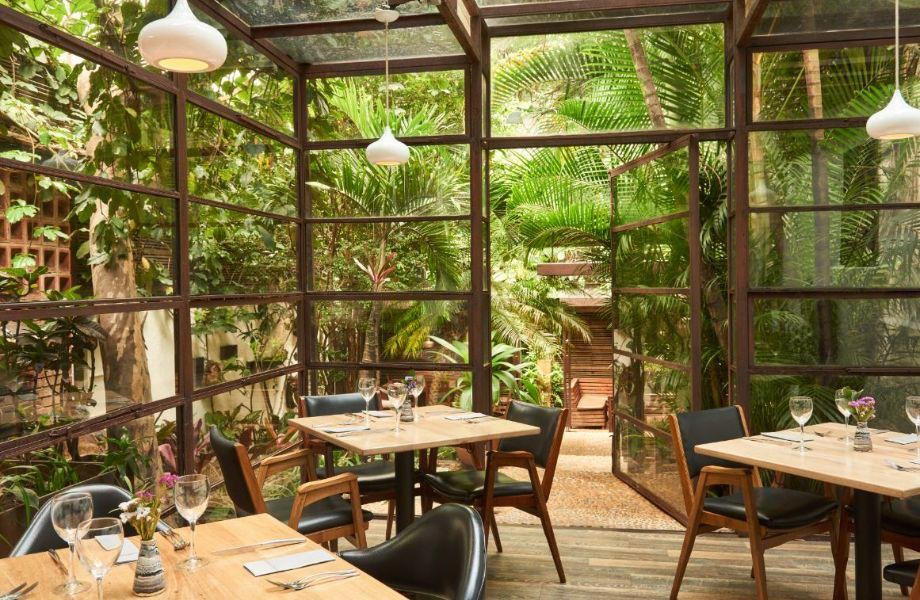
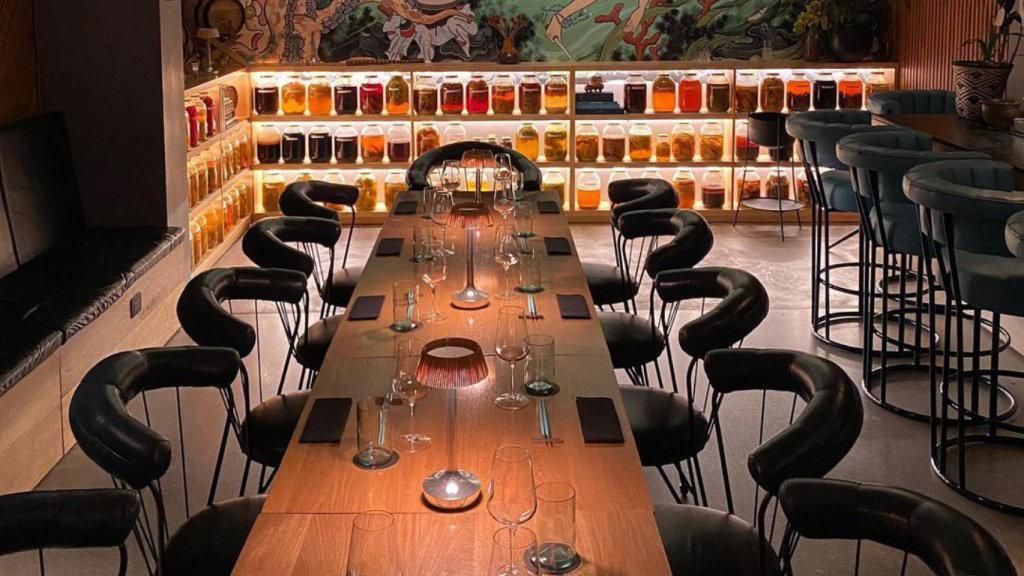
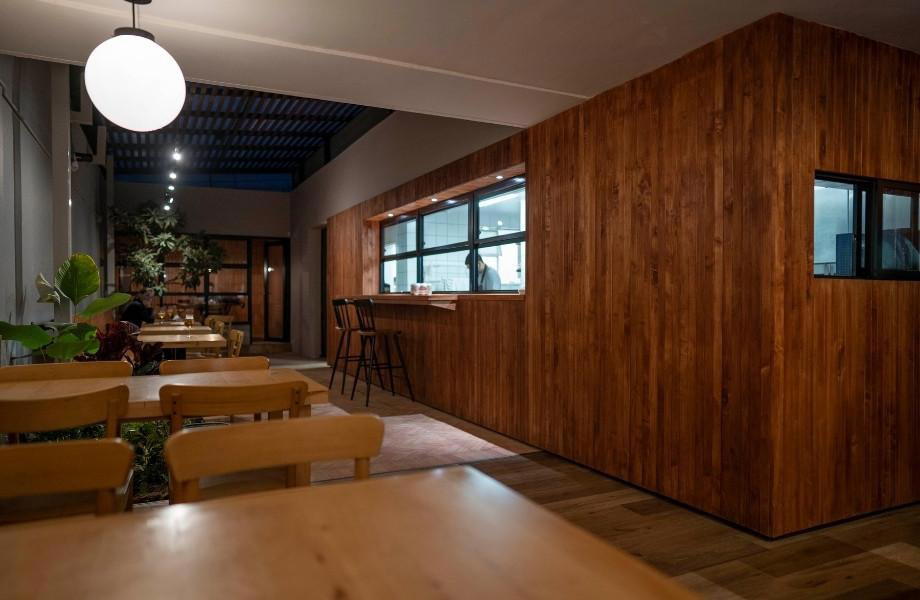
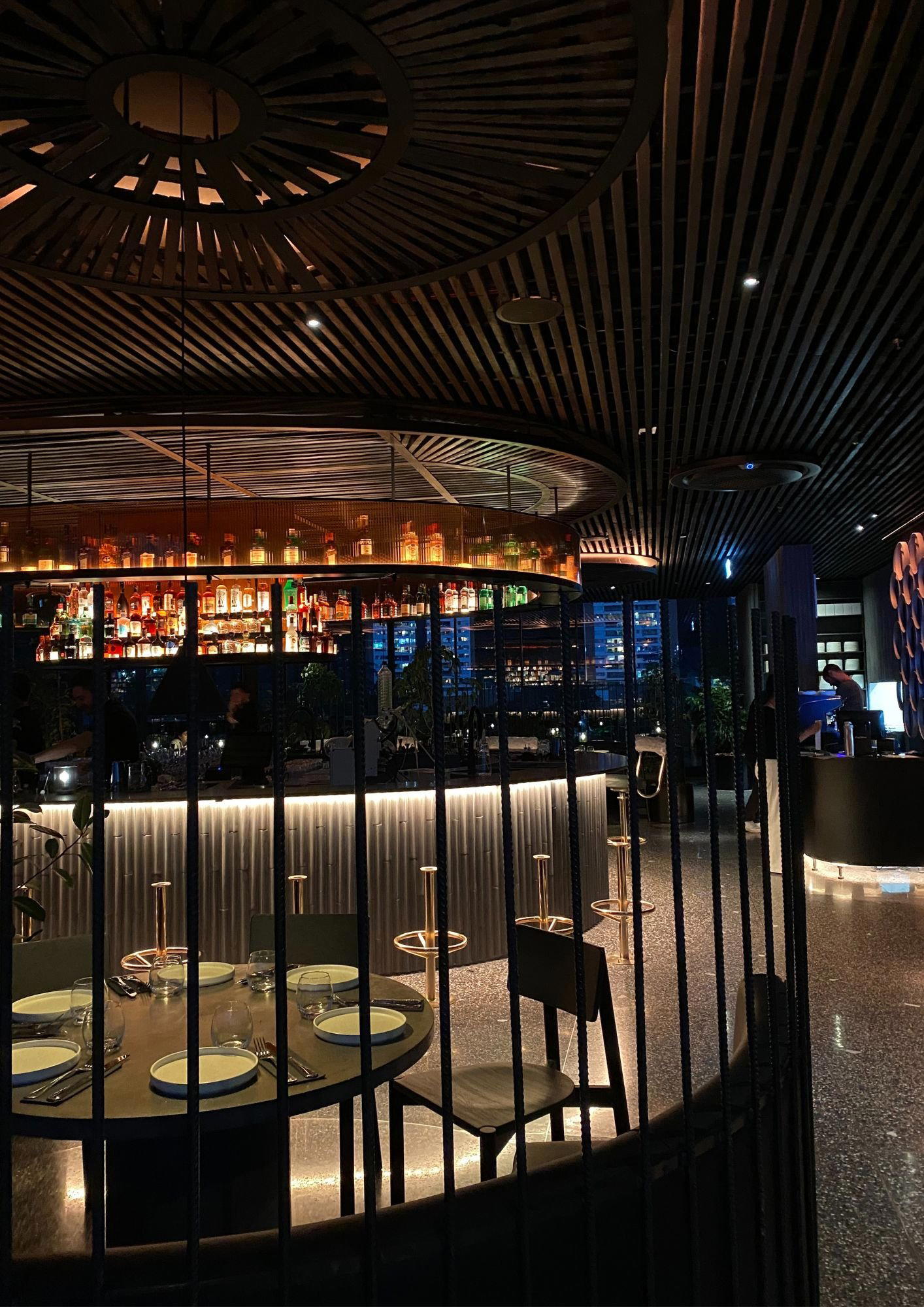
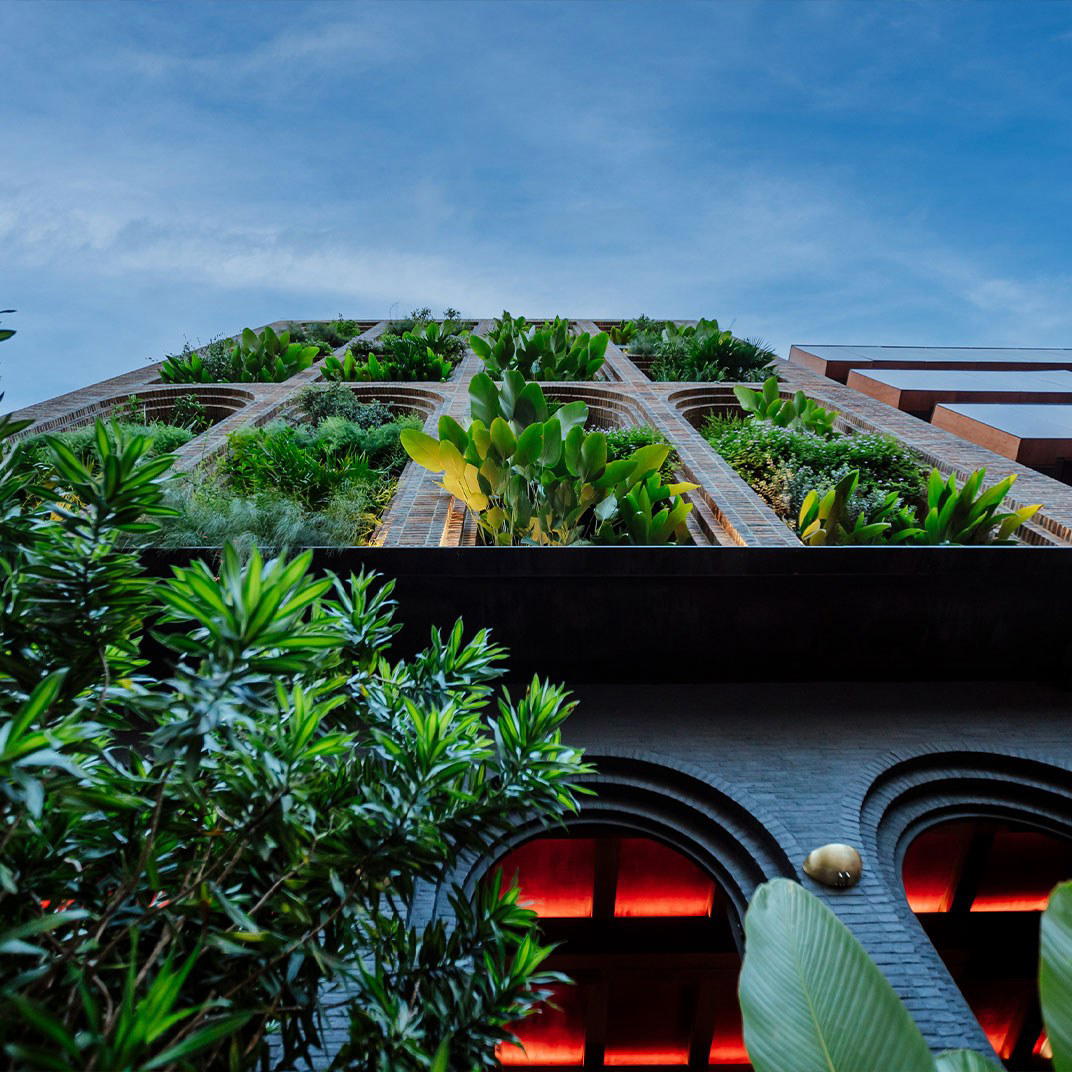
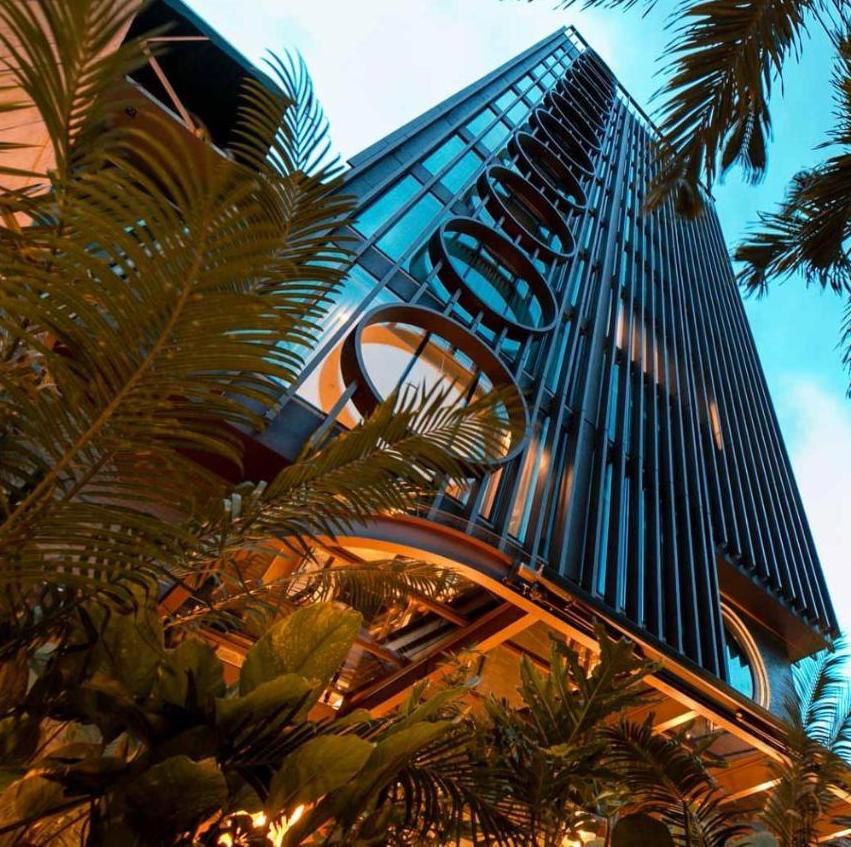
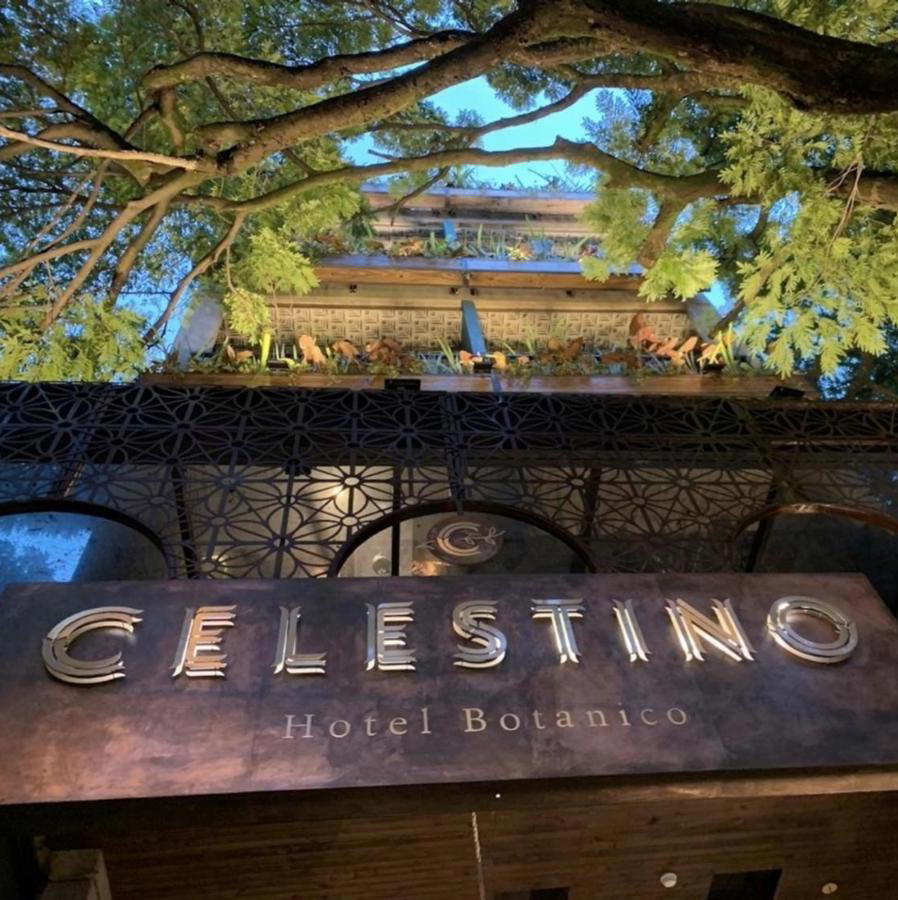
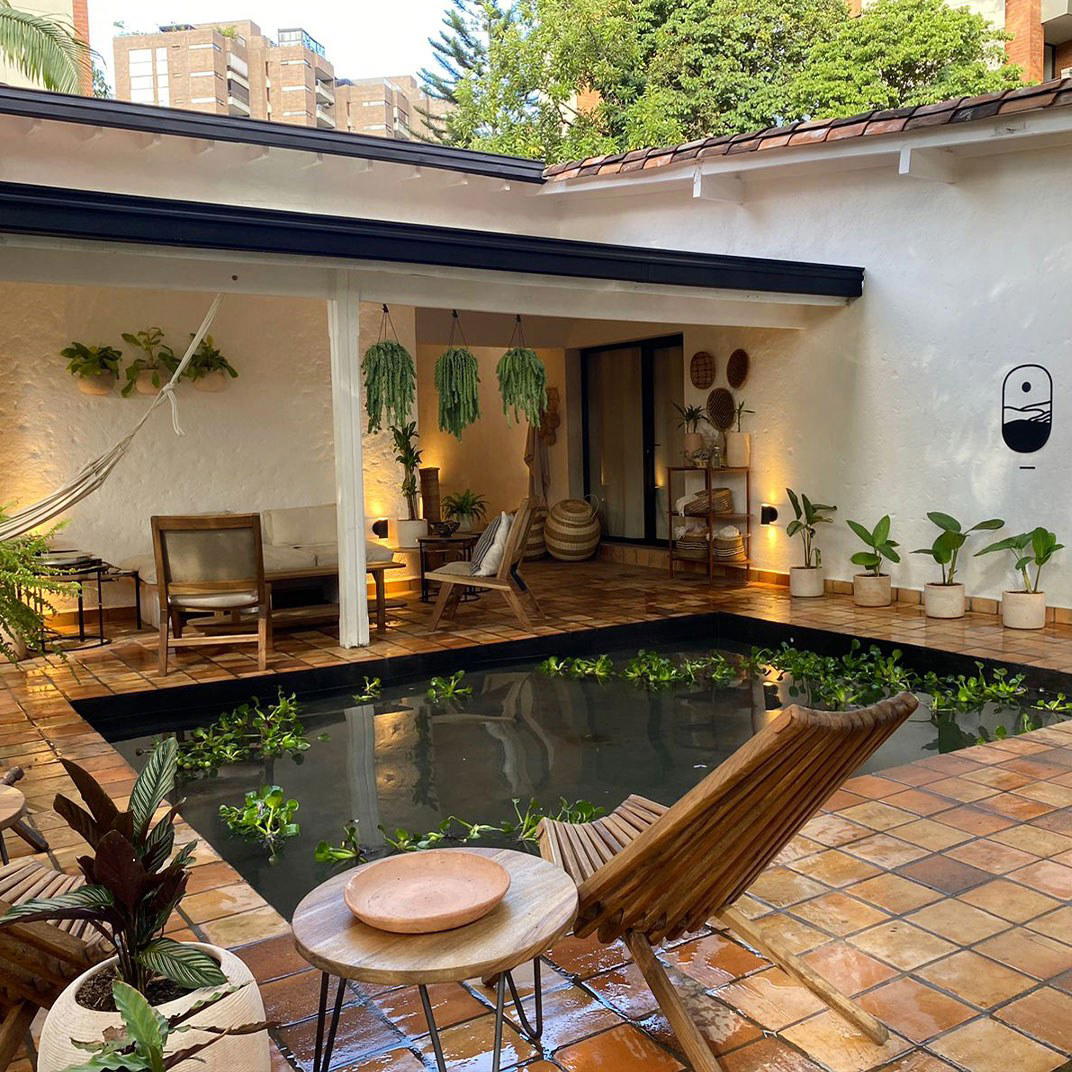
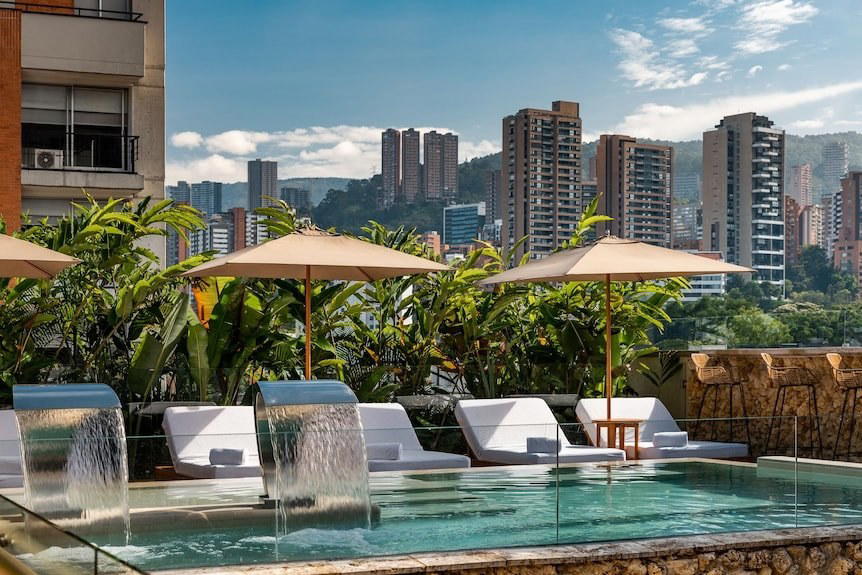
A contemporary, design-forward space where architecture and earth are intertwined, conceived as a conscious hospitality refuge and a sensory workshop built around fire, time, and memory, highlighting the raw and essential character of Colombian ingredients.