Michelin Plate
Our verdict
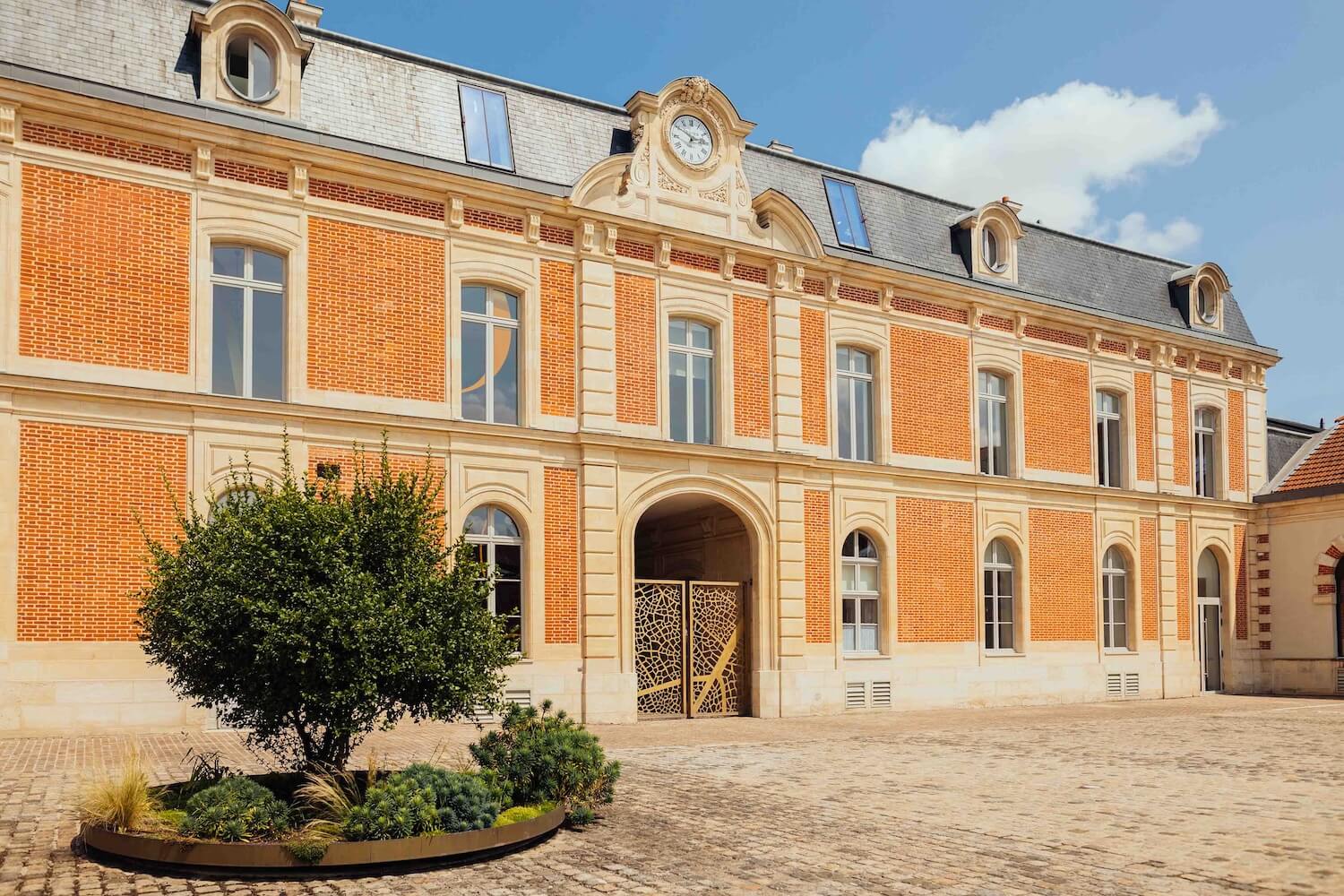
Bonnotte brings modern cuisine to Boulogne-Billancourt, the quietly ambitious commune just across the Seine from the 16th arrondissement. Holding a Michelin Plate for two consecutive years (2024 and 2025), it sits at the accessible end of Paris's recognised dining tier, a mid-price address with enough technical rigour to earn Michelin attention outside the city's saturated centre.

Pearl is the En Primeur Club membership app, where members save venues, book tables and use the concierge.
The menu
What to order
- Hare à la royale
- House-made tarama
Across the Seine, Outside the Centre
Paris's most talked-about dining addresses cluster inside the périphérique, but the communes immediately beyond it have been accumulating serious kitchens for years. Boulogne-Billancourt, which sits along the Seine's western bend and shares a metro line with the 16th arrondissement, has long housed a working population with purchasing power and a preference for restaurants that don't require a journey to Saint-Germain. Bonnotte, at 1 Rue de Billancourt, is one address in this geography that has drawn formal recognition: a Michelin Plate in both 2024 and 2025, held at a price point, €€, that positions it well below the capital's starred tier while still operating within the framework Michelin monitors.
That combination is less common than it sounds. The Michelin Plate signals food quality worth noting, but without the investiture of a star, which means the kitchen is doing something technically considered without yet commanding the price architecture of a full tasting-menu operation. In a city where the gap between a neighbourhood bistro and a €200-per-head starred table can feel impossible to bridge, addresses like Bonnotte occupy a useful middle register.
The Editorial Case for Modern Cuisine Outside the Arrondissements
Modern cuisine as a category in France covers a wide range of approaches, from the hyper-technical creativity at Alléno Paris au Pavillon Ledoyen (three Michelin stars, €€€€) to the Franco-Japanese synthesis at Accents Table Bourse, which has built a following in the 2nd arrondissement at a comparable price tier. What these tables share is an orientation toward product quality and technique over classical French formalism. The question for any modern cuisine address at the €€ level is whether the kitchen's ambition is calibrated to its price point or straining against it. A Michelin Plate two years running suggests the answer at Bonnotte leans toward calibration.
For context, the addresses in Paris's fully starred modern cuisine tier, including 114, Faubourg and Anona, operate at €€€ and €€€€ price levels where the cost of produce, the depth of the brigade, and the room's design all factor into the total price. Bonnotte's positioning at €€ implies a tighter format: likely fewer courses, a smaller team, and a menu architecture that must justify Michelin's attention through precision on a constrained budget.
Local Ingredients, Global Technique
The editorial angle that leading describes what modern French cuisine at this level tends to accomplish is the intersection of imported methods and French primary produce. France's ingredient supply chain remains one of the strongest in the world, the beurre from Normandy, the lamb from the Aveyron, the vegetables from market gardens in the Loire and Île-de-France, but the techniques applied to them have become increasingly international. Chefs trained in Japanese kitchens, Scandinavian fermentation programs, or Spanish molecular workshops return to France and apply that vocabulary to French raw materials.
Addresses like Amâlia illustrate this tendency at the Paris level. Globally, the same framework applies to tables as distant as Frantzén in Stockholm and FZN by Björn Frantzén in Dubai, where Nordic and French technique respectively meet local supply chains. In France's own regions, this interplay between method and terrain defines the most discussed tables: Mirazur in Menton, Flocons de Sel in Megève, and Bras in Laguiole all anchor their menus in the specific ingredients of their location while using a technical repertoire assembled from wider international exposure.
At the accessible end of this spectrum, Bonnotte's register, the commitment to French produce is typically maintained even when the kitchen's technical references range more widely. A plate might draw on Japanese knife work or Nordic minimal plating conventions while the ingredients themselves remain sourced from within 200 kilometres. This is not a compromise position; it reflects how French cooking has evolved at every price tier, from the classical houses like Auberge de l'Ill in Illhaeusern and Paul Bocuse - L'Auberge du Pont de Collonges down through the neighbourhood modern tables that have absorbed the same currents.
Reading the Reviews
Volume matters here: reaching 900-plus reviews indicates a consistent flow of diners over time, not a brief burst of attention. At this sample size, the aggregate score reflects the experience across multiple seasons, different menu phases, and a varied clientele, the kind of data that smooths out anomalies in either direction. Bonnotte sits above that range.
This is not the same as a starred credential, and the Michelin Plate itself confers recognition rather than ranking. But taken together, two consecutive Plate mentions, a high-volume positive review record, the picture that emerges is a kitchen operating with consistency at its price point, which is exactly what makes an address viable for a repeat visit rather than a single test.
Boulogne-Billancourt as a Dining Context
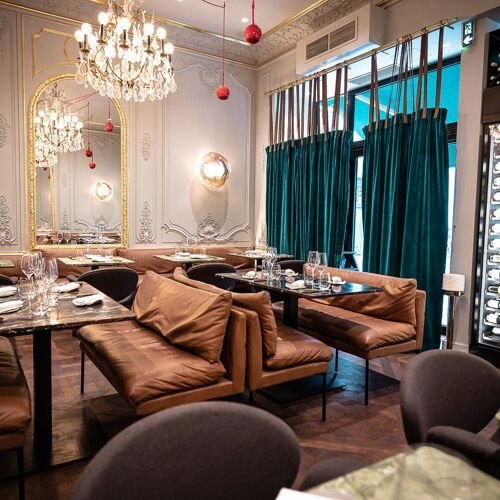
The commune's dining character is worth understanding before arriving. Boulogne-Billancourt is not a tourist zone; it functions as a dense residential and commercial district with a population that eats out regularly and expects quality without ceremony. The restaurants here tend toward the direct and functional: good product, honest cooking, rooms that don't overwhelm. That context suits a modern cuisine address at the €€ level. The pressure to perform for an international dining crowd, which shapes the energy and sometimes the pretension at addresses in the Marais or Saint-Germain, is absent here. The audience is largely local, which tends to sharpen a kitchen's focus on what it actually does rather than what it needs to appear to do.
For broader Paris dining context, see our full Paris restaurants guide, as well as guides to Paris hotels, Paris bars, Paris wineries, and Paris experiences. Those planning a wider French dining itinerary may also want to consider Troisgros - Le Bois sans Feuilles in Ouches and Auberge de Montfleury for regional contrast.
Know Before You Go
- Address: 1 Rue de Billancourt, 92100 Boulogne-Billancourt, France
- Cuisine: Modern Cuisine
- Price range: €€
- Awards: Michelin Plate 2024; Michelin Plate 2025
- Booking: Contact the restaurant directly; specific booking methods are not confirmed
- Hours: Verify current service times directly with the restaurant before visiting
What Should I Eat at Bonnotte?
Bonnotte operates in the modern cuisine category at a mid-range price point, a format that in the Paris context typically means a menu structured around seasonal French produce handled with contemporary technique. The Michelin Plate recognition for 2024 and 2025 points to cooking that is considered and consistent rather than experimental for its own sake. For peer context on what modern French cuisine can accomplish at a higher price ceiling, see Accents Table Bourse.
Frequently asked questions
Where do I go for Bonnotte?
Bonnotte is located at 1 Rue de Billancourt, 92100 Boulogne-Billancourt, France, Paris.
What's the pricing like at Bonnotte?
Pricing at Bonnotte is listed as €€.
Has Bonnotte won any awards?
Bonnotte has received recognition including: Michelin Plate (2025); Michelin Plate (2024).
What should I eat at Bonnotte?
Bonnotte operates in the modern cuisine category at a mid-range price point (€€), which in the Paris context typically signals a structured menu built around seasonal French produce interpreted through contemporary technique. The Michelin Plate recognition in both 2024 and 2025 indicates consistent kitchen execution rather than a one-season flash. Given the price tier, expect a concise menu where each course carries clear intent, the format rewards ordering the full progression rather than selecting à la carte if that option is offered.
What type of food is Bonnotte known for?
City Peers
| Venue | Cuisine | Price | Awards | Notes |
|---|---|---|---|---|
| BonnotteThis venue (the venue you are viewing) | Seasonal French Bistronomy | $50–100 | Michelin Plate | Not listed |
| Alléno Paris au Pavillon Ledoyen | Modern French Fine Dining | $150–200 | 3 Michelin Stars · World's 50 Best #79 | Creative |
| Kei | Modern French with Japanese Influences | $300–500 | 3 Michelin Stars · World's 50 Best #93 | Contemporary French, Modern Cuisine |
| L'Ambroisie | Classic French Haute Cuisine | $300–500 | 2 Michelin Stars · World's 50 Best #23 | French, Classic Cuisine |
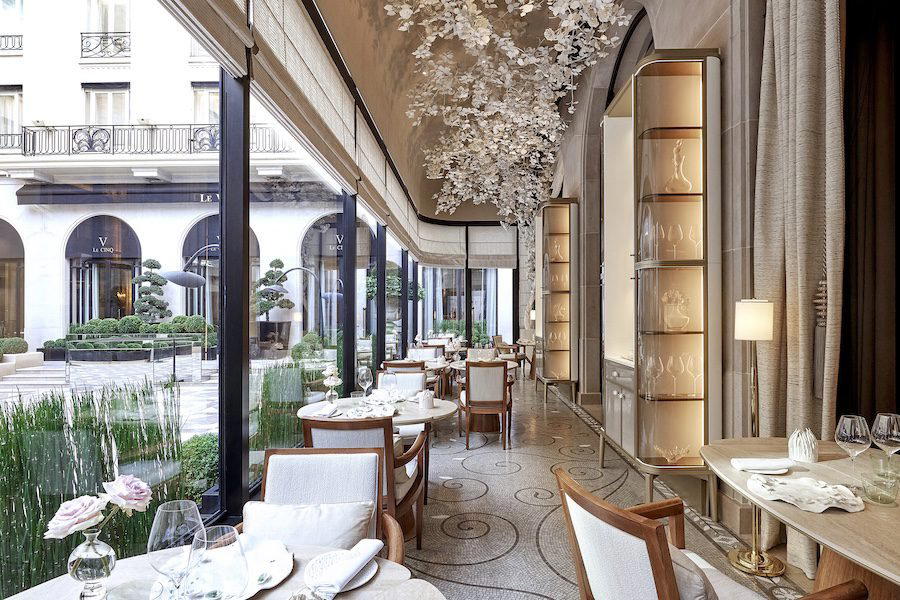
| Le Cinq - Four Seasons Hôtel George V | Modern French Fine Dining | $300–500 | 3 Michelin Stars · World's 50 Best #24 | French, Modern Cuisine |
| Plénitude | Modern French Sauce-Led Fine Dining | $300–500 | 3 Michelin Stars · World's 50 Best #10 | Contemporary French |
Recognition history
Dated appearances from independent guides and award organizations, with the underlying list record or original source where available.
Michelin Plate
Michelin
Full recognition history (2 entries)
Michelin Plate
Michelin