Boma
Our verdict
Boma belongs to the safari-lodge dining tradition around Hoedspruit, where open-air fire, reserve setting, and South African sourcing matter as much as formal technique. The draw is not a chef-led tasting-menu narrative but a sense of place: food tied to the Timbavati context, eaten close to the bush rather than insulated from it.

Pearl is the En Primeur Club membership app — saves, bookings, and concierge access live there. Same editors, same standards.
- Address
- Middle Road, Kruger Park, Timbavati Private Nature Reserve, Hoedspruit, 1380 (main lodge)
- Directions
- Get directions
The menu
What to order
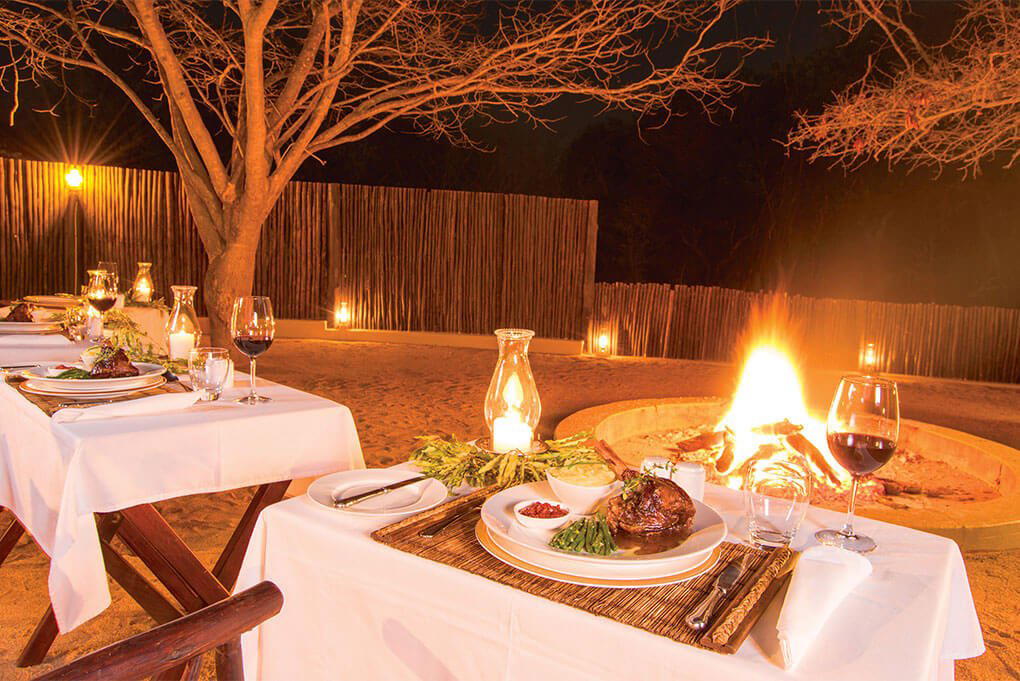
- Bushveld braai around the boma fire
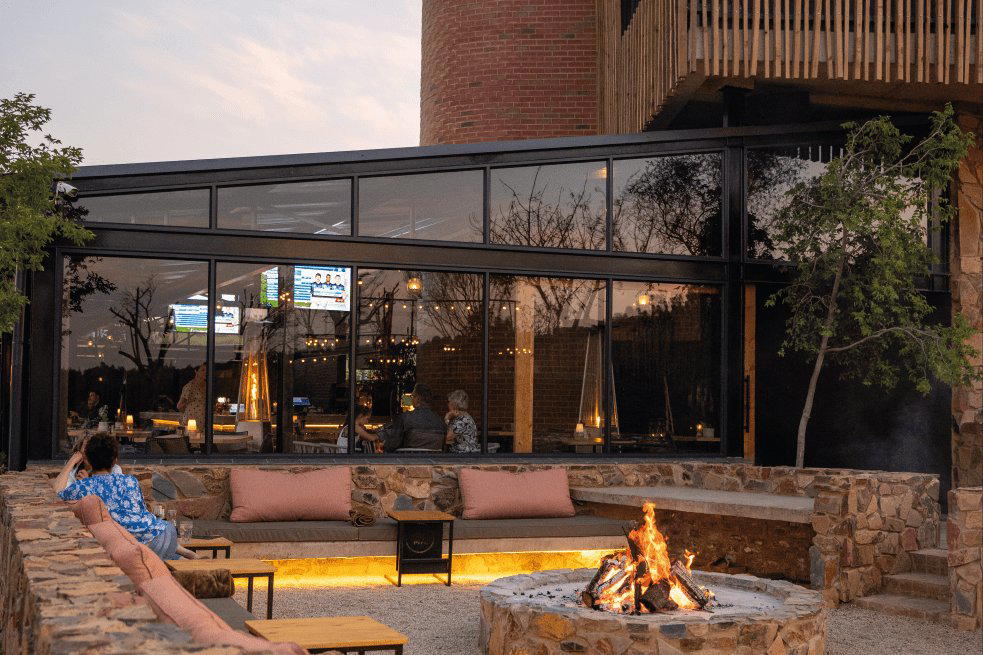
Approaching dinner in a lodge setting changes the usual restaurant contract. The room is not sealed off from its surroundings; the outdoors is part of the frame, and the meal reads through firelight, night air, and the social rhythm of a lodge table. In Hoedspruit, that format carries a different kind of authority from urban fine dining. It is less about plated theatre and more about how cooking, setting, and local supply work together in a travel-led dining context.
Boma sits in Hoedspruit, a location that places it inside the area’s hospitality economy rather than a city-restaurant circuit. That matters. Around Hoedspruit, dining attached to lodge stays often has to solve two problems at once: feed guests after long travel or activity schedules, and communicate a sense of place without reducing it to performance. The stronger versions of the format use fire, regional feeling, and open-air service as structure, not decoration.
Fire-led lodge dining in the Hoedspruit context
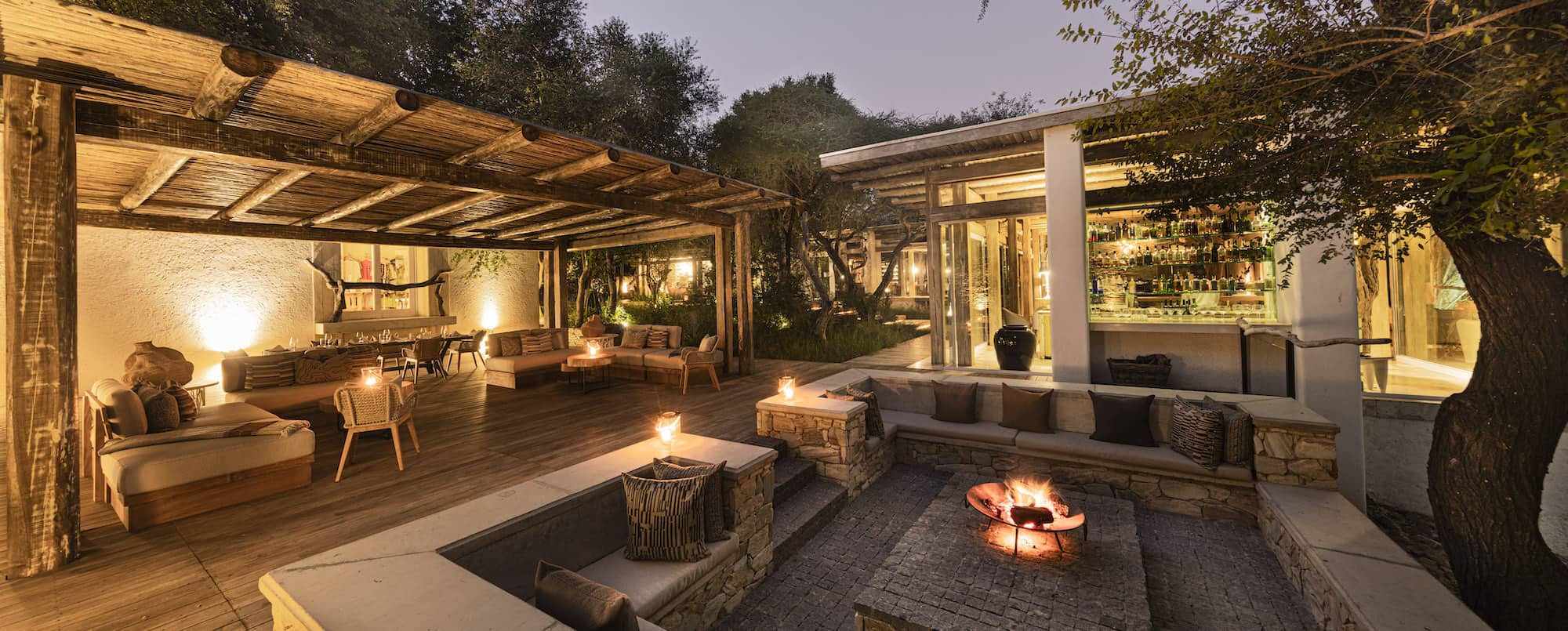
The boma tradition has deep roots in southern African hospitality: an enclosed outdoor gathering space, historically practical, now often adapted for communal meals in lodge settings. In luxury travel, the format can drift into costume if the kitchen treats it as a theme night. The more convincing approach is quieter: flame, direct cooking, vegetable sides, grains, sauces, and dishes that make sense in a lodge environment where timing and appetite are shaped by the rhythm of the day.
That is the useful lens for Boma. With no public chef narrative defining the table, the editorial value lies in the setting and sourcing question: what does dinner gain by being here rather than in a city dining room? Hoedspruit’s food culture is closely tied to lodges, farms, conservation travel, and access to nature-based itineraries. A meal in this context should not chase a big-city tasting-menu vocabulary or city-bistro energy. It works when it accepts the logic of Hoedspruit: generous heat, direct cooking, and ingredients that can hold their own outdoors.
The local comparison is instructive. Boma - Open Air Terrace is another open-air Hoedspruit reference, while Jabulani Restaurant and Jabulani Safari sit in the same wider lodge-dining conversation. Boma belongs in that Hoedspruit category, where the question is not whether a room resembles a metropolitan restaurant, but whether it makes sense after a day shaped by travel schedules, outdoor time, and the atmosphere of the area.
Ingredient sense matters more than fine-dining theatre
Ingredient sourcing is the point to watch in this category. Lodge kitchens away from major dining capitals have to think carefully about procurement, preservation, and menu discipline. A convincing boma meal does not need rare luxury imports. It needs produce, breads, sauces, grilled elements, and pantry references that feel coherent with Hoedspruit rather than flown in to imitate another market.
This is also where expectations should be calibrated. Hoedspruit is not a large metropolitan dining centre, and that is an advantage when the kitchen resists imitation. Other South African restaurant regions operate with dense supplier networks and a different dining tempo. Country restaurants elsewhere have their own agricultural logic. Hoedspruit’s strength is more specific: the meal is inseparable from lodge architecture, travel planning, and the atmosphere of eating outside the city grid.
That does not mean standards should soften. Premium lodge dining is judged by whether the food feels purposeful rather than merely convenient. Fire cooking should bring control, not smoke for its own sake. Local references should feel grounded, not staged. Service should understand that guests arrive with different levels of energy after the day’s activities, and the room should let conversation carry without turning the evening into a show.
How to place Boma within a Hoedspruit itinerary
Boma makes the clearest sense for travellers already spending time in Hoedspruit or building an itinerary around the area’s lodge-based hospitality. Its Hoedspruit setting places it outside the pattern of casual big-city dining, so it should be treated as part of a planned local experience rather than a spontaneous metropolitan-style restaurant detour. That logistical reality is part of the editorial assessment: the meal’s value is tied to context.
For travellers mapping the wider area, Our full Hoedspruit restaurants guide gives the clearest restaurant overview, while Our full Hoedspruit hotels guide is the more relevant companion for lodge-based dining. Drinking culture in the area is thinner than in major South African cities, but Our full Hoedspruit bars guide, Our full Hoedspruit wineries guide, and Our full Hoedspruit experiences guide help separate meal planning from the rest of the trip.
Within South Africa’s broader dining map, the comparison points are useful precisely because they are different. Urban restaurants belong to a different rhythm, coastal-hotel dining sits in another register, and African Boma shares a broader lodge-dining vocabulary. International city formats underline the contrast: those are specialist urban experiences, while Boma is judged by whether place, sourcing, and open-air hospitality align. Other Hoedspruit dining rooms further show how the area is anchored less by standalone restaurant culture than by the wider travel and lodge-stay ecosystem.
Frequently asked questions
Is Boma suitable for children?
Boma’s Hoedspruit setting can make it a natural fit for families already planning a local stay. The outdoor lodge-style format may feel more practical for children than formal tasting-menu dining.
What should I expect atmosphere-wise at Boma?
Expect a dining room shaped by the boma tradition in Hoedspruit. The atmosphere is more about open-air lodge character than urban restaurant polish.
Where do I go for Boma?
Hoedspruit.
Should I book Boma in advance?
Advance planning makes sense for Boma, because it is part of Hoedspruit’s lodge-dining landscape rather than a walk-in city dining district. That matters most for travelers building a Hoedspruit stay around planned local experiences.
What do critics highlight about Boma?
Critics tend to focus on the setting: a boma-style restaurant in Hoedspruit. The appeal lies in the location and format, not in a trophy-led fine-dining profile.
Side-by-Side Snapshot
Comparable venues by cuisine and price in the same metro.
| Venue | Cuisine | Price | Awards | Notes |
|---|---|---|---|---|
| BomaThis venue — the venue you are viewing | Self‑catering bush braai / boma experience | Not listed | Not listed | Not listed |
| Jabulani Restaurant | Fine dining with contemporary South African influence in a private game reserve | $200–300 | Relais Chateaux Award | Cooking classics |
| Boma - Open Air Terrace | Open-air bush boma dining | Not listed | Relais Chateaux Award | Expression of the terroir |
| Boma | Self‑catering bush braai / boma experience | Not listed | Not listed | Not listed |
Continue exploring
More in Hoedspruit
Restaurants in Hoedspruit
Browse all →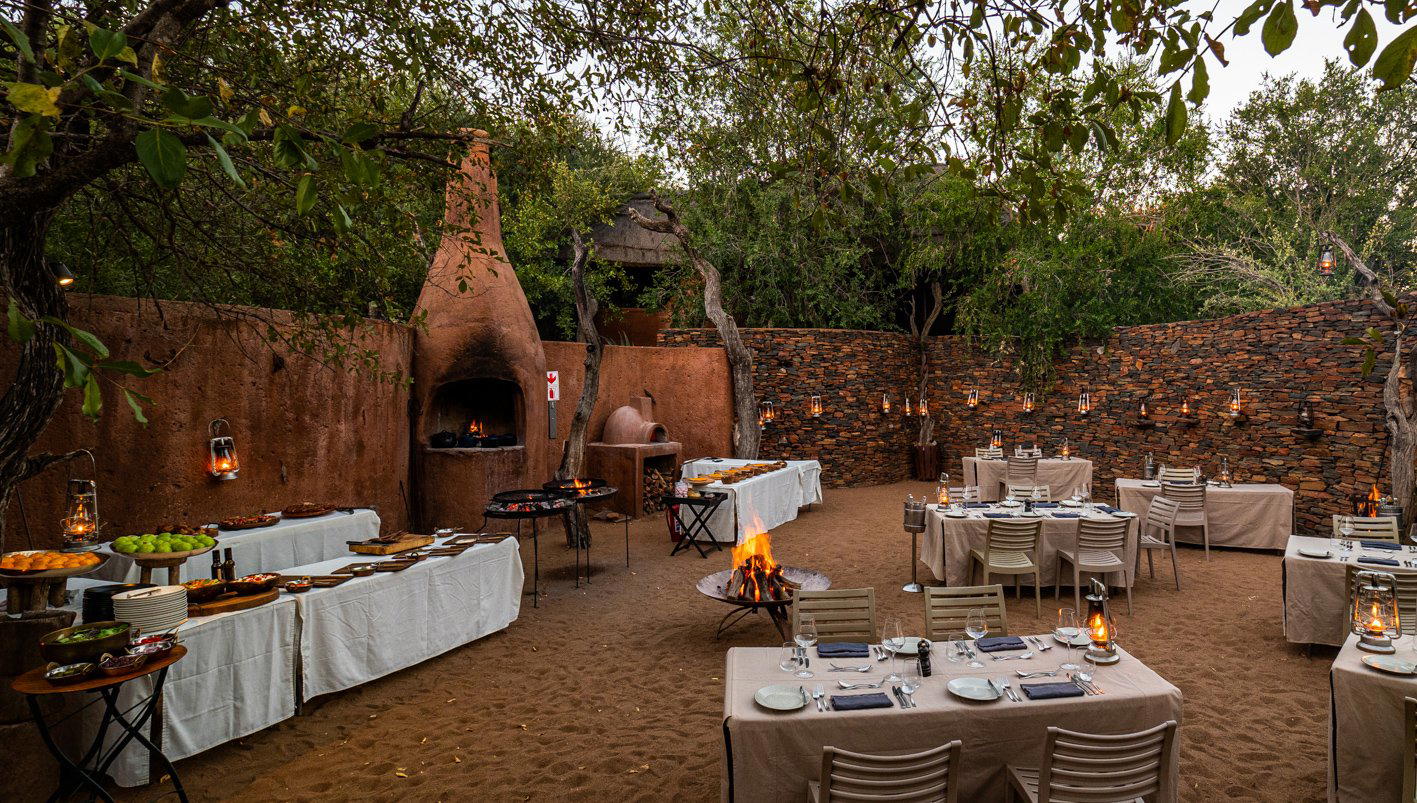
Bars in Hoedspruit
Browse all →
Details
- Scenic
- Rustic
- Quiet
- Cozy
- Family
- Group Dining
- Casual Hangout
- Celebration
- Special Occasion
- Garden
- Hotel Restaurant
- Standalone
- Garden
- Mountain
- Family Style
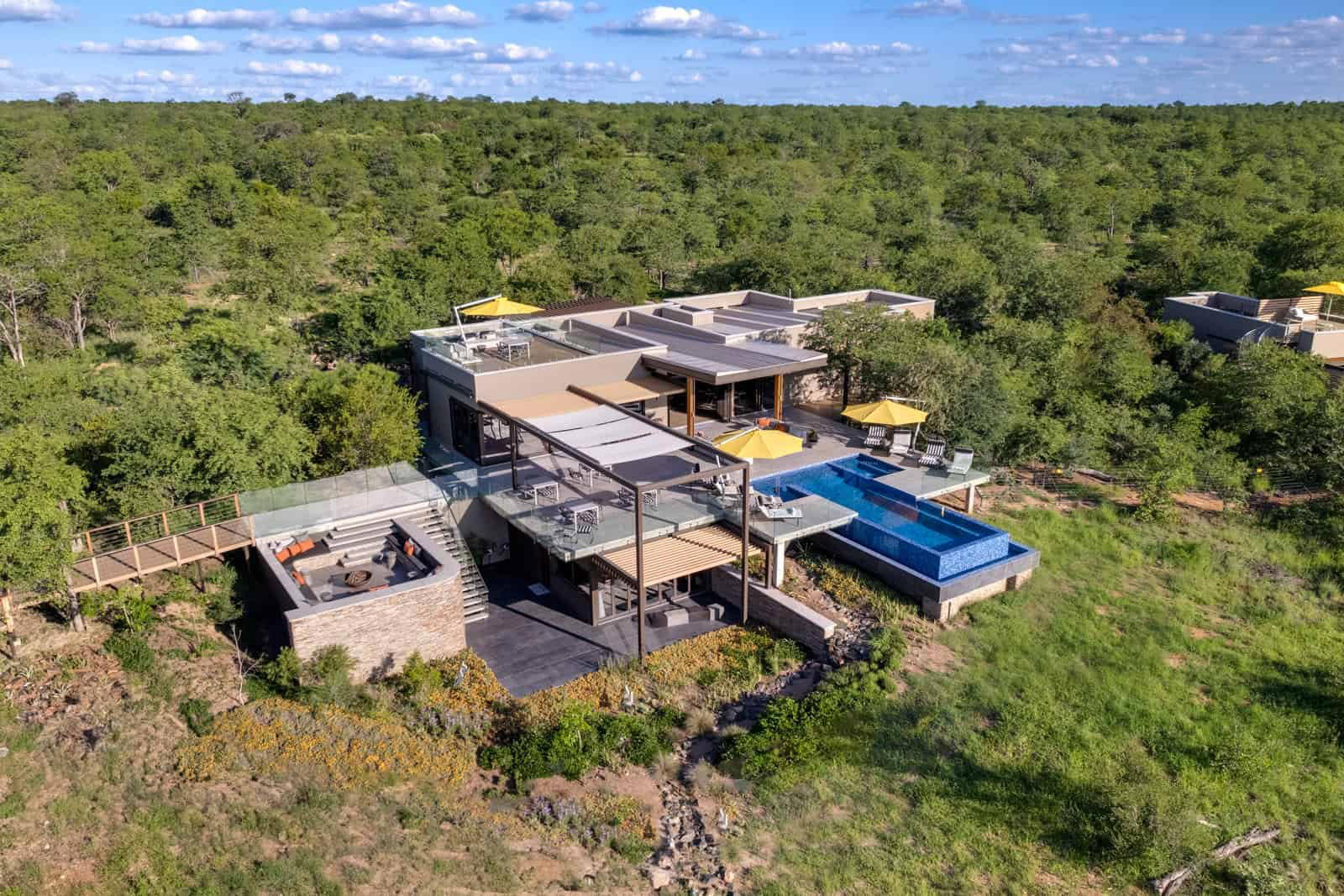
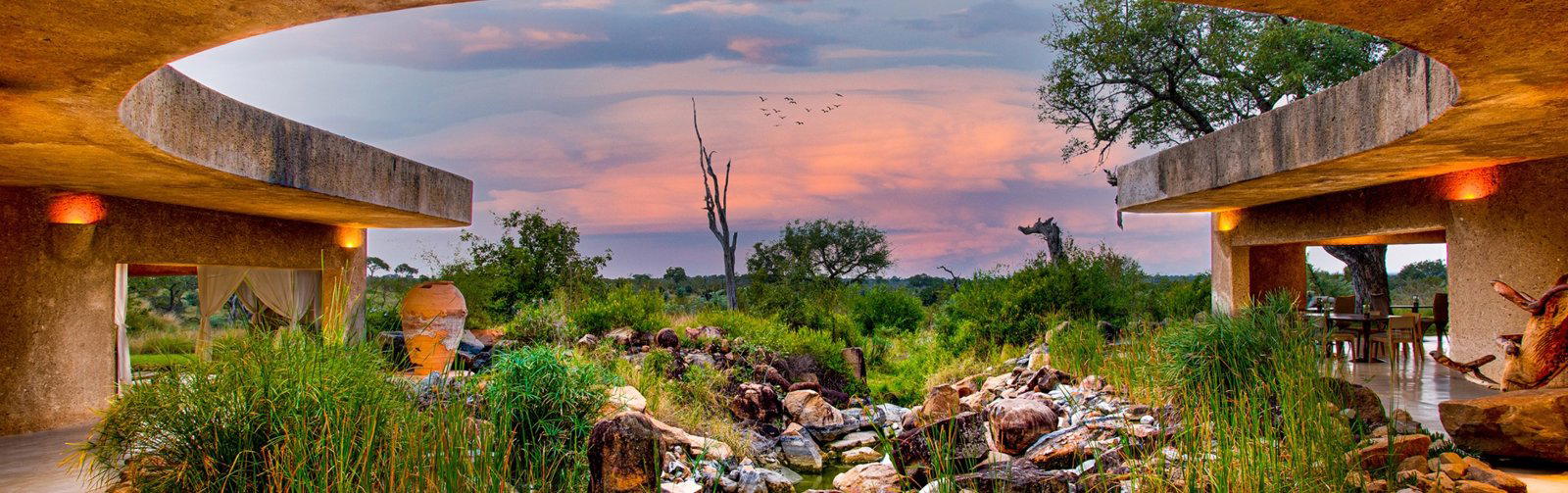
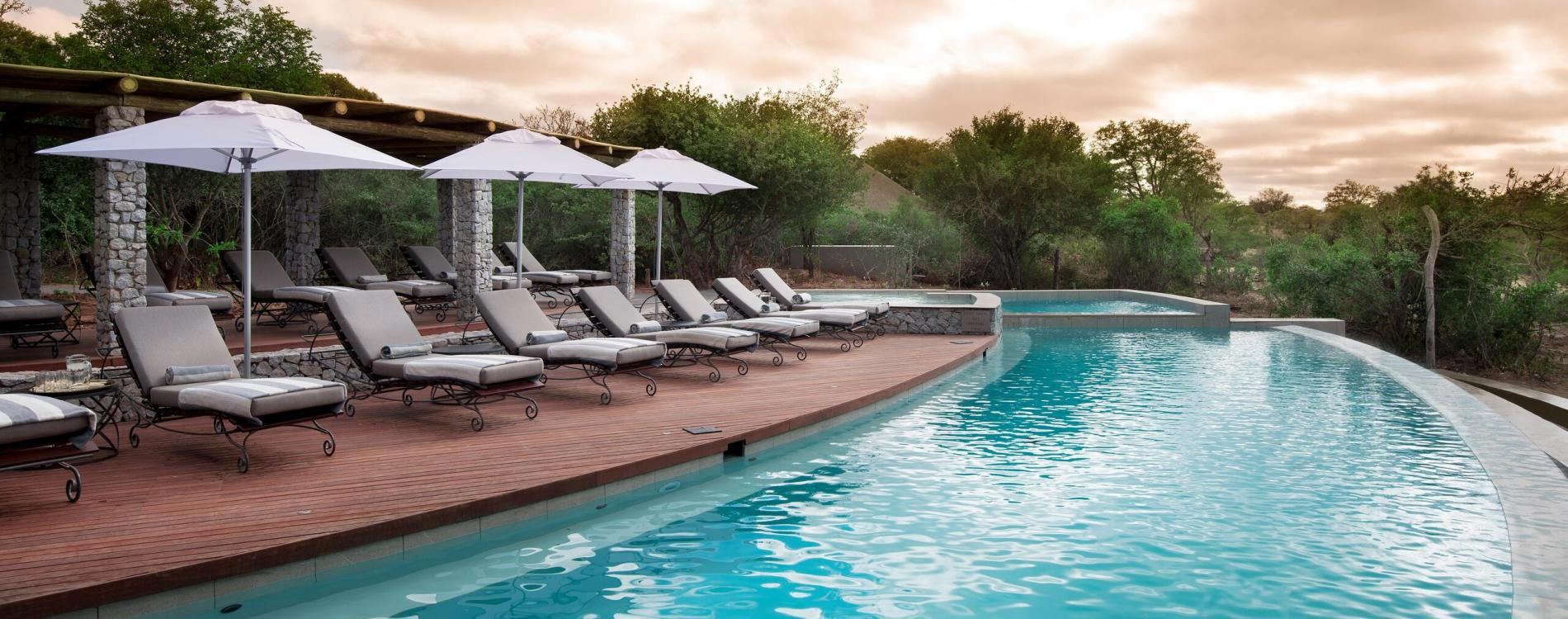
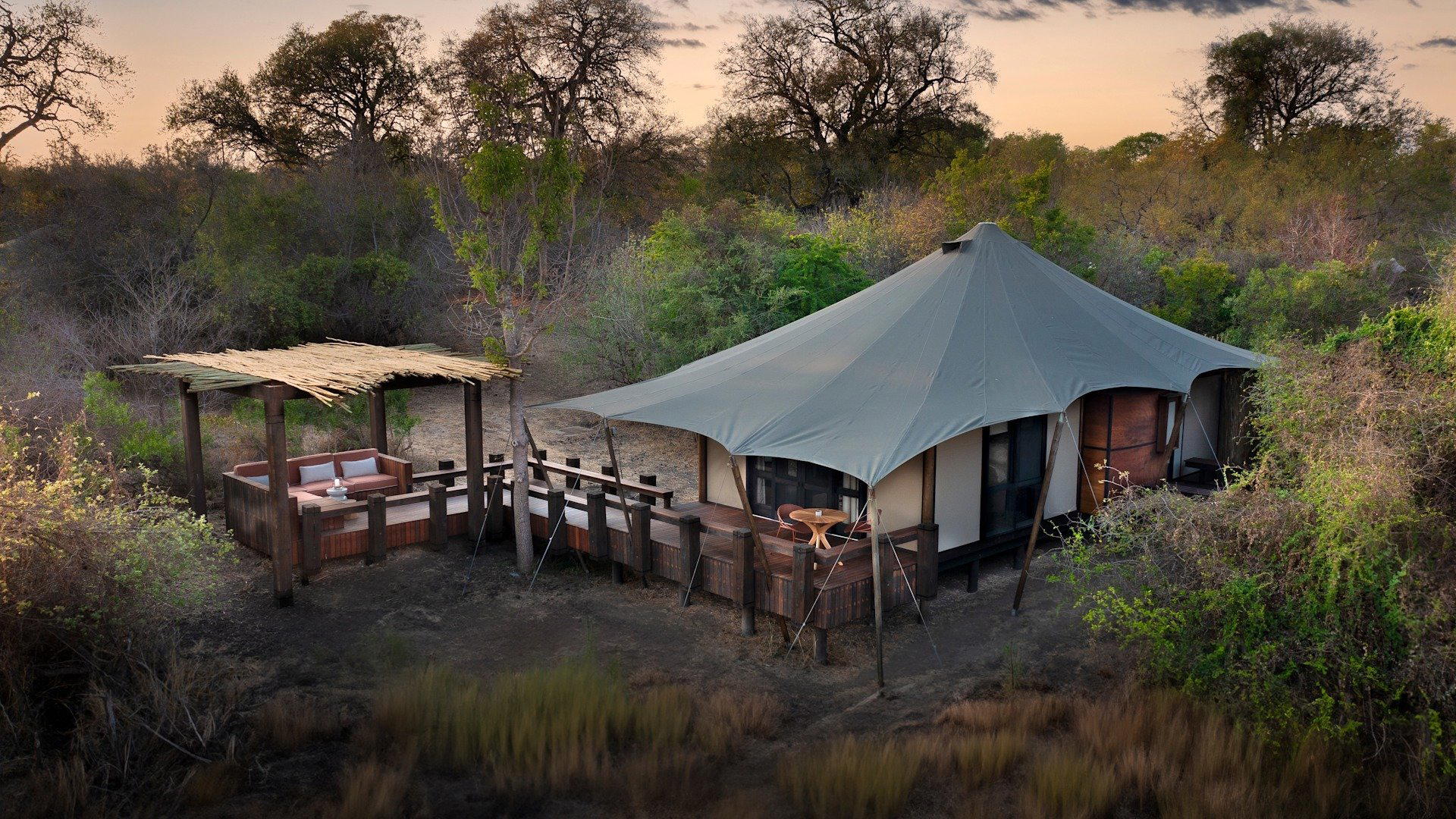
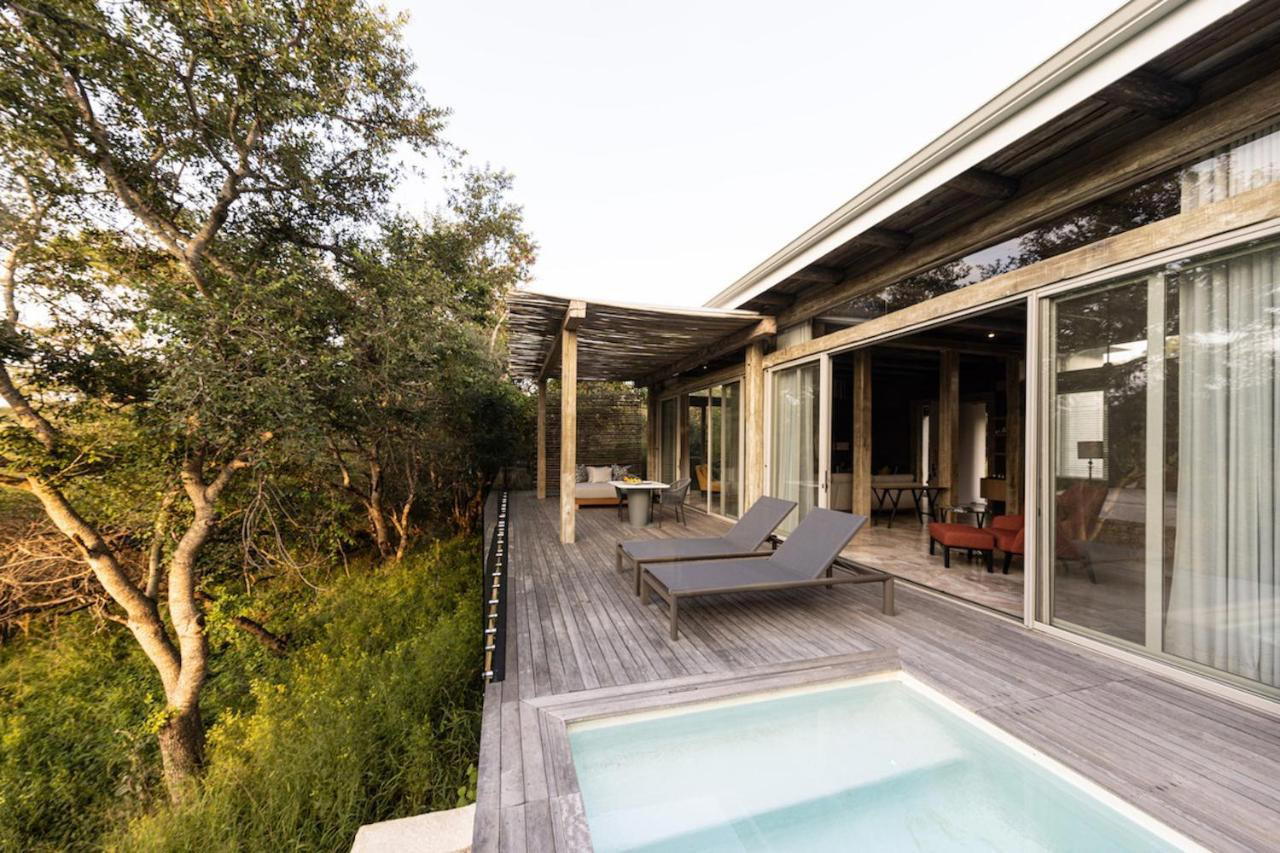
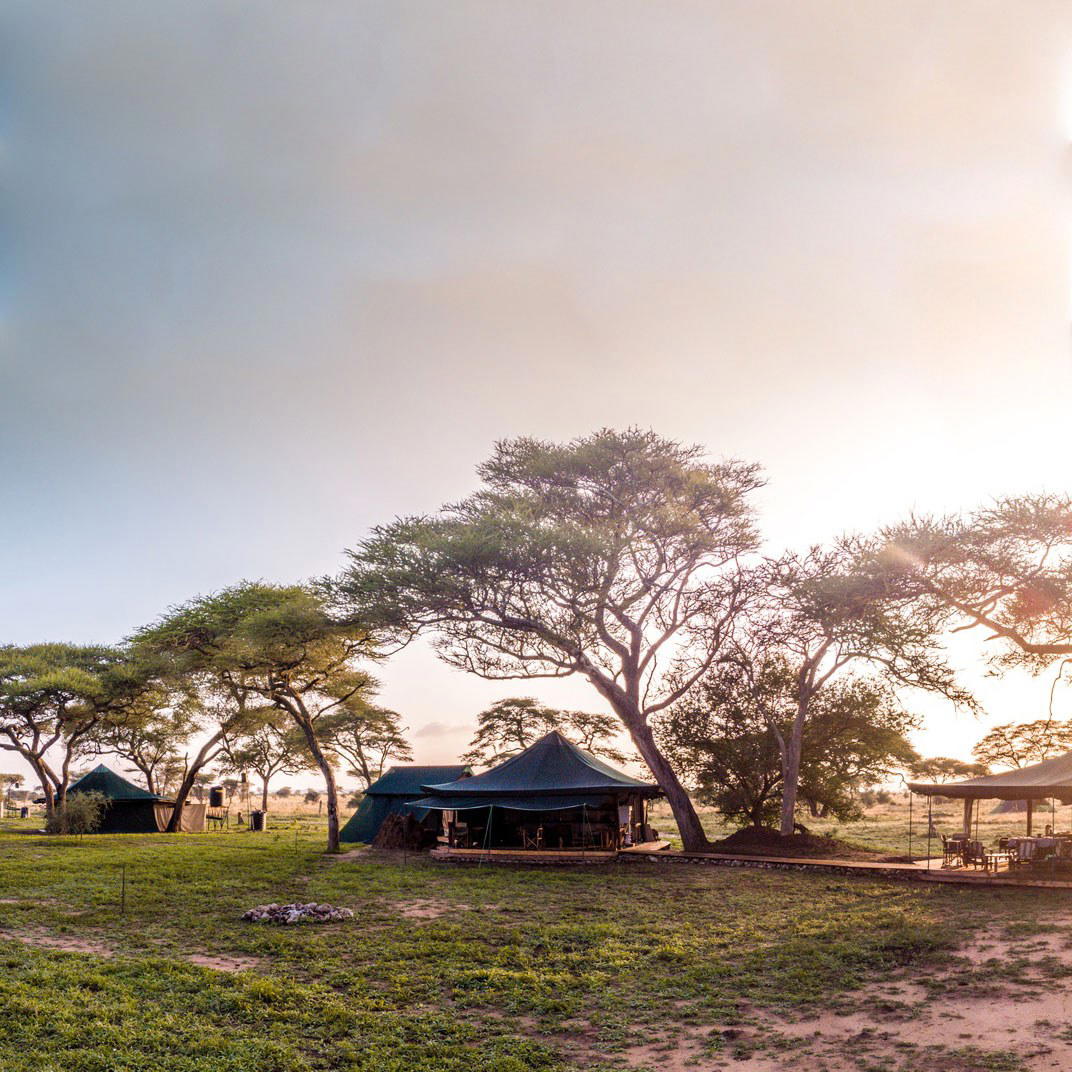
Laid‑back, rustic bushveld atmosphere focused on outdoor living—private pools, braai fires in each boma, and evenings under the stars with the sounds of hyena, jackal and nightjars in the surrounding reserve.