African Boma
Our verdict
African Boma belongs to the open-air safari dining tradition of the Greater Kruger region, where fire, night sound and shared tables shape the meal as much as the cooking. The draw is the boma format itself: food tied to place, cooked and served in a setting that makes the reserve part of the dining experience rather than a backdrop.

Pearl is the En Primeur Club membership app — saves, bookings, and concierge access live there. Same editors, same standards.
- Address
- Thornybush Main Gate, Gurnsey Road (traditional African boma)
- Directions
- Get directions
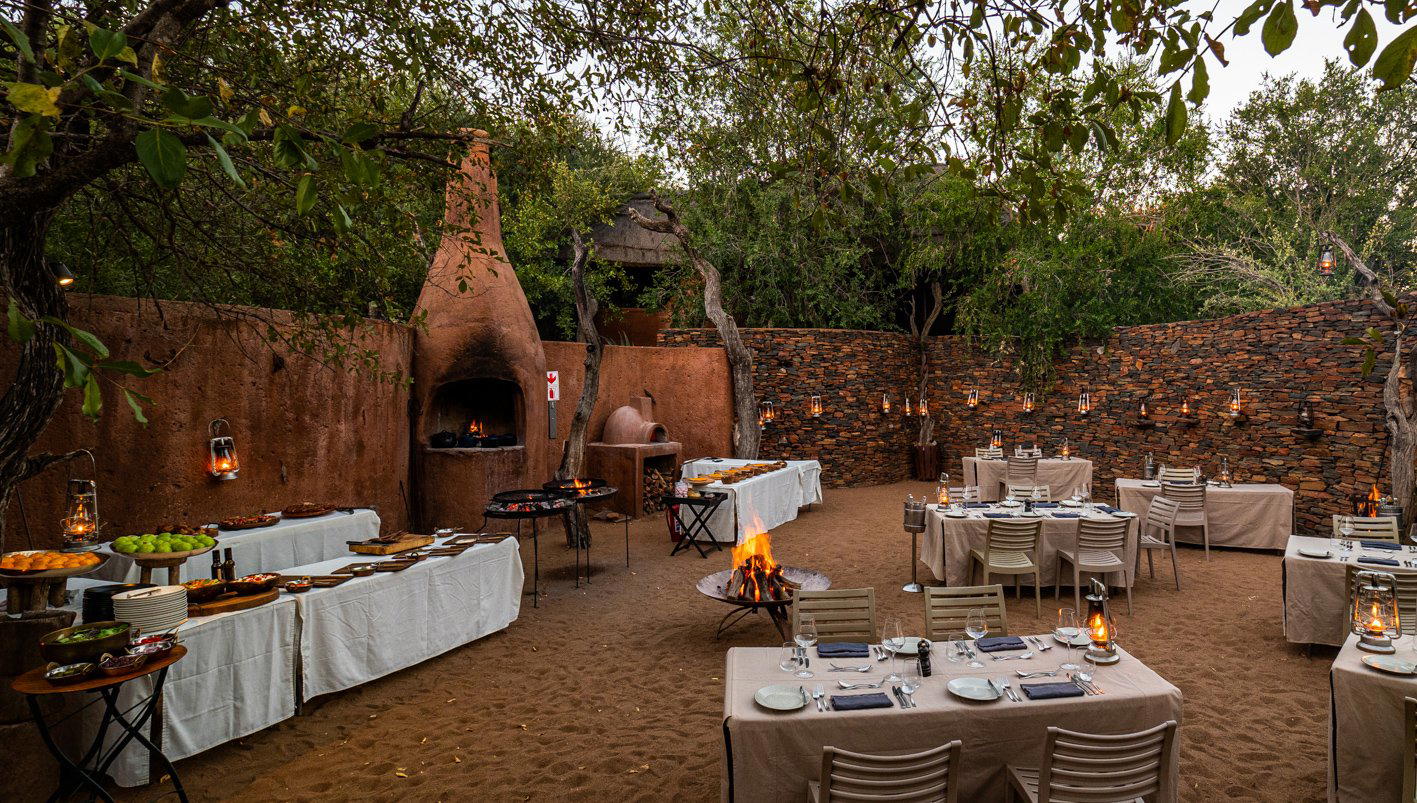
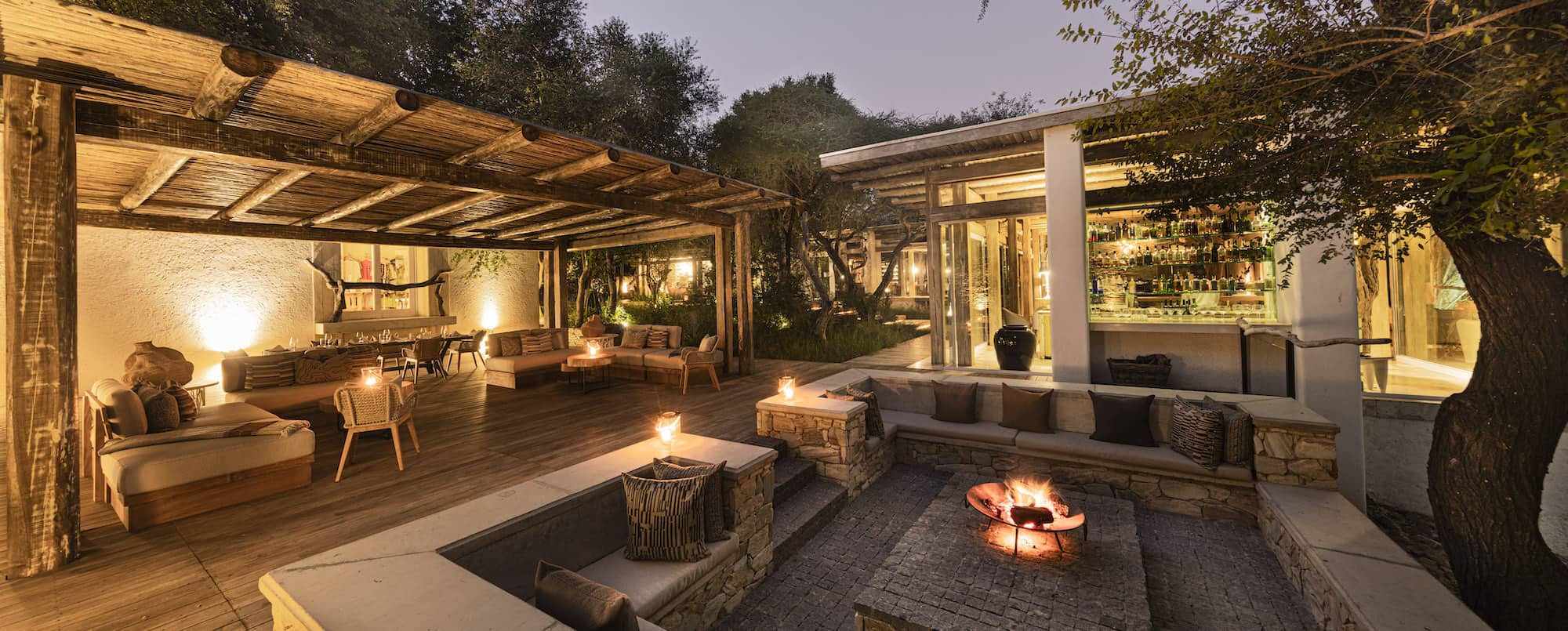
After dark in Thornybush Game Reserve, dinner shifts from restaurant ritual to firelit gathering. The boma format is built around enclosure and exposure at once: a defined outdoor space, open sky above, bushveld sound around it, and heat from the coals setting the tempo. African Boma sits inside that tradition, where the point is not a plated performance imported from a city dining room, but a meal that makes sense in a private game-reserve context.
Fire, enclosure and the bushveld table
Across South African safari country, the boma has become the dining format that most clearly connects hospitality to landscape. Its origins are practical: a protected outdoor enclosure, historically associated with livestock and communal gathering, adapted in lodge culture into a social dinner around flame. In Thornybush, that format carries more weight than décor. The reserve setting changes how food is read: smoke, darkness, temperature and sound become part of the meal’s structure.
This is where a sense of place matters. A boma dinner works when the cooking and service lean into the setting rather than trying to mimic a metropolitan tasting-menu room. The outdoor format, reserve rhythm and lodge logistics all shape what this kind of table can credibly offer. African Boma is better understood through that place-based lens than through a chef-led restaurant model. The format asks a simple question: does the meal feel rooted in the place where it is served?
That distinguishes it from urban dining, where produce stories often run through farms, markets and regional supply chains. Compare the farm-to-table grammar of city and countryside dining rooms or the estate-driven lens of other destination restaurants. In Thornybush Game Reserve, locality is less about a named garden and more about hospitality that can hold its ground against the surrounding bushveld.
Where safari dining differs from city dining
The boma belongs to a category where atmosphere is not an accessory. In major cities, a room can be judged through service choreography, wine depth, chef authorship and access to specialised suppliers. In a reserve, the hierarchy changes. Timing follows the safari day. Dinner often comes after late-afternoon drives, when guests arrive with dust on shoes and a different appetite than they would bring to a city booking. Formality gives way to warmth, but the standard should not fall into theme-park shorthand.
African Boma’s position in Thornybush Game Reserve places it within a reserve economy where food, accommodation and guided wildlife experiences often overlap. That makes it useful to read alongside other safari-area formats rather than against conventional standalone restaurants. Nearby comparables in the broader region include Boma - Open Air Terrace and Jabulani Safari. The common thread is not luxury signalling; it is how each format translates place into dinner.
South Africa’s broader restaurant map gives useful contrast. Other urban and wine-region restaurants operate in dining cultures shaped by neighbourhood, wine access and repeat local custom. Coastal properties and reserve-adjacent dining rooms draw from their own settings, whether maritime, rural or wilderness-led. A boma in Thornybush Game Reserve belongs to a different logic: fire, enclosure, shared rhythm and proximity to the reserve.
How to place it in a Thornybush itinerary
For travellers building a Thornybush stay, African Boma is less a detour meal than a format to schedule around the reserve experience. It suits the night when the point is to remain close to the bushveld mood rather than reset into city-restaurant expectations. Families and mixed groups may find the communal tone easier than a formal dégustation, though the suitability of any specific seating depends on the host’s arrangements for that service.
African Boma should not be read only through public trophies or chef-led positioning. Many safari dining formats earn their reputation through coherence rather than formal signalling: the meal, setting and timing have to align. That is the editorial test here. If the experience supports the firelit, place-based format without turning it into staged folklore, the boma does its job.
For wider planning, use our full Thornybush Game Reserve restaurants guide alongside our full Thornybush Game Reserve hotels guide, our full Thornybush Game Reserve bars guide, our full Thornybush Game Reserve wineries guide and our full Thornybush Game Reserve experiences guide. For other open-air or regional reference points, compare other boma-style and reserve-area formats, including Boma and Boma - Open Air Terrace. Outside the reserve context, compact urban specialist formats show the opposite end of the spectrum: controlled, product-specific dining where the setting is city-led rather than bushveld-led.
Frequently asked questions
Is African Boma okay with children?
The traditional boma format in Thornybush Game Reserve usually suits family dinners after time in the reserve. The setting is informal by design, which makes it easier for children than a tightly choreographed city dining room.
What's the vibe at African Boma?
Expect a traditional African boma in Thornybush Game Reserve, so the mood is shaped by fire, enclosure, and the bushveld setting rather than formal table theatre. It reads as safari dining first, with the reserve context guiding the experience.
How do I find African Boma?
African Boma is located in Thornybush Game Reserve.
How hard is it to get a table at African Boma?
No booking policy or capacity is listed for African Boma, so demand is best judged around your Thornybush stay plans. Because it is a traditional boma in Thornybush Game Reserve, it is the kind of venue that works around reserve schedules rather than city-style walk-ins.
What has African Boma built its reputation on?
Its identity comes from the boma format itself: a traditional African dining setup in Thornybush Game Reserve. That context matters more here than chef-led fine dining signals, which are not listed.
What if I have allergies at African Boma?
No allergy protocol is listed for African Boma, so diners with allergies should plan ahead before arriving in Thornybush Game Reserve. The safest approach is to confirm ingredients and cross-contact details directly with the venue during the reservation process.
Quick Comparison
Comparable venues by cuisine and price in the same metro.
| Venue | Cuisine |
|---|---|
| African BomaThis venue — the venue you are viewing | Fine dining South African safari boma |
| Jabulani Restaurant | Cooking classics |
| Boma - Open Air Terrace | Expression of the terroir |
| Jabulani Safari | South African |
Continue exploring
More in Thornybush Game Reserve
Restaurants in Thornybush Game Reserve
Browse all →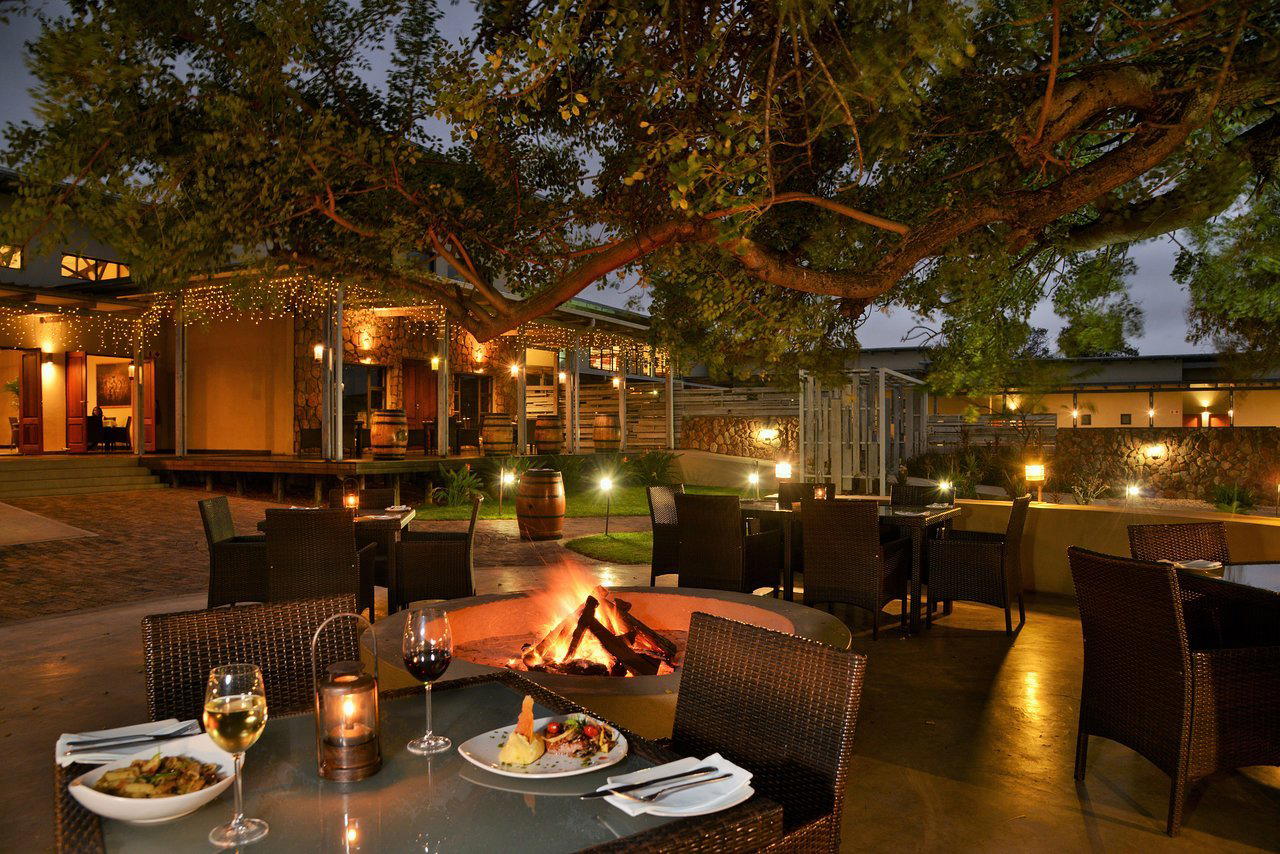
Bars in Thornybush Game Reserve
Browse all →
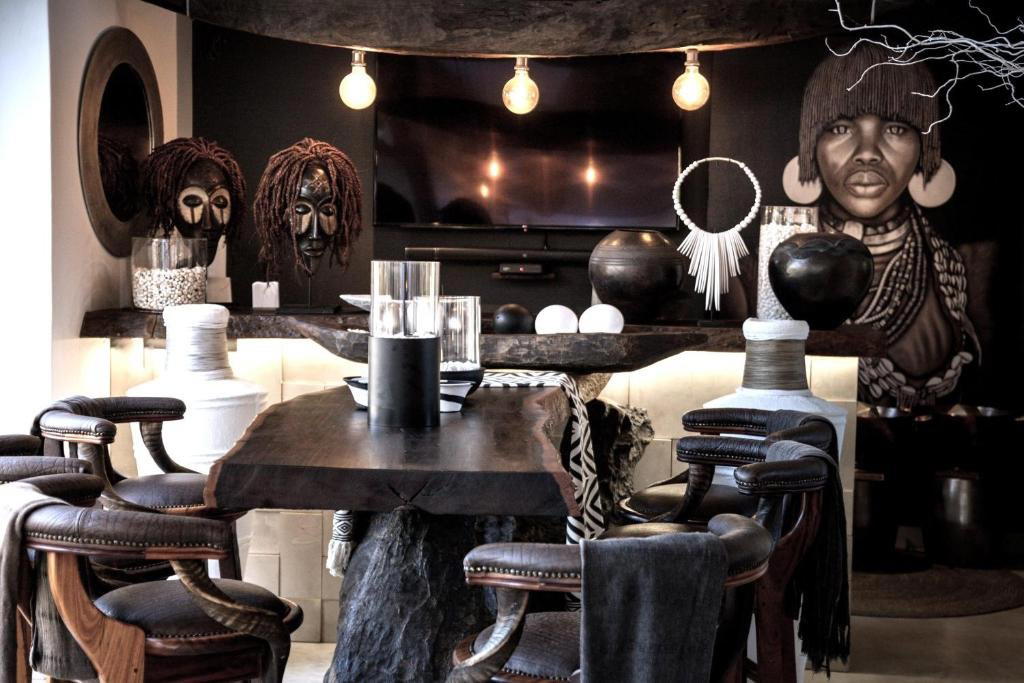
African Boma
The wine
- Wine program
- Curated wine list
- Extensive wine list
Details
- Romantic
- Scenic
- Elegant
- Classic
- Intimate
- Date Night
- Celebration
- Special Occasion
- Group Dining
- Private Event
- Garden
- Hotel Restaurant
- Private Dining
- Panoramic View
- Design Destination
- Extensive Wine List
- Local Sourcing
- Garden
- Mountain
- Set Menu
- Wine
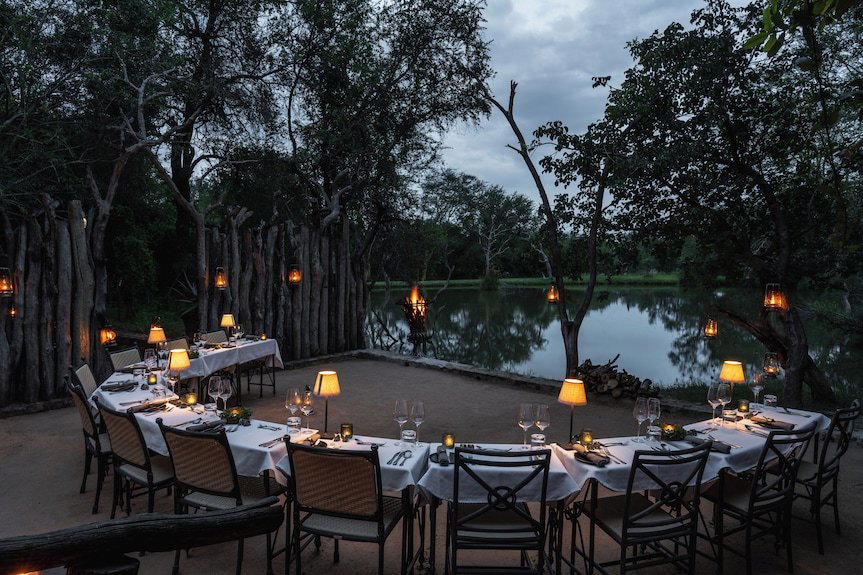
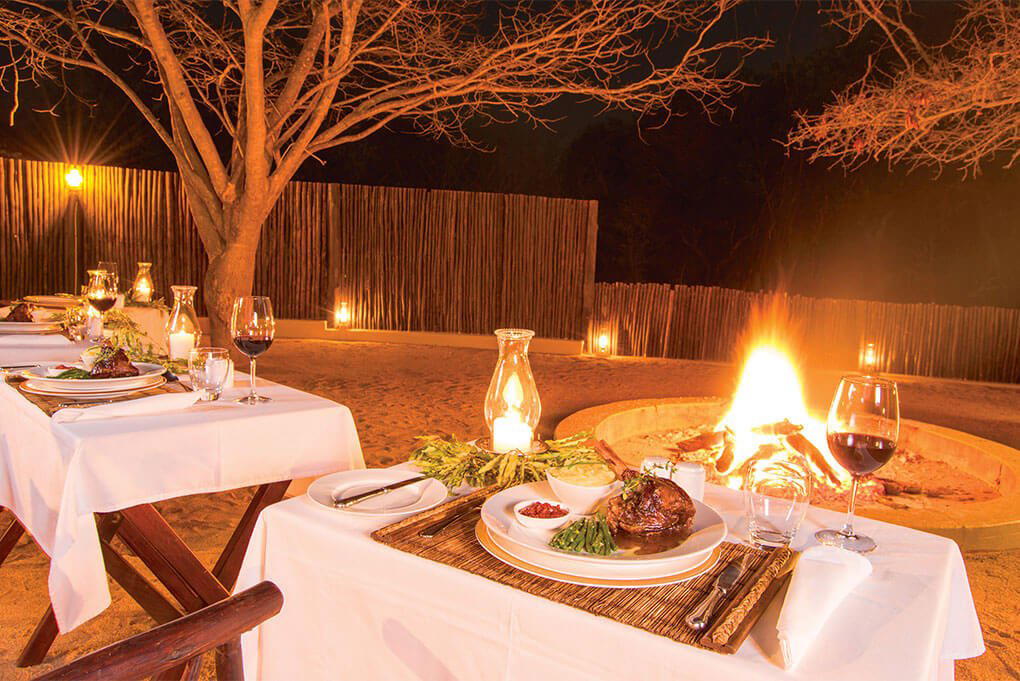
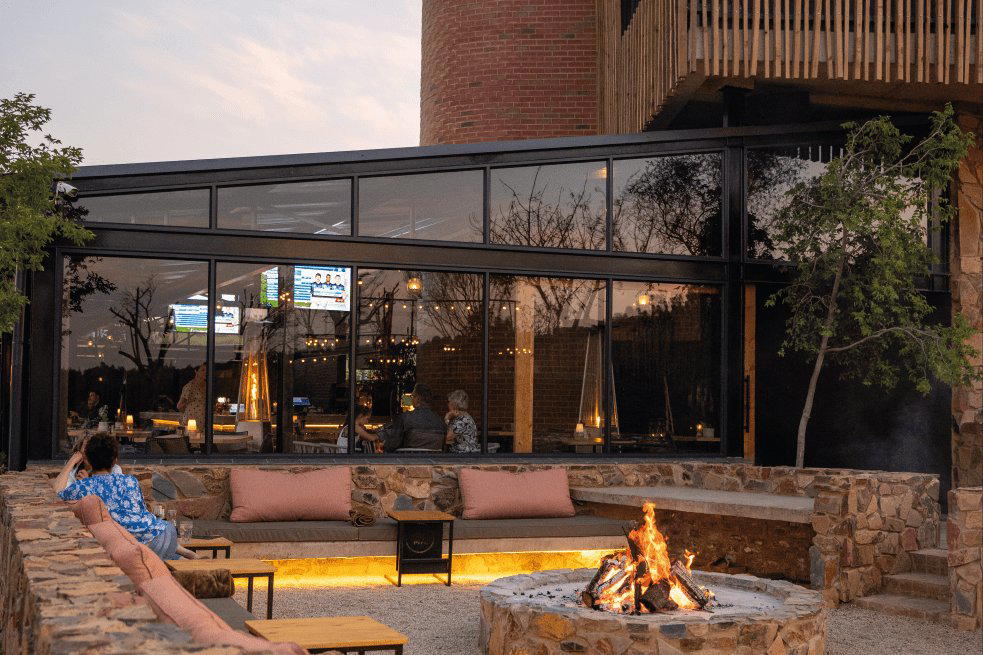
Atmosphere is romantic and serene, with lantern‑lit outdoor seating around a central fire, views into the darkened bush, and softly lit, colonial‑chic lodge surroundings creating an intimate yet refined safari‑dining feel.