Boma
Our verdict
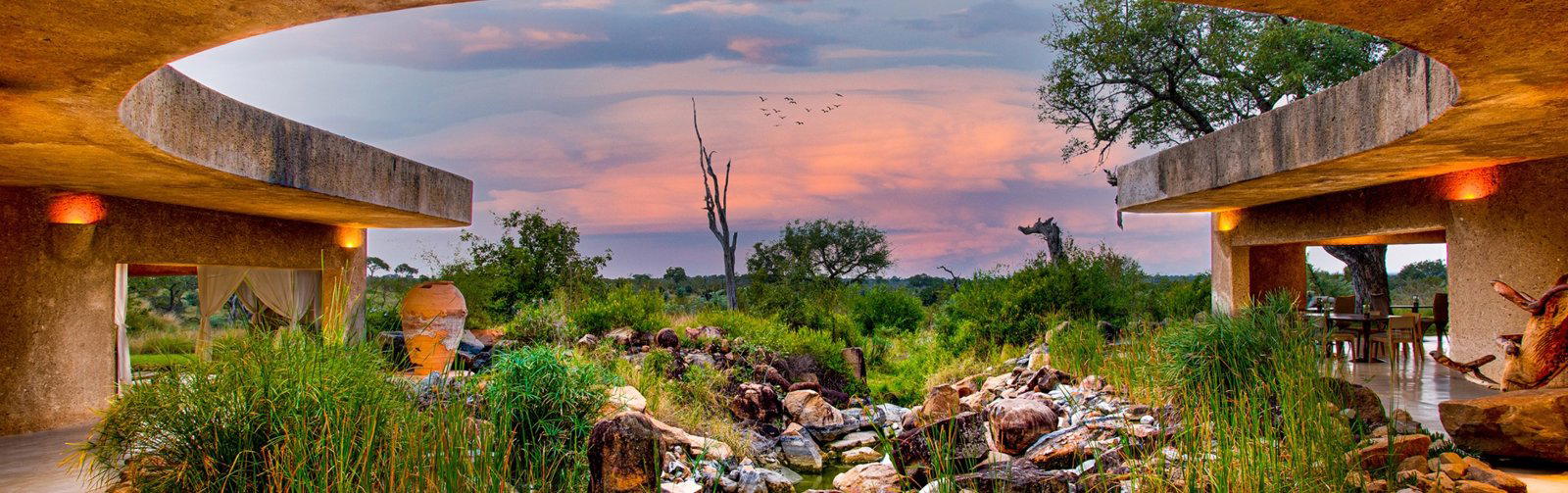
A traditional leadwood boma in Sabi Sands puts Mpumalanga dining in its proper safari context: fire, open air, and ingredients read through the Lowveld rather than plated as city theatre. The appeal is the format as much as the food, especially for travellers comparing lodge dining with South Africa’s farm, coast, and urban restaurant circuits.

Pearl is the En Primeur Club membership app — saves, bookings, and concierge access live there. Same editors, same standards.
- Address
- Sabi Sands Private Game Reserve, Sabi Sands, Hluvukani, Mpumalanga, South Africa (traditional leadwood boma)
- Directions
- Get directions
The menu
What to order
- Braai meats
- Potjiekos
- Freshly baked bread
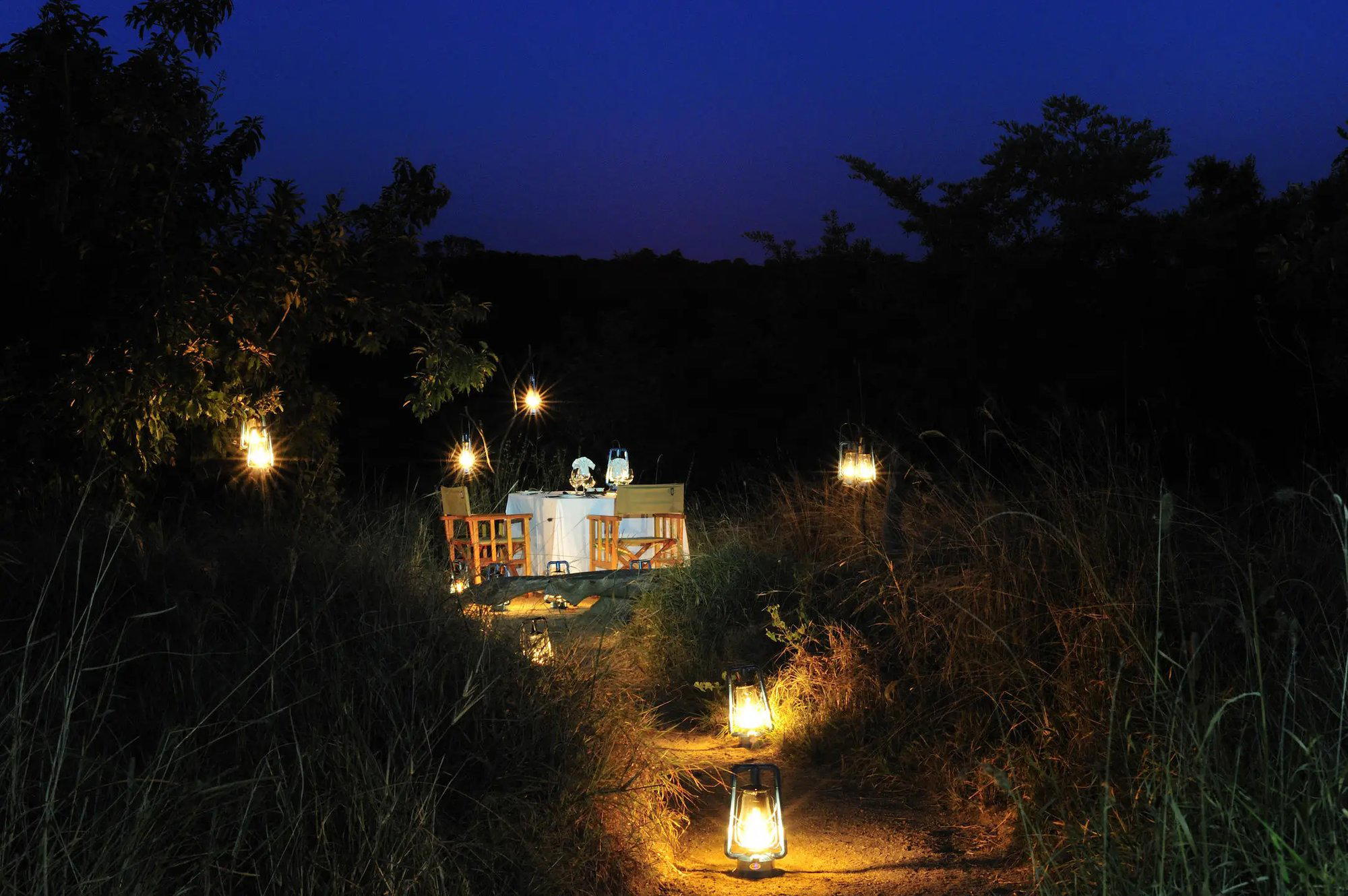
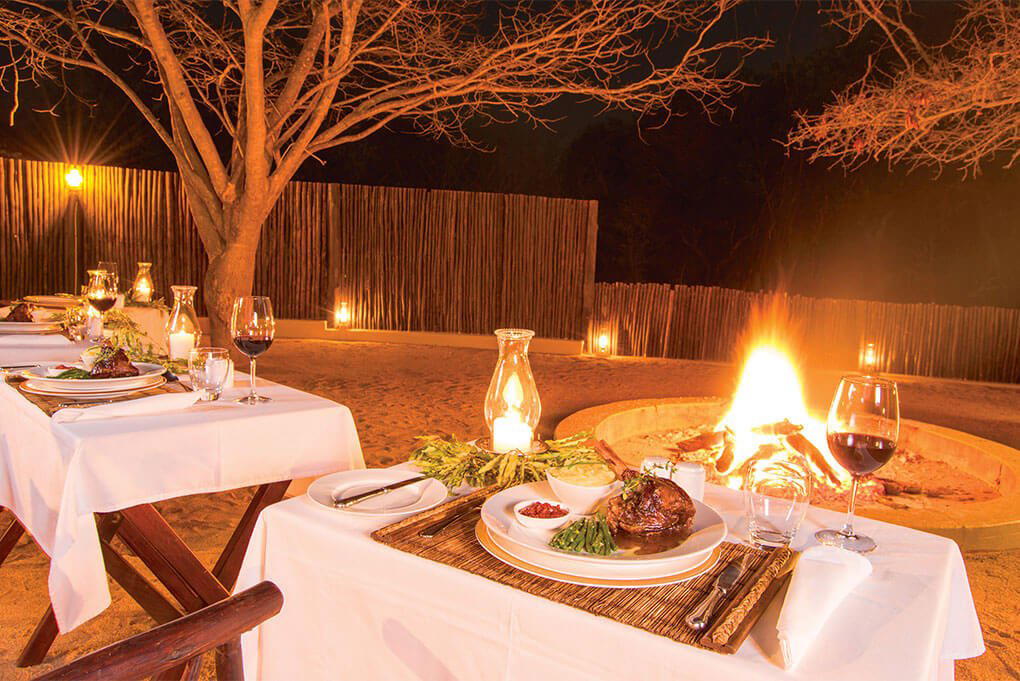
Approach a boma in Mpumalanga and the room is already doing part of the work: night air, leadwood, firelight, and the acoustic shift that comes when dinner moves outside the enclosed dining room. This is not the Cape winelands model of estate polish, nor the urban tasting-menu grammar of Cape Town or Johannesburg. In Mpumalanga, the table is tied to its safari-dining context, where heat, smoke, and the surrounding atmosphere give the meal its frame before a menu is even discussed.
Fire-led safari dining belongs to Mpumalanga, not the city dining circuit
The boma format matters because it changes the hierarchy of a meal. In city restaurants, sourcing is often explained through producer names, cellar lists, or chef technique. In Mpumalanga, the experience is more direct: fire, shared service, and a setting shaped by the outdoors sit closer to the campfire tradition than to a composed fine-dining sequence. Boma, in Mpumalanga, belongs to that lineage. The experience is less about novelty and more about placing dinner inside the geography that shaped it.
That distinction is useful for travellers planning across South Africa. Winelands tables tend to foreground garden abundance and cellar-country order. Coastal hotel dining often reads through sea air and resort pacing. A Mpumalanga boma is a different category: the fire is not decoration, it is the organising principle.
Ingredient sourcing is read through place, smoke, and shared service
Safari dining often gets flattened into spectacle, but the stronger version is grounded in restraint. The point is not to import metropolitan restaurant cues into the bush. It is to let local conditions shape the meal: cooking over flame, serving in a format suited to groups, and avoiding the stiffness that would feel misplaced under open sky. Boma works within that tradition, using the leadwood enclosure as part of the dining language rather than treating the setting as background scenery.
Comparisons in the broader Mpumalanga dining circuit are less about awards and more about format. Safari-lodge dining such as Singita Ebony Restaurant and Silvan Safari Lodge sits in the same broader conversation, where the questions are practical and cultural at once: how formal the meal feels, how closely it reflects Mpumalanga, and whether the cooking respects the rhythm of a safari day. For a parallel in name and format, Boma Dining shows how the boma idea can travel across hospitality while still depending on atmosphere, fire, and shared service.
How to place it in a wider South Africa food itinerary
For travellers building a national route, this is the Mpumalanga counterpoint to the country’s more formal restaurant stops. Cape Town’s dining scene often rewards reservation discipline and a stronger urban design language. Inland, winelands, and international addresses belong to different dining logics entirely: city appetite, specialist formats, or destination-specific precision.
The useful planning move is to treat Boma as part of the safari day rather than as a detached restaurant booking. Its value comes from continuity: Mpumalanga setting, fire, group table, and open-air atmosphere operating together. For broader context before setting an itinerary, see Our full Mpumalanga restaurants guide, plus the regional guides to Mpumalanga hotels, Mpumalanga bars, Mpumalanga wineries, and Mpumalanga experiences.
Frequently asked questions
Would Boma be comfortable with kids?
The leadwood boma setting in Mpumalanga is less formal than a conventional dining room. For families, the best approach is to check the current service format and plan around the venue schedule.
What's the vibe at Boma?
Expect a fire-led safari meal rather than polished city dining. The traditional leadwood boma in Mpumalanga gives the room its identity, with the setting doing as much work as the food service.
What part of town is Boma in?
Mpumalanga.
Can I walk in to Boma?
The venue is in Mpumalanga. Plan ahead around the venue schedule rather than assuming an à la carte walk-in format.
What's the signature at Boma?
The signature is the boma itself: a traditional leadwood fire setting in Mpumalanga. There is no named dish in the venue details, so the format, not a specific plate, defines the experience.
Fast Comparison
Comparable venues by cuisine and price in the same metro.
Continue exploring
More in Mpumalanga
Restaurants in Mpumalanga
Browse all →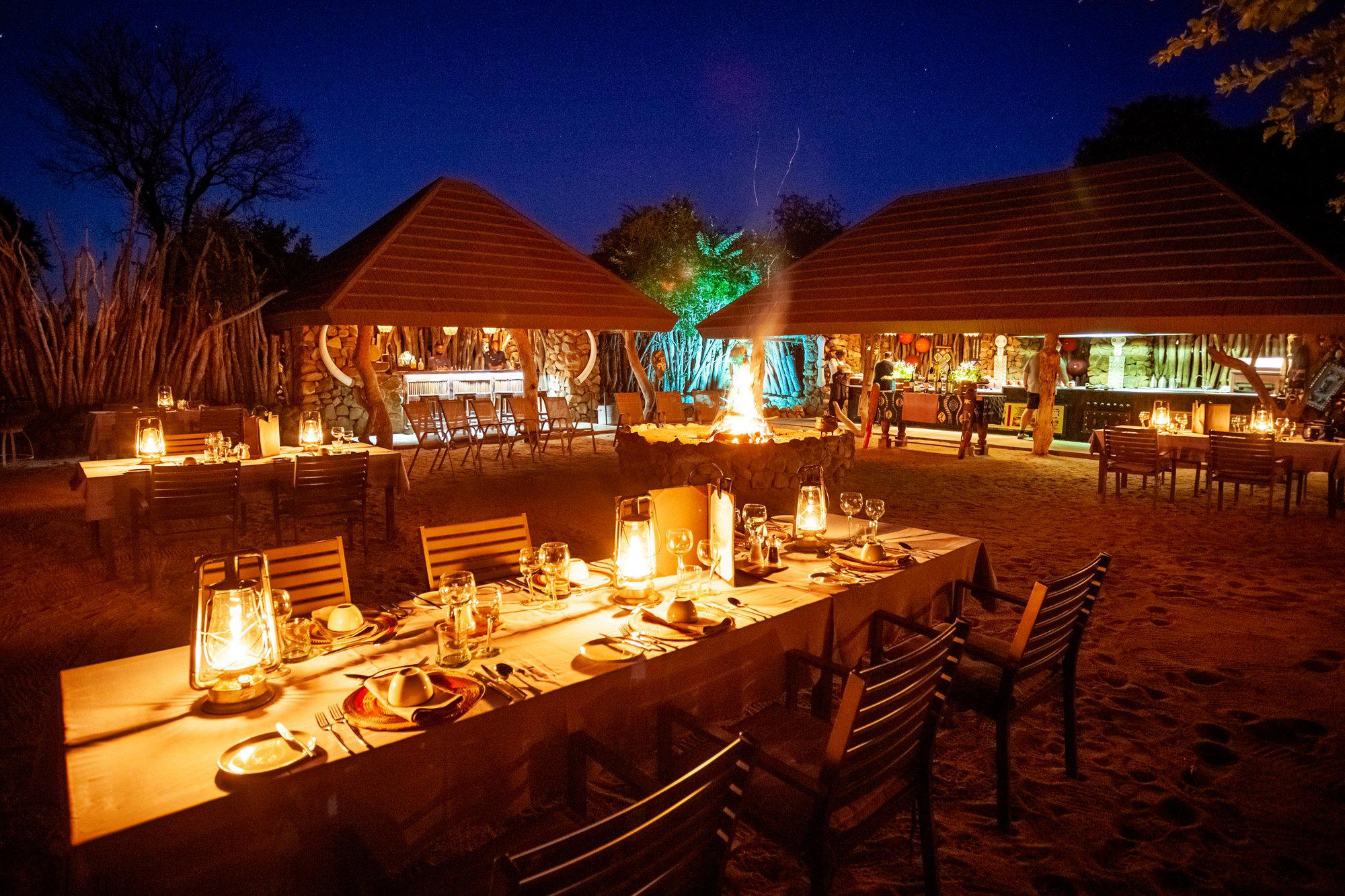
Bars in Mpumalanga
Browse all →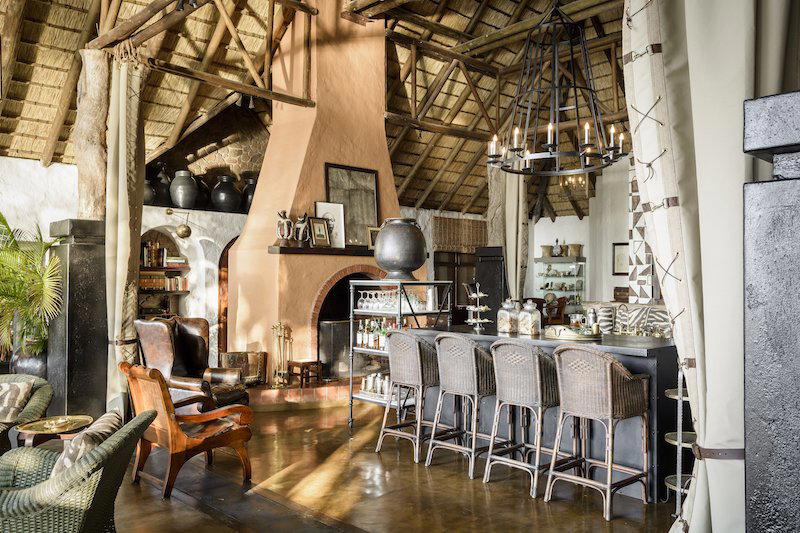
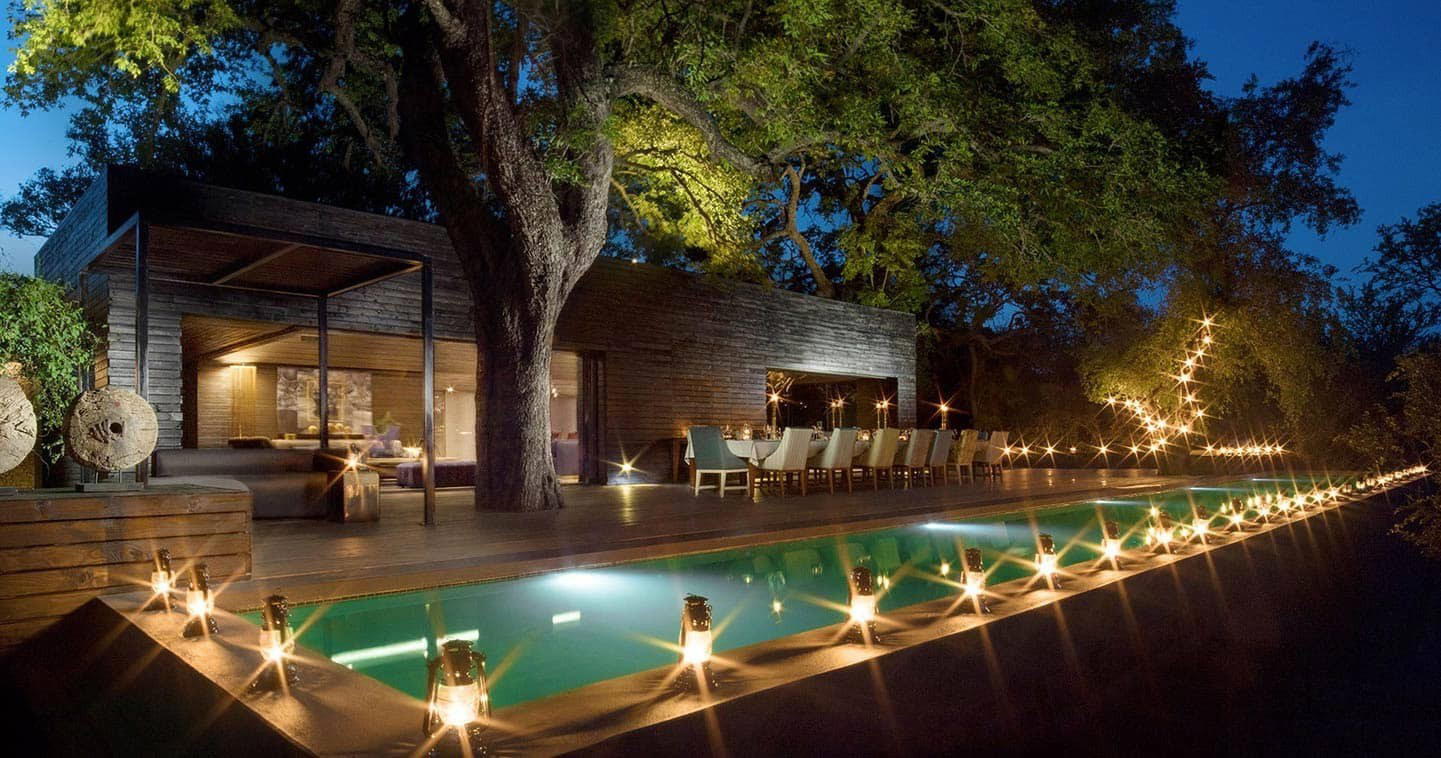
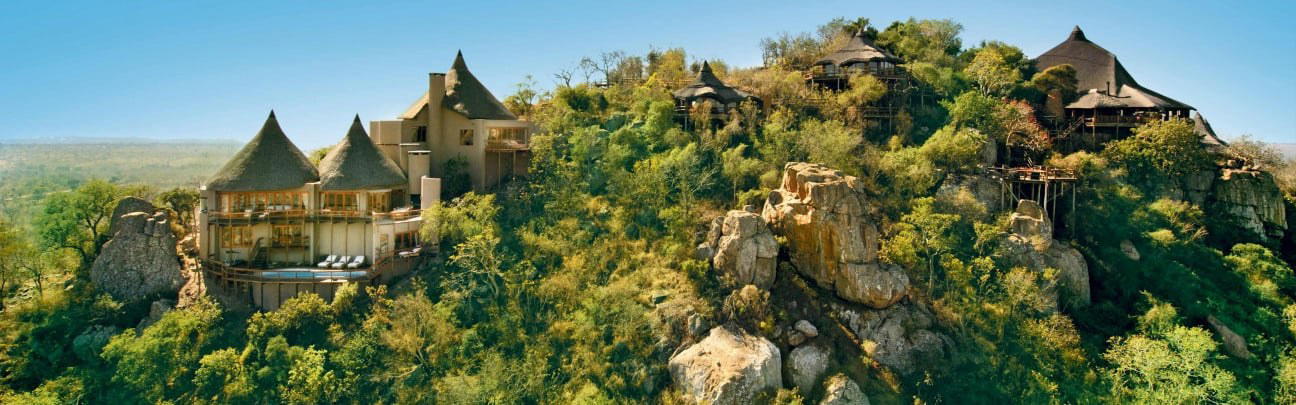
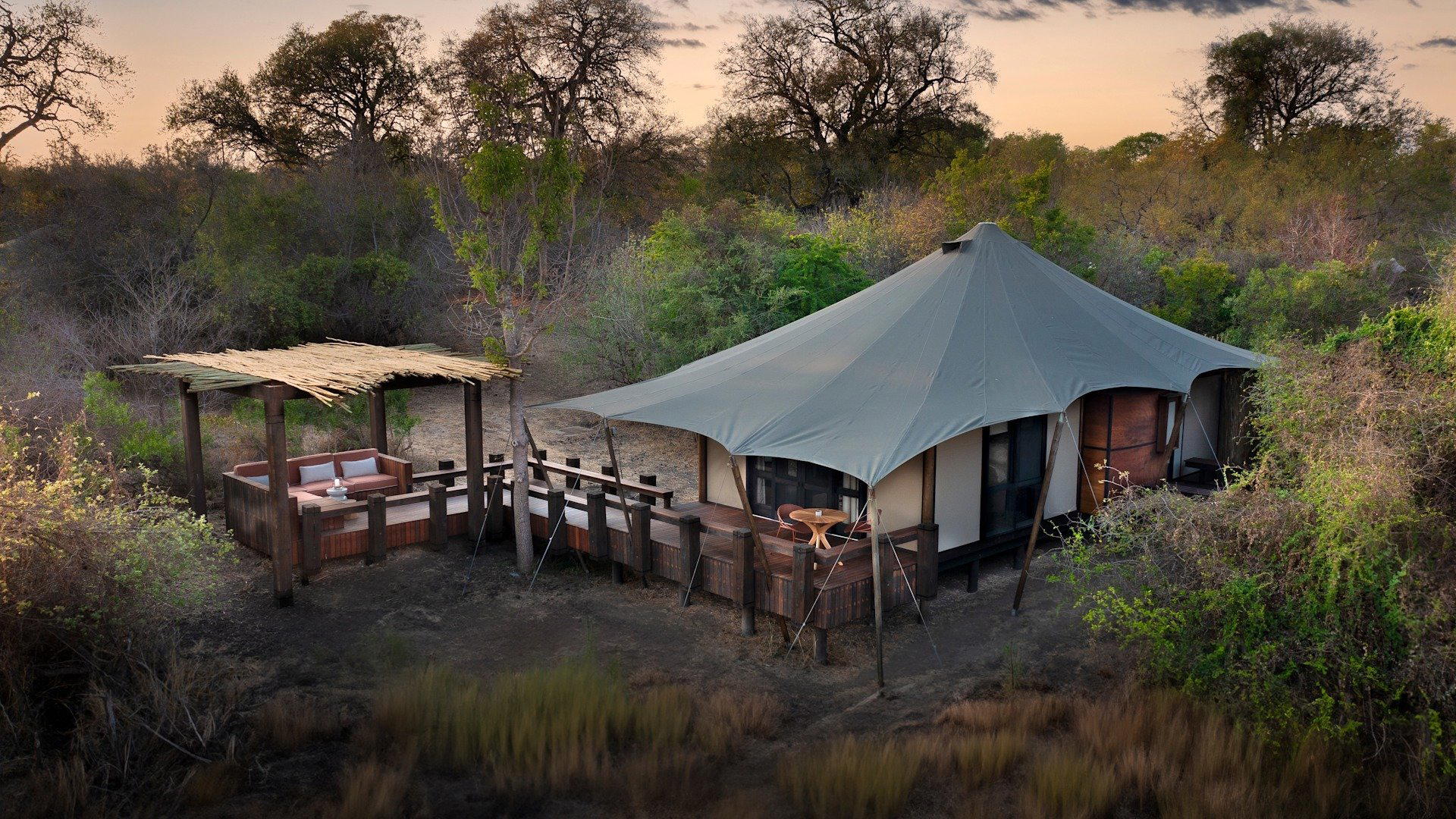
Boma
The wine
- Wine program
- Curated wine list
- Craft cocktails
- Beer program
Details
- Rustic
- Scenic
- Intimate
- Group Dining
- Special Occasion
- Standalone
- Beer Program
- Craft Cocktails
- Local Sourcing
- Set Menu
- Wine
- Vegetarian Friendly
- Vegan Options
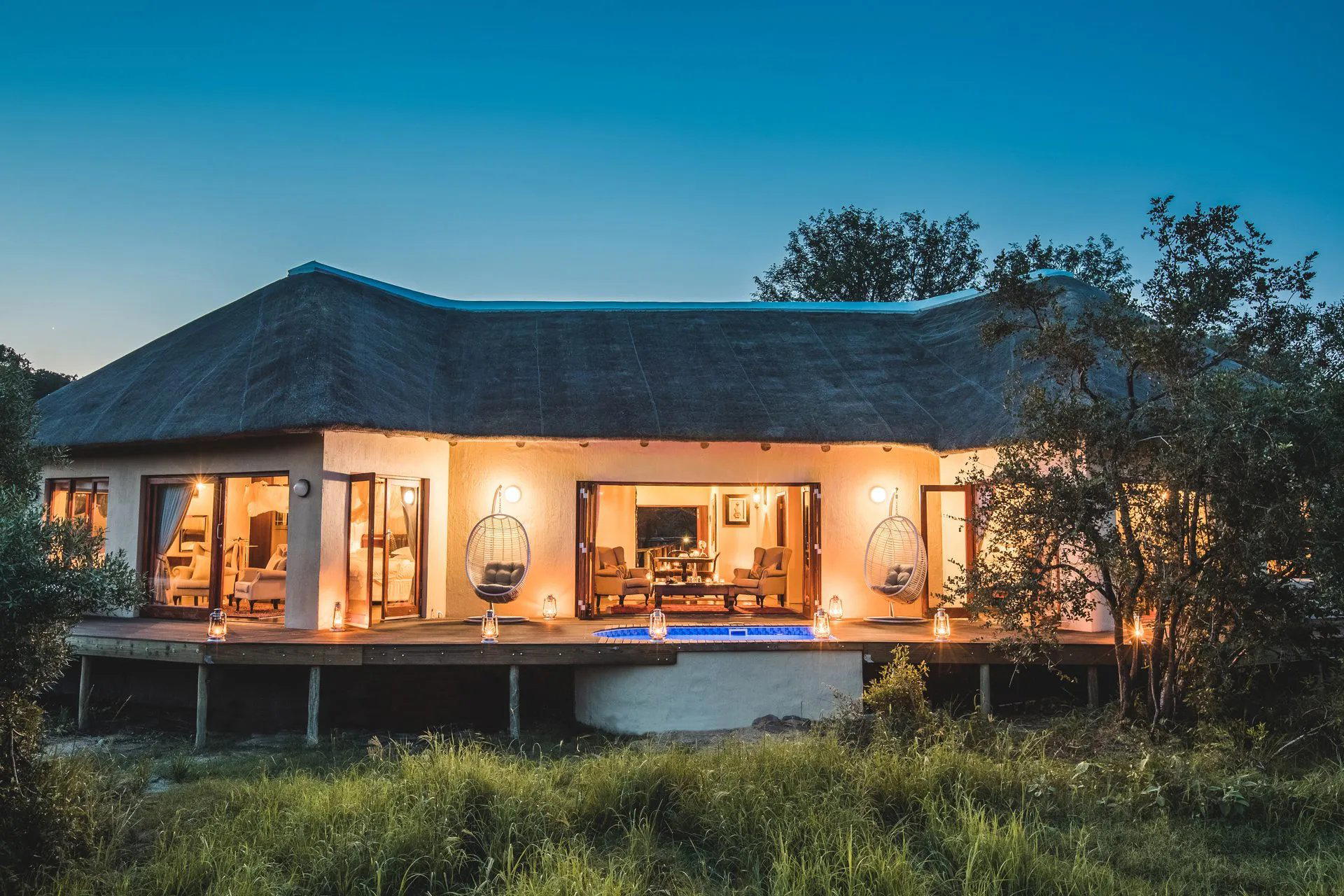
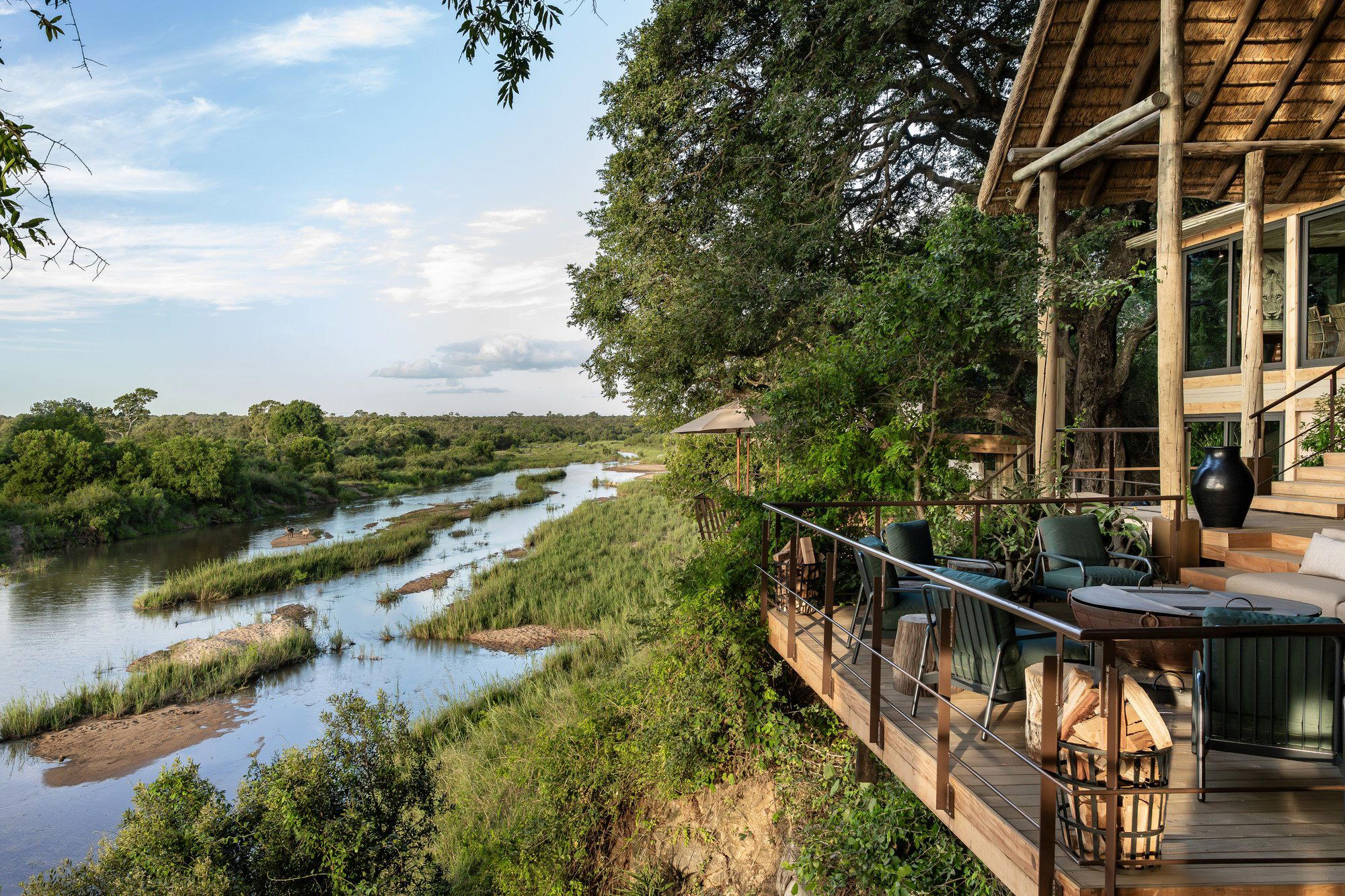
An open-air bush dining setting under thatched roofing and lantern light, with a crackling fire and a warm, immersive atmosphere that feels intimate and connected to the sounds of the wilderness.