Our verdict
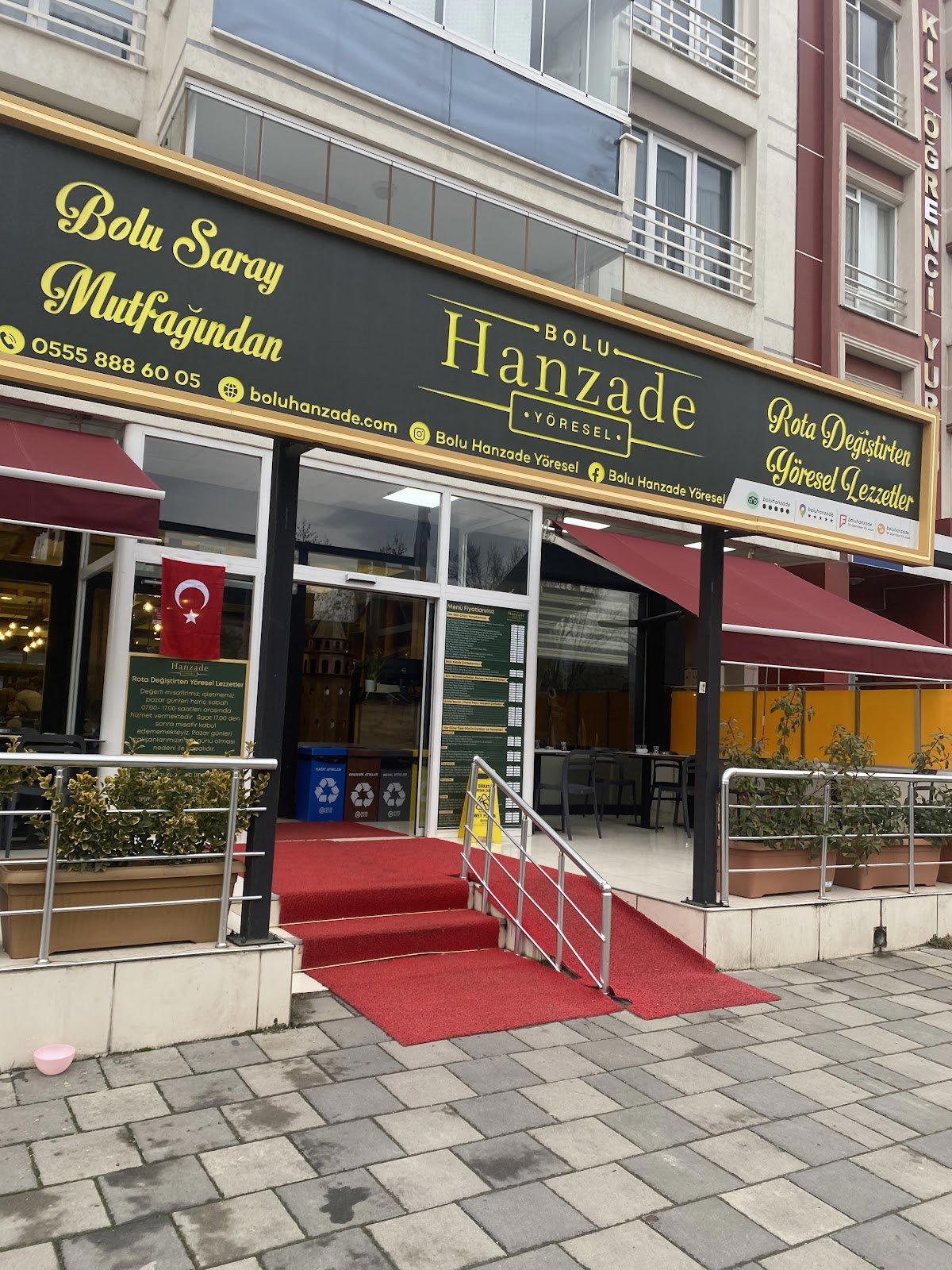
Bolu Hanzade Restaurant sits on Şehit Selen Paşa Caddesi in the Karaçayır district, positioning itself squarely within Bolu's tradition of yöresel — regional Anatolian — cooking. The city has long been Turkey's most cited source of professional culinary talent, and restaurants here tend to treat local sourcing as a baseline expectation rather than a marketing angle. Hanzade operates in that same register: a neighbourhood address where the food reflects the land around it.

Pearl is the En Primeur Club membership app — saves, bookings, and concierge access live there. Same editors, same standards.
- Address
- Yöresel Lezzetler Noktası, Karaçayır, Şht. Selen Paşa Cd. 48/A, 14200 Bolu Merkez/Bolu, Türkiye
- Phone
- +903746060360
- Hours
- Mon–Sat 7 AM–5 PMSun Closed
- Website
- boluhanzade.com
- Directions
- Get directions
- Booking
- Book on the venue's website
The menu
What to order
- Osmanlı Sultan Çorbası
- Beykoz Paça
- Shank kebab
Where Bolu's Culinary Reputation Meets the Table
Bolu occupies an unusual position in Turkish food culture. The province has, for generations, supplied a disproportionate share of Turkey's professional kitchen talent — a fact rooted in the region's Ottoman-era tradition of sending young men to Istanbul as trained aşçı, or cooks. That tradition created a feedback loop: Bolu became associated with culinary seriousness, and its local restaurants absorbed that reputation by proximity. Today, the city's dining scene sits between two registers. On one side, you have the Istanbul tier of modernist Turkish cooking — venues like Turk Fatih Tutak in Istanbul or Maçakızı in Bodrum, where classical Anatolian ingredients are reinterpreted through fine-dining frameworks. On the other, you have the province itself, where restaurants tend to work in a more direct idiom: seasonal produce, regional meat, and preparations that have not changed much in decades.
Bolu Hanzade Restaurant, addressed at Şehit Selen Paşa Caddesi 48/A in the Karaçayır district, belongs to that second tradition. Its signage reads Yöresel Lezzetler Noktası, a point of local flavours, which is less a marketing claim than a positioning statement. In a city where the sourcing story is embedded in the culture, that framing carries weight.
The Ingredient Story Behind Bolu's Table
The culinary identity of Bolu province is inseparable from its geography. The Bolu Mountains and the surrounding forests supply mushrooms, wild greens, and game that define the regional palate. The Abant plateau, a short drive from the city centre, is associated with dairy production, the yoghurt and kaymak found in central Anatolian restaurants frequently trace back to this region. This is not marketing mythology; it reflects the actual agricultural output of a province that sits at an elevation and latitude particularly suited to cool-climate grazing and foraging.
Restaurants in this tradition, including those operating at the yöresel end of the market, draw on that supply chain as a matter of course. The gap between farm and kitchen is shorter here than in coastal resort towns or major metropolitan centres, where ingredients often travel significant distances before service. For diners familiar with the farm-to-table conversations happening in places like Narımor in Izmir or Nahita Cappadocia in Nevsehir, Bolu's regional dining operates from a similar philosophical position, but arrived there decades earlier and without the vocabulary of the contemporary slow-food movement.
What this means practically is that a meal in a Bolu yöresel restaurant is shaped by what is available locally and seasonally, rather than by a fixed menu designed around consistent year-round supply. The autumn months bring forest mushroom preparations. Winter leans on dried and preserved vegetables, legumes, and slow-cooked lamb. Spring opens up wild herb dishes, dishes that appear briefly, then disappear. That rhythm is built into the regional cooking tradition and distinguishes it from the more codified menus of Turkish fine dining in coastal or metropolitan settings.
Reading the Room: Atmosphere and Setting
The Karaçayır district sits within Bolu's urban fabric in a way that reflects the city's mid-size, mid-Anatolian character. This is not a tourist-facing neighbourhood. The street address on Şehit Selen Paşa Caddesi places the restaurant in a working part of the city, which is consistent with the positioning of a local-flavour specialist rather than a destination restaurant geared toward visiting travellers. The physical environment, in this context, is likely to read as functional rather than designed, the kind of space where the food is the primary consideration and the setting supports without competing.
That register is familiar across Turkey's provincial dining tradition. Restaurants like Kardeşler Restoran in Aksaray and Sofram Restaurant in Niğde operate in similar modes: unpretentious interiors, predictable service rhythms, and a clientele that arrives knowing what it wants. The atmosphere is shaped by regulars rather than occasion-seekers, which tends to produce a consistency that more theatrically designed venues cannot always match.
For context on what more elaborately staged Turkish restaurant experiences look like, venues such as Divia by Maksut Aşkar in Marmaris or Ahãma in Göcek represent the coastal, design-forward end of the spectrum. Hanzade sits at the opposite pole, a place where the Bolu setting does the atmospheric work, and the cooking is the signal rather than the service choreography.
Bolu in Context: A City Worth Understanding as a Dining Destination
Travellers approaching Bolu from Istanbul typically arrive via the TEM motorway, a journey of roughly two hours depending on traffic through the mountain pass. The city functions as both a transit point for drivers heading east and as a standalone destination for those tracking Turkey's regional food traditions. It does not attract the volume of culinary tourism that flows to Cappadocia, where Aravan Evi in Ürgüp and Happena in Nevşehir cater to a heavier international visitor load, but that relative quiet is part of what keeps its local dining scene oriented toward residents rather than guests.
The practical consequence for a visitor is that restaurants in Bolu tend to be priced for local purchasing power, which typically places them well below the ₺₺₺₺ tier associated with Istanbul's modernist Turkish dining scene.
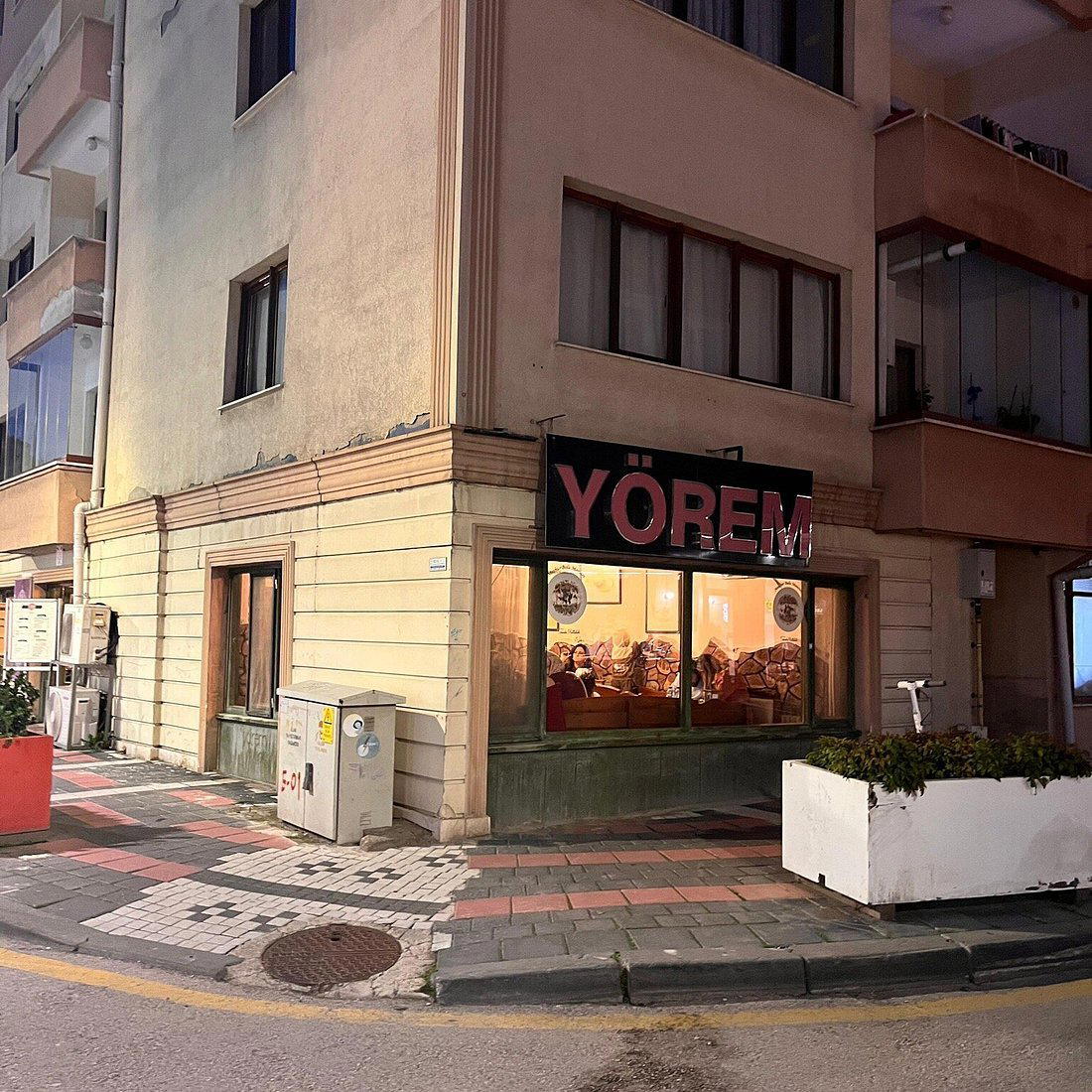
For those building a broader itinerary around Turkish regional cooking, our full Bolu restaurants guide maps the city's dining options across different formats and price points. Adjacent to Hanzade's positioning in the local-specialist register, Yorem Manti Unlu Mamuller represents another angle on Bolu's yöresel tradition, specifically through the lens of handmade pasta and bakery production. The comparison between the two illustrates how regional cooking in this city tends to specialise by format rather than compete across a single generic menu.
Diners interested in how regional Turkish sourcing operates at different price tiers can also trace the conversation through coastal operators: Poyraz Sahil Balık Restaurant in Beykoz applies similar local-sourcing logic to the Bosphorus seafood register, while Mezegi in Fethiye and Agora Pansiyon in Milas show how the Aegean coast handles the same conversation. For reference points outside Turkey entirely, the sourcing-first ethos that defines Bolu's regional cooking has structural parallels in how Lazy Bear in San Francisco and even Le Bernardin in New York City approach ingredient provenance, though the execution registers and price points are entirely different. Finally, Kokorecci Asim Usta in Bornova offers a useful parallel for how Turkish street-food specialists maintain ingredient specificity at the informal end of the market.
Planning Your Visit
Bolu Hanzade Restaurant is located at Şehit Selen Paşa Caddesi 48/A in the Karaçayır district of central Bolu. No booking contact or website is currently listed in public records, which is consistent with many neighbourhood-focused yöresel restaurants in provincial Turkish cities, walk-in is typically the operating assumption, and midweek visits tend to encounter less pressure on space than weekend lunches, when local family traffic is heaviest. Seasonal alignment is worth considering: autumn and spring are the periods when Bolu's regional produce supply is most varied, and menus at this level of cooking will reflect that directly.
Frequently asked questions
Is Bolu Hanzade Restaurant okay with children?
The Karaçayır address on Şehit Selen Paşa Caddesi places this restaurant in a residential-commercial district of central Bolu rather than a formal fine-dining corridor, which typically signals a tolerant, family-oriented environment. Bolu's regional cooking tradition — centred on hearty Anatolian staples — tends to produce menus that work across age groups. No specific children's menu or policy is currently documented, so contacting the venue directly before visiting with young children is advisable.
What should I expect atmosphere-wise at Bolu Hanzade Restaurant?
Karaçayır is a workaday district within central Bolu, and the setting reflects that: this is a neighbourhood restaurant serving locals rather than a destination dressed for tourists. The address on Şehit Selen Paşa Caddesi points to a street-level, accessible format consistent with Bolu's mid-Anatolian character. Expect a room where the focus is on the food and the table, not theatrical décor.
Why is Bolu considered a credible destination for regional Turkish cooking, and how does Hanzade Restaurant fit that context?
Bolu province has historically produced a disproportionate share of Turkey's professional kitchen workforce — a reputation embedded in the Turkish hospitality industry for generations — which gives restaurants operating here a specific culinary identity to draw from. Bolu Hanzade positions itself explicitly as a point of local flavours (yöresel lezzetler), placing it within that regional tradition rather than outside it. For travellers arriving on the TEM motorway from Istanbul, roughly two hours to the east, the restaurant's Karaçayır address in Bolu Merkez is a practical stop to engage with cooking that reflects the province's own ingredient culture.
What do regulars order at Bolu Hanzade Restaurant?
Bolu province has a documented reputation for forest-sourced ingredients — mushrooms, wild greens, and game — alongside dairy products tied to the mountain terrain, and any restaurant billing itself as a point of regional flavours (yöresel lezzetler, as named in the address listing) would logically draw on this pantry. Specific dish names and menu details are not currently published, so asking staff for the day's market-driven options is the most reliable approach.
What's the address for Bolu Hanzade Restaurant?
Bolu Hanzade Restaurant is located at Yöresel Lezzetler Noktası, Karaçayır, Şht. Selen Paşa Cd. 48/A, 14200 Bolu Merkez/Bolu, Türkiye, Bolu.
How hard is it to get a table at Bolu Hanzade Restaurant?
No booking contact or website is currently listed for Bolu Hanzade Restaurant, which makes advance reservations difficult to confirm remotely. For a neighbourhood restaurant in central Bolu rather than a major tourist city, walk-in availability is generally more realistic than at high-demand urban destinations, though weekend lunches in a provincial city can fill quickly. Arriving early or asking locally about peak hours is the practical approach until contact information becomes available.
Comparison Snapshot
| Venue | Cuisine | Price | Awards | Notes |
|---|---|---|---|---|
| Bolu Hanzade RestaurantThis venue — the venue you are viewing | Traditional Turkish Bolu Specialties | $10–20 | Not listed | Not listed |
| Turk Fatih Tutak | Modern Turkish Fine Dining | $200–300 | 2 Michelin Stars · World's 50 Best #66 | Modern Turkish, ₺₺₺₺ |
| Maçakızı | Modern Aegean | $150–200 | 1 Michelin Star · World's 50 Best #96 | Modern Cuisine, ₺₺₺₺ |
| Mikla | New Anatolian Kitchen | $100–150 | 1 Michelin Star · World's 50 Best #44 | Modern Turkish, Mediterranean Cuisine, ₺₺₺₺ |
| Neolokal | Modern Turkish Fine Dining | $200–300 | 1 Michelin Star · World's 50 Best #100 | Modern Turkish, Turkish, ₺₺₺₺ |
| Vino Locale | Seasonal Mediterranean Fine Dining | $50–100 | 2 Michelin Stars · Gault & Millau Türkiye 3 Toques | Country cooking, ₺₺₺ |
Details
- Cozy
- Classic
- Family
- Group Dining
- Casual Hangout
- A La Carte
- Family Style
- Vegetarian Friendly
- Vegan Options
- Halal
Current opening hours
- Monday
- 7 AM–5 PM
- Tuesday
- 7 AM–5 PM
- Wednesday
- 7 AM–5 PM
- Thursday
- 7 AM–5 PM
- Friday
- 7 AM–5 PM
- Saturday
- 7 AM–5 PM
- Sunday
- Closed
Hours can change for holidays and private events. Last verified .
Warm, welcoming family atmosphere with attentive service, cleanliness, and a huge gastro setup promoting Turkish flavors.