Boca Chica
Boca Chica serves Authentic Mexican & Tex-Mex in Saint Paul with a casual, conversational setup and craft cocktails for lunch, dinner, or brunch.
Pearl is the En Primeur Club membership app — saves, bookings, and concierge access live there. Same editors, same standards.
- Address
- 11 Cesar Chavez St, St Paul, MN 55107
- Phone
- +16512228499
- Website
- bocachicarestaurant.com
- Directions
- Get directions
 Saves & bookings on Pearl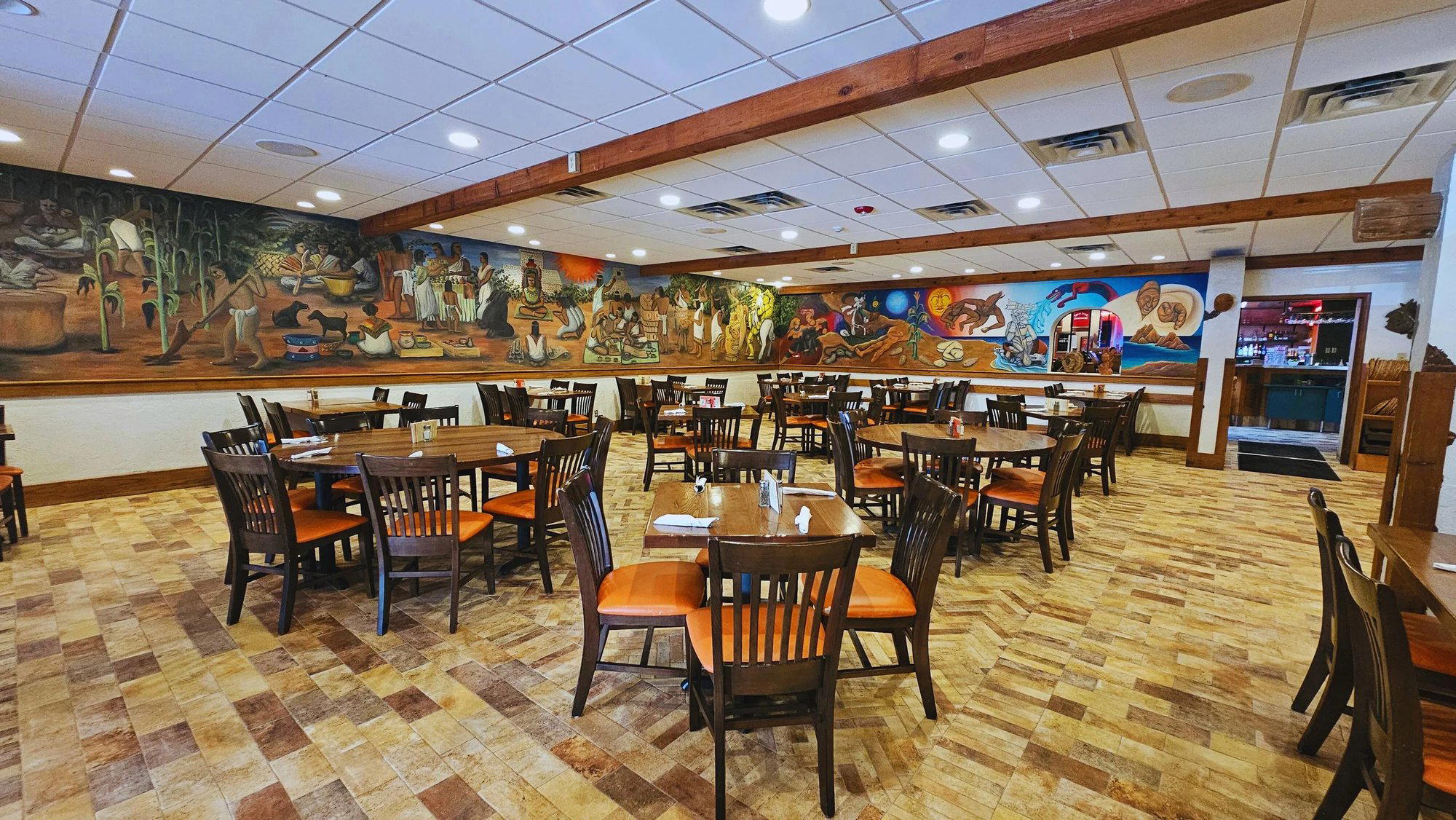
Where Cesar Chavez Street Meets the Mexican Table
The stretch of Cesar Chavez Street running through Saint Paul's West Side has long functioned as one of the Twin Cities' most concentrated corridors of Mexican-American life. Boca Chica, at number 11, occupies a position on that street that is as much about neighborhood identity as it is about dinner. Arriving here, you are entering a dining ritual shaped by decades of family-style Mexican eating in the Upper Midwest, a tradition that borrows from central Mexico and adapts it through generations of community building in Minnesota. The room does not ask you to perform sophistication; it asks you to sit down and commit to the meal.
The Ritual of the Mexican-American Table in the Twin Cities
Understanding what Boca Chica represents requires placing it in the broader arc of Mexican dining in Saint Paul. The West Side has been the geographic center of the city's Chicano community since the mid-twentieth century, and restaurants on Cesar Chavez Street grew from that roots-forward social function. The meal here is not built around a tasting progression or a chef's editorial arc. It is built around the table as a gathering instrument: shared plates, long stays, food that arrives at the pace of conversation rather than the pace of a kitchen timer.
That ritual pacing is distinct from what you find at destination-driven restaurants like Lazy Bear in San Francisco or Smyth in Chicago, where the menu's sequencing is the event. At a neighborhood institution like Boca Chica, the sequencing is social. Chips and salsa land without being ordered. Plates are sized to share. The expectation is that you will stay longer than the food strictly requires.
Across the broader Saint Paul dining scene, this kind of community-anchored restaurant plays a different role than spots built around culinary ambition or chef celebrity. Compare it to the more formal room at Bennett's Chop & Railhouse or the focused European focus at Citizen Saint Paul: the restaurant is doing something architecturally different in terms of what a meal is supposed to accomplish.
The Food: A Regional Tradition, Not a Trend
Mexican cooking in the Upper Midwest tends to skew toward the comfort-register dishes of central and northern Mexico: enchiladas, tamales, chile rellenos, slow-braised meats. These are not dishes that benefit from minimalist plating or theatrical presentation. They are improved by heat retention, generous portioning, and the confidence that comes from cooking the same preparations over many years. The restaurant's kitchen operates in that tradition.
For context, this sits at a meaningful distance from the tasting-counter precision of places like Atomix in New York City or the ingredient-obsession of Blue Hill at Stone Barns in Tarrytown. The comparison is not meant to diminish: a well-executed chile relleno, properly battered and sauced, is as technically demanding in its own register as many dishes on those menus. The craft here is in consistency and proportion, not novelty.
The drink program at a restaurant of this type typically orbits around margaritas, Mexican beer, and a modest wine list. Those choices reflect the function of the dining ritual: drinks exist to extend the table experience, not to become the focal point of the evening.
Where Boca Chica Sits in the Saint Paul Dining Picture
Saint Paul's restaurant scene is smaller and less externally publicized than Minneapolis, but it carries genuine depth across several categories. The Italian-American tradition at Cossetta, the Eastern Mediterranean range at Black Sea, and the wood-fired American format at Downtowner Woodfire Grill each represent distinct community-rooted traditions. The restaurant belongs to that same category: a restaurant whose value to the city is not measured in awards or tasting menus but in sustained presence and neighborhood function.
That category of restaurant is increasingly important to understand when visiting a mid-sized American city. The dining experiences that define place are not always the ones that appear in national rankings alongside Le Bernardin in New York City, The French Laundry in Napa, or Providence in Los Angeles. Sometimes they are the restaurants that have simply stayed, kept cooking the same food, and become part of the neighborhood's vocabulary.
Other reference points in the American premium tier, such as Addison in San Diego, Single Thread Farm in Healdsburg, The Inn at Little Washington, Emeril's in New Orleans, or Atelier Moessmer Norbert Niederkofler in Brunico, all share one thing: they trade in the language of the curated, authored dining experience. The restaurant is doing something older and, in its own way, more durable: feeding the community that surrounds it.
Planning Your Visit
The restaurant sits at 11 Cesar Chavez Street in Saint Paul's West Side, a neighborhood accessible from downtown Saint Paul in under ten minutes by car and reachable via several Metro Transit bus routes. The address places it in a block that functions as a local commercial anchor, so street parking and nearby lots are the practical options. For a restaurant of this type and neighborhood positioning, walk-in dining is typically the standard mode of arrival; calling ahead during peak weekend hours is advisable if you are arriving as a larger group. The meal structure rewards an unrushed evening.
Cuisine and Recognition
Comparable venues nearby, for context on price, style, and recognition.
| Venue | Cuisine | Price | Notes |
|---|---|---|---|
| Boca ChicaThis venue — the venue you are viewing | Authentic Mexican & Tex-Mex | $$ | Not listed |
| Parlour St. Paul | American Burger Bar | $$ | West 7th |
| The St. Paul Grill | Classic American Steakhouse | $$$ | Downtown |
| Bennett's Chop & Railhouse | Casual American Steakhouse | $$$ | West Seventh |
| Sakura | Authentic Japanese Sushi | $$ | Downtown |
| joan's in the Park | Seasonal American Fine Dining | $$$ | Highland Park |
Continue exploring
More in Saint Paul
Restaurants in Saint Paul
Browse all →
Bars in Saint Paul
Browse all →
At a Glance
- Classic
- Cozy
- Family
- Casual Hangout
- Brunch
- Standalone
- Craft Cocktails
Current opening hours
- Monday
- 11 AM–8:30 PM
- Tuesday
- 11 AM–8:30 PM
- Wednesday
- 11 AM–8:30 PM
- Thursday
- 11 AM–8:30 PM
- Friday
- 11 AM–9:30 PM
- Saturday
- 11 AM–9:30 PM
- Sunday
- 10 AM–8:30 PM
Hours can change for holidays and private events. Last verified .
Warm and welcoming family atmosphere with traditional Mexican decor.