Black Sea
Black Sea on Snelling Avenue brings the flavors of the Black Sea region to Saint Paul's Hamline-Midway neighborhood. Rooted in the culinary traditions of Turkey, Eastern Europe, and the Caucasus, the restaurant occupies a dining corridor where immigrant-kitchen cooking has long shaped the city's food identity. It sits among Saint Paul's more destination-worthy neighborhood spots for those tracing the city's diverse table.
Pearl is the En Primeur Club membership app — saves, bookings, and concierge access live there. Same editors, same standards.
- Address
- 737 Snelling Ave N, St Paul, MN 55104
- Phone
- (651) 917-8832
- Website
- blacksearestaurant.com
- Directions
- Get directions
 Saves & bookings on Pearl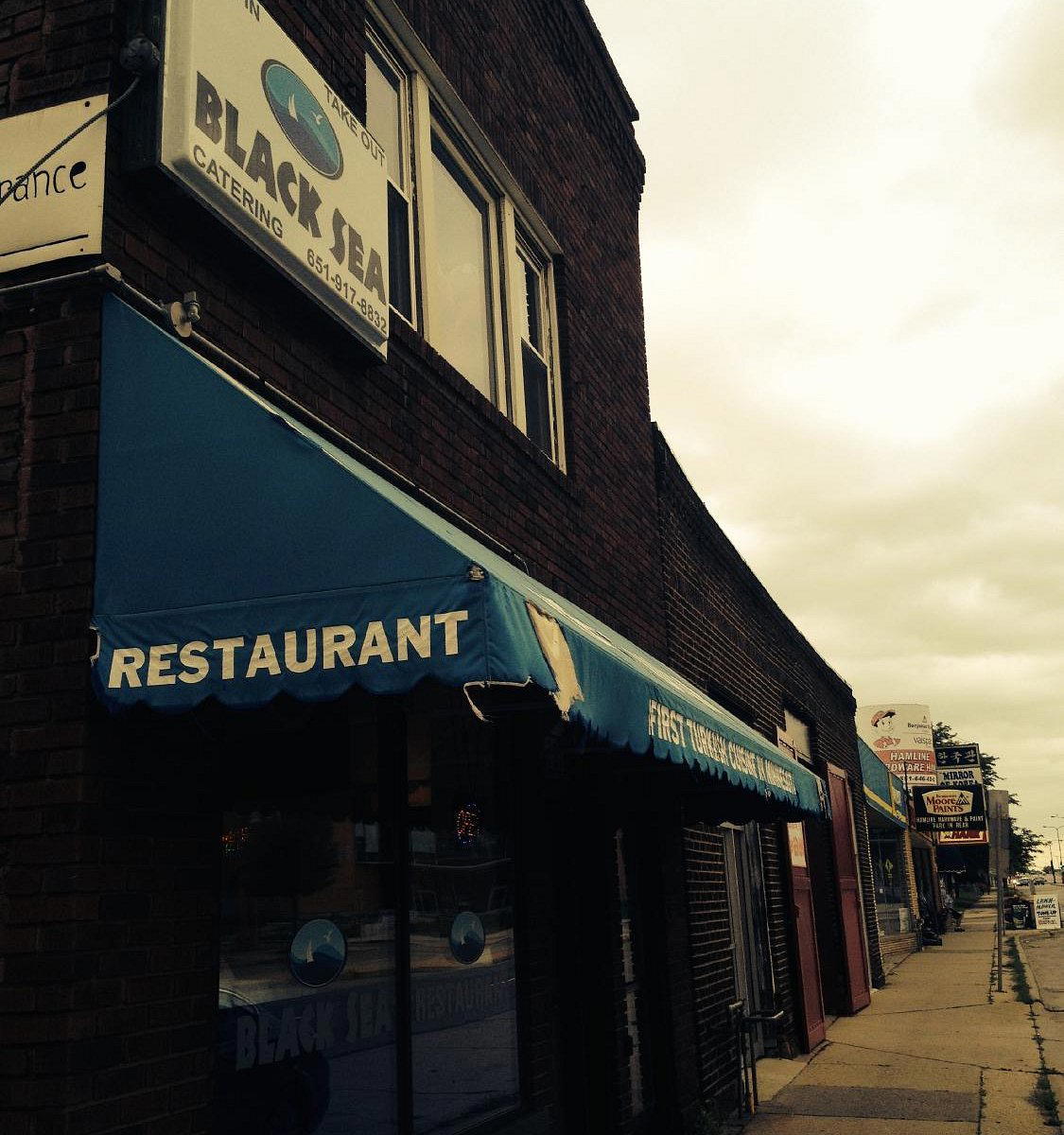
Where Snelling Avenue Meets the Eastern Shore
Hamline-Midway, the Saint Paul corridor running along Snelling Avenue North, has long been one of the Twin Cities' more reliable strips for immigrant-kitchen cooking. The address at 737 Snelling Ave N places Black Sea in that tradition: a neighborhood where Lebanese grocers, Somali cafes, and Eastern European diners have long operated as the infrastructure of daily eating. Black Sea draws on the culinary geography its name implies, a region that spans the northern coast of Turkey, the western edges of Georgia and Armenia, and the Romanian and Bulgarian shores.
That geography matters because the Black Sea region does not resolve into a single cuisine. It is a zone of overlap: Turkish and Caucasian spice logic meets Slavic pickling traditions, Anatolian grain culture meets Georgian walnut sauces, and Ottoman palace cooking echoes through dishes that appear simultaneously in Istanbul, Trabzon, and Batumi. Restaurants that draw from this region, whether in New York, London, or a midwestern American city, are working with source material that is layered in a way that more codified European cuisines are not. Saint Paul, with its history of absorbing Hmong, Somali, East African, and Eastern European communities, is a more natural home for this kind of cooking than the city's national dining profile might suggest.
The Cultural Weight of the Black Sea Table
To understand what a restaurant-rooted kitchen is doing, it helps to look at the region's cooking. The region's food is defined by a few structural principles that recur across national borders: an emphasis on freshwater and saltwater fish, particularly anchovies along the Turkish coast; a reliance on cornmeal and maize products in areas like Rize and Trabzon that predate their adoption elsewhere in the region; a use of walnuts as a primary sauce base in Georgian cooking; and a tradition of preserved vegetables that reflects the region's long, cold winters. Lamb and beef appear in spiced ground-meat preparations that bear family resemblance to both Turkish kofte and Caucasian kebab traditions. Flatbreads vary from the paper-thin lavash of Armenia to the stuffed khachapuri of Georgia.
This depth of tradition separates a restaurant-rooted restaurant from a generic "Mediterranean" catch-all. The distinction signals a kitchen that has to make choices about which regional traditions to foreground, which dishes to adapt for a Midwestern audience, and where to hold the line on technique. Those choices define the character of any immigrant-kitchen restaurant operating outside its home geography, and they are worth paying attention to when reading a menu.
Saint Paul's dining scene, like that of Minneapolis across the river, has matured in ways that are not always visible from outside the region. Alongside legacy institutions like Cossetta, which has anchored Italian-American cooking in the city for over a century, and Boca Chica, which has represented Mexican-American cooking in the West Side neighborhood for generations, a newer tier of neighborhood restaurants has developed along corridors like Snelling and University. Bennett's Chop & Railhouse and Downtowner Woodfire Grill represent the city's comfort-focused mainstream, while spots like Citizen Saint Paul signal ambitions toward a more polished dining register. The restaurant occupies a different lane: the immigrant-kitchen tradition that has always been one honest expression of what Saint Paul actually eats.
Reading Black Sea Against a Broader American Dining Context
The conversation about what constitutes serious American dining has shifted considerably over the past decade. Restaurants like Smyth in Chicago and Lazy Bear in San Francisco represent one axis of ambition, the tasting-menu format with deep sourcing narratives and technique-forward plating. Properties like Blue Hill at Stone Barns in Tarrytown and Single Thread Farm in Healdsburg have built entire hospitality philosophies around agricultural provenance. At the formal end, Le Bernardin in New York City, The French Laundry in Napa, and The Inn at Little Washington maintain the classical register. More recent arrivals like Atomix in New York City have demonstrated that non-European kitchen traditions can operate at the highest tier of critical recognition.
None of that is the model the restaurant is working from. The immigrant neighborhood restaurant, operating without awards infrastructure or media coverage, serves a different but equally legitimate function in the American dining ecology. It preserves technique and flavor memory that fine-dining kitchens sometimes borrow from without attribution, and it feeds communities for whom the cuisine is not a novelty but a reference point. Restaurants in this tier, from corner Turkish spots in Berlin to Georgian canteens in Brooklyn, rarely receive the critical attention that comparably skilled kitchens in fine-dining formats attract. That gap is a failure of coverage, not a reflection of cooking quality.
For context on what the restaurant-rooted cooking looks like at its most ambitious, the reference point internationally would be restaurants working with the full Caucasian and Anatolian pantry, offering dishes rooted in specific regional traditions rather than a generalized Middle Eastern-adjacent menu. That specificity, when present, is the sign of a kitchen that knows its source material.
Visiting Snelling Avenue
The restaurant sits at 737 Snelling Ave N in Saint Paul's Hamline-Midway neighborhood. Snelling Avenue is accessible by the Green Line light rail, with the Hamline station a short walk from the restaurant's block. Street parking along Snelling and the side streets off it is generally available outside peak hours. The restaurant is open Monday through Saturday from 11 AM to 8 PM and closed Sunday. The broader Snelling corridor rewards exploration before or after a meal: the neighborhood's commercial strip supports an eclectic mix of independent businesses that reflects the area's demographic layering.
For a fuller map of where the restaurant sits within Saint Paul's dining geography, the full Saint Paul restaurants guide covers the city's neighborhoods and dining tiers in detail.
Price Lens
Comparable venues nearby, for context on price, style, and recognition.
| Venue | Cuisine | Price | Notes |
|---|---|---|---|
| Black SeaThis venue — the venue you are viewing | Hamline-Midway, Authentic Turkish | $ | Not listed |
| Parlour St. Paul | Not listed | $$ | West 7th, American Burger Bar |
| Sakura | Downtown, Authentic Japanese Sushi | $$ | Not listed |
| Cossetta | Downtown, Italian Marketplace & Pizzeria | $$ | Not listed |
| Meritage | Downtown, Classic French Brasserie | $$$$ | Not listed |
| Boca Chica | West Side, Authentic Mexican & Tex-Mex | $$ | Not listed |
Continue exploring
More in Saint Paul
Restaurants in Saint Paul
Browse all →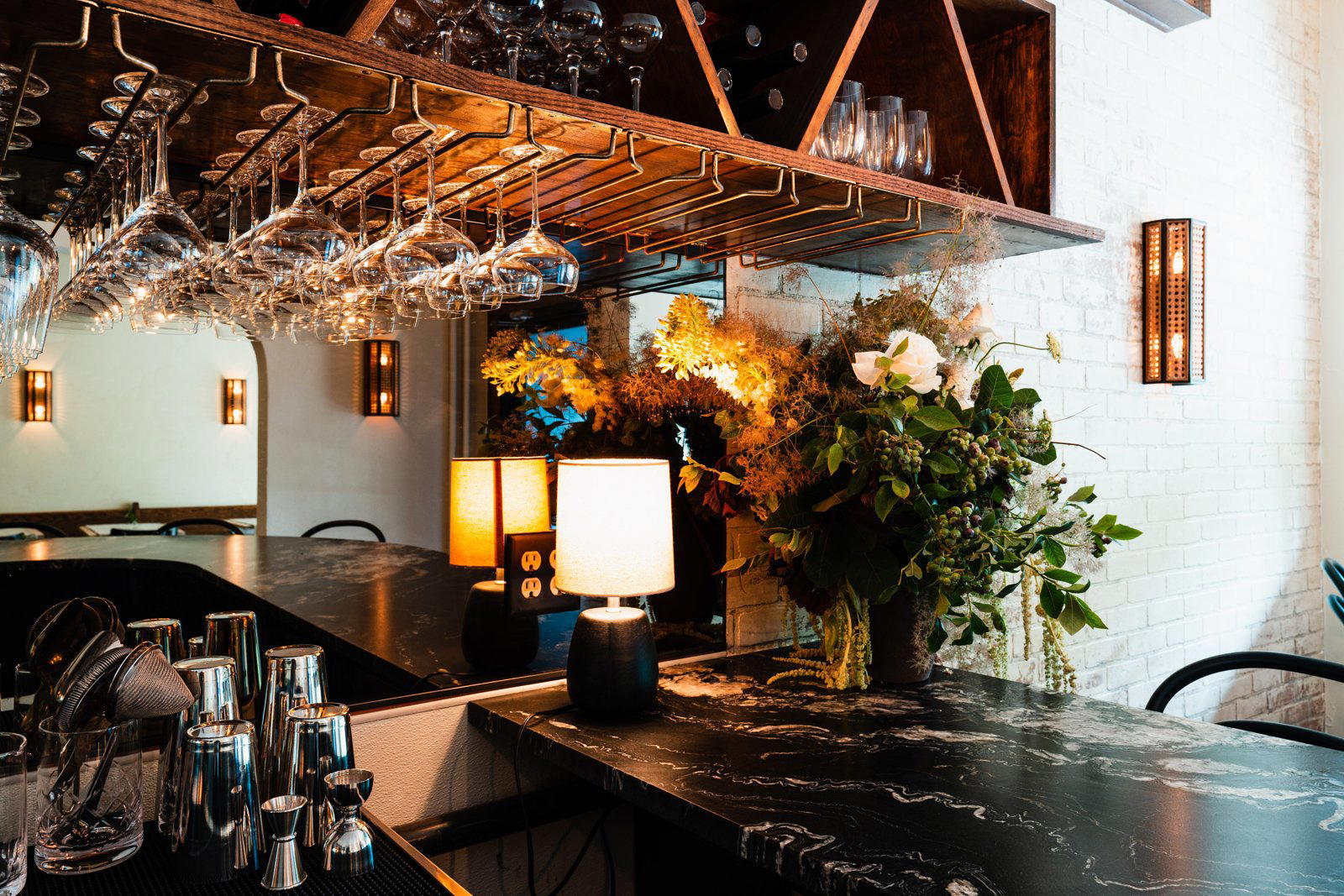

Bars in Saint Paul
Browse all →






At a Glance
- Rustic
- Cozy
- Casual Hangout
Current opening hours
- Monday
- 11 AM–8 PM
- Tuesday
- 11 AM–8 PM
- Wednesday
- 11 AM–8 PM
- Thursday
- 11 AM–8 PM
- Friday
- 11 AM–8 PM
- Saturday
- 11 AM–8 PM
- Sunday
- Closed
Hours can change for holidays and private events. Last verified .
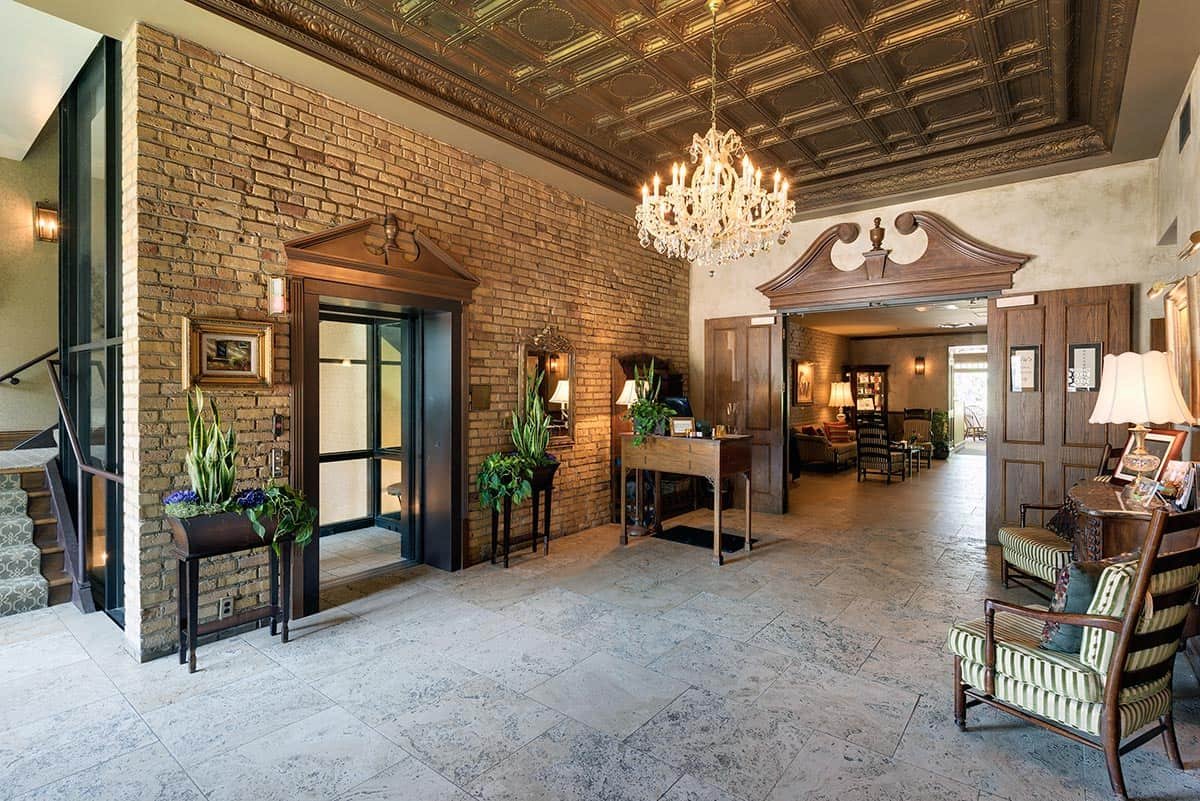
Small, rustic hole-in-the-wall with a handful of tables, chaotic and noisy at times with dishwasher sounds.