Cossetta
Cossetta has anchored the West Seventh corridor of Saint Paul for over a century, operating as a multi-format Italian market, counter-service café, and sit-down dining room under one roof. The layered format, groceries, prepared foods, and table service occupying distinct zones, makes it a case study in how Italian-American food culture translates into everyday neighborhood life. It draws regulars from across the city for the kind of meal that prioritizes familiarity over novelty.
Pearl is the En Primeur Club membership app — saves, bookings, and concierge access live there. Same editors, same standards.
- Address
- 211 7th St W, St Paul, MN 55102
- Phone
- +16512223476
- Website
- cossettas.com
- Directions
- Get directions
 Saves & bookings on Pearl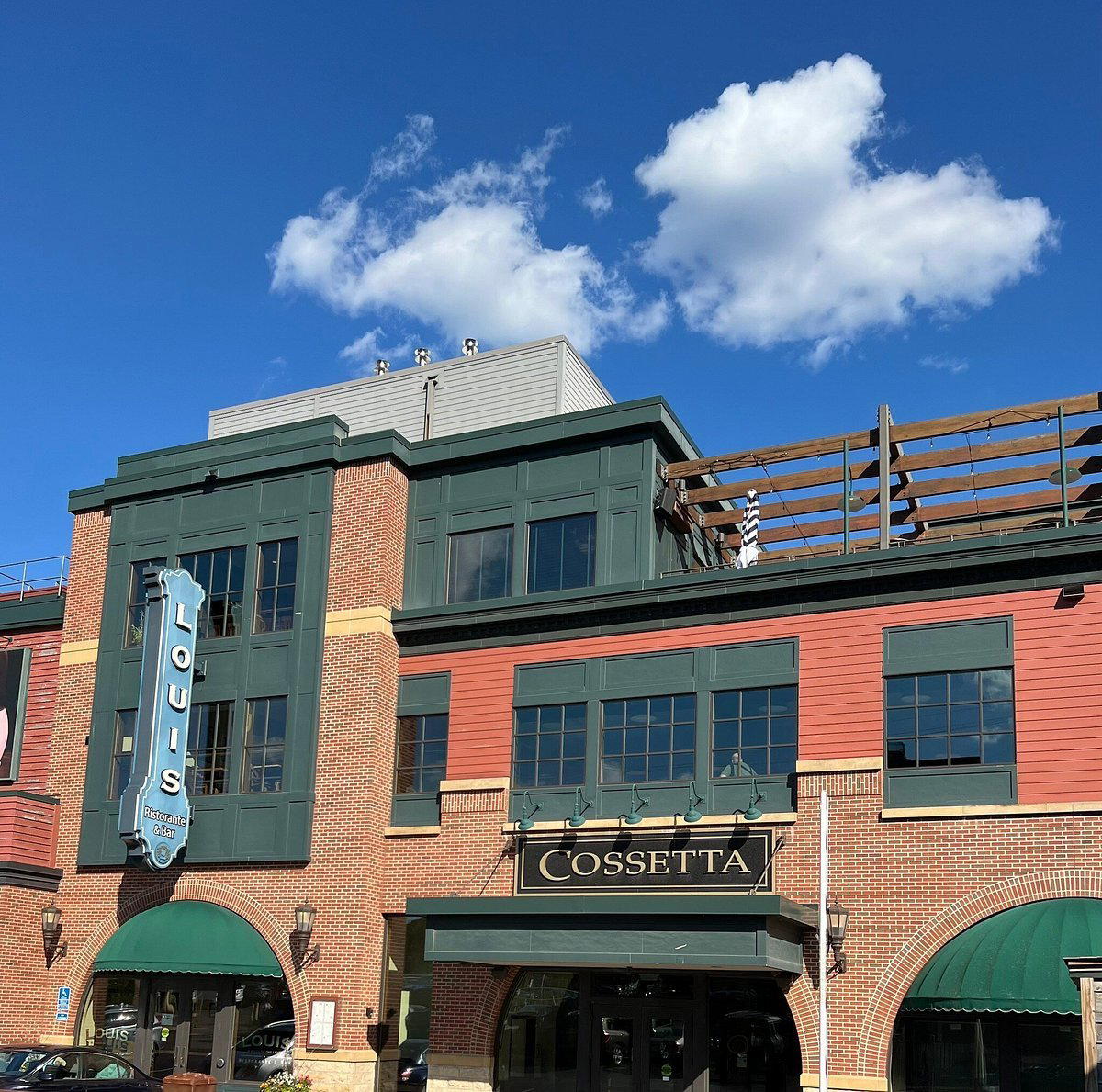
A Building That Functions as an Argument About Italian Food
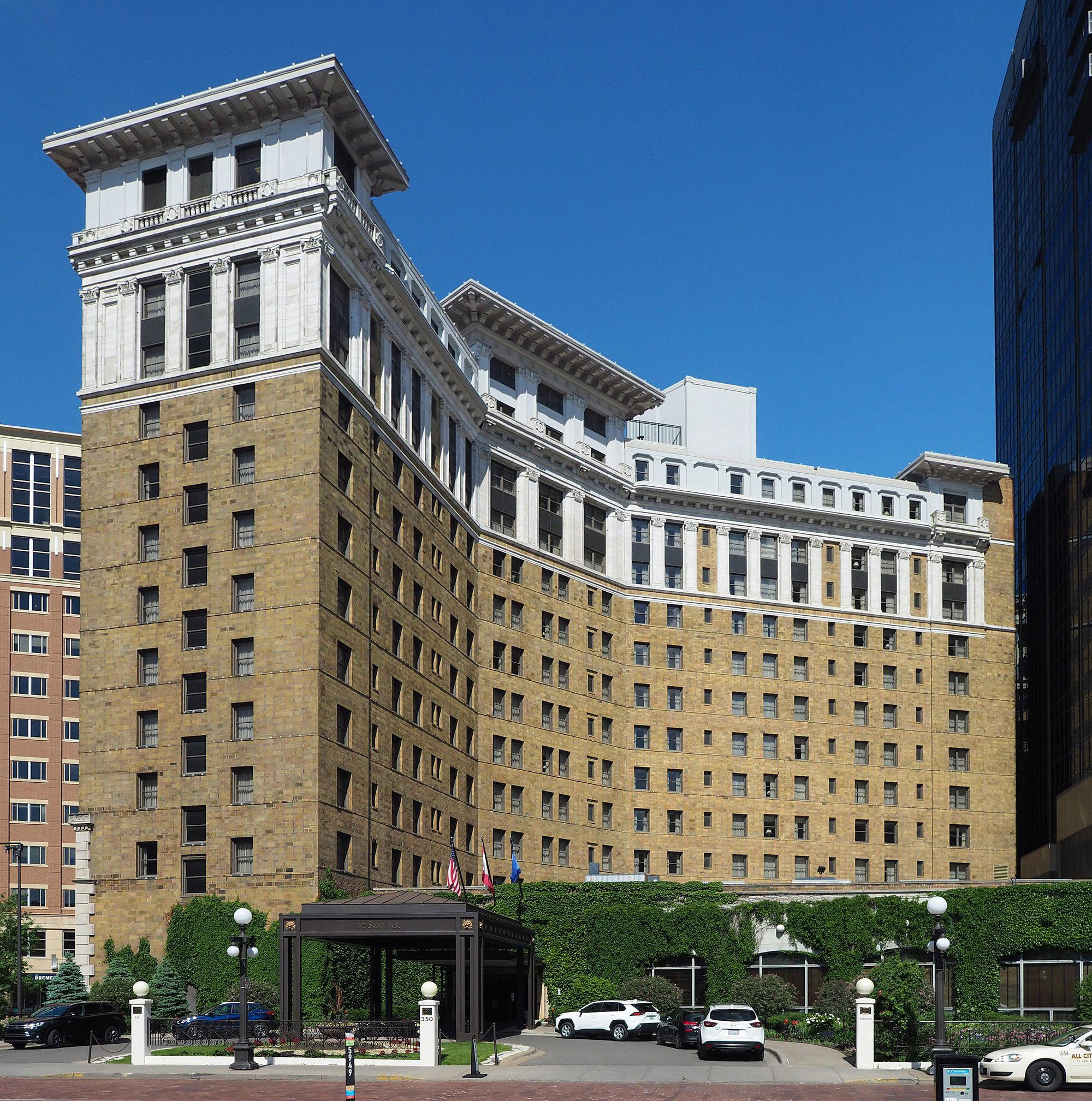
West Seventh Street has a different register than Saint Paul's more photogenic dining corridors. It runs west from downtown toward the river flats, lined with bars, neighborhood shops, and the kind of restaurants that don't depend on tourism. Cossetta sits along this stretch at 211 7th St W, and its physical presence, a wide, multi-room building that contains a market, a counter-service café, prepared foods cases, and a full upstairs dining room, is itself a statement about how Italian-American food culture was organized before the era of single-concept restaurants. The building doesn't ask you to choose a format when you arrive. It asks you to figure out what you want from the range it offers.
That structural logic is worth pausing on, because it shapes every other observation about what eating here means. Restaurants organized around a single format, tasting menu, à la carte, counter omakase, push a defined experience. Places like Cossetta, organized around a market-hall model, put the decision-making with the customer. You can walk out with a pound of pasta and a jar of sauce, or you can sit down for a full plate of something slow-cooked. The menu architecture here is not a curated narrative; it is a catalog of options arranged by category, and that is a deliberate position, not an oversight.
How the Menu Is Built and What That Tells You
Italian-American cooking, at its functional core, is a cuisine of accumulation. Dishes were built over generations from a base of pantry staples, dried pasta, canned tomatoes, olive oil, cured meats, and adapted to what was available and affordable in the Midwest. Cossetta's menu sits squarely in that tradition, offering the kind of dishes that reward regularity rather than novelty-seeking: pasta with red sauce, baked preparations, sandwiches built from house-made components, pastries and sweets from the bakery section.
What the menu reveals structurally is an operation calibrated for volume and consistency rather than seasonal pivoting or tasting-menu theatrics. The breadth of what's available, across market shelves, prepared cases, and the sit-down room, reflects a model where different customers with different needs can all find an entry point. Families picking up dinner, downtown workers grabbing lunch, and diners settling in for a proper meal are all within the intended scope. Contrast this with the focused, single-purpose formats at places like Smyth in Chicago or Lazy Bear in San Francisco, where the menu is a single authored arc from first course to last. Those are different arguments about what a restaurant should be. Cossetta's argument is older and, in its own way, harder to sustain.
The market component matters here too. In cities where Italian delis and import shops have largely disappeared from neighborhood retail, a functioning market counter attached to a restaurant carries a different weight than it once did. Picking up imported goods, house-made sauces, or fresh pasta alongside a meal connects the eating experience to a broader pantry logic that most modern restaurants have abandoned entirely. It is closer in spirit to the model you find at destination food halls in larger cities, though scaled to a neighborhood rather than a tourist circuit.
Where Cossetta Sits in Saint Paul's Dining Pattern
Saint Paul's restaurant scene does not operate on a single axis. The city has steakhouses with long track records, Bennett's Chop & Railhouse holds that position, and it has ethnic dining that reflects the city's demographic range, from the Latin cooking at Boca Chica to the Mediterranean at Black Sea. There are also newer-format places oriented toward the downtown professional crowd, including Citizen Saint Paul and the wood-fire driven Downtowner Woodfire Grill.
Cossetta operates in a different register from all of them. It is not competing for the occasion-dining customer who might otherwise book a tasting menu. It is not a destination for the same reasons that places like The French Laundry in Napa, Le Bernardin in New York City, or Providence in Los Angeles draw travelers. What it offers instead is continuity, a century-scale relationship with a neighborhood and a cuisine that most cities have lost as Italian-American dining consolidated into either casual chains or high-end trattorias. That is a narrower and more specific thing to be, but it is also a more durable one.
Planning a Visit
Cossetta's address at 211 7th St W places it within easy reach of downtown Saint Paul, making it accessible by foot from the central business district or by car with street and lot parking along West Seventh. The multi-format layout means the busiest periods skew toward lunch, when counter-service and prepared foods move quickly. The sit-down dining room upstairs tends to run at its own pace, separate from the market-floor traffic. Reservations are recommended.
Reputation Context
Comparable venues nearby, for context on price, style, and recognition.
| Venue | Cuisine | Price | Notes |
|---|---|---|---|
| CossettaThis venue — the venue you are viewing | Italian Marketplace & Pizzeria | $$ | Not listed |
| Luci Ancora | Creative Italian Trattoria | $$$ | Highland |
| Downtowner Woodfire Grill | American Bistro with Persian Fire-Roasted Specialties | $$$ | Downtown Saint Paul |
| Ngon Bistro | Modern Vietnamese Bistro | $$ | Frogtown |
| Parlour St. Paul | American Burger Bar | $$ | West 7th |
| Mucci's Italian | Italian-American Comfort | $$$ | West End |
Continue exploring
More in Saint Paul
Restaurants in Saint Paul
Browse all →
Bars in Saint Paul
Browse all →
At a Glance
- Lively
- Classic
- Group Dining
- Casual Hangout
- Brunch
- Rooftop
- Open Kitchen
- Craft Cocktails
- Street Scene
Current opening hours
- Monday
- 11 AM–9 PM
- Tuesday
- 11 AM–9 PM
- Wednesday
- 11 AM–9 PM
- Thursday
- 11 AM–9 PM
- Friday
- 11 AM–9 PM
- Saturday
- 11 AM–9 PM
- Sunday
- 11 AM–9 PM
Hours can change for holidays and private events. Last verified .
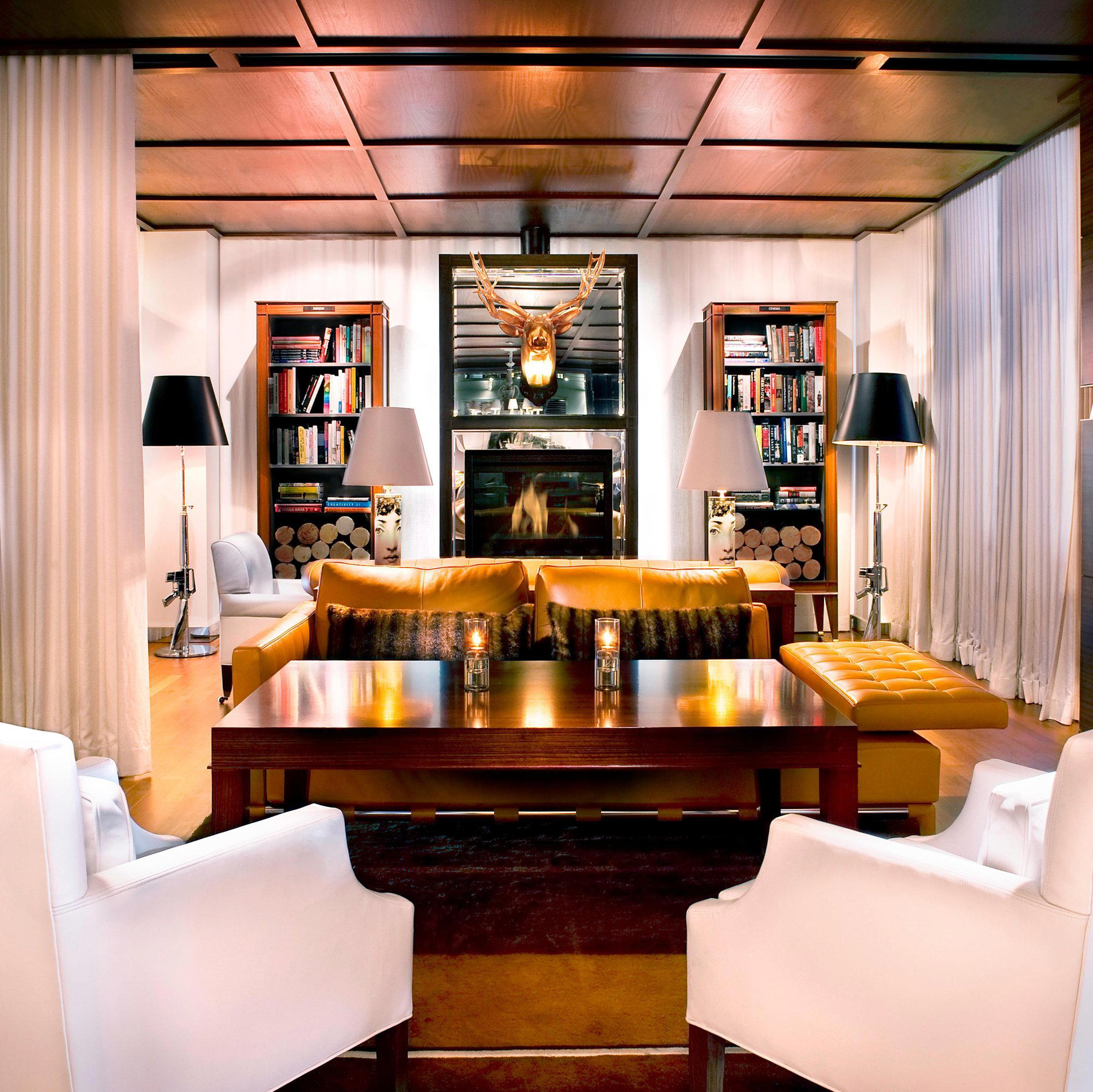
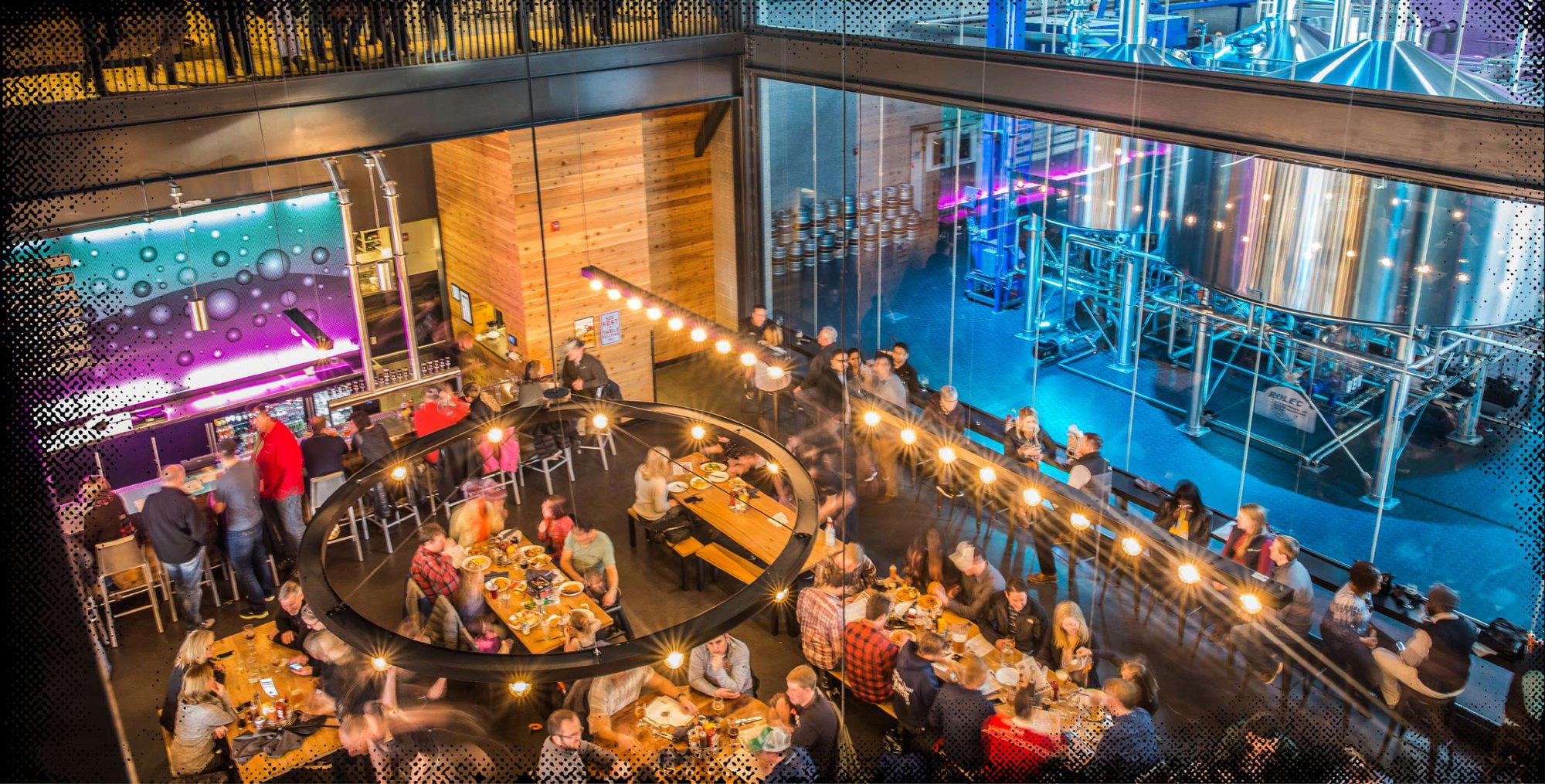
Laid-back and lively atmosphere with counter-service bustle in the expansive marketplace and more intimate rooftop seating with city views.