BÁNH ME
BÁNH ME brings Vietnamese street food culture to Tanne 8 in Schaffhausen, a city whose dining scene skews heavily toward Swiss-German and European traditions. In a canton where banh mi and pho remain niche rather than mainstream, the address functions as a practical entry point into Southeast Asian food for locals and a familiar touchstone for visitors. Booking details and hours are best confirmed directly before visiting.
Pearl is the En Primeur Club membership app — saves, bookings, and concierge access live there. Same editors, same standards.
- Address
- Tanne 8, 8200 Schaffhausen, Switzerland
- Phone
- +41525333911
- Website
- banhme.ch
- Directions
- Get directions
 Saves & bookings on Pearl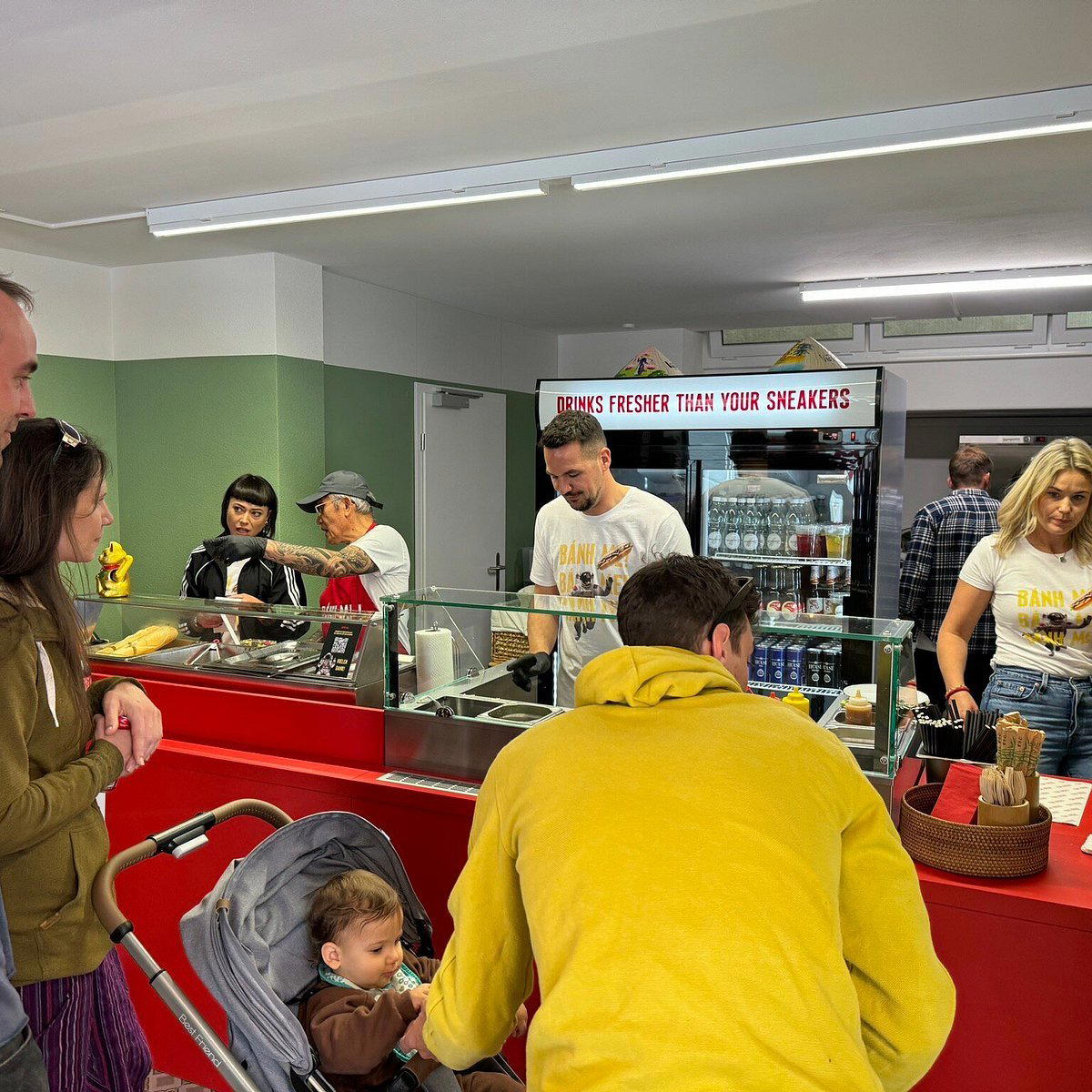
Vietnamese Street Food in a Swiss-German City
Schaffhausen's restaurant scene is shaped by its geography and its history. Close to the German border, with the Rhine defining its civic identity, the city's eating culture has long been anchored by Swiss-German classics, seasonal European cooking, and a handful of Mediterranean addresses. Beckenburg das Restaurant and D'Chuchi (Modern Cuisine) sit comfortably within that European tradition. Against that backdrop, a Vietnamese address at Tanne 8 occupies a different category entirely — one that draws on food traditions shaped not by Alpine proximity but by the street markets of Hanoi, Ho Chi Minh City, and the Mekong Delta.
Vietnamese cuisine arrived in Central Europe through specific migration patterns, concentrated initially in Germany and Austria after the 1970s. Switzerland was slower to absorb the tradition, and in smaller cities like Schaffhausen, Southeast Asian cooking remains a distinct minority in the restaurant mix. That scarcity gives an address like BÁNH ME a different kind of relevance than it would have in Zurich or Geneva, where Vietnamese, Thai, and broader pan-Asian options form a competitive sub-market of their own.
The Banh Mi Tradition and What It Means Outside Vietnam
The banh mi is one of the more instructive examples of colonial food exchange in the global canon. The baguette — introduced to Vietnam during French colonial rule, was adopted, compressed, and transformed into something categorically different from its European source: a lighter, crispier shell built around pork, pickled daikon, cilantro, and chili, or any number of regional variants. By the time banh mi stands became fixtures on Saigon's streets in the mid-20th century, the bread had become Vietnamese in every meaningful sense, the French origin point largely invisible in the finished product.
When this food travels to a Swiss city, the translation question sharpens. The closest European parallel, the filled baguette sandwich, is everywhere, but banh mi's defining character, the contrast between a shatteringly crisp crust and cool, acidic, herbaceous fillings, is specific enough that approximations tend to be recognizable as approximations. The leading versions outside Vietnam source their rolls with care, treating the bread as the structural argument of the dish rather than an afterthought.
In Switzerland, the challenge is compounded by the country's high-cost food sourcing environment. Ingredients that are cheap and abundant in Southeast Asia, like fresh cilantro, Thai basil, and specific cuts of pork, carry a different cost structure here. That economic reality shapes what any Vietnamese operator in Switzerland can offer at a sustainable price point, and it means the gap between a good banh mi in Schaffhausen and one in, say, a dedicated Vietnamese neighbourhood in Paris or Frankfurt is partly a supply chain story, not merely a skill story.
Where BÁNH ME Sits in Schaffhausen's Dining Mix
Schaffhausen's dining options in the accessible mid-range run toward European formats: Al-Andalus brings Mediterranean and Moorish-inflected cooking, while Chekes Mexican Food covers the Latin American corner of the city's international restaurant offer. Vietnamese sits in a different quadrant, drawing on a culinary logic of fresh herbs, fermented depth, and light broths that has little overlap with either Spanish or Mexican traditions. For a city this size, having distinct representatives of each tradition matters more than the competitive dynamics that govern larger markets.
At the more formal end of Schaffhausen's scene, Villa Sommerlust (Innovative) operates in a different register entirely, tasting menus, wine pairings, the kind of occasion dining that requires advance planning. BÁNH ME, by the nature of its Vietnamese street food reference point, belongs to a more immediate category: food designed to be eaten standing, or quickly, or without ceremony. That informality is not a deficit; it is the tradition's actual form.
Switzerland's Fine Dining Context and What Falls Outside It
Switzerland produces some of Europe's most technically accomplished restaurant cooking. Hotel de Ville Crissier in Crissier and Schloss Schauenstein in Fürstenau represent the country's Michelin-starred upper tier, alongside Memories in Bad Ragaz, Cheval Blanc by Peter Knogl in Basel, and Maison Wenger in Le Noirmont. Further east, Einstein Gourmet in Sankt Gallen, Da Vittorio - St. Moritz in St. Moritz, Mammertsberg in Freidorf, and focus ATELIER in Vitznau complete a national picture in which the luxury end of Swiss dining is densely awarded and internationally competitive.
Vietnamese street food sits entirely outside that conversation, and deliberately so. The reference points for banh mi are not Michelin stars or tasting menus but the density of flavour achievable in a 20-centimetre roll, the quality of a pho broth built over many hours, the acidity of quick-pickled vegetables. Internationally, addresses like Le Bernardin in New York City and Lazy Bear in San Francisco define what formal fine dining looks like at its most technically serious, a different ambition from what Vietnamese street food pursues, and not a comparison BÁNH ME is seeking to invite.
That matters because it clarifies the correct expectations for a visit. The question is not whether BÁNH ME competes with Switzerland's formal dining circuit. It does not, and it is not trying to. The question is whether it does justice to a food tradition that is dense, specific, and often poorly served outside Southeast Asia, and that assessment requires knowing what the tradition actually demands.
Planning a Visit
BÁNH ME is located at Tanne 8, 8200 Schaffhausen. Schaffhausen's old town is compact and walkable from the train station, placing most of the city's restaurant addresses within close reach of each other. For a broader picture of what the city offers across price tiers and cuisine types, the full Schaffhausen restaurants guide maps the scene in detail. Current hours, pricing, and booking arrangements for BÁNH ME are not listed online; confirming directly before visiting is the reliable approach, particularly for weekday lunch service, which Vietnamese casual formats sometimes restrict compared to dinner hours. For Swiss-French cuisine worth travelling beyond the canton, La Table du Valrose in Rougemont rounds out a regional dining picture for those extending a trip westward.
How BÁNH ME Schaffhausen compares with similar nearby venues.
| Venue | Cuisine | Price |
|---|---|---|
| Wirtschaft zum Frieden | Classic Cuisine | €€ |
Continue exploring
More in Schaffhausen
Restaurants in Schaffhausen
Browse all →
Bars in Schaffhausen
Browse all →
Hotels in Schaffhausen
Browse all →

At a Glance
- Cozy
- Trendy
- Casual Hangout
- Standalone
Current opening hours
- Monday
- 11 AM–2 PM
- Tuesday
- 11 AM–2 PM
- Wednesday
- 11 AM–2 PM
- Thursday
- 11 AM–2 PM
- Friday
- 11 AM–2 PM
- Saturday
- 11 AM–3 PM
- Sunday
- Closed
Hours can change for holidays and private events. Last verified .
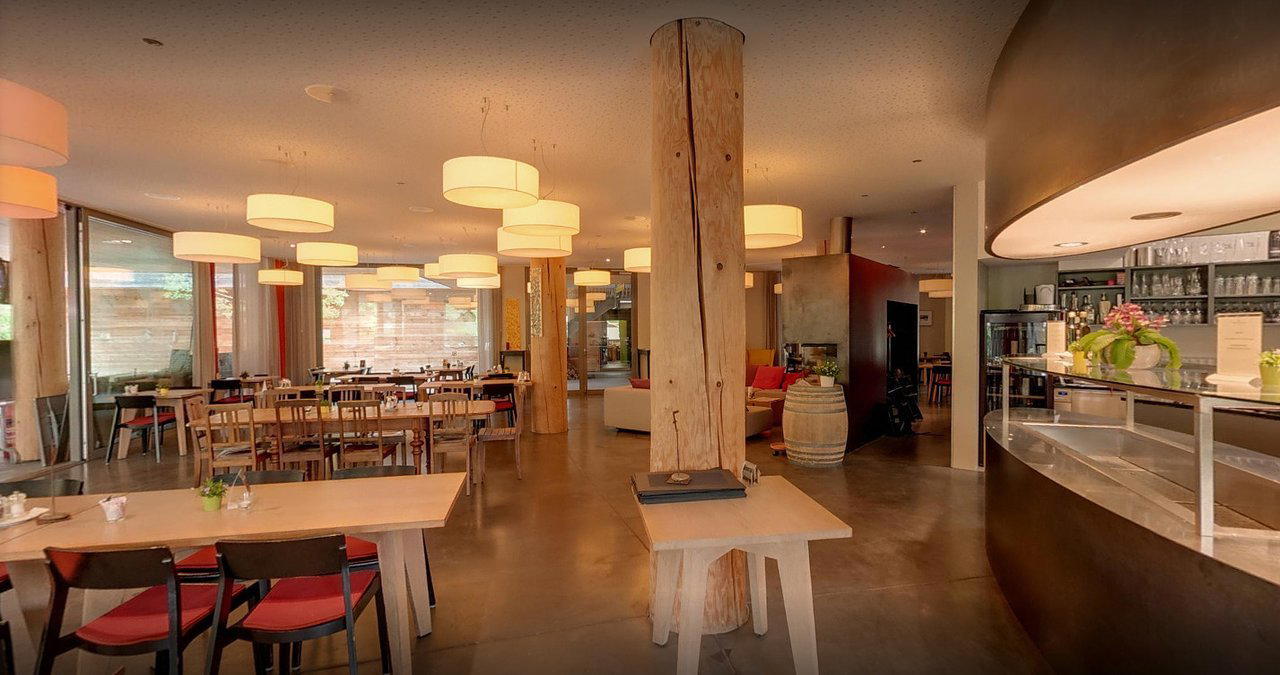
Casual and welcoming street food spot with a great dining vibe and cheerful staff.
Know Before You Go
- Getting there
- Tanne 8, 8200 Schaffhausen, Switzerland