Bluebird Barbecue
Bluebird Barbecue at 317 Riverside Ave. is Burlington's dedicated wood-smoke operation, where the menu's architecture reflects the regional American tradition of low-and-slow cooking rather than the city's more prevalent farm-to-table format. In a Vermont dining scene that skews toward local produce and Italian-influenced kitchens, it occupies a distinct lane.
Pearl is the En Primeur Club membership app — saves, bookings, and concierge access live there. Same editors, same standards.
- Address
- 317 Riverside Ave., Burlington, VT 05401
- Phone
- +18024483070
- Website
- bluebirdbbq.com
- Directions
- Get directions
 Saves & bookings on Pearl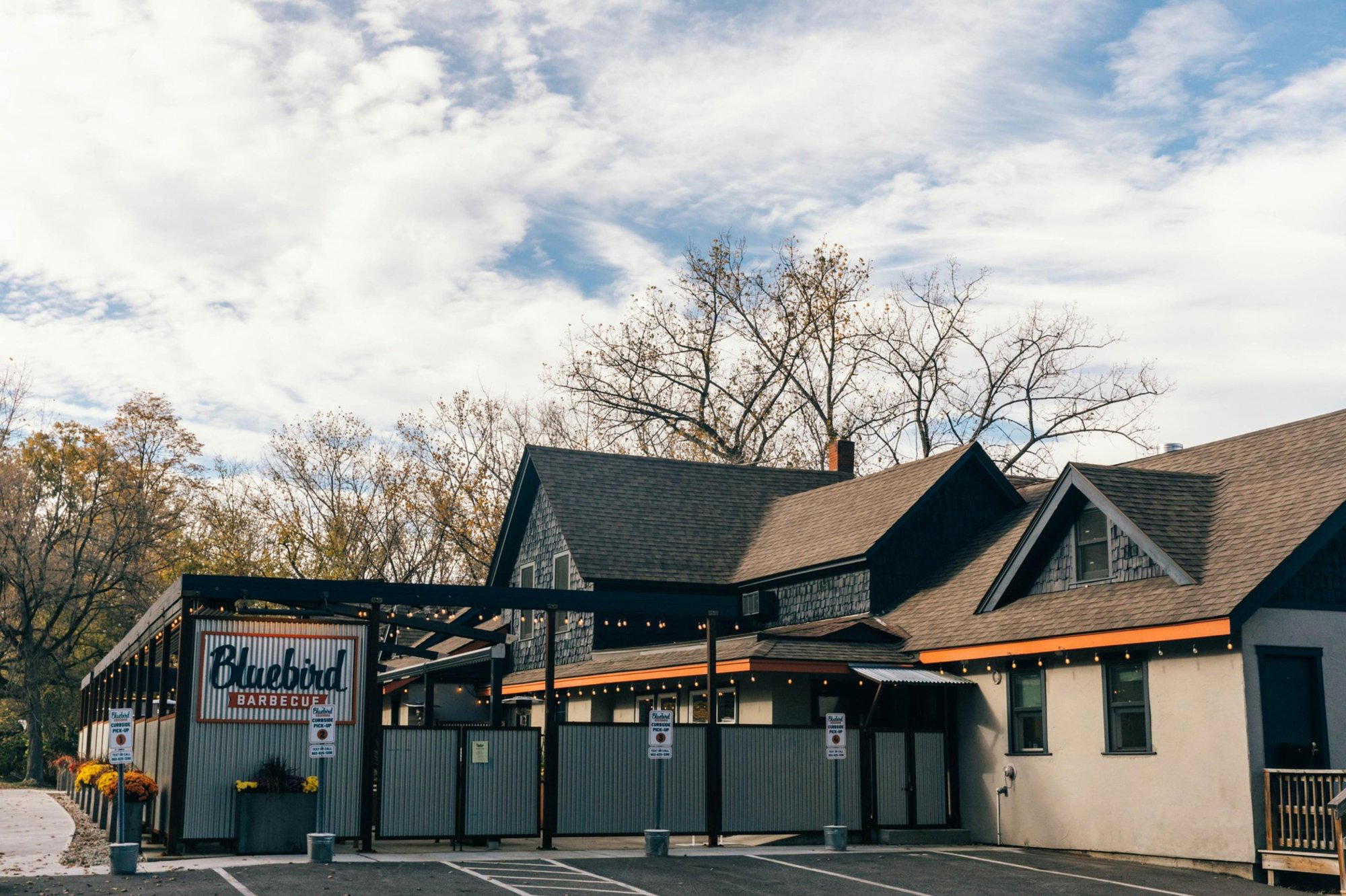
Smoke Signal: How Barbecue Fits Into Burlington's Dining Order
Bluebird Barbecue is a restaurant in Burlington, Vermont, at 317 Riverside Ave. with. Walk along Riverside Avenue toward the address and the cue arrives before the building does. Wood smoke is an unmistakable marker in a city whose restaurant identity runs heavily toward locally sourced produce, scratch-made pasta, and wood-fired flatbread. Burlington's dining scene is small enough that every category has a clear representative, and Bluebird Barbecue at 317 Riverside Ave. holds the barbecue tier largely to itself. That positioning matters: where a city like Nashville or Austin has dozens of smoke-forward operations competing on the same regional tradition, Burlington diners looking for serious low-and-slow cooking have a narrower field to choose from, which places Bluebird Barbecue in an almost categorical role rather than a merely competitive one.
That context shapes how the restaurant should be read. It is not a Southern transplant trying to replicate a regional canon in unfamiliar territory, nor is it a novelty format bolted onto a Vermont farm-to-table chassis. It occupies the space between those poles: a wood-smoke operation in a state where the surrounding food culture runs toward American Flatbread's grain-and-fire approach or the Italian-Tuscan register of scratch pasta at venues like Sorella. Compared to Burlington's other protein-forward address, black & blue Steak and Crab, Bluebird operates in a decidedly more casual register, where the format is the philosophy rather than the tablecloth.
What the Menu's Structure Reveals
American barbecue menus carry more structural information than they appear to at first glance. The choices a kitchen makes about what to smoke, how to portion it, what to serve alongside it, and whether to offer sauce as complement or crutch all communicate a culinary position. Across the regional canon, those decisions signal allegiance: Texas-style operations anchor their menus around beef brisket sliced to order by weight; Carolina traditions build outward from pulled pork with vinegar-forward sauces; Memphis-style kitchens treat ribs as the centerpiece and dry rub as the primary seasoning vehicle.
Bluebird's menu architecture, framed within the New England context, reflects a format that acknowledges multiple regional traditions rather than committing doctrinally to one. That is a sensible position for a market where the customer base has not grown up with a single regional barbecue identity as a fixed reference point. Vermont diners bring a range of barbecue fluency, from those who have spent time in the South to those for whom smoked meat is an occasional departure from the produce-driven norm. A menu that offers recognizable entry points across styles serves that range without diluting any single tradition into irrelevance.
Sides function as a second layer of the menu's argument. In serious barbecue operations, sides are never purely functional: they carry regional identity just as the proteins do. Collard greens, baked beans, coleslaw, and mac and cheese each trace a geographic and cultural line. How a kitchen executes those dishes, and whether they are made in-house or treated as afterthoughts, signals where a barbecue operation sits on the spectrum between destination-worthy and merely serviceable. Burlington, without the competitive density of a major barbecue market, gives Bluebird room to define that standard locally.
Burlington's Culinary Grain and Where Smoke Fits
The broader Burlington dining scene skews toward formats that foreground Vermont's agricultural identity. Barra Fion and Bardō Brant represent the city's movement toward ingredient-driven, smaller-plate formats, while A Single Pebble anchors a regional Chinese tradition that has held for decades. Against that backdrop, a wood-smoke operation reads as a deliberate counterpoint: primal cooking technique, no tasting menu structure, no seasonal rotation dictated by the farmers market calendar in the same way a produce-forward kitchen operates.
That distinction is worth naming. In cities with dense fine-dining tiers, from the multi-course architecture at Smyth in Chicago or Atomix in New York City to the farm-system precision of Blue Hill at Stone Barns in Tarrytown or Single Thread Farm in Healdsburg, barbecue occupies a separate cultural tier entirely. It is not evaluated against the same criteria as The French Laundry in Napa or Le Bernardin in New York City. Barbecue is assessed on smoke ring depth, bark formation, collagen conversion in the brisket, and whether the pull on the pork is achieved through time and temperature rather than artificial shortcut. Burlington's dining public, sophisticated enough to support the range of options that exists on Church Street and its surrounding blocks, can apply that framework just as readily.
For visitors arriving from outside Vermont who have eaten at serious smoke operations, from Emeril's in New Orleans to Providence in Los Angeles or Addison in San Diego, the frame of reference shifts. Bluebird is not in competition with those addresses. It is the kind of place a traveler finds after a day on Lake Champlain or a weekend in the Green Mountains, where the appetite is for something direct and smoke-driven rather than composed. That is a legitimate and specific function in any city's dining ecology.
Planning Your Visit
The restaurant sits at 317 Riverside Ave. a short distance from Burlington's waterfront and the Church Street pedestrian area that anchors the city's commercial core. Riverside Avenue runs parallel to the lake, making the address accessible whether arriving on foot from the hotel district or by car from the wider metro.
Accolades, Compared
Comparable venues nearby, for context on price, style, and recognition.
| Venue | Cuisine | Price | Notes |
|---|---|---|---|
| Bluebird BarbecueThis venue — the venue you are viewing | Regional American Barbecue | $$ | Not listed |
| Burlington Beer Company | Craft Beer Gastropub | $$ | South End |
| The Café HOT. | Vegetarian Breakfast Sandwiches & Coffee | $$ | Downtown |
| American Flatbread | Wood-Fired Artisan Flatbread Pizza | $$ | Downtown |
| Shanty On The Shore | Classic New England Seafood & Raw Bar | $$ | Waterfront District |
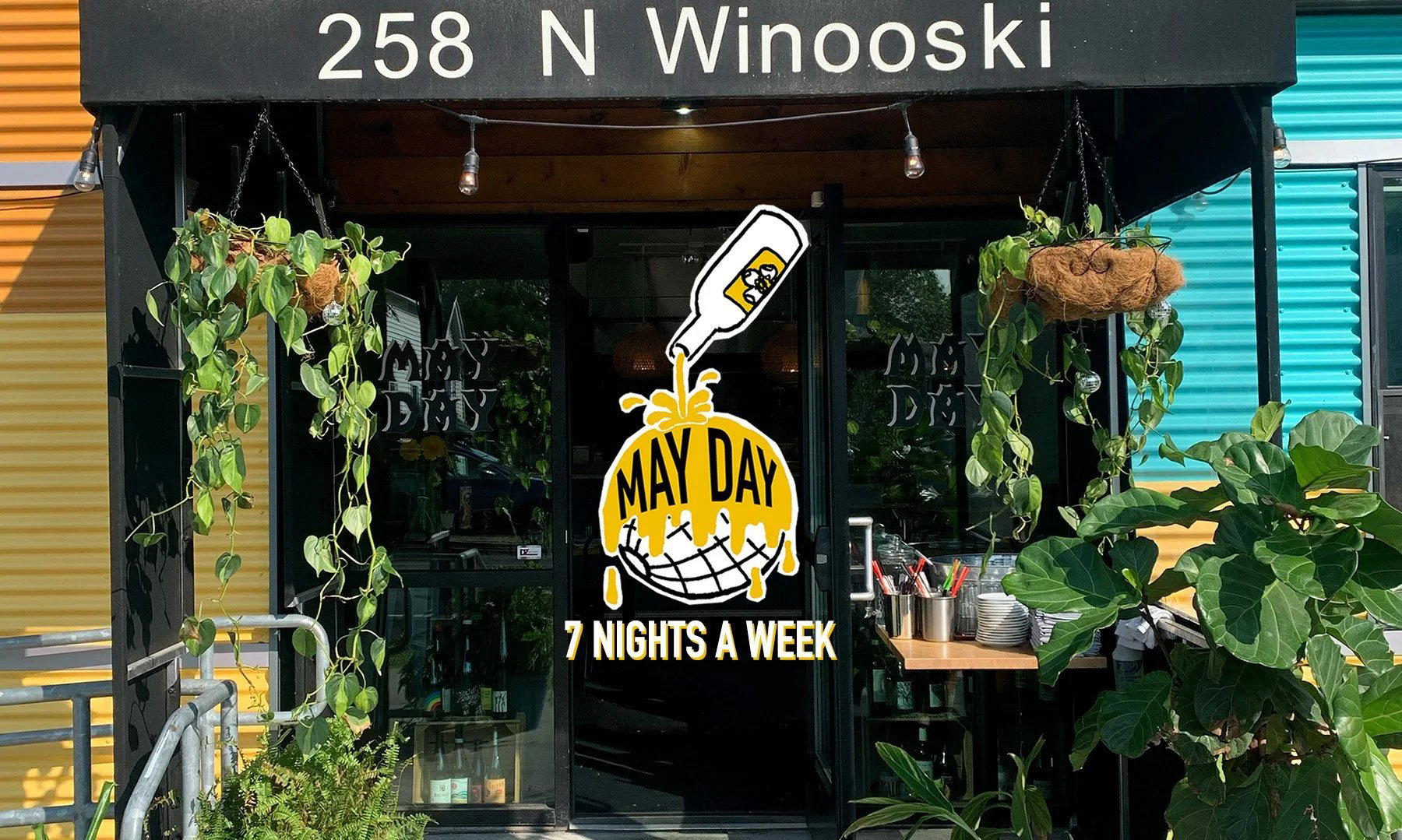
| May Day | Seasonal American Small Plates | $$ | Old North End |
Recognition history
Dated appearances from independent guides and award organizations, with the underlying list record or original source where available.
Diners, Drive-Ins and Dives Featured Restaurant
Diners, Drive-Ins and Dives · 2026 Diners, Drive-Ins and Dives Featured Restaurants
Continue exploring
More in Burlington
Restaurants in Burlington
Browse all →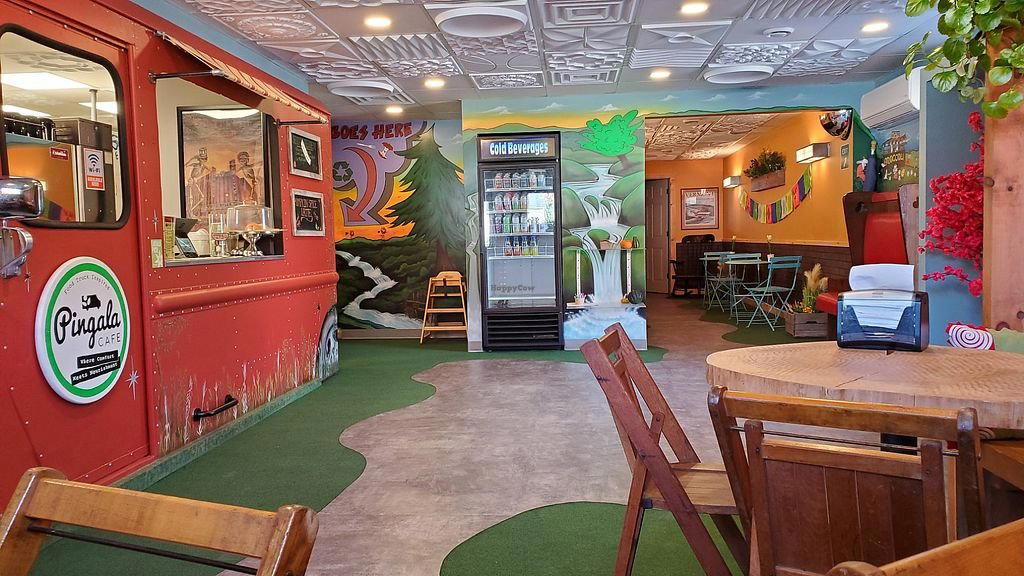

At a Glance
- Lively
- Rustic
- Cozy
- Casual
- Casual Hangout
- Group Dining
- Family
- Celebration
- Waterfront
- Historic Building
- Standalone
- Craft Cocktails
- Beer Program
- Local Sourcing
- Waterfront
Current opening hours
- Monday
- Closed
- Tuesday
- Closed
- Wednesday
- Closed
- Thursday
- 4:30–7:30 PM
- Friday
- 4:30–7:30 PM
- Saturday
- 4:30–8 PM
- Sunday
- 4:30–7:30 PM
Hours can change for holidays and private events. Last verified .
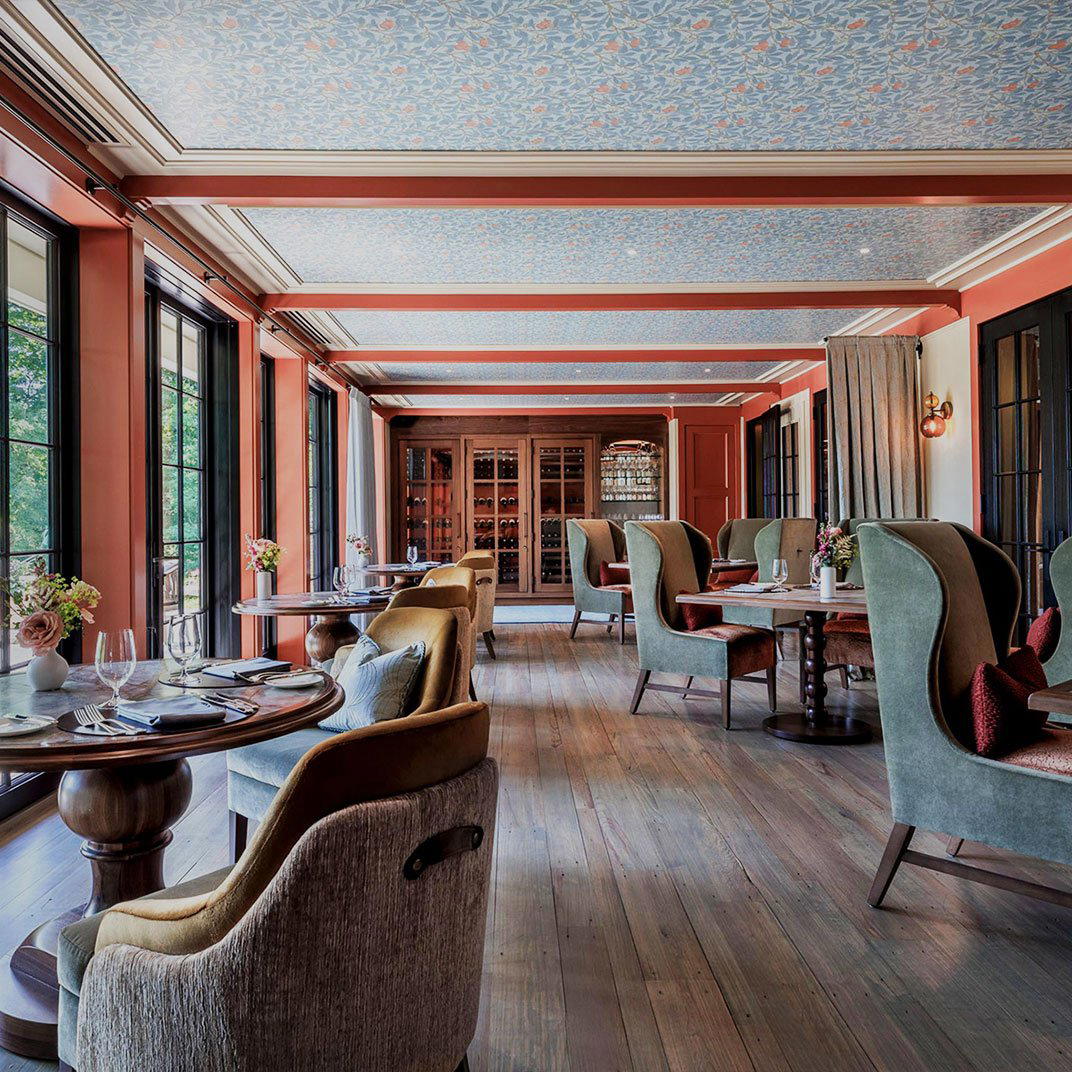
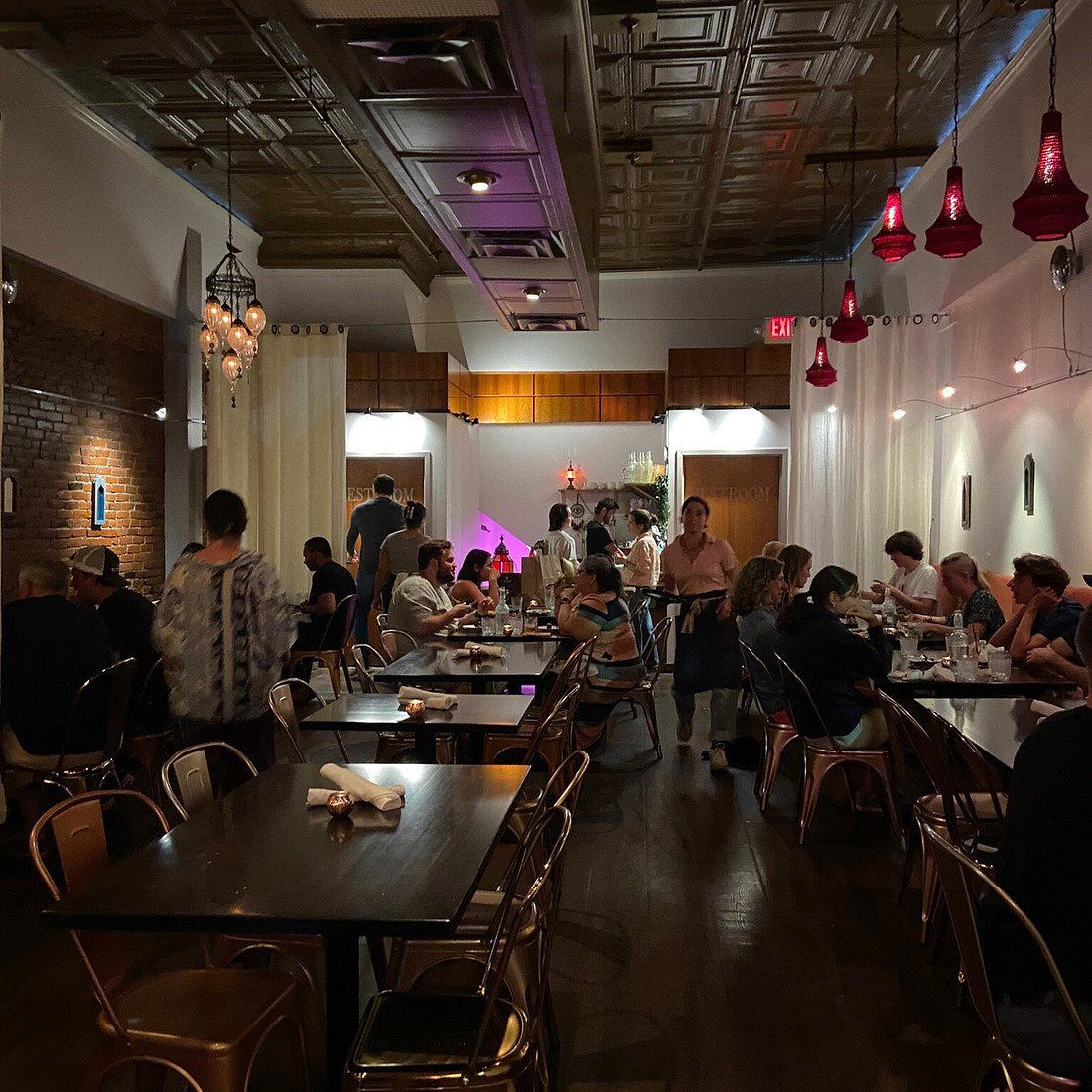
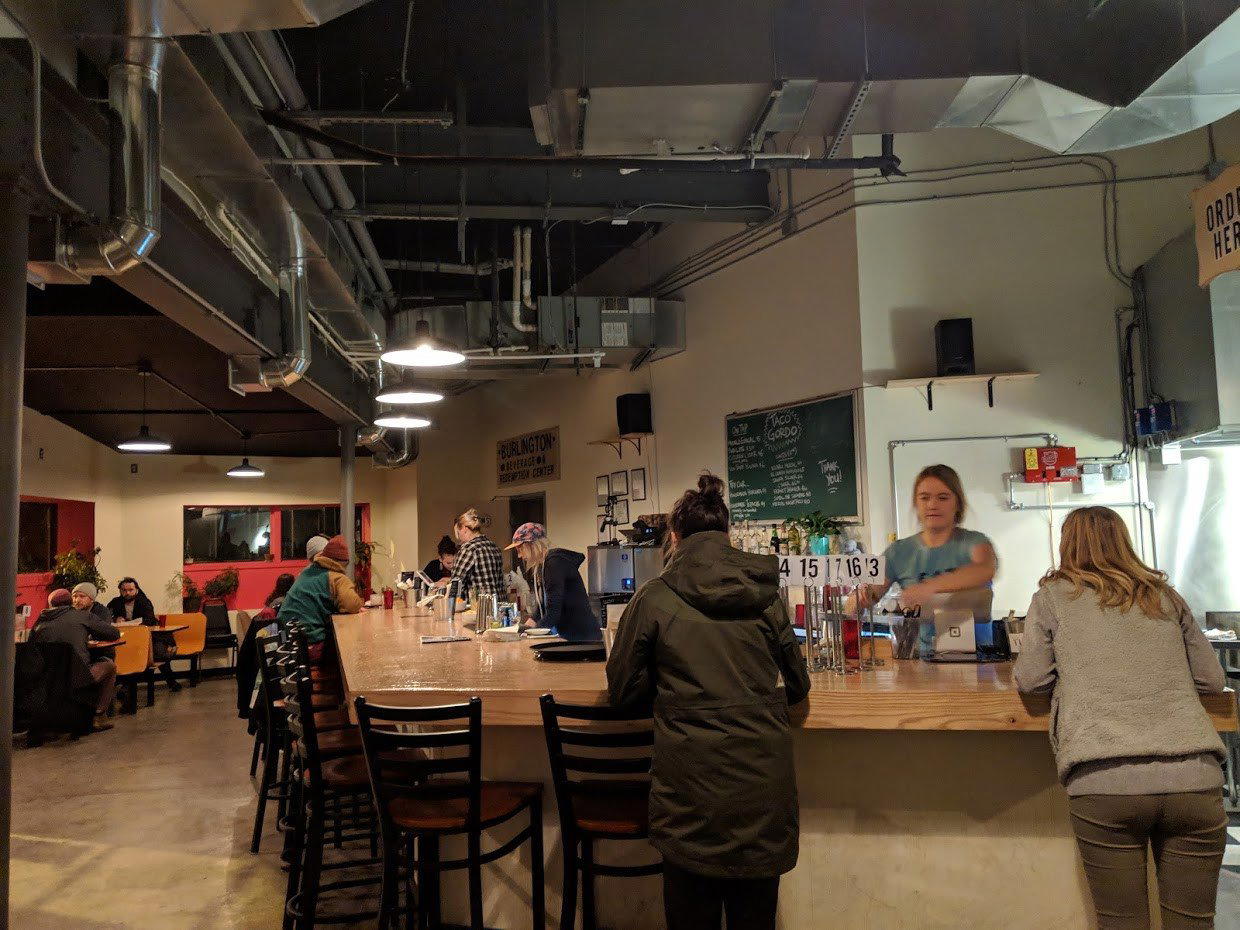
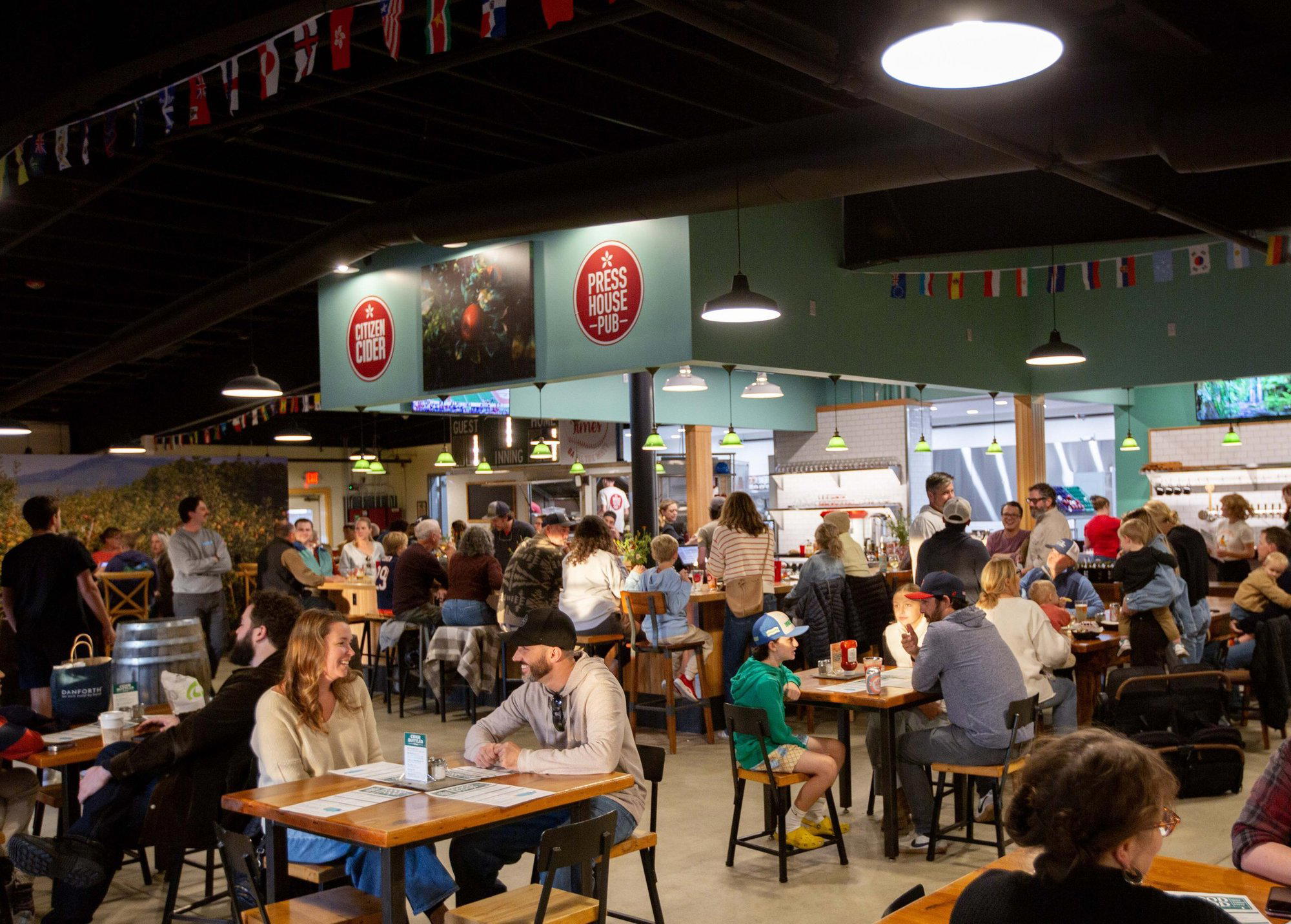
Fun and relaxed with vinyl tablecloths, cozy dining rooms, and screened-in porch overlooking the Winooski River; lively bar scene with craft beers and handcrafted cocktails.