Blue Nile Restaurant
Our verdict
Blue Nile Restaurant on Centre Street has anchored Jamaica Plain's Ethiopian dining scene for years, drawing a loyal neighbourhood crowd with communal platters built around injera and slow-cooked stews. The address puts it squarely on JP's most walkable corridor, within reach of several strong independent restaurants. It occupies a particular niche in a Boston neighbourhood that rewards those who look past the city's more publicised dining corridors.

Pearl is the En Primeur Club membership app — saves, bookings, and concierge access live there. Same editors, same standards.
- Address
- 389 Centre St, Boston, MA 02130
- Phone
- (617) 522-6453
- Hours
- Mon ClosedTue–Fri 4:30–10 PMSat–Sun 12–10:30 PM
- Website
- bluenileboston.com
- Directions
- Get directions
- Booking
- Book on OpenTable
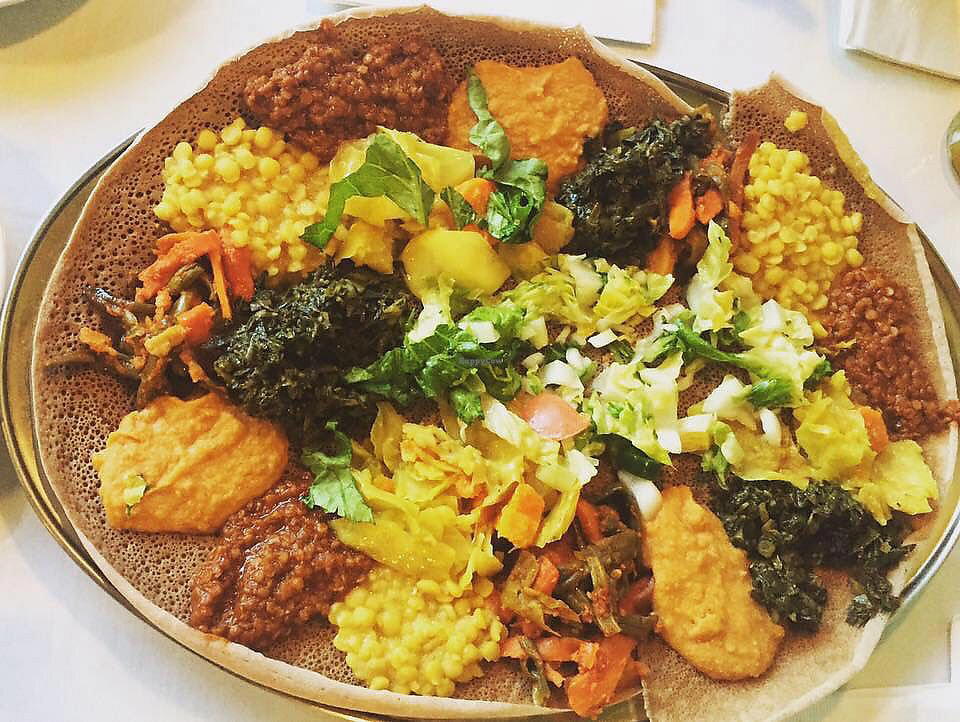
Centre Street and the Logic of Ethiopian Dining in Jamaica Plain
Jamaica Plain's Centre Street functions as a kind of informal index of the neighbourhood's culinary range. Within a few blocks you move between the vegetable-forward New American cooking at Brassica Kitchen, the direct Tex-Mex counter at Casa Verde Taqueria, the intimate farm-to-table format at Ten Tables, and the burrito-focused The Purple Cactus. Blue Nile Restaurant, at 389 Centre St, sits inside this pattern as the neighbourhood's representative of Ethiopian communal dining — a format with its own internal logic that differs sharply from the tasting-menu and prix-fixe structures that dominate Boston's more celebrated dining corridors.
Ethiopian restaurants, as a category, carry sourcing and preparation traditions that distinguish them from most of what surrounds them in American cities. The foundational element is injera, the spongy sourdough flatbread made from teff, a grain native to the Ethiopian highlands. Teff is gluten-light and nutritionally dense, and its fermentation — typically over two to three days, gives injera its characteristic slight sourness. That sourness is not incidental; it is the base flavour against which the spiced stews, called wot, are calibrated. Where farm-to-table restaurants in cities like Tarrytown or Healdsburg (see Blue Hill at Stone Barns and Single Thread Farm) build menus around sourcing provenance as a marketing proposition, Ethiopian kitchens have practised grain-specific sourcing as a structural necessity for generations.
What the Communal Format Actually Demands
The communal platter format that defines Ethiopian dining in the United States is often reduced in casual description to a kind of sharing-plate novelty. In practice, it reflects a different philosophy of sequencing and composition. There is no single protein anchored to a side, everything arrives together on a shared injera base, and the eater constructs each bite by tearing bread and gathering stew. The ratio of spice to fat to fermented grain matters across the whole spread, not course by course. Kitchens that execute this format well are managing flavour balance across eight or ten components simultaneously, not plating individually composed dishes.
The spice infrastructure in Ethiopian cooking is also worth understanding on its own terms. Berbere, the dried chilli, fenugreek, coriander, and black pepper blend central to many red stews, varies significantly by kitchen and by sourcing. Some Boston-area Ethiopian restaurants import their spice blends directly; others source from local Ethiopian-owned suppliers. The distinction is detectable in the depth and the heat profile of the finished wot. Niter kibbeh, the spiced clarified butter used in many dishes, similarly reflects how seriously a kitchen treats its foundational inputs. These are not garnishes, they are the architecture.
Blue Nile in the Context of Boston's Ethiopian Dining
Boston's Ethiopian restaurant presence is concentrated in a small number of neighbourhoods, with Jamaica Plain hosting the most consistent cluster. That concentration reflects the neighbourhood's demographic history: JP developed a significant East African immigrant population from the 1990s onward, and the restaurants that emerged from that community were written for that community first, not for culinary tourism. Blue Nile Restaurant sits in that lineage. Its address on Centre Street places it accessibly for the broader JP population while remaining embedded in a neighbourhood context that gives it a different character than, say, a high-concept Ethiopian restaurant positioned for downtown expense accounts.
The comparison set for Blue Nile is not Le Bernardin or Atomix. It is not competing in the tasting-menu tier represented by The French Laundry, Smyth, or Addison, nor does it operate with the ingredient-sourcing transparency programmes that define places like Lazy Bear or Providence. For the reader building a broader picture of Boston-area dining, the full Jamaica Plain restaurants guide maps the neighbourhood's range more completely.
Within that frame, the relevant question is not whether Blue Nile holds Michelin recognition or competes with the sourcing rigour of a kitchen like Atelier Moessmer Norbert Niederkofler or the regional precision of Frasca Food and Wine. It is whether the kitchen maintains the grain sourcing, spice blending, and fermentation timing that the format requires. Ethiopian dining done poorly is detectable quickly: injera that is too thick or too mild, wot that lacks the low-heat depth that comes from long cooking, berbere that reads as generic chilli heat rather than layered spice. Done well, it is one of the more nutritionally complete and technically demanding communal food traditions in the diaspora restaurant scene.
Getting There and Planning Your Visit
Blue Nile Restaurant is located at 389 Centre Street, Boston, MA 02130, in the Jamaica Plain neighbourhood. Centre Street runs along the Orange Line, making the restaurant accessible by MBTA from downtown Boston without a car. Jamaica Plain dining tends to fill on weekend evenings, and Ethiopian restaurants specifically tend to attract group bookings for the communal format. Given the neighbourhood's density of independent restaurants and the format's natural fit for groups of three or more, visiting on a weekday or arriving early on weekends is the practical approach. For broader planning across the neighbourhood, the Jamaica Plain guide covers additional context.
Frequently asked questions
What's the address for Blue Nile Restaurant?
Blue Nile Restaurant is located at 389 Centre St, Boston, MA 02130, Jamaica Plain.
What makes Blue Nile Restaurant a useful reference point for understanding Ethiopian dining in Boston?
Blue Nile at 389 Centre Street sits within Jamaica Plain's Centre Street corridor, which hosts Boston's most geographically concentrated cluster of Ethiopian restaurants. That density means diners can compare approaches to the cuisine within a single neighbourhood, and Blue Nile's presence within it reflects the area's established identity as Boston's primary address for East African food rather than an outlying standalone.
What dish is Blue Nile Restaurant famous for?
Blue Nile is rooted in the Ethiopian tradition of the communal platter: a shared spread of stews and accompaniments served on injera, the fermented teff flatbread that functions as both base and utensil. Jamaica Plain's Centre Street cluster has made this format one of the most accessible representations of Ethiopian cooking in Boston, and Blue Nile at 389 Centre St sits within that established context.
How hard is it to get a table at Blue Nile Restaurant?
Weekend evenings tend to draw a fuller room given the neighbourhood's density of regulars and the communal format's appeal to groups.
What's the standout thing about Blue Nile Restaurant?
Blue Nile's position on Centre Street places it within Jamaica Plain's most concentrated cluster of Ethiopian dining in Boston, which gives it a neighbourhood-embedded credibility rather than the isolated novelty of an Ethiopian restaurant in an area with no surrounding context. The communal platter format also rewards groups, making the meal a genuinely collective experience rather than a parallel set of individual plates.
Can Blue Nile Restaurant adjust for dietary needs?
Ethiopian cuisine is structurally accommodating for vegetarians, as the tradition includes a full category of plant-based stews and lentil preparations served alongside meat options on the shared platter.
Is a meal at Blue Nile Restaurant worth the investment?
Ethiopian dining in Boston remains among the more affordable sit-down formats in the city, and the communal platter at Blue Nile distributes cost across the table rather than concentrating it in individual orders. Specific pricing is not published, but the format's built-in generosity, multiple preparations for one shared price, tends to represent strong value relative to comparable neighbourhood options.
Fast Comparison
| Venue | Cuisine | Price |
|---|---|---|
| Blue Nile RestaurantThis venue — the venue you are viewing | Ethiopian | $20–30 |
| Brassica Kitchen | New American Fermentation-Forward | Not listed |
| Casa Verde Taqueria | Mexican Taqueria | $20–30 |
| Ten Tables | Seasonal American Bistro | Not listed |
| The Purple Cactus | California-Style Mexican Burritos & Wraps | $10–20 |
Continue exploring
More in Jamaica Plain
Restaurants in Jamaica Plain
Browse all →
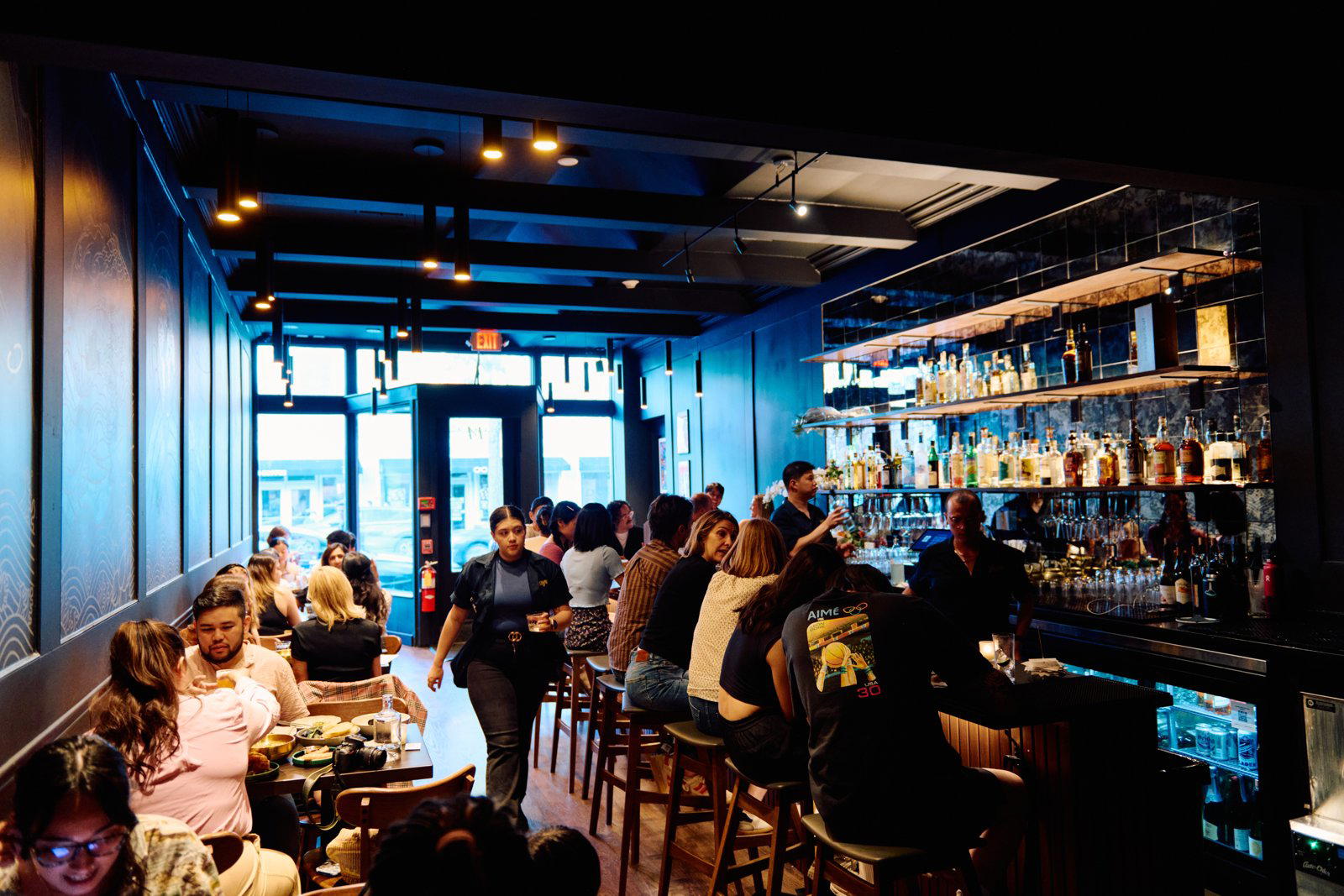
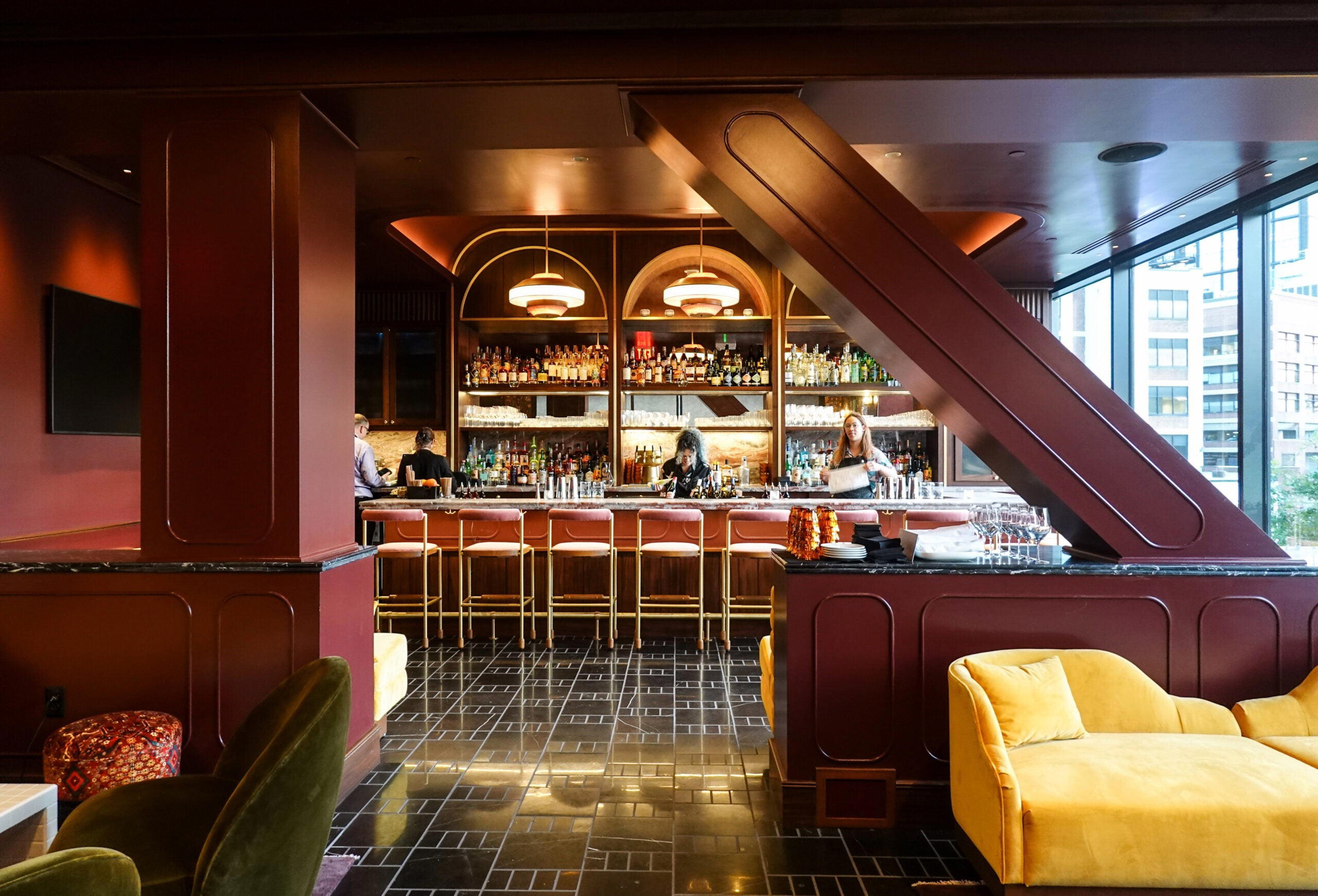
Bars in Jamaica Plain
Browse all →
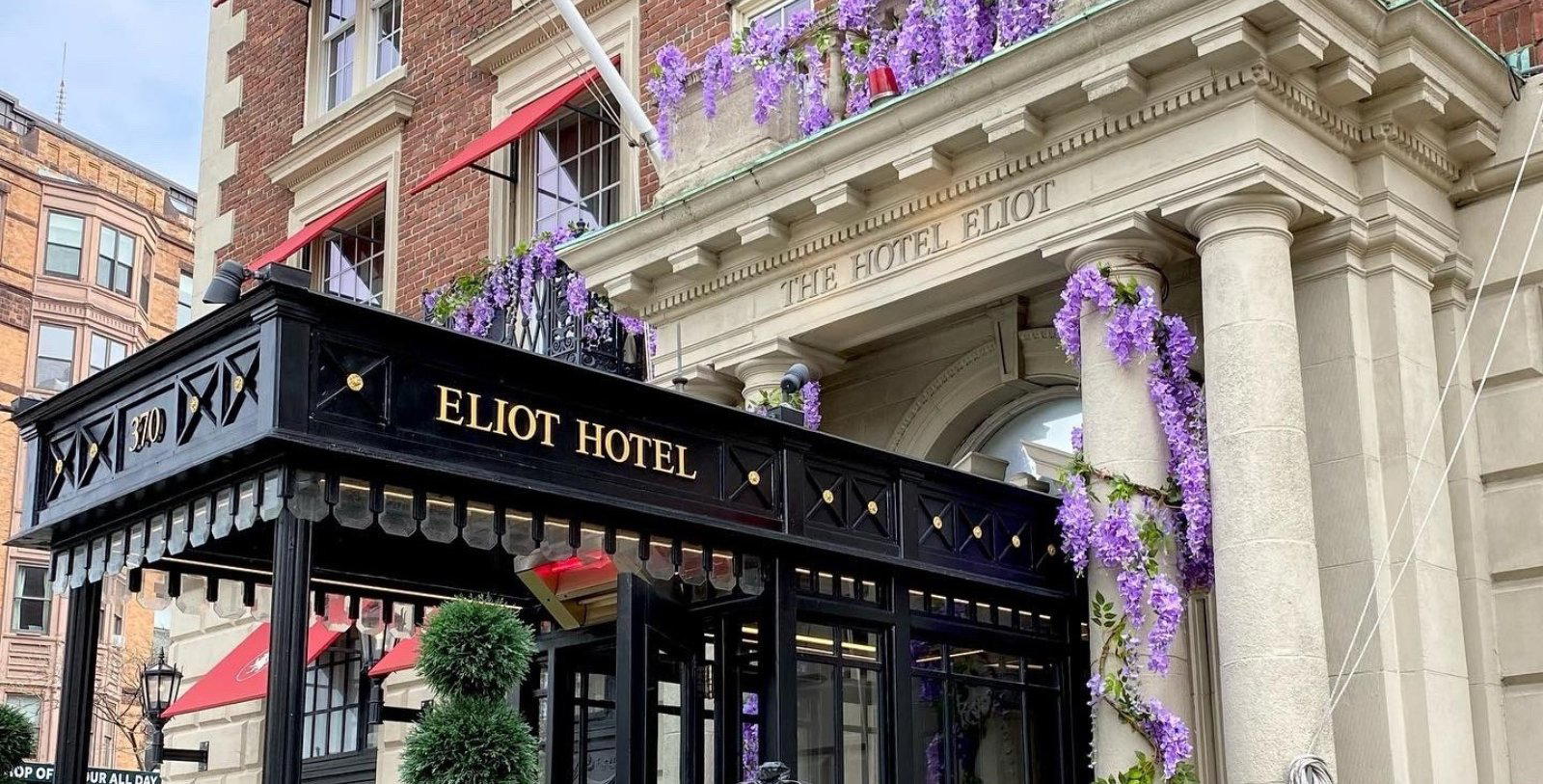
Hotels in Jamaica Plain
Browse all →
Wineries in Jamaica Plain
Browse all →

Details
- Cozy
- Intimate
- Casual Hangout
- Family
- A La Carte
- Vegetarian Friendly
- Vegan Options
Current opening hours
- Monday
- Closed
- Tuesday
- 4:30–10 PM
- Wednesday
- 4:30–10 PM
- Thursday
- 4:30–10 PM
- Friday
- 4:30–10 PM
- Saturday
- 12–10:30 PM
- Sunday
- 12–10:30 PM
Hours can change for holidays and private events. Last verified .
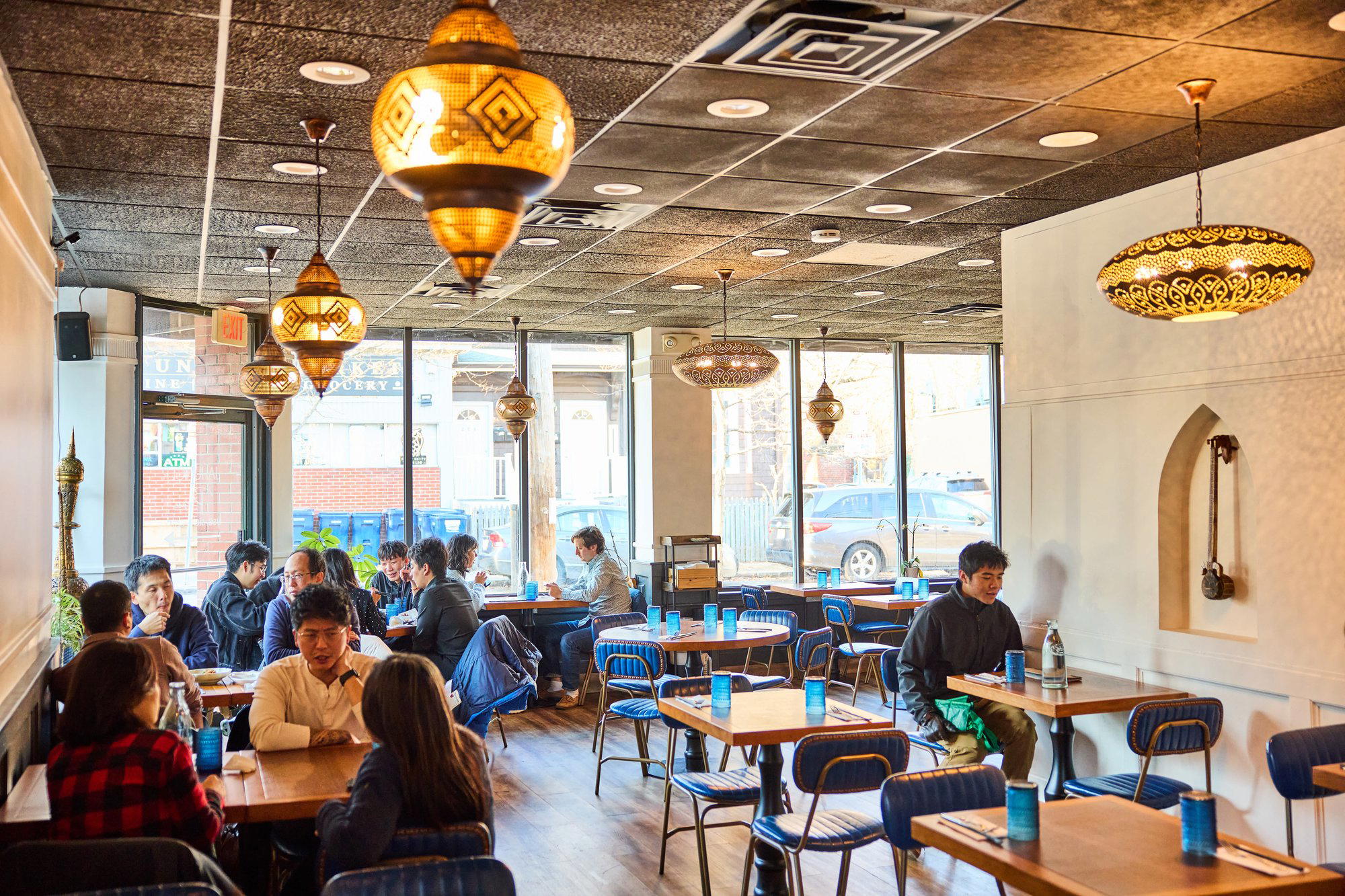
Calm and beautifully painted small space with Ethiopian art, creating a welcoming and clean atmosphere.