Goosefeather

Michelin Plate
Our verdict
Goosefeather brings Dale Talde's Hong Kong-influenced cooking to the historic Tarrytown House Estate, where a carriage house and two restored mansions provide one of the Hudson Valley's more distinctive dining settings. The menu pairs Cantonese technique with seasonal American ingredients, producing dishes like kung pao chicken wings with buttermilk dill ranch and bao filled with crispy shrimp, daikon, and cabbage. At the $$$price tier, it occupies a clear gap in the region's dining options.

Pearl is the En Primeur Club membership app, where members save venues, book tables and use the concierge.
The menu
What to order
- Shrimp bao
- Kung pao chicken wings
- Branzino
An Estate Dining Room in the Hudson Valley, Anchored by Cantonese Technique
The approach to Tarrytown House Estate sets up the meal before you reach the door. Sprawling grounds, a carriage house, and two restored historic mansions frame a setting that belongs to a particular American tradition of grand-estate hospitality, the kind that lines the Hudson River corridor between Manhattan and the Catskills. Inside that tradition, Goosefeather occupies an interesting position: a dining room where the architecture skews toward nineteenth-century New York and the kitchen skews toward Hong Kong.
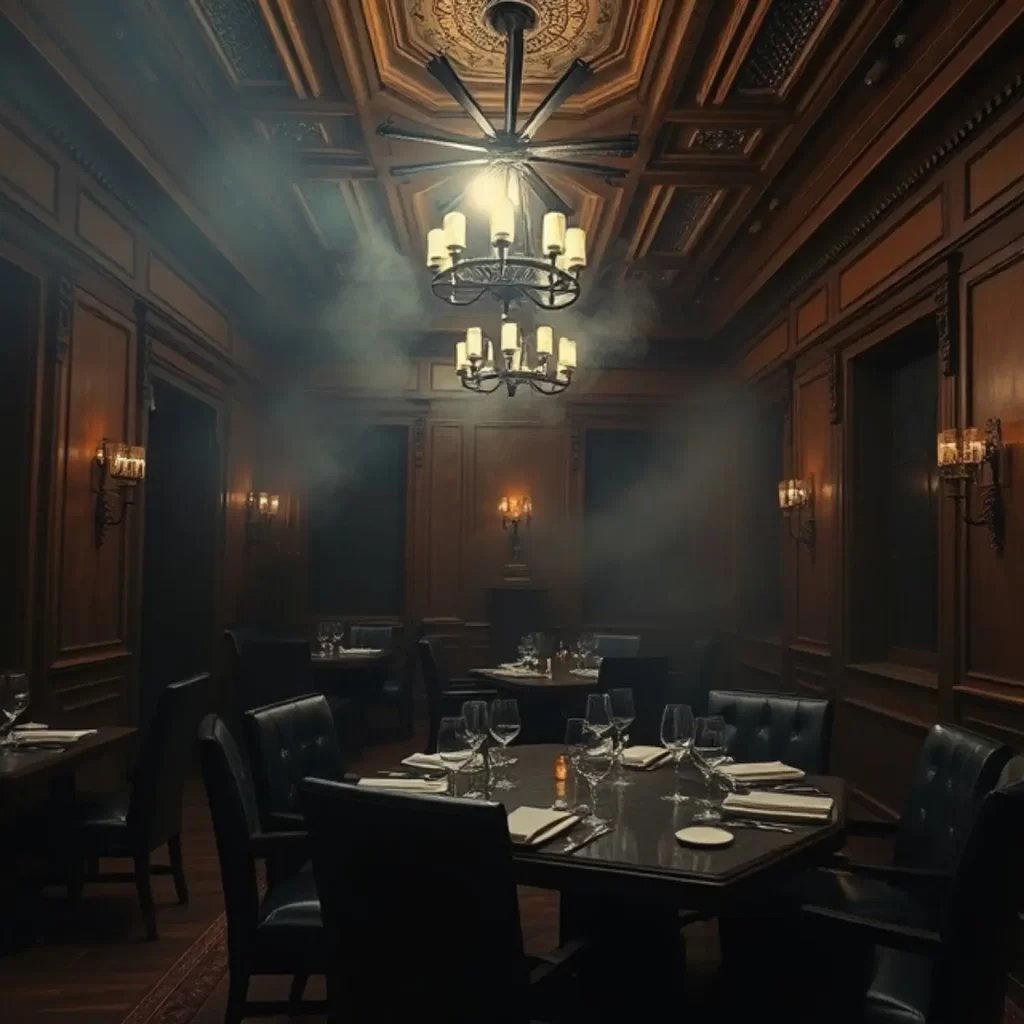
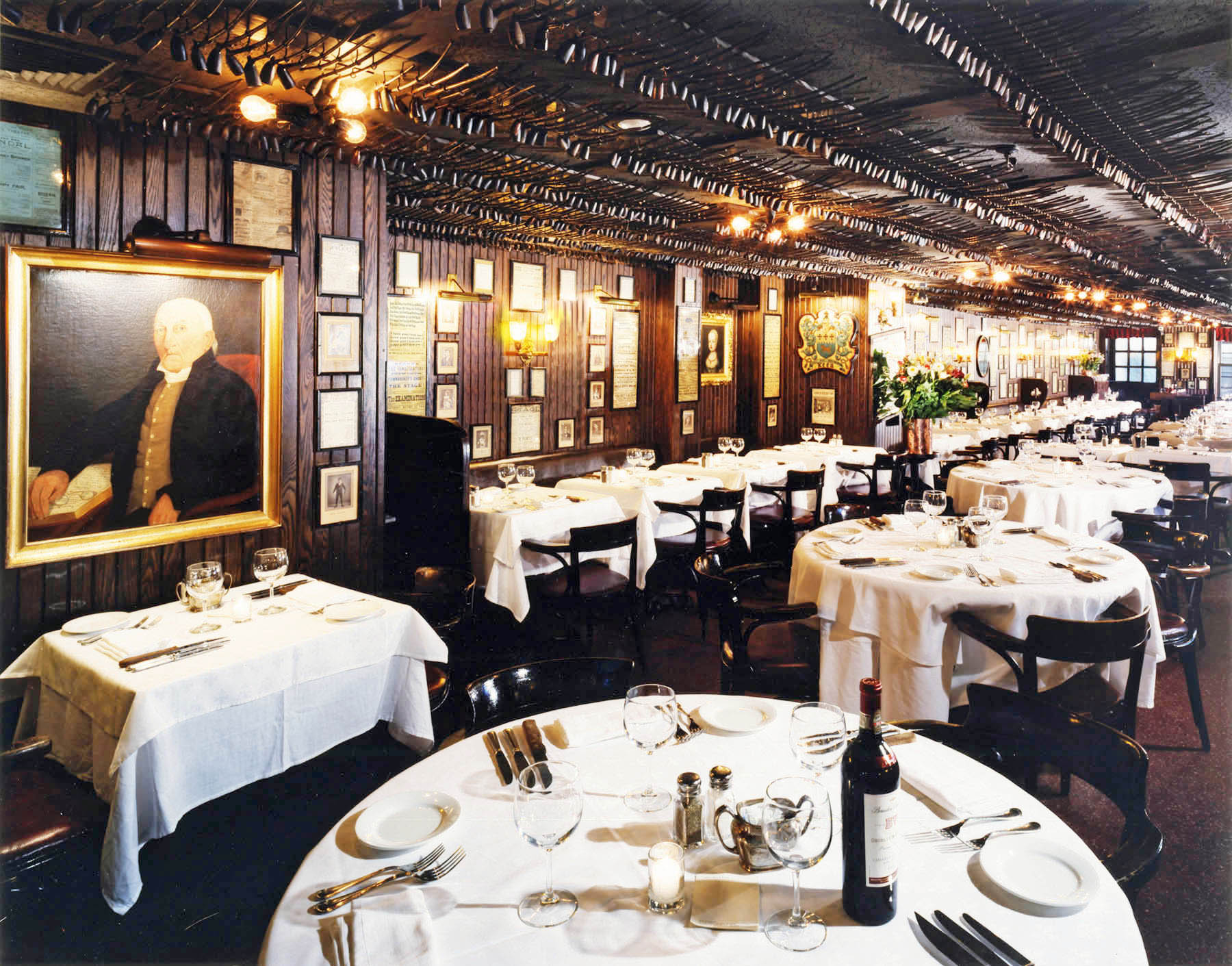
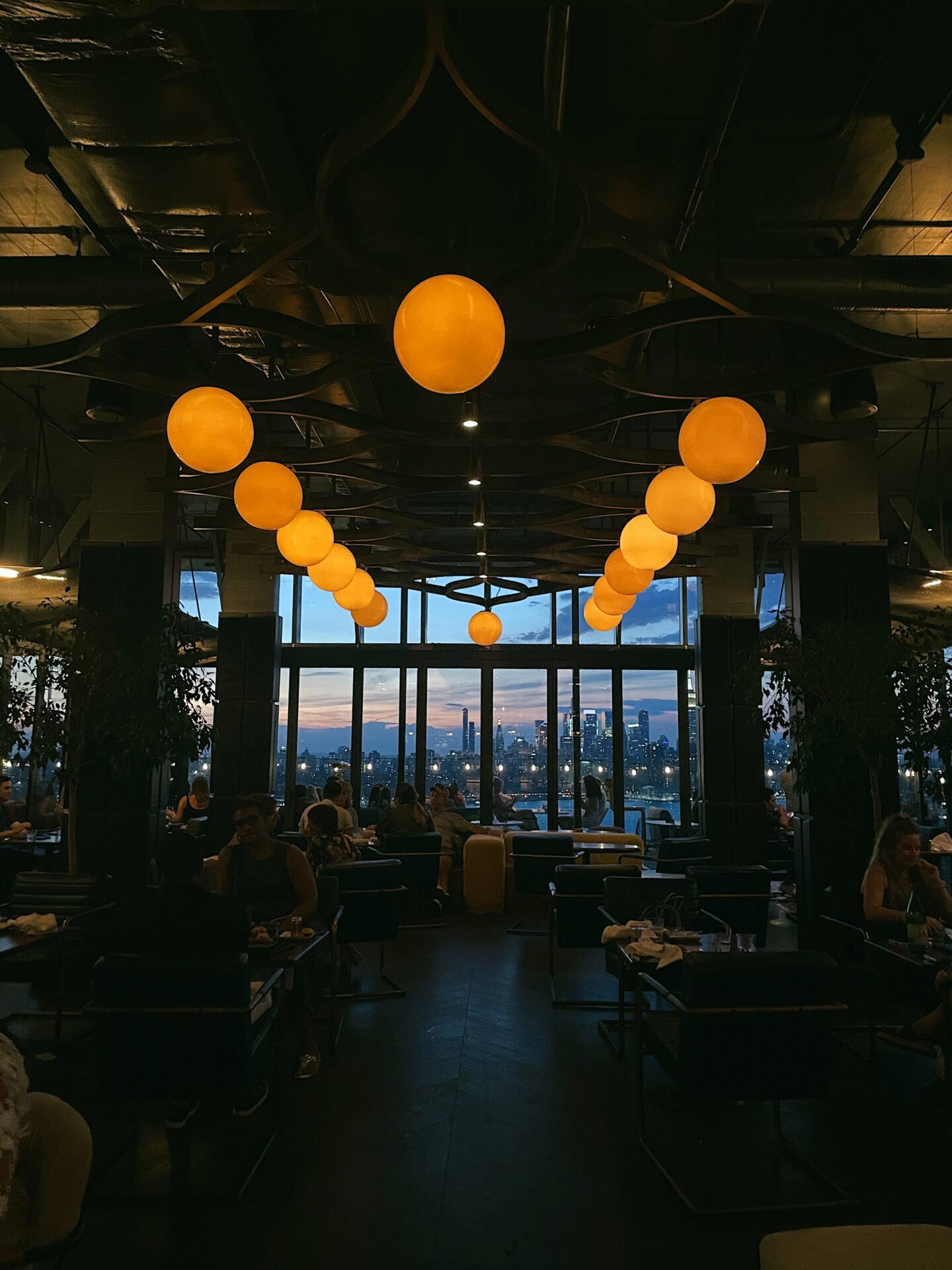
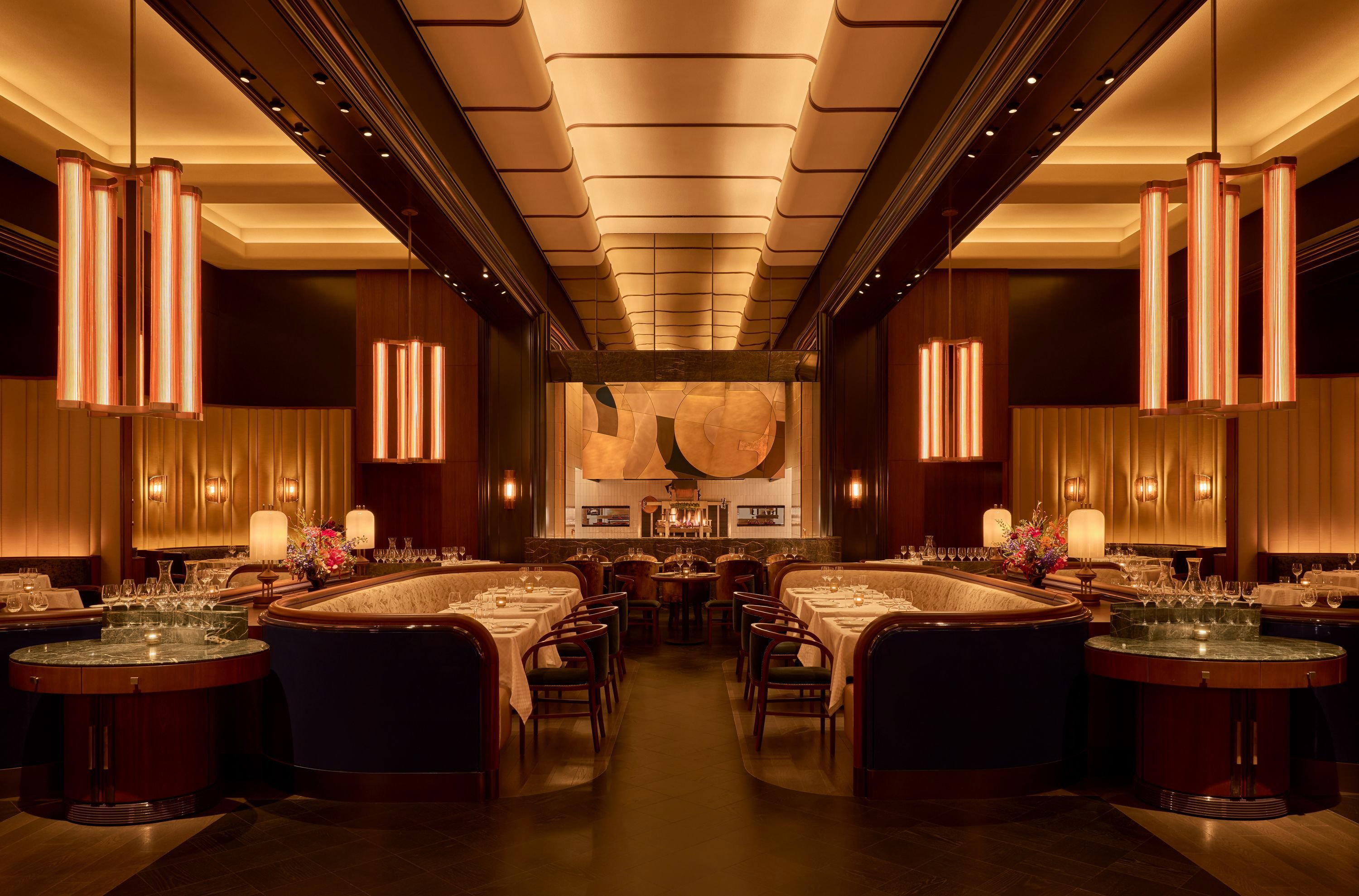
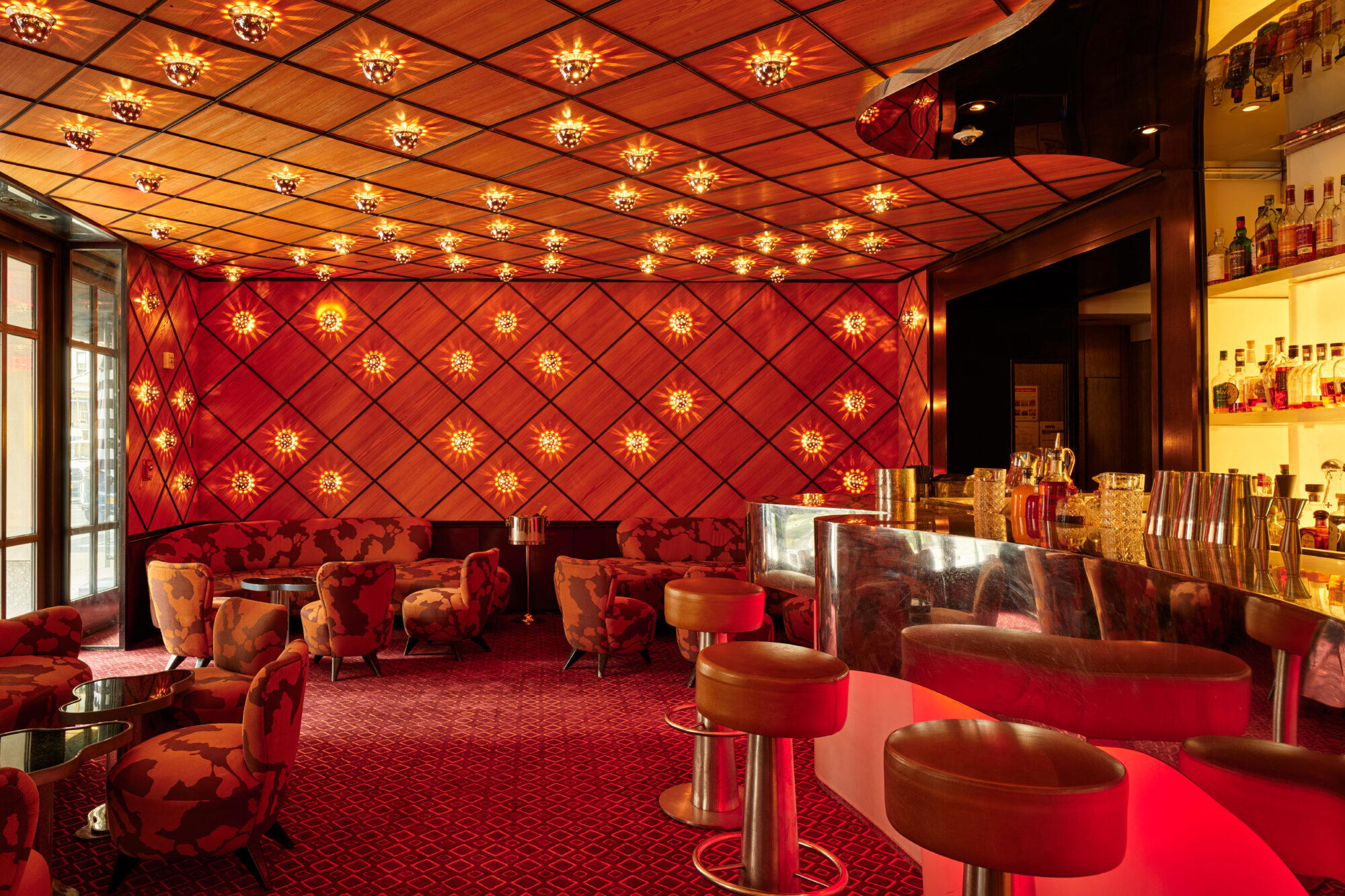
The physical space delivers what the address implies. Well-appointed nooks blend period detail with contemporary finishes, producing an interior that reads as grounded rather than precious. For the Hudson Valley dining circuit, which tilts heavily toward farm-to-table formats and European culinary references, a room anchored by Cantonese cooking is a genuine departure. The region has Blue Hill at Stone Barns for the progressive American argument and Mint Premium Foods for Mediterranean, but sustained, serious Chinese cooking at this estate register is harder to find north of the city.
The Wok and the Season: How Cantonese Cooking Translates Upstate
Cantonese cuisine is, at its technical core, a high-heat discipline. Wok hei, the slightly smoky, breath-of-the-wok character that defines properly executed stir-frying, depends on fire intensity and speed that most American kitchens are not configured to produce. It is a cuisine built on fast decisions: oil temperature, ingredient sequencing, the precise moment a protein lifts from the wok's surface. Getting that right outside of Hong Kong's specialized kitchen infrastructure is a meaningful credential.
Dale Talde, who has built a public profile around Hong Kong-style cooking, brings that technical frame to Goosefeather's menu while threading in seasonal American ingredients. The combination is less a fusion exercise than a practical negotiation between a cooking tradition rooted in fast, high-heat precision and a region defined by what local farms produce in a given month. When that negotiation works, the result is dishes that read as coherent rather than contrived: familiar Cantonese structures carrying ingredients and flavor modifiers drawn from the American pantry.
The kung pao chicken wings illustrate the approach. Kung pao is a preparation defined by dried chili heat, Sichuan peppercorn tingle, and the textural contrast between roasted peanuts and velveted protein. Applying that framework to chicken wings and pairing them with a buttermilk dill ranch dip introduces a register shift rather than a substitution: the ranch reads as counterpoint, cooling and acidic, against the chili-forward sauce. It is the kind of move that works when the base technique is sound. Similarly, the bao with crispy shrimp, daikon, and cabbage operates within a recognizable Cantonese bread-and-filling structure while using vegetable combinations and seasoning that reflect a lighter, more contemporary sensibility than a traditional char siu filling would produce.
For context on how seriously this approach is taken at its source, consider that 102 House in Shanghai and Chef Tam's Seasons in Macau represent the Cantonese fine-dining end of that spectrum. Goosefeather operates at a different register: American estate dining rather than Chinese tasting-menu formality, seasonal and approachable rather than technically exhaustive. The comparison is useful less for ranking than for locating the tradition Talde is drawing from.
Where Goosefeather Sits in the Broader American Fine-Dining Map
The American fine-dining circuit at the highest technical tier runs through kitchens like Le Bernardin in New York City, Alinea in Chicago, The French Laundry in Napa, Lazy Bear in San Francisco, Single Thread Farm in Healdsburg, Providence in Los Angeles, Addison in San Diego, The Inn at Little Washington, and Emeril's in New Orleans. These are destination kitchens built around long tasting menus, significant wine programs, and a dining experience measured in hours. Goosefeather does not compete in that tier.
What it does occupy is a less crowded category: serious cooking with a clear culinary identity, set inside an estate property that provides its own destination argument, at a price point ($$$ rather than $$$$) that makes a weeknight visit plausible. In the Hudson Valley, where the dining options worth driving to are spread across a long corridor, that combination has genuine utility.
Planning a Visit: Estate, Town, and the Practical Details
Goosefeather is located at 49 E Sunnyside Lane, Tarrytown, NY 10591, within the Tarrytown House Estate grounds. Tarrytown sits approximately 30 miles north of Midtown Manhattan via the I-87 corridor, accessible by Metro-North's Hudson Line to Tarrytown station, making it a workable dinner excursion from the city for those who prefer not to drive. The estate setting means parking is available on-site, which simplifies arrival compared with the town's more central dining options.
For visitors building a broader Tarrytown itinerary, the full picture of what the area offers across dining, accommodation, bars, wineries, and cultural programming is covered in our full Tarrytown restaurants guide, hotels guide, bars guide, wineries guide, and experiences guide. The estate grounds themselves, with the carriage house and mansion architecture, add a layer of context that is worth arriving early to absorb, particularly in the warmer months when the property reads at its most theatrical.
What to Know Before You Go
What dish is Goosefeather famous for?
Two dishes draw the most consistent attention: the kung pao chicken wings, served with a buttermilk dill ranch dip that works as a cooling counterpoint to the chili-forward sauce, and the bao filled with crispy shrimp, daikon, and cabbage. Both reflect Dale Talde's approach of applying Cantonese technique and structure to ingredients and flavor references drawn from the American kitchen. The bao in particular has been cited as a reason to visit in its own right, operating within a traditional Cantonese bread-and-filling format while delivering a lighter, more contemporary result than the classic preparations it references. For Cantonese cooking at comparable ambition levels, 102 House in Shanghai and Chef Tam's Seasons in Macau provide useful reference points for the tradition Goosefeather is drawing from.
Frequently asked questions
Where do I go for Goosefeather?
Goosefeather is located at 49 E Sunnyside Ln, Tarrytown, NY 10591, Tarrytown.
A Quick Peer Check
Comparable venues nearby, for context on price, style, and recognition.
| Venue | Cuisine | Price | Awards | Notes |
|---|---|---|---|---|
| GoosefeatherThis venue (the venue you are viewing) | Modern Hong Kong-style Cantonese | Not listed | Michelin Plate | Not listed |
| Mint Premium Foods | Mediterranean Fine Dining | $30–50 | Michelin Plate | Tarrytown Main Street |
| Blue Hill at Stone Barns | Farm-to-Table Fine Dining | $200–300 | 2 Michelin Stars · World's 50 Best #28 | Pocantico Hills |
| Mr. Chow | Authentic Beijing Chinese | $150–200 | Not listed | East Midtown-Turtle Bay |
| Clocktower | Modern British Brasserie | Not listed | Wine Spectator Best of Award of Excellence | Midtown South-Flatiron-Union Square |
| Enso | Modern Edomae Omakase | $150–200 | Michelin Plate | Williamsburg |
Recognition history
Dated appearances from independent guides and award organizations, with the underlying list record or original source where available.
Michelin Plate
Michelin
Continue exploring
More in Tarrytown
Restaurants in Tarrytown
All restaurants in Tarrytown →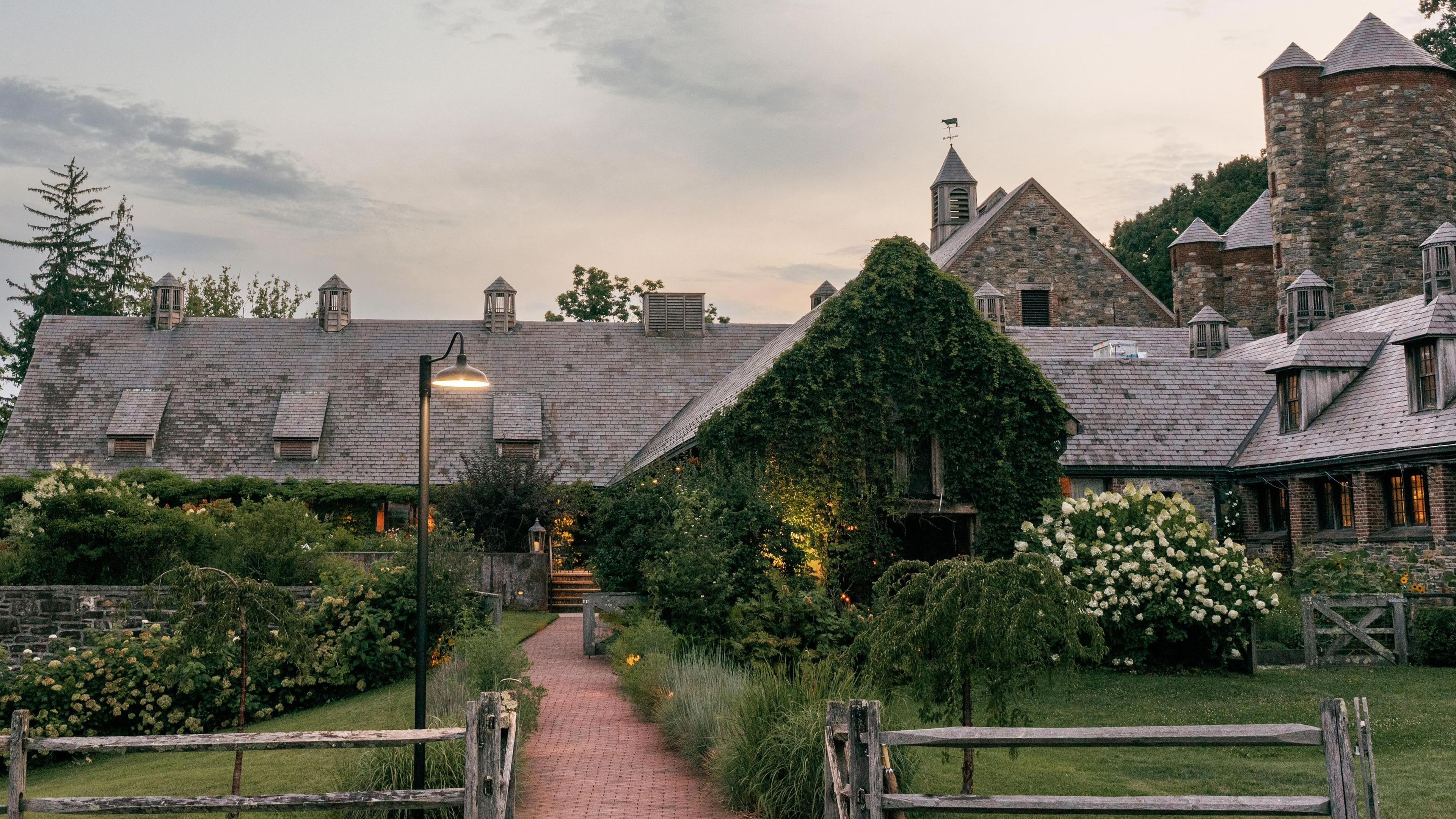
Bars in Tarrytown
Browse all →





Details
- Elegant
- Sophisticated
- Cozy
- Modern
- Classic
- Special Occasion
- Date Night
- Group Dining
- Hotel Restaurant
- Historic Building
- Craft Cocktails
- Garden
- Small Plates
- A La Carte
- Vegetarian Friendly
- Gluten Free Options
Current opening hours
- Monday
- 5–9 PM
- Tuesday
- 5–9 PM
- Wednesday
- 5–9 PM
- Thursday
- 5–9 PM
- Friday
- 5–10:30 PM
- Saturday
- 11 AM–2:30 PM, 4–10:30 PM
- Sunday
- 11 AM–2:30 PM, 4–8 PM
Hours can change for holidays and private events. Hours as of .
Dim lighting in wood-paneled rooms with art deco ceilings, blending old-fashioned charm and new-world elements, but often described as noisy and chaotic.