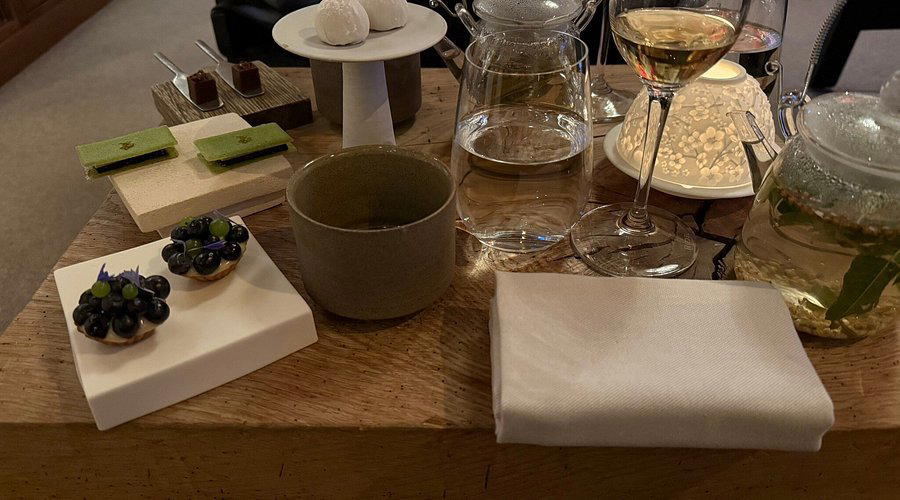
Bloomster Stockholm occupies a quiet address on Sibyllegatan 26 in Östermalm, one of the city's most curated dining neighbourhoods. It sits within a Stockholm fine-dining scene that has grown increasingly specific in its ambitions, where floral and botanical influences now inform kitchen thinking as directly as Nordic produce traditions. A focused choice for diners who want deliberate, ingredient-led cooking in a residential setting away from the city's main tourist corridors.
Pearl is the En Primeur Club membership app — saves, bookings, and concierge access live there. Same editors, same standards.
- Address
- Sibyllegatan 26, 114 42 Stockholm, Sweden
- Phone
- +46 8 661 10 29
- Website
- bloomster.se
- Directions
- Get directions
 Saves & bookings on Pearl
Östermalm and the Quiet Side of Stockholm Fine Dining
Stockholm's fine-dining map has two distinct registers. The first is the high-visibility tier: the internationally tracked restaurants with global press coverage, multi-year booking queues, and price points that bracket them with Copenhagen and Tokyo peers. Frantzén and AIRA operate in that register. The second is quieter, more neighbourhood-rooted, and in some ways more representative of how Stockholm actually eats at the serious end: focused rooms on residential streets, where the draw is the kitchen's point of view rather than the spectacle of the booking itself.
Sibyllegatan 26 sits in Östermalm, the east-central district that has long served as Stockholm's address for considered, upper-middle dining. The neighbourhood is not the city's flashpoint for avant-garde experimentation, that role belongs to pockets of Södermalm and certain converted industrial spaces further out, but it is where kitchens with a clear identity and a settled clientele tend to consolidate. Bloomster Stockholm occupies that address and, by its name alone, signals a specific orientation: blomster is Swedish for flowers, and in contemporary Nordic cooking, that word carries genuine culinary weight.
Botanical Thinking in Nordic Kitchens
The integration of floral and botanical elements into serious Nordic cooking is not a recent affectation. It traces back through the broader New Nordic movement that formalised in Copenhagen in the mid-2000s and spread into Sweden's kitchen culture throughout the following decade. What began as foraging-led garnish has matured into structural ingredient logic: flowers contributing acidity, bitterness, or aromatic lift in ways that shift how a dish is built from the base up. Restaurants like Adam / Albin and Aloë represent different points on the Stockholm interpretation of this tradition, and the category is broad enough to contain significant variation in execution and ambition.
A kitchen that foregrounds botanical influence is making a specific editorial claim about how it sources and sequences ingredients. It is also making a seasonal commitment that is harder to sustain than a protein-led menu: flowers and botanicals have narrow windows, and a kitchen built around them must either track those windows precisely or develop preservation techniques, fermentation, oil infusion, dehydration, that extend their relevance across the calendar. Either approach signals a kitchen that is thinking about ingredient logic at a more granular level than most.
This is the culinary context into which Bloomster Stockholm steps. The name functions as a positioning statement within a city that has been running its own version of the Nordic botanical conversation for over a decade.
What the Östermalm Address Implies
Dining rooms on Sibyllegatan do not depend on foot traffic to fill seats. Östermalm's residential character means that restaurants here are found deliberately, by people who already know what they are looking for. That dynamic tends to produce a specific room atmosphere: quieter, less performative, with a clientele that arrived by choice rather than proximity. For certain types of cooking, particularly those that reward attention and reward the absence of distraction, this setting is an advantage rather than a limitation.
The comparison set for a restaurant at this address and in this culinary register includes Stockholm rooms that prioritise craft over theatre. Operakällaren represents the city's grand-dining tradition from a different era and a different address, but it anchors one end of the seriousness spectrum. Newer rooms that have built followings without chasing the international ranking circuit occupy the middle ground where Bloomster sits.
Beyond Stockholm, the wider Swedish fine-dining scene has produced a number of kitchens worth tracking in parallel. Vollmers in Malmö, Signum in Mölnlycke, and VYN in Simrishamn each demonstrate how seriously the country's regional kitchens have absorbed and extended the New Nordic template. ÄNG in Tvååker and PM & Vänner in Växjö add further points of reference for the range of approaches Swedish kitchens are currently exploring. Stockholm remains the densest concentration of ambition, but the national picture is broader than the capital alone.
Seasonality and the Botanical Kitchen Calendar
Swedish latitude makes seasonality non-negotiable in a way that Mediterranean or equatorial kitchens do not face. Stockholm sits above the 59th parallel, meaning the growing season is compressed, daylight shifts dramatically across the year, and the ingredients available in June bear almost no resemblance to those available in November. For a kitchen with botanical emphasis, this compression is both a constraint and the source of the cooking's tension and interest.
Spring and early summer represent peak botanical range in this climate: elderflower, wood sorrel, lilac, and dozens of less-catalogued species move through short windows and define menu structure in those weeks. Autumn pivots toward preserved forms and root-adjacent flavours. A well-run kitchen in this tradition is effectively running two distinct menus across the year, with a transitional period on each end that tests how fluidly the kitchen can move between registers. Internationally, restaurants working this kind of tight seasonal logic, Lazy Bear in San Francisco with its foraged-and-fermented framework, or the technically rigorous approach at Le Bernardin in New York in a different idiom, demonstrate that ingredient discipline and seasonal commitment are credibility markers that travel across culinary traditions.
Planning a Visit
Sibyllegatan 26 is accessible from central Stockholm without difficulty: Östermalm is well-served by the Tunnelbana, with Östermalmstorg station placing visitors within easy walking distance. For diners travelling from outside the city, the neighbourhood clusters several serious restaurants within a compact area, making it feasible to build an evening around the address. Restaurants at this level in Stockholm typically require advance booking, and a kitchen with botanical emphasis is likely to run a short, frequently changing menu format. Diners approaching from other Swedish destinations can reference the southern Sweden circuit, including Hoze in Gothenburg, Claesgatan 8 in Malmö, Sydkustens at Pillehill in Skivarp, Bistro Jarlen in Halmstad, and Knystaforsen in Rydöbruk, as part of a broader Swedish dining itinerary that uses Stockholm as a northern anchor.
Pricing, Compared
Comparable venues nearby, for context on price, style, and recognition.
| Venue | Cuisine | Price |
|---|---|---|
| Bloomster StockholmThis venue — the venue you are viewing | Östermalm, other | $$$ |
| The Flying Elk | Gamla Stan, Modern Gastropub | $$$ |
| Jussi Björlings allé | Norrmalm, Scandinavian Café & Brunch | $$ |
| The Bistro | Hotel bistro | Not listed |
| Drop Coffee | Södermalm, Specialty Coffee Cafe | $$ |
| Tak | Norrmalm, Nordic-Japanese Fusion | $$$ |
Continue exploring
More in Stockholm
Restaurants in Stockholm
Browse all →
Bars in Stockholm
Browse all →
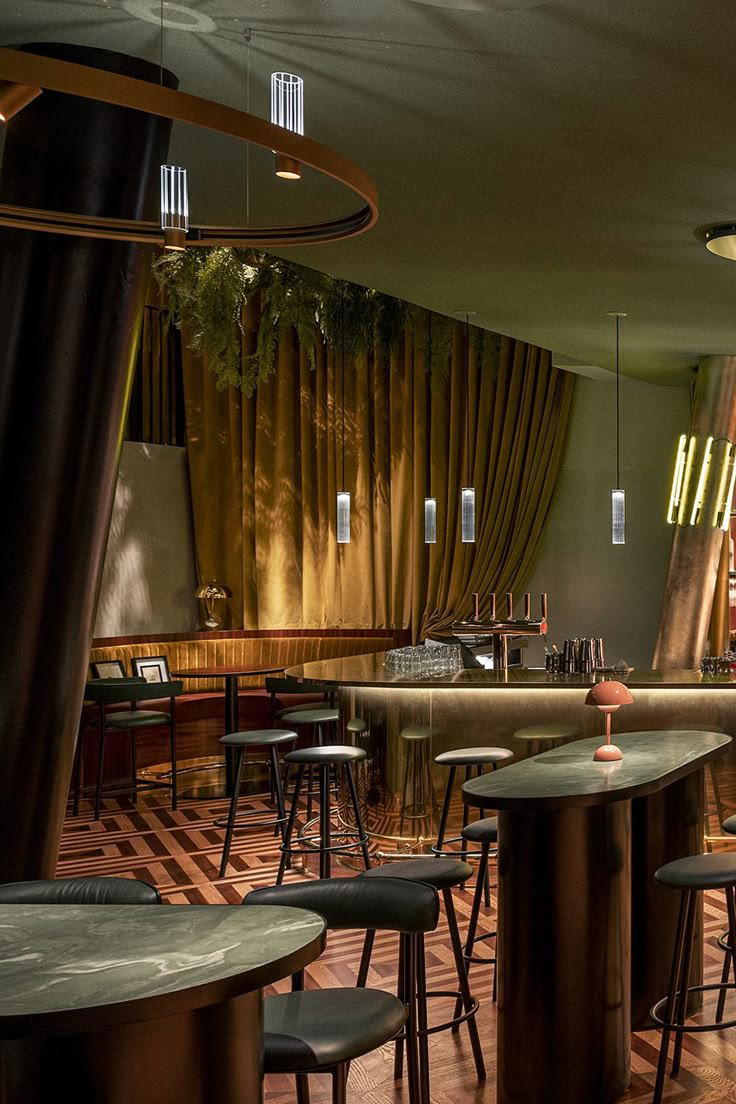
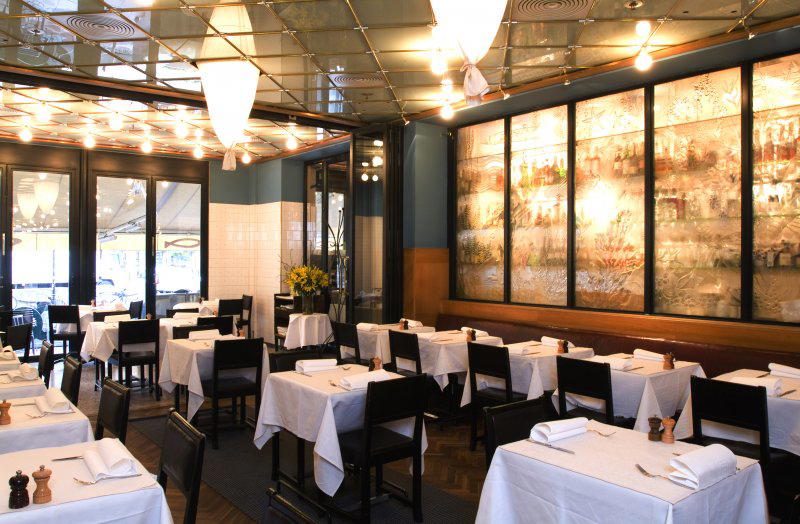
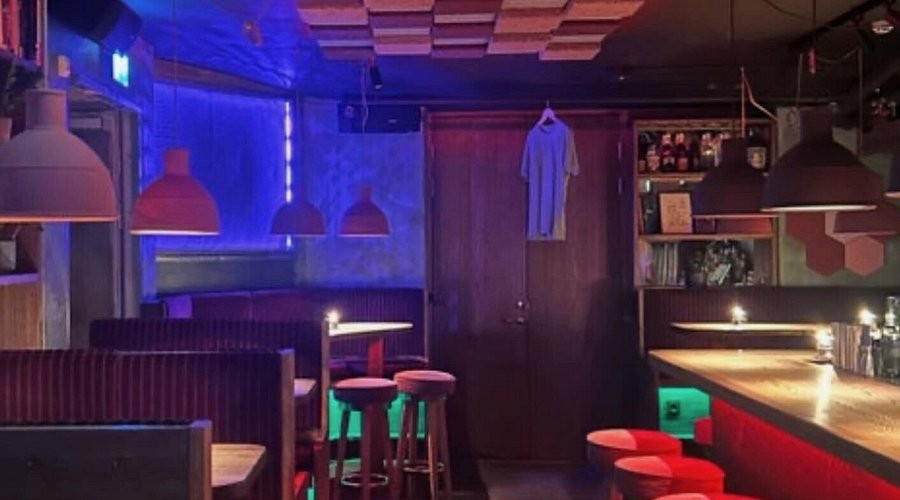
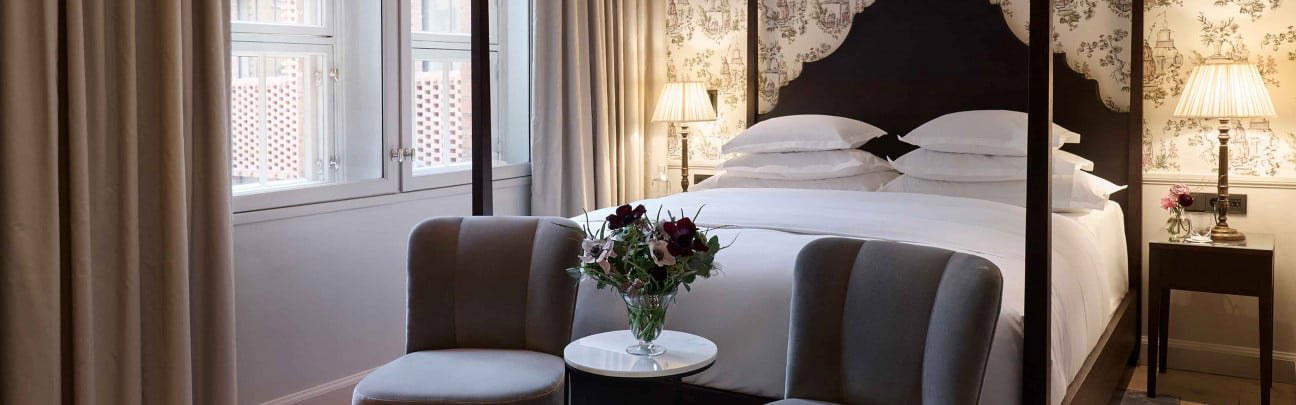
At a Glance
- Modern
- Elegant
- Minimalist
- Design Destination
Current opening hours
- Monday
- 12–6 PM
- Tuesday
- Closed
- Wednesday
- 10 AM–6 PM
- Thursday
- 10 AM–6 PM
- Friday
- 10 AM–6 PM
- Saturday
- 12–6 PM
- Sunday
- Closed
Hours can change for holidays and private events. Last verified .
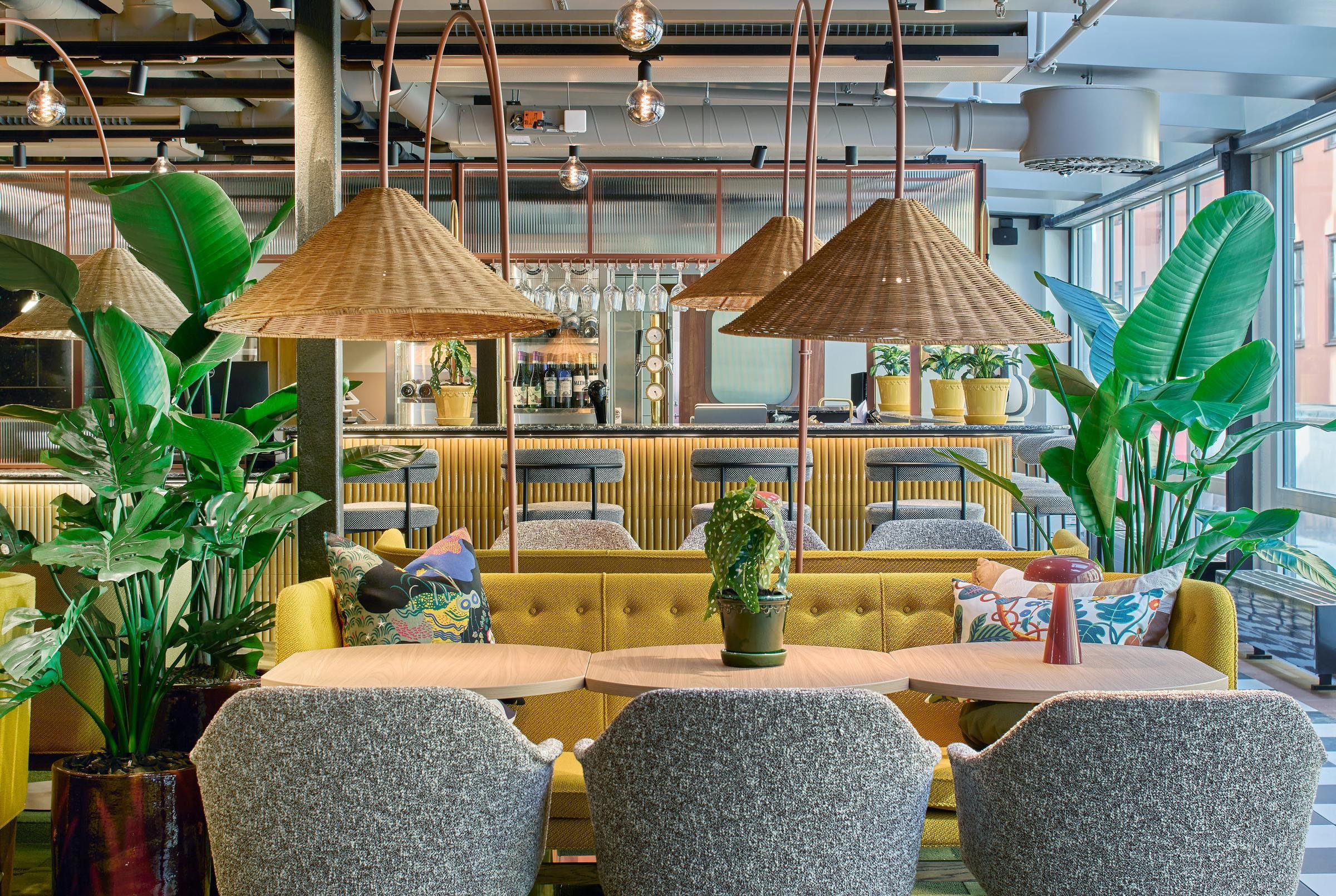
Contemporary and modern interiors with minimalist aesthetic.