Jussi Björlings allé is a Stockholm address that places itself within the city's tradition of combining cultural memory with considered dining. Set against the backdrop of a city that takes its dining rituals seriously, it sits in a scene where pacing, sequence, and setting carry as much weight as what arrives on the plate. For visitors mapping Stockholm's restaurant geography, it represents a point of reference worth understanding.
Pearl is the En Primeur Club membership app — saves, bookings, and concierge access live there. Same editors, same standards.
- Address
- Stockholm, Sweden
- Directions
- Get directions
 Saves & bookings on Pearl
Where Cultural Memory and the Dining Ritual Meet
Stockholm's relationship with its own cultural figures is embedded in the city's physical fabric, from street names to concert halls, in ways that quietly shape how residents and visitors move through its neighbourhoods. Jussi Björlings allé is a Scandinavian café and brunch restaurant in Stockholm, Sweden, with an average price of about $18 per person. The city has a long habit of attaching serious cultural weight to its public spaces, and an address bearing that name carries an expectation of a certain register: measured, considered, unhurried. That framing matters when thinking about how dining in this part of Stockholm tends to work.
Stockholm's fine dining scene has spent the past decade consolidating around a handful of recognisable poles. At one end, globally recognised tasting-menu operations like Frantzén and AIRA anchor the city's claim to serious gastronomic standing. At another, institutions like Operakällaren sustain a tradition of Swedish formal dining that predates the Nordic wave by generations. Between these poles, a cluster of addresses has emerged that operates with less fanfare but with genuine attention to craft, format, and ritual. Jussi Björlings allé reads as part of that middle register: a Stockholm address where the architecture of the meal, its pacing, its sequence, its quiet codes of service, matters as much as any single dish.
The Ritual Architecture of a Stockholm Meal
In cities where dining culture runs deep, the structure of the meal is itself a form of communication. Stockholm's leading tables have largely moved away from à la carte maximalism toward formats that insist on a shared tempo: everyone at the table moves through the same sequence, at roughly the same pace, guided by a kitchen that has thought carefully about progression. This is not merely a fashion borrowed from Copenhagen or Tokyo; it reflects something older in Scandinavian hospitality, a belief that generosity is expressed through care and sequence rather than volume or spectacle.
At venues operating in this register, arrival matters. You do not simply sit down and order; you are received, oriented, and then allowed to settle into a pace that the kitchen and the room together set. Comparable addresses in Stockholm, including Aloë and Adam / Albin, have built their identities around exactly this discipline: the idea that a meal should have a shape, a beginning and a middle and an end, and that the diner's role is to inhabit that shape rather than impose their own tempo on it. Jussi Björlings allé draws from the same civic well.
Stockholm's broader dining ritual also reflects the city's relationship with seasonality. Swedish kitchens have always organised themselves around what arrives and what disappears, and that cycle remains a genuine structuring principle rather than a marketing posture. The transition between seasons in Stockholm, from the long light of summer into the rooted, preservation-heavy months of autumn and winter, is felt in menus across the city at every price point. A meal in Stockholm is, in this sense, also a lesson in how a northern city has learned to eat with the calendar.
Positioning Within Sweden's Wider Dining Geography
Stockholm is the obvious anchor for visitors to Swedish fine dining, but the country's restaurant geography has broadened considerably. Outside the capital, addresses like Vollmers in Malmö, VYN in Simrishamn, and Signum in Mölnlycke have built their own cases for serious attention. Further south, Claesgatan 8 in Malmö and Sydkustens at Pillehill in Skivarp represent a coastal, produce-led strand of Swedish cooking that operates quite differently from Stockholm's urban formalism. In the southwest, Hoze in Gothenburg and Bistro Jarlen in Halmstad anchor their own regional character. Rural retreats like Knystaforsen in Rydöbruk and ÄNG in Tvååker, and PM & Vänner in Växjö, offer a different tempo altogether: slower, more resolutely local, structured around an almost complete reliance on what the surrounding land provides.
Stockholm itself, however, retains a specific kind of authority rooted in its density of serious kitchens and the relative ease with which visitors can move between different registers in a single trip. An address on the restaurant participates in that density: it is part of a city where eating seriously is a normal act, not a special occasion requiring elaborate planning.
For a point of international comparison, the relationship between cultural setting and dining ritual that characterises this part of Stockholm has analogues elsewhere. Le Bernardin in New York City operates within a similar logic of restraint, sequence, and earned formality, as does, in a different register, Lazy Bear in San Francisco, where communal format and shared tempo are the defining structural choices.
Planning a Visit
Stockholm dining at the more considered end of the spectrum requires some advance thought on timing. The city's restaurant scene is busiest between May and September, when long evenings and the city's outdoor culture create a different social rhythm around meals. Winter, by contrast, rewards visitors with a more intimate, contained atmosphere, and kitchens tend to lean into their most territory-specific, preservation-forward cooking during the dark months. Reservations at addresses operating in this register are generally worth securing in advance, particularly on weekend evenings, when demand across Stockholm's dining tier runs consistently ahead of supply.
At-a-Glance Comparison
Comparable venues nearby, for context on price, style, and recognition.
| Venue | Cuisine | Price | Notes |
|---|---|---|---|
| Jussi Björlings alléThis venue — the venue you are viewing | Scandinavian Café & Brunch | $$ | Not listed |
| Morfar Ginko | Pizza and Bar | $$ | Södermalm |
| Restaurang Kvarnen | Traditional Swedish Husmanskost | $$ | Södermalm |
| Vineriet | Wine Bar Small Plates | $$ | Norra Djurgarden |
| Lillebrors Bageri | Swedish Bakery | $$ | Kungsholmen |
| Bloomster Stockholm | other | $$$ | Östermalm |
Continue exploring
More in Stockholm
Restaurants in Stockholm
Browse all →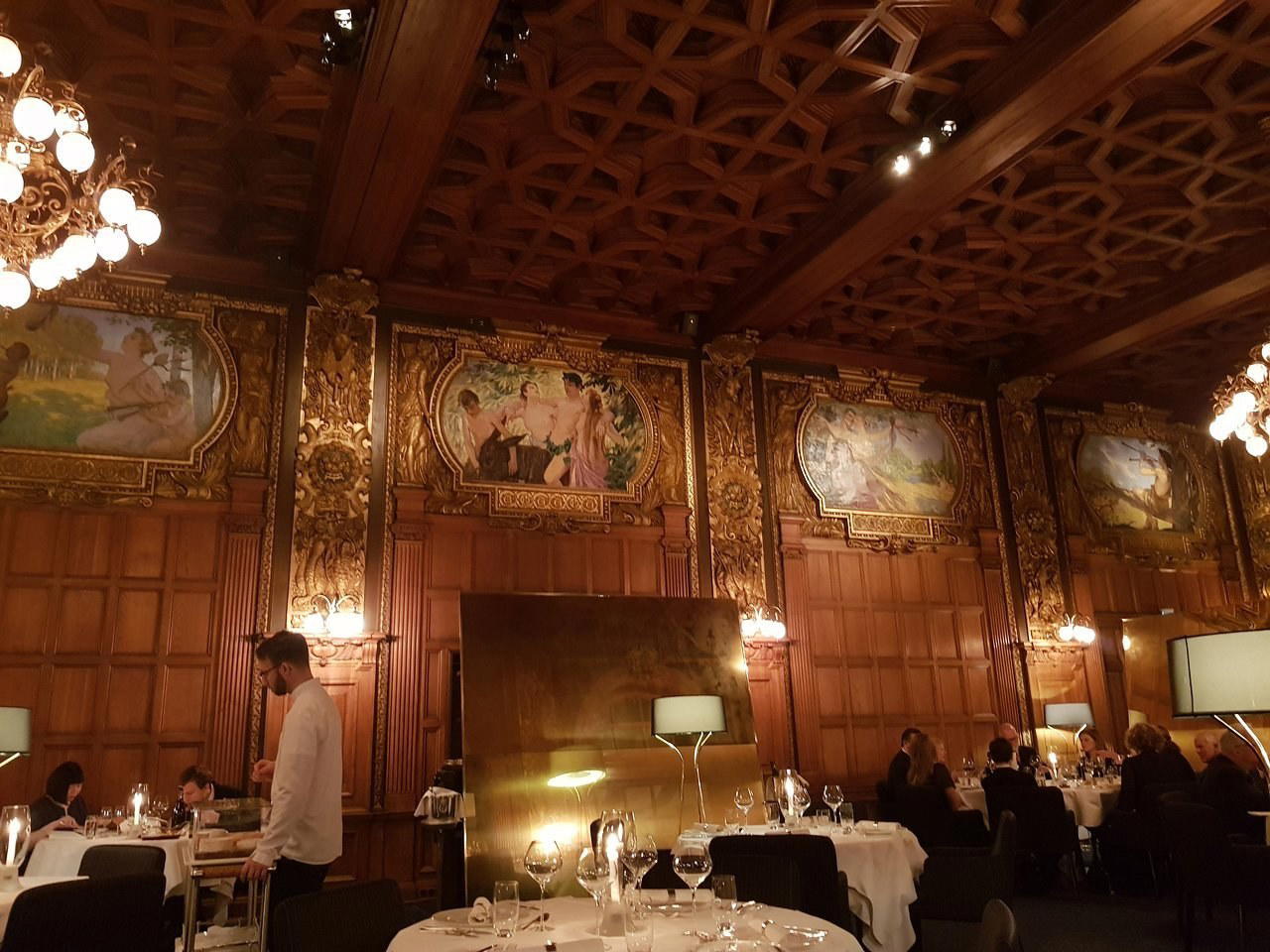
Bars in Stockholm
Browse all →
At a Glance
- Cozy
- Modern
- Casual
- Brunch
- Casual Hangout
- Solo
- Rooftop
- Garden
- Terrace
- Craft Cocktails
- Local Sourcing
- Garden
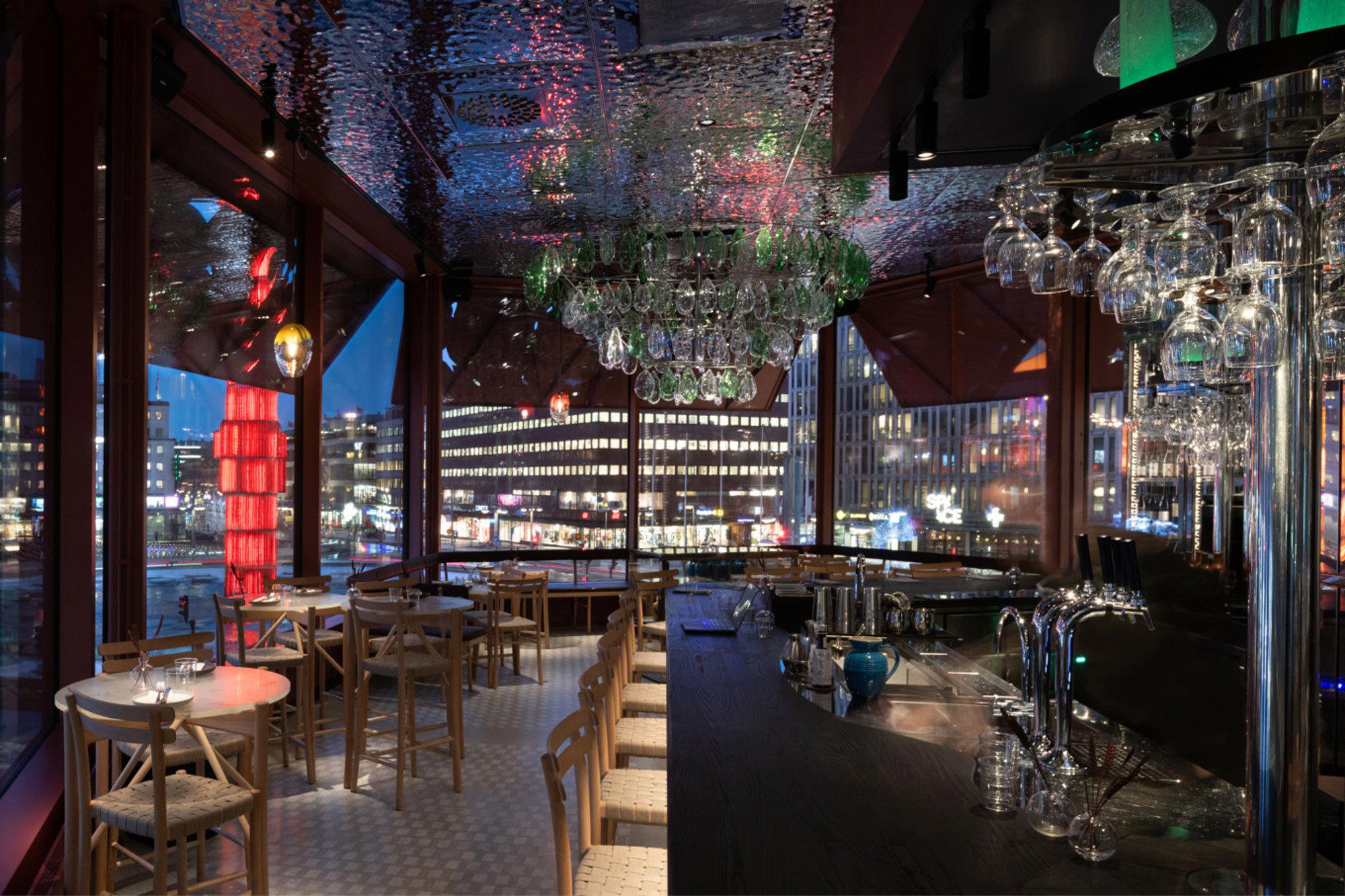
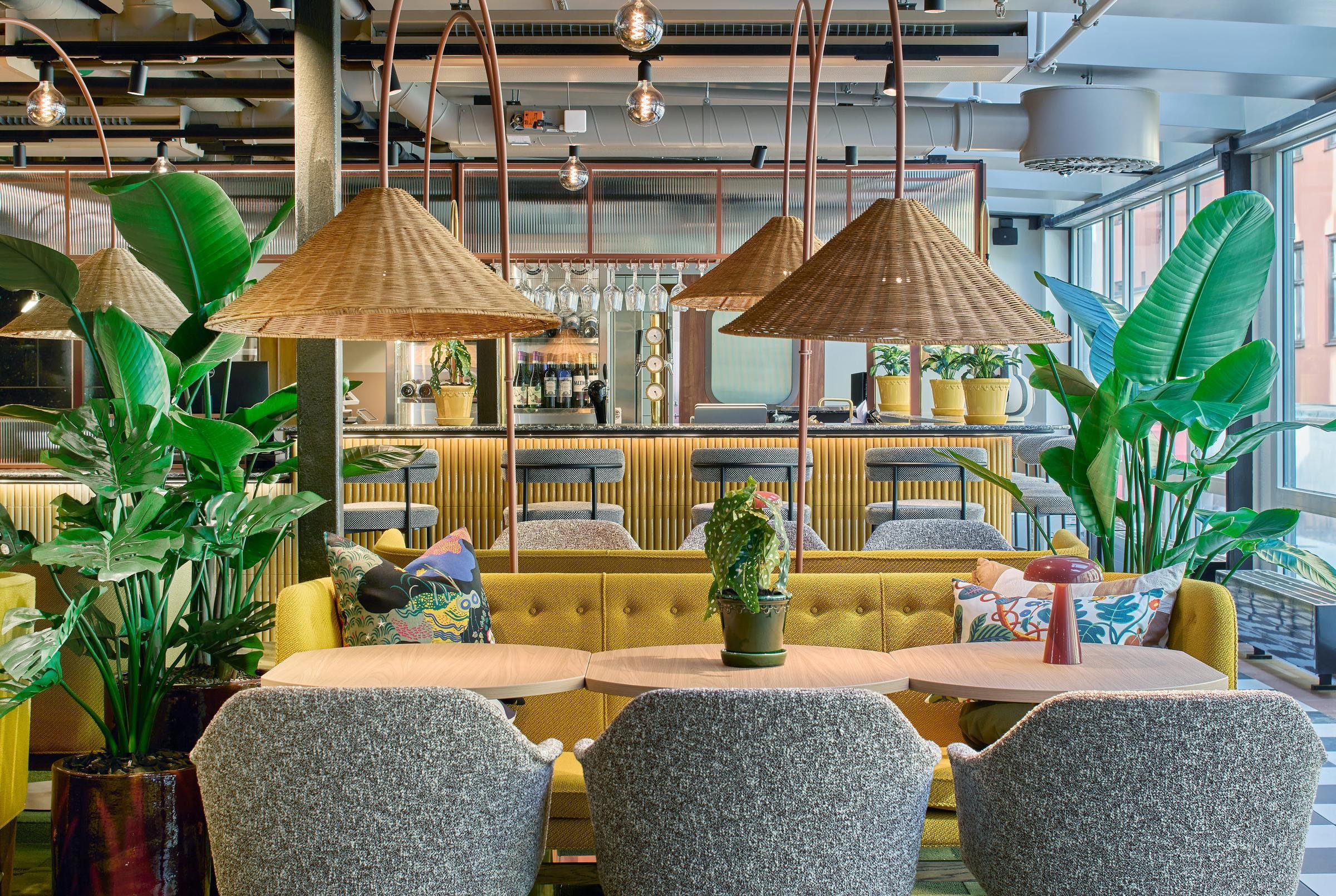
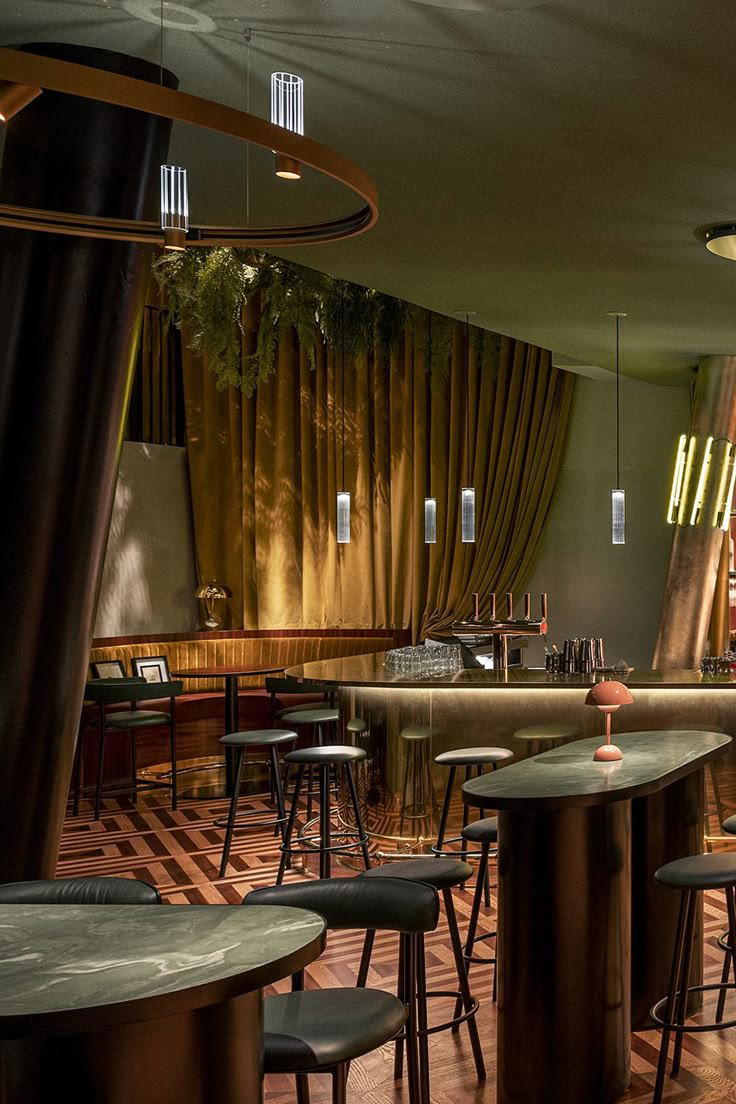
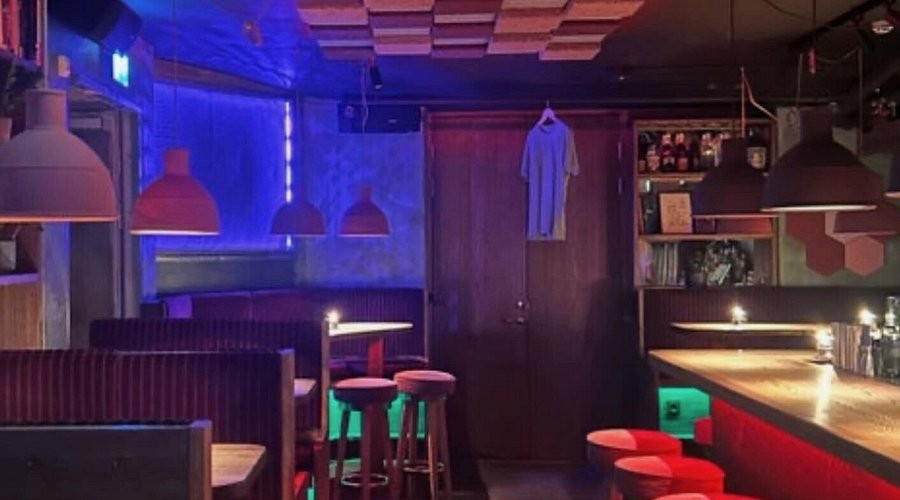
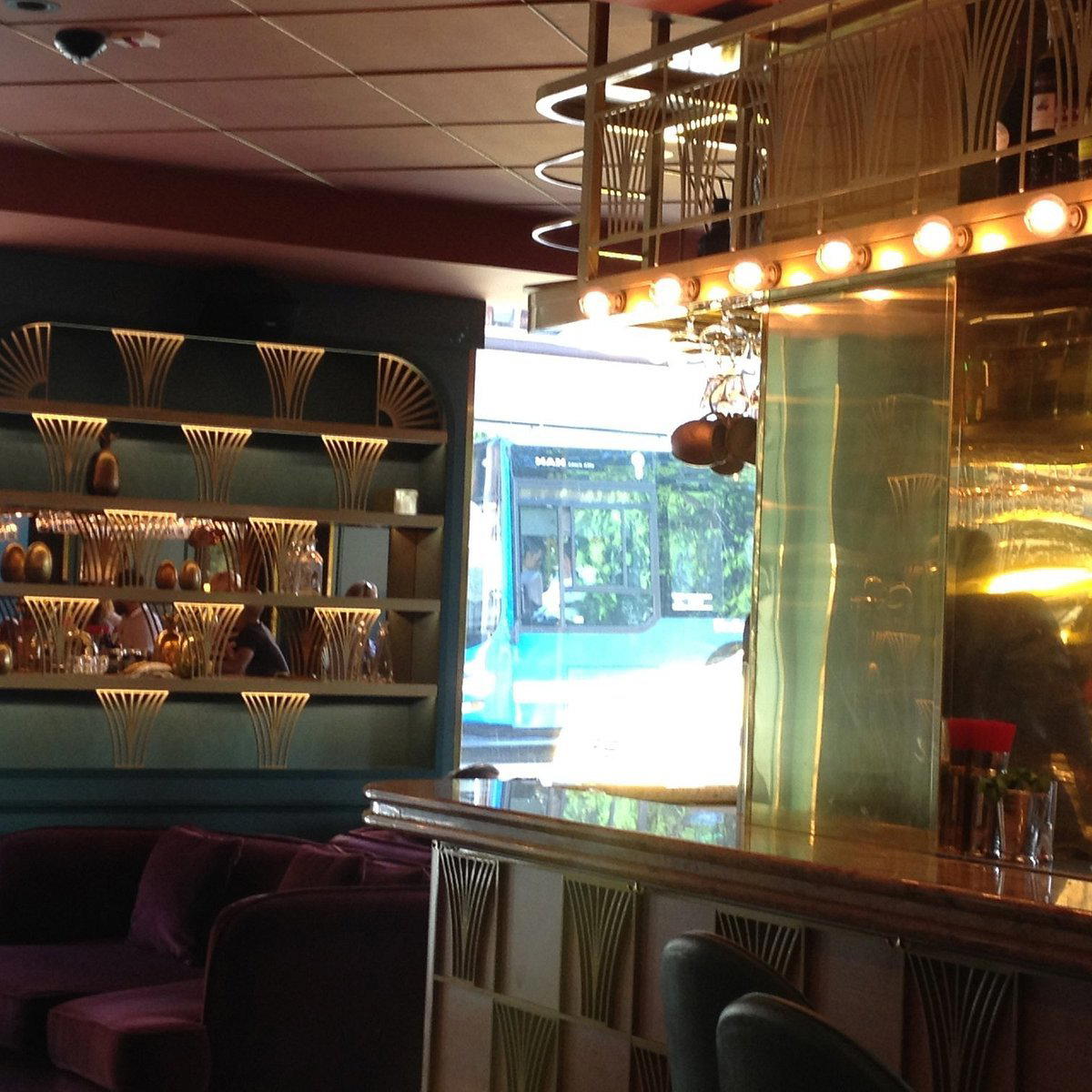
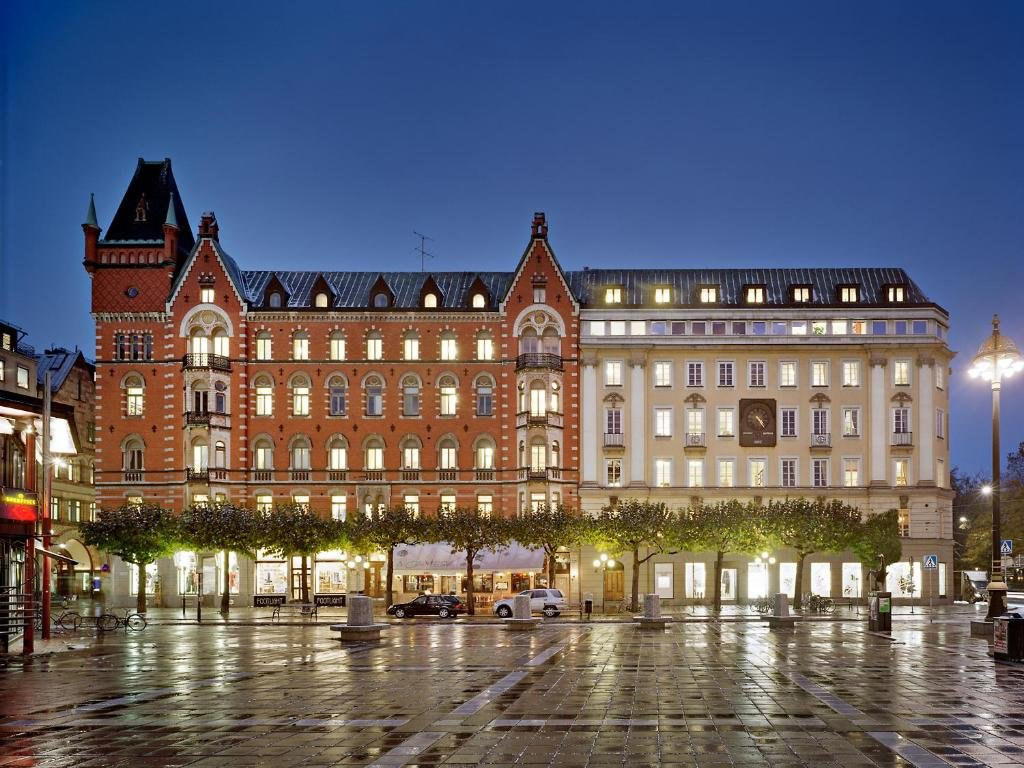
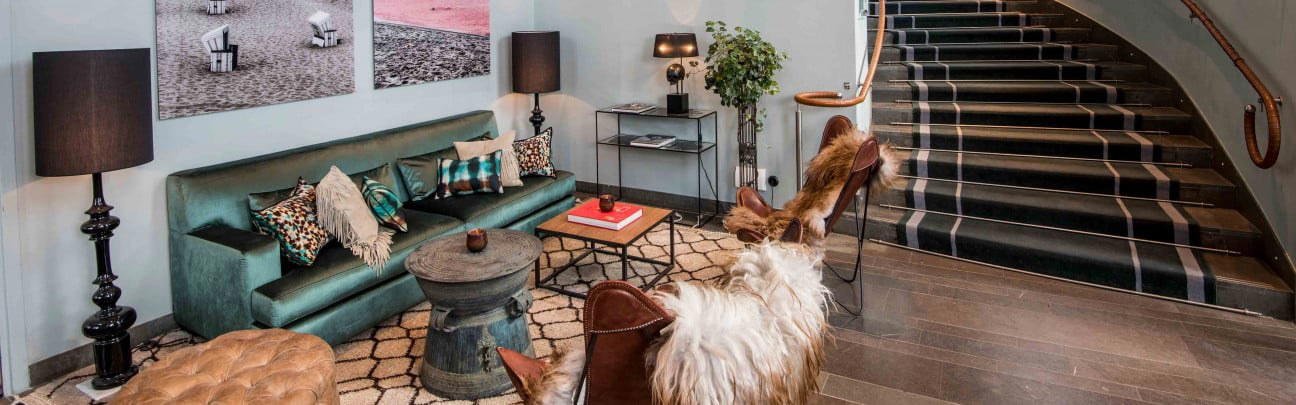
Cozy and modern with stylish furniture, a spacious rooftop terrace, and the soothing sound of a nearby fountain; seamlessly blends traditional simplicity with contemporary design.