Bürgli
Bürgli sits at Kilchbergstrasse 15 in Zurich's Enge district, a short distance from the lake's western shore. The address places it among a residential tier of dining that operates somewhat below the radar of the city's Michelin-circuit conversation, which makes advance planning more important than it might first appear. Zurich's tighter neighbourhood spots fill on compressed timelines, particularly across autumn and winter.
Pearl is the En Primeur Club membership app — saves, bookings, and concierge access live there. Same editors, same standards.
- Address
- Kilchbergstrasse 15, 8038 Zürich, Switzerland
- Phone
- +41 44 482 81 00
- Website
- restaurantbuergli.ch
- Directions
- Get directions
 Saves & bookings on Pearl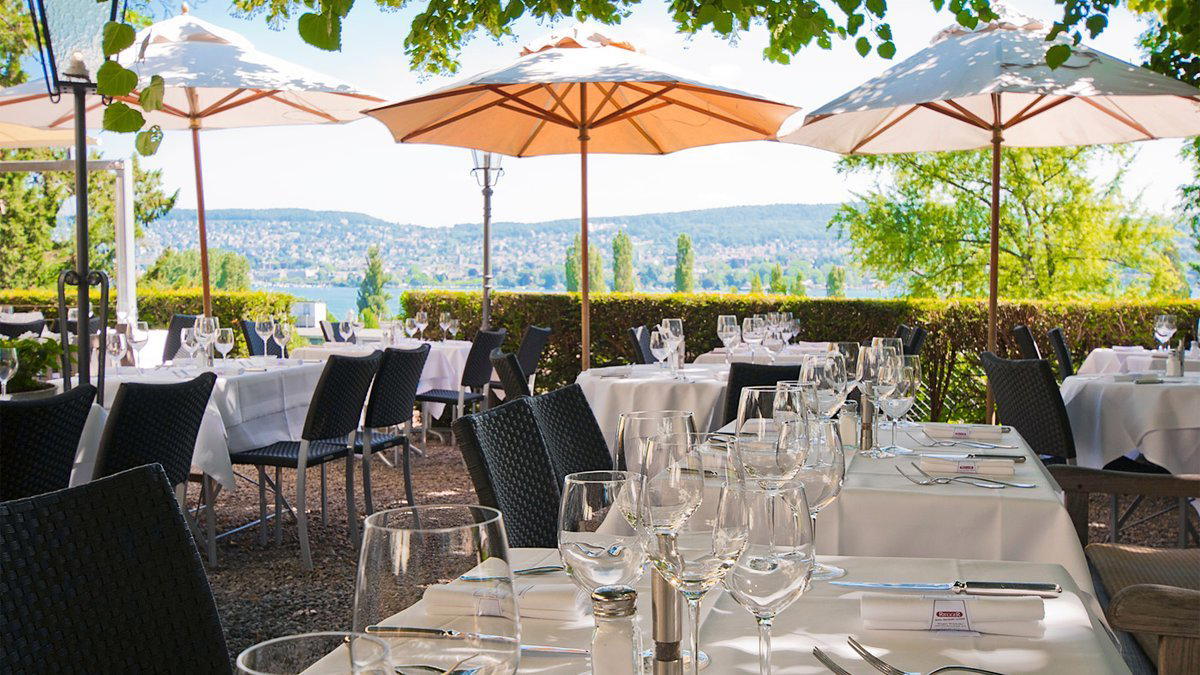
Arriving at Kilchbergstrasse
The stretch of Kilchbergstrasse that runs through Zurich's Enge neighbourhood carries the particular character of a city that keeps its better dining rooms quiet. This is not the Bahnhofstrasse end of Zurich, nor the Niederdorf lane where tourists follow recommendation apps. At number 15, the scale is residential, the pace slower, and the assumption built into the address itself is that you already know where you are going. That quality — deliberate, unhurried, oriented toward the local — defines a category of Zurich dining that sits alongside, rather than competing directly with, the city's Michelin-starred rooms.
Zurich's fine dining infrastructure is, by any measure, substantial for a city of its size. The The Restaurant and The Counter occupy the creative tasting-menu tier. IGNIV Zürich by Andreas Caminada has built a reputation around sharing formats at the leading price bracket. Widder anchors Swiss tradition in the old town. What the Enge address of Bürgli signals is something different: a neighbourhood positioning that places it closer to the Zurich that residents actually use week to week.
Planning Your Visit: What the Address Tells You
The editorial angle here is logistical, because at addresses like this one, logistics are where first-time visitors most often go wrong. Zurich's mid-range to upper-casual dining rooms, those that operate without the international press profile of a starred room but with enough local loyalty to fill consistently, tend to book faster than their relative obscurity might suggest. The city has a dining public that is both well-resourced and habitual. Regulars return on fixed rhythms, and that compression leaves fewer covers for walk-ins or spontaneous bookings than the neighbourhood setting implies.
The practical implication: treat Bürgli with the same forward planning discipline you would apply to any of the city's more formally recognised rooms. Switzerland's reservation culture across the full range of its restaurant tier, from the Hotel de Ville Crissier at the leading to neighbourhood stalwarts, operates on lead times that can surprise visitors accustomed to London or New York walk-in flexibility. The tighter the room, the more this applies.
Zurich's Neighbourhood Dining Tier in Context
Switzerland's broader dining conversation is anchored by a cluster of destination restaurants that draw visitors across cantonal and national borders. Schloss Schauenstein in Fürstenau, Memories in Bad Ragaz, and Cheval Blanc by Peter Knogl in Basel each operate as regional anchors with defined culinary identities and documented award histories. Below that tier, a second layer of dining exists across Swiss cities and towns, less awarded, less travelled, but often more integrated into how the country actually eats at a high standard day to day.
Bürgli belongs to that second layer, at least by address and neighbourhood profile. Zurich's restaurant economy supports multiple tiers simultaneously: the internationally recognised rooms, the formally credentialled Swiss-French and creative tasting-menu formats, and then the neighbourhood rooms that sustain local dining culture. The Enge district, positioned between the lake and the city's inner ring, has enough residential density and purchasing power to support this kind of establishment. Venues at addresses like this one often have the deepest local roots and particularly compressed booking windows, precisely because they are not destinations for the arriving visitor so much as fixtures for the returning one.
For comparison from other cities, this dynamic echoes what you see at places like Lazy Bear in San Francisco, where community-rooted format and advance booking are structurally intertwined, or even at the more formally structured end represented by Le Bernardin in New York City, where institutional loyalty compresses availability. The mechanism differs by price tier and format, but the underlying pattern, local regulars crowding out the spontaneous visitor, applies across categories.
The Seasonal Dimension
Timing a visit to Zurich's neighbourhood dining rooms matters across the calendar, but the window between October and March carries particular weight. Swiss restaurant culture in autumn and winter is oriented toward comfort, toward longer meals, and toward the kind of slow-table dining that fills rooms at a different pace than summer. Zurich's lake-adjacent neighbourhoods, including Enge, see residential dining frequency increase as outdoor alternatives contract. Booking pressure on mid-range and upper-casual rooms rises accordingly. If Bürgli operates on a similar seasonal pattern, and the neighbourhood profile suggests it would, autumn through early spring is when advance planning matters most. Summer visits, particularly July and August when Zurich's own residents take holidays, may offer slightly more flexibility, though this is contingent on the specific room dynamics.
Switzerland's broader dining calendar, anchored by venues like Maison Wenger in Le Noirmont or Einstein Gourmet in Sankt Gallen, follows similar seasonal rhythms. The principle extends down the tier into neighbourhood rooms: when the city is at home, the rooms fill.
What to Know Before You Go
With phone and website details not publicly confirmed at time of publication, one reliable approach for Bürgli is a direct visit to establish contact or to use Zurich's local reservation aggregators, which increasingly cover neighbourhood-tier rooms alongside starred addresses. Zurich's public transport network makes the Kilchbergstrasse address accessible without a car: tram lines serving the Enge district connect to the main Zurich network efficiently, and the address sits within reasonable range of the lake-side tram corridors.
For visitors building a broader Zurich itinerary around the dining scene, the full Zurich restaurants guide maps the full range from neighbourhood rooms through to the city's creative tasting-menu tier. Zurich's Italian end is well represented by Eden Kitchen and Bar, which operates at the €€€€ bracket with a format distinct from Swiss-tradition rooms. For visitors with appetite for a day-trip from Zurich, the Vitznau lakeside position of focus ATELIER in Vitznau and the Alpine setting of Da Vittorio in St. Moritz each offer distinct format contrasts to the city's neighbourhood rooms. In the eastern Swiss range, Mammertsberg in Freidorf and La Table du Valrose in Rougemont extend the picture further.
How Bürgli Zürich compares with similar nearby venues.
| Venue | Cuisine | Price |
|---|---|---|
| Wöschi | Modern Cuisine | €€€ |
Continue exploring
More in Zürich
Restaurants in Zürich
Browse all →
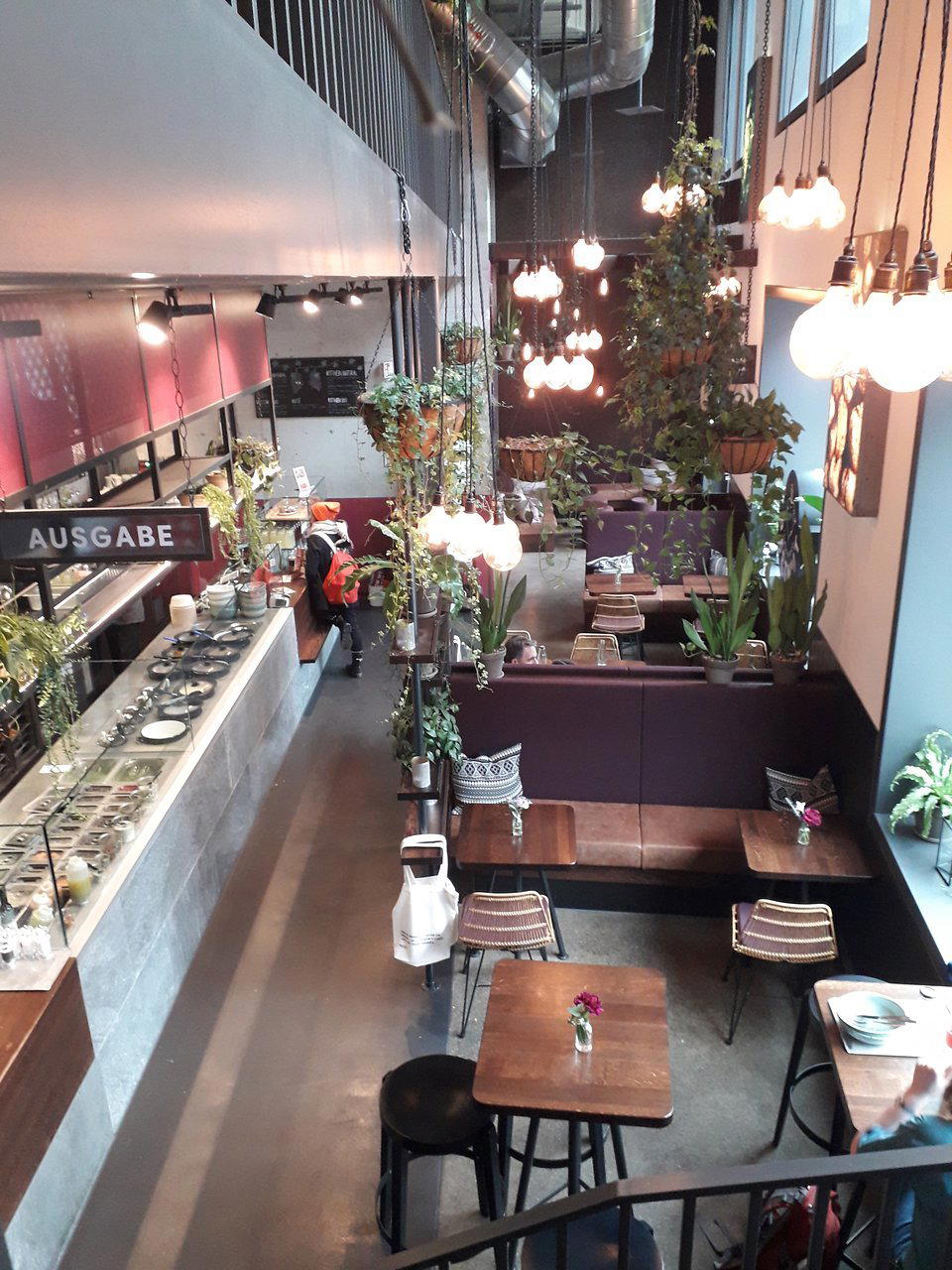
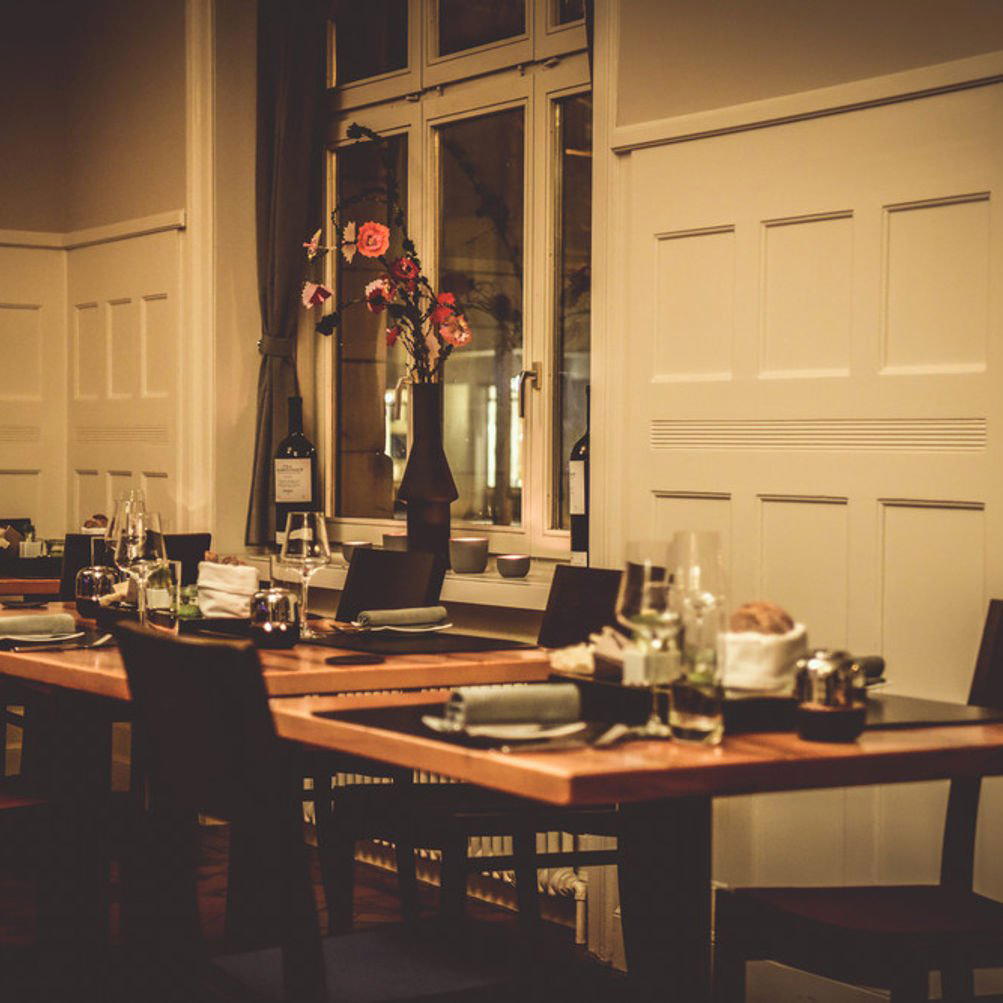
Bars in Zürich
Browse all →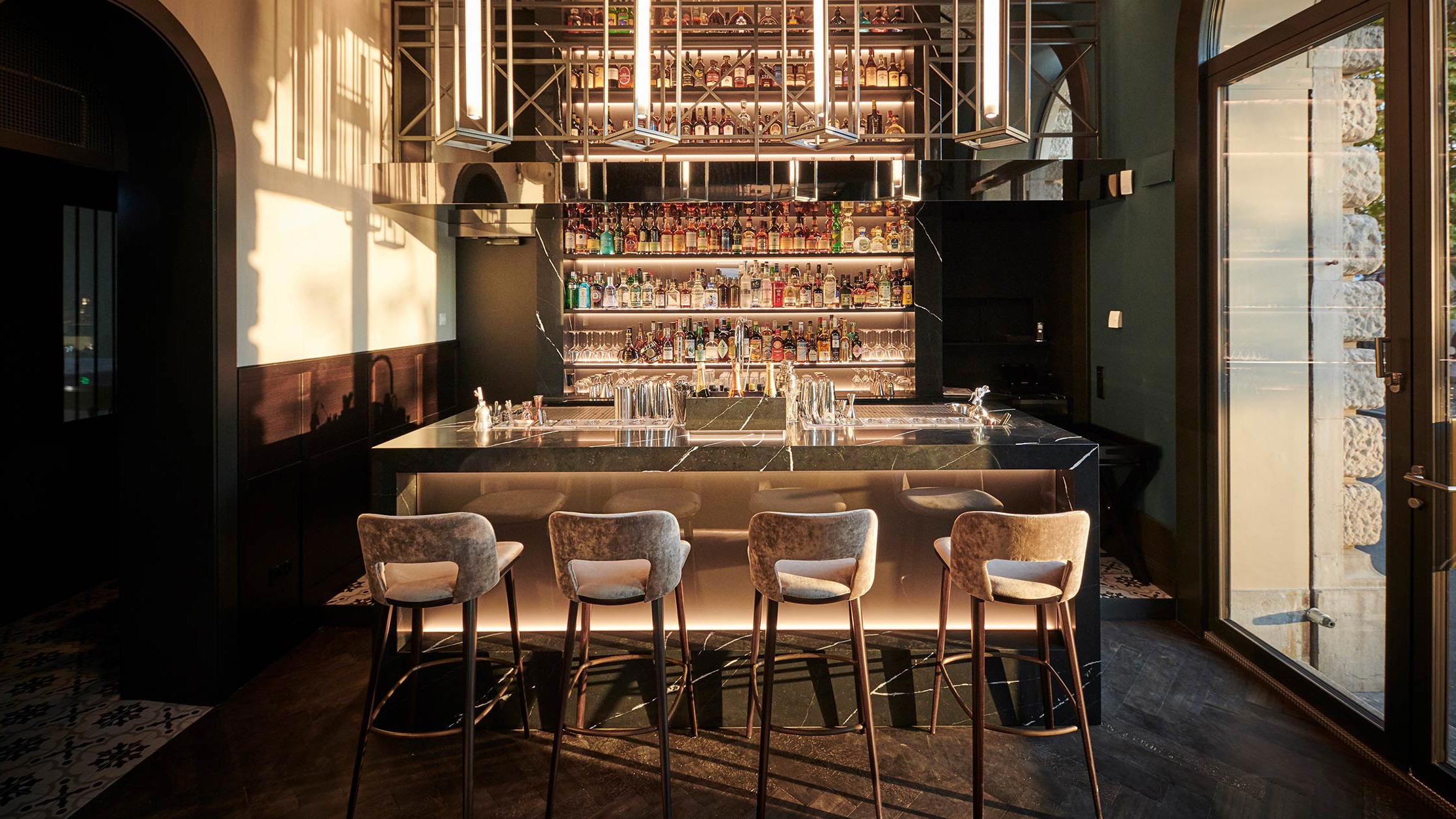
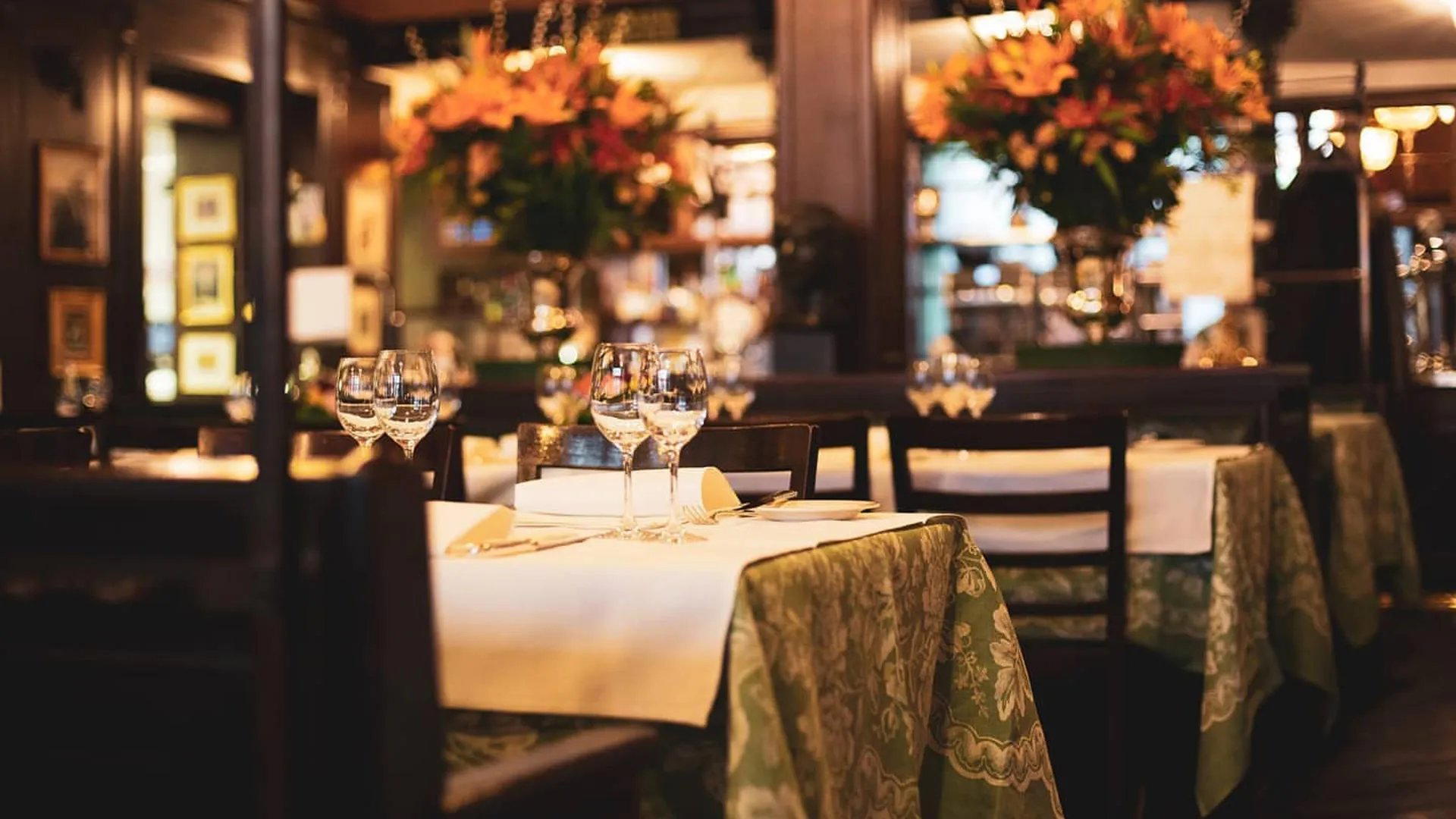
Hotels in Zürich
Browse all →

At a Glance
- Elegant
- Scenic
- Classic
- Date Night
- Family
- Special Occasion
- Garden
- Terrace
- Historic Building
- Local Sourcing
- Organic
- Waterfront
- Mountain
- Skyline
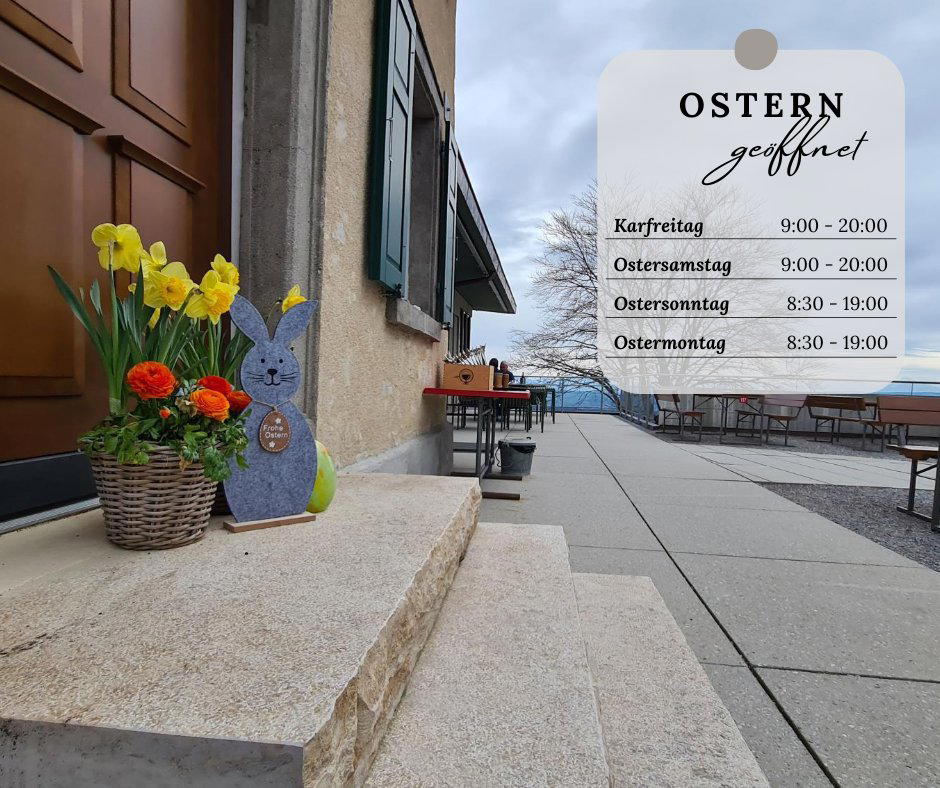
Current opening hours
- Monday
- 9 AM–11 PM
- Tuesday
- 9 AM–11 PM
- Wednesday
- 9 AM–11 PM
- Thursday
- 9 AM–12 AM
- Friday
- 9 AM–12 AM
- Saturday
- 6 PM–12 AM
- Sunday
- 10 AM–11 PM
Hours can change for holidays and private events. Last verified .
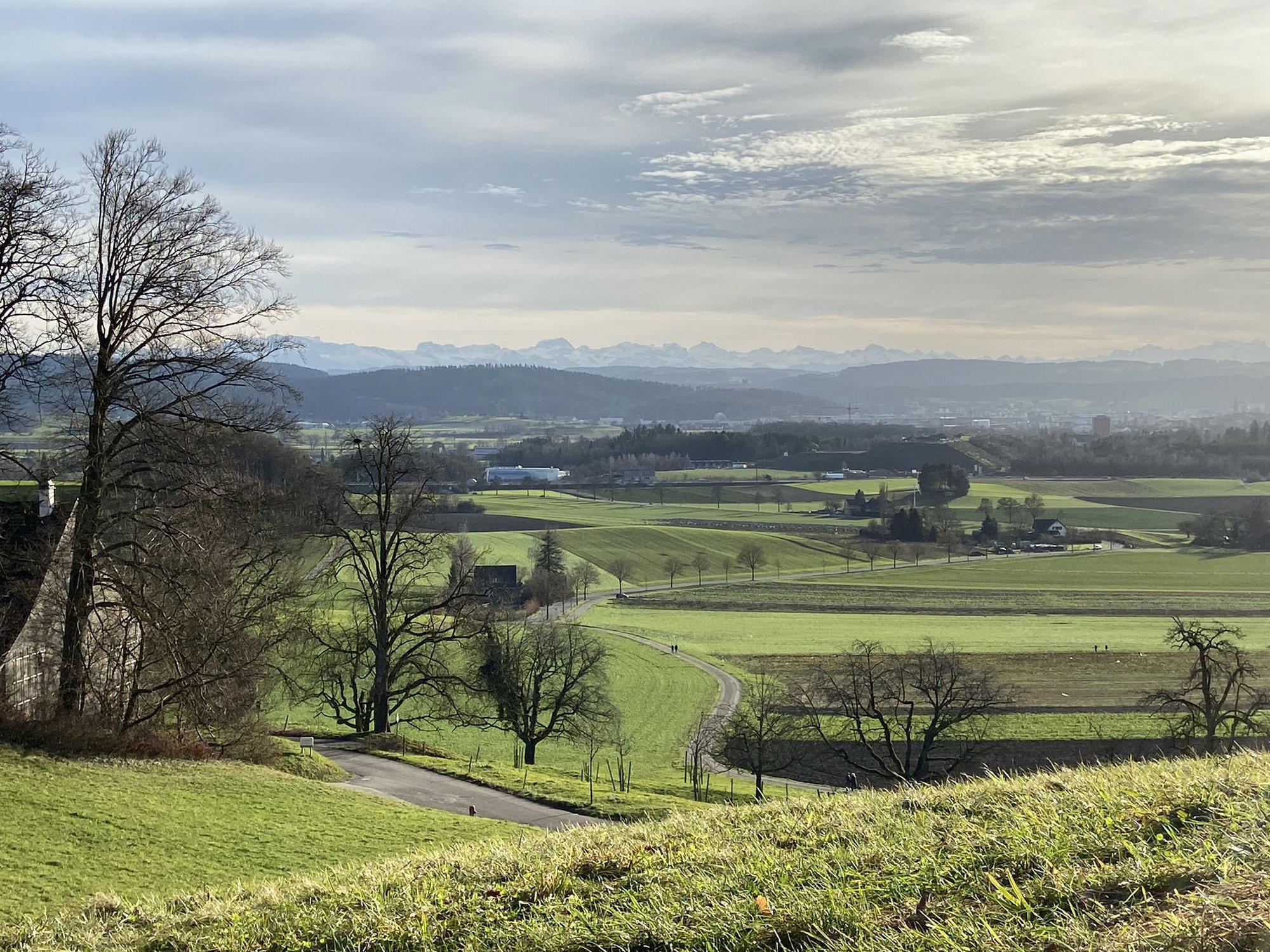
Combination of elegance and playfulness, traditional mixed with modern, stylishly decorated with brilliant atmosphere by the log fire or in the garden.