Bistrot Marcel sits in Rezé, the working-class commune just south of Nantes that rarely appears on formal dining itineraries. The address alone signals something about what to expect: a neighborhood bistrot operating at street level, where the prix-fixe logic and market-driven sourcing of the Loire Valley tradition carry more weight than awards or chef celebrity.
Pearl is the En Primeur Club membership app — saves, bookings, and concierge access live there. Same editors, same standards.
- Address
- 12 Av. du Maréchal de Lattre de Tassigny, 44400 Rezé, France
- Phone
- +33228911104
- Website
- bistrotmarcel.com
- Directions
- Get directions
 Saves & bookings on Pearl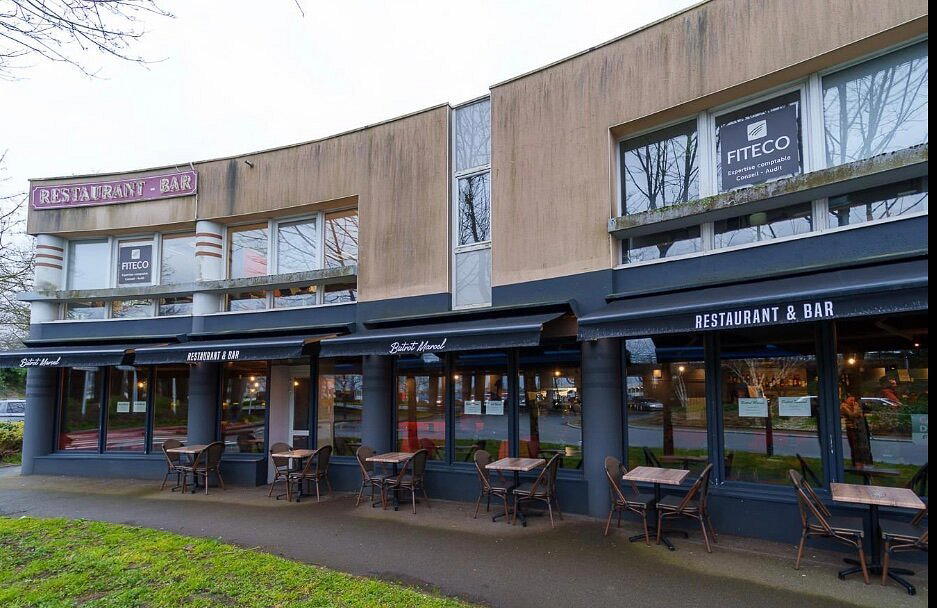
South of the Loire, Where Nantes Eats Without an Audience
Rezé sits on the south bank of the Loire, separated from central Nantes by the river and, more meaningfully, by a certain self-sufficiency. The commune has its own commercial streets, its own covered market rhythms, and its own restaurant culture that has never needed to perform for visiting critics. Bistrot Marcel, at 12 Avenue du Maréchal de Lattre de Tassigny, reads as a product of that environment rather than an exception to it: a casual Classic French Bistro in Rezé, known for, where the room is the point of arrival, not a backdrop to something else.
That specificity tends to shape the dining room in ways that formal restaurant design rarely achieves. The regulars know each other, the tables turn on a rhythm set by the neighborhood rather than by a front-of-house operation managing yield, and the atmosphere on any given evening reflects the actual local week rather than a curated brand moment.
Sourcing Logic in a Loire Valley Context
The Loire Valley is one of France's most agriculturally coherent regions for restaurants to draw from. The river corridor produces muscadet from the vineyards around Sèvre-et-Maine, fresh-water fish from the Loire itself, butter and cream from the bocage country to the north, and market vegetables from the Vendée and the Anjou plain. A bistrot operating in Rezé has access to that supply chain at a price point and proximity that larger Nantes establishments increasingly cannot claim, as rising rents and distribution costs have pushed many city-center kitchens toward consolidated suppliers.
French bistrot tradition is built on the idea that good sourcing does most of the work. The historical model, from the zinc-topped counters of working Paris to the market-adjacent rooms of Lyon's traboules, rests on the cook's relationship with the morning market rather than on technique as spectacle. What arrives on the plate is legible: you can taste where the ingredient was grown or raised, because the preparation exists to serve it rather than transform it. At the price tier where neighborhood bistrots in the Nantes metropolitan area typically operate, that discipline is both a practical necessity and a culinary position.
For context on how differently that philosophy scales, consider what happens when the same sourcing commitment meets larger ambition: Bras in Laguiole built an entire international reputation around the Aubrac plateau's wild herbs and grasses. Auberge du Vieux Puits in Fontjoncouse operates in a village of under two hundred people because the surrounding Corbières landscape is the kitchen's primary argument. The logic is the same; the register is entirely different. Closer to the Loire Valley tradition, Maison Lameloise in Chagny demonstrates how Burgundian market discipline translates into three-Michelin-star cooking without abandoning its regional roots.
That is the honest position of a neighborhood room, and it is what makes addresses like this worth knowing about for readers who have already covered the starred circuit and are looking for something that functions differently.
Where Bistrot Marcel Sits in the Nantes Dining Picture
Nantes itself has a well-developed restaurant culture anchored by the city center and the Île de Nantes, where a concentration of contemporary and market-driven tables has formed over the past decade. The south bank, including Rezé, has historically been the quieter side of that picture: fewer destination tables, more neighborhood permanence. That is shifting slowly as the metropolitan area expands, but Rezé retains a residential weight that distinguishes it from the more self-consciously food-focused pockets of the city.
For readers mapping French bistrot culture more broadly, the reference points are instructive. The palace-dining tier, represented by addresses like Alléno Paris au Pavillon Ledoyen or Le 1947 à Cheval Blanc in Courchevel, operates under an entirely different set of conditions: international clientele, wine lists priced against global demand, and kitchens staffed to deliver technical consistency at volume. The neighborhood bistrot exists in a different economy entirely, one where proximity to the supplier and loyalty of the local customer base are the operating variables that matter. Georges Blanc in Vonnas and Les Prés d'Eugénie in Eugénie-les-Bains each began from a similar logic of local rootedness before growing into destination properties over generations.
Most of France's leading eating happens in rooms that never sought, and never needed, wider recognition. The Loire Valley has a long history of exactly that kind of table: regional, legible, and calibrated entirely to the people who live nearby. Flocons de Sel in Megève and Mirazur in Menton both demonstrate how intensely local a kitchen can be while building international reputations; Bistrot Marcel demonstrates that the same local intensity can function without that ambition as its endpoint.
Planning a Visit to Rezé
Rezé is accessible from central Nantes via the tramway's line 2, which crosses the Loire and connects the south bank to the city center in under fifteen minutes. The avenue is a short walk from the tram stops serving the residential heart of Rezé. For visitors staying in Nantes, the south bank makes a practical half-day: the commune has its own market infrastructure, and combining a morning market visit with lunch at a neighborhood address like Bistrot Marcel follows a pattern common to how Nantes residents actually use the area.
The restaurant is recommended for reservations, and its regular hours are Monday through Wednesday from 9:30 AM to 4 PM, Thursday through Saturday from 9:30 AM to 4 PM and 6 to 10 PM, with Sunday closed. Neighborhood bistrots in French communes of this size often operate on tighter schedules than city-center tables, with midday service sometimes taking precedence over evening. For a broader picture of where the restaurant fits within the area's options, see our full Rezé restaurants guide.
How It Stacks Up
Comparable venues nearby, for context on price, style, and recognition.
| Venue | Cuisine | Price | Notes |
|---|---|---|---|
| Bistrot MarcelThis venue — the venue you are viewing | Classic French Bistro | $ | Not listed |
| Le KréGrand Restaurant | French Bistrot with Local Products | $$ | Chantenay |
| La Bourriche | French Seafood Oyster Bar | $$ | Graslin |
| Crêperie Des Grèves | Breton Crêperie | $ | Langueux |
| Bistrot de la Comédie | French Bistro | $$ | Mellinet |
| Coquille | French Bistro | $$ | Cathédrale |
Continue exploring
More in Reze
Restaurants in Reze
Browse all →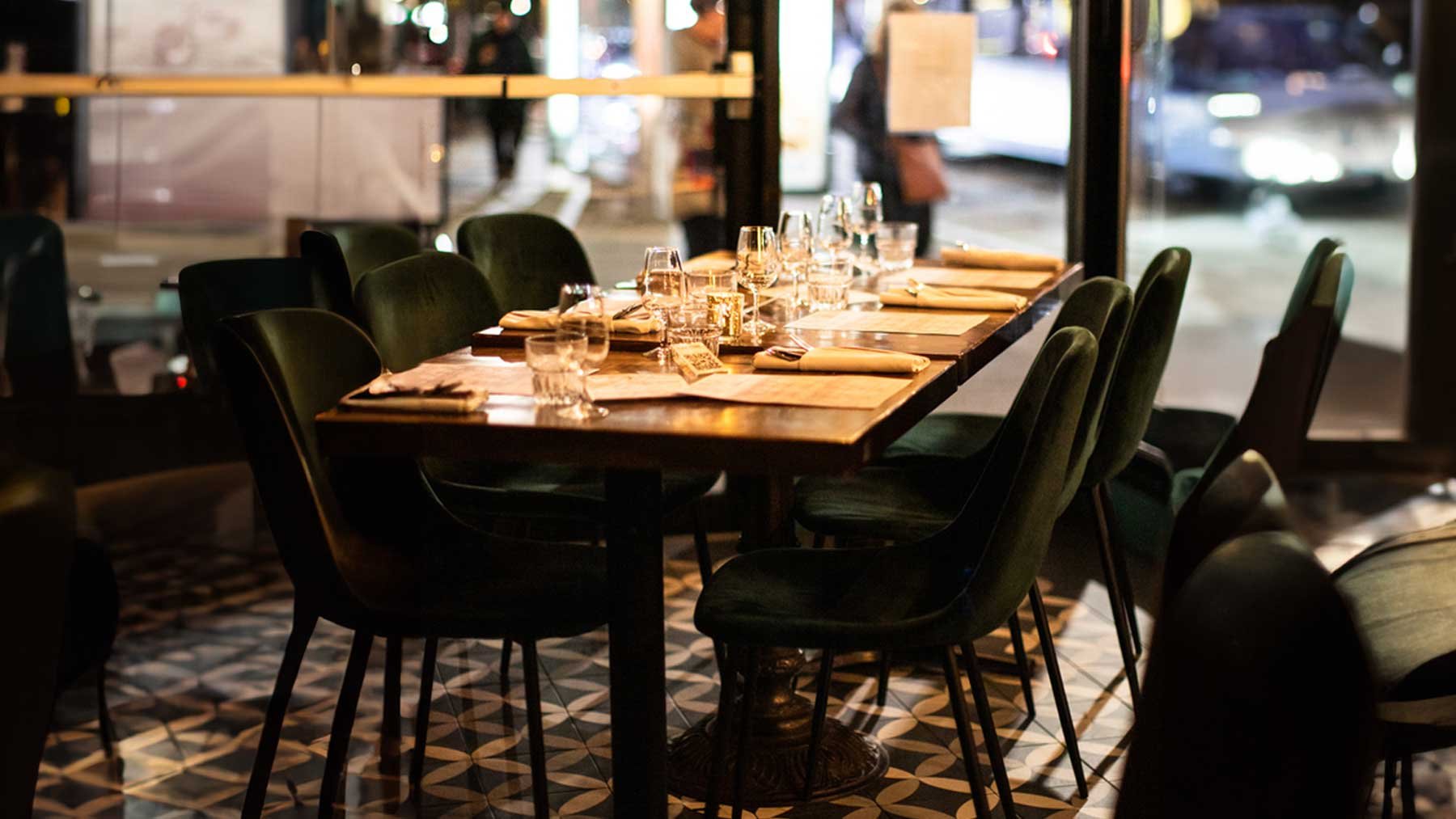
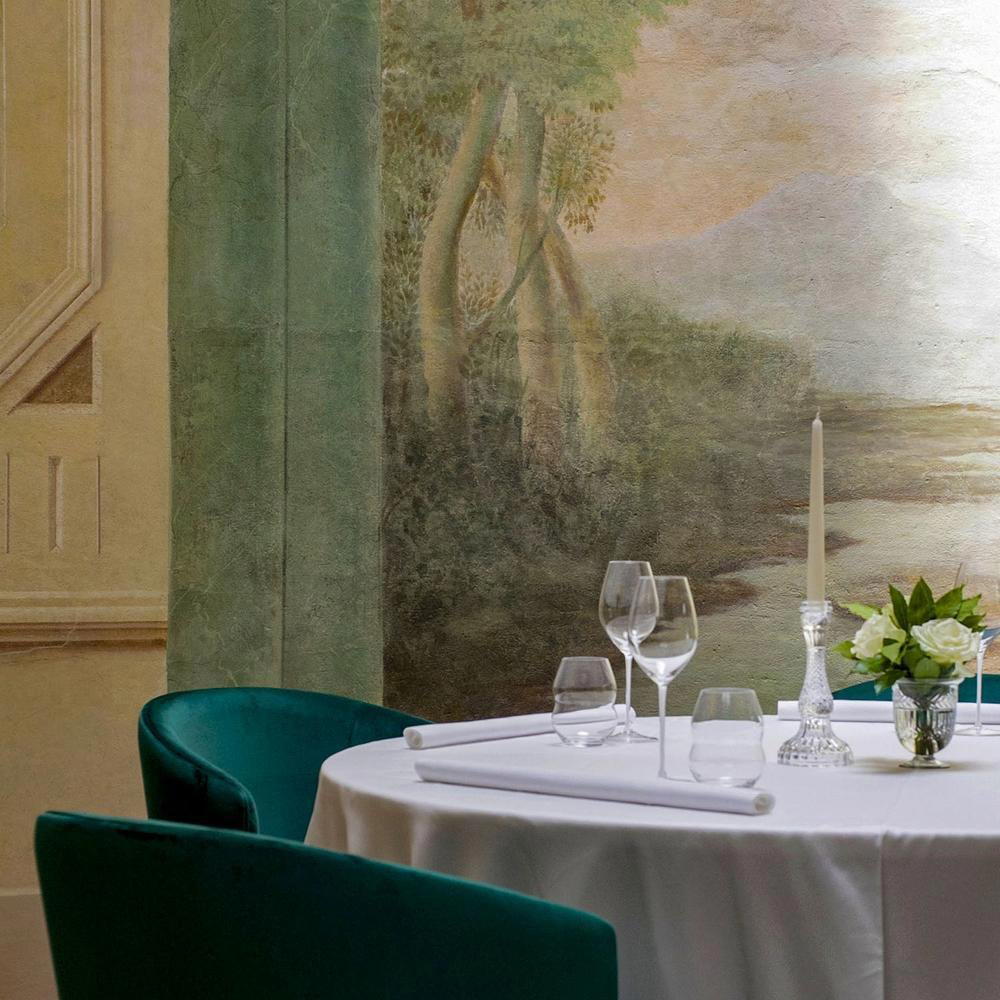
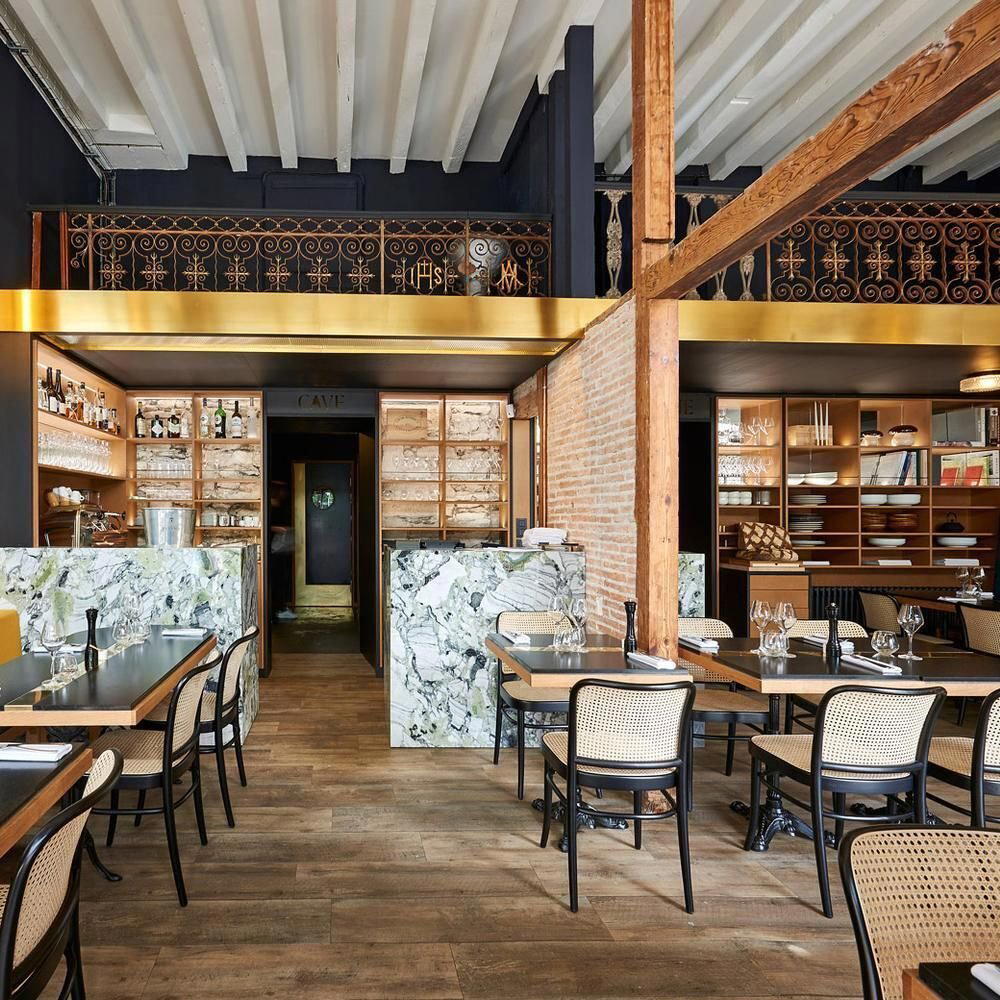
Bars in Reze
Browse all →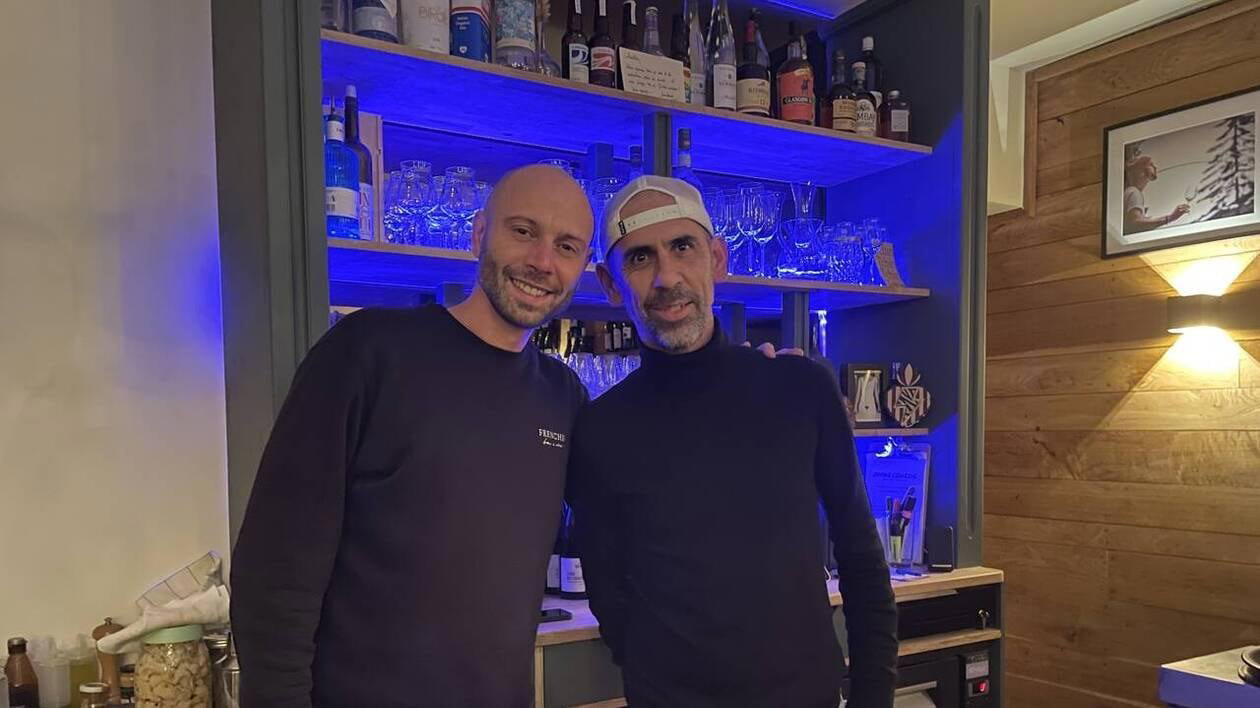
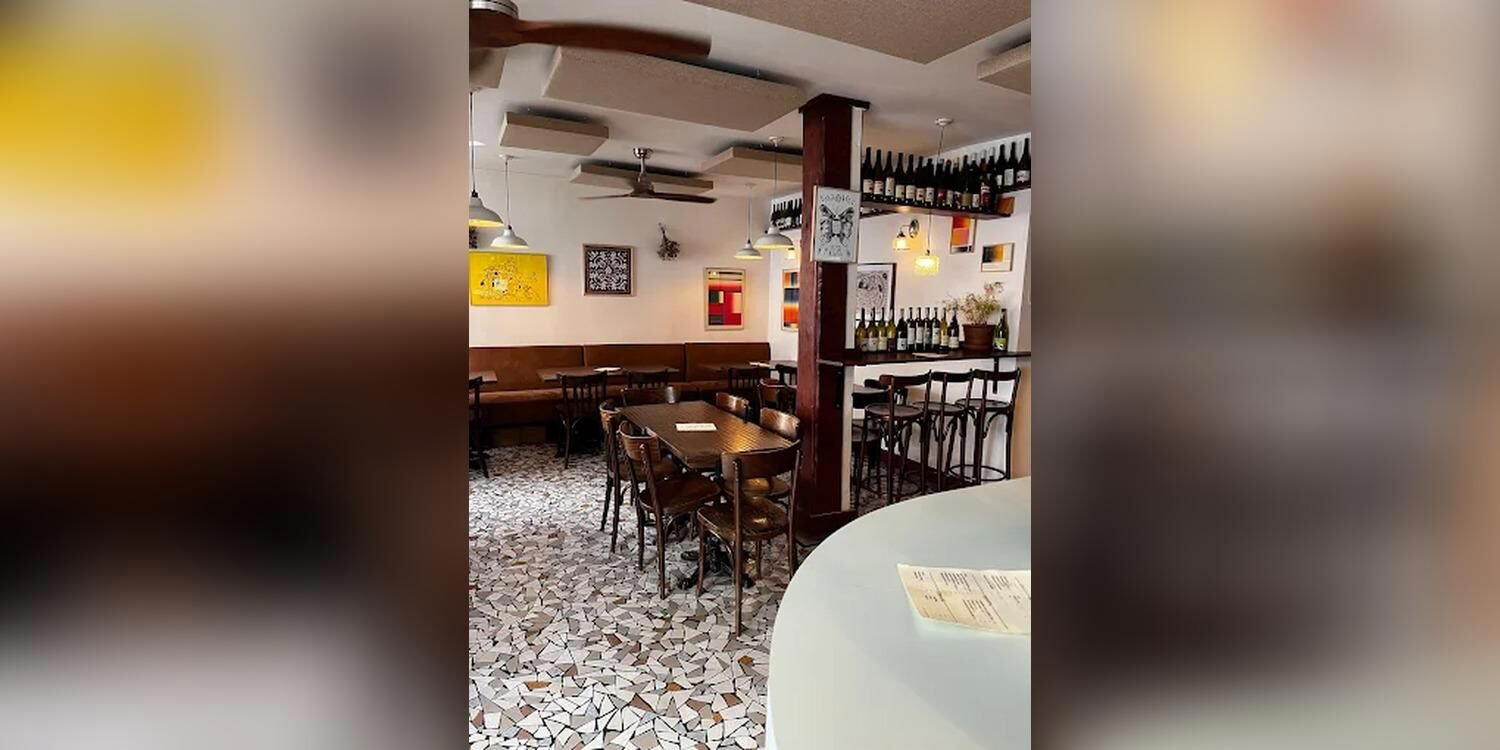
Hotels in Reze
Browse all →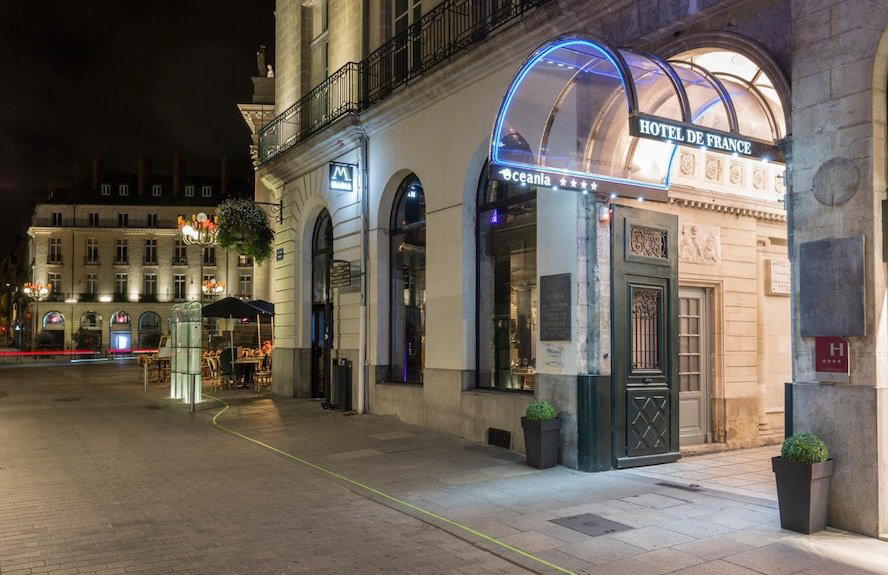

At a Glance
- Cozy
- Classic
- Rustic
- Business Dinner
- Family
- Casual Hangout
- Group Dining
- Terrace
- Local Sourcing
Current opening hours
- Monday
- 9:30 AM–4 PM
- Tuesday
- 9:30 AM–4 PM
- Wednesday
- 9:30 AM–4 PM
- Thursday
- 9:30 AM–4 PM, 6–10 PM
- Friday
- 9:30 AM–4 PM, 6–10 PM
- Saturday
- 9:30 AM–4 PM, 6–10 PM
- Sunday
- Closed
Hours can change for holidays and private events. Last verified .
Warm and welcoming atmosphere with pleasant service; the dining room can be noisy during peak times, particularly in the evening.