Bistrot at Wild Honey


Michelin Plate · The Good Food Guide GFG Good
Our verdict
Inside a Grade II listed former banking hall at the Sofitel St James, Bistrot at Wild Honey operates as the more accessible sibling to Wild Honey St James, with a Michelin Plate-recognised kitchen turning out French-leaning Modern British cooking. The prix-fixe, available until 6.30pm, is among the sharper-value propositions in St James's, while the à la carte holds its own against the neighbourhood's considerably pricier alternatives.

Pearl is the En Primeur Club membership app, where members save venues, book tables and use the concierge.
The menu
What to order
- Rabbit à la moutarde
- Terrine en croûte
A Grand Room With a Pragmatic Agenda
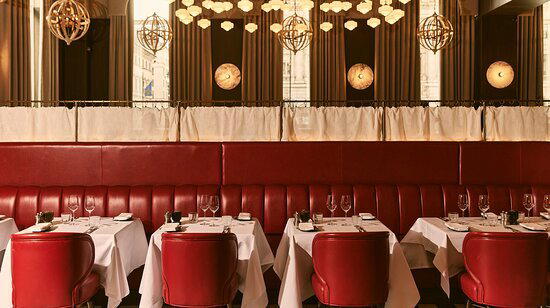
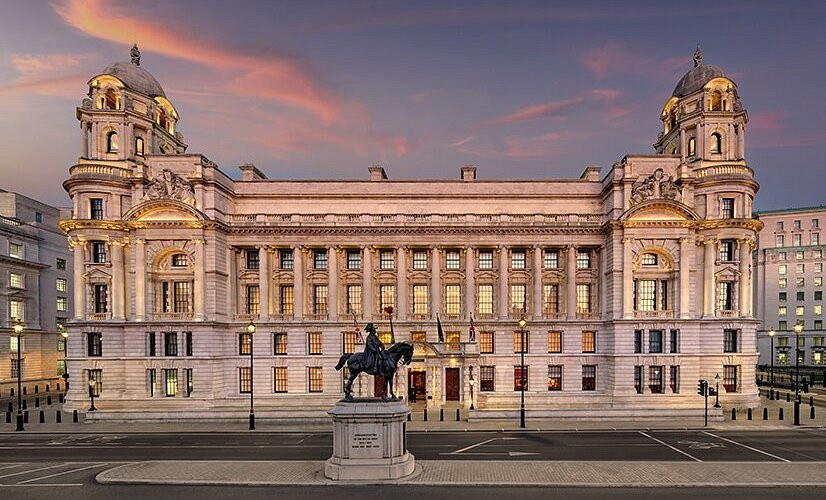
The ground floor of the Sofitel St James Hotel, set within a Grade II listed former banking hall on Waterloo Place, is not the kind of room that apologises for itself. Double-height ceilings, modernist lighting, elegant curves, and a row of dramatically red banquettes signal something closer to a famous Parisian brasserie than a hotel dining annex. It is a space that could easily support a much more expensive operation, which makes what happens here all the more interesting.
Bistrot at Wild Honey occupies that room with a specific brief: deliver serious French-leaning cooking at a price point that undercuts the adjoining Ritz-calibre neighbours in St James's, while maintaining the culinary rigour that the Wild Honey name carries. In St James's, where the competition includes some of London's most formal and expensive dining rooms, that positioning is a considered editorial statement. Venues like CORE by Clare Smyth and Cornus occupy the higher end of the Modern British spectrum nearby; the Bistrot positions itself as a credible alternative for those who want comparable produce quality and kitchen craft without the full-price commitment.
The Lunch Case: When the Prix-Fixe Defines the Offer
Daytime service at the Bistrot makes the strongest argument for its existence. The prix-fixe, available from noon until 6.30pm, offers just two choices at each course, a discipline that forces the kitchen to commit to whatever is genuinely leading that day rather than spreading across an unwieldy selection. In a city where set-lunch menus often exist as loss-leaders with marginal kitchen effort behind them, the Bistrot's version is described by multiple observers as an absolute steal, with the quality of produce given particular note.
The menu's Francophilia is direct rather than decorative. Pork, chicken and duck terrine en croûte, rabbit à la moutarde with charlotte potatoes in spiced brown butter, and a salad of autumn leaves with pear, walnut and soft cheese dressing are the kinds of dishes that French bistro tradition produces when the sourcing is taken seriously. The carte, available throughout service, extends into territory that reflects seasonal British produce: fallow deer with slow-cooked celeriac, walnut and cocoa, and a kumquat marmalade grand veneur sauce place the kitchen firmly in the Modern British register, even when the techniques are Gallic.
The Mediterranean influences woven through the menu add a third layer that prevents the kitchen from becoming a pastiche. This is a London kitchen that uses French bistro structure as a framework, not as a constraint, and the result is cooking that reads as contemporary without signalling restlessness.
Evening Shifts and the Cinq à Sept Window
Character of the room changes perceptibly between lunch and dinner. The lunchtime crowd, drawn partly by value and partly by the convenience of the Waterloo Place address relative to St James's and Pall Mall offices, gives way to a different rhythm as the evening develops. The room's grand proportions, which can feel liberating at lunch, become more atmospheric under evening lighting, and the more expensive à la carte comes into its own.
There is also a specific window between 5pm and 7pm, referred to as cinq à sept, during which a glass of the day's red or white wine arrives with a choice of ham or cheese croquettes for £11. This is the kind of mid-evening proposition that the broader London bar and restaurant scene rarely constructs with this degree of intentionality. For those arriving from nearby offices or between afternoon and dinner commitments, it functions as a standalone reason to visit. See our full London bars guide for comparable early-evening options across the city.
The drinks programme deserves specific attention. Cocktail quality, with Negronis cited specifically as precise and well-executed, and a wine list described as sweeping in its global range but lingering longest in France, indicate that the drinks side has been treated with the same seriousness as the kitchen. An extensive wines-by-the-glass selection raises the ceiling for those who want to drink well without committing to a bottle.
Michelin Recognition and the Competitive Context
The Bistrot holds a Michelin Plate for both 2024 and 2025, a recognition that confirms good cooking rather than placing it in the starred tier. In the context of its price point, that consistent Michelin acknowledgement is a meaningful signal: this is not a hotel restaurant coasting on footfall. Within the Modern British category across the UK, the range runs from Michelin-starred destination restaurants like The Fat Duck in Bray, L'Enclume in Cartmel, and Moor Hall in Aughton at the leading, through country-house dining at Gidleigh Park in Chagford and Le Manoir aux Quat' Saisons, to gastro-pub registers at Hand and Flowers in Marlow. The Bistrot occupies a different niche entirely: urban, hotel-adjacent, accessible by price, serious by approach.
Among London's own Modern British mid-range, Dorian and Ormer Mayfair offer useful comparisons in terms of format and ambition, as do more regional expressions of the tradition such as hide and fox in Saltwood and Ben Wilkinson at The Pass in Horsham.
For a broader view of London's dining options across all price points, see our full London restaurants guide. For accommodation near Waterloo Place, our full London hotels guide covers the broader St James's and Mayfair options.
Seasonality as a Kitchen Commitment
The kitchen's adherence to seasons is not decorative language. Dishes like fallow deer with celeriac and kumquat marmalade, wild mushroom tart with hazelnut sabayon, and crispy chicken with black winter truffles and hand-cut macaroni are seasonally specific in their ingredients rather than merely in their descriptors. The signature wild-honey ice cream with Bermondsey raw honeycomb and warm honey and lemon madeleine anchors the dessert course in a sourcing philosophy that carries through from starters. For those visiting in autumn or winter, the cold-season menu leans into game, root vegetables, and preserved fruit in a way that reflects what the kitchen clearly does with conviction. Our full London experiences guide and London wineries guide provide further seasonal context for planning a broader visit.
Know Before You Go
- Address: 6 Waterloo Place, London SW1Y 4AN
- Setting: Ground floor of the Sofitel St James Hotel, Grade II listed former banking hall
- Price range: ££ (mid-range; prix-fixe represents stronger value than the carte)
- Prix-fixe hours: Noon to 6.30pm
- Cinq à sept offer: 5pm–7pm; house wine with ham or cheese croquettes, £11
- Awards: Michelin Plate 2024, Michelin Plate 2025
- Cuisine: Modern British with strong French bistro influence and Mediterranean elements
- Seating options: Counter seating available alongside banquette dining
- Drinks: Full cocktail programme, global wine list with strong French representation, wines by the glass
Frequently asked questions
Is Bistrot at Wild Honey suitable for children?
At ££ pricing, it is one of the more accessible rooms in the St James's area for a family meal. The relaxed bistro format, counter seating, red banquettes, and a short prix-fixe menu, is considerably less formal than the adjoining Wild Honey St James. The straightforward nature of the menu, which includes dishes like a burger with fries, gives younger diners something workable alongside the more classic French offerings.
What kind of setting is Bistrot at Wild Honey?
The room occupies the ground floor of the Sofitel St James Hotel, inside a Grade II listed former banking hall on Waterloo Place SW1Y. The double-height space has the proportions of a grand Parisian brasserie, with dramatic red banquettes and modernist lighting. It functions as the more informal side of Anthony Demetre's operation here, positioned as a counter-and-booth bistro rather than a white-tablecloth destination, and holds a Michelin Plate for 2024 and 2025.
What distinctions does Bistrot at Wild Honey have?
Bistrot at Wild Honey has received recognition including: Occupying the ground floor of a Grade II listed former banking hall inside the Sofitel hotel, this restaurant aims to provide a more relaxed and keenly priced alternative to the adjoining Wild Honey St James. The team are undoubtedly succee….
What should I order at Bistrot at Wild Honey?
The prix-fixe, available noon to 6.30pm, is the clearest expression of what the kitchen does consistently well at the price point. Seasonal game and mushroom dishes on the carte reflect the kitchen's commitment to produce, fallow deer with celeriac and kumquat marmalade, and wild mushroom tart with hazelnut sabayon, are representative of that range. The cinq à sept window (5pm to 7pm) offers a glass of red or white with ham or cheese croquettes for £11, which is worth knowing if you are passing through the area between services.
Comparable Spots
Comparable options at a glance, pulled from our tracked venues.
| Venue | Cuisine | Price | Awards | Notes |
|---|---|---|---|---|
| Bistrot at Wild HoneyThis venue (the venue you are viewing) | French-Inspired Bistronomy | $50–100 | Michelin Plate · The Good Food Guide GFG Good | Not listed |
| The Ledbury | Modern British Fine Dining | $300–500 | 3 Michelin Stars · World's 50 Best #83 | Modern European, Modern Cuisine |
| Sketch, The Lecture Room and Library | Modern French Fine Dining | $200–300 | 3 Michelin Stars · World's 50 Best #18 | Modern French |
| CORE by Clare Smyth | Modern British Fine Dining | $150–200 | 3 Michelin Stars · World's 50 Best #97 | Modern British |
| Restaurant Gordon Ramsay | French Fine Dining | $200–300 | 3 Michelin Stars · World's 50 Best #13 | Contemporary European, French |
| Dinner by Heston Blumenthal | Historic British Fine Dining | $200–300 | 2 Michelin Stars · World's 50 Best #45 | Modern British, Traditional British |
Recognition history
Dated appearances from independent guides and award organizations, with the underlying list record or original source where available.
Michelin Plate
Michelin
The Good Food Guide GFG Good
The Good Food Guide
Full recognition history (5 entries)
Michelin Plate
Michelin
The Good Food Guide GFG Very Good
The Good Food Guide
Michelin Plate
Michelin
Continue exploring
More in London
Restaurants in London
All restaurants in London →
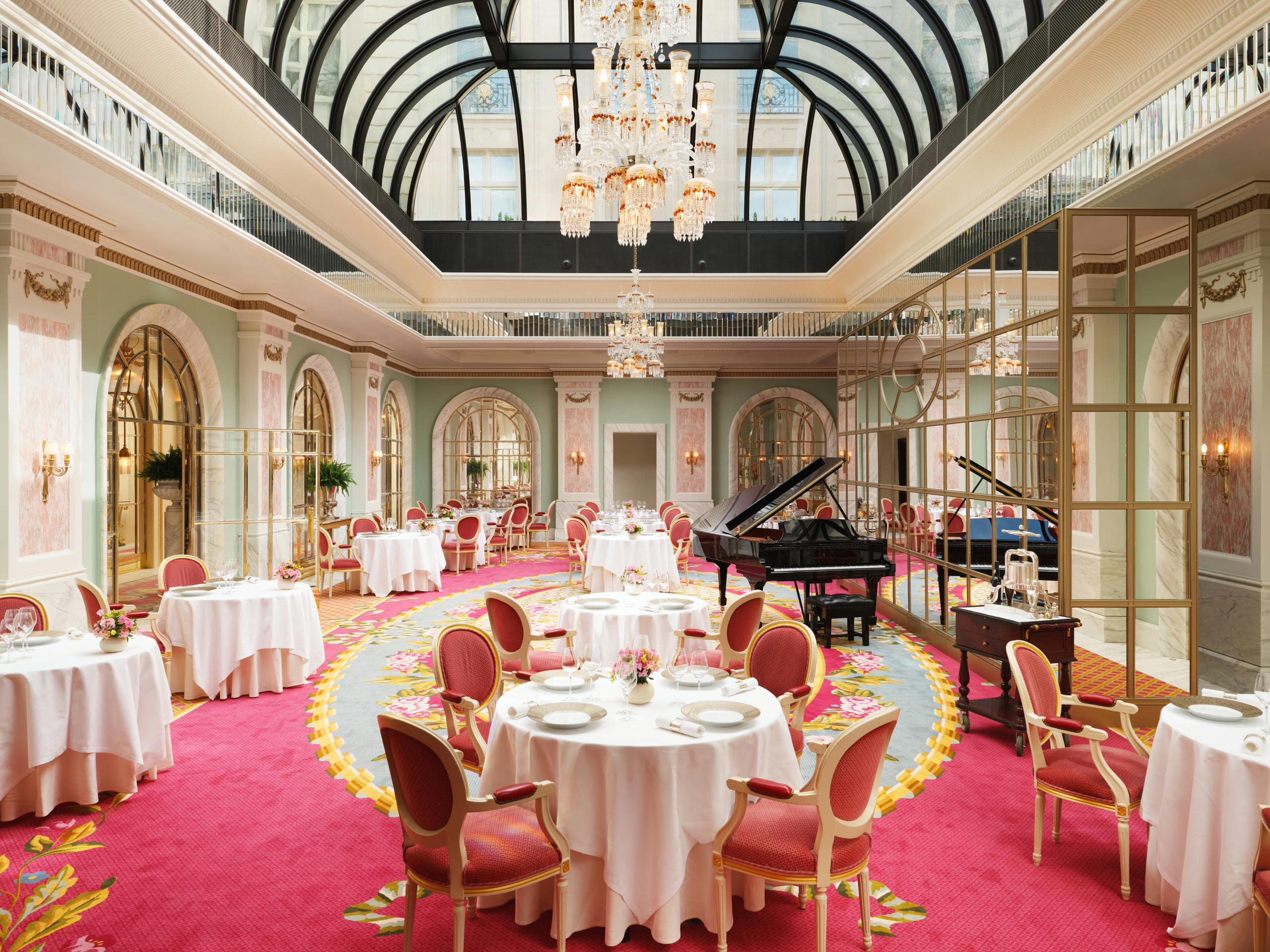
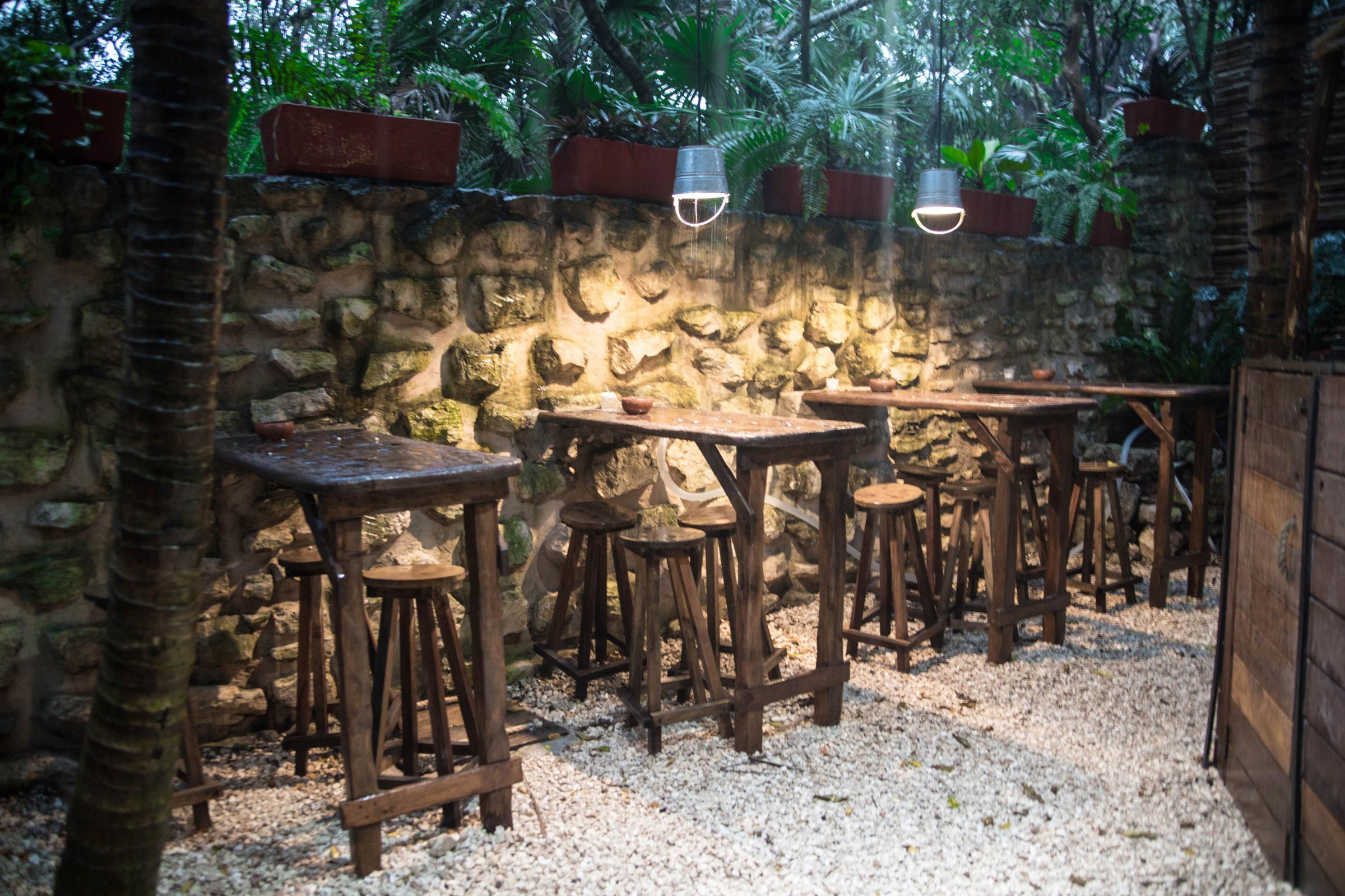
Bars in London
All bars in London →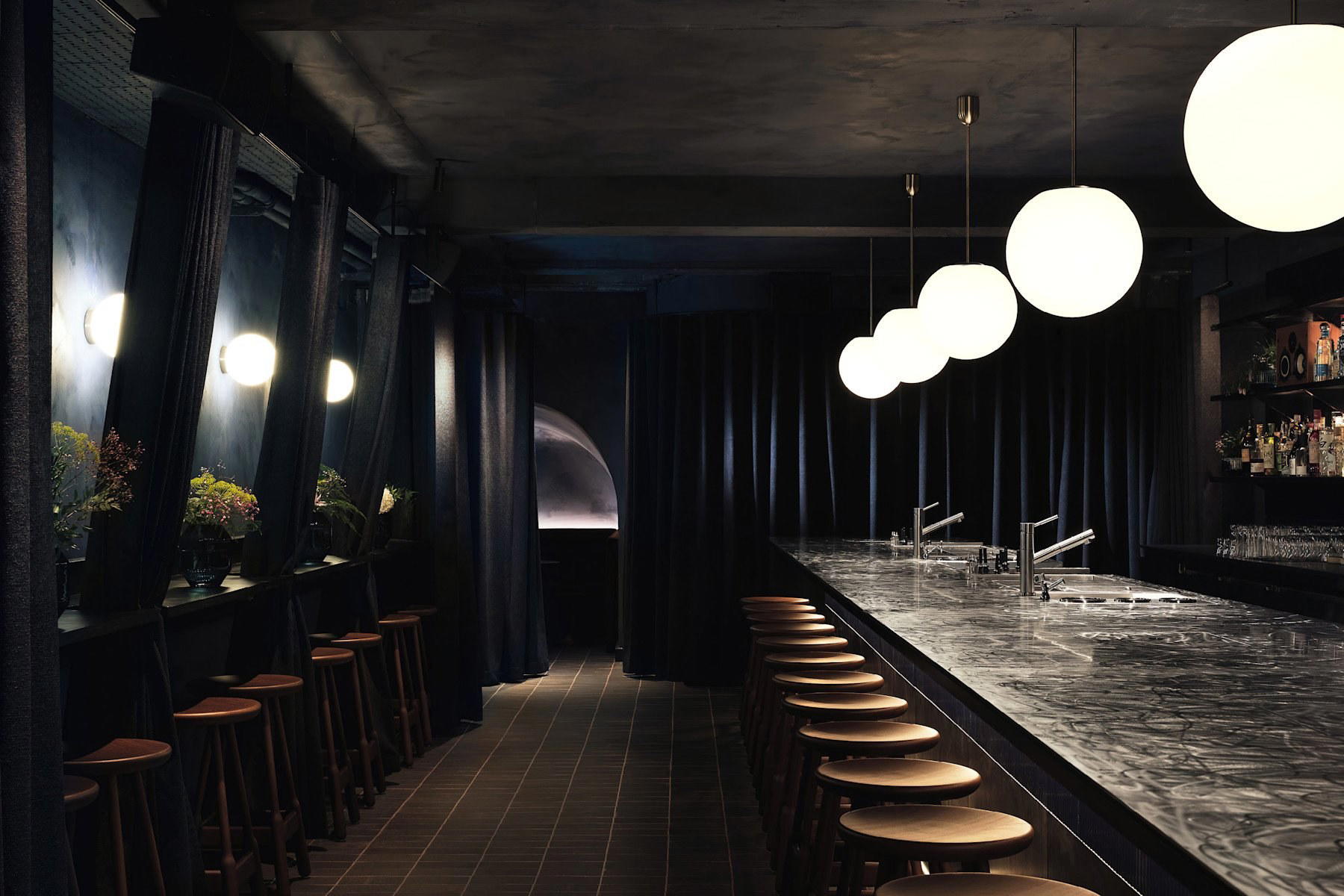
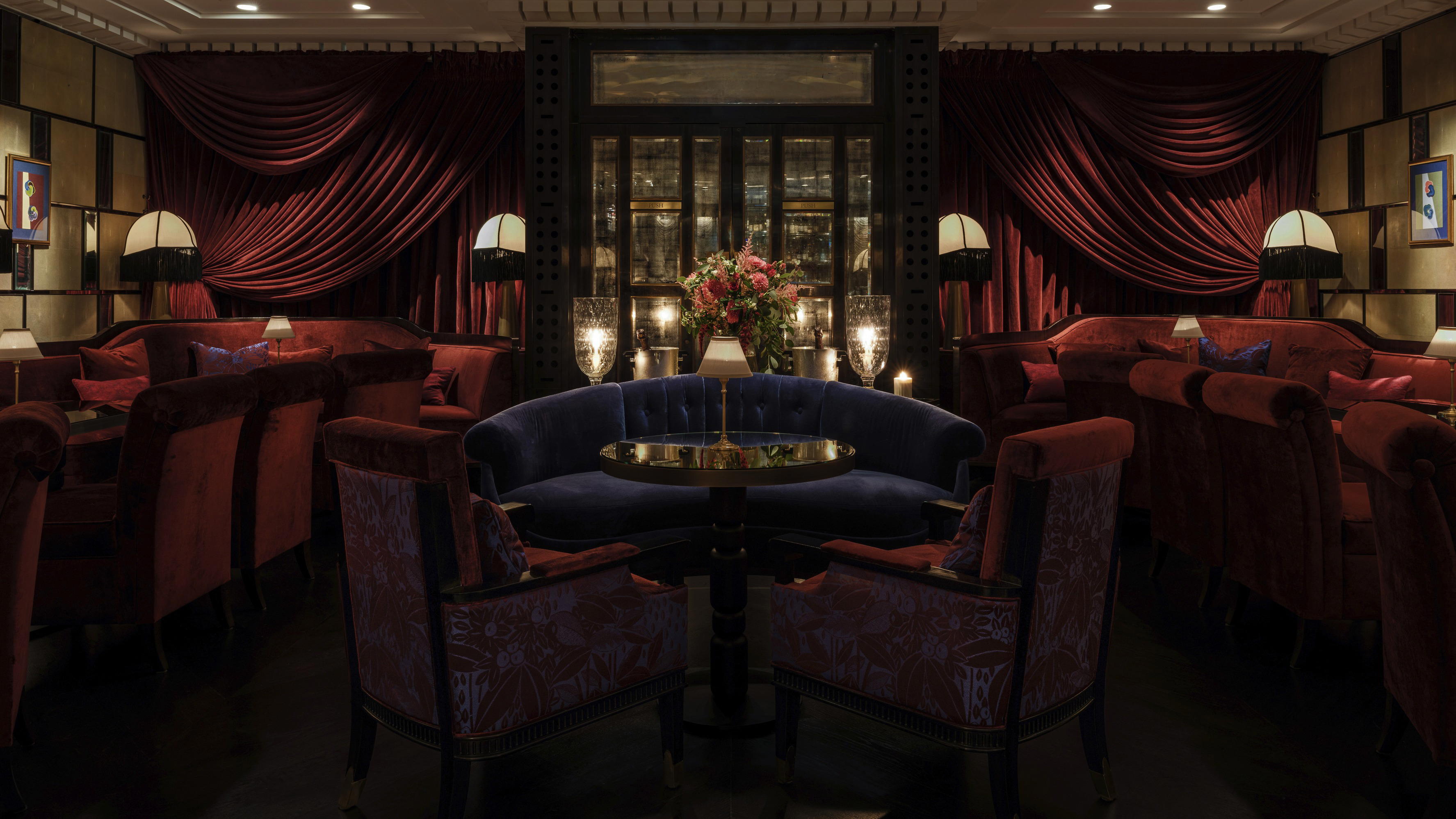
Hotels in London
All hotels in London →





Details
- Cozy
- Elegant
- Intimate
- Sophisticated
- Date Night
- Business Dinner
- Casual Hangout
- Pre Theater
- Hotel Restaurant
- Extensive Wine List
- Sustainable
- Prix Fixe
- A La Carte
- Wine
- Cocktails
- Vegetarian Friendly
Current opening hours
- Monday
- 12–9:30 PM
- Tuesday
- 12–9:30 PM
- Wednesday
- 12–9:30 PM
- Thursday
- 12–9:30 PM
- Friday
- 12–9:30 PM
- Saturday
- 12:30–9:30 PM
- Sunday
- 12:30–9:30 PM
Hours can change for holidays and private events. Hours as of .
Modernist lighting with high-toned detailing, elegant curves, and dramatically red banquettes creating a cozy, swanky French bistro atmosphere.