Our verdict
On Karl-Liebknecht-Straße, Leipzig's most food-forward strip, Bistro Lala occupies a position in the neighbourhood's mid-market dining tier where sustainability-conscious cooking has gained the most traction. The address places it among a cluster of independent operators whose identity is built on sourcing decisions rather than formal credentials, making it a reference point for the city's growing appetite for ingredient-led, lower-footprint dining.

Pearl is the En Primeur Club membership app — saves, bookings, and concierge access live there. Same editors, same standards.
- Address
- Karl-Liebknecht-Straße 5, 04107 Leipzig, Germany
- Phone
- +493412346863
- Hours
- Daily 11 AM–10 PM
- Website
- m.facebook.com
- Directions
- Get directions
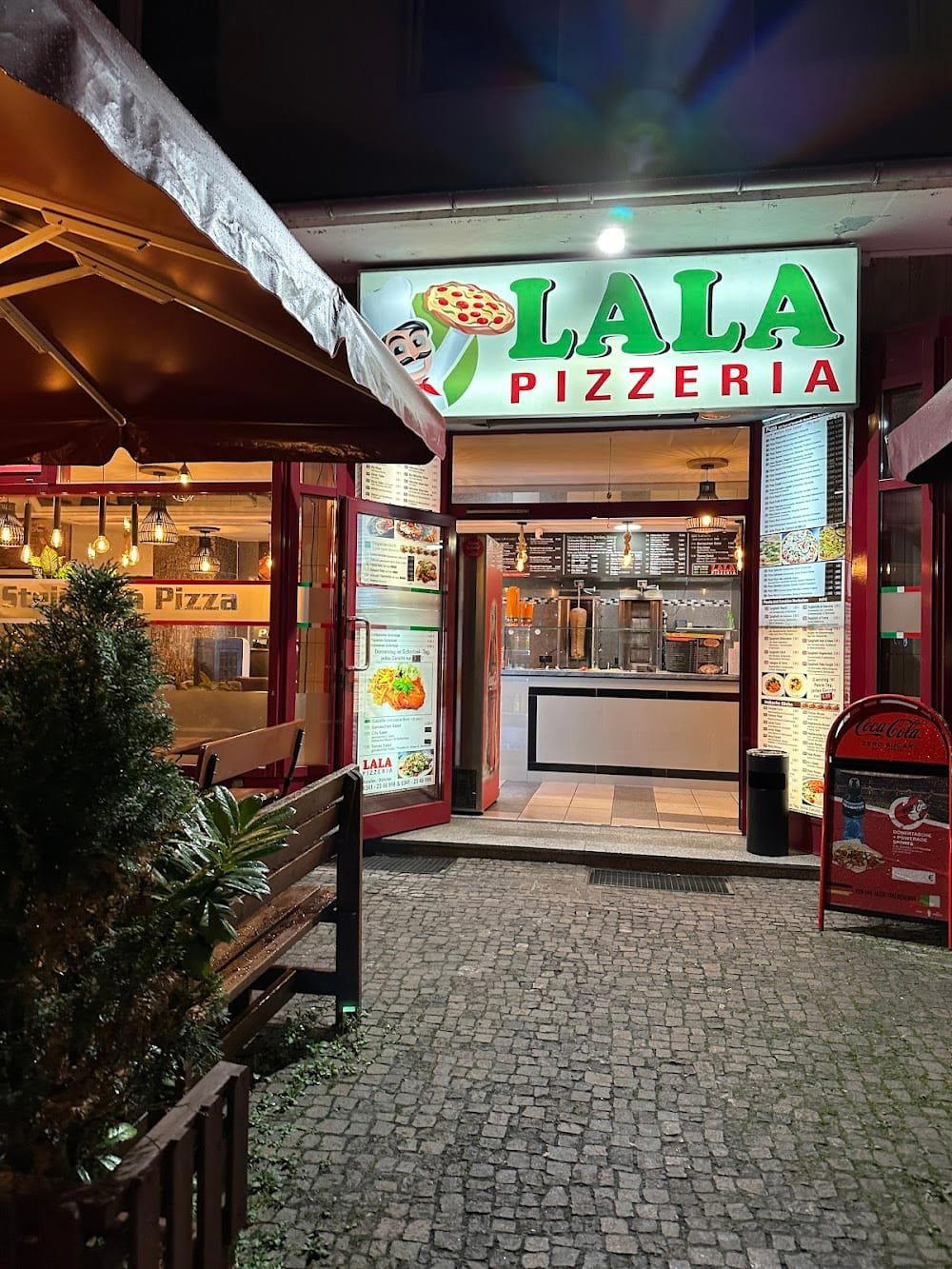
Karl-Liebknecht-Straße and the Neighbourhood That Shaped It
The stretch of Karl-Liebknecht-Straße known locally as the KarLi is one of the more reliable indicators of where Leipzig's independent dining culture is headed. The street runs south from the city centre through Südvorstadt, and over the past decade it has accumulated a density of owner-operated restaurants, cafés, and bars that reflects a broader shift in the city's eating habits: away from destination fine dining and toward places where provenance, format, and daily relevance matter more than occasion dressing. Bistro Lala, at number 5, sits at the northern end of that corridor, close enough to the centre to draw a mixed crowd but embedded firmly enough in the neighbourhood to read as a local institution rather than a tourist-facing operation.
Approaching from the tram stop, the address announces itself modestly. The KarLi's ground-floor retail has always favoured independent operators over chain formats, and the bistro format fits that grain. Inside, the atmosphere runs toward the spare and functional rather than the theatrically designed, which is consistent with a category of Leipzig restaurant that has chosen to spend its margin on ingredients and sourcing relationships rather than interior fit-out. That trade-off is increasingly common in German cities where sustainability-oriented operators have concluded that the two investments are in direct tension.
Where Bistro Lala Sits in Leipzig's Dining Tier
Leipzig's restaurant scene has consolidated around a recognisable hierarchy. At the leading end, Stadtpfeiffer operates in the creative fine-dining bracket at €€€€, with formal service and a tasting menu format. One tier below, venues like Kuultivo occupy the modern cuisine €€€ band, combining technique-led cooking with a less ceremonial approach. Bistro Lala occupies a different position: the neighbourhood bistro tier, where the competitive set is defined not by culinary ambition in the tasting-menu sense but by consistency, sourcing integrity, and accessibility across a weekly dining rotation rather than a special-occasion calendar.
That positioning matters for understanding the venue's reputation. The KarLi's dining cluster also includes Addis Café and Alfa Restaurant, both of which operate on the principle that neighbourhood relevance and cultural specificity carry more weight than formal recognition. 997 Sushi Restaurant represents yet another strand of the street's independent character.
The Sustainability Frame: Sourcing as the Kitchen's Core Decision
Across Germany's independent bistro category, the sustainability conversation has moved from marketing positioning to operational practice. The most credible operators in this tier have made sourcing the first decision rather than the last, which means building menus around what regional suppliers can deliver rather than assembling a concept and then sourcing ingredients to fit it. This approach produces a different kind of menu: shorter, more seasonal, subject to change based on availability, and resistant to the standardisation that makes scaling easy but ethical sourcing harder.
In Leipzig's context, that model connects to a broader Saxony food culture that has always maintained closer links to regional agriculture than the larger western German cities. The state's proximity to rural producers in the Elbe-Saale corridor gives operators who are willing to work directly with farms and small processors a genuine sourcing advantage that their counterparts in Frankfurt or Hamburg would have to work considerably harder to replicate. Bistro Lala's address on the KarLi places it in a neighbourhood where that kind of sourcing story resonates with a regular clientele that has shown consistent preference for operators with traceable supply chains.
Waste reduction, another pillar of sustainability practice in this category, tends to express itself through whole-animal or whole-vegetable cooking approaches, fermentation programs that extend the life of seasonal produce, and menu designs that avoid large inventories of perishable components with short shelf lives. These are kitchen disciplines rather than marketing claims, and they are more visible in the dish structure than in the language used to describe the restaurant. For visitors oriented toward this kind of dining, the signal to look for is menu brevity and seasonal rotation frequency, both of which indicate a kitchen operating on a low-waste supply logic.
German Fine Dining Context: What Leipzig Is Not
Understanding what Bistro Lala is requires a brief account of what it sits apart from. Germany's formal fine dining tier is represented by operations like Schwarzwaldstube in Baiersbronn, Aqua in Wolfsburg, Vendôme in Bergisch Gladbach, and Victor's Fine Dining by Christian Bau in Perl, all of which operate within the Michelin framework at its upper levels. Munich's JAN, Berlin's CODA Dessert Dining, ES:SENZ in Grassau, Schanz in Piesport, Waldhotel Sonnora in Dreis, and Restaurant Haerlin in Hamburg fill out the upper-middle and destination-restaurant tiers. For international reference, the sustained technical ambition of Le Bernardin in New York City or the community-embedded format of Lazy Bear in San Francisco illustrate how different the neighbourhood bistro model is from either pole of the high-end spectrum.
Leipzig has not produced a restaurant in the three-Michelin-star bracket, which reflects both the city's population size and its dining culture, which has historically rewarded accessibility and daily relevance over destination gastronomy. That is not a deficiency in the scene; it is a characteristic of it, and Bistro Lala operates in full alignment with it.
Planning Your Visit
Karl-Liebknecht-Straße is served by multiple tram lines connecting directly to Leipzig's city centre, making the KarLi one of the more direct neighbourhood destinations in the city. The bistro format typical of this address category tends to operate across lunch and dinner services, with weekend evenings drawing the highest demand from the local residential base. For visitors with a specific date in mind, contacting the venue in advance is advisable, particularly on Fridays and Saturdays when the street's dining cluster operates at capacity. The full Leipzig restaurants guide covers the city's wider dining options across price tiers and neighbourhood contexts.
Frequently asked questions
Where exactly is Bistro Lala?
Bistro Lala is located at Karl-Liebknecht-Straße 5, 04107 Leipzig, Germany, Leipzig.
How does Bistro Lala compare to Leipzig's fine dining restaurants?
Bistro Lala occupies a different register from Leipzig's formal fine dining operations such as Stadtpfeiffer, which operates at the creative, multi-course end of the city's restaurant hierarchy. Situated on Karl-Liebknecht-Straße in Saxony's largest city, Bistro Lala belongs to a neighbourhood bistro category where cooking decisions and sourcing carry more weight than tableside ceremony. That distinction makes it a point of reference for Leipzig's independent dining culture rather than a competitor to its formal tier.
What dish is Bistro Lala famous for?
The kitchen's identity, as suggested by its position on Karl-Liebknecht-Straße in Leipzig's KarLi quarter, points toward ingredient-led, independently minded cooking rather than a fixed showpiece dish. Checking directly with the restaurant before your visit is the most reliable way to learn what the kitchen is currently focused on.
What has Bistro Lala built its reputation on?
Bistro Lala operates on Karl-Liebknecht-Straße, the stretch of Leipzig known locally as the KarLi, which functions as a barometer for the city's independent restaurant culture. Its standing within that neighbourhood places it in a tier defined by owner-operated consistency and local sourcing rather than formal awards or chef-driven prestige. That positioning is the clearest indicator of what the restaurant values and what returning guests come back for.
The Essentials
Comparable venues nearby, for context on price, style, and recognition.
| Venue | Cuisine | Price | Notes |
|---|---|---|---|
| Bistro LalaThis venue — the venue you are viewing | Pizza & Turkish Street Food | $10–20 | Not listed |
| Small Treats Cafe & Bistro | Cafe Bistro | Not listed | Schleußig, Cafe Bistro |
| GAO Vegan Restaurant | Vegan Vietnamese | $20–30 | Zentrum-West, Vegan Vietnamese |
| HUWA – 100 Wasser | Modern Fusion International | Not listed | Zentrum, Modern Fusion International |
| Restaurant Casablanca | Moroccan | $20–30 | Lindenau, Moroccan |
| Amico Italienische Spezialitäten | Authentic Italian Pizza & Pasta | $10–20 | Altlindenau, Authentic Italian Pizza & Pasta |
Continue exploring
More in Leipzig
Restaurants in Leipzig
Browse all →
Bars in Leipzig
Browse all →
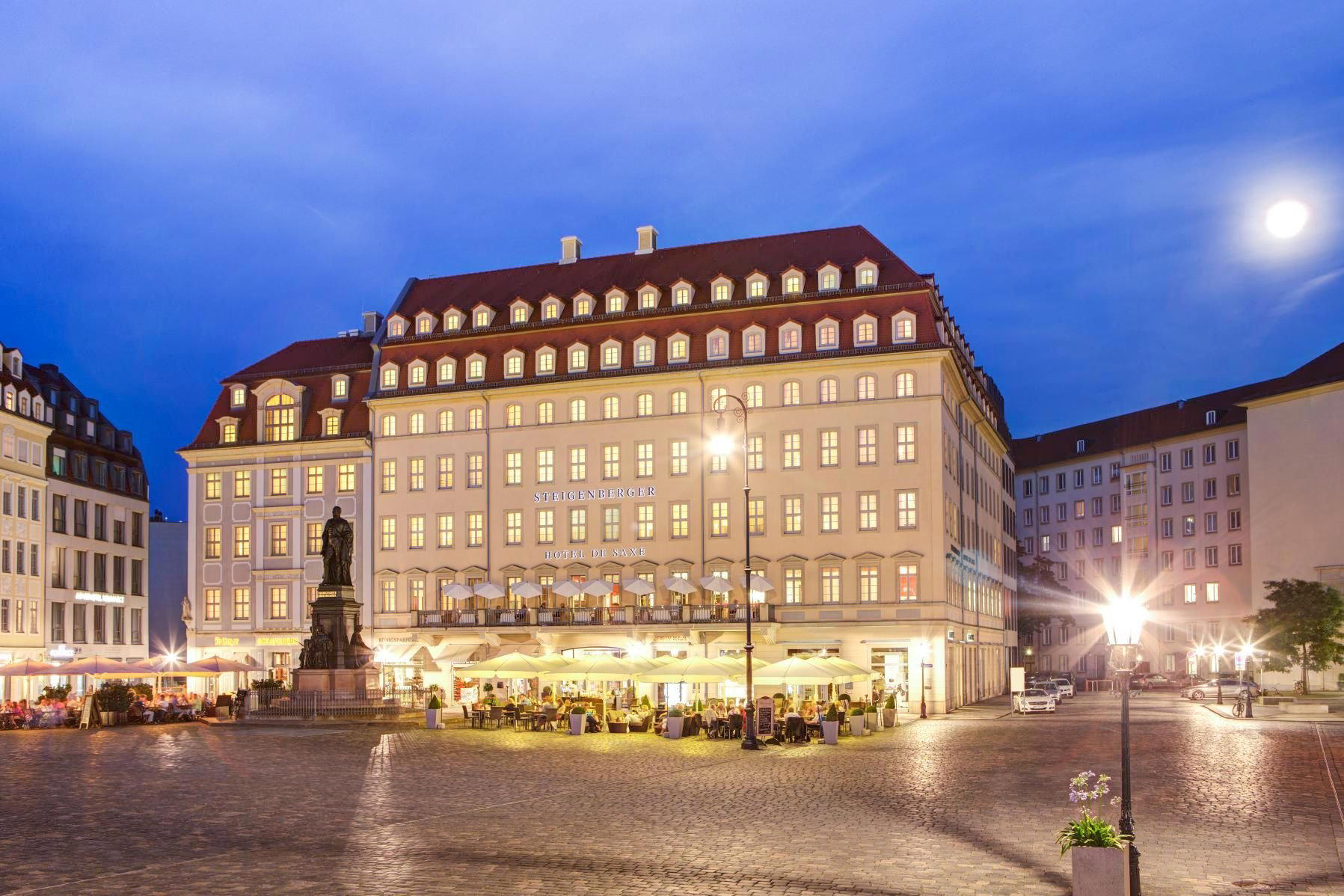
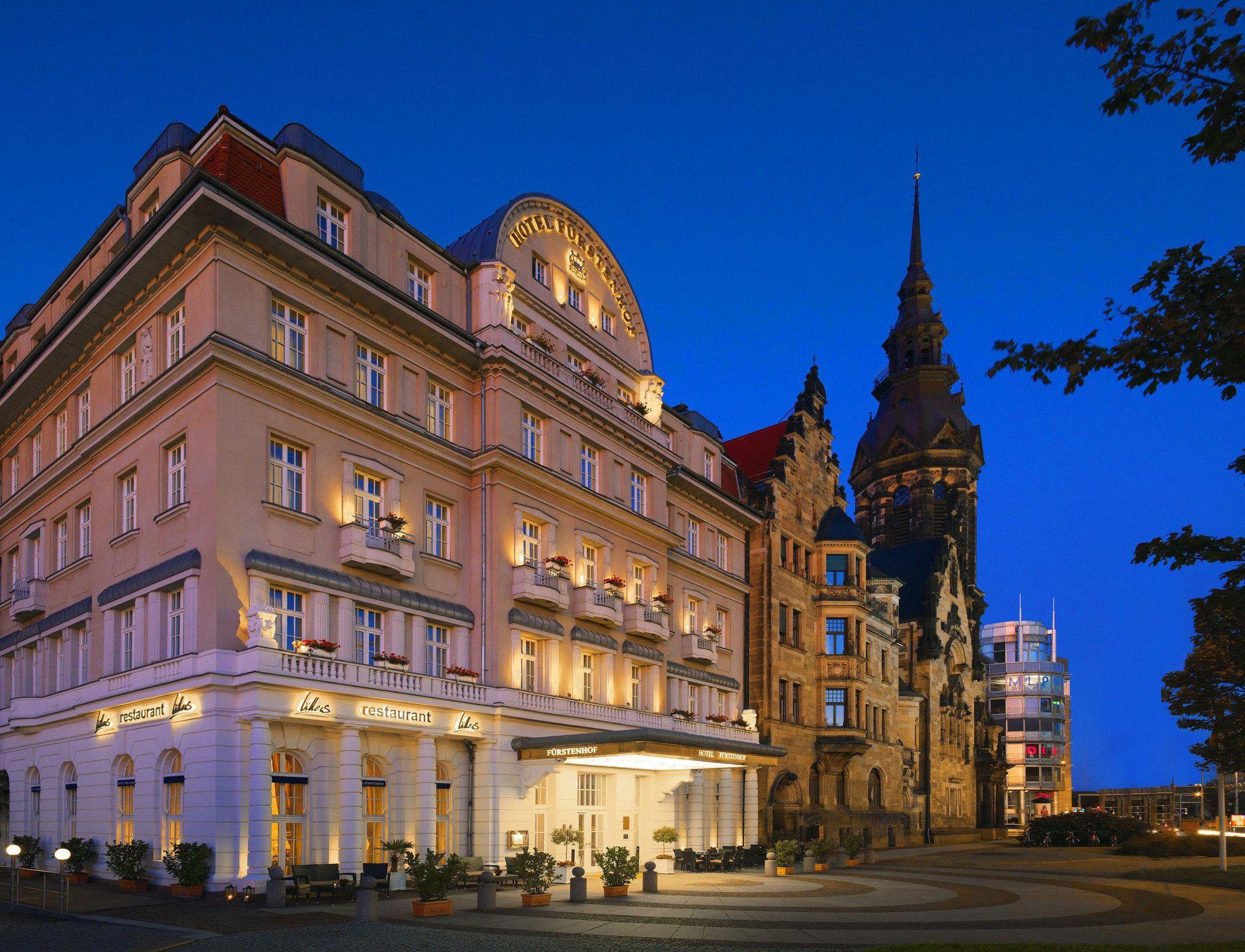
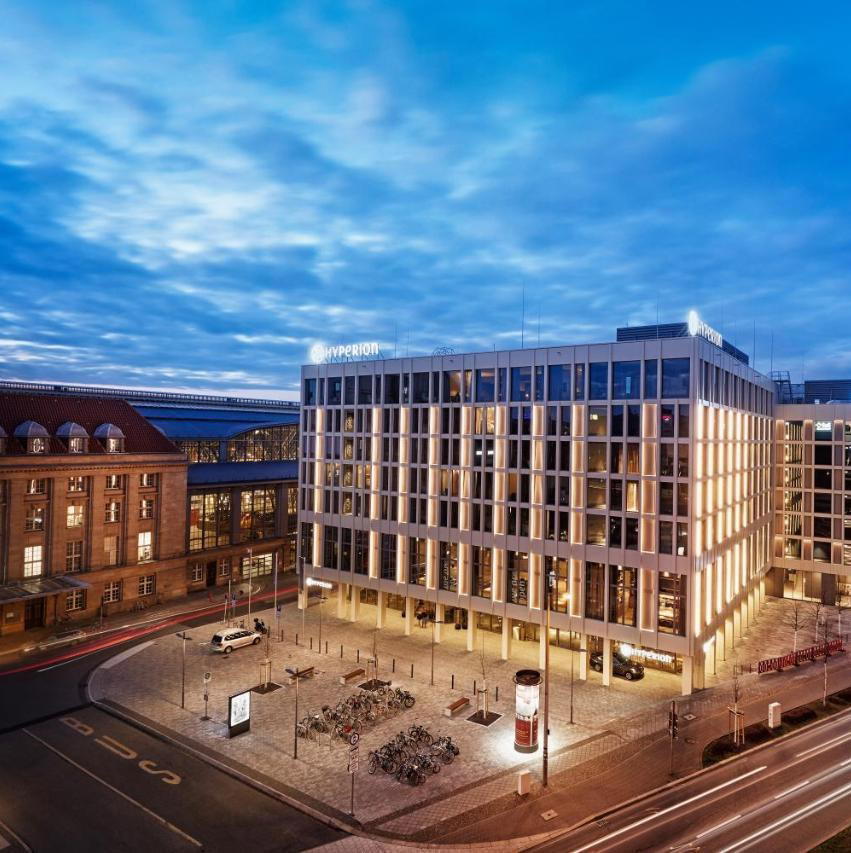
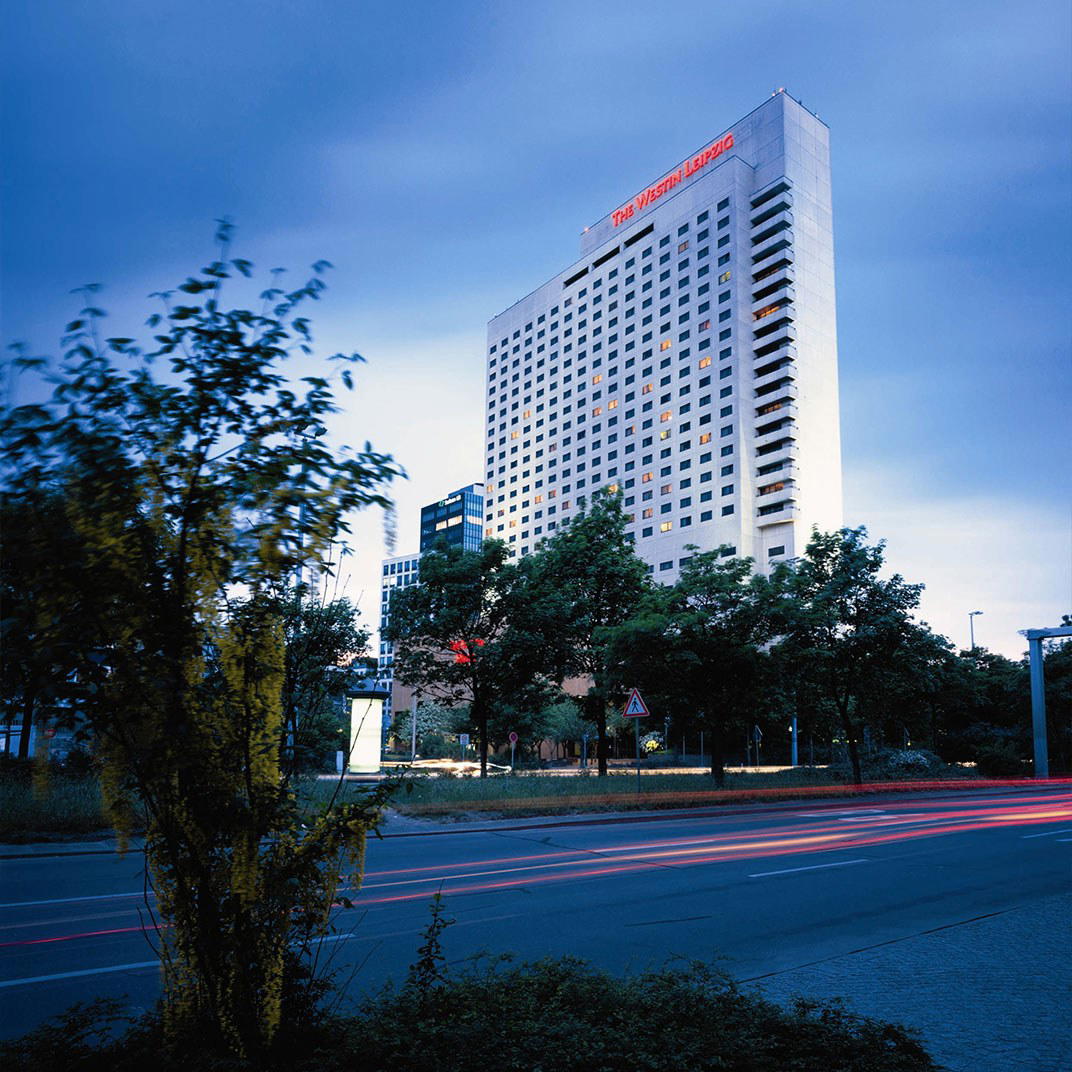
Hotels in Leipzig
Browse all →
Wineries in Leipzig
Browse all →
Details
- Lively
- Casual
- Casual Hangout
- A La Carte
Current opening hours
- Monday
- 11 AM–10 PM
- Tuesday
- 11 AM–10 PM
- Wednesday
- 11 AM–10 PM
- Thursday
- 11 AM–10 PM
- Friday
- 11 AM–10 PM
- Saturday
- 11 AM–10 PM
- Sunday
- 11 AM–10 PM
Hours can change for holidays and private events. Last verified .
Lively and casual atmosphere focused on quality street food.