Bioko
Our verdict
Bissau at the Table: How the Capital Eats Bissau moves at its own tempo, and nowhere is that more apparent than at the table. The city's dining culture is shaped by a West African coastal geography that puts fish, palm oil, and cashew into daily...

Pearl is the En Primeur Club membership app — saves, bookings, and concierge access live there. Same editors, same standards.
- Address
- Bissau, Guinea Bissau
- Directions
- Get directions
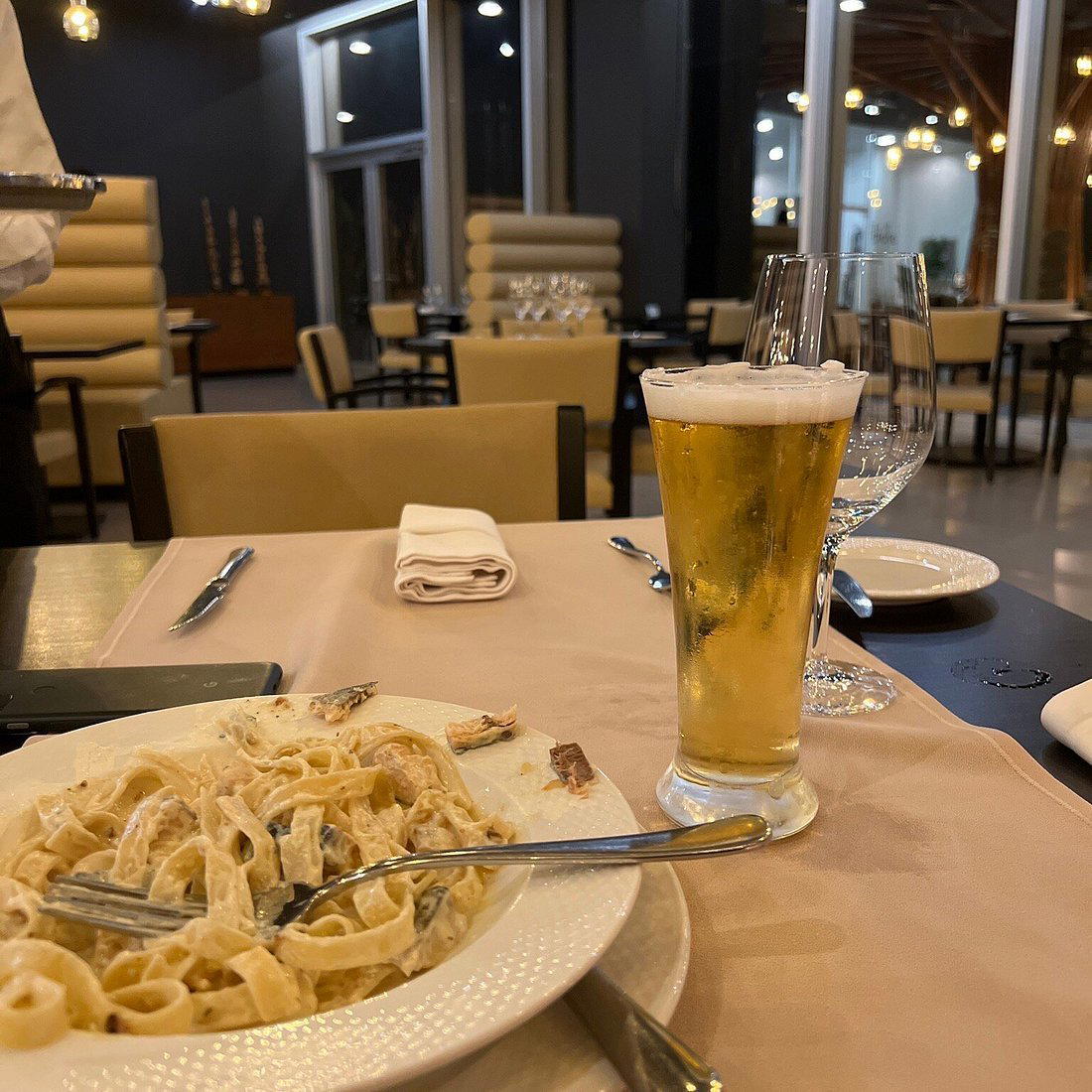
The menu
What to order
- Hummus
Bissau at the Table: How the Capital Eats
Bissau moves at its own tempo, and nowhere is that more apparent than at the table. The city's dining culture is shaped by a West African coastal geography that puts fish, palm oil, and cashew into daily rotation, layered with Portuguese colonial influence that left behind a taste for long, unhurried meals and a preference for shared plates over individual portions. Restaurants in Bissau are not destinations in the international sense; they are extensions of domestic life made public, and the rituals that govern a meal here reflect that continuity. Bioko sits inside this tradition, taking its name from a reference point familiar to anyone who knows the Gulf of Guinea's history and geography.
The Shape of a Meal in Guinea-Bissau
Understanding how a meal unfolds at a Bissau restaurant requires setting aside the pacing logic of European or North American dining rooms. Courses do not arrive in a strict sequence announced by staff. Instead, the meal tends to accumulate: dishes appear as they are ready, shared across the table rather than plated individually, with conversation and refilling treated as part of the structure rather than interruptions to it. This format is common across West African restaurant culture, from Dakar's thieboudienne houses to Conakry's neighbourhood grills, and it places social obligation at the center of eating rather than the edges. At venues like Bioko, that tradition shapes everything from how space is arranged to how long a table is expected to occupy its seats.
The cuisines most visitors encounter in Bissau lean heavily on a short list of preparations: caldo de mancarra, the groundnut stew that functions as a national signature dish; grilled barracuda and tilapia from the Atlantic and its estuaries; rice cooked in palm oil with smoked fish; and, depending on the season, cashew-based dishes that reflect Guinea-Bissau's status as one of the world's leading cashew exporters. These are not elaborate preparations in the technical sense, but their quality is determined by sourcing precision and timing. Fish that has been on the water fewer than six hours cooks differently from fish that has traveled. Bissau's coastal position means the gap between catch and plate is narrow by default, and that compression shows in the result. For context on how coastal access shapes a restaurant's character, the approach at Aponiente in El Puerto de Santa María offers an instructive counterpoint from the European Atlantic tradition.
Where Bioko Sits in the Bissau Restaurant Scene
Bissau's restaurant market is small by regional capital standards. The city of roughly 600,000 supports a dining scene that ranges from roadside cantinas to a handful of sit-down establishments serving a mix of locals, NGO workers, and the occasional traveler. Bioko occupies a position in that middle register, distinct from the street-level informal economy but not operating with the infrastructure of a formal fine-dining room. This is the tier where most meaningful eating happens in Bissau: an actual kitchen, a consistent menu, and a setting that communicates some deliberateness without the staging of a special-occasion restaurant. Comparable Bissau addresses worth tracking alongside Bioko include Handi and Larosa, both of which operate in the same tier of the local market. For a broader orientation to eating in the capital, our full Bissau restaurants guide maps the scene by neighbourhood and format.
Guinea-Bissau as a dining destination remains largely outside the international food media circuit. Unlike Dakar, which has attracted coverage from European and American publications as Senegalese cuisine has gained global traction, Bissau has not yet produced the kind of restaurant story that travels. That insularity cuts both ways: it means fewer resources and less external pressure to modernize for outside audiences, but it also means the food remains oriented toward local appetite rather than tourist expectation. For travelers accustomed to dining rooms at Le Bernardin in New York City or Amber in Hong Kong, Bioko asks for a recalibration of the terms on which a meal is judged.
The Rhythm of Service and Setting
In Bissau's sit-down restaurants, service follows a pattern shaped more by kitchen readiness than by scripted hospitality. Menus, where they exist in written form, reflect what is available that day rather than a fixed repertoire. This is not disorganization; it is a different organizational logic, one that keeps procurement and preparation honest. A dish that requires a specific fish will not appear if that fish was not available at the morning market. The alternative, in a city with limited cold-chain infrastructure, would be a menu that lies about its own freshness. This relationship between daily supply and daily menu is worth respecting, and it governs the rhythm of ordering at Bioko as it does elsewhere in the capital.
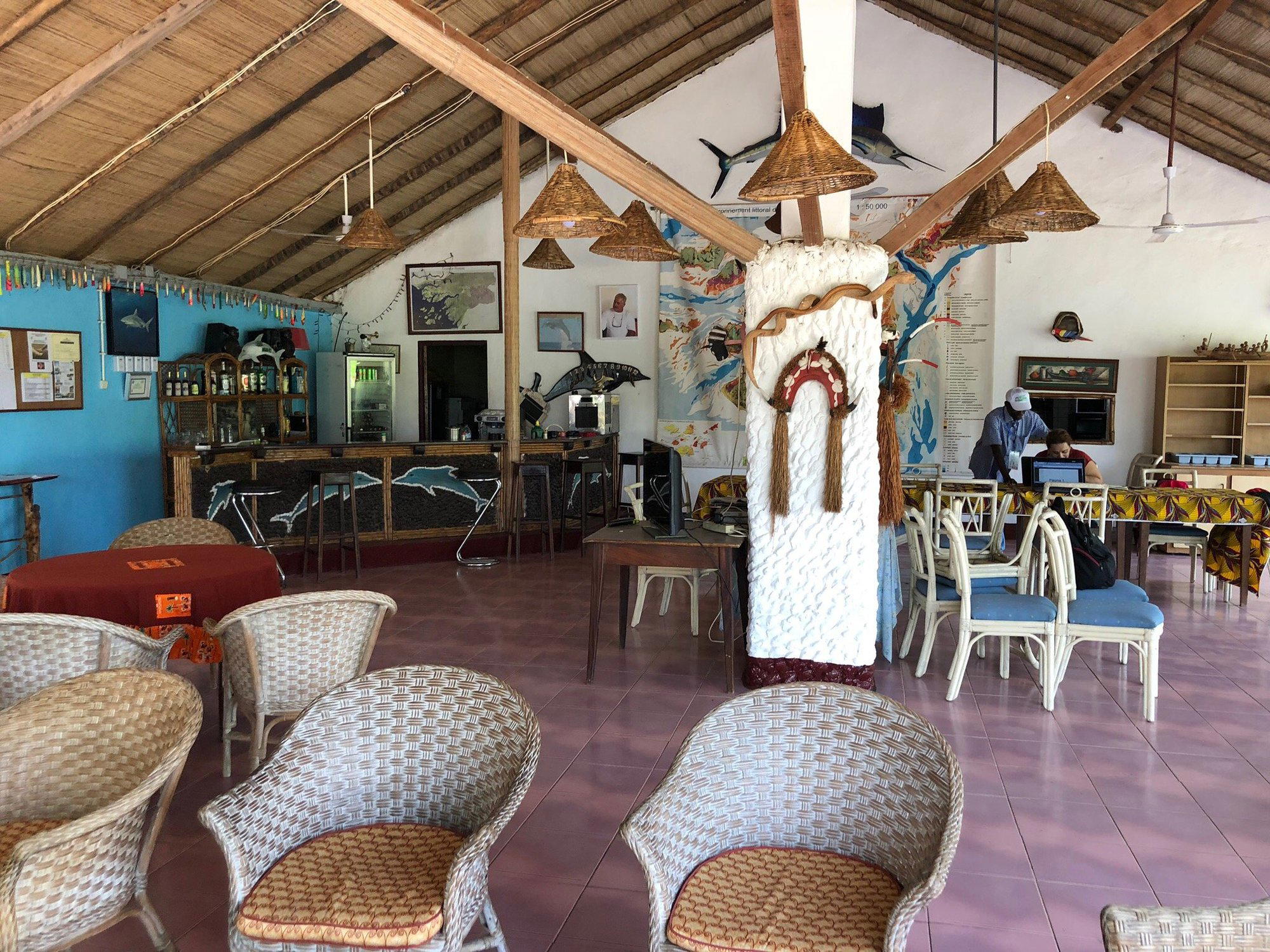
The physical environment of eating in Bissau tends toward the practical. Outdoor or semi-open settings are common, shaded against direct sun with airflow prioritized over enclosure. Evenings are the primary dining window; the mid-afternoon heat discourages extended lunch service at most establishments, and the social structure of the capital means dinner is where the longer conversations happen. Visitors planning a meal at Bioko should orient around evening service and factor in a timeline that assumes the meal will extend beyond what a Western restaurant visit would budget. Arriving with two to three hours available is the appropriate preparation, not because service is slow in a pejorative sense, but because the format rewards staying rather than turning over.
For travelers making a broader circuit of Guinea-Bissau's dining options, Restaurante in Bolama offers a point of comparison outside the capital, on the island that served as Guinea-Bissau's original colonial seat. The contrast between Bolama's quieter, historically layered setting and Bissau's urban register is worth the ferry crossing for those with the time. Internationally, the communal pacing of a Bissau meal has more in common with the deliberate, multi-act format at Lazy Bear in San Francisco or the ritual sequencing at Atomix in New York City than it does with casual neighborhood dining, even if the production values are entirely different. The underlying principle, that a meal is an event with a shape rather than a transaction, is shared across contexts. Other internationally recognized addresses where format and ritual are central include Alinea in Chicago, Arpège in Paris, Alain Ducasse at Louis XV in Monte Carlo, Alléno Paris au Pavillon Ledoyen, Arzak in San Sebastián, Atelier Crenn in San Francisco, Aqua in Wolfsburg, 8½ Otto e Mezzo Bombana in Hong Kong, and Emeril's in New Orleans, each representing a different tradition of treating the meal as a structured experience rather than a series of individual plates.
Planning a Visit
Bissau does not have a well-developed booking infrastructure for most of its restaurants. Reservations at Bioko, to the extent they are taken, are most reliably made by arriving in person or through a hotel concierge with local contacts. English is limited; Portuguese and Kriol are the working languages of the city, and any visitor who can engage in even basic Portuguese will find the experience more fluid. Payment in cash, in West African CFA francs, is the standard expectation at this tier of the market. Bissau's restaurant scene concentrates its leading energy in the evening, and the period between roughly 7pm and 10pm is when the city's dining rooms are most alive.
Frequently asked questions
Is Bioko okay with children?
Bissau's sit-down restaurants generally operate at a relaxed pace that accommodates families, and Bioko fits within that context. The unhurried service rhythm in Bissau's dining rooms tends to suit children better than high-turnover formats. Specific family facilities are not documented for Bioko, so it is worth confirming directly before visiting with young children.
What is the atmosphere like at Bioko?
Bioko operates within Bissau's small sit-down restaurant tier, a category distinct from the city's roadside canteens and from the few internationally oriented venues. Service in this context follows kitchen readiness rather than a scripted sequence, producing a pace that feels deliberate rather than slow. The setting reflects Bissau's broader dining culture: shaped by a West African coastal geography and a city of roughly 600,000 that has not standardised hospitality along European lines.
What kind of restaurant is Bioko, and how does it compare to other dining options in Bissau?
Bioko sits within Bissau's small but distinct tier of formal sit-down restaurants, above the roadside cantina level but operating in a city where the overall dining market is limited by regional capital standards. Guinea-Bissau's capital does not yet have a developed restaurant scene with international award recognition, which means venues like Bioko serve a local and visiting clientele without the competition pressure found in larger West African capitals such as Dakar or Abidjan. Reservations, where taken at all, are handled informally rather than through online booking platforms.
What's the must-try dish at Bioko?
Guinea-Bissau's coastal position means the broader regional table draws on rice, fish, and palm-based preparations as staples, which gives useful context for what a Bissau sit-down restaurant is likely to offer. For confirmed dishes, contact Bioko directly before your visit.
Category Peers
| Venue | Cuisine | Price |
|---|---|---|
| BiokoThis venue — the venue you are viewing | Contemporary African with Avant-Garde Rice Specialization | Not listed |
| Larosa | Lebanese | $10–20 |
| Handi | Authentic Indian Cuisine | Not listed |
| Restaurante | Guinean-Bissauan | $1–10 |
Continue exploring
More in Bissau
Restaurants in Bissau
Browse all →
Details
- Elegant
- Sophisticated
- Modern
- Business Dinner
- Special Occasion
- Group Dining
- Hotel Restaurant
- Design Destination
- A La Carte
Elegant and refined atmosphere with polished design, positioned as a upper-tier culinary destination.