Our verdict
Big Mamma Group brought a particular kind of Italian hospitality to Paris when East Mamma opened in the 11th arrondissement in 2015. The group's trattorias occupy a tier between casual neighbourhood dining and destination Italian, with ingredients sourced directly from Italy and Neapolitan pizza at the centre of the offer. For the price and the neighbourhood, the format has proven difficult to replicate at scale.
The menu
What to order
- Margherita pizza
- Truffle pasta
- Neapolitan pizza
Italian Trattoria Culture, Transplanted to the 11th
Paris has always maintained a complicated relationship with Italian food. The city supports a handful of serious Italian fine-dining addresses, but the trattoria tier, the kind of place where the pasta dough is made in-house, the tomatoes come from a specific region, and the room feels genuinely animated at 9pm on a Tuesday, has historically been thin on the ground. Big Mamma Group identified that gap when it opened East Mamma at 133 Rue du Faubourg Saint-Antoine in 2015, and the format's subsequent expansion across Paris reflects how pronounced that gap was.
The 11th arrondissement was a deliberate choice. The neighbourhood already had a dense concentration of independent bistros and natural wine bars drawing a younger, food-literate crowd. Placing an Italian trattoria model there meant the audience was already primed for informal eating with serious ingredient credentials, a combination that Italian cooking rewards more than almost any other tradition.
The Lunch and Dinner Divide
The distinction between daytime and evening service at a place like East Mamma matters more than it might appear. Italian trattoria culture has always treated lunch and dinner as genuinely different occasions, not just the same menu served at different hours. Lunch, historically the larger meal in southern Italy, tends to be faster, more convivial, and less ceremonial. Dinner is where the evening stretches and the room fills with noise.
At the Big Mamma locations in Paris, that divide maps onto the neighbourhood's rhythms. Lunch draws locals from the surrounding working districts of the 11th and 12th, many of whom treat the format as an affordable weekly habit rather than an event. The pace is quicker, the tables turn, and the Neapolitan pizza format, built for rapid firing in a wood oven, suits the midday slot well. Dinner reconfigures the same room into something more festive. The group's trattorias run large, which means the evening energy compounds across a full dining floor in a way that a 30-seat bistro cannot produce.
For a visitor, the practical implication is direct: lunch offers better availability and, at most Italian-format restaurants in this price tier, roughly equivalent food quality to dinner. The ingredients are the same. The kitchen operates at a similar register. What changes is room temperature and ambient noise, both of which climb significantly after 8pm.
Ingredients as the Central Argument
Big Mamma's positioning has always rested on ingredient sourcing rather than technique. Sourcing directly from Italian producers, which the group has made central to its identity since founding, places it in a different category than the generic Italian chains that occupy the tourist-facing parts of the city. The distinction shows most clearly in the pizza and pasta, where the difference between a commodity ingredient and a carefully sourced one is impossible to obscure.
Neapolitan pizza specifically is a format where ingredient quality and dough handling do most of the work. The Associazione Verace Pizza Napoletana has been codifying the craft since 1984, and the parameters it defines, flour type, fermentation time, cooking temperature, specific tomato varieties, mean there is limited room for faking the result. A group that sources correctly and trains its kitchen staff to handle dough at the right hydration and rest time will produce a recognisably different product than one that cuts those corners. The Big Mamma model places that sourcing argument at the front of its offer.
Where This Sits in Paris's Italian Tier
Paris's Italian dining scene in 2025 runs from tourist-trap pasta houses near the major monuments to a small number of serious addresses that compete on par with good regional Italian cooking. Big Mamma occupies the middle of that range, above the commodity tier, below the white-tablecloth Italian addresses that have emerged in the 8th and 16th. The price point reflects that positioning.
For context, the upper register of Paris dining is occupied by French-focused addresses that require a different kind of planning and budget. Three-star houses like Alléno Paris au Pavillon Ledoyen, Kei, L'Ambroisie, and Le Cinq operate in an entirely different competitive set, requiring advance booking windows of weeks to months and budgets that start at several hundred euros per person. The Big Mamma format is not in conversation with that tier and is not trying to be. It competes on volume, energy, and value for a city where a well-executed dinner for two can easily exceed €150 before wine at mid-range addresses.
France's broader fine-dining tradition extends well beyond Paris. Properties like Mirazur in Menton, Flocons de Sel in Megève, Troisgros in Ouches, Auberge de l'Ill in Illhaeusern, Bras in Laguiole, and the historic Paul Bocuse in Collonges-au-Mont-d'Or define the country's haute cuisine identity at a regional level. For visitors building a broader France itinerary around food, those destinations sit at one end of the spectrum. Big Mamma sits at the other, a city-centre option designed for frequency rather than occasion.
Spring in the 11th: Timing the Visit
The Faubourg Saint-Antoine corridor picks up noticeably in spring, when the artisan workshops and design showrooms that define the street's historical character draw more foot traffic and the outdoor seating culture in the surrounding streets activates properly. March through May is when the 11th feels most like the neighbourhood it is rather than a transit zone. Tables on or near the terrace become an option, which changes the lunch dynamic considerably, a midday sitting in April, with the neighbourhood moving at its normal pace around you, is a different experience from a winter dinner in a sealed room.
For planning purposes, spring also coincides with peak tourist pressure across central Paris. The trattoria format handles volume better than intimate bistros, but demand rises proportionally. Advance booking becomes more relevant in April and May than in quieter months.
Know Before You Go
- Address: 133 Rue du Faubourg Saint-Antoine, 75011 Paris
- Neighbourhood: 11th arrondissement, near the Bastille–Nation axis
- Group founded: 2015; first location East Mamma
- Format: Trattoria; Neapolitan pizza and homemade pasta
- Ingredients: Sourced directly from Italy
- Leading for: Lunch value, group dining, informal dinners
- Booking: Advance reservation recommended, particularly in spring (March–May)
- Price tier: Mid-range; substantially below the city's €€€€ French fine-dining tier
For a fuller picture of where to eat, drink, and stay across Paris, see our full Paris restaurants guide, our Paris hotels guide, our Paris bars guide, our Paris wineries guide, and our Paris experiences guide. Visitors planning France itineraries beyond the capital may also find value in the Arpège listing and comparisons with international French-influenced addresses like Le Bernardin in New York and Atomix.
Frequently asked questions
How do I find Big Mamma Group?
Big Mamma Group is located at 133, Rue du Faubourg Saint-Antoine, 75011 Paris, France, Paris.
Is Big Mamma Group Michelin-listed?
Big Mamma Group has received recognition including: French restaurant group founded in Paris in 2015, specializing in authentic, homemade Italian cuisine. Known for its vibrant trattorias and Neapolitan pizzas, the group focuses on high-quality, fresh ingredients sourced directly from Italy.….
What should I eat at Big Mamma Group?
The core offer is Neapolitan pizza and housemade pasta, both built around ingredients sourced directly from Italian producers. In Paris's mid-range Italian tier, that supply-chain commitment is relatively rare, and it shows most clearly in the dough and the produce. Start with the pizza before moving to pasta if the menu allows for it.
Can I walk in to Big Mamma Group?
Walk-ins are possible but availability tightens sharply on weekend evenings and through the spring months of March to May, when the 11th arrondissement sees its highest foot traffic. The Big Mamma locations in Paris run high covers and sustained queues during peak periods. Arriving at opening or during the early lunch window gives you the best chance without a reservation.
What do critics highlight about Big Mamma Group?
The consistent editorial note on Big Mamma since its 2015 founding is the sourcing model: direct procurement from Italian producers at a price point where most Paris competitors cut corners on ingredients. The group's first location, East Mamma on Rue du Faubourg Saint-Antoine, established that positioning and it has held across subsequent openings.
| Venue | Cuisine | Price | Awards | Notes |
|---|---|---|---|---|
| Big Mamma GroupThis venue (the venue you are viewing) | Authentic Italian Trattoria | Not listed | Not listed | Not listed |
| Alléno Paris au Pavillon Ledoyen | Modern French Fine Dining | $150–200 | 3 Michelin Stars · World's 50 Best #79 | Creative |
| Kei | Modern French with Japanese Influences | $300–500 | 3 Michelin Stars · World's 50 Best #93 | Contemporary French, Modern Cuisine |
| L'Ambroisie | Classic French Haute Cuisine | $300–500 | 2 Michelin Stars · World's 50 Best #23 | French, Classic Cuisine |
| Le Cinq - Four Seasons Hôtel George V | Modern French Fine Dining | $300–500 | 3 Michelin Stars · World's 50 Best #24 | French, Modern Cuisine |
| Plénitude | Modern French Sauce-Led Fine Dining | $300–500 | 3 Michelin Stars · World's 50 Best #14 | Contemporary French |
Recognition history
Dated appearances from independent guides and award organizations, with the underlying list record or original source where available.
50 Top Pizza 50 Top World Artisan Pizza Chains #1
50 Top Pizza
Continue exploring
More in Paris
Restaurants in Paris
All restaurants in Paris →
Bars in Paris
All bars in Paris →
Details
- Trendy
- Lively
- Cozy
- Group Dining
- Casual Hangout
- Brunch
- Open Kitchen
- Terrace
- Rooftop
- Craft Cocktails
- Local Sourcing
- Skyline
- A La Carte
- Small Plates
- Gluten Free Options
- Vegetarian Friendly
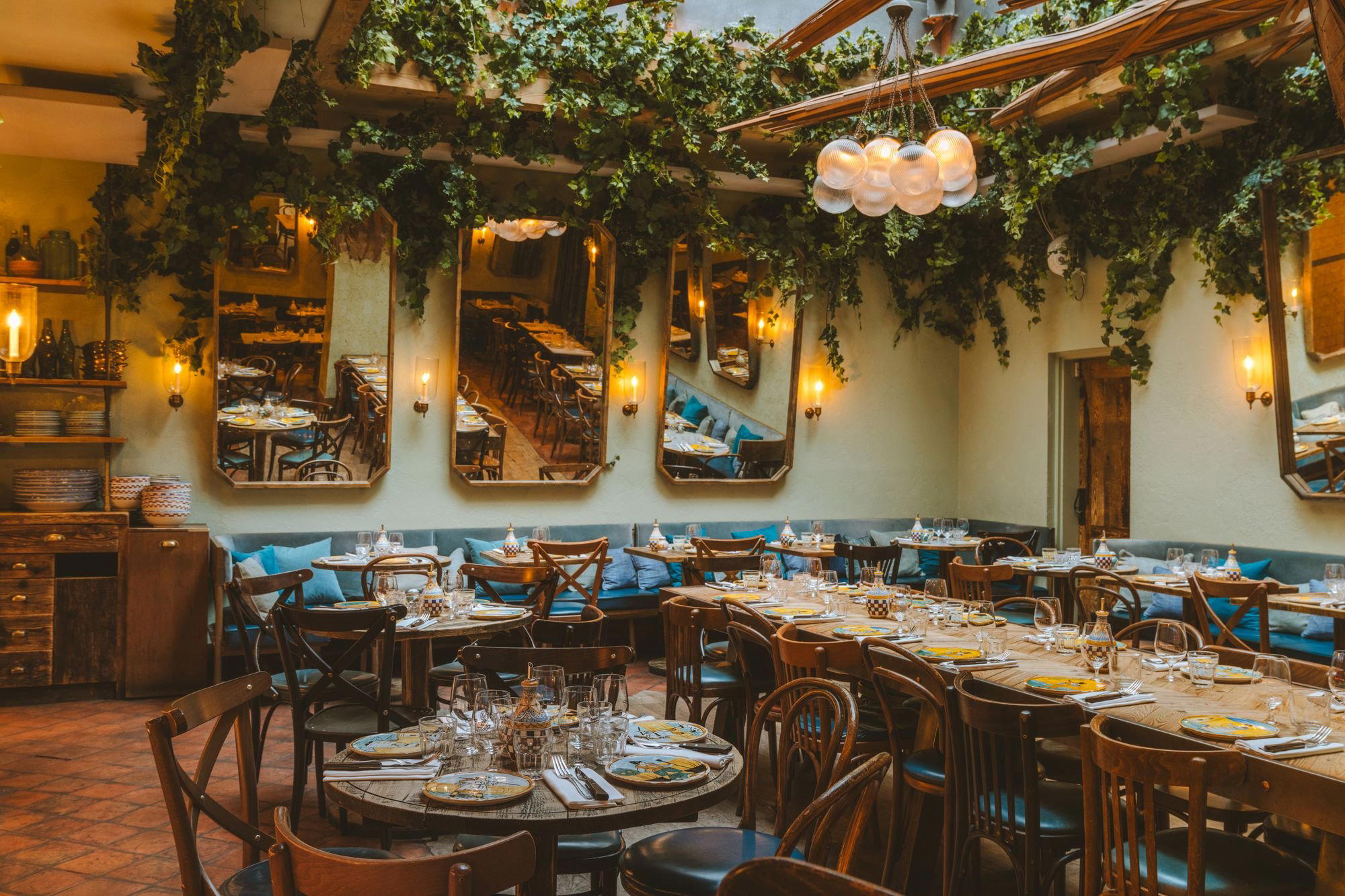
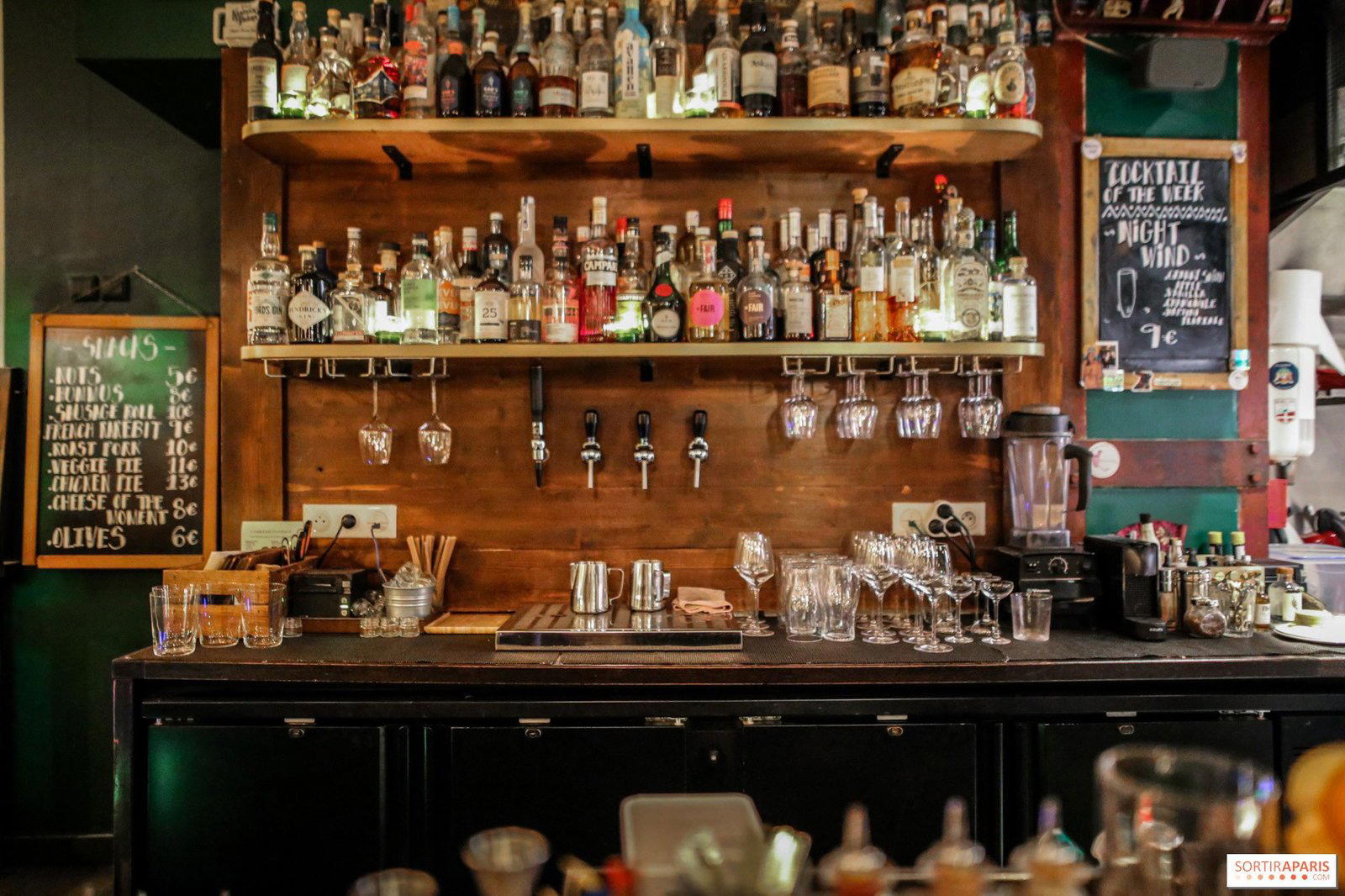
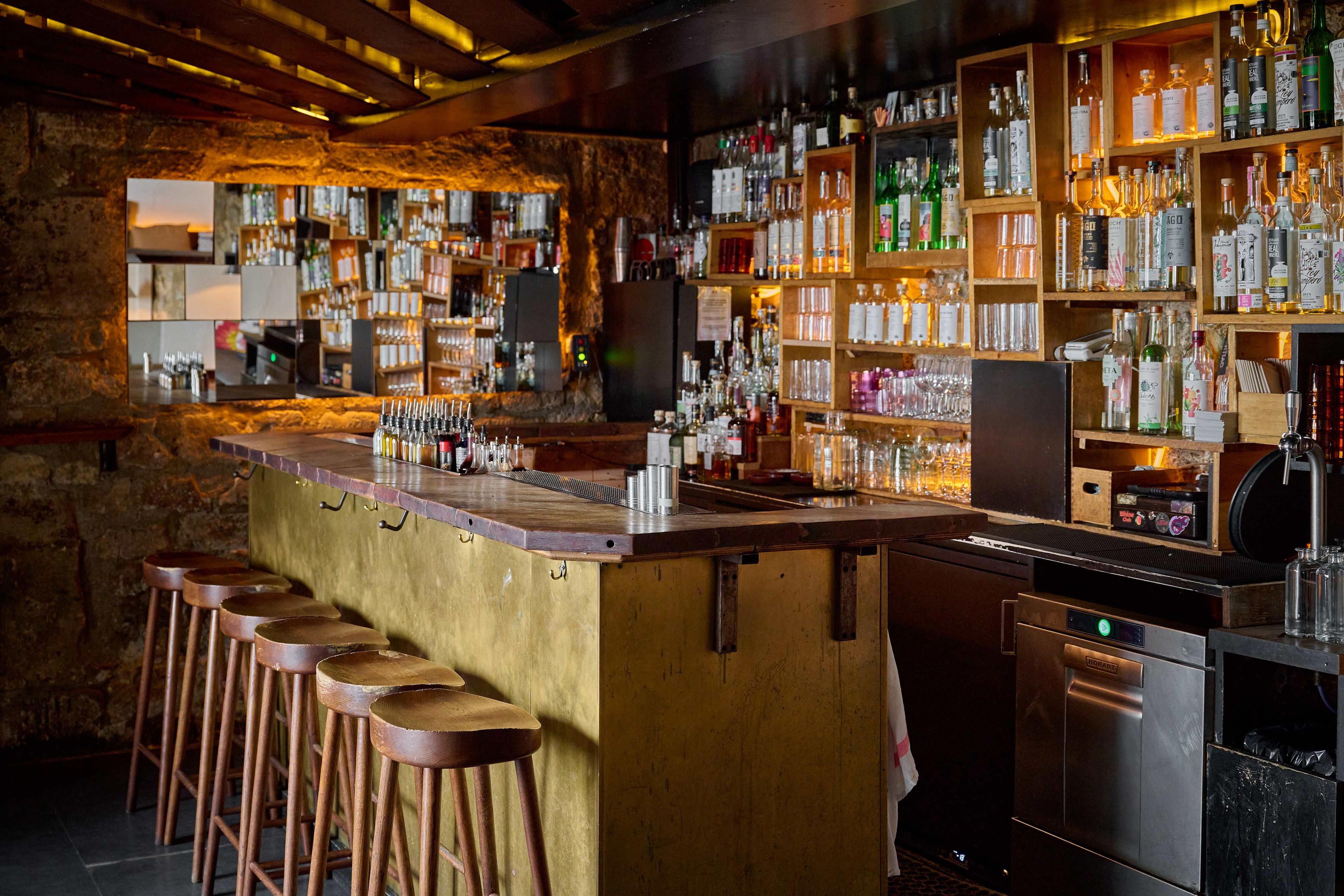
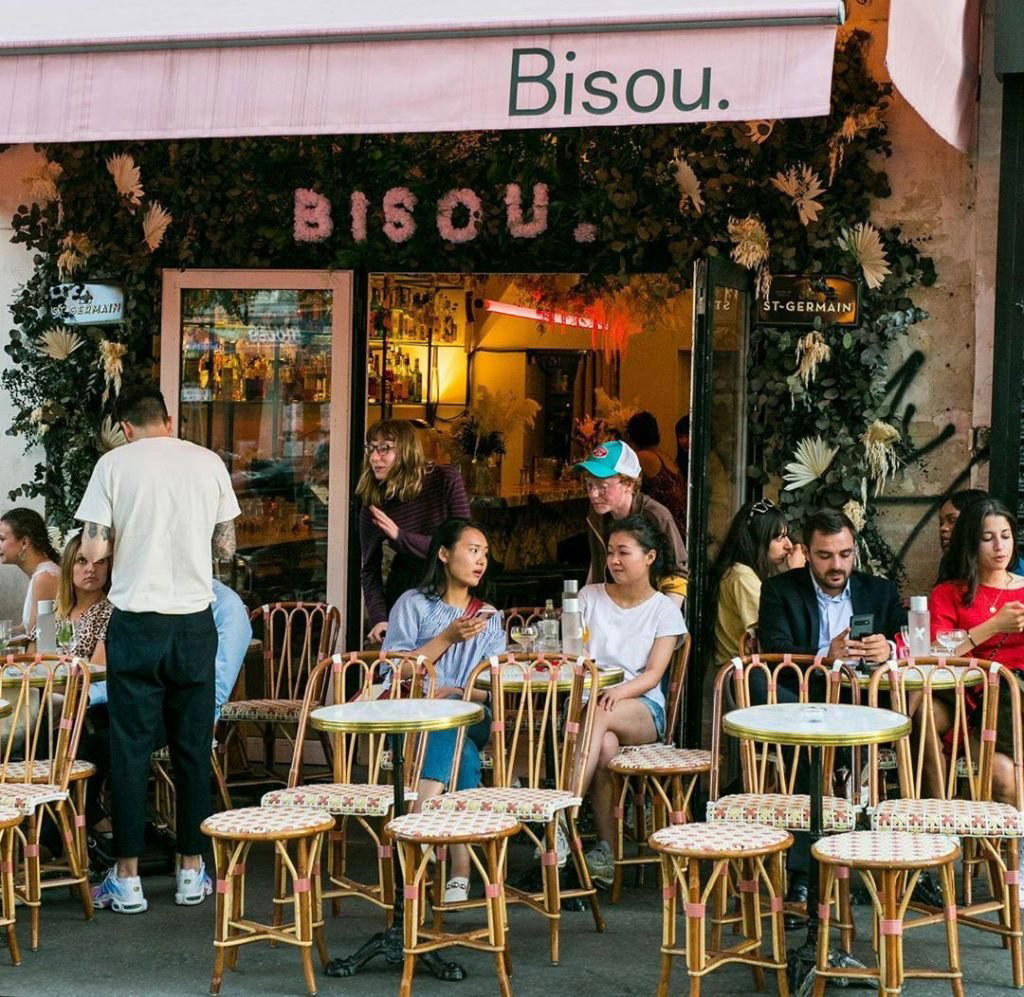
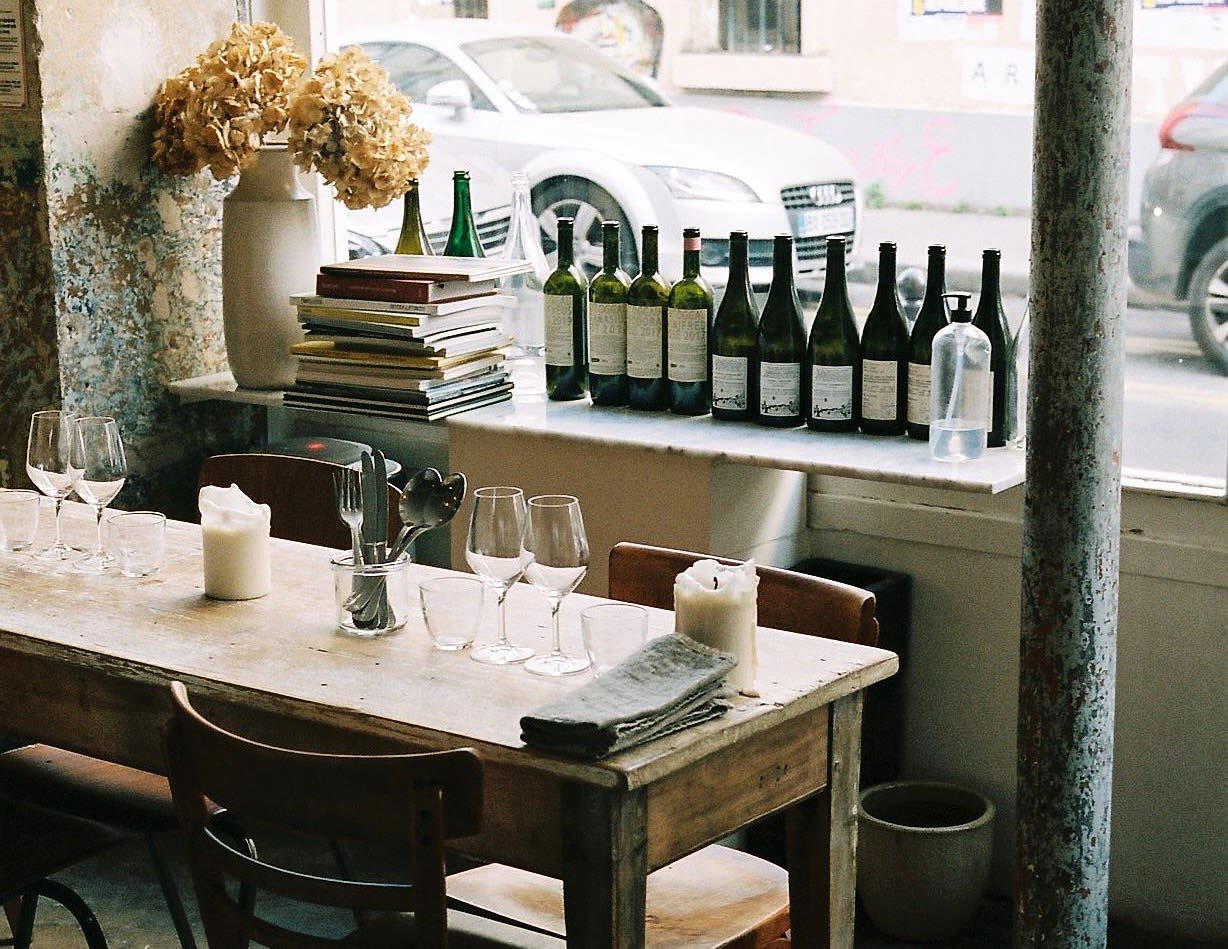
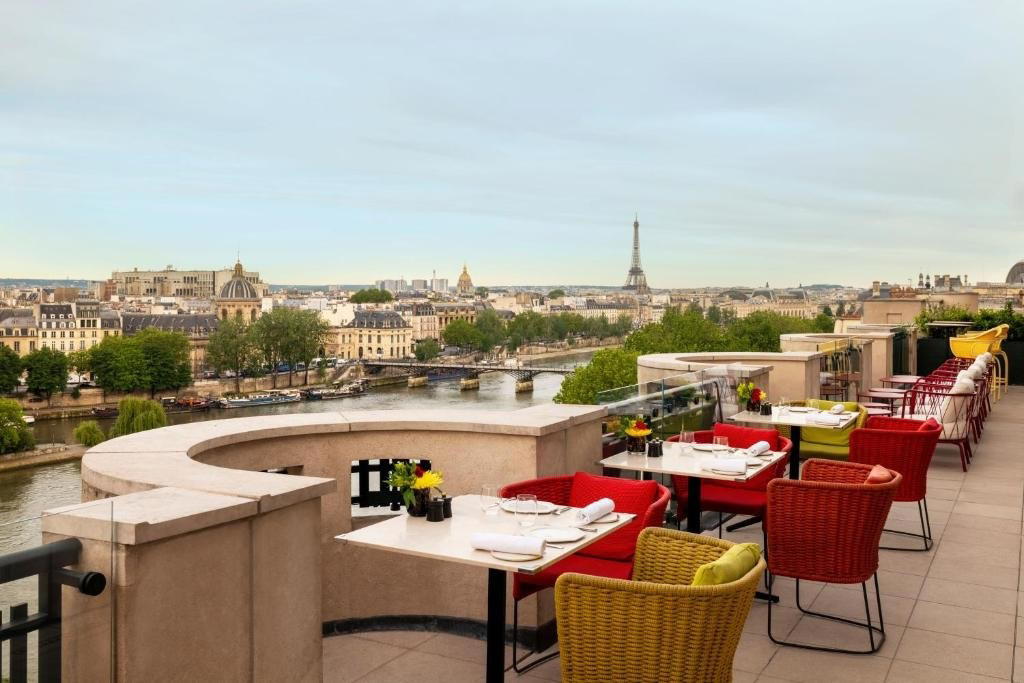
Trendy and convivial with pink-tiled buildings, communal tables, lively atmospheres, and rooftop glass views creating an energetic Italian trattoria feel.