
Bideko brings Lezama into the serious Basque dining conversation through a sourcing-led lens rather than urban polish. Its 1 Sol recognition in Guía Repsol 2026 places it among Spain’s inspected regional tables, with the strongest case for diners interested in Álava’s produce, village-scale hospitality, and the quieter edge of Basque restaurant culture.
Pearl is the En Primeur Club membership app — saves, bookings, and concierge access live there. Same editors, same standards.
- Address
- Bº Bideko nº74, 01450 Lezama, Álava, Spain
- Directions
- Get directions
 Saves & bookings on Pearl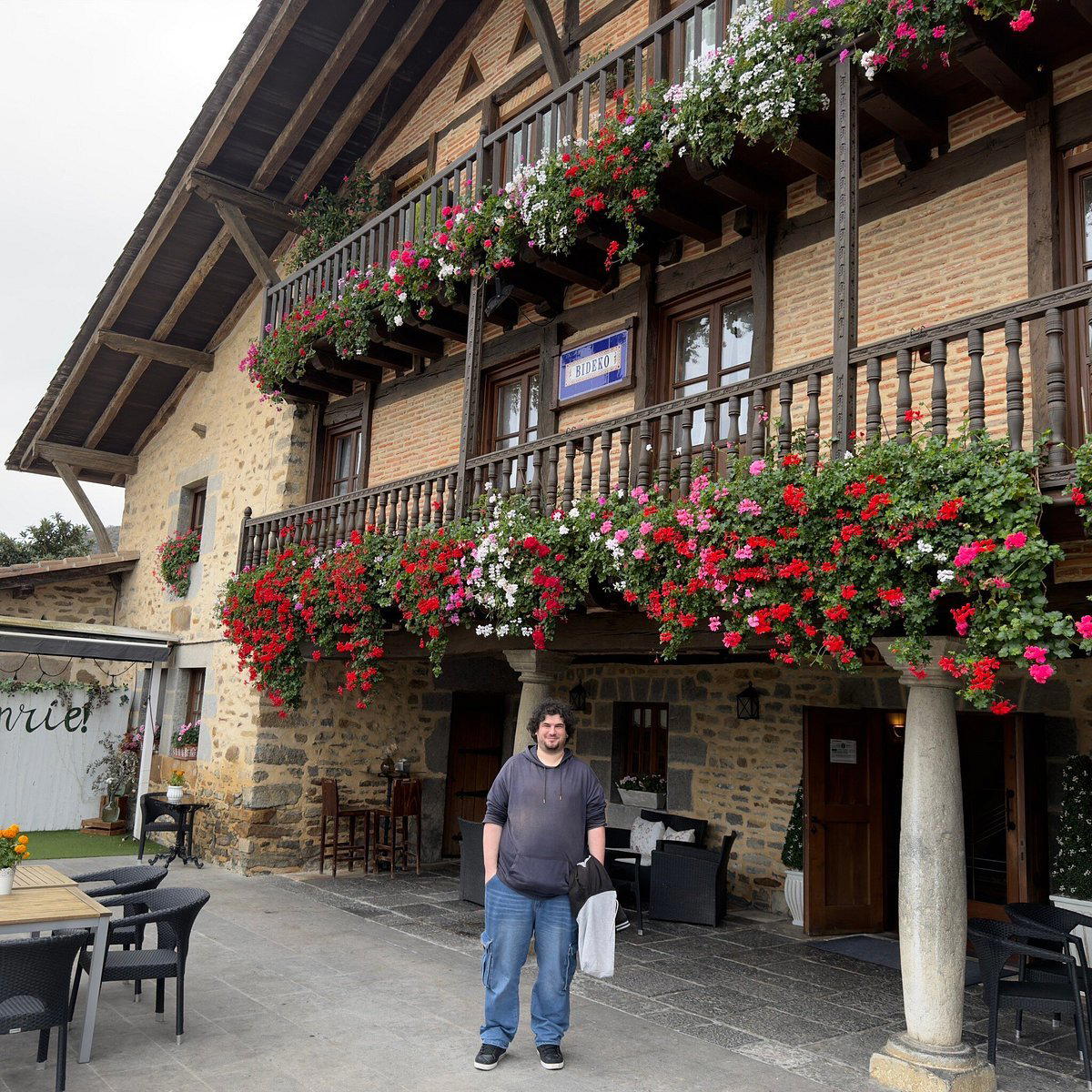
The approach to dining in Lezama is different from the urban rhythm of Bilbao or Vitoria-Gasteiz. The pace is lower, the room tends to matter less than the table, and the logic of the meal starts with proximity: what the surrounding farms, markets, butchers, and seasonal producers can support. Bideko belongs to that register. Its relevance is not built on spectacle or imported luxury cues, but on a Basque tradition in which sourcing is a form of authorship.
That matters in Álava, where restaurant identity often sits between two forces: the deep rural pantry of inland Basque Country and the sharper contemporary language found at ambitious regional addresses. In this setting, a 1 Sol distinction from Guía Repsol 2026 is a useful signal. It does not place the restaurant in the high-theatre tasting-menu tier, but it does mark it as part of Spain’s inspected dining conversation, where consistency, product judgment, and regional clarity carry weight.
Álava produce, read through a village dining room
Ingredient-led Basque cooking is often misunderstood as rustic by default. The better version is more disciplined than that: fewer decorative moves, more attention to timing, heat, and the quality of the raw material. Around Lezama, that usually means a stronger relationship to land than sea, with the Basque pantry understood through vegetables, meats, preserved elements, and seasonal availability rather than the seafood-centric image many visitors bring to the region.
Bideko’s role is clearest when seen against that broader pattern. The restaurant sits outside the metropolitan dining circuit, which changes the reader’s expectations. This is not the same decision as choosing a polished capital-city dining room or a tasting counter built for culinary tourism. The draw is the way a smaller locality can concentrate the regional argument: place first, technique second, recognition as confirmation rather than the premise of the meal.
For a wider view of the area’s dining scene, Our full Lezama restaurants guide is the natural companion. Travellers building a broader stay can also map the supporting infrastructure through Our full Lezama hotels guide, Our full Lezama bars guide, Our full Lezama wineries guide, and Our full Lezama experiences guide.
Where it sits among Basque and Spanish regional tables
The useful comparison is not with Spain’s grand dining rooms, but with restaurants that treat locality as the main structure. Nearby reference points help define the range: Arcos de Quejana represents a traditional-cuisine lane, while Garena and Garena Jatetxea point toward more contemporary or explicitly Basque formats; Almazen Salinas gives another model of regional cooking with a stronger destination-restaurant frame. Against those, Bideko reads as a quieter proposition: less about declarative modernity, more about how a village table can earn critical notice without shedding its regional scale.
That distinction is important for travellers who plan meals by category rather than by hype. Spain’s serious regional restaurants now fall into several camps: produce-led houses with restrained presentation, contemporary tasting formats with a stronger authorial hand, and traditional addresses where local habit remains the organising principle. A 1 Sol restaurant in Lezama signals a point of overlap between the first and third camps. The editorial case is strongest for diners who want Basque Country beyond the headline circuits, not for those chasing maximal ceremony.
National context sharpens the point. The Spanish dining map is wide enough to include sharply different regional expressions, from "B de J" in Madrid and 12 Tapas in Castilleja de la Cuesta to 144. in Vitoria-Gasteiz, 1742 in Ibiza, and 1860 Tradición in Elciego. Those links are useful not because they compete directly, but because they show how Spain’s restaurant culture changes by geography: coastal polish, capital-city density, wine-country tradition, island formality, and inland Basque restraint each produce different expectations.
The reader decision: go for regional clarity, not theatre
The strongest reason to place Bideko on a Lezama itinerary is editorial rather than ceremonial. It gives travellers a way to read Álava through the plate, with the Guía Repsol recognition acting as a quality marker rather than a promise of grandeur. In practical dining terms, that makes it better suited to guests who value provenance, calm pacing, and regional specificity over a high-energy room or heavily staged service.
There is also a useful corrective here. Basque dining is often reduced to San Sebastián counters, Bilbao design rooms, and pintxo routes. Lezama points elsewhere: to the smaller, inland addresses where the conversation is less crowded and the food can speak through sourcing rather than performance. That is the setting in which this restaurant works well.
Readers comparing Spanish routes can place it alongside broader EP Club coverage, including 1881 per Sagardi in Barcelona, 1890 La Bodeguita in Las Palmas de Gran Canaria, 1928 in Canfranc-Estación, 2 Estaciones in València, 365 in Pollença, and 5 Gustos in Valladolid. For a cross-cultural contrast in tighter, product-focused formats, Jōdo Saké Bar in Los Angeles and Onigiri Time in Pasadena show how small-format specificity can operate outside Spain as well.
- cod with potato and curd cream
- grilled mushrooms with truffle potato cream
- grilled monkfish with begiaundi noodles
- homemade foie gras
- house peppers
- pantxineta
At-a-Glance Comparison
Comparable venues by cuisine and price in the same metro.
| Venue | Cuisine | Price | Notes |
|---|---|---|---|
| BidekoThis venue — the venue you are viewing | Basque / Spanish Traditional | $$$ | Not listed |
| Horma Ondo | Traditional Basque Asador & Grill | $$$ | Larrabetzu |
| Aitor Esnal | Basque-rooted contemporary fine dining with Asian influences | $$$ | Parte Vieja |
| Porrue | Modern Basque grill with seasonal tasting menu | $$$$ | Abando / near Guggenheim Museum |
| Hotel & Restaurant Mendigoikoa Bekoa | Traditional Basque Cuisine | $$$$ | Atxondo Valley, Axpe Achondo |
| Margues de Riscal Restaurant | Modern Basque Fine Dining | $$$$ | Elciego |
Recognition history
Dated appearances from independent guides and award organizations, with the underlying list record or original source where available.
Guía Repsol 1 Sol
Guía Repsol
Continue exploring
More in Lezama
Restaurants in Lezama
Browse all →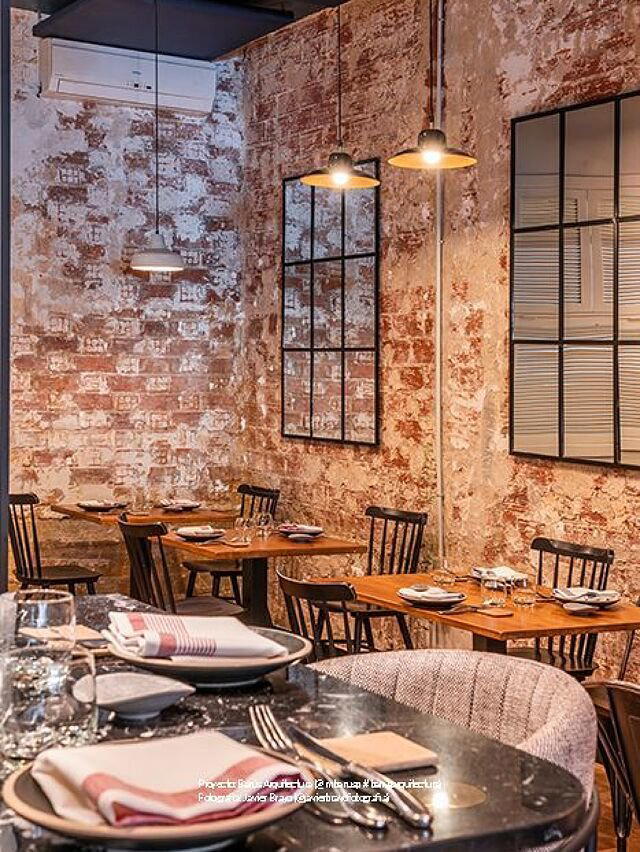
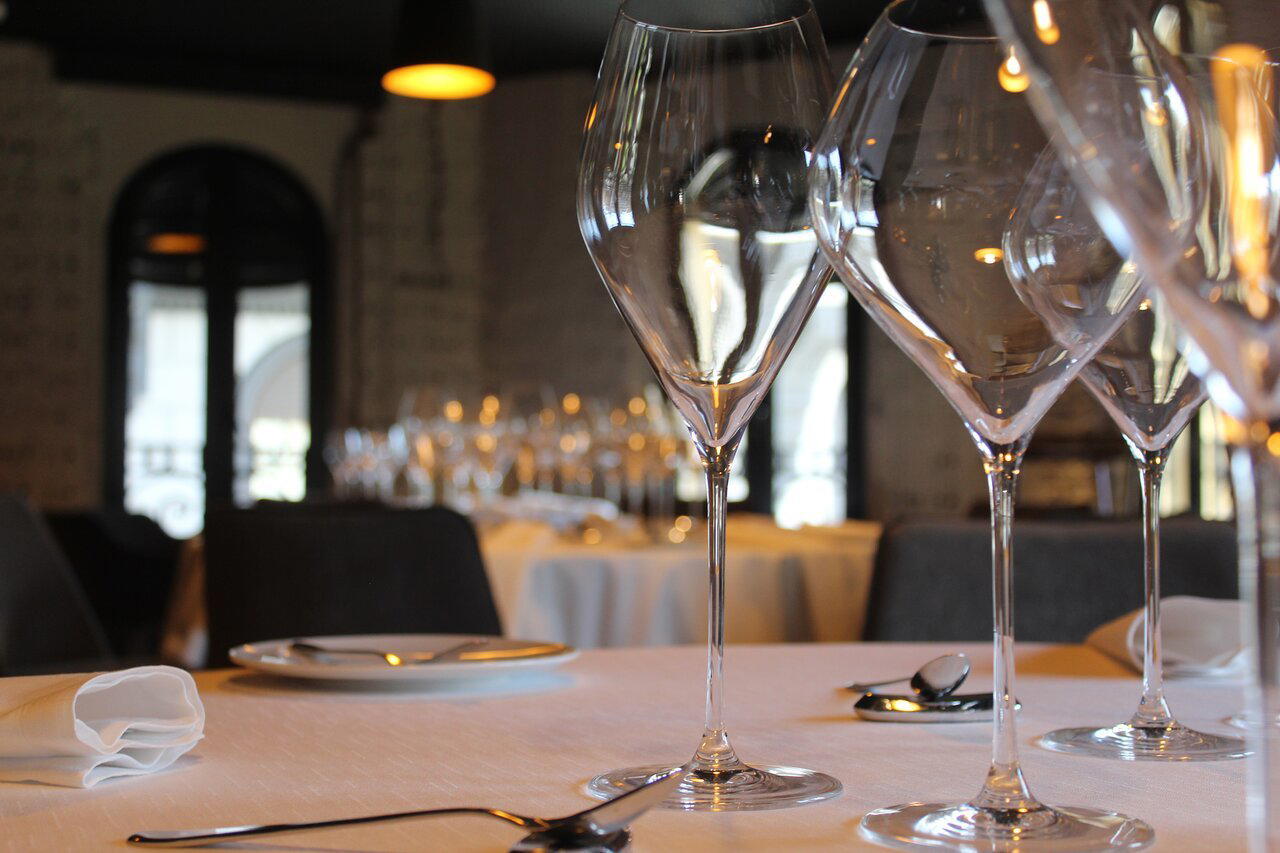
Bars in Lezama
Browse all →
Hotels in Lezama
Browse all →
At a Glance
- Classic
- Cozy
- Rustic
- Group Dining
- Celebration
- Special Occasion
- Private Event
- Terrace
- Private Dining
- Historic Building
- Standalone
- Extensive Wine List
- Local Sourcing
Current opening hours
- Monday
- Closed
- Tuesday
- 12:30–6 PM
- Wednesday
- 12:30–6 PM
- Thursday
- 12:30–6 PM
- Friday
- 12:30–6 PM
- Saturday
- 12:30–6 PM
- Sunday
- 12:30–6 PM
Hours can change for holidays and private events. Last verified .
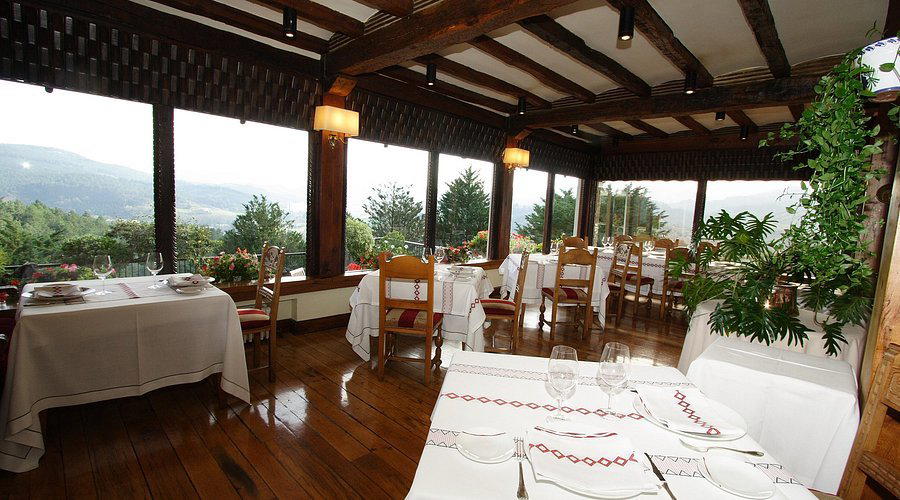
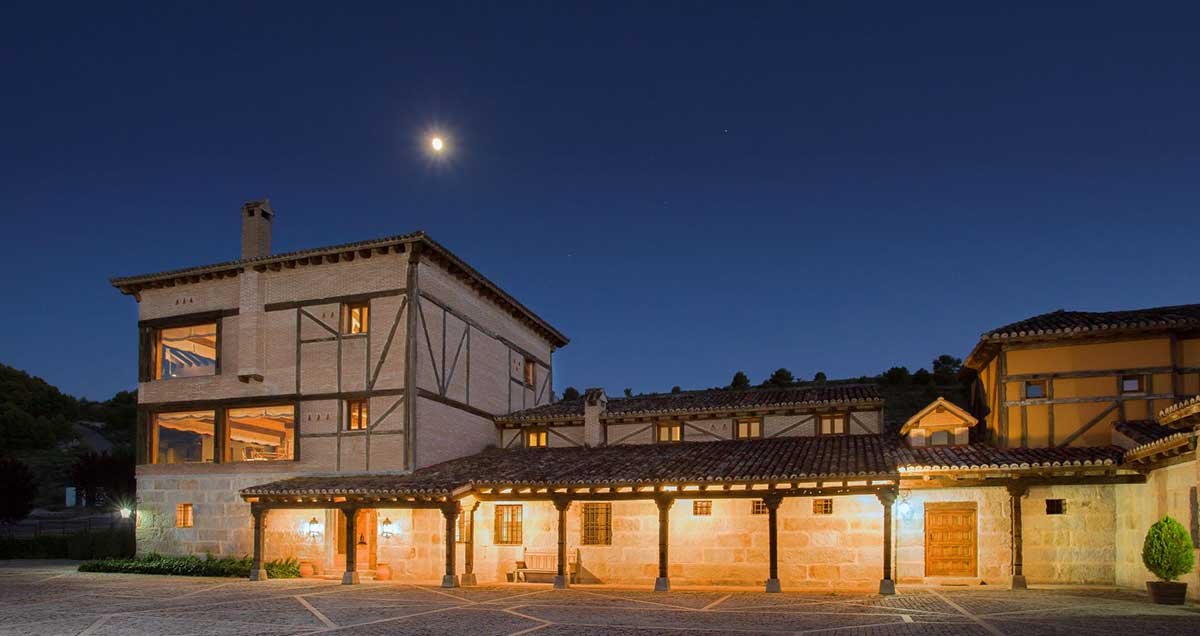
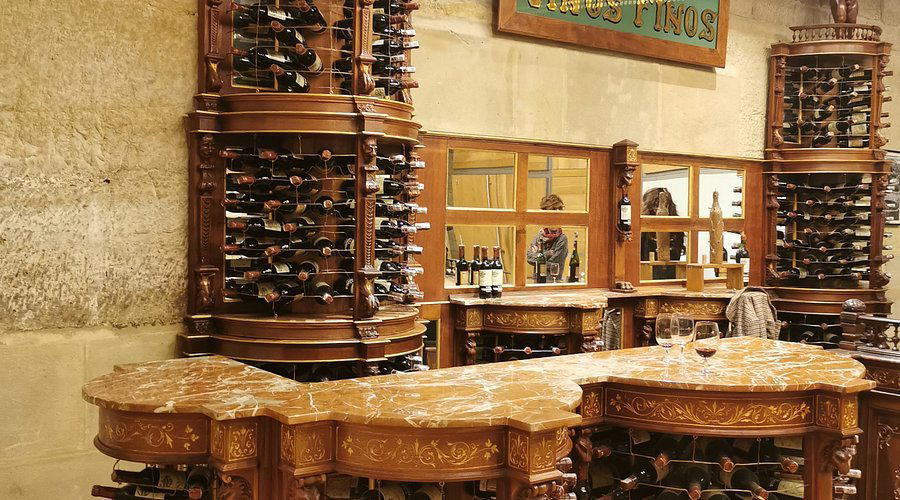
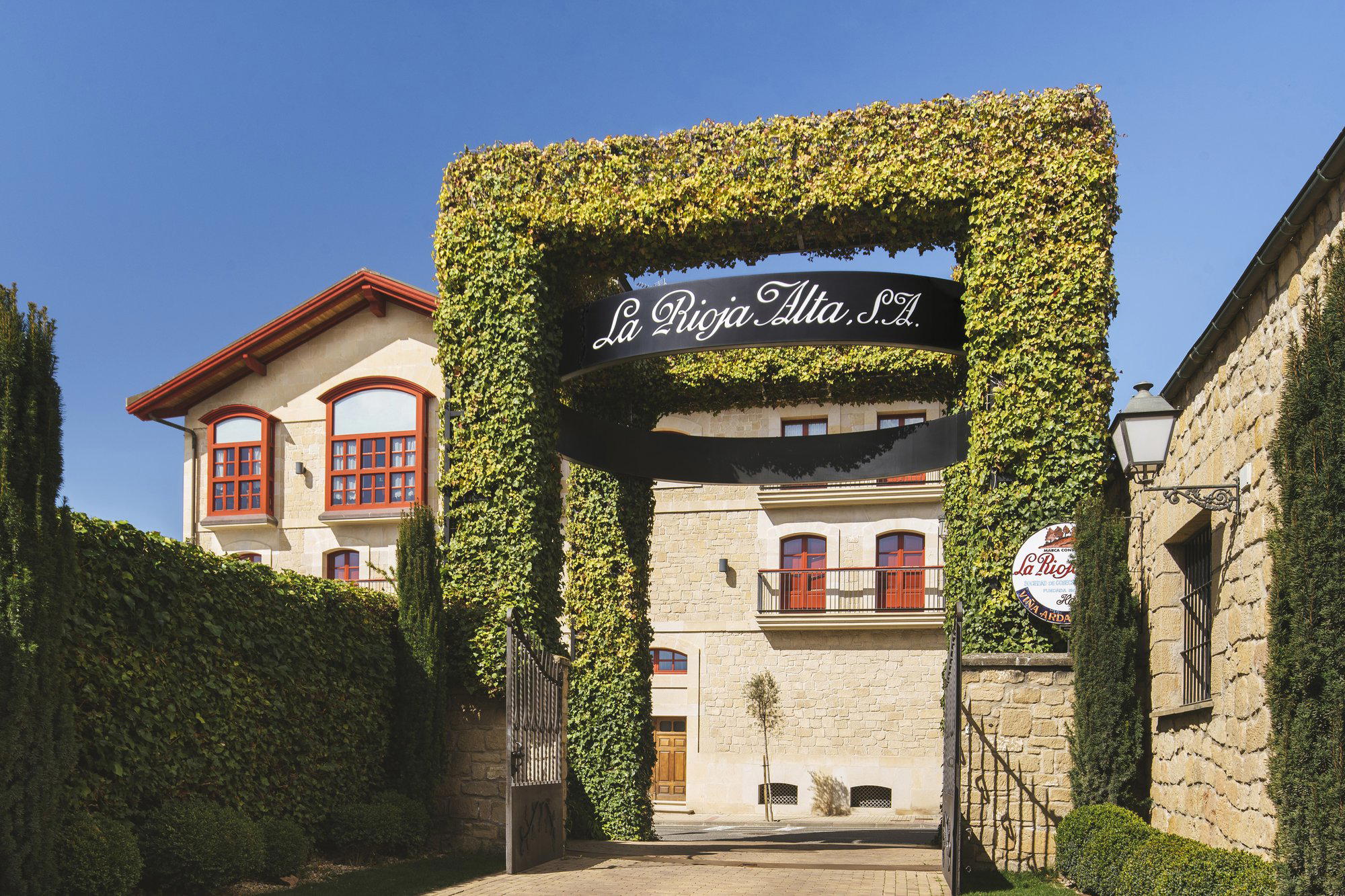
A farmhouse setting that is cheerfully decorated and full of flowers, with several dining rooms, a bar, a terrace, and private areas; the atmosphere feels warm, traditional, and relaxed.