

Guía Repsol 1 Sol · Macarfi 8.8 Food Rating
Our verdict
Aitor Esnal belongs to Logroño’s more serious dining tier, where Rioja produce, city-center pacing, and award recognition matter more than spectacle. Its 2026 Guía Repsol 1 Sol places it in a selective Spanish restaurant conversation, useful for travelers weighing a focused meal against the city’s easier tapas rhythm.

Pearl is the En Primeur Club membership app, where members save venues, book tables and use the concierge.
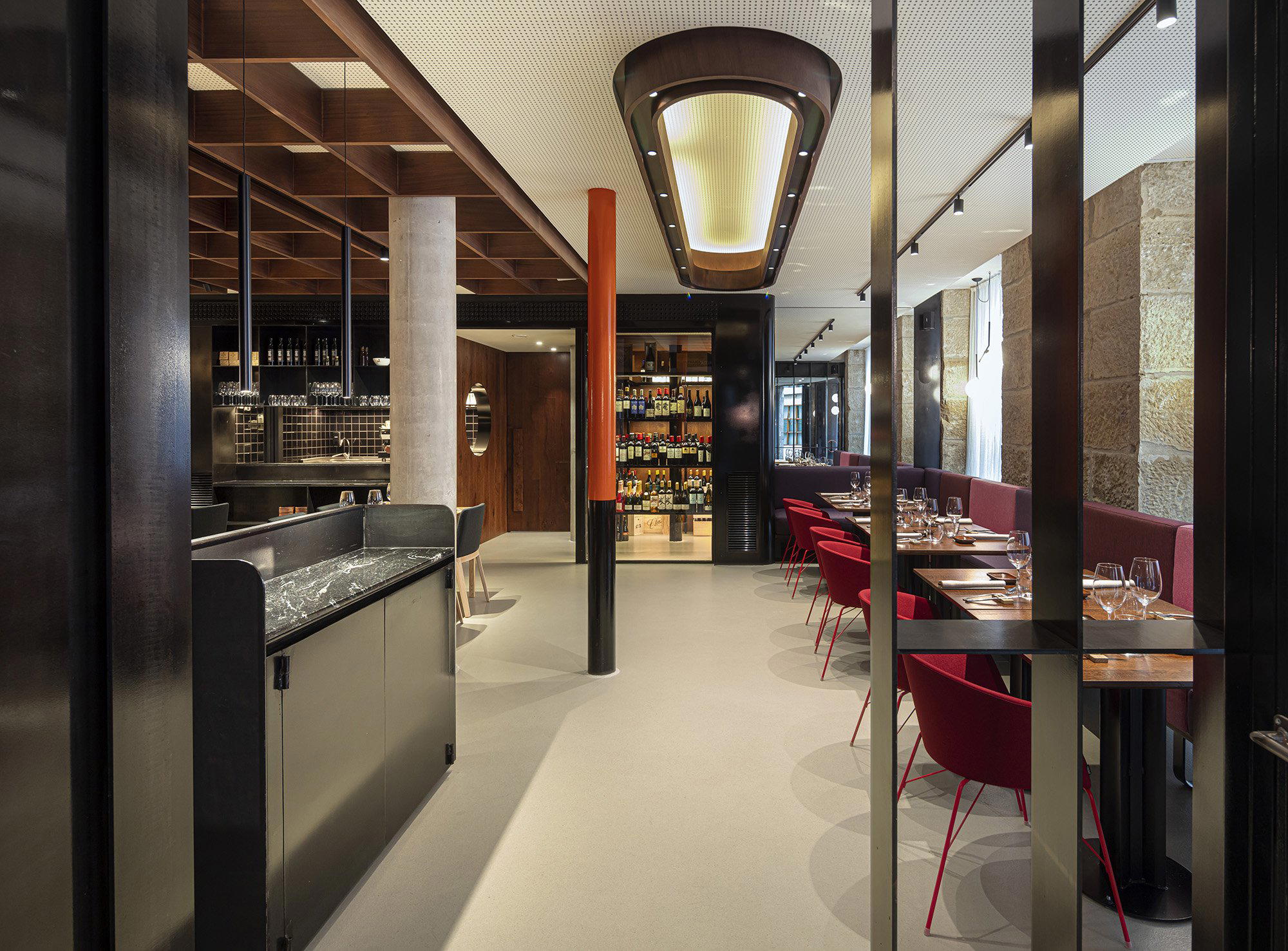
Central Logroño changes tempo quickly. The city can feel casual at street level, with the habit of moving between bars, small plates, and Rioja by the glass, yet some visits call for a more deliberate restaurant choice. Aitor Esnal belongs in that planned-meal conversation: a Logroño address to consider when the itinerary needs one sit-down restaurant framed by a recognized Spanish guide distinction.
That distinction matters in Logroño. The city’s dining identity is often reduced to informal eating and cellar country, but its stronger restaurant moments can also be understood through recognition, planning, and the decision to slow the pace. Aitor Esnal’s 2026 Guía Repsol 1 Sol gives it a clear trust signal in that field, especially for travelers comparing casual grazing with a more composed restaurant meal.
Rioja context, read through a contemporary city restaurant
Dining in Logroño has a different center of gravity from Spain’s larger dining capitals. The region is not trying to compete on scale or spectacle. Its advantage is proximity: a compact city, a surrounding wine region, and a restaurant culture shaped by local habits. In this context, the value of a restaurant like Aitor Esnal is not in any unsupported claim about a particular style, but in its place within a city where recognized restaurants and informal eating sit close together.
The comparison inside Logroño is useful. Addresses such as La Cocina de Ramón and Umm No Solo Tapas sit within the city’s broader dining register, where local eating can remain direct and accessible. Ajonegro represents another route within the same compact field. Aitor Esnal occupies the planned-meal lane, where the draw is a nationally recognized restaurant experience rather than a quick stop. For a traveler spending only one or two nights in town, that difference should shape the itinerary.
Logroño’s stronger tables also need to be understood against Rioja’s wine economy. In wine regions, restaurants can be judged too casually through the appeal of the surrounding cellar culture. The more useful approach is to look for independent recognition as well as local context. A 1 Sol distinction from Guía Repsol places Aitor Esnal within Spain’s quality-focused national conversation, not merely within the general appeal of the region’s wine tourism traffic.
For readers mapping the wider city, Ajonegro, CACHITO MÍO GOURMET, La Cocina de Ramón, Sabores, and Umm No Solo Tapas show how compact Logroño’s restaurant field can be while still offering different definitions of ambition.
The meal to choose when tapas are not enough
Logroño rewards improvisation, but not every meal should be improvised. Aitor Esnal is better understood as a planned restaurant stop than as part of a bar crawl. That does not require any unsupported claim about format or luxury; it simply places the restaurant in the category of meals a traveler should book and consider deliberately. The city has plenty of quick gratification. This is the counterweight.
The absence of a publicly confirmed cuisine label in the provided record can be useful rather than frustrating. In smaller Spanish cities, rigid categories often mislead. Broad labels can imply too much or too little. The stronger reading here is a Logroño restaurant supported by national recognition. That gives the restaurant relevance for visitors who care less about genre and more about choosing a credible, recognized meal in the city.
There is also a practical editorial distinction between Logroño and Spain’s larger dining cities. In Madrid or Barcelona, a recognized restaurant may be one entry in a long competitive list. In Logroño, recognition has a sharper signal because the city’s dining culture is more compressed and more tied to local habits. A Guía Repsol Sol here tells the traveler that the address has moved beyond local usefulness into a broader Spanish quality bracket.
For broader planning, use our full Logroño restaurants guide alongside our full Logroño hotels guide, our full Logroño bars guide, our full Logroño wineries guide, and our full Logroño experiences guide. The restaurant makes the strongest sense when considered as one of the city’s planned dining moments, not squeezed between too many informal stops.
How it fits into a wider Spain itinerary
Travelers building a Spain-wide dining route should resist treating Logroño as a secondary stop between larger cities. Its advantage is concentration. The city gives access to Rioja wine country, informal grazing, and a handful of more deliberate restaurant choices within a compact footprint. Aitor Esnal fits the itinerary when the goal is to understand how a smaller regional capital can register within national dining guides without being measured only against metropolitan models.
That makes the restaurant a useful contrast within Logroño itself. Aitor Esnal can anchor a more composed meal, while Ajonegro, CACHITO MÍO GOURMET, La Cocina de Ramón, Sabores, Umm No Solo Tapas, and other unnamed dining rooms in the city help fill out a broader picture of how varied the local scene can be. The point is not to rank every stop, but to decide which meal should carry the weight of the trip.
The verdict is measured but firm: choose Aitor Esnal when Logroño needs one composed meal with a clear recognition signal. The draw is not theatrical scarcity or luxury coding. It is the chance to choose a Logroño restaurant within a nationally recognized frame, in a city where the usual temptation is to keep moving.
For readers extending the route beyond Spain, the contrast with larger international dining cities is instructive: those meals often speak to metropolitan formats and global demand, while Logroño’s serious dining choices remain tied to wine-country context, proximity, and the rhythm of a small northern Spanish capital.
Frequently asked questions
Is Aitor Esnal good for families?
Families should check Aitor Esnal’s current booking information and policies before planning a visit. The confirmed public record places it in Logroño and lists it with 1 Sol in the Guía Repsol Soles 2026.
What is the atmosphere like at Aitor Esnal?
The confirmed record supports describing Aitor Esnal as a recognized Logroño restaurant, with 1 Sol in the Guía Repsol Soles 2026. For current details on the room, service style, and visit format, check the venue’s official channels.
What are the opening hours for Aitor Esnal?
Opening hours can change, so check Aitor Esnal’s official channels before planning a visit.
Where is Aitor Esnal in Logroño?
Logroño.
What has Aitor Esnal built its reputation on?
Its clearest confirmed credential is the Guía Repsol Soles 2026 listing at 1 Sol. That gives Aitor Esnal the profile of a recognized dining address in Logroño.
Is Aitor Esnal good for vegetarians?
Vegetarian diners may want to treat Aitor Esnal as a case-by-case choice rather than a dedicated plant-based address. The public record confirms a restaurant in Logroño with Guía Repsol 1 Sol recognition, but not a vegetarian-specific format, so the fit depends on the current offer. Check the venue's official channels for the latest details.
Fast Comparison
Comparable venues by cuisine and price in the same metro.
| Venue | Cuisine | Price | Awards | Notes |
|---|---|---|---|---|
| Aitor EsnalThis venue (the venue you are viewing) | Basque-rooted contemporary fine dining with Asian influences | $50–100 | Guía Repsol 1 Sol · Macarfi 8.8 Food Rating | Not listed |
| Sabores | Modern Spanish Tasting Menu | $50–100 | Michelin Plate · Macarfi 8 Food Rating | Contemporary |
| La Cocina de Ramón | Traditional Riojan Cuisine | $50–100 | Michelin Bib Gourmand · Guía Repsol 1 Sol | Traditional Cuisine |
| Ajonegro | Mexican-Riojan Fusion | Not listed | 1 Michelin Star · Macarfi 8.5 Food Rating | Fusion |
| Umm No Solo Tapas | Modern Spanish Tapas | Not listed | Michelin Plate | Traditional Cuisine |
| CACHITO MÍO GOURMET | Authentic Argentinian Empanadas | $1–10 | Not listed | Not listed |
Recognition history
Dated appearances from independent guides and award organizations, with the underlying list record or original source where available.
Guía Repsol 1 Sol
Guía Repsol
Macarfi 8.8 Food Rating
Macarfi
Continue exploring
More in Logroño
Restaurants in Logroño
All restaurants in Logroño →
Bars in Logroño
All bars in Logroño →






Aitor Esnal
The wine
- Wine program
- Deep wine list
- Extensive wine list
- Sommelier-led
Details
- Elegant
- Modern
- Sophisticated
- Intimate
- Cozy
- Date Night
- Special Occasion
- Business Dinner
- Group Dining
- Wine Cellar
- Open Kitchen
- Design Destination
- Standalone
- Extensive Wine List
- Sommelier Led
- Local Sourcing
- Farm To Table
- Tasting Menu
- A La Carte
- Wine
Current opening hours
- Monday
- Closed
- Tuesday
- Closed
- Wednesday
- 1:30–3:15 PM, 8:30–10:30 PM
- Thursday
- 1:30–3:15 PM, 8:30–10:30 PM
- Friday
- 1:30–3:15 PM, 8:30–10:30 PM
- Saturday
- 1:30–3:15 PM, 8:30–10:30 PM
- Sunday
- 1:30–3:15 PM
Hours can change for holidays and private events. Hours as of .
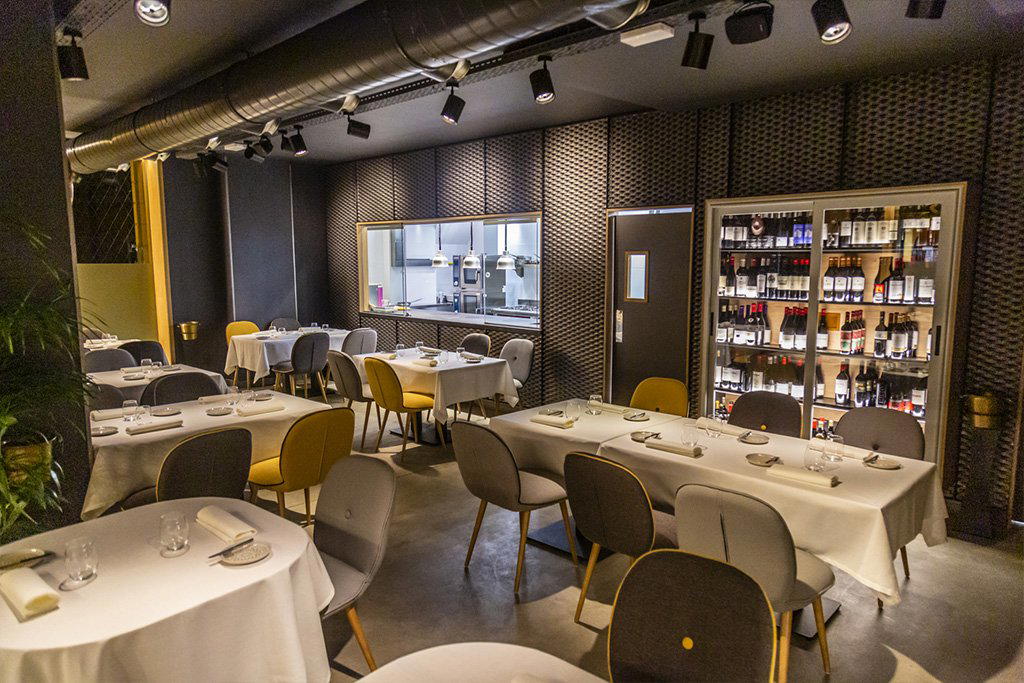
Modern, calm and relaxed dining room with open kitchen and glass wine cellar, offering an intimate yet welcoming atmosphere where wine and haute cuisine share center stage.