Bianchi

Bianchi occupies a prime position on Limmatquai, Zurich's riverfront promenade, bringing focused seafood cooking to a city better known for its land-based Swiss traditions.
Pearl is the En Primeur Club membership app — saves, bookings, and concierge access live there. Same editors, same standards.
- Address
- Limmatquai 82, 8001 Zürich, Switzerland
- Phone
- +41 44 262 98 44
- Website
- bindella.ch
- Directions
- Get directions
 Saves & bookings on Pearl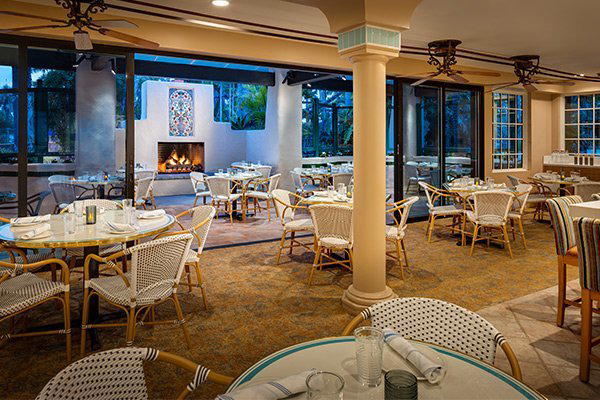
Seafood on the Limmat: Where Bianchi Sits in Zurich's Dining Order
Zurich's restaurant scene is anchored, in reputation and spend, by its French-influenced fine dining rooms and the Swiss-creative wave that followed. Seafood as a standalone discipline — not a course inside a tasting menu, but the entire premise of a restaurant — occupies a narrower lane in this city. Bianchi, at Limmatquai 82, has held that lane with enough consistency to earn a Michelin Plate recognition in consecutive years: 2024 and 2025. The Michelin Plate designation marks kitchens producing good food to a reliable standard, a more useful signal for the seafood category than a starred room where fish arrives as one act in a long production. Here, it is the whole story.
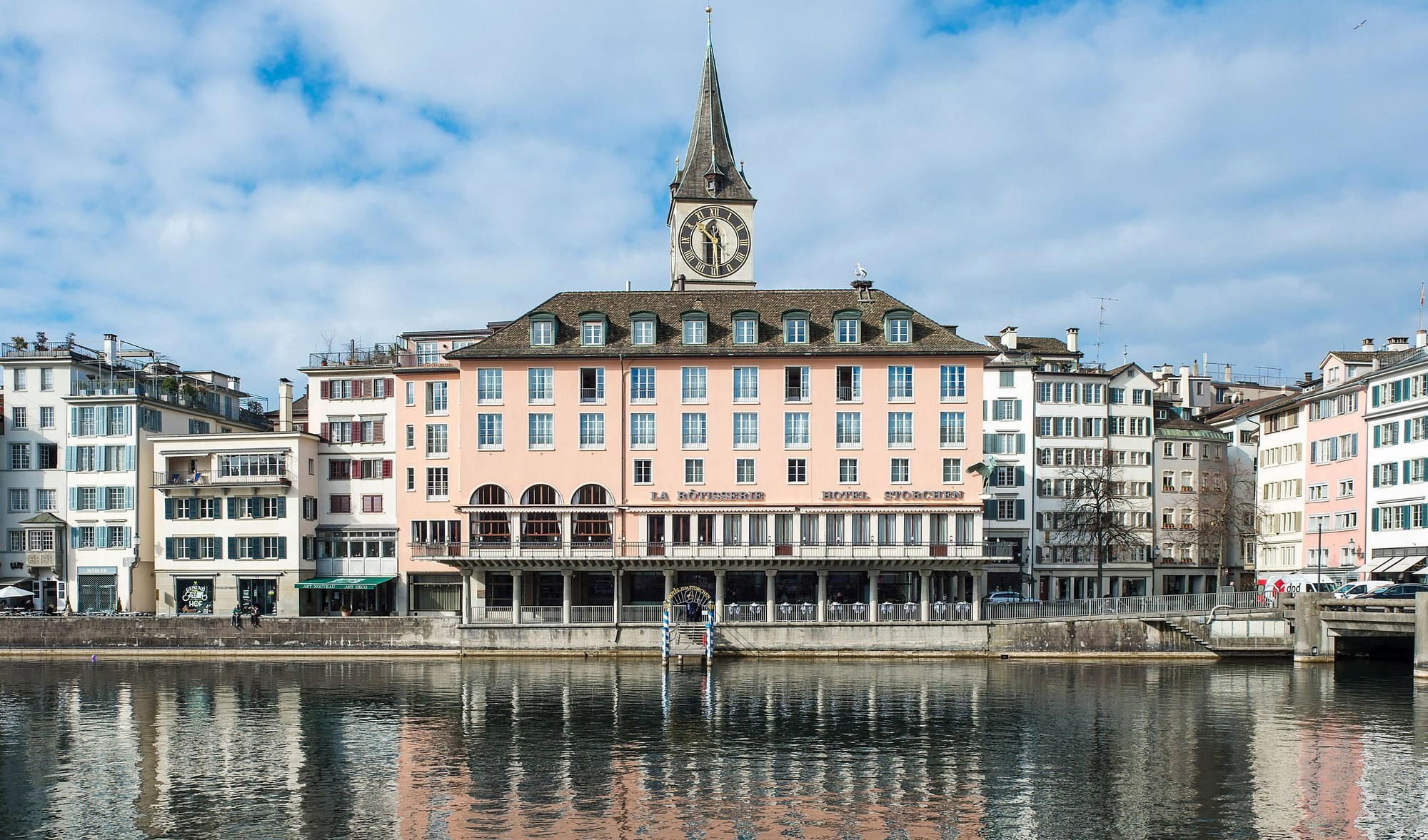
Limmatquai itself sets a particular register. The promenade runs along the eastern bank of the Limmat as it exits Lake Zurich, and the address places Bianchi within easy walking distance of the Grossmünster and the guild-house dining rooms that have defined Zurich's civic eating culture for centuries. The physical context matters: this is old Zurich, and a seafood restaurant on this stretch is not playing to the contemporary gallery district crowd. It is serving a clientele that treats the Limmatquai as a permanent fixture, not a trending destination.
The Wine and the Fish: Reading the Pairing Tradition in a Landlocked Country
Switzerland's relationship with white wine and seafood is less direct than the coastal European model. The country produces no significant quantity of the grape varieties that have become the global shorthand for fish pairing, no Muscadet, no Vermentino, no Albariño. What it does produce, in volume and with growing international attention, is Chasselas. The grape, known locally as Fendant in the Valais and Dorin in the Vaud, is Switzerland's most planted white variety and carries a low-alcohol, mineral-driven, almost neutral profile that functions well against delicate white fish and shellfish. A restaurant like Bianchi, sitting at the €€€ tier, operates in a price bracket where the wine list is expected to earn its keep rather than simply offer safe international labels.
The broader argument for Swiss white wine with Swiss-sourced or European fish is a regional coherence argument. The same logic that pairs Chablis with oysters, limestone soils, high acidity, saline undertone, applies to Chasselas grown on the north shore of Lake Geneva, where the Lavaux terraces produce wines with a tense, citrus-edged structure. For richer preparations of fish, whether butter-sauced or with cream-forward accompaniments common in Central European cooking, Graubünden's Chardonnay or a Pinot Gris from Alsace across the nearby border enter the conversation. The sommelier's task at a focused seafood restaurant in Zurich is navigating this range without defaulting to the Loire or Burgundy defaults that a less considered list would fall back on.
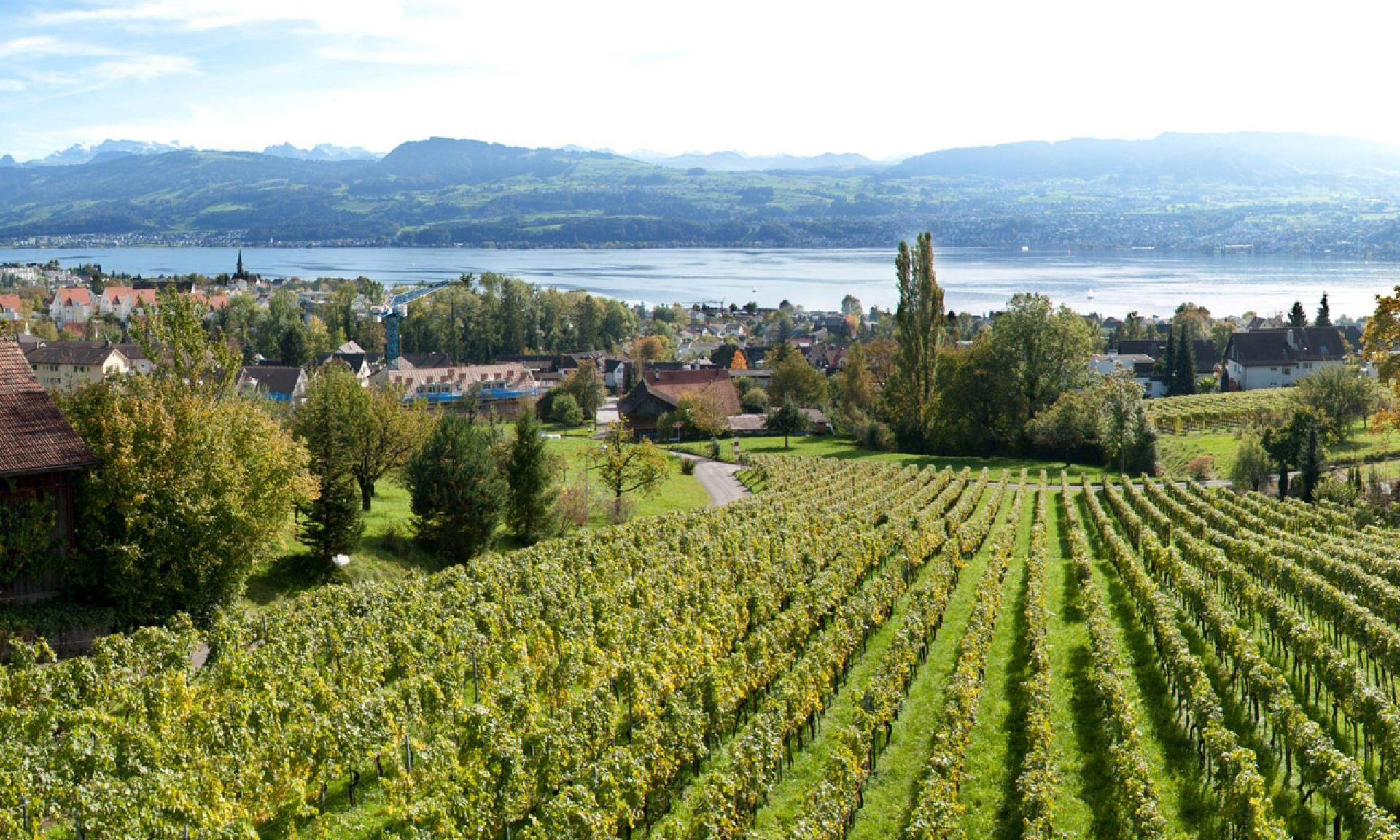
For guests travelling from outside Switzerland, this is an opportunity to encounter Swiss wine at the table where it makes the most sense. Chasselas in particular is almost never exported, which means a meal at a restaurant like Bianchi may be the most contextually appropriate moment to drink it. For a broader sense of Switzerland's wine production, the full Zurich wineries guide covers the regional producers and appellations worth knowing before you arrive.
The Seafood Context: What Bianchi Represents in the City's Wider Offering
Zurich's premium dining tier is well-documented. IGNIV Zürich by Andreas Caminada holds two Michelin stars and operates a sharing format at €€€€. The Counter and The Restaurant both sit at the same two-star, €€€€ bracket within the creative category. Bianchi's €€€ positioning and Plate-level recognition place it a tier below in both cost and formal standing, but in a category where none of those rooms operate. The comparison is not competitive in the usual sense; it is categorical. A guest choosing Bianchi is not choosing it over a starred room. They are choosing seafood as the evening's frame, and Bianchi is where that choice is made with the most sustained recognition behind it in this city.
Against Italian-leaning alternatives, Eden Kitchen & Bar at €€€€ with a Michelin star covers different culinary territory despite occasional seafood crossover. For traditional Swiss dining at comparable spend, Widder operates in another register entirely. The point is that Zurich's restaurant map, for all its depth at the leading, leaves seafood as a relatively open category, which is precisely why consistent Michelin recognition at Bianchi carries the weight it does.
Swiss seafood dining more broadly draws on Alpine lake fish, pike-perch, trout, char, alongside Atlantic and Mediterranean imports. The tension between local lacustrine produce and the wider European seafood market defines what a kitchen at this level is actually selecting and preparing. For comparison across Switzerland's finer dining rooms, Hotel de Ville Crissier, Schloss Schauenstein in Fürstenau, and Cheval Blanc by Peter Knogl in Basel offer reference points for how the country's leading kitchens handle protein across categories. Further afield, dedicated seafood rooms like Gambero Rosso in Marina di Gioiosa Ionica and Alici on the Amalfi Coast illustrate the coastal European benchmark that a landlocked seafood specialist is inherently measured against.
Planning a Visit
Bianchi sits at Limmatquai 82 in Zurich's first district, accessible on foot from the main train station in under fifteen minutes and directly connected to the tram network running along the quay. At the €€€ price tier, a full meal with wine sits in the range typical of Zurich's mid-to-upper restaurant bracket, not the city's most expensive room, but firmly above its casual dining floor. For a fuller picture of Zurich's dining options across categories and price points, the complete Zurich restaurants guide maps the field. If you are building a longer Zurich itinerary, the Zurich hotels guide, bars guide, and experiences guide cover the rest of the city's premium offer. For those extending into the broader Swiss circuit, Memories in Bad Ragaz, 7132 Silver in Vals, and Colonnade in Lucerne are worth holding alongside Bianchi as reference points for what Switzerland's table currently looks like.
Price and Recognition
A quick peer reference to anchor this venue in its category.
| Venue | Cuisine | Price | Awards |
|---|---|---|---|
| BianchiThis venue — the venue you are viewing | Seafood | €€€ | Michelin Plate (2025); Michelin Plate (2024) |
| IGNIV Zürich by Andreas Caminada | Sharing | €€€€ | Michelin 2 Star |
| KLE | Vegan | €€€ | Michelin 1 Star |
| Kronenhalle | Swiss, Traditional Cuisine | €€€ | World's 50 Best |
| The Counter | Creative | €€€€ | Michelin 2 Star |
| Eden Kitchen & Bar | Italian | €€€€ | Michelin 1 Star |
Recognition history
Dated appearances from independent guides and award organizations, with the underlying list record or original source where available.
Michelin Plate
Michelin
Michelin Plate
Michelin
Continue exploring
More in Zürich
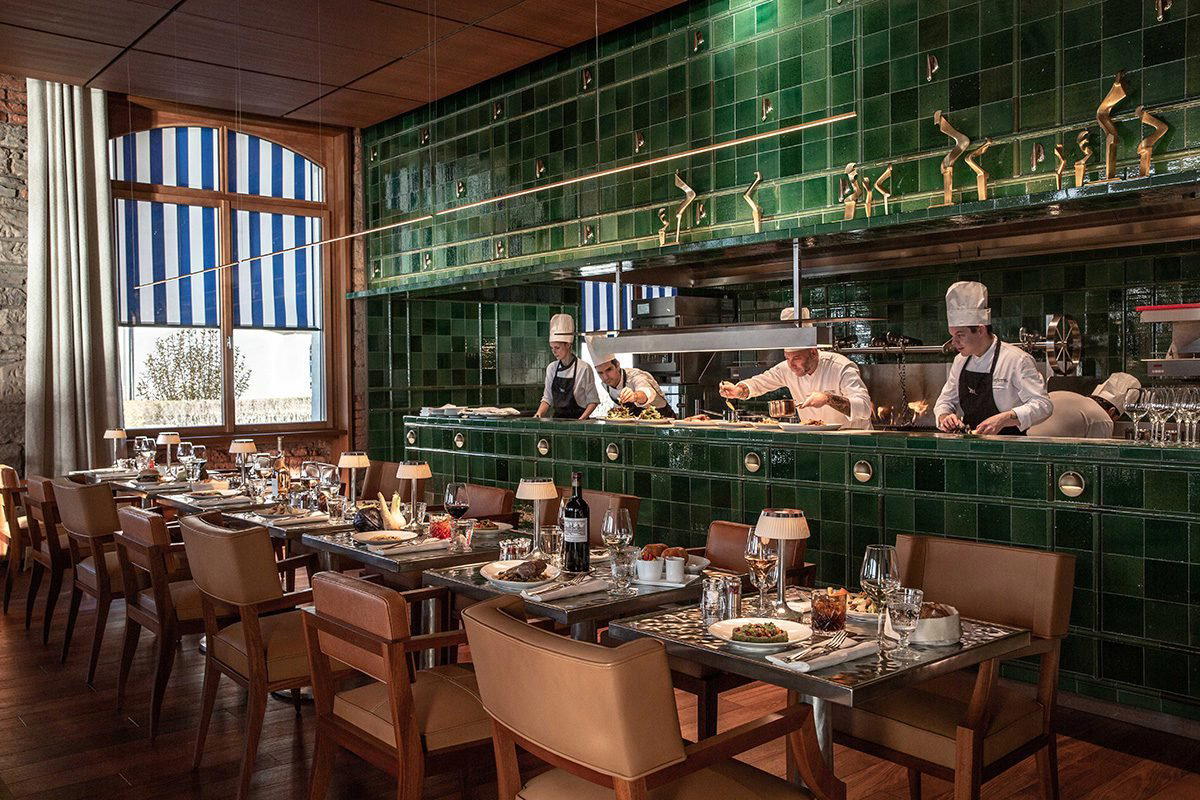
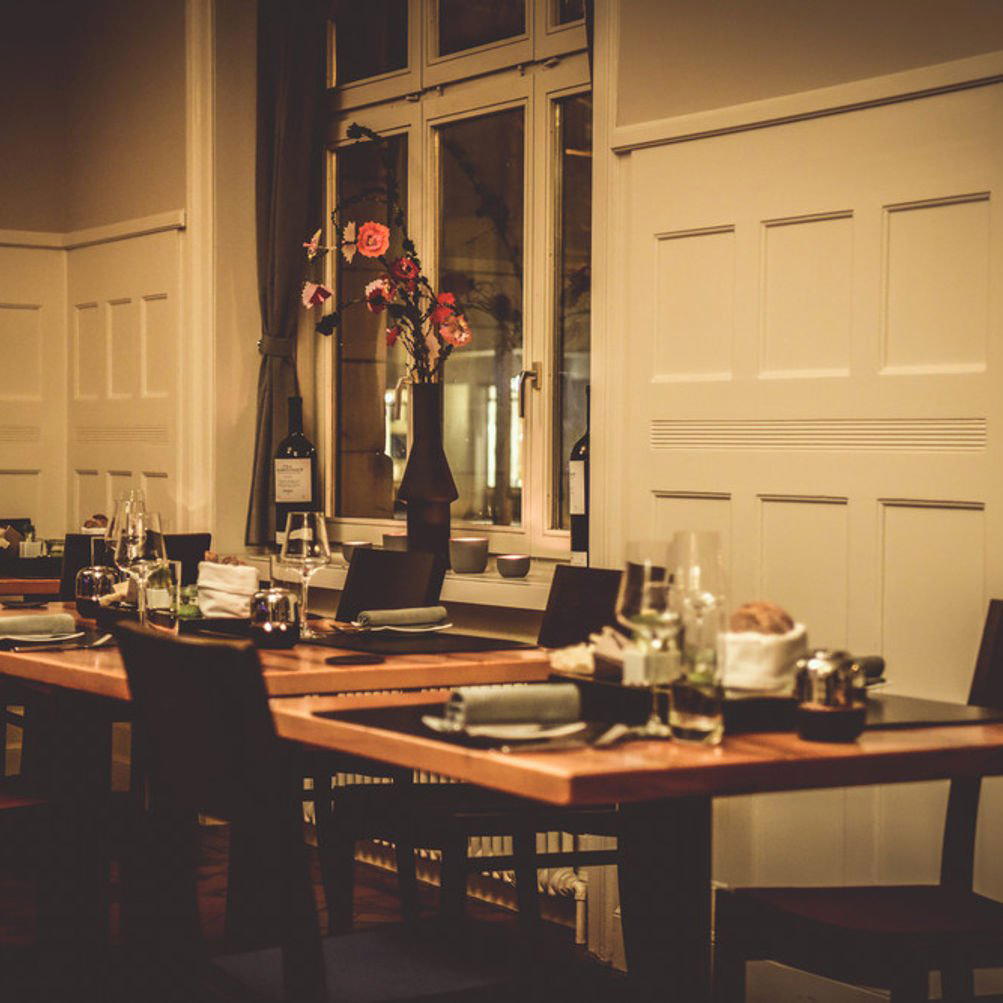
Restaurants in Zürich
Browse all →
Bars in Zürich
Browse all →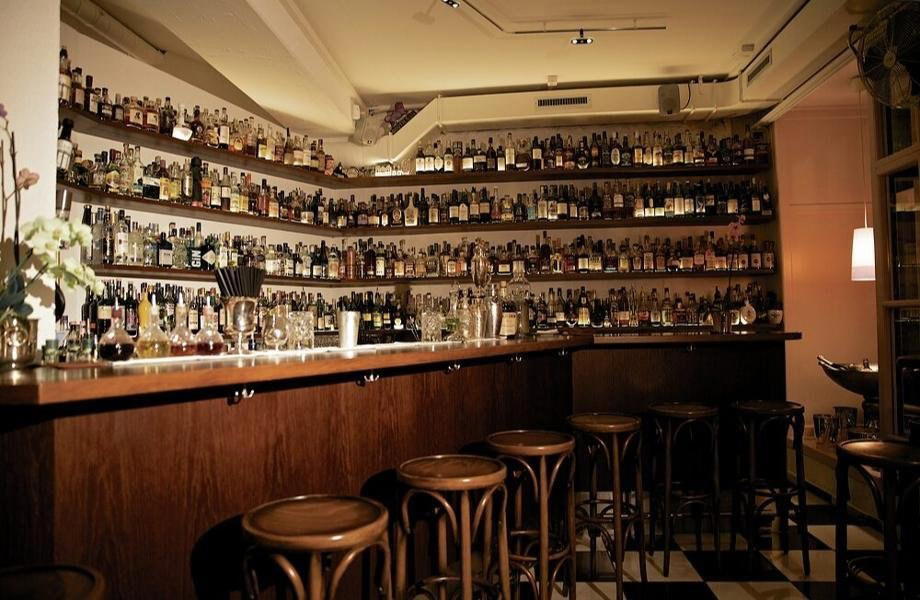
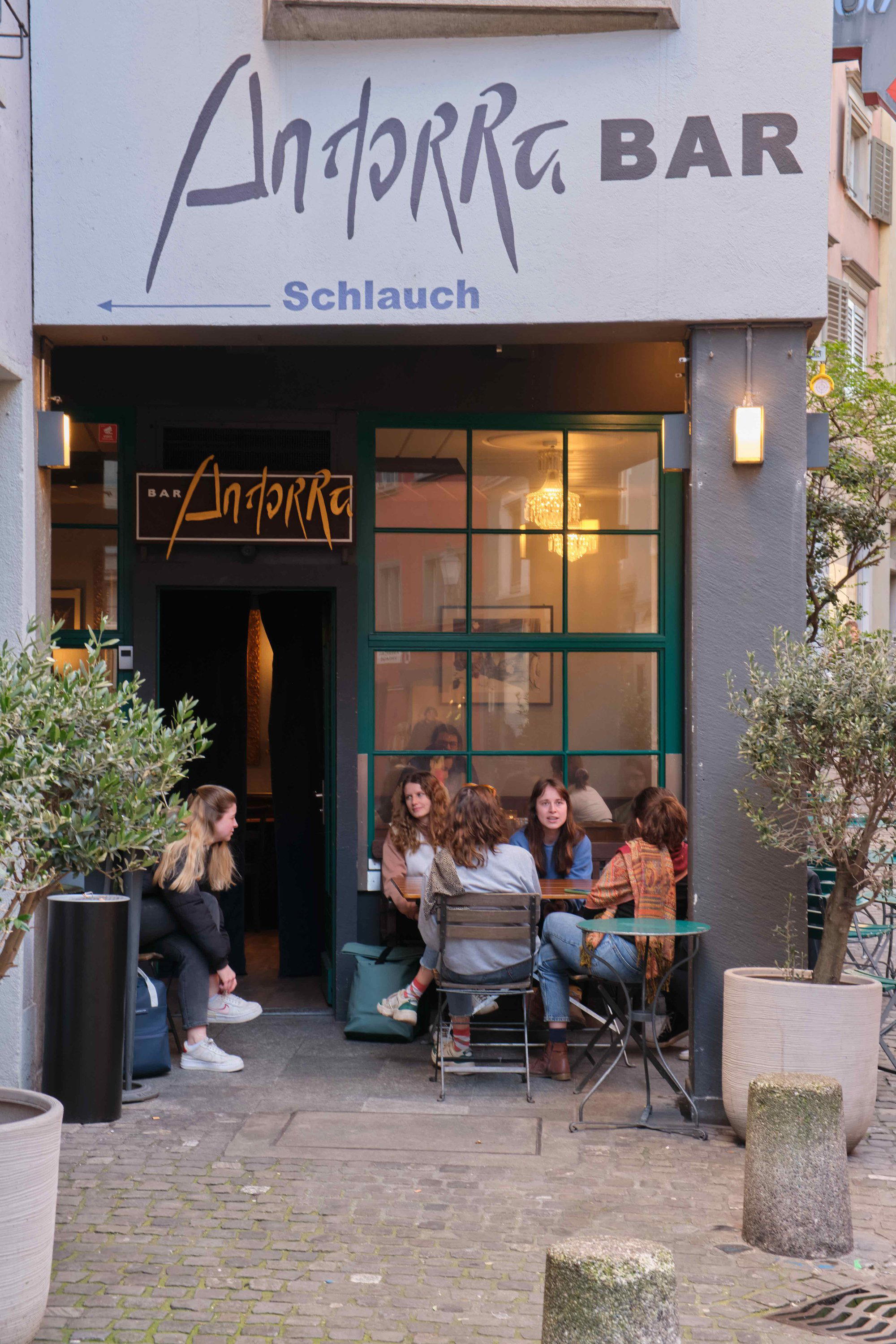
Hotels in Zürich
Browse all →

At a Glance
- Elegant
- Modern
- Intimate
- Date Night
- Special Occasion
- Terrace
- Waterfront
- Extensive Wine List
Current opening hours
- Monday
- 11:30 AM–3 PM, 6–11 PM
- Tuesday
- 11:30 AM–3 PM, 6–11 PM
- Wednesday
- 11:30 AM–3 PM, 6–11 PM
- Thursday
- 11:30 AM–3 PM, 6–11 PM
- Friday
- 11:30 AM–3 PM, 6–11 PM
- Saturday
- 11:30 AM–11 PM
- Sunday
- 12–10 PM
Hours can change for holidays and private events. Last verified .
Bright and modern interior with stylish white tables, comfortable and inviting atmosphere, pleasant river views from terrace.
Know Before You Go
- Getting there
- Limmatquai 82, 8001 Zürich, Switzerland