Bøg


Michelin Plate · We're Smart World 5 Radishes
Our verdict
Bøg on Prinsestraat places vegetables at the centre of its menu with a Nordic-inflected creative approach that earned five radishes in the We're Smart Green Guide and consecutive Michelin Plates in 2024 and 2025. The plant-based menu, developed by chef Thomas van Voorst, draws comparison to the produce-led precision of Scandinavia's more disciplined kitchens.

Pearl is the En Primeur Club membership app, where members save venues, book tables and use the concierge.
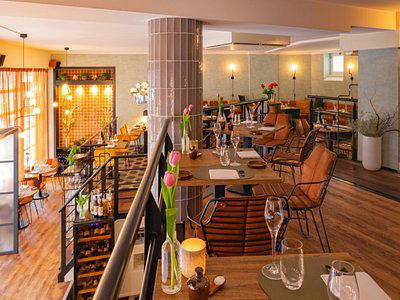
A Different Kind of Seriousness on Prinsestraat
There is a particular quietness to the leading vegetable-forward restaurants, not the quietness of absence, but of deliberate reduction. Walk along Prinsestraat toward number 130 and you are already in one of The Hague's more considered dining streets, away from the tourist circuits that cluster around the Binnenhof or the Grote Markt. The building offers no loud signage or theatrical entry. What greets you is restraint: the kind that signals the kitchen has nothing to prove by spectacle and intends to prove everything on the plate instead.
That restraint is the first thing worth understanding about Bøg, because it frames how the meal will unfold. The restaurant sits in a city whose dining culture has shifted meaningfully over the past decade. The Hague is no longer simply a political capital with serviceable hotel restaurants. Its creative tier, which now includes destinations like Calla's (€€€€ · Creative French) at the price ceiling and Basaal (€€ · Seasonal Cuisine) and De Basiliek (€€ · Modern Cuisine) at the accessible end, has developed enough depth that a specialist produce-led kitchen at the €€€ level can occupy a credible and distinct position. Bøg occupies exactly that position.
The Logic of the Plant-Based Menu
In the Netherlands, as across Northern Europe, there is a growing tier of restaurants that have moved vegetables from supporting role to structural spine of the menu. This is not the same as offering a vegetarian option, it is a fundamentally different kitchen philosophy, one that demands different sourcing relationships, different technique, and a different kind of attention from the cook. The We're Smart Green Guide, which rates restaurants specifically on their commitment to vegetable-centred cooking, awarded Bøg five radishes, its highest tier. That rating places Bøg among the most rigorous plant-forward kitchens in the Netherlands, and it is the credential that most accurately describes what the kitchen is trying to do.
The Guide also nominated Bøg as Discovery of the Year 2022 in the Netherlands, a signal that the restaurant arrived fully formed rather than developing incrementally. Consecutive Michelin Plates in 2024 and 2025 confirm that the quality has not drifted. The Michelin Plate, which the guide awards to restaurants offering good cooking without a star, functions here less as a consolation and more as a marker: this is a kitchen that cooks with intention and consistency. Across the Netherlands, that combination of We're Smart recognition and Michelin acknowledgment is not common. Comparable kitchens that have built plant-forward credentials into serious culinary reputations, you find them at places like De Groene Lantaarn in Staphorst and De Lindehof in Nuenen, tend to be scattered across the country rather than clustered in cities. Bøg is the argument that The Hague can hold its own in that company.
How the Meal Is Meant to Be Eaten
The editorial angle from the We're Smart Green Guide is worth quoting directly: "choose the plant-based menu, because here they cook like mad." That phrasing is telling. It suggests energy and technique, not the careful minimalism sometimes mistaken for ambition at green-credential restaurants. The Nordic reference in the same citation, "the Nordic vision is right up your street", points to a specific cooking tradition: one that uses fermentation, preservation, and careful thermal control to extract complexity from ingredients that a less disciplined kitchen would treat as garnish.
Dining ritual at a restaurant like this has a particular pacing. Each course arrives as a statement about a specific vegetable or combination, not as a gesture toward a protein that never comes. For a guest accustomed to meat-centred tasting menus, this requires a recalibration of attention. The progression moves through textures and temperatures rather than through the conventional arc of lighter-to-heavier that dominates French-influenced formats. Vegetables at their peak behave differently from quarter to quarter, which means the menu's character shifts with the season in ways that even careful sourcing cannot fully predict. A spring visit and an autumn visit are genuinely different meals.
Chef Thomas van Voorst leads the kitchen, though in the EP Club reading of Bøg, the more important fact is what his team has built: a cooking culture that earned five radishes and a national discovery nomination in the same year. That level of recognition does not arrive by accident at a restaurant of this age.
Where Bøg Sits in The Hague's Creative Tier
The Hague's mid-to-upper dining tier has enough variety now that a single visit to the city merits real planning. At the price bracket above Bøg, Calla's operates in creative French territory with a different competitive set entirely. At the seafood end of the spectrum, Catch by Simonis (€€€ · Seafood) draws on The Hague's coastal proximity for its identity. 6&24 (€€€ · Modern Cuisine) operates at the same price tier as Bøg but with a broader modern cuisine remit. None of them are doing what Bøg does. The five-radish plant-based position is occupied by one restaurant on Prinsestraat, and that specificity is a structural advantage in a city where differentiation increasingly matters.
For broader context on the Dutch creative kitchen scene, it helps to know what the top tier looks like elsewhere in the country. De Librije in Zwolle, Aan de Poel in Amstelveen, and De Bokkedoorns in Overveen represent the starred benchmark the country sets for itself. At the creative €€€ level, peers like 't Amsterdammertje in Loenen aan de Vecht and Codium in Goes signal how spread out the country's serious cooking is. Bøg's position in The Hague means it serves a city that has historically underperformed its population and status in restaurant terms, and that the gap has been narrowing.
Planning Your Visit
Bøg is located at Prinsestraat 130, 2513 EB Den Haag. The address is walkable from several of the city's central hotels, and The Hague's compact centre means most visitors arriving by train at Den Haag Centraal or Den Haag HS can reach Prinsestraat without transport. The €€€ price range positions Bøg as a considered occasion rather than a casual drop-in, and the plant-based menu, which the We're Smart guide specifically recommends over the standard menu, is the format worth committing to.
For a fuller picture of what The Hague's hospitality offering looks like beyond this single address, EP Club maintains guides across categories: our full The Hague restaurants guide, our full The Hague hotels guide, our full The Hague bars guide, our full The Hague wineries guide, and our full The Hague experiences guide.
Frequently asked questions
What kind of recognition has Bøg received?
Bøg has received recognition including: Vegetables are the star attraction here, throughout all the meals. But be sure to choose the plant-based menu, because here they cook like mad! Congratulations to chef Thomas van Voorst and his team with the 5 Radishes in the We're Smart Gr….
What should I eat at Bøg?
The plant-based menu is the one to order. The We're Smart Green Guide awarded Bøg five radishes, the guide's highest rating, and specifically cited the plant-based direction as where the kitchen performs at its sharpest. Chef Thomas van Voorst's team earned the 2022 Discovery of the Year nomination in the Netherlands on the back of this approach, so ordering around it is not optional if you want the full picture.
How much does it cost to eat at Bøg?
Pricing at Bøg is listed as €€€.
What's the best way to book Bøg?
Bøg sits at the €€€ price point in The Hague's creative dining tier and holds both a Michelin Plate (2024, 2025) and a five-radish We're Smart Green Guide rating, which means demand is consistent. The address is Prinsestraat 130, 2513 EB Den Haag.
What has Bøg built its reputation on?
Three credentials define Bøg's standing: the We're Smart Green Guide's five-radish award, a 2022 Discovery of the Year nomination for the Netherlands, and back-to-back Michelin Plates in 2024 and 2025. Together they place Bøg among a small group of Dutch restaurants where vegetable-forward cooking is treated as a serious structural discipline rather than a dietary accommodation. Chef Thomas van Voorst's team received the We're Smart accolade as a new entrant, which made the five-radish score a notable result.
Cuisine and Awards Snapshot
A quick peer reference to anchor this venue in its category.
| Venue | Cuisine | Price | Awards | Notes |
|---|---|---|---|---|
| BøgThis venue (the venue you are viewing) | New Nordic Cuisine | $50–100 | Michelin Plate · We're Smart World 5 Radishes | Not listed |
| Calla's | French Fine Dining with Dutch Influences | Not listed | 1 Michelin Star | Creative French |
| Basaal | Modern Dutch Bistro | $30–50 | Michelin Bib Gourmand | Seasonal Cuisine |
| De Basiliek | Modern Mediterranean with Italian & French Influences | $30–50 | Michelin Bib Gourmand | Modern Cuisine |
| Resumé by 6&24 | Modern French-Inspired Fine Dining | Not listed | Michelin Bib Gourmand | International |
| Tapisco | Spanish Tapas & Portuguese Petiscos | $30–50 | Michelin Bib Gourmand | Spanish |
Recognition history
Dated appearances from independent guides and award organizations, with the underlying list record or original source where available.
Michelin Plate
Michelin
We're Smart World 5 Radishes
We're Smart World
Full recognition history (3 entries)
Michelin Plate
Michelin
Continue exploring
More in The Hague
Restaurants in The Hague
All restaurants in The Hague →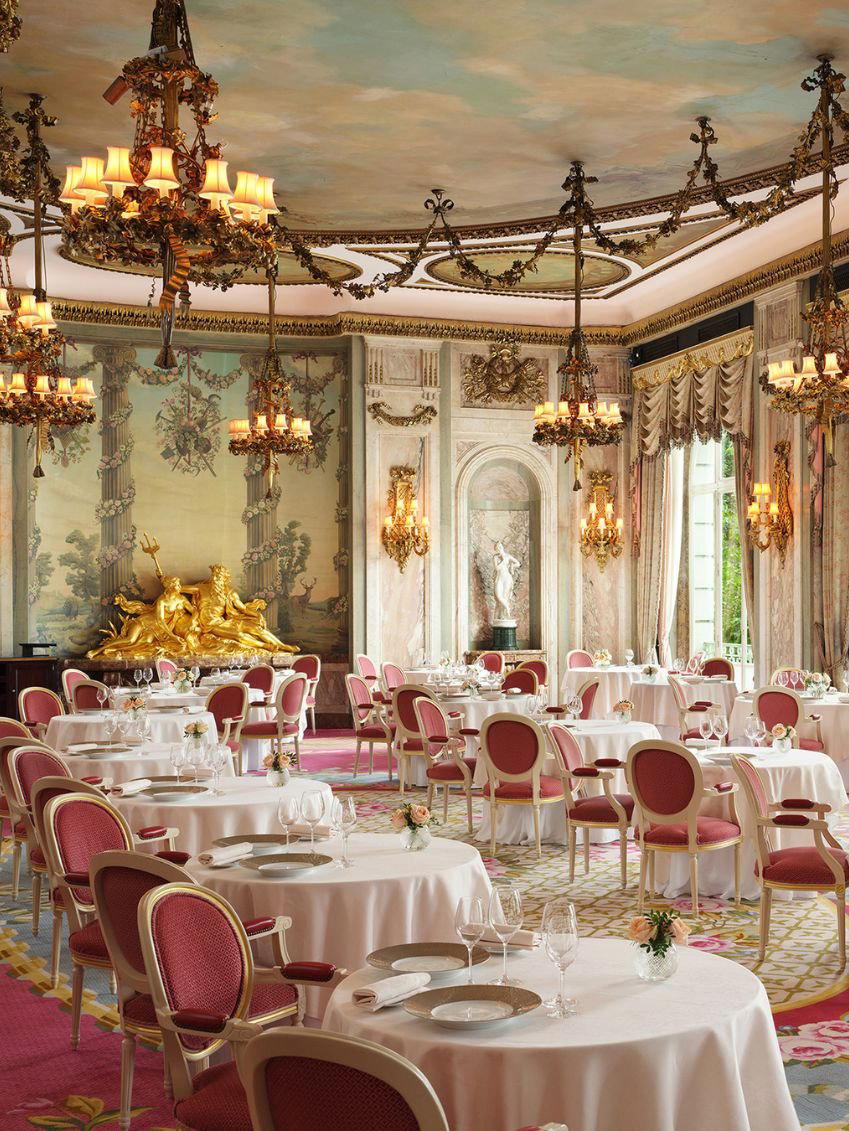
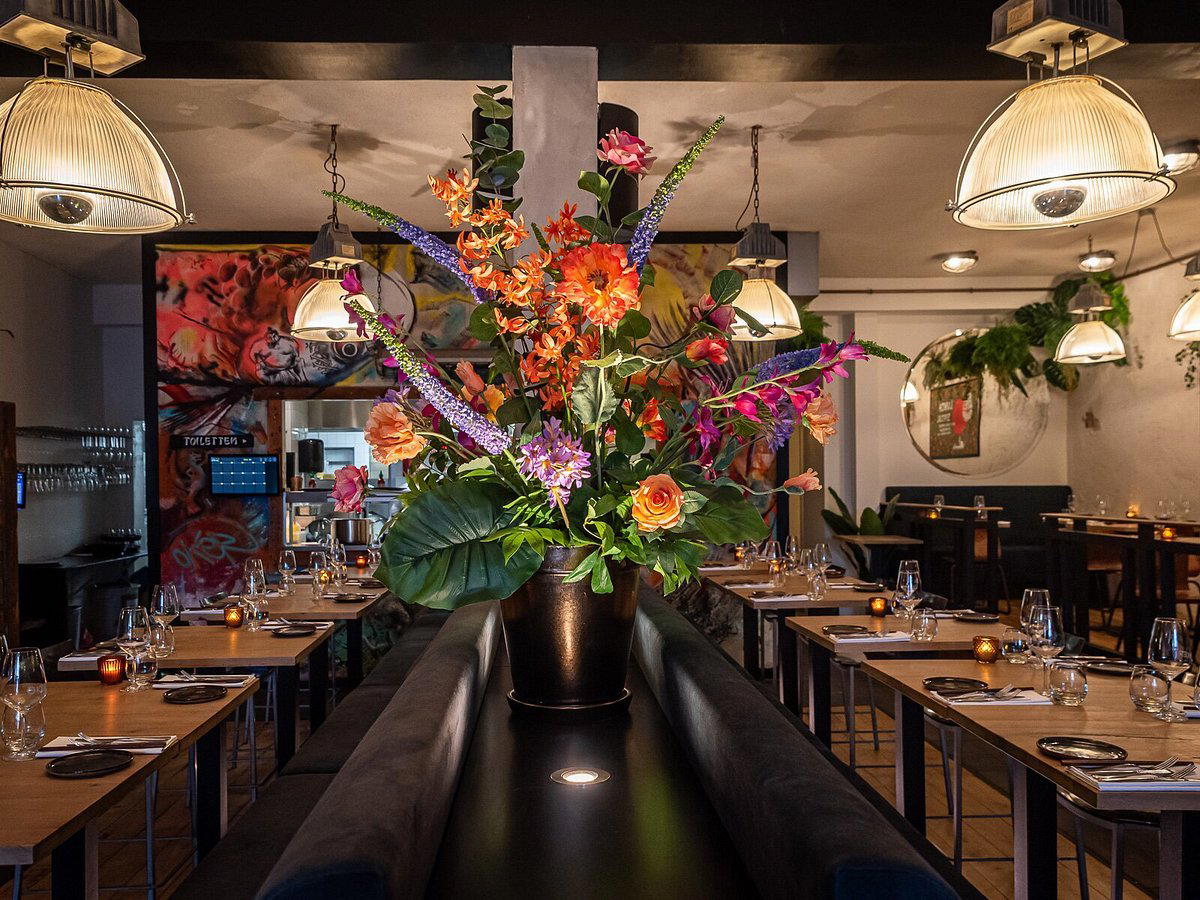
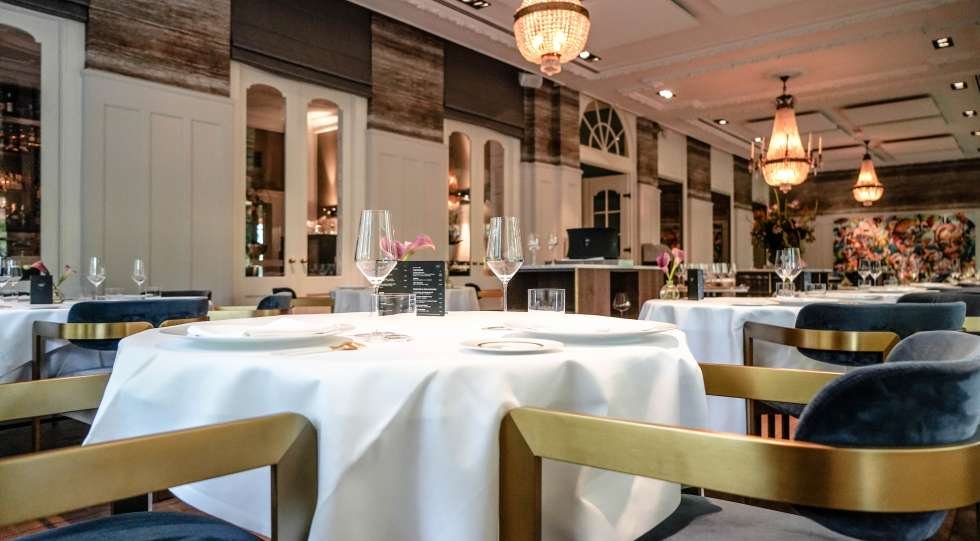
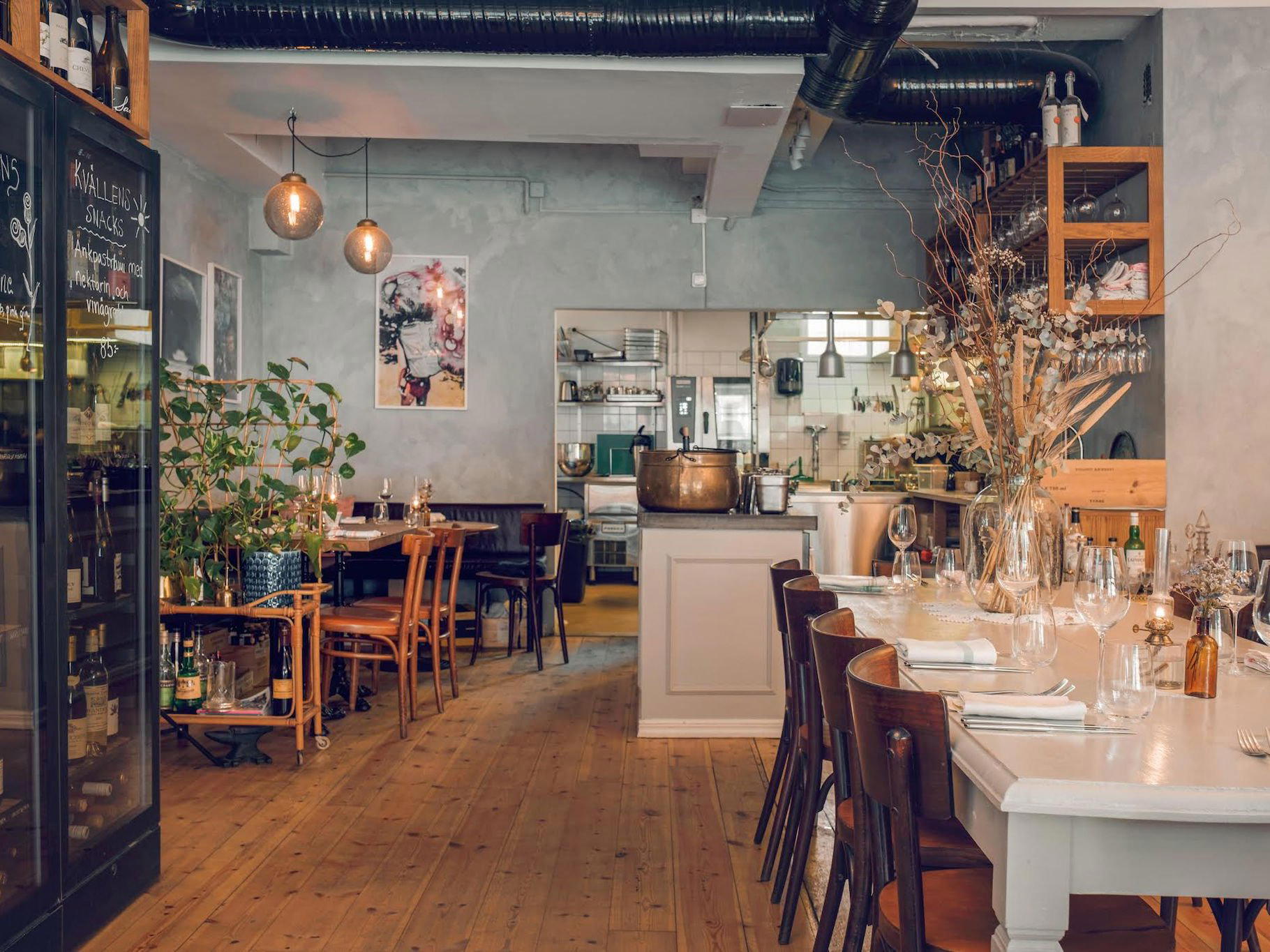
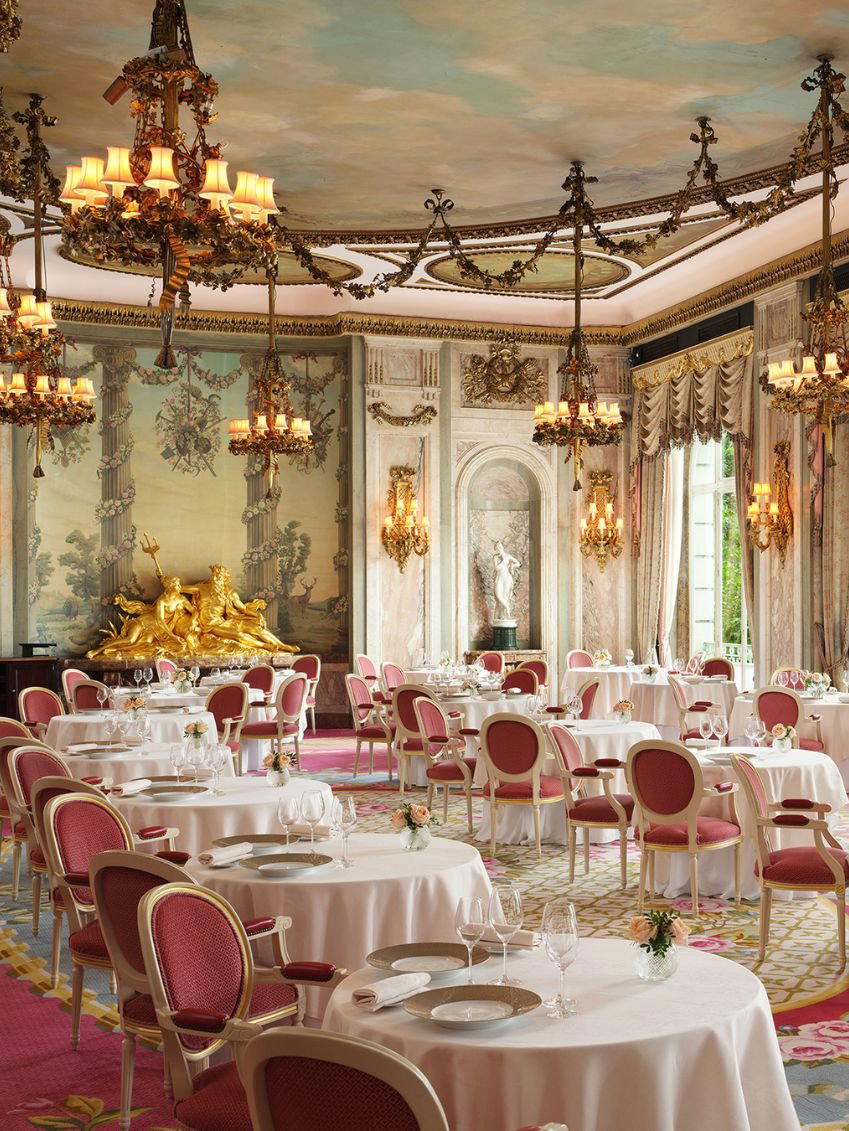
Bars in The Hague
All bars in The Hague →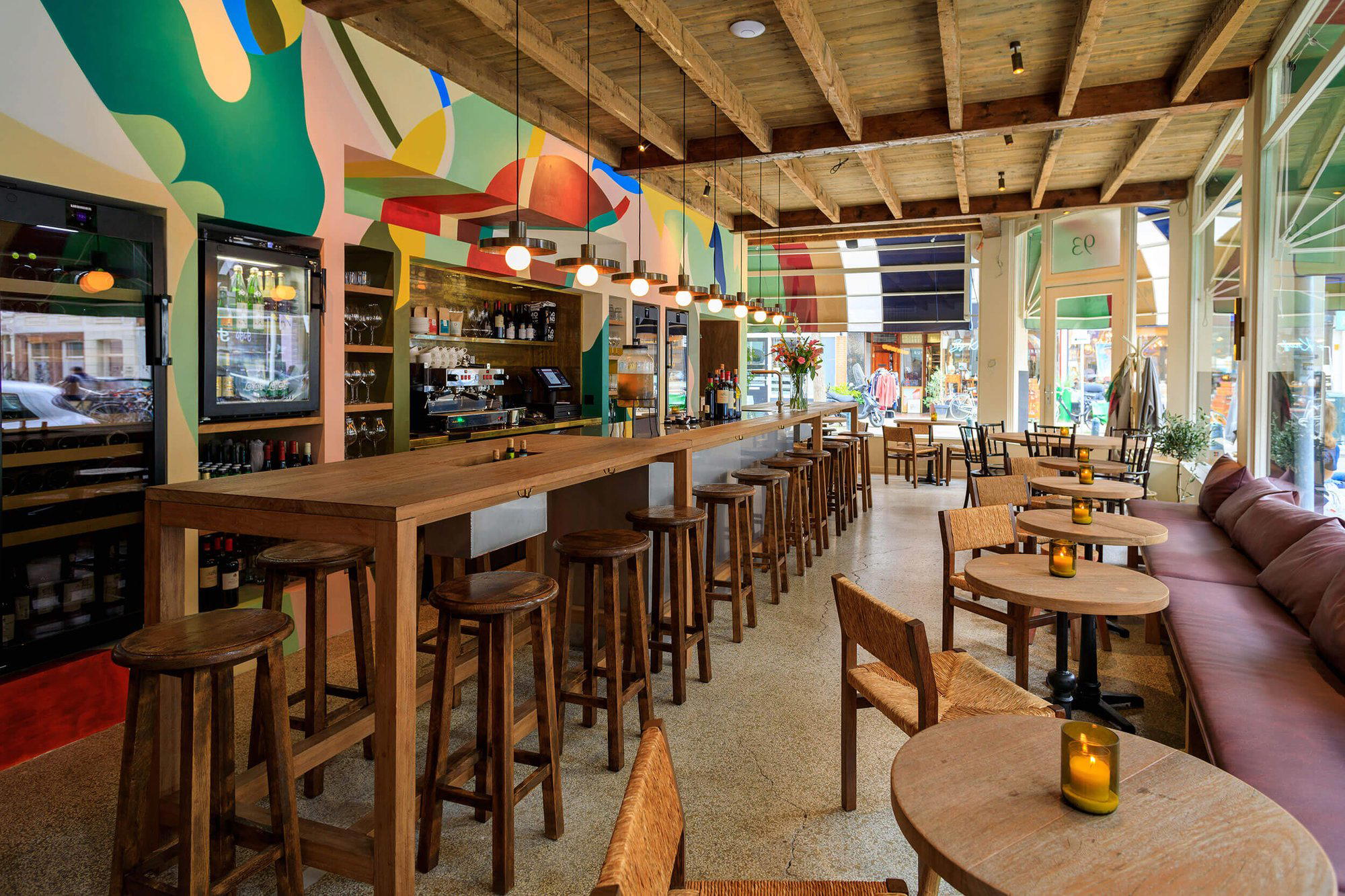
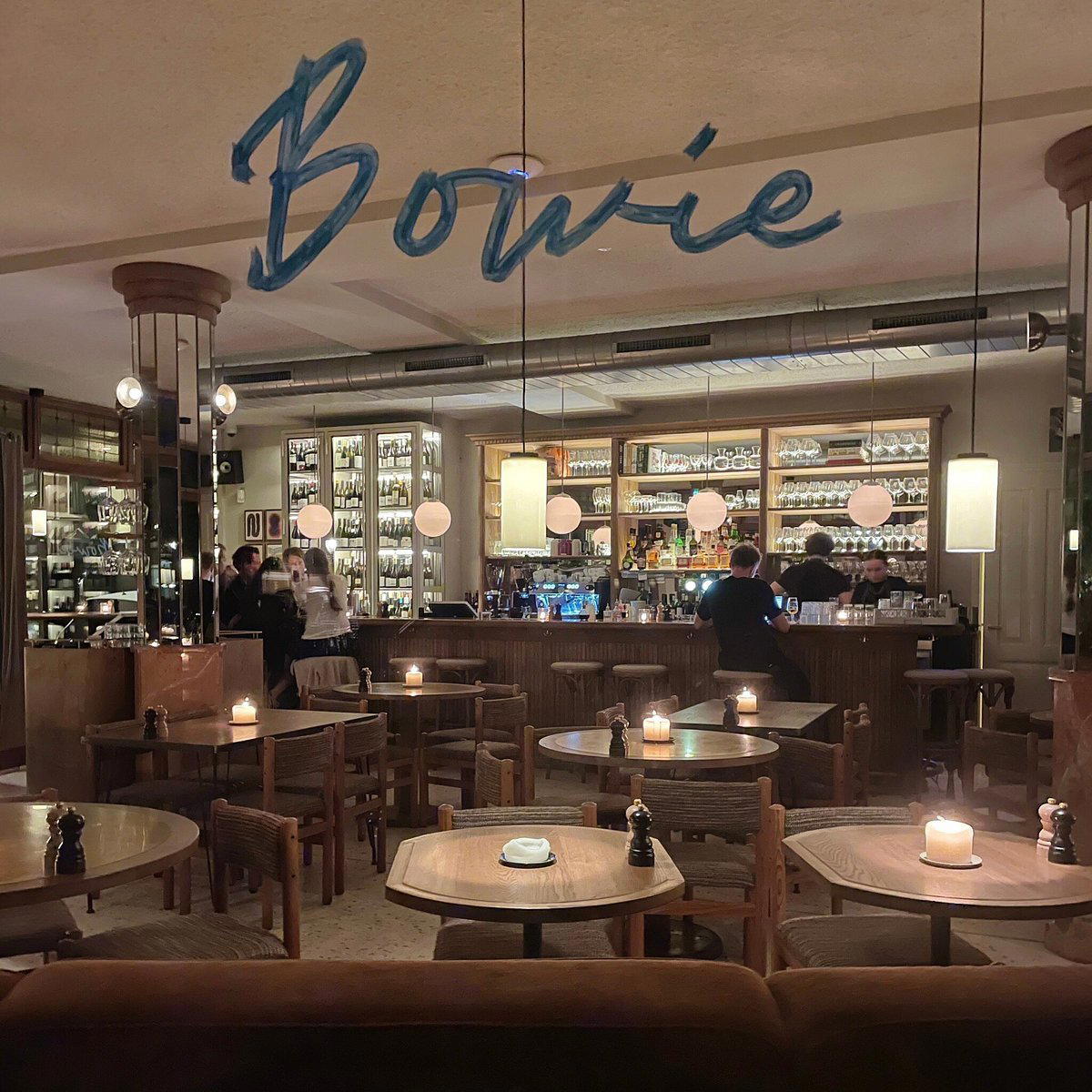
Hotels in The Hague
All hotels in The Hague →
Wineries in The Hague
All wineries in The Hague →
Details
- Modern
- Elegant
- Intimate
- Sophisticated
- Cozy
- Special Occasion
- Date Night
- Celebration
- Open Kitchen
- Extensive Wine List
- Local Sourcing
- Sustainable
- Set Menu
- Tasting Menu
- Vegetarian Friendly
- Vegan Options
- Gluten Free Options
- Allergy Accommodating
Current opening hours
- Monday
- Closed
- Tuesday
- 6:30–10 PM
- Wednesday
- 6:30–10 PM
- Thursday
- 6:30–10 PM
- Friday
- 6:30–10 PM
- Saturday
- 6:30–10 PM
- Sunday
- Closed
Hours can change for holidays and private events. Hours as of .
Sleek, minimalist Scandinavian design with an elegant yet relaxed, warm atmosphere.