









.png?width=120&quality=80)
3 Michelin Stars · World's 50 Best #33 · La Liste Top Restaurants
Our verdict
Benu sits in San Francisco's serious tasting-menu tier, using French structure and Chinese-Korean reference points with uncommon technical control. Corey Lee's restaurant has the external validation to match the ambition: No. 12 on Opinionated About Dining's 2026 North America ranking, La Liste recognition, a 2025 James Beard Outstanding Restaurant semifinalist nod, and long-running Michelin three-star status.

Pearl is the En Primeur Club membership app, where members save venues, book tables and use the concierge.
The menu
What to order
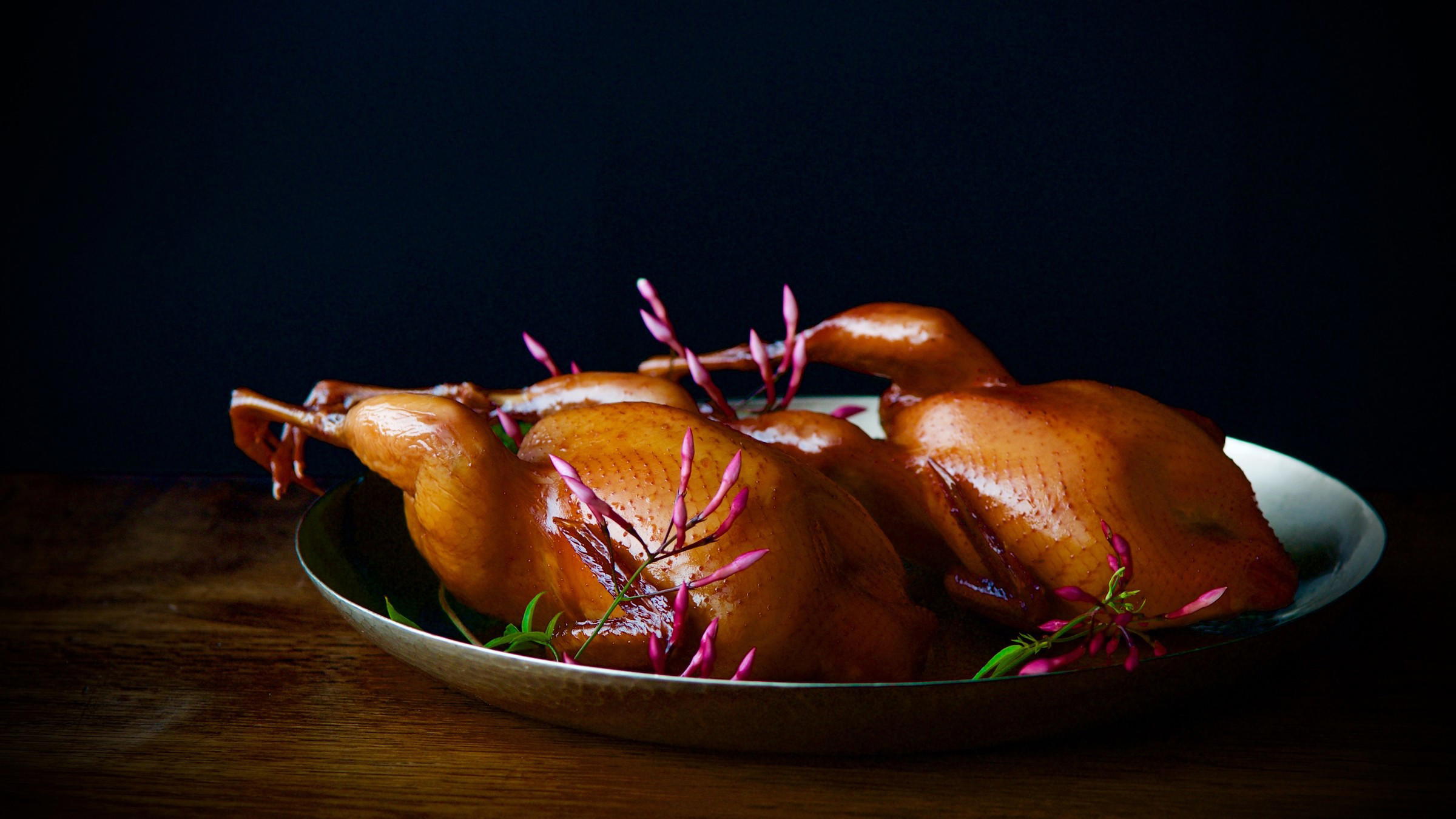
- Xiao long bao
- Thousand-year-old quail egg
- Faux shark fin soup
Benu is a formal, high-end restaurant in San Francisco from chef-owner Corey Lee. The verified description is concise but meaningful: French - Chinese, Asian cuisine, a $$$$ price level, and evening hours on Tuesday through Saturday, with Monday and Sunday closed.
Because the confirmed public data is limited, the safest way to read Benu is through those grounded facts rather than through unverified claims about a particular menu format, room layout, address, ranking, beverage program, or signature dishes. Its identity rests on Corey Lee's cooking and a formal San Francisco dining context.
French - Chinese, Asian dining in San Francisco
The confirmed cuisine language is still useful for diners. It signals a restaurant whose appeal is likely to be strongest for guests interested in a formal meal rather than a casual drop-in setting. The dress code is formal, and the price level is $$$$, so expectations should be set accordingly.
Corey Lee is the verified chef-owner. For planning purposes, the key confirmed details are the cuisine, chef-owner, formal dress code, price level, and evening operating schedule.
How Benu compares in San Francisco's expensive dining tier
San Francisco's upper bracket is not one lane. Aphotic, The Shota, O' by Le Tohic, Luce, and The Wild offer other ways to think about higher-end dining. Benu's verified profile is narrower: French - Chinese, Asian cuisine from Corey Lee, with a formal dress code and $$$$ pricing.
The verified recognition available here describes Benu as creative dining representing San Francisco's dense diversity.
For diners comparing options, the practical distinction is direct. Benu is a formal, expensive San Francisco restaurant with evening service Tuesday through Saturday. It is closed Monday and Sunday. The listed hours are Tuesday through Thursday 5:30–7:30 pm, Friday and Saturday 5–8:30 pm.
For a broader view, Our full San Francisco restaurants guide maps the city's dining range beyond the luxury tier. Travelers pairing dinner with a longer stay can also use Our full San Francisco hotels guide, Our full San Francisco bars guide, Our full San Francisco wineries guide, and Our full San Francisco experiences guide to plan around the meal rather than treating it as an isolated booking.
Who should choose this room
Benu suits diners looking for a formal, high-end restaurant in San Francisco rather than an informal neighborhood meal. The verified dress code is formal, and the price level is $$$$, so it is best approached as a planned evening.
Guests who need current beverage, dietary, allergy, or accessibility details should confirm directly with the restaurant before booking.
What is confirmed is enough to frame the decision: Corey Lee, French - Chinese, Asian cuisine, formal dress, $$$$ pricing, and dinner-hour service on Tuesday through Saturday.
For visitors, that makes Benu a focused choice rather than a catch-all recommendation. Choose it if the confirmed profile matches the evening you want: formal, expensive, San Francisco-based, and centered on French - Chinese, Asian cooking from Corey Lee.
Frequently asked questions
Is Benu a family-friendly restaurant?
Benu is a formal $$$$ restaurant in San Francisco, so diners should consider whether that confirmed profile matches the meal they want.
What should I expect atmosphere-wise at Benu?
Expect a formal restaurant in San Francisco. The verified dress code is formal, and the price level is $$$$.
What type of food is Benu known for?
Benu serves French - Chinese, Asian cuisine.
What is Benu known for?
Benu is known for French - Chinese, Asian cuisine in San Francisco, with Corey Lee as chef-owner.
Snapshot
Comparable venues by cuisine and price in the same metro.
| Venue | Cuisine | Price | Awards | Notes |
|---|---|---|---|---|
| BenuThis venue (the venue you are viewing) | Modern Asian Fusion Fine Dining | $150–200 | 3 Michelin Stars · World's 50 Best #33 | Not listed |
| Aphotic | Seafood | Not listed | 1 Michelin Star | Not listed |
| Luce | European | Not listed | Michelin Plate · Wine Spectator Best of Award of Excellence | Italian, Contemporary |
| The Shota | Modern Japanese Omakase | $300–500 | 1 Michelin Star | Sushi, Japanese |
| O' by Le Tohic | French | Not listed | Not listed | Not listed |
| The Wild | Modern Californian Live-Fire Seafood | $100–150 | Michelin Plate | Contemporary |
Recognition history
Dated appearances from independent guides and award organizations, with the underlying list record or original source where available.
Michelin 3 Stars
Michelin
World's 50 Best North America's Best Restaurants #33
World's 50 Best
La Liste Top Restaurants
La Liste
Star Wine List
Star Wine List
James Beard Award Semi Finalist
James Beard Award
Full recognition history (23 entries)
Forbes 5-Star
Forbes
Opinionated About Dining Top Restaurants in North America Ranked #12
Opinionated About Dining
San Francisco Chronicle Top 100 Bay Area Restaurants #17
San Francisco Chronicle
AAA 5 Diamond
AAA
Forbes 5-Star
Forbes
La Liste Top Restaurants
La Liste
Michelin 3 Stars
Michelin
Opinionated About Dining Top Restaurants in North America Ranked #7
Opinionated About Dining
The Best Chef Three Knives
The Best Chef
World's 50 Best North America's Best Restaurants #13
World's 50 Best
Michelin 3 Stars
Michelin
Opinionated About Dining Top Restaurants in North America Ranked #9
Opinionated About Dining
Opinionated About Dining Top Restaurants in North America Ranked #9
Opinionated About Dining
World's 50 Best Restaurants #28
World's 50 Best
James Beard Award Outstanding Wine Program
James Beard Award
World's 50 Best Restaurants #47
World's 50 Best
James Beard Award Best Chefs
James Beard Award
Robb Report 100 Greatest American Restaurants of the 21st Century #6
Robb Report
Continue exploring
More in San Francisco
More from Chef Corey Lee
Browse all →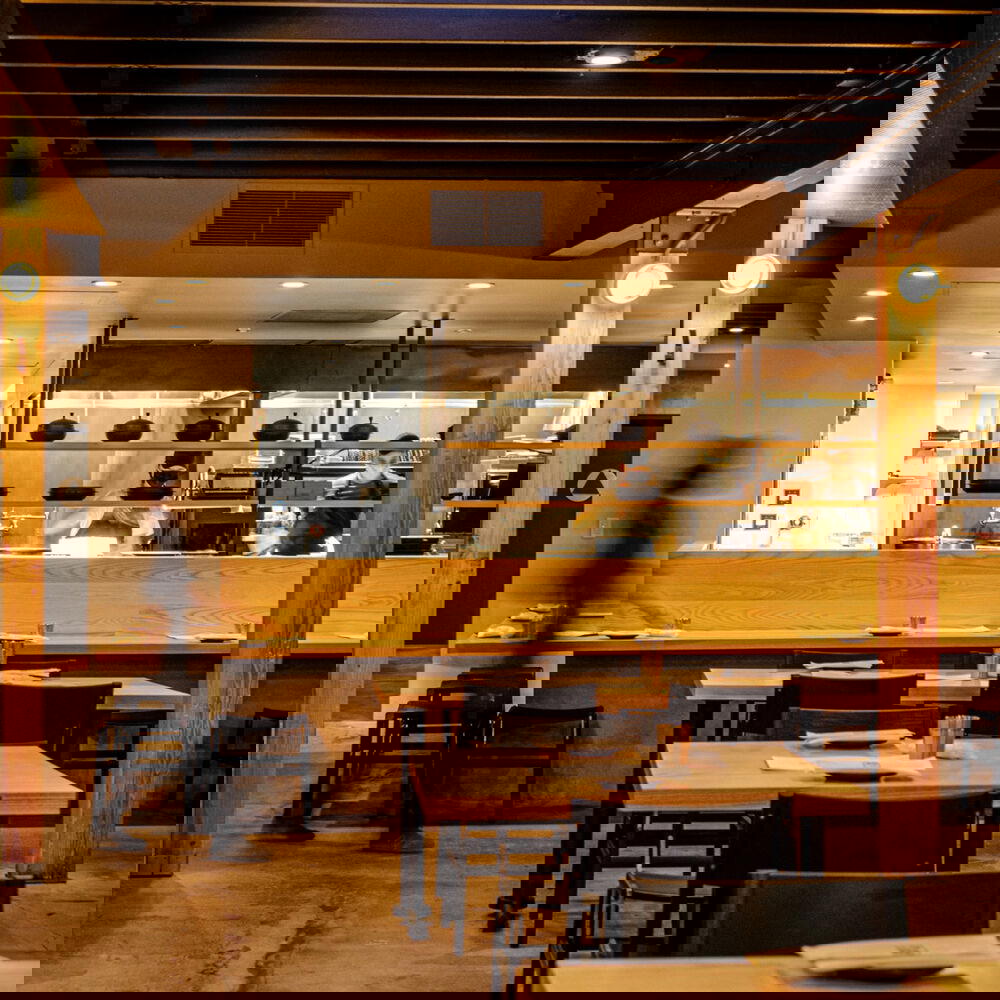
Restaurants in San Francisco
All restaurants in San Francisco →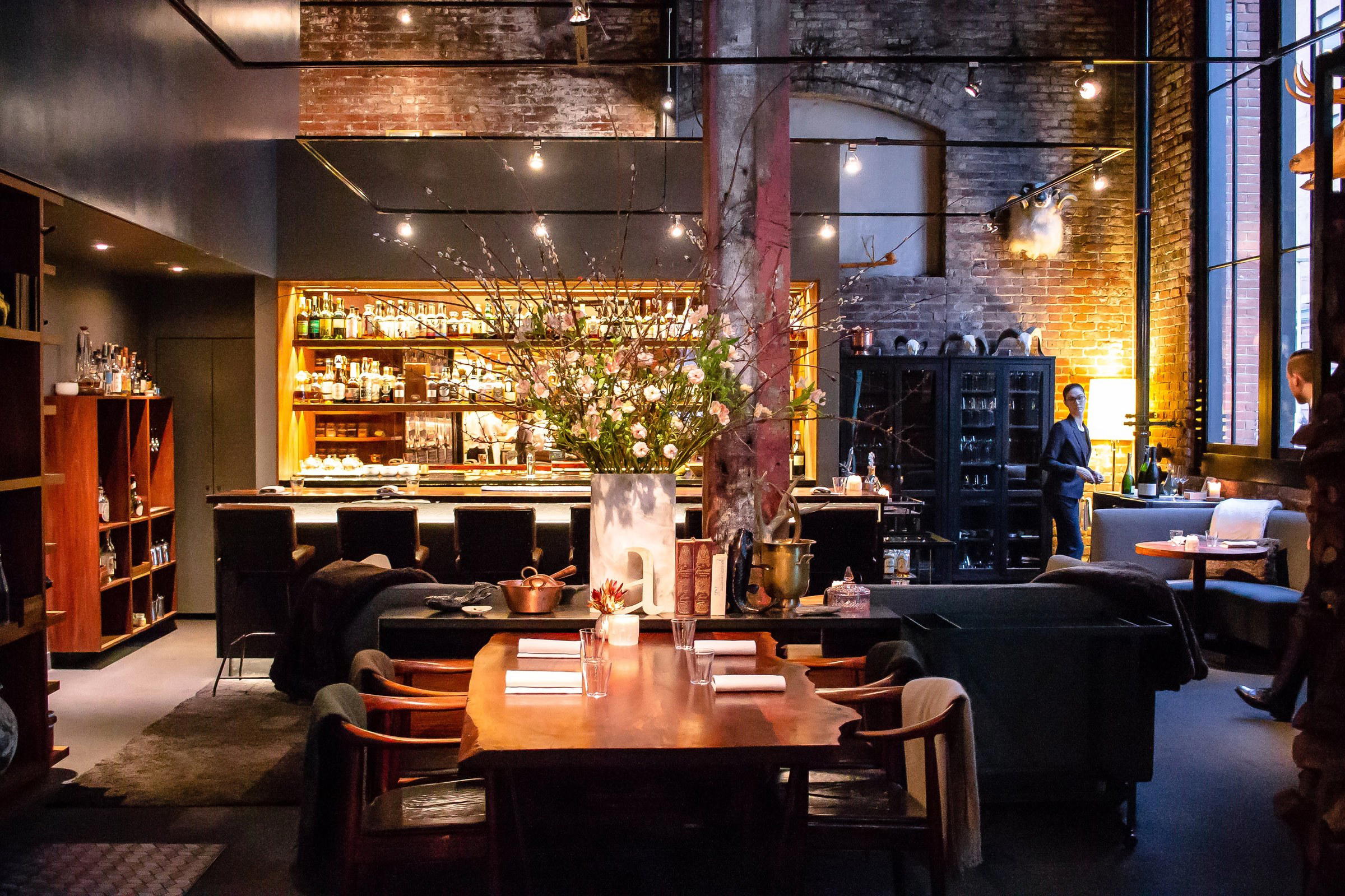
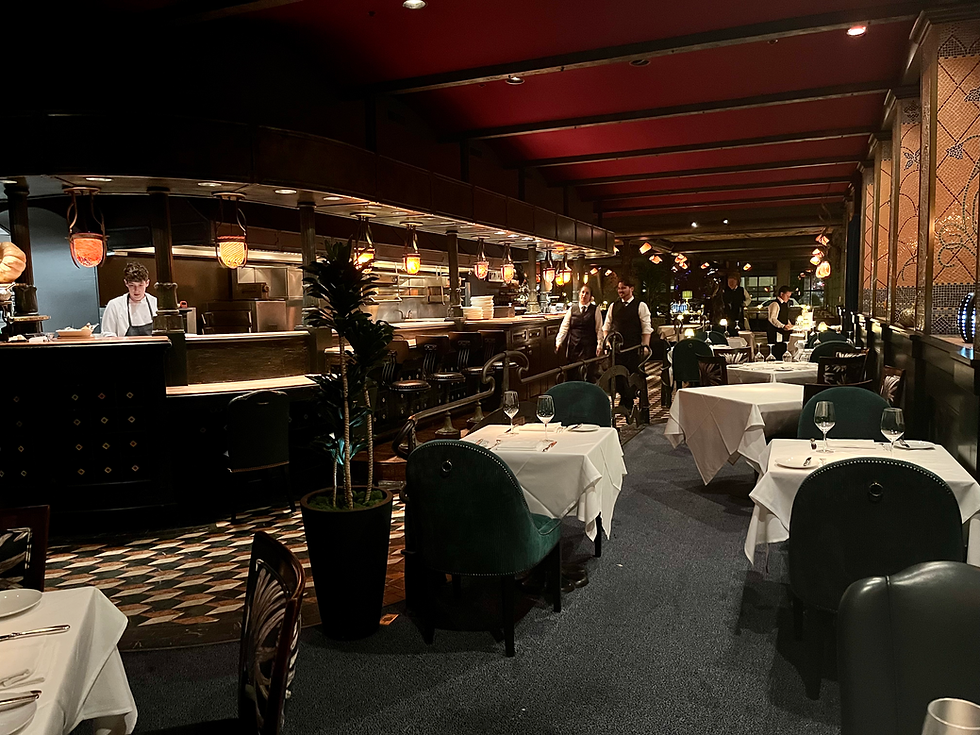
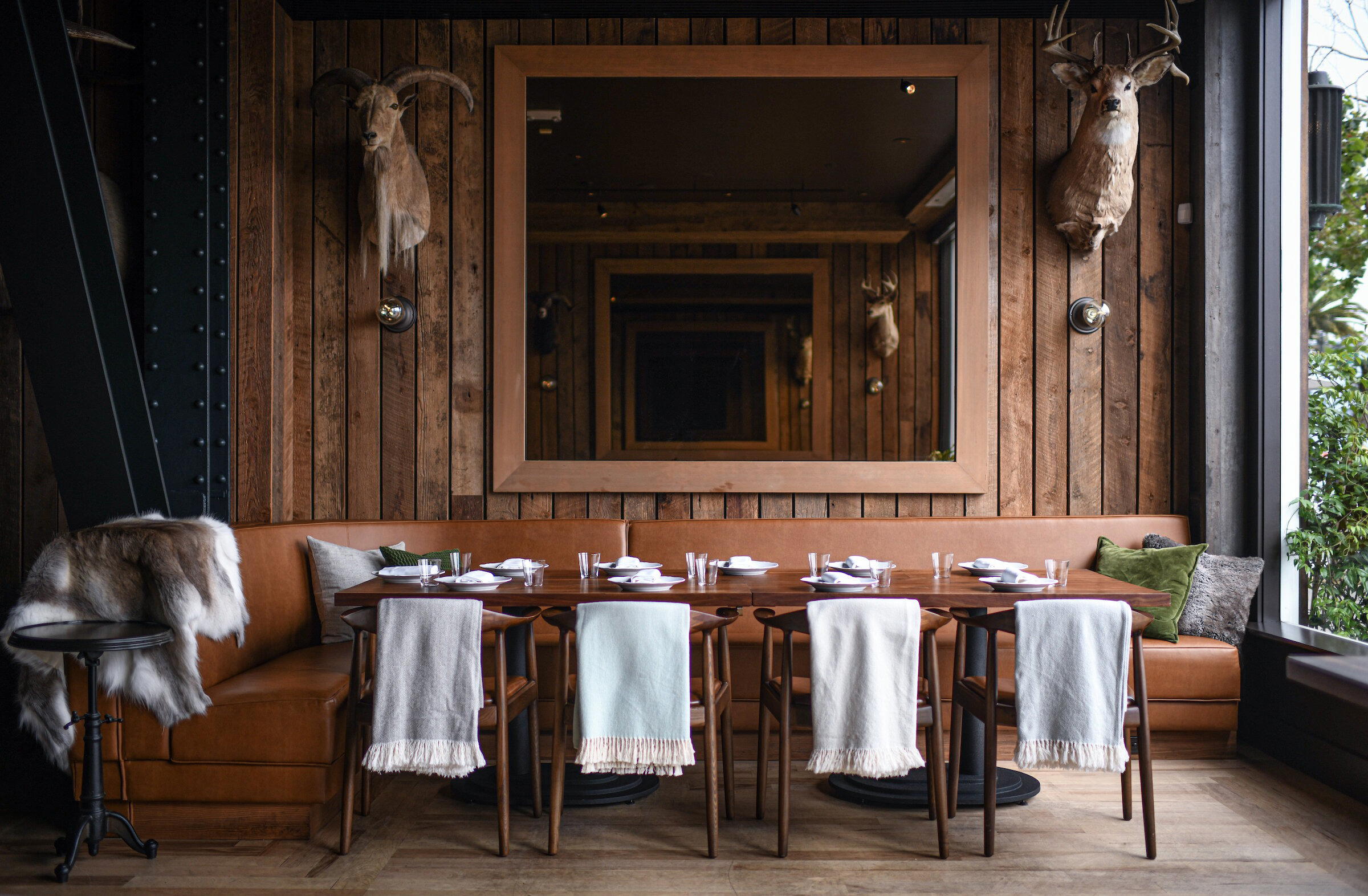
Bars in San Francisco
All bars in San Francisco →
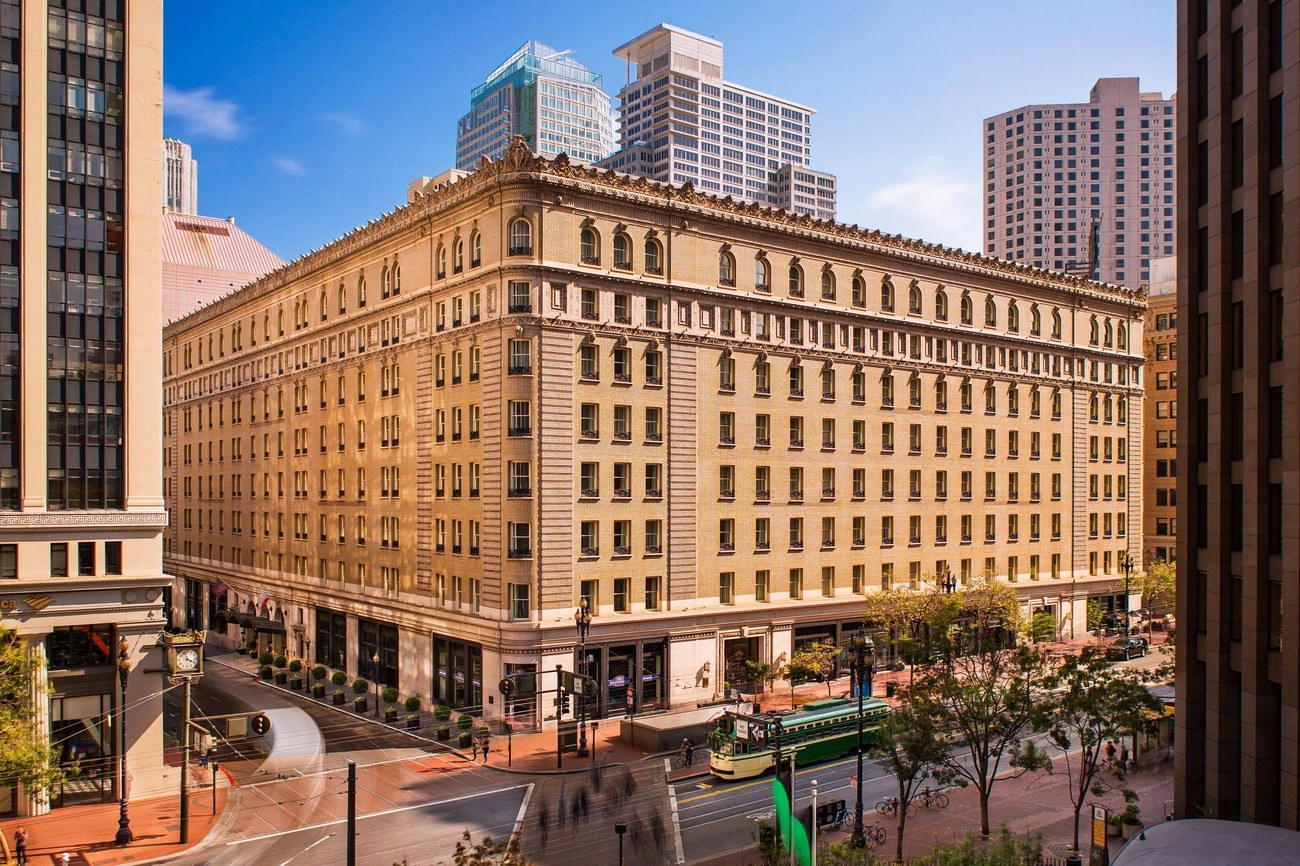
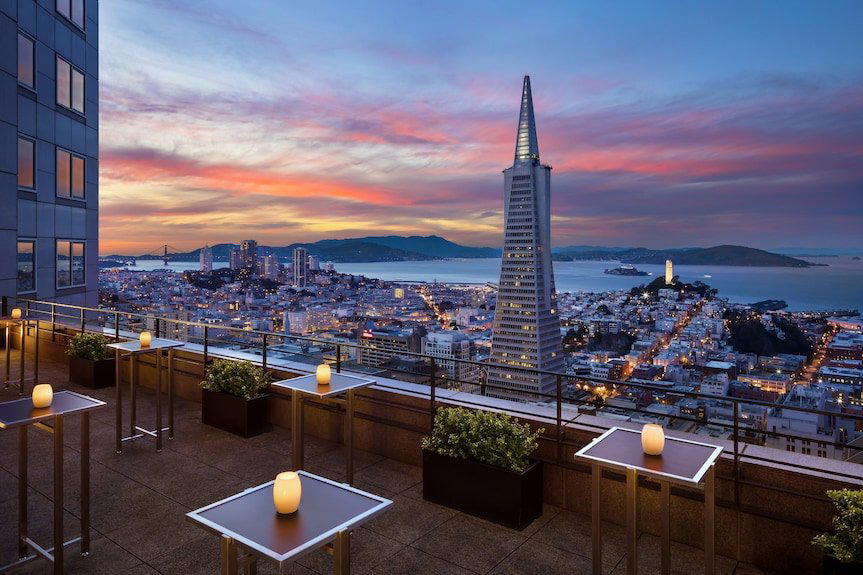
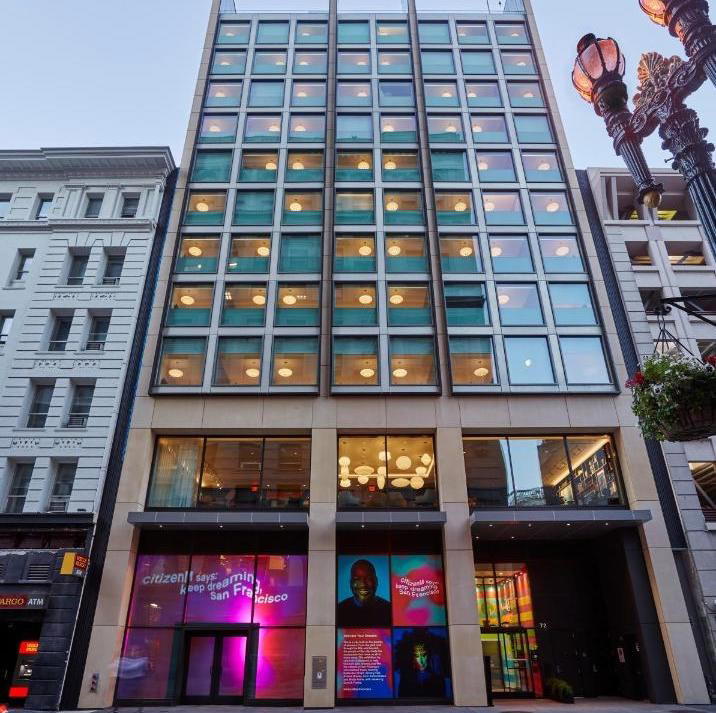
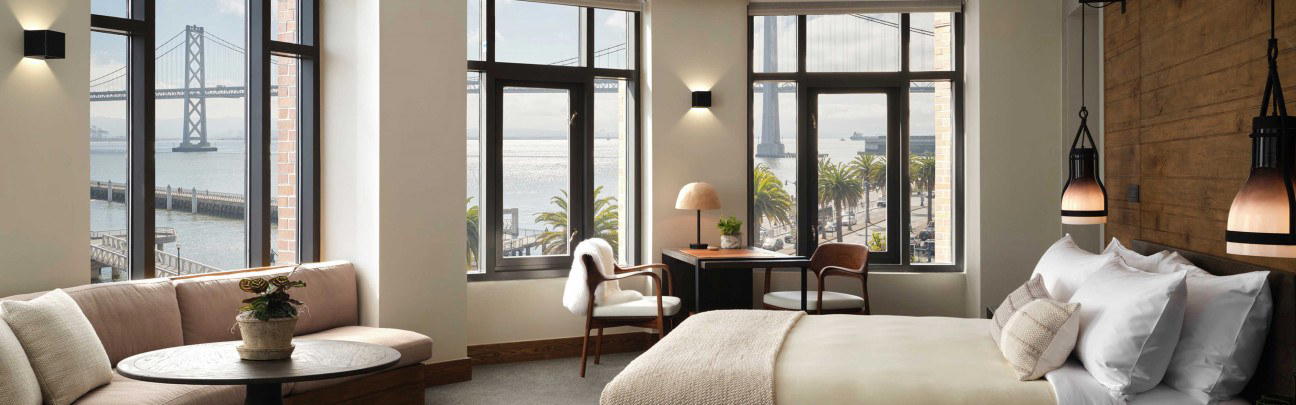
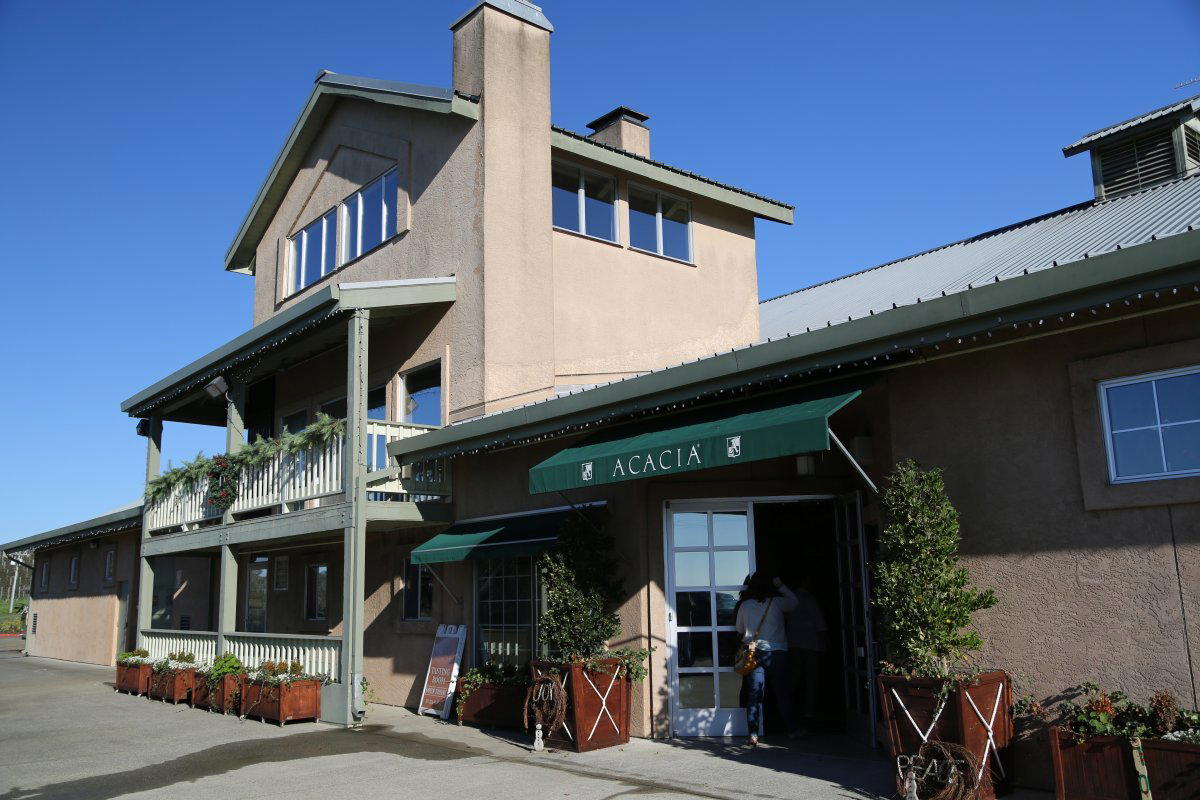
Benu
The wine
- Wine program
- Deep wine list
- Extensive wine list
- Sake program
Details
- Elegant
- Sophisticated
- Intimate
- Quiet
- Special Occasion
- Date Night
- Business Dinner
- Chefs Counter
- Extensive Wine List
- Sake Program
- Tasting Menu
Current opening hours
- Monday
- Closed
- Tuesday
- 5:30–7:30 PM
- Wednesday
- 5:30–7:30 PM
- Thursday
- 5:30–7:30 PM
- Friday
- 5:30–8:30 PM
- Saturday
- 5:30–8:30 PM
- Sunday
- Closed
Hours can change for holidays and private events. Hours as of .
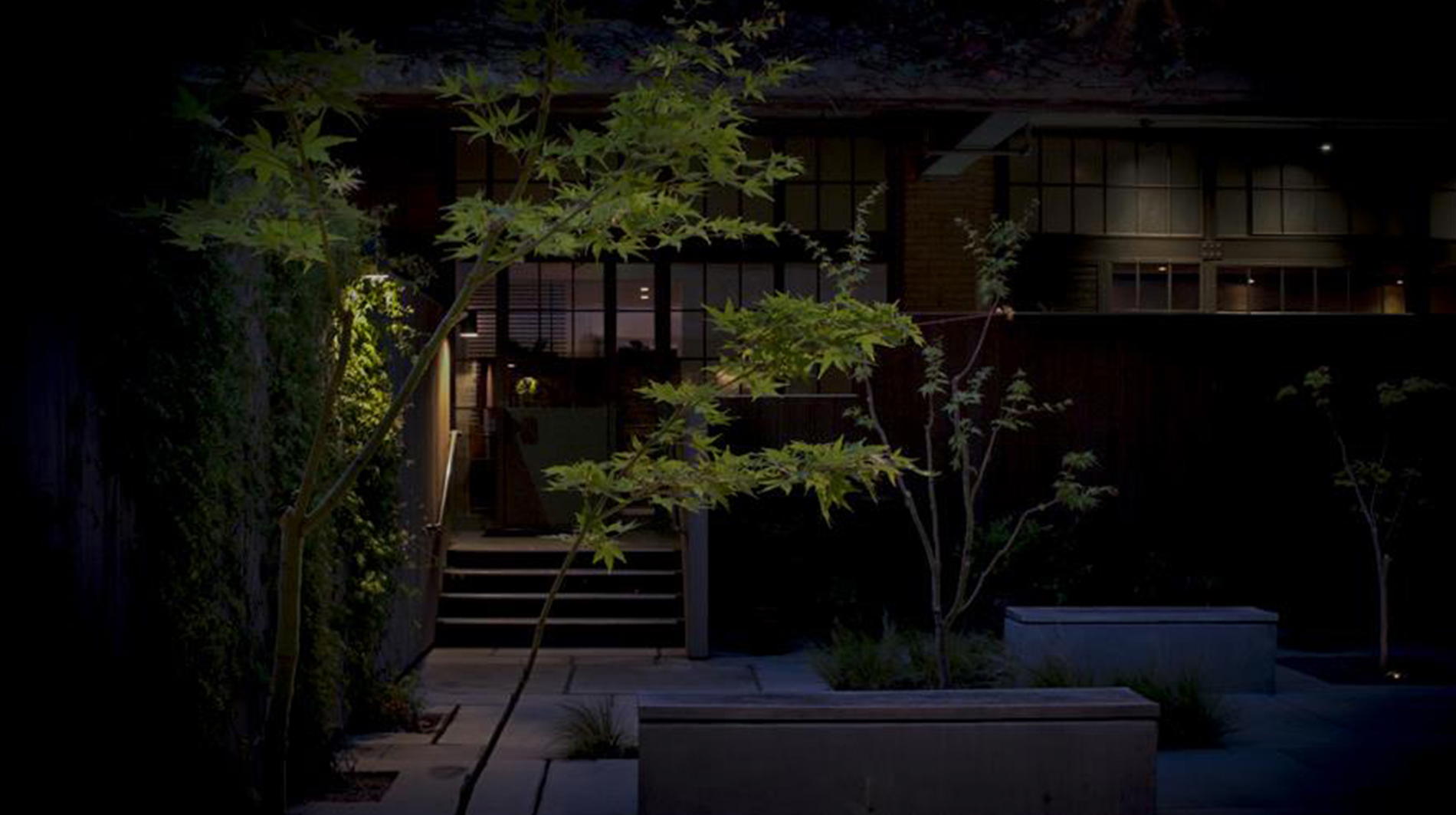
Tranquil and zen-like with polished, attentive service in an elegant, oasis-like setting.