Bennachin
On a stretch of Royal Street where French Quarter architecture meets the everyday rhythms of the Marigny, Bennachin brings West and Central African cooking to a city already defined by its layered culinary inheritances. The kitchen draws on Cameroonian and Gambian traditions, groundnut stews, jollof rice, plantain, that sit adjacent to, but distinct from, New Orleans' own African-inflected food history. It occupies a niche with few direct competitors in the city.
Pearl is the En Primeur Club membership app — saves, bookings, and concierge access live there. Same editors, same standards.
- Address
- 1212 Royal St, New Orleans, LA 70116
- Phone
- +15045221230
- Website
- bennachinrestaurant.com
- Directions
- Get directions
 Saves & bookings on Pearl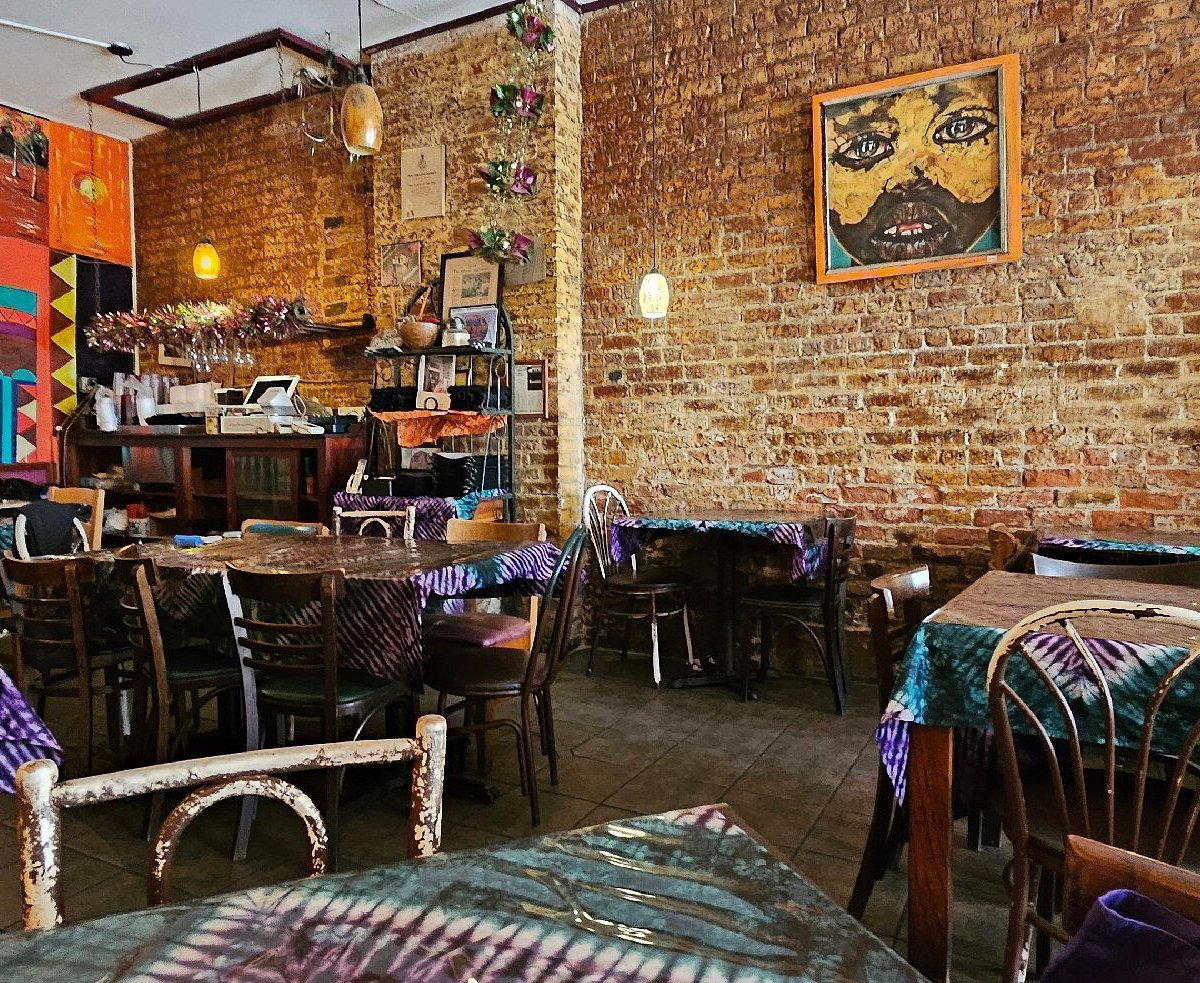
Royal Street, African Flavors, and the Layers Beneath New Orleans' Plate
Royal Street in the French Quarter carries a particular kind of sensory weight. The buildings lean close, paint peeling at the cornices in that specifically New Orleans way that reads less like neglect and more like earned character. Foot traffic here is slower than on Bourbon, more local in register. It is at 1212 Royal St, New Orleans, LA 70116, that Bennachin operates as a casual West African restaurant rooted in the flavors of Gambia and Cameroon. Walking toward it, the aromatic signals arrive before the signage: spice profiles that differ from the roux-and-filé vocabulary dominant in the surrounding blocks, something closer to dried crayfish, palm oil, and scotch bonnet pepper.
That olfactory gap is the editorial point. New Orleans has among the more discussed food cultures in the United States, but the conversation concentrates heavily on Creole and Cajun lineages. Venues like Emeril's and Bayona operate within or adjacent to that dominant tradition, as does the broader Commander's Palace school of Creole classicism. Bennachin sits outside that frame almost entirely, drawing instead on Cameroonian and Gambian culinary traditions that have their own relationship to the African diaspora but are not mediated through Louisiana's particular colonial and Creole history.
What the Kitchen Is Actually Doing
West and Central African cooking in the United States remains underrepresented in the restaurant mainstream, which makes Bennachin's longevity on Royal Street worth examining. The dishes in this tradition tend to center legumes, starchy staples, and slow-cooked proteins in ways that have more in common with the groundnut soups of Accra or the thiéboudienne of Dakar than with the gumbo or étouffée of the surrounding neighborhood. Jollof rice, egusi (ground melon seed stew), plantain preparations, and pepper soups form a culinary grammar that is internally coherent and regionally specific in ways that casual diners may not immediately map.
For the informed eater, this creates an interesting context problem: the ingredients and techniques share some ancestry with Louisiana cooking, palm oil, okra, and smoked proteins have traveled the same historical routes, but the flavor outcomes are distinct. Where Creole cooking moved toward butter enrichment and French-influenced sauce work over centuries, West African cooking retained a more direct relationship with fermented and dried flavor bases. Eating at Bennachin is, in that sense, an exercise in tracing the fork in the road.
The Room and Its Atmosphere
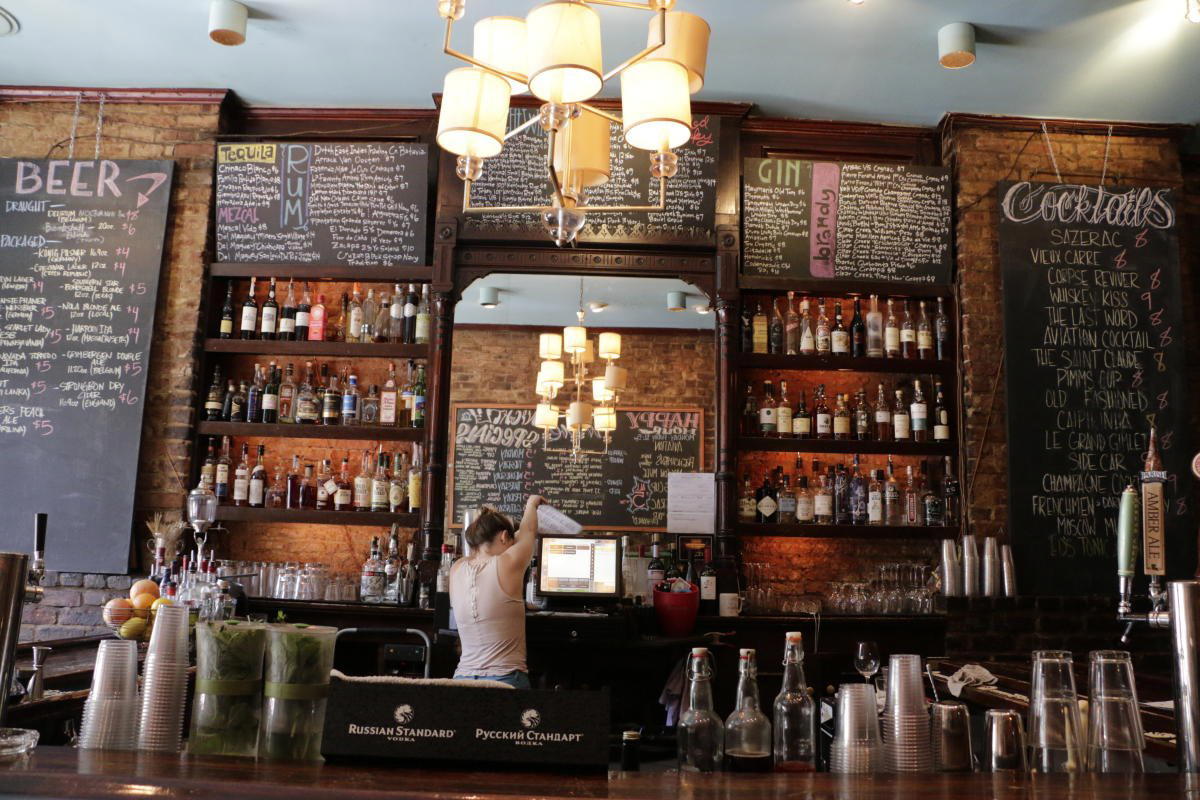
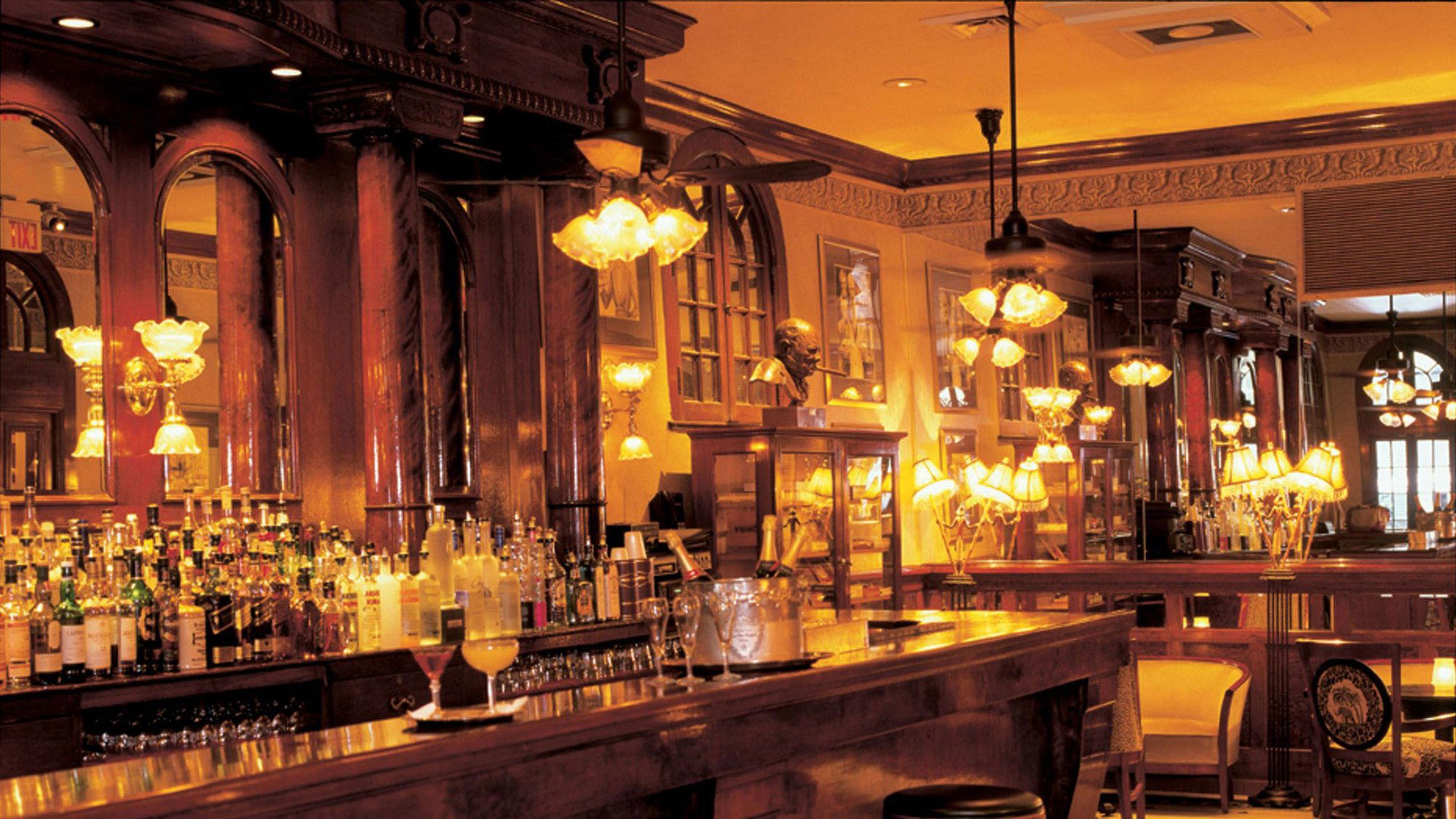
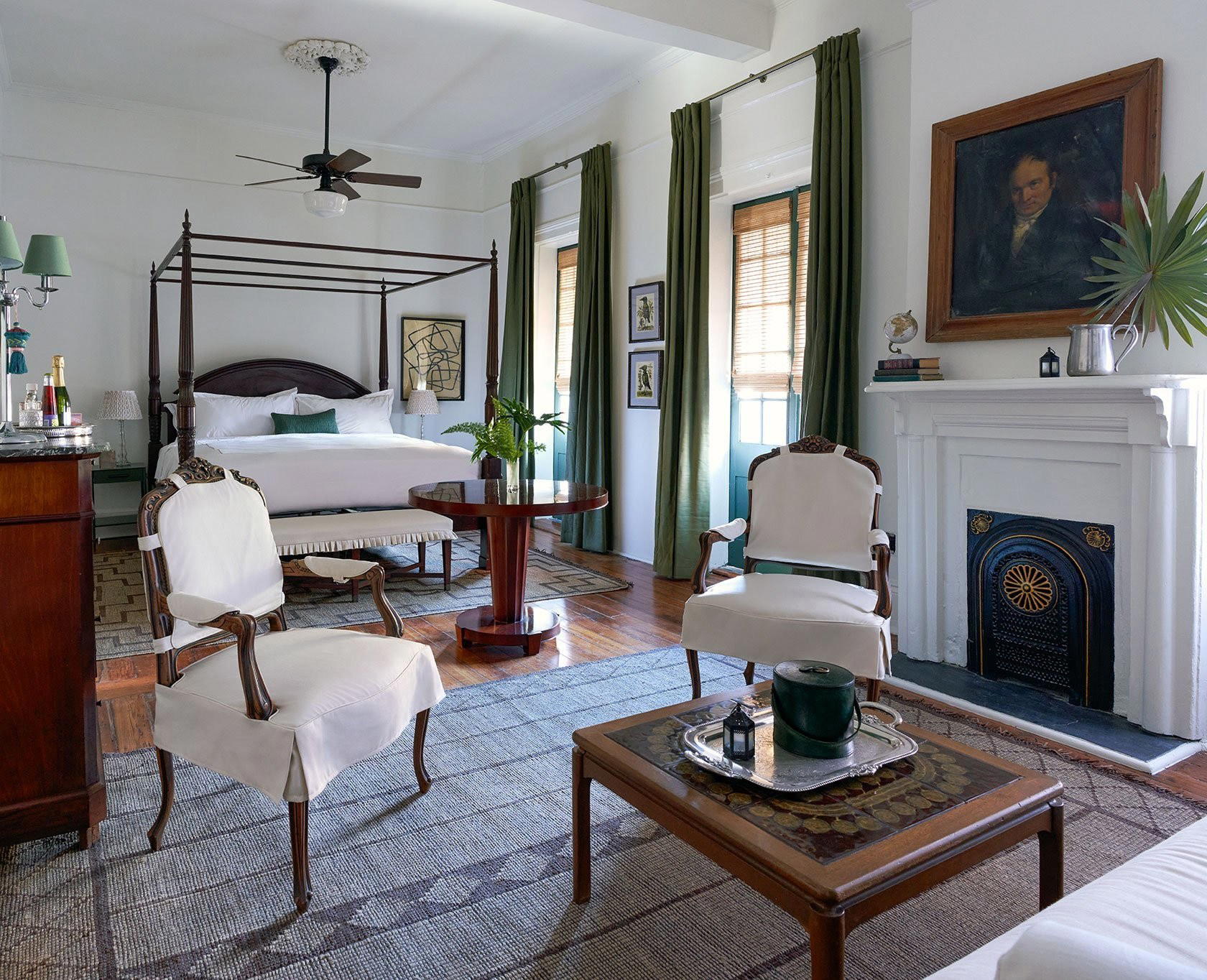
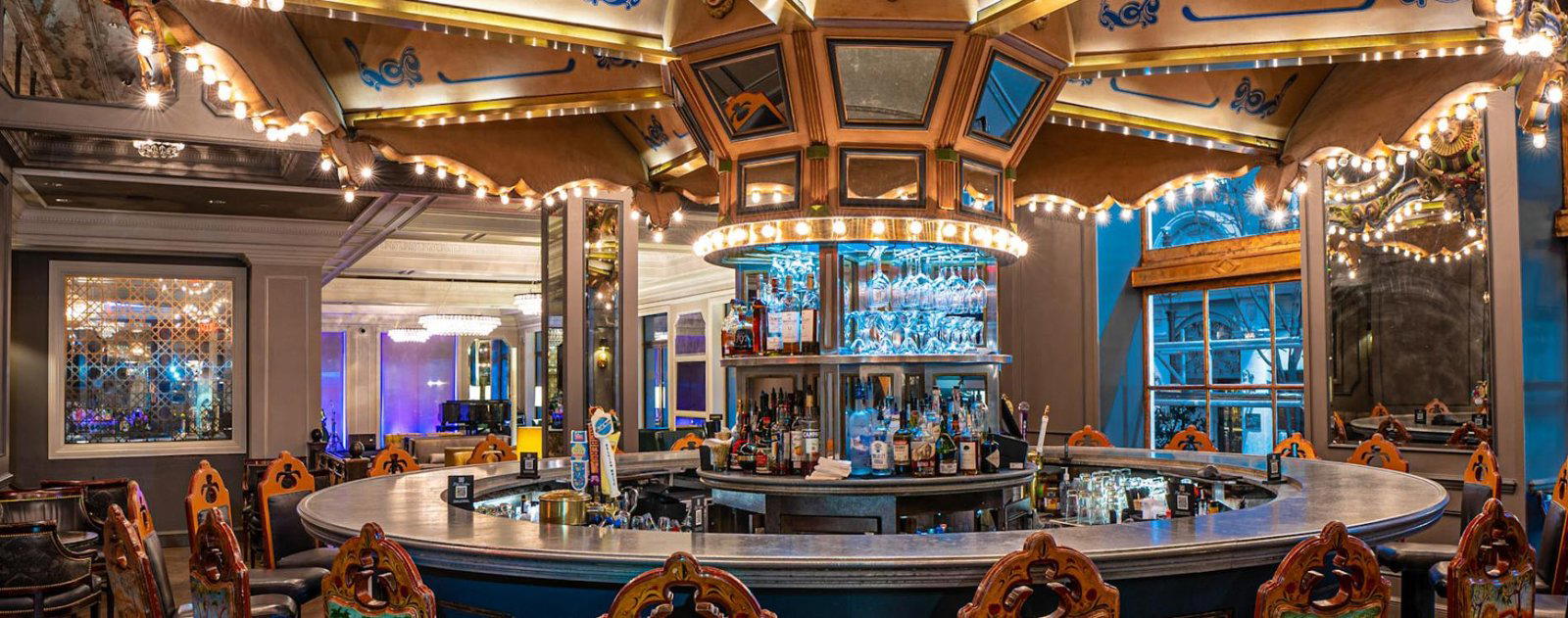
The dining environment at Bennachin operates at a scale and register that places it well outside the white-tablecloth tier occupied by Saint-Germain or the tasting-menu format of Re Santi e Leoni. This is a casual room by design and by price point, closer in spirit to the neighborhood dining houses that sustain a city's food culture between the flagship destinations. The color palette leans warm, textiles and decorative elements reference West African visual traditions, and the sound level during service reflects a space built for conversation rather than performance. The contrast with the current generation of technically ambitious American restaurants, Smyth in Chicago, Atomix in New York, could not be more pronounced, and that contrast is instructive rather than hierarchical. Different things are being attempted.
New Orleans itself tends to accommodate this range without the friction it might produce in cities with more rigid dining hierarchies. A city that takes Zasu's American contemporary register seriously also takes its neighborhood African restaurants seriously, and Bennachin has benefited from that cultural generosity on Royal Street.
African Cooking in the Context of New Orleans' Food History
The deeper editorial argument for a place like Bennachin is historical. New Orleans' celebrated food culture did not emerge from French and Spanish colonial influence alone. Enslaved Africans from Senegal, Benin, and the Congo Basin brought techniques, ingredients, and flavor logic that became foundational to Creole cooking, often without attribution. Okra, the thickener in gumbo, is of West African origin. The tradition of one-pot rice dishes has clear West African antecedents. Bennachin, by presenting that source tradition directly rather than as a filtered-through-Louisiana product, offers something rare: an opportunity to taste the root rather than the branch.
That framing gives the restaurant a cultural specificity that broader American contemporary dining does not attempt. The comparison is not one of quality tier but of mission. Some restaurants exist to push a technique forward; others exist to hold a tradition in place and make it legible to a wider audience. Bennachin belongs to the latter category, and in New Orleans, where culinary tradition is taken with genuine seriousness, that is a legitimate position to occupy.
For visitors expecting to spend their meals moving through Creole and Cajun interpretations, Bennachin represents a different kind of claim on the city's food story. The restaurants that operate in that dominant register, from the refined contemporary work at Re Santi e Leoni to the more established American inventiveness at Bayona, are worth knowing. But so is the restaurant that steps outside that lineage and makes the case that African cooking in New Orleans need not be filtered through a Creole lens to belong here.
Know Before You Go
Address: 1212 Royal St, New Orleans, LA 70116
Neighbourhood: French Quarter, near the Marigny border
Price range: About $20 per person
Reservations: Walk-ins are welcome
Getting there: 1212 Royal St in the French Quarter is walkable from many nearby hotels; rideshare is practical
Leading for: Diners seeking West and Central African cooking outside the Creole-Cajun mainstream; meals that benefit from contextual knowledge of the cuisine's relationship to Louisiana food history
Cuisine and Credentials
Comparable venues nearby, for context on price, style, and recognition.
| Venue | Cuisine | Price | Notes |
|---|---|---|---|
| BennachinThis venue — the venue you are viewing | West African (Gambia & Cameroon) | $$ | Not listed |
| Three Muses | American Small Plates with International Flair | $$ | Marigny |
| Snug Harbor Jazz Bistro | Creole Jazz Bistro | $$ | Marigny |
| SukhoThai | Authentic Thai | $$ | Marigny |
| Felipe's Mexican Taqueria | Authentic Mexican Taqueria | $$ | French Quarter |
| The Joint | Louisiana BBQ | $$ | Bywater |
Continue exploring
More in New Orleans
Restaurants in New Orleans
Browse all →
Bars in New Orleans
Browse all →


At a Glance
- Cozy
- Intimate
- Casual Hangout
- Historic Building
- Byob
Current opening hours
- Monday
- Closed
- Tuesday
- Closed
- Wednesday
- 11 AM–8 PM
- Thursday
- 11 AM–8 PM
- Friday
- 11 AM–9 PM
- Saturday
- 11 AM–9 PM
- Sunday
- 11 AM–9 PM
Hours can change for holidays and private events. Last verified .
Comfortable, friendly, and homey atmosphere in a small, cramped space with sparse decorations and wooden tables.