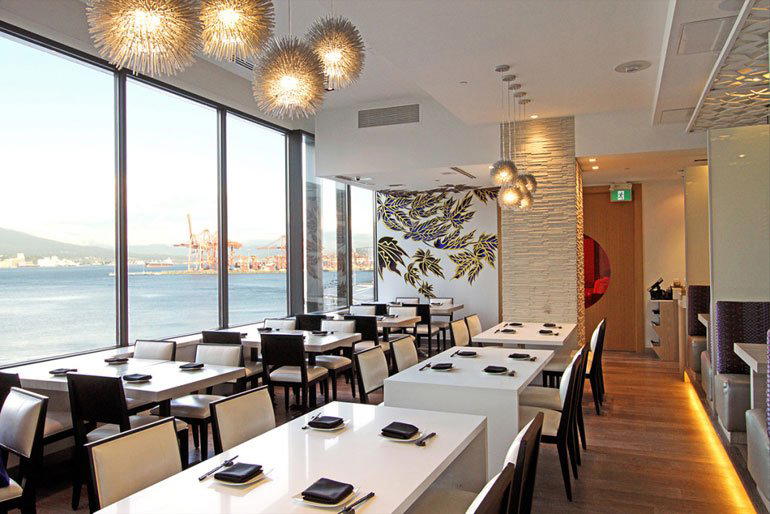
Beach Ave sits along one of Vancouver's most recognisable stretches of English Bay waterfront, where the city's appetite for Pacific-sourced ingredients meets a dining room shaped by the water just outside its windows. The address places it within reach of the West End's broader restaurant corridor, making it a natural reference point for visitors mapping Vancouver's contemporary dining scene.
Pearl is the En Primeur Club membership app — saves, bookings, and concierge access live there. Same editors, same standards.
- Address
- Vancouver, BC, Canada
- Phone
- +1 604 676 2337
- Website
- beachavebarandgrill.com
- Directions
- Get directions
 Saves & bookings on Pearl
Water as the Default Setting
Vancouver dining has always had a complicated relationship with its geography. The city sits at the edge of the Pacific, bracketed by mountains and ocean, and that physical fact shapes what ends up on plates across the West End. Beach Avenue runs along English Bay, one of the few stretches of Vancouver where the water is not backdrop but foreground. Restaurants that occupy this address inherit the view without necessarily earning it through what they cook. The better ones treat the proximity to the ocean as an editorial statement about ingredient sourcing, not merely a selling point for window tables.
This tension between location and substance is the central question any serious diner brings to the Beach Avenue corridor. In a city where contemporary restaurants like AnnaLena and Barbara have built strong reputations on tightly disciplined contemporary menus, a waterfront address alone is no longer enough to anchor a restaurant's identity. The scene has moved toward substance.
How Vancouver's West End Dining Has Shifted
A decade ago, the West End restaurant corridor operated largely as a neighbourhood amenity, serving a dense residential population and summer tourists drawn to the seawall. The dining ambition was modest, the menus broad. That picture has changed. Across the city, a cohort of chef-driven rooms has raised the baseline for what Vancouver diners expect at the $$$$ price tier. Places like Kissa Tanto in Chinatown and Masayoshi in the Kitsilano-adjacent zone have demonstrated that tight editorial focus and ingredient discipline can command both attention and repeat visits. The effect has been felt across neighbourhoods, including the waterfront strip.
The broader Canadian contemporary dining moment is also relevant context. Restaurants like Alo in Toronto and Tanière³ in Quebec City have established a national reference point for what ambitious tasting-menu dining looks like. Against that backdrop, Vancouver's waterfront addresses are increasingly being evaluated not just against local peers but against a coast-to-coast standard. The question is whether any given room earns its place in that conversation through menu architecture, or whether it coasts on scenery and sentiment.
Menu Architecture as the Real Story
The most useful way to read any Vancouver restaurant in 2024 is through the structure of its menu, not its setting. A menu's architecture reveals priorities: how many courses, how the kitchen thinks about local sourcing, whether the format is à la carte or set, how much flexibility is built in for the diner. In the waterfront tier, menus tend to operate in one of two modes. The first is broad and accommodating, designed for a tourist-heavy clientele that wants choice and familiarity. The second is tighter, more opinionated, where the kitchen makes decisions and the diner follows. The latter approach demands more of both kitchen and guest, but it also signals a different kind of ambition.
Vancouver's Pacific-sourced ingredient base is genuinely strong. Dungeness crab, BC spot prawns, halibut from northern waters, and Haida Gwaii salmon are among the ingredients that give a West Coast menu its identity and that separate a locally-grounded kitchen from one that sources generically. Restaurants that build their menu structure around seasonal availability of these ingredients, rather than treating them as occasional garnishes, make a different argument about what this city's dining can be. That argument is worth more than any water view.
For comparison, consider what tightly structured menus have achieved elsewhere in Canada. Restaurant Pearl Morissette in Lincoln built a significant reputation by letting agricultural sourcing drive menu shape entirely. Eigensinn Farm in Singhampton has operated for decades on the principle that the farm determines what gets cooked. These are extreme cases, but they mark out one end of the spectrum. Vancouver's waterfront restaurants sit at a different point on that line, balancing broader accessibility with moments of genuine local specificity.
The relevant comparison is not necessarily other Pacific-focused rooms but any restaurant operating at a similar price point along the seawall and English Bay corridor. At the $$$$ tier, diners have options that extend inward from the water to Yaletown and Gastown, where rooms like iDen & QuanJuDe Beijing Duck House offer a very different kind of occasion dining. The waterfront premium, in other words, is not automatically justified by price. It has to be earned through the quality of what the kitchen does when the sun goes down and the view disappears.
Internationally, the pattern is familiar. Coastal restaurants in cities with strong fishing traditions, from the Pacific Northwest to Atlantic Canada's Fogo Island Inn Dining Room in Joe Batt's Arm, have learned that the water is a promise that the kitchen must keep. The restaurants that last in those competitive environments are the ones that treat geography as a sourcing advantage rather than a marketing hook. That discipline separates a serious waterfront room from a scenic one.
Other Canadian waterfront and terrain-driven rooms worth mapping against the Vancouver scene include Narval in Rimouski, which has built a following on the St. Lawrence estuary through rigorous local sourcing, and Cafe Brio in Victoria, which occupies a similar West Coast positioning across the Georgia Strait. Further afield, rooms like Le Bernardin in New York City and Lazy Bear in San Francisco represent how seriously other coastal cities have taken the relationship between water, ingredient, and menu structure.
Planning Your Visit
English Bay is most accessible in spring and summer, when the seawall draws significant foot traffic and the light on the water in the early evening is a genuine asset to any dining room with west-facing windows. The West End is well-served by transit from downtown Vancouver, and the corridor along Beach Avenue is walkable from the Davie Street and Denman Street neighbourhood cores. For a broader picture of where Beach Ave sits within Vancouver's full dining map, the EP Club Vancouver restaurants guide provides competitive context across price tiers and neighbourhoods. For occasion dining in the contemporary tier, the West End also connects naturally to further exploration at Jérôme Ferrer - Europea in Montreal or Busters Barbeque in Kenora for readers building a broader Canadian dining itinerary. The Pine in Creemore rounds out the picture for those interested in how Canadian kitchens interpret regional terroir outside major urban centres.
Credentials Lens
A quick peer reference to anchor this venue in its category.
| Venue | Cuisine | Price | Awards |
|---|---|---|---|
| Beach AveThis venue — the venue you are viewing | Not listed | Not listed | Not listed |
| AnnaLena | Contemporary | $$$$ | Michelin 1 Star |
| iDen & QuanJuDe Beijing Duck House | Chinese | $$$$ | Michelin 1 Star |
| Kissa Tanto | Fusion | $$$$ | Michelin 1 Star |
| Masayoshi | Japanese | $$$$ | Michelin 1 Star |
| Published on Main | Contemporary | $$$ | Michelin 1 Star |
Continue exploring
More in Vancouver
Restaurants in Vancouver
Browse all →
Bars in Vancouver
Browse all →
At a Glance
- Lively
- Scenic
- Casual
- Casual Hangout
- Brunch
- After Work
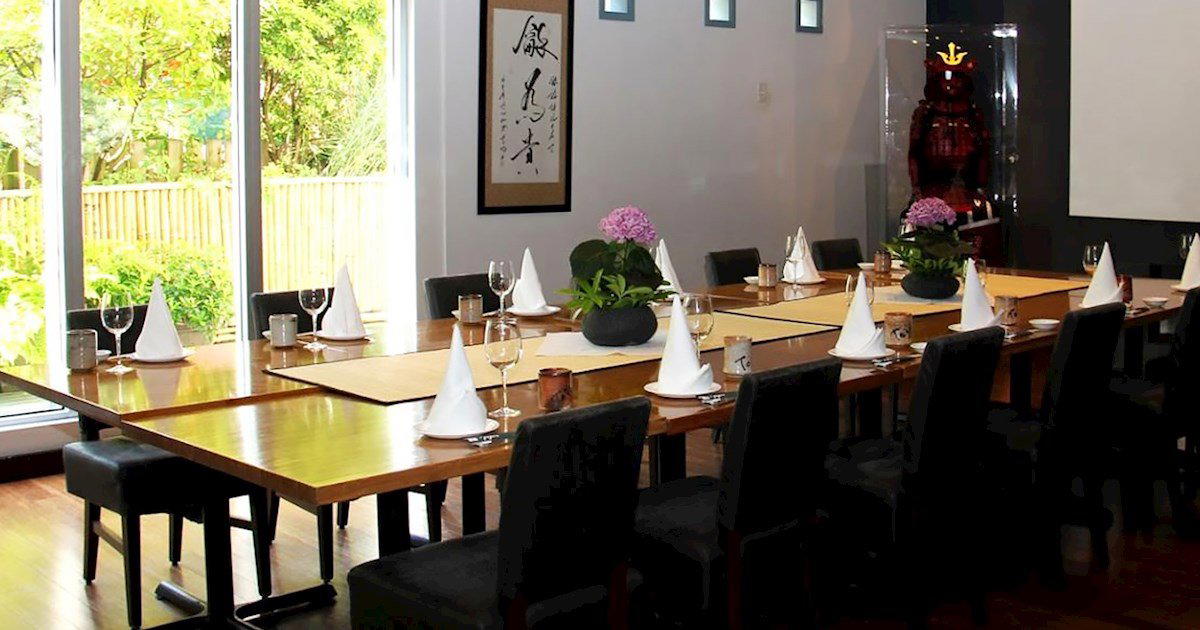
- Group Dining
- Waterfront
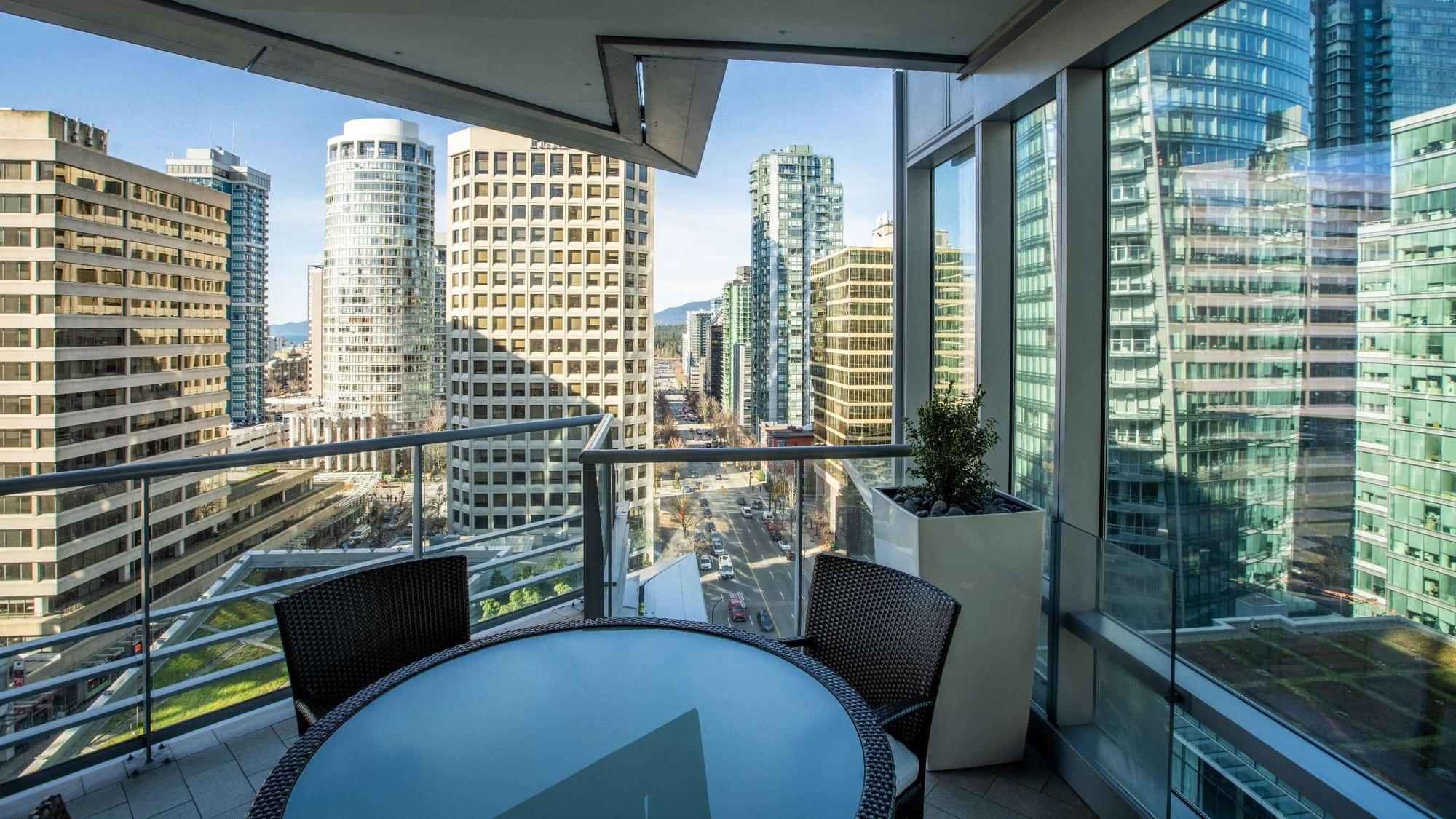
- Terrace
- Beer Program
- Waterfront
Current opening hours
- Monday
- 11:30 AM–10 PM
- Tuesday
- 11:30 AM–10 PM
- Wednesday
- 11:30 AM–10 PM
- Thursday
- 11:30 AM–10 PM
- Friday
- 11:30 AM–10 PM
- Saturday
- 10 AM–10 PM
- Sunday
- 10 AM–10 PM
Hours can change for holidays and private events. Last verified .
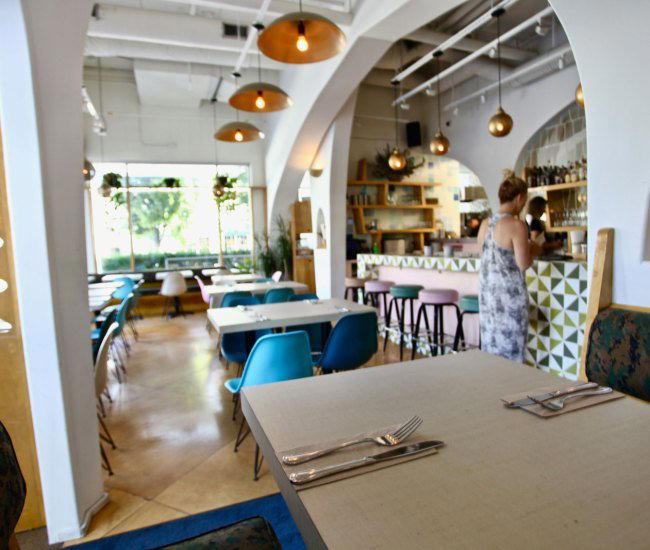
Upbeat and casual with friendly, attentive service; bright natural lighting from waterfront location and outdoor seating areas.
Know Before You Go
- Getting there
- Vancouver, BC, Canada