Our verdict
On Drottninggatan in central Gävle, Basta sits within a city that has quietly developed a serious relationship with Nordic ingredient-led cooking. The restaurant draws on the locality and seasonal discipline that defines Sweden's strongest regional dining, positioning it as a considered choice for visitors and residents moving between Stockholm and the northern provinces. Check our full guide before visiting.

Pearl is the En Primeur Club membership app — saves, bookings, and concierge access live there. Same editors, same standards.
- Address
- Drottninggatan 18, 803 20 Gävle, Sweden
- Phone
- +4626255102
- Hours
- Mon 4–10 PMTue–Thu 4–11 PMFri 11 AM–12 AMSat 11:30 AM–12 AMSun 12–10 PM
- Website
- restaurangbasta.se
- Directions
- Get directions
The menu
What to order
- Margherita Classico
- Carbonara Alla Basta
- Tiramisu
Drottninggatan and the Gävle Dining Context
Gävle sits roughly 170 kilometres north of Stockholm, close enough to absorb the capital's culinary currents but far enough to develop its own character. The city's restaurant scene is smaller and quieter than what you find in the major Swedish urban centres, which means that the places that do take food seriously tend to operate with a degree of intentionality that larger, higher-competition markets don't always require. On Drottninggatan, the main commercial artery that runs through the heart of the old city grid, Basta occupies a position that places it at the centre of whatever dining conversation Gävle is currently having.
That address matters more than it might first appear. Sweden's mid-sized cities have historically struggled to hold serious restaurants: the talent migrates south to Stockholm, Gothenburg, or Malmö, and the customer base that sustains tasting-menu ambition is thinner. The venues that persist in cities like Gävle, Örebro, or Växjö tend to do so by finding a specific register — not attempting to replicate the €€€€ omakase-style progression of places like Frantzén in Stockholm, but instead working the zone between approachability and genuine craft. For broader context on what Gävle's dining offers, our full Gävle restaurants guide maps the city's options across formats and price points.
Ingredient Geography in Swedish Regional Cooking
The argument for sourcing locally in central Sweden is not simply ethical — it is seasonal and practical. The forests and agricultural land around Gästrikland and the broader Norrland corridor produce game, root vegetables, dairy, and foraged material on a calendar that differs from the south. Mushrooms arrive later. Berries peak in a narrower window. The cold-water fish from the Gulf of Bothnia and the lakes of the interior carry a flavour density that intensifies with latitude. Kitchens that pay attention to this geography are cooking with a different palette than their Stockholm counterparts, and the discipline that comes from working within those constraints tends to sharpen technique.
This is the tradition that the most committed Swedish regional restaurants have drawn from for the past decade. Fäviken in Kall made the case most radically before its closure, arguing that extreme locality and the rhythms of a northern agricultural calendar could produce cooking of international significance. That argument has since diffused into a broader Swedish regional conversation. Today, restaurants like VYN in Simrishamn, ÄNG in Tvååker, and Knystaforsen in Rydöbruk each work their own version of hyperlocal sourcing, calibrated to their specific geography and price point. The same impulse, at whatever scale Basta operates, places it within a recognisable and credible Swedish culinary tradition rather than outside it.
What the Drottninggatan Address Signals
A restaurant on a city's main pedestrian and commercial street occupies a different negotiation than one in a converted warehouse on the urban fringe. Accessibility is higher; the room has to function across a wider range of occasions. In Swedish mid-sized cities, this tends to mean that the kitchen works a format that can handle both a weeknight dinner for locals and a more considered meal for visitors arriving by train from Stockholm or Uppsala. The proximity of Gävle Central Station makes Drottninggatan restaurants genuinely reachable for a day-trip or an overnight, particularly for travellers already moving along the Norrland corridor toward the north.
For comparison, look at how PM & Vänner in Växjö has managed the same challenge further south: a Nordic creative kitchen operating in a mid-sized city, holding a sustained reputation without the footfall of a major metropolitan market. Or Signum in Mölnlycke, which has built Michelin recognition outside the obvious urban centres. The pattern in each case is a kitchen that has found a specific level of ambition and maintained it consistently, rather than overreaching toward formats the local market cannot sustain.
Vollmers in Malmö and Hoze in Gothenburg operate at a higher intensity and price point, but they share the underlying commitment to Swedish produce and seasonal discipline. At a more comparable scale, Bistro Jarlen in Halmstad and Kitchenette Ågatan 3 in Örebro both represent the format of a thoughtfully run regional kitchen that takes its sourcing seriously without positioning itself at the top of the national price tier.
The international reference point is also useful here. What Le Bernardin in New York City represents for product-led seafood cooking at the top of the market, and what Lazy Bear in San Francisco represents for the communal, sourcing-conscious format, are both distant cousins of the same underlying argument: that the quality of the raw material, and the transparency of where it comes from, is the primary editorial statement a kitchen can make. Swedish regional cooking has made that argument fluently for over a decade, and Gävle, sitting at the edge of the Norrland food geography, has real sourcing material to work with.
Other Swedish coastal and rural operators worth understanding in this context include Sydkustens at Pillehill in Skivarp, Claesgatan 8 in Malmo, and Archipelago of Gothenburg in Styrso, each anchored to a specific geography that shapes what arrives in the kitchen.
Planning a Visit
Basta is located at Drottninggatan 18, in central Gävle, reachable directly from Gävle Central Station on foot. For visitors travelling by train from Stockholm, the journey runs approximately 90 minutes on the main northern rail line, making Gävle a plausible evening or overnight stop rather than a dedicated trip. Current booking details, hours, and pricing are best confirmed directly with the restaurant, as published information online can lag behind operational changes. Given the scale of Gävle's dining scene, Basta functions as the kind of address that warrants checking before any visit to the city, regardless of what format or price tier the kitchen currently operates in.
Frequently asked questions
Is Basta suitable for children?
Basta sits on Drottninggatan, Gävle's main pedestrian thoroughfare, which typically draws a mixed local crowd rather than a strictly destination-dining clientele. Gävle's dining scene is narrower than Stockholm's, so restaurants here tend to serve a broader demographic than a capital-city specialist would.
What's the vibe at Basta?
Drottninggatan 18 places Basta on Gävle's central commercial axis — the kind of address that draws both weekday regulars and weekend visitors rather than an exclusively destination crowd. Restaurants in this position in Swedish mid-sized cities typically run a grounded, unpretentious register: serious about the plate without the formality of a tasting-menu room. That positioning puts Basta in a practical, accessible-yet-considered bracket for the Gävle market.
How does Basta fit into the broader dining scene in Gävle compared to Stockholm restaurant options?
Gävle sits roughly 170 kilometres north of Stockholm, which means its restaurant scene operates with fewer venues competing for the same dining spend — a dynamic that tends to give the stronger addresses in a city like this more staying power than comparable spots in the capital. Basta's position on Drottninggatan 18, Gävle's primary commercial street, puts it at the centre of what the city's dining market offers. For visitors travelling from Stockholm by train, Gävle Central Station is within walking distance of the restaurant.
What's the must-try dish at Basta?
Gävle's location on the Norrland corridor gives any serious kitchen here direct access to central Swedish forest produce, freshwater fish, and agricultural suppliers — ingredients that define the broader Swedish regional sourcing tradition. Checking Basta's current menu directly will give the clearest picture of what the kitchen is prioritising each season.
Where is Basta located?
Basta is located at Drottninggatan 18, 803 20 Gävle, Sweden, Gavle.
Is Basta reservation-only?
In Swedish cities of Gävle's scale, restaurants with a reputation for quality tend to fill weekend tables without much notice, particularly given the limited overall dining options in the city. Booking ahead is a practical precaution regardless of formal policy.
Side-by-Side Snapshot
Comparable venues nearby, for context on price, style, and recognition.
| Venue | Cuisine | Price | Awards | Notes |
|---|---|---|---|---|
| BastaThis venue — the venue you are viewing | Urban Italian Trattoria | $20–30 | Not listed | Not listed |
| Matildas | Modern Swedish Seasonal | $50–100 | Star Wine List · White Guide Sweden Restaurants - Very Fine Level | Söder (South Gävle) |
| Aaltos Italian Grill & Garden | Italian Grill & Garden | Not listed | Star Wine List · White Guide Sweden Restaurants - Fine Level | Old Town |
| Il Forno Italiano | Classic Italian Trattoria | $20–30 | Star Wine List | central Uppsala |
Continue exploring
More in Gävle
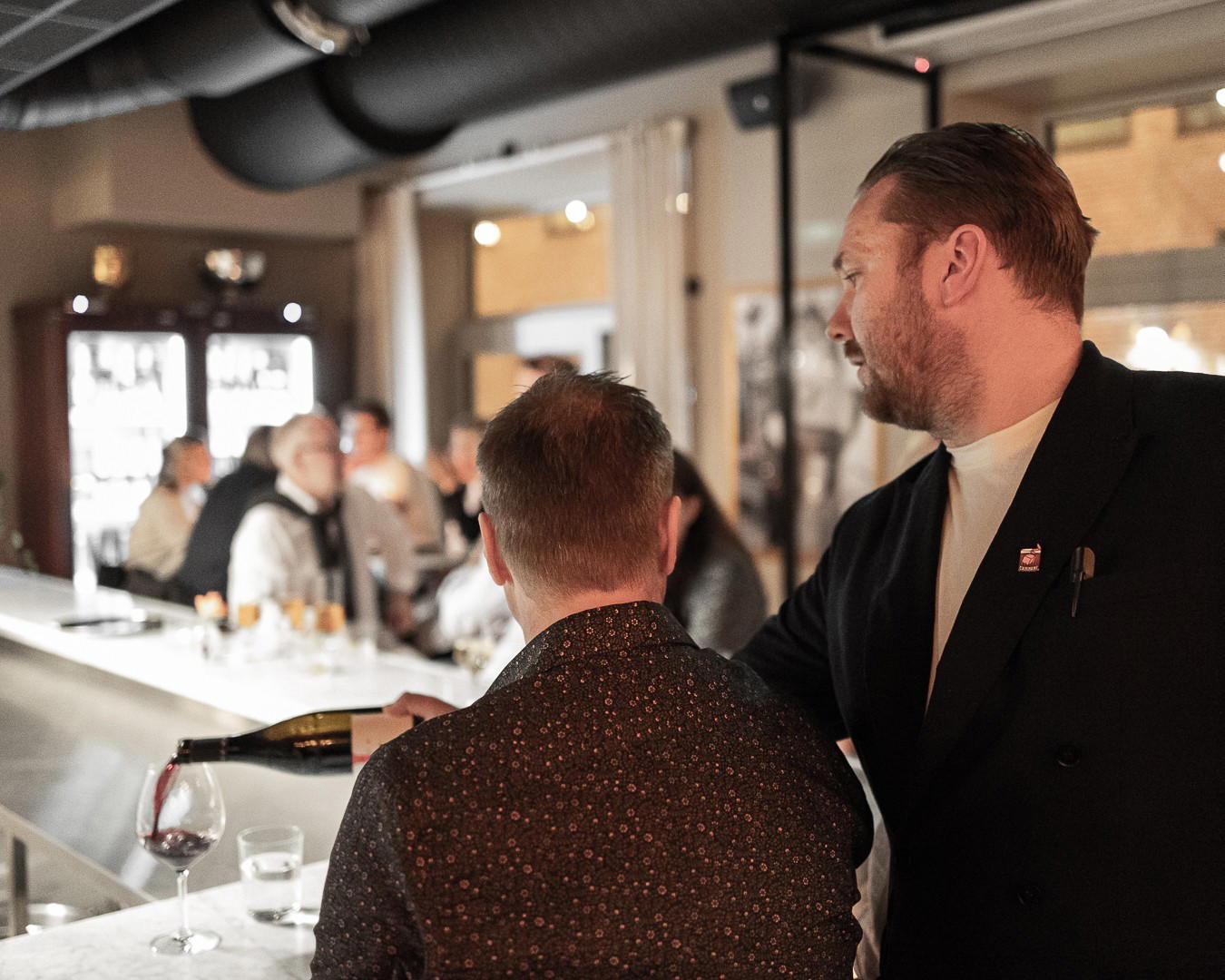
Restaurants in Gävle
Browse all →
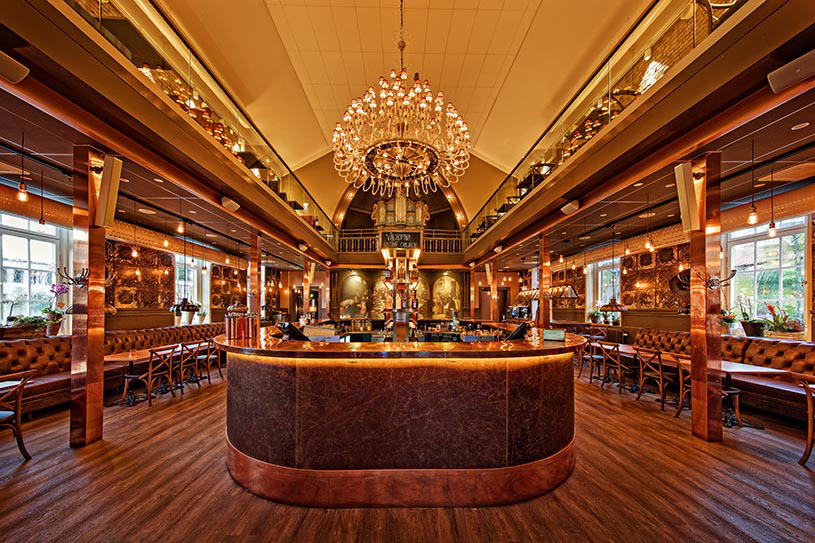
Bars in Gävle
Browse all →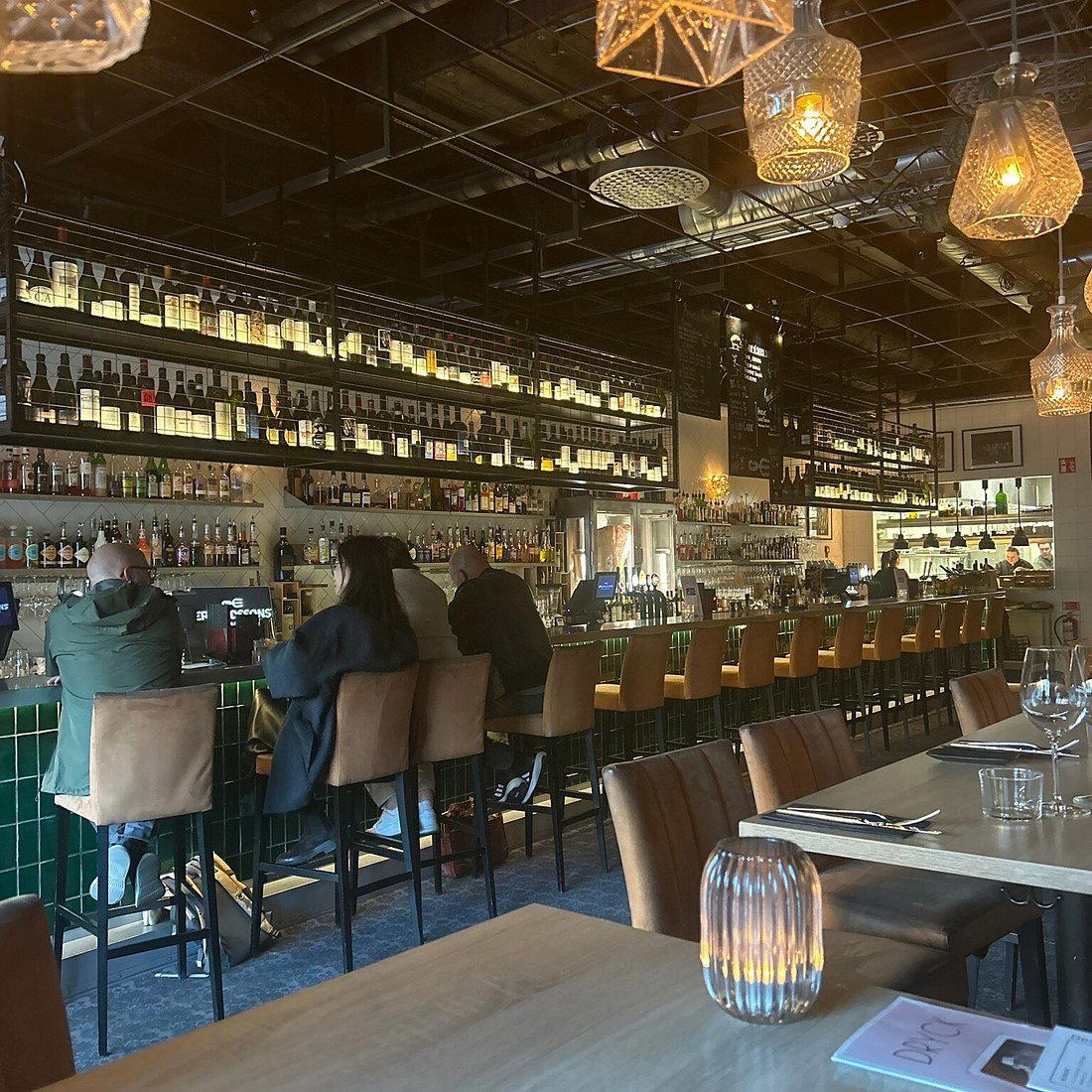
Hotels in Gävle
Browse all →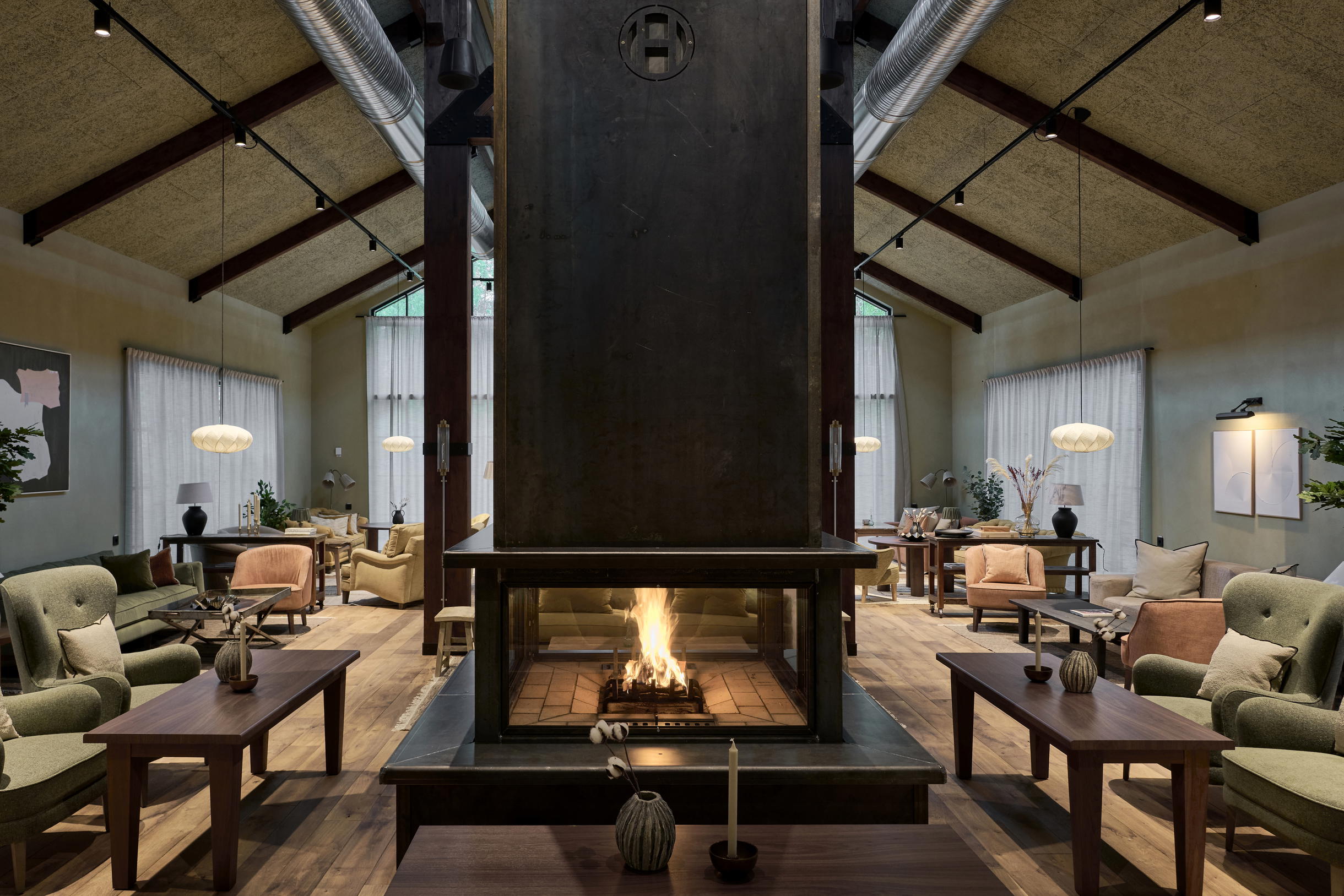
Wineries in Gävle
Browse all →
Details
- Lively
- Cozy
- Trendy
- Date Night
- Casual Hangout
- Group Dining
- Open Kitchen
- A La Carte
- Small Plates
- Vegetarian Friendly
- Vegan Options
- Gluten Free Options
Current opening hours
- Monday
- 4–10 PM
- Tuesday
- 4–11 PM
- Wednesday
- 4–11 PM
- Thursday
- 4–11 PM
- Friday
- 11 AM–12 AM
- Saturday
- 11:30 AM–12 AM
- Sunday
- 12–10 PM
Hours can change for holidays and private events. Last verified .
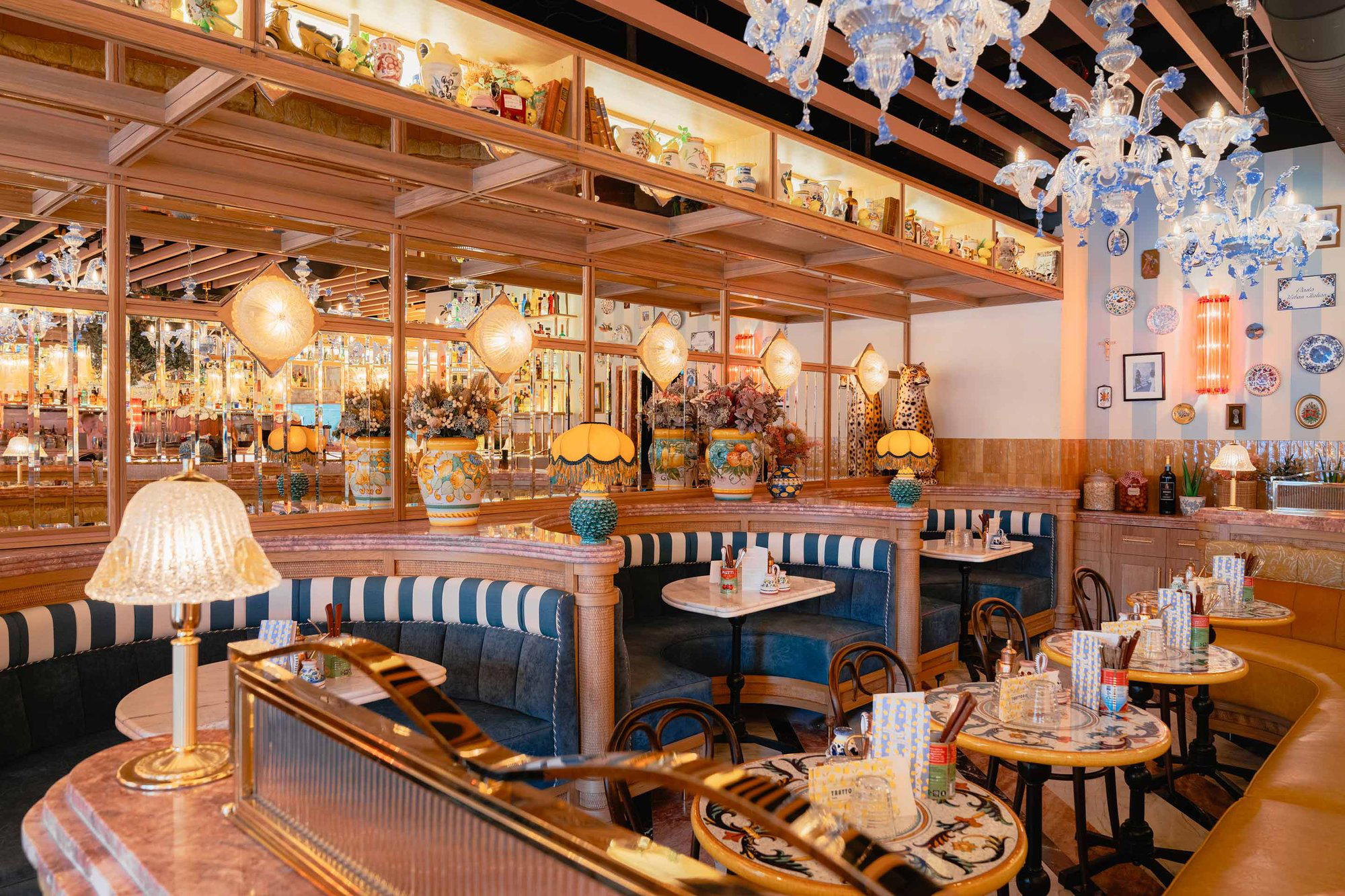
Cozy interior with lively colors, light, and lively atmosphere featuring comfortable seating and background music.