
Falstaff Winery - 2 Stars
Bodega Tandem gives Navarra wine a sharply contemporary frame: hillside architecture, dry-farmed vineyards and a gravity-fed cellar rather than château theatre. The Lacar estate is strongest for travellers who want terroir made legible through altitude, Atlantic influence, concrete ageing and a portfolio that moves from Tempranillo-led reds to Garnacha, Graciano, Viognier and Viura.

Pearl is the En Primeur Club membership app — saves, bookings, and concierge access live there. Same editors, same standards.
- Address
- Lácar, Navarra, Comunidad Foral de, Spanien
- Directions
- Get directions
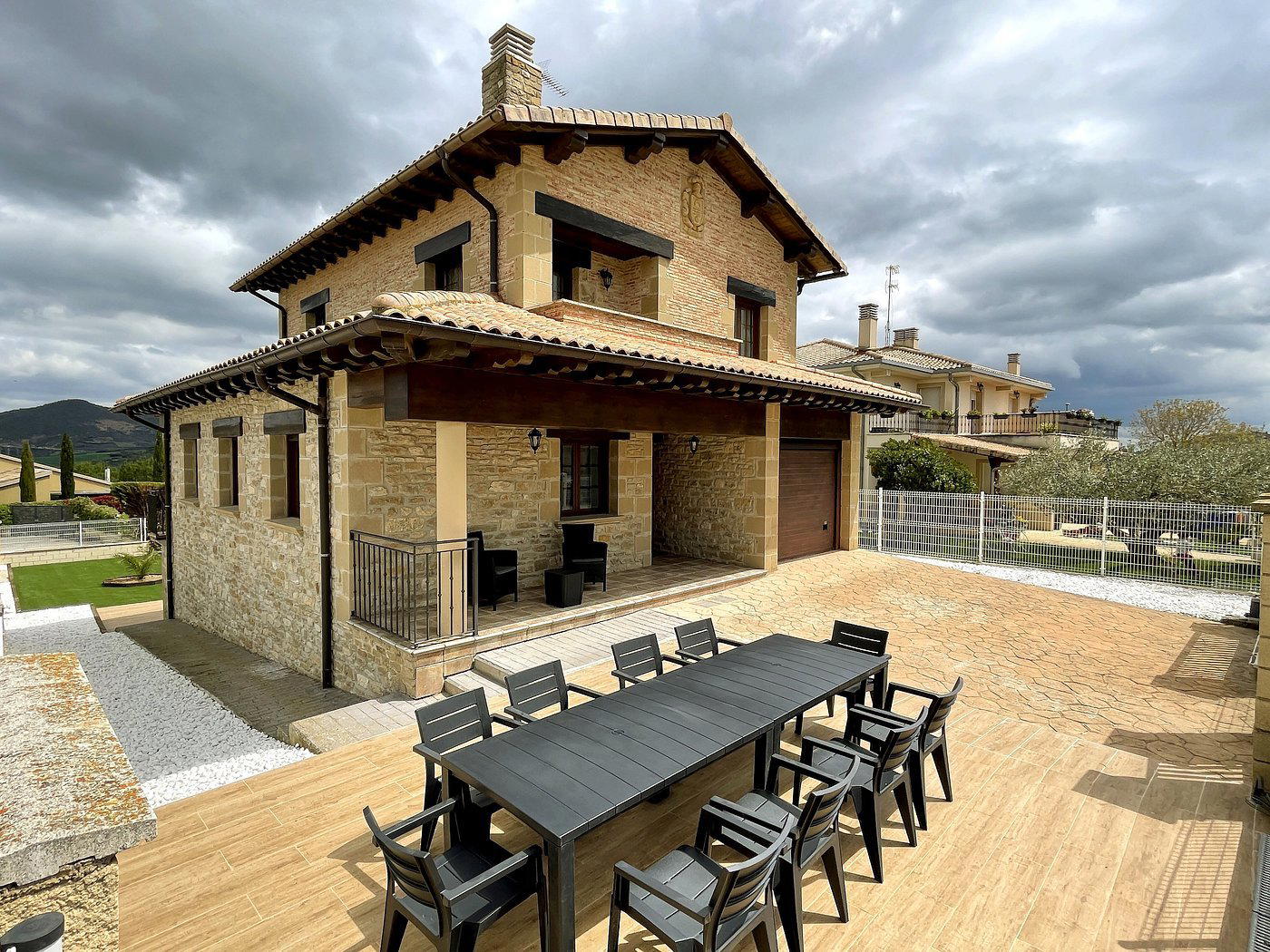
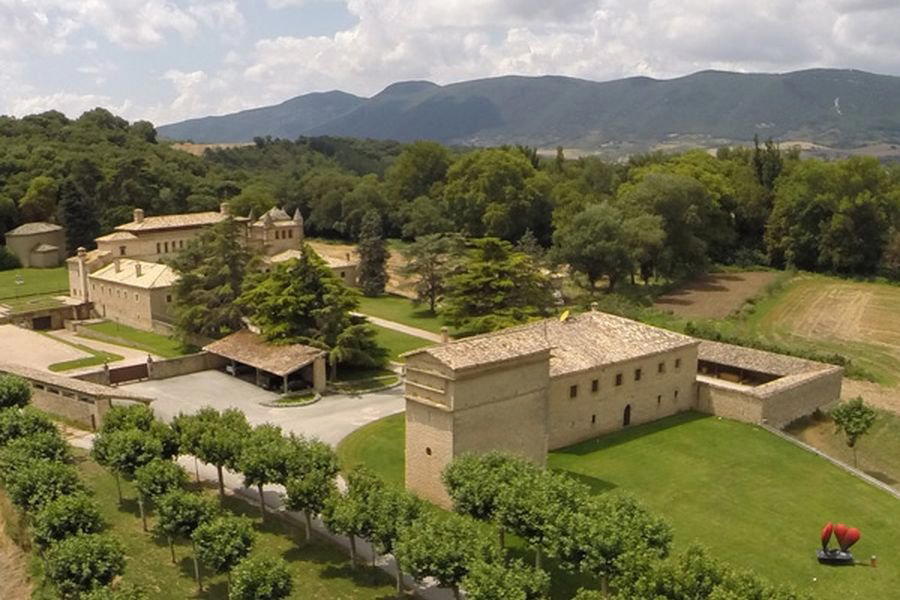
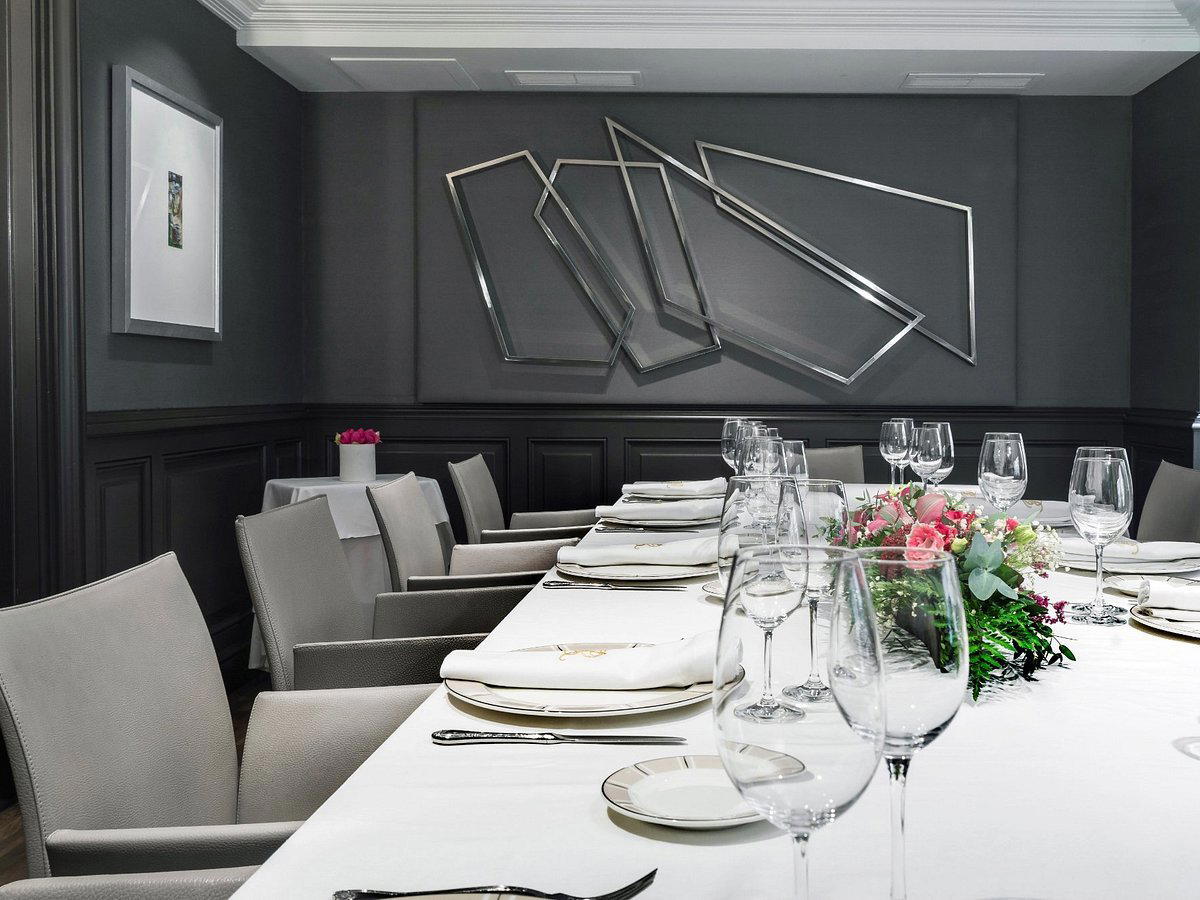
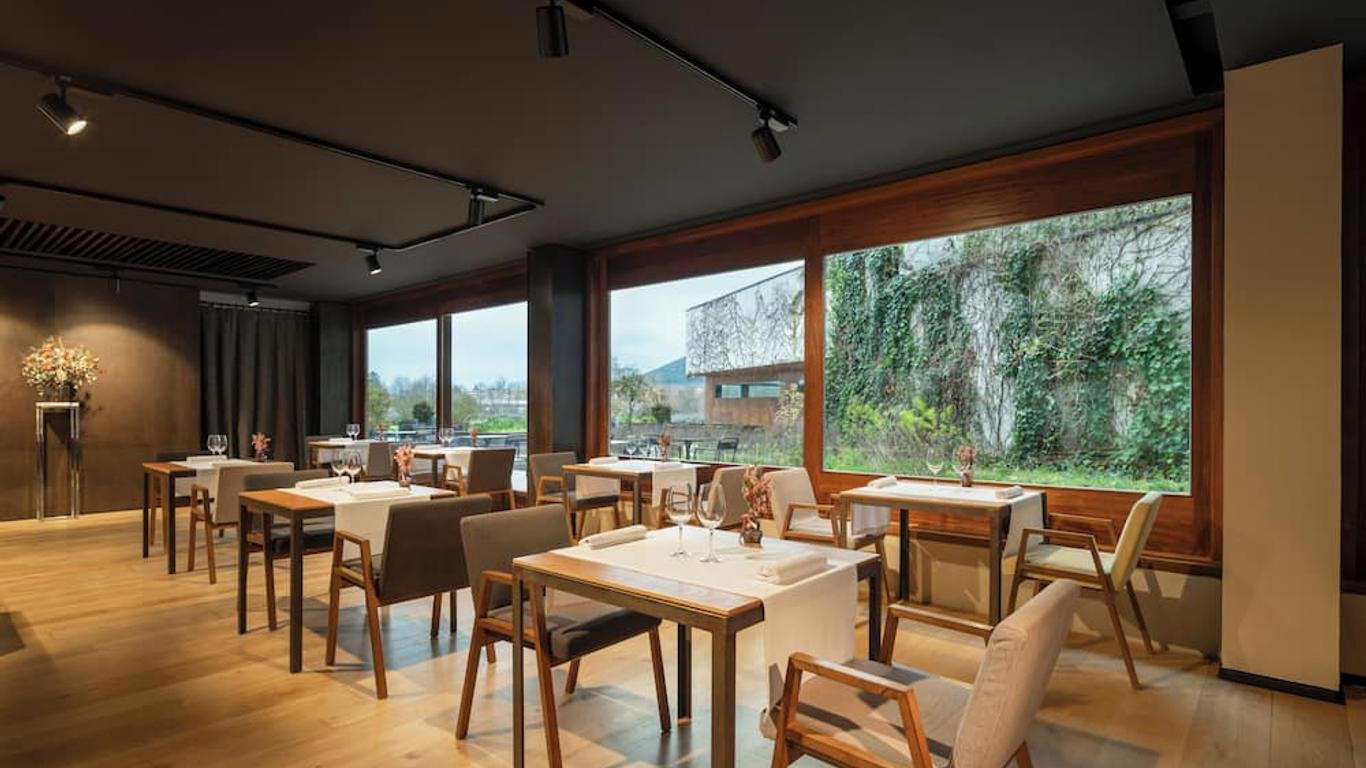
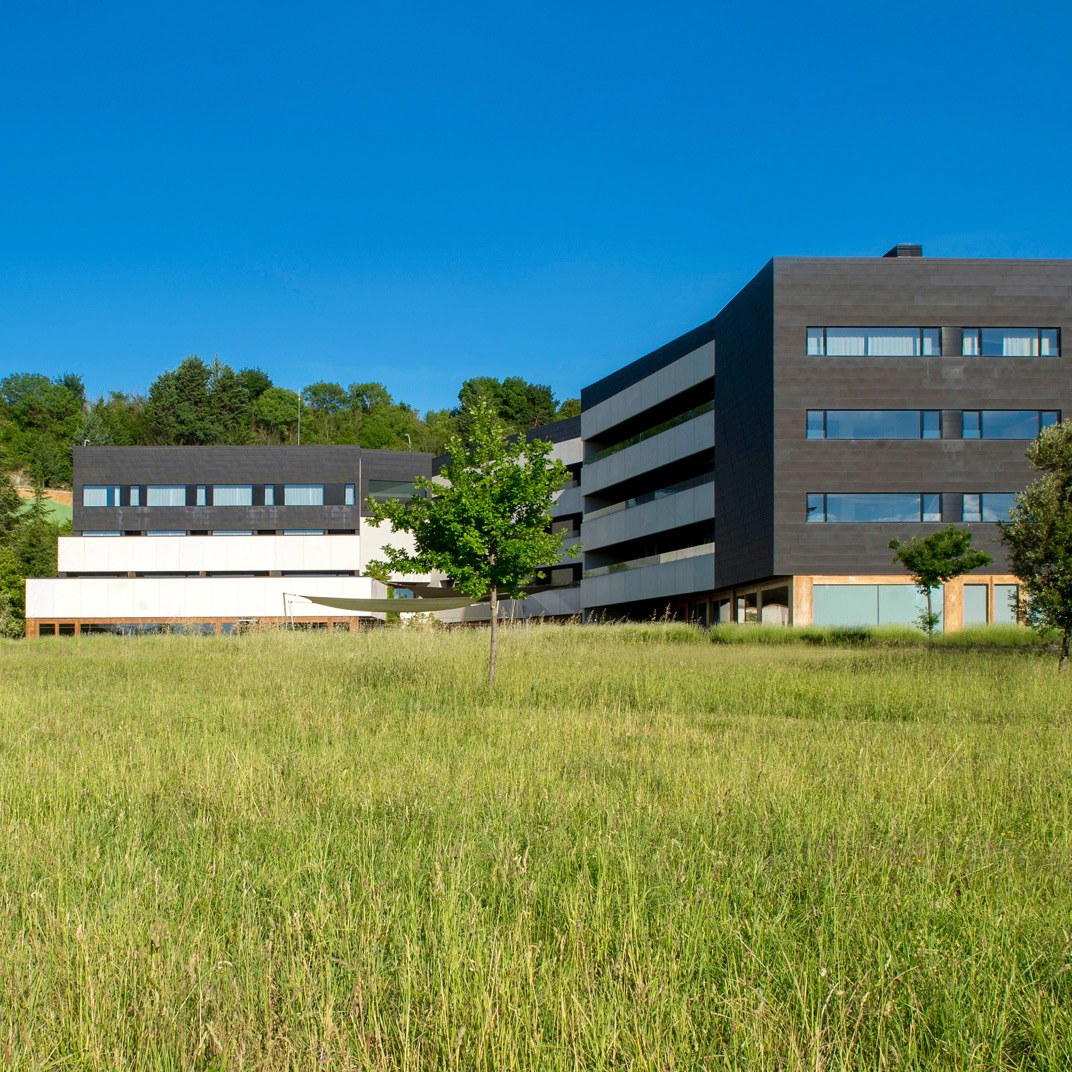
Approaching Bodega Tandem, the first impression is not pastoral nostalgia but mass and restraint: a design-forward, brutalist winery built into a hillside in Lacar. The picture is deliberately spare but distinctive: a family-owned estate with museum-like architecture, a quiet atmosphere and a focus on terroir-driven, minimally intervened wines from estate vineyards along the Camino de Sa. In a category that can easily be framed by rustic romance or tasting-room checklists, Bodega Tandem reads more controlled, more architectural and more intent on letting its site do much of the talking.
Terroir, architecture and restraint
The central argument at Bodega Tandem is land before label. The available details point to estate vineyards and a wine style described through terroir and minimal intervention rather than through a public trophy case, named varieties or technical specifications. That makes the winery best understood as a contemplative estate visit in Lacar, not as a venue defined by a long list of public amenities. Its appeal is therefore not built on excess description, but on the relationship between place, building and wine.
The architecture is part of the identity. Bodega Tandem is described as brutalist, museum-like and integrated into a hillside, giving the estate a restrained, design-led presence. Those words matter because they suggest a winery conceived as more than a functional production space, while still avoiding claims that are not supported by the available information. Without details on cellar equipment, production scale, grape varieties or specific cuvées, the safest reading is architectural and atmospheric: this is a winery where the setting and the estate-vineyard focus are central to the experience.
That restraint matters. Rather than adding claims about formats, tour lengths, awards or specific winemaking techniques, the confirmed facts support a simpler description: Bodega Tandem is a family-owned winery in Lacar with a quiet, contemplative character and wines framed around terroir and minimal intervention. The result is a venue profile that feels deliberately narrowed, but not thin; its identity comes from the consistency of those signals rather than from a broad inventory of features.
A winery defined by estate focus, not accolades
There are no clearly awards, rankings or scores to build the page around. The stronger grounded signals are the estate’s family-owned identity, its design-forward hillside architecture and its focus on minimally intervened wines from estate vineyards. That absence of public accolades in the available material should not be treated as a weakness or filled with assumptions; it simply shifts the emphasis back to the estate itself.
Specific bottle names, grape varieties, production volumes, export figures and ageing regimes are not included in the available information, so they should not be treated as established facts here. For planning purposes, the reliable takeaway is narrower but useful: Bodega Tandem is a $$ winery in Lacar with a contemplative atmosphere rather than a casual, generic stop. It is best approached with interest in setting, design and the estate-vineyard idea, not with expectations shaped by an exhaustive public list of services or labels.
This makes it well suited to readers looking for a focused winery experience in Lacar, especially those interested in architecture, estate vineyards and a quieter interpretation of wine tourism. Other dining or drinking options in Lacar can be considered separately, but Bodega Tandem itself should be understood first as a design-led winery.
The visit is quiet, architectural and focused on the estate
The hospitality impression is quiet and contemplative. Bodega Tandem is not described here through confirmed opening hours, seat counts, tour formats, language options or appointment rules, so those details should be checked directly before planning a visit. What is grounded is the atmosphere: family-owned, design-forward and centered on estate vineyards and terroir-driven wines. That makes advance expectations important, because the available description supports a focused estate encounter rather than a broadly defined leisure venue.
The Camino de Sa context adds to the sense of place. The estate is associated with vineyards along the Camino de Sa, giving the winery a cultural and landscape frame beyond the building itself. Still, the confirmed location detail should remain simple: Bodega Tandem is in Lacar. The hillside integration and estate-vineyard focus give the address its texture, but the page should not extend that into claims about routes, views or surrounding attractions.
Readers planning time in the area can place Bodega Tandem within broader Lacar travel research, alongside other local dining, drinking and experience options. For direct comparison, the only named venue to use here is Bodega Tandem itself; other venues should be considered generically unless separately verified. The clearest reason to keep it on a Lacar shortlist is the combination already established: a family-owned winery, a restrained architectural presence and a wine identity tied to terroir, minimal intervention and estate vineyards.
Recognition history
Dated appearances from independent guides and award organizations, with the underlying list record or original source where available.
Falstaff Winery - 2 Stars
Falstaff
Continue exploring
More in Lacar
Wineries in Lacar
Browse all →
Bars in Lacar
Browse all →
Restaurants in Lacar
Browse all →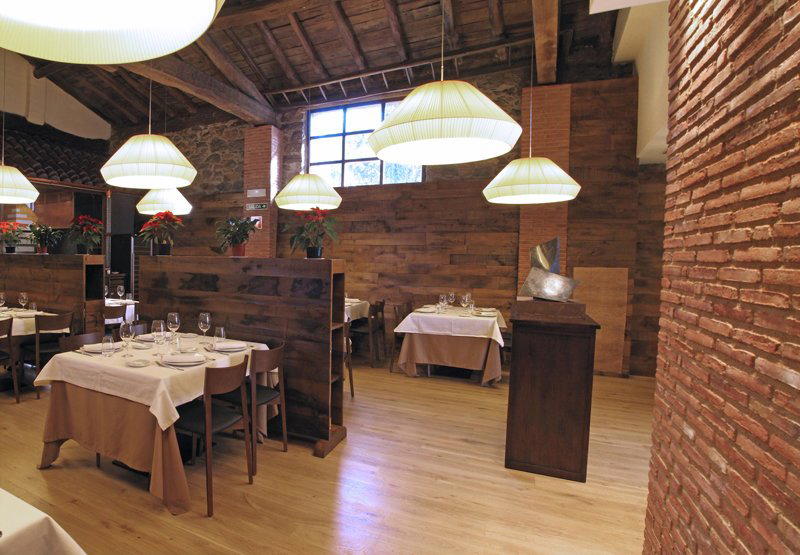
Details
- Modern
- Scenic
- Industrial
- Sophisticated
- Wine Education
- Group Outing
- Romantic Getaway
- Solo Exploration
- Special Occasion
- Estate Grounds
- Vineyard Tour
- Design Destination
- Private Tasting
- Sustainable
- Dry Farmed
- Vineyard
- Garden
- Tempranillo
- Cabernet Sauvignon
- Merlot
- Garnacha
- Graciano
- Viognier
- Viura
- Still Red
- Still White
- Still Rosé
- Estate Tasting
- Guided Tour
- Private Appointment
- Spanish
- English
Family-owned, design-forward winery with brutalist, museum-like architecture built into a hillside, offering a quiet, contemplative atmosphere focused on terroir-driven, minimally intervened wines and estate vineyards along the Camino de Santiago.