
Guía Repsol 2 Soles
Our verdict
Bodega Katxiña belongs to the coastal Basque dining tradition where the value of a meal starts with sourcing: fish, fire, local produce, and a strong sense of place around Orio. Its 2 Soles in the Guía Repsol 2026 put it in a serious regional bracket without pushing the experience into formal fine-dining theatre.

Pearl is the En Primeur Club membership app, where members save venues, book tables and use the concierge.
The menu
What to order
- Grilled red sea bream Orio-style
- House Txakoli Katxiña wine
- Grilled meats on the charcoal grill
Approaching Orio, the mood shifts from coastal movement to a calmer Basque rhythm: low hills, Atlantic air, and the kind of setting where a restaurant can be understood through place rather than spectacle. In this part of Gipuzkoa, dining culture is often discussed through confidence, restraint, and the relationship between a table and its surroundings. The best meals do not need to announce themselves loudly; they tend to make their case through clarity, consistency, and a strong sense of local purpose.
Bodega Katxiña fits that grammar. The point is not novelty for its own sake; it is the discipline of operating in a region where diners are used to taking restaurants seriously. Its 2 Soles in the Guía Repsol 2026 matter because Repsol’s Spanish lens often captures restaurants that sit between local loyalty and national attention. In Orio, that recognition places the house in a more serious category than an ordinary local stop, while keeping it tied to the Basque preference for directness over ceremony.
Coastal Basque dining judged by confidence, not theatre
The Basque Country has a long restaurant history, but many of its coastal dining rooms are assessed by another standard: how clearly the experience communicates its setting. Around Orio, that means a dining culture shaped by the town, the coast, and the expectations of people who know when a restaurant is leaning on substance rather than display. Technique may matter, but it is rarely the whole story. The broader question is whether the experience feels grounded enough to justify attention beyond the immediate area.
That is why the quality question matters here. Restaurants in this tier are judged less by decorative complexity than by the confidence to let the meal feel legible. A serious Basque dining experience often depends on pacing, balance, and restraint rather than on a chef’s biography or a long list of flourishes. When a restaurant in Orio earns 2 Soles, the signal is that the broader Spanish critical establishment sees more than local charm: it sees consistency, control, and a level of execution that can carry attention beyond the immediate province.
The comparison within town is useful. Asador Xixario points to Orio’s restaurant identity from another angle, while Bodega Katxiña occupies its own register, where the setting and the sense of place feel central to the meal. Neither model needs imported luxury cues. The credibility comes from the relationship between restaurant, town, and audience: Orio nearby, Gipuzkoa around it, and a local context that has little patience for decorative excess.
Why the Orio setting changes the meal
Orio is not San Sebastián with a quieter postcode. It has its own rhythm, shaped by its coastal position and by the lunch-first tempo common to many serious Basque dining rooms outside larger urban centres. The experience here should be read against that backdrop. A meal can feel more grounded because the town is smaller, the surrounding landscape is close, and the restaurant does not need to perform metropolitan polish to justify itself.
This is where Bodega Katxiña becomes interesting as a travel decision rather than just a restaurant listing. For visitors using the Basque coast as a dining route, Orio offers a useful counterpoint to city-led gastronomy. San Sebastián often frames Basque dining through famous kitchens, crowded bars, and reservation pressure. Orio frames it through a narrower, more local vocabulary. That difference matters for anyone trying to understand why the region carries such authority: acclaimed restaurants did not appear in isolation; they grew from towns where consistency and local expectation already set a high floor.
The 2026 Repsol recognition also clarifies the level. This is not a casual fallback between coastal drives, and it is not a temple of abstraction. It sits in the middle ground many travellers actually want: serious enough to anchor a day, rooted enough to explain something about Gipuzkoa, and restrained enough that the restaurant remains the main evidence. In a region crowded with culinary mythology, that restraint is a strength.
How to place it within a wider Spain itinerary
For a tighter read on the town’s dining scene, use our full Orio restaurants guide alongside broader planning pages for Orio hotels, Orio bars, Orio wineries, and Orio experiences. The value of staying nearby is not only convenience; it is the ability to let lunch set the pace rather than treating the town as a stop between larger names.
Spain’s regional dining map rewards comparison, but Bodega Katxiña is best understood first through Orio rather than through a checklist of distant names. Other cities and regions can show how local dining changes with climate, pantry, and audience; here, the relevant contrast is closer and quieter. Orio’s appeal lies in the way a small coastal town can still support restaurants that merit serious attention, without requiring the theatrical framing often associated with larger gastronomic capitals.
Within that context, Bodega Katxiña can sit alongside other allowed Orio and Basque Country references without needing to imitate them. A reader might compare it with Asador Xixario in Orio, or place it more broadly beside Aiten Etxe, Kirkilla Enea, Masta, and Espazio Oteiza – Akelarre when thinking about how different Basque dining rooms express seriousness. The useful point is not that they are the same, but that recognition, setting, and format can create very different kinds of value.
The right expectation for Bodega Katxiña is therefore precise: come for an Orio meal where the setting, the restaurant’s own discipline, and the town carry the argument. The reward is not spectacle. It is a clearer understanding of why this small stretch of Gipuzkoa continues to produce restaurants that Spanish guides take seriously.
Frequently asked questions
Is Bodega Katxiña okay with children?
Bodega Katxiña is in Orio and is best considered as a serious local restaurant rather than a late-night bar. Families should confirm current availability and suitability directly when booking.
What kind of setting is Bodega Katxiña?
It is a restaurant in Orio. The setting fits a coastal Basque town rhythm more than a highly formal metropolitan dining scene.
What are Bodega Katxiña's hours?
Opening hours can change, so check Bodega Katxiña's current schedule directly before planning a meal.
Where do I go for Bodega Katxiña?
Orio.
What's the standout thing about Bodega Katxiña?
Its clearest credential is the Guía Repsol 2 Soles recognition for 2026. In practical terms, that places Bodega Katxiña in a stronger tier than an ordinary local dining room while keeping it rooted in Orio.
Snapshot
Comparable venues by cuisine and price in the same metro.
| Venue | Cuisine | Price | Awards | Notes |
|---|---|---|---|---|
| Bodega KatxiñaThis venue (the venue you are viewing) | Basque grill & winery restaurant | $50–100 | Guía Repsol 2 Soles | Not listed |
| Asador Xixario | Basque Steakhouse & Grill | $50–100 | Macarfi 7.8 Food Rating | Seafood Asador |
| Masta | Contemporary Basque-Navarrese Tavern Cuisine | $50–100 | Michelin Bib Gourmand | Not listed |
Recognition history
Dated appearances from independent guides and award organizations, with the underlying list record or original source where available.
Guía Repsol 2 Soles
Guía Repsol
Continue exploring
More in Orio
Restaurants in Orio
All restaurants in Orio →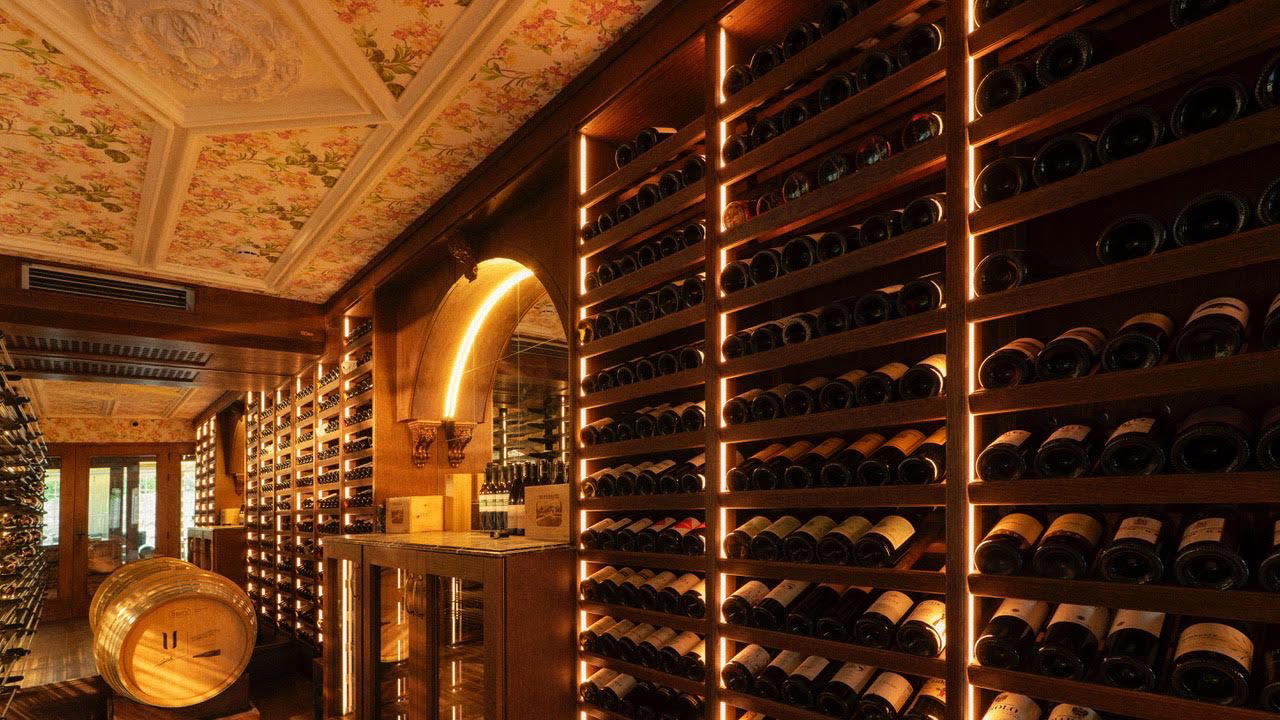

Bars in Orio
Browse all →


Bodega Katxiña
The wine
- Wine program
- Deep wine list
- Extensive wine list
- Natural wine
Details
- Scenic
- Rustic
- Elegant
- Romantic
- Modern
- Group Dining
- Celebration
- Special Occasion
- Business Dinner
- Private Event
- Date Night
- Garden
- Wine Cellar
- Private Dining
- Terrace
- Panoramic View
- Standalone
- Extensive Wine List
- Natural Wine
- Local Sourcing
- Sustainable Seafood
- Vineyard
- Garden
- A La Carte
- Set Menu
- Txakoli
- Wine
- Gluten Free Options
- Pescatarian Friendly
Current opening hours
- Monday
- Closed
- Tuesday
- 1–6 PM
- Wednesday
- 1–6 PM
- Thursday
- 1–6 PM
- Friday
- 1–6 PM, 8–11 PM
- Saturday
- 1–6 PM, 8–11 PM
- Sunday
- 1–6 PM
Hours can change for holidays and private events. Hours as of .
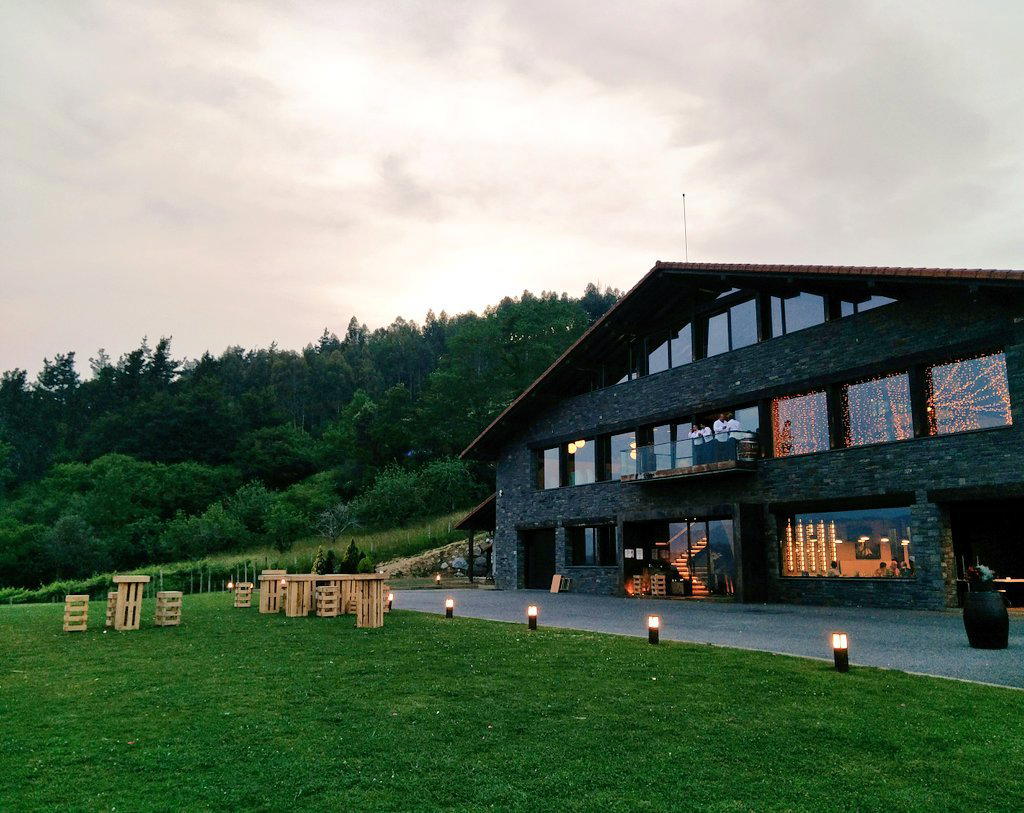
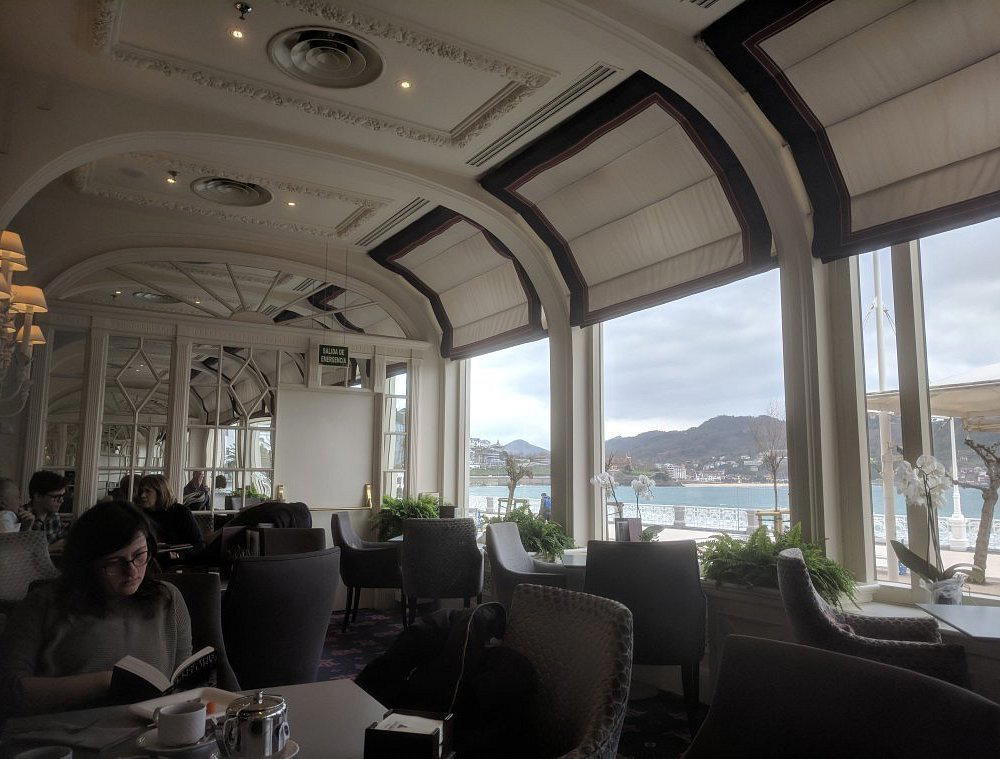
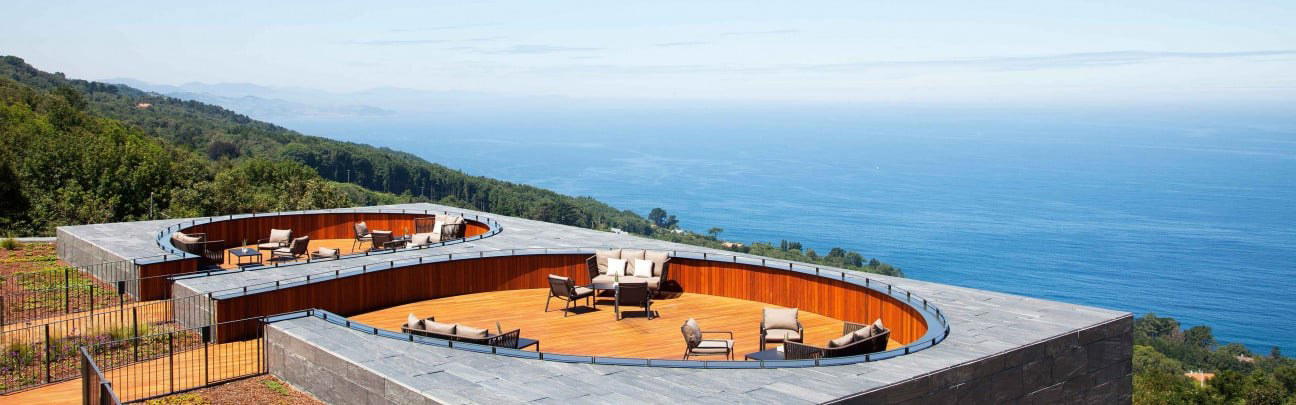
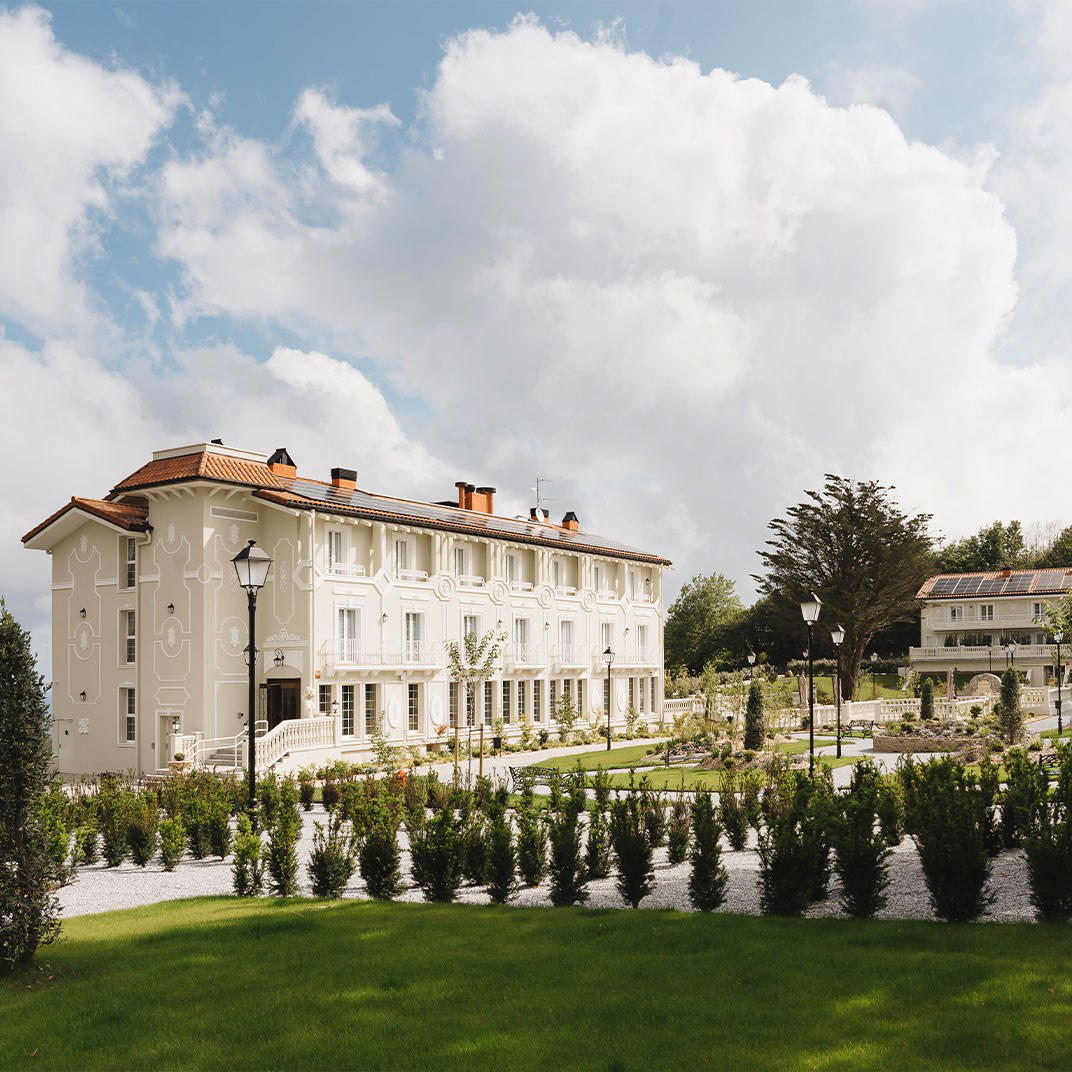
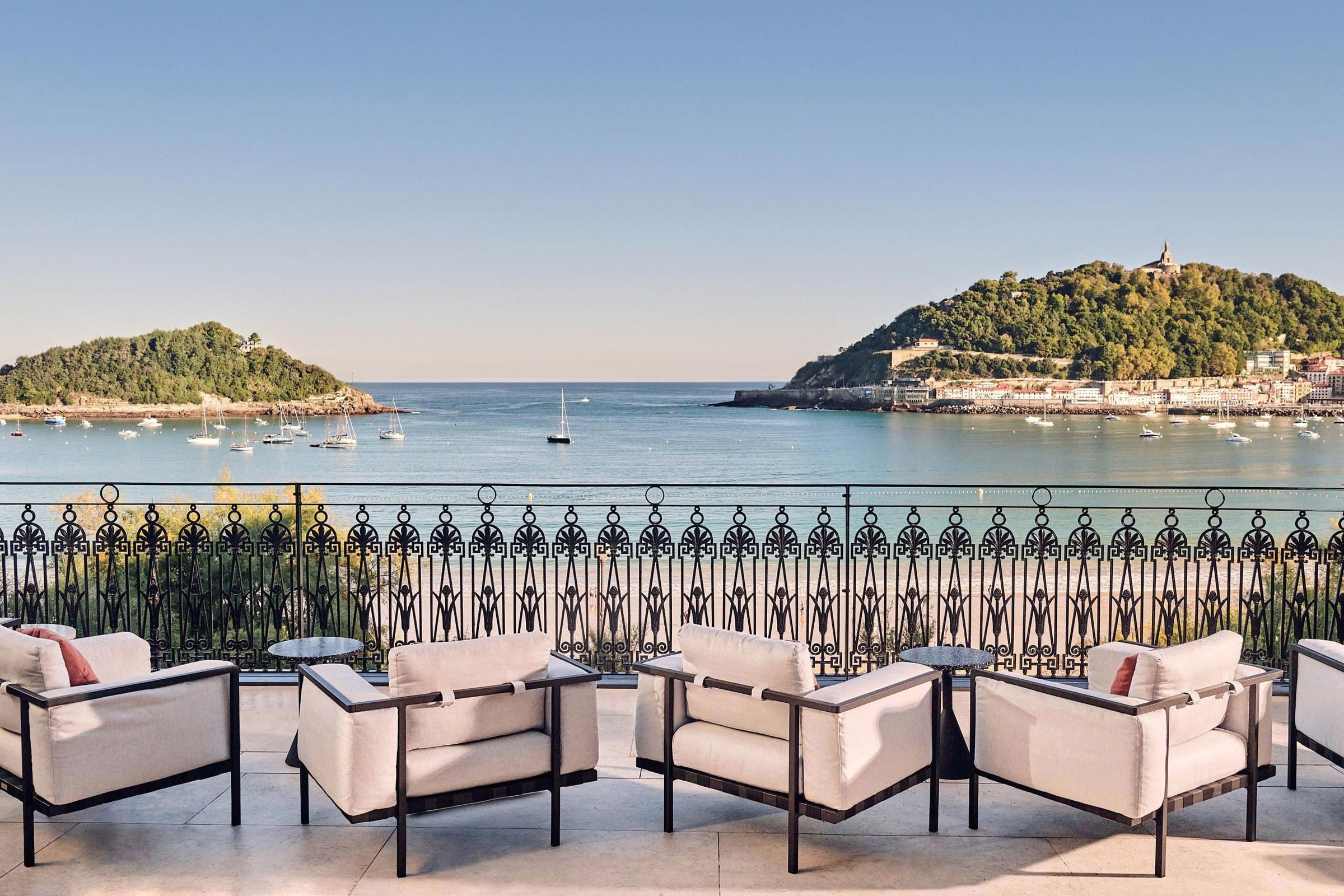
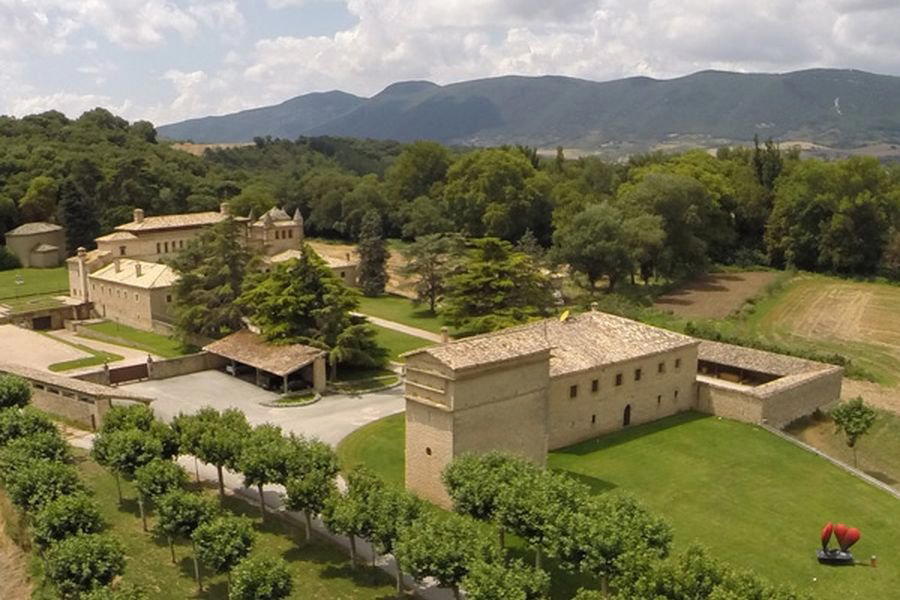
Scenic winery setting amid green hills and vineyards with a large garden and modern rustic interiors, combining an elegant event-space feel with the warmth of a traditional Basque grill restaurant.