
Falstaff Winery - 1 Stars
Bodegas Piedemonte is a cooperative winery in Olite that reads Navarra through soil, climate, and scale rather than cellar theatrics. Founded in 1992, it works 210 hectares across four Ribera Alta growing areas, with Tempranillo, Garnacha, Viura, Moscatel de Grano Menudo, Merlot, Cabernet Sauvignon, and Chardonnay giving the portfolio its breadth.

Pearl is the En Primeur Club membership app — saves, bookings, and concierge access live there. Same editors, same standards.
- Address
- Olite, Navarra, Comunidad Foral de, Spanien
- Directions
- Get directions
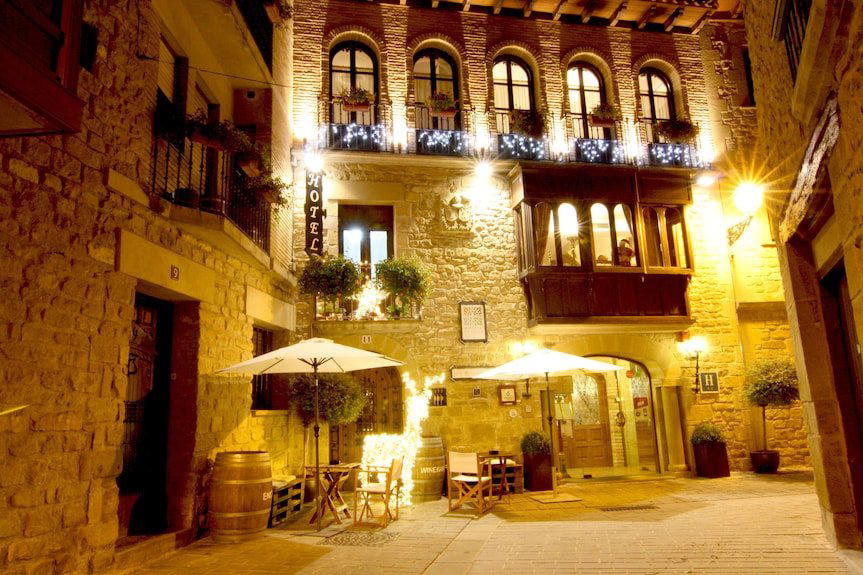
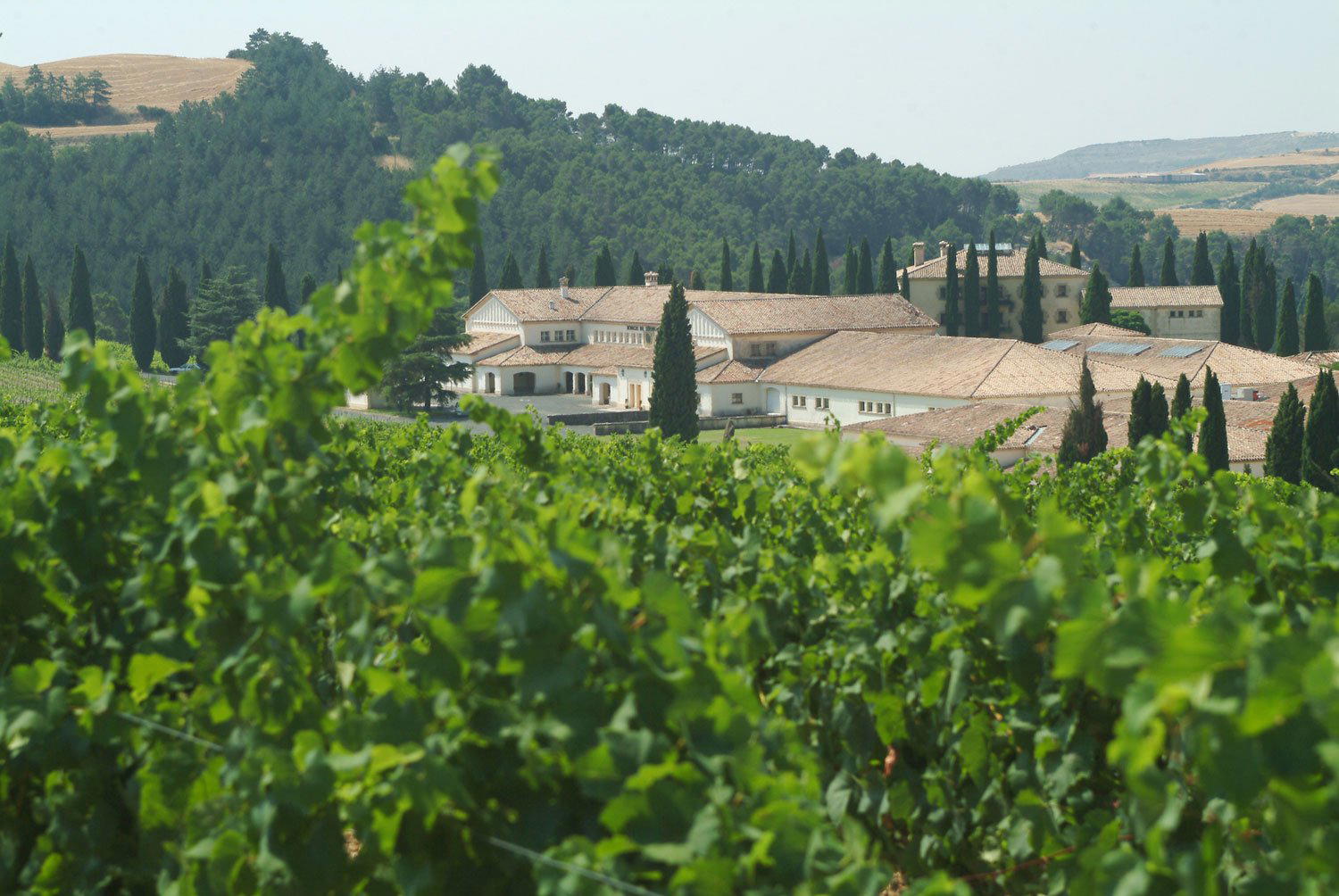
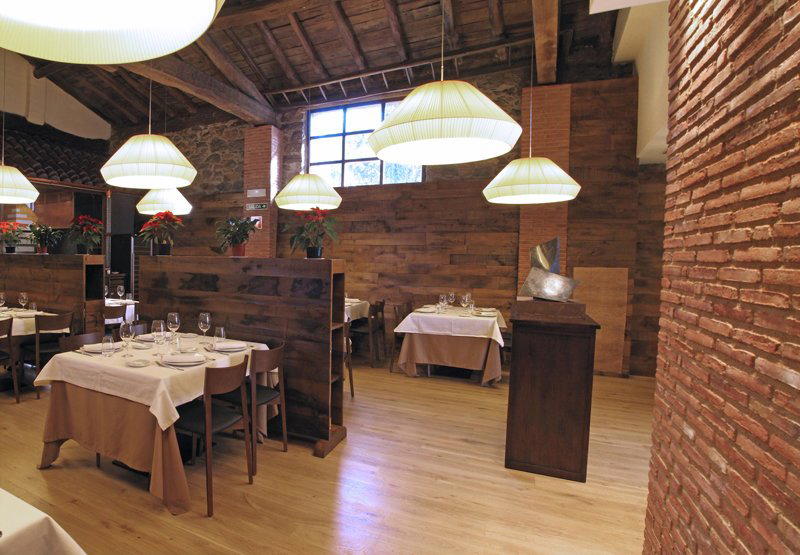
Approaching the wine culture of Olite means leaving behind the fantasy of the château as private kingdom. Here, the more telling image is practical and cooperative: a working winery setting, a town shaped by long winemaking tradition, and the landscapes of Navarra’s Ribera Alta zone. Bodegas Piedemonte belongs to that Olite context, where the scenery matters, but the experience is framed by production, place, and wine culture rather than staged luxury. It is a venue to read through its setting as much as through any single visit component: the surrounding wine identity of the town, the practical nature of the winery, and the sense that this is part of a living agricultural and technical culture, not an isolated showpiece built only for visitors.
A modern cooperative winery in Olite
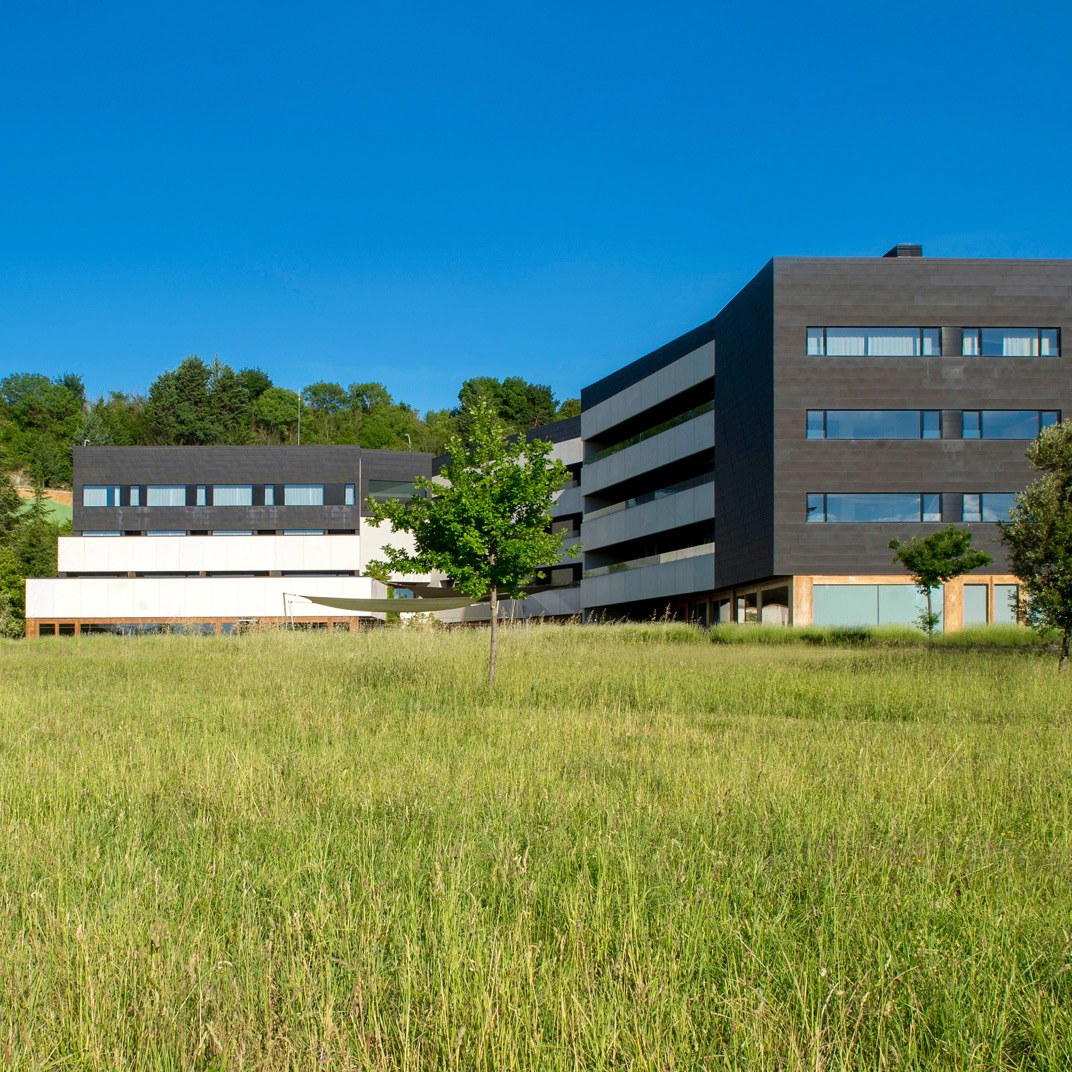
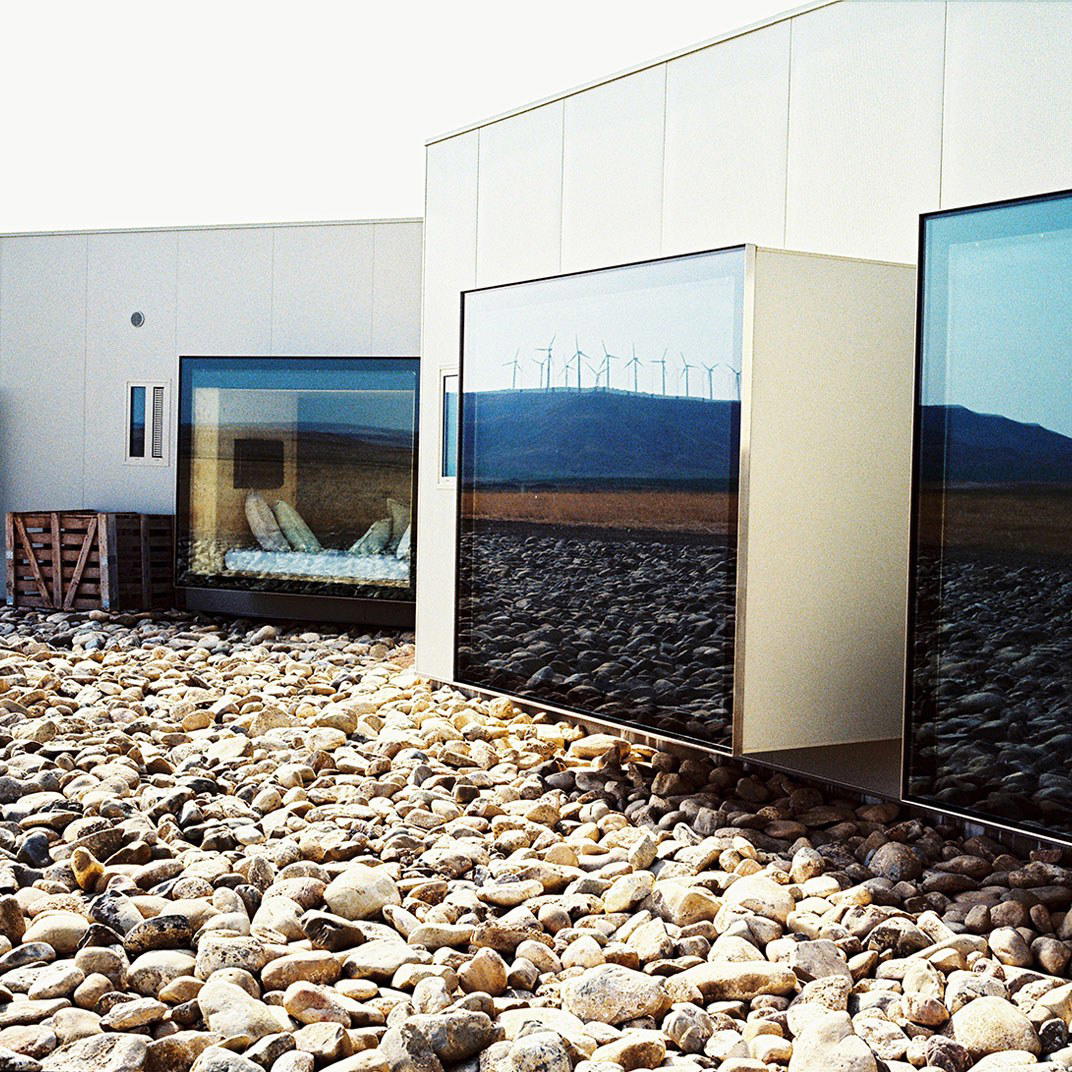
Bodegas Piedemonte is best understood as a modern, technically focused cooperative winery rooted in Olite’s long winemaking tradition. The picture is a functional production environment set within the broader historic wine culture of Navarra’s Ribera Alta zone. That combination is important, because it keeps the venue from being reduced to either pure heritage or pure industry. Its character sits between those poles: modern in working method and cooperative in format, but still strongly tied to a place where wine is part of the local identity.
For travelers, that makes the draw relatively clear. The appeal is scenic, rustic, and classic rather than ornate. The winery offers a way to connect Olite’s wine identity with the practical side of production, without relying on claims about exact vineyard scale, grape lists, tour formats, or specific bottlings. This restraint is useful. It allows the visit to be understood through atmosphere and context, rather than through a checklist of details that may vary or require separate confirmation. What matters most is the frame: a working cooperative winery in a historic wine town, surrounded by the Ribera Alta landscape and carrying a grounded, production-led sense of place.
A cooperative format with technical discipline, not rural nostalgia
The modern cooperative is often misread by travelers as a compromise between charm and volume. In Olite, the more useful reading is infrastructure: a working production setting tied to local wine culture. Bodegas Piedemonte reflects that model with a functional production feel rather than a stage-managed luxury atmosphere. Its value is not in pretending to be a private estate fantasy, but in showing a different kind of wine-world seriousness, one based on shared structure, technical organization, and connection to a wider local tradition.
That format gives the venue a specific value. It is suited to travelers who want a grounded sense of Olite’s wine identity and Navarra’s Ribera Alta landscapes, especially if they prefer production context over decorative hospitality. The point is not theatrical exclusivity; it is exposure to a cooperative winery whose character is modern, technical, scenic, rustic, and classic. In practical terms, that means the experience should be approached with attention to setting and purpose. The pleasure is quieter than in a highly styled luxury venue: the interest lies in seeing how wine culture can be expressed through a working environment, and how a cooperative format can still feel closely linked to the character of its town.
Travelers can keep Bodegas Piedemonte as the central winery reference point and consider other Olite dining, lodging, bar, and experience options generically when planning the rest of the visit. That broader approach suits the venue well, because Piedemonte functions best as an anchor for understanding Olite’s wine identity rather than as a complete, self-contained hospitality universe. It can sit naturally within a wider stay, giving structure to the wine side of the trip while leaving room for the town and landscape to do their own work.
How to read the setting: place first, hierarchy second
The smartest approach is to arrive without overbuilding expectations around menu, tour, or bottle details. Read the setting first: a cooperative winery in Olite, shaped by technical production and framed by the historic wine culture and landscapes of Navarra’s Ribera Alta zone. This way of looking prevents the visit from becoming a search for missing luxury signals. Instead, it turns attention toward what is actually present: the relationship between a working winery, a long-established wine town, and the regional landscape that gives the experience its wider meaning.
The atmosphere is best described as functional and production-oriented, with scenic, rustic, and classic appeal. That makes Bodegas Piedemonte a stronger fit for travelers who want context and a sense of place than for those looking for a highly scripted luxury format. It is not a venue that needs to be inflated with decorative language. Its strength is that it can be understood plainly: modern cooperative winery, Olite setting, Ribera Alta context, and a practical wine-culture identity that feels more grounded than theatrical.
For travelers comparing wine regions more broadly, Piedemonte’s appeal is the Olite version of a familiar question: how a working winery can express local tradition while operating with a modern technical focus. Within the facts, that is the strongest and most honest frame for understanding Bodegas Piedemonte. It is also the most useful one for planning. Visitors who value production context, landscape, and a classic regional wine atmosphere will find the venue easier to appreciate than those seeking spectacle. Read it as part of Olite’s wine fabric, not as a fantasy removed from it, and the experience becomes clearer, more coherent, and more rewarding.
Recognition history
Dated appearances from independent guides and award organizations, with the underlying list record or original source where available.
Falstaff Winery - 1 Stars
Falstaff
Continue exploring
More in Olite
Wineries in Olite
Browse all →
Bars in Olite
Browse all →
Restaurants in Olite
Browse all →
Details
- Scenic
- Rustic
- Classic
- Group Outing
- Wine Education
- Solo Exploration
- Special Occasion
- Romantic Getaway
- Vineyard Tour
- Estate Grounds
- Sustainable
- Vineyard
- Mountain
- Tempranillo
- Garnacha
- Viura
- Moscatel De Grano Menudo
- Merlot
- Cabernet Sauvignon
- Chardonnay
- Still Red
- Still White
- Still Rosé
- Standard Tasting
- Vineyard Tour + Tasting
- Spanish
Modern, technically focused cooperative winery rooted in Olite’s long winemaking tradition, with a functional production feel framed by the historic wine culture and landscapes of Navarra’s Ribera Alta zone.