Bartley Dunnes
Our verdict
Bartley Dunnes occupies a specific corner of Midtown Manhattan's drinking and dining culture, operating from 160 W 54th St in a neighborhood defined by industry professionals and long-standing hospitality institutions. The address places it within walking distance of some of New York's most decorated dining rooms, making it a useful reference point for understanding the area's full range. Coverage is limited; direct contact is advised before visiting.

Pearl is the En Primeur Club membership app, where members save venues, book tables and use the concierge.
The menu
What to order
- Pork Belly Baos
- Disco Tater Tots
- Salt Bae Cafe
- Bar Nachos
Midtown's Layered Hospitality Block
The stretch of West 54th Street running through Midtown Manhattan has historically functioned as a corridor between the city's power-lunch circuit and its after-work hospitality culture. Blocks away from the Le Bernardin kitchen, which has anchored French seafood at the top of New York's critical hierarchy for decades, and within easy reach of Per Se at Columbus Circle, this part of Midtown draws a clientele that knows what serious hospitality looks like. Bartley Dunnes, at 160 W 54th St, operates in that context. It is not a tasting-menu destination in the mold of Eleven Madison Park or Atomix, but its location places it inside a neighborhood where the baseline expectation for food and drink is set by some of the country's most scrutinized kitchens.
What the Address Tells You About the Room
In New York, an address on West 54th between Sixth and Seventh Avenue is a signal in itself. This is not a destination neighborhood in the way that the West Village or the Lower East Side draw out-of-towners specifically to eat. Midtown operates on a different logic: proximity to offices, hotels, and major cultural institutions means that the hospitality here serves a mixed crowd of business travelers, industry workers, and residents who treat their neighborhood spots as functional anchors rather than aspirational destinations. Venues that survive in this context tend to do so by being reliable rather than fashionable, by reading their room consistently rather than chasing trend cycles.
That distinction matters when thinking about how a menu gets built for a Midtown address. Across the category, venues in this corridor tend to offer formats that work across multiple day parts and guest types, from an afternoon drink to a late-evening meal. The structure tends to be broader rather than specialist, covering enough range to serve the business traveler checking in nearby and the local who knows the room by name. Compare this to the highly compressed, course-driven architecture at Masa, where a single culinary tradition governs every decision on the menu, and the difference in operating philosophy becomes clear.
Menu Architecture and What It Signals
When detailed menu data is not publicly available, the type of venue and its location still tell you a great deal about the likely structure of what is being served. Midtown Manhattan hospitality venues that operate in the Irish-American pub and bar tradition, which the name Bartley Dunnes strongly suggests, tend to follow a specific menu logic: a drinks program built around whiskey depth and draught selection, food that covers familiar territory with enough execution to hold its own in a city where competition is constant, and a format that doesn't demand long commitment from a diner who may have a curtain time or a morning flight.
That architecture, when executed well, is genuinely difficult to replicate. The Irish bar format in New York has a long institutional history. Venues in this tradition are not trying to compete with the four-hour tasting experiences at Blue Hill at Stone Barns or the hyper-seasonal produce focus you find at farm-to-table operations like Single Thread Farm in Healdsburg. They are competing on consistency, atmosphere, and the kind of institutional memory that means a regular gets their order remembered. In a city where turnover in the hospitality sector is high, longevity itself is a credential.
The name also positions the venue within a specific Irish-American hospitality lineage that has deep roots in New York. Since the mid-nineteenth century, Irish-owned bars and restaurants have shaped the city's after-work culture in ways that more celebrated fine-dining institutions have not. They provided the social infrastructure around which neighborhoods organized. The best of them have menus that reflect this function: broad enough to serve dinner, drink-forward enough to keep a crowd through the evening, and priced to allow repeat visits rather than single occasions.
Placing Bartley Dunnes in the Wider New York Dining Picture
New York's restaurant culture is often discussed in terms of its most decorated addresses, the Michelin-starred counters and the tasting-menu rooms that appear on end-of-year lists. But the city's day-to-day hospitality character is equally defined by its mid-tier institutional venues: the bars that have operated the same format for decades, the rooms where industry workers go after service, the places where the conversation about food and drink is knowledgeable without being performative. Bartley Dunnes belongs to a conversation about that tier.
For readers building a fuller picture of the city's dining geography, our full New York City restaurants guide maps the scene across categories and neighborhoods. Midtown specifically rewards visitors who understand what each block is designed for, rather than applying a single framework across the whole borough. The decorated destination rooms, whether Per Se or Eleven Madison Park, require planning and budget to match. A venue like Bartley Dunnes occupies a different function in the same geography.
Across the country, Irish-American hospitality institutions have maintained relevance by resisting the renovation impulse that periodically sweeps through restaurant culture. Venues in cities like New Orleans, with operations like Emeril's defining one end of the hospitality spectrum, show how institutional identity can be maintained over time without sacrificing quality. In Chicago, Smyth represents the opposite pole, a tasting-menu operation that pushes formal dining in a direction very different from the accessible format of a neighborhood bar. In Los Angeles, Providence anchors the seafood-focused fine dining tier. The contrast is useful: the Irish-American bar tradition that Bartley Dunnes likely represents is its own valid category, not a lesser version of these formats.
For readers whose travel itineraries extend beyond New York, it is worth knowing that the kind of consistent, atmosphere-led hospitality found in long-standing Midtown venues has equivalents across the country. Frasca Food and Wine in Boulder, Addison in San Diego, Lazy Bear in San Francisco, The Inn at Little Washington, and internationally, Atelier Moessmer Norbert Niederkofler in Brunico and Dal Pescatore in Runate, each represent the principle that lasting hospitality institutions earn their place by clarity of identity rather than by shifting with each trend cycle.
Planning Your Visit
Address: 160 W 54th St, New York, NY 10019. Reservations: Hours: Budget: Pricing data not available; expect Midtown Manhattan pricing norms to apply. Dress: No confirmed dress code; smart casual is appropriate for the neighborhood.
Frequently asked questions
What dish is Bartley Dunnes famous for?
No specific signature dishes are confirmed in available editorial or awards data for Bartley Dunnes. The venue's address in Midtown Manhattan and the Irish-American hospitality tradition suggested by its name point toward a menu built around familiar, well-executed food and a strong drinks program rather than a single landmark dish. For venues in this category across New York City, the draw tends to be consistency and atmosphere rather than any individual preparation. Visiting directly or checking current menus online will give the most accurate picture of what the kitchen is emphasizing at a given time.
Do they take walk-ins at Bartley Dunnes?
What is Bartley Dunnes leading at?
What the address and format category suggest is a venue positioned for the after-work and hospitality-professional crowd that circulates through Midtown's West 54th corridor, with a likely emphasis on drinks and approachable food in a format that does not require long time commitments. For context on the broader New York dining scene, our New York City restaurants guide covers the full range of categories and neighborhoods.
Is Bartley Dunnes suited to visitors staying in Midtown hotels?
The West 54th Street location makes it logistically convenient for guests at the cluster of major hotels in the immediate area, including several large properties within a few blocks. Midtown venues in the Irish-American bar tradition have historically served hotel guests and out-of-towners well precisely because the format does not require advance research or specialist knowledge to navigate.
Category Peers
A small set of peers for context, based on recorded venue fields.
| Venue | Cuisine | Price | Awards | Notes |
|---|---|---|---|---|
| Bartley DunnesThis venue (the venue you are viewing) | Modern Irish Pub | Not listed | Not listed | Not listed |
| Le Bernardin | French Seafood Fine Dining | $300–500 | 3 Michelin Stars · World's 50 Best #13 | French, Seafood |
| Atomix | Modern Korean Tasting Menu | $300–500 | 2 Michelin Stars · World's 50 Best #11 | Modern Korean, Korean |
| Per Se | French Fine Dining Tasting Menu | $300–500 | 3 Michelin Stars · World's 50 Best #40 | French, Contemporary |
| Masa | Traditional Japanese Omakase | $500+ | 2 Michelin Stars · World's 50 Best #27 | Sushi, Japanese |
| Eleven Madison Park | Contemporary Plant-Based Fine Dining | $300–500 | 3 Michelin Stars · World's 50 Best #4 | French, Vegan |
Continue exploring
More in New York City
Restaurants in New York City
All restaurants in New York City →
Bars in New York City
All bars in New York City →
Details
- Lively
- Trendy
- Energetic
- Sophisticated
- Casual Hangout
- Group Dining
- After Work
- Live Music
- Craft Cocktails
- Small Plates
- A La Carte
- Cocktails
- Beer
- Whiskey
Current opening hours
- Monday
- 12 PM–2 AM
- Tuesday
- 12 PM–2 AM
- Wednesday
- 12 PM–3 AM
- Thursday
- 12 PM–3 AM
- Friday
- 10:30 AM–4 AM
- Saturday
- 10:30 AM–4 AM
- Sunday
- 10:30 AM–2 AM
Hours can change for holidays and private events. Hours as of .
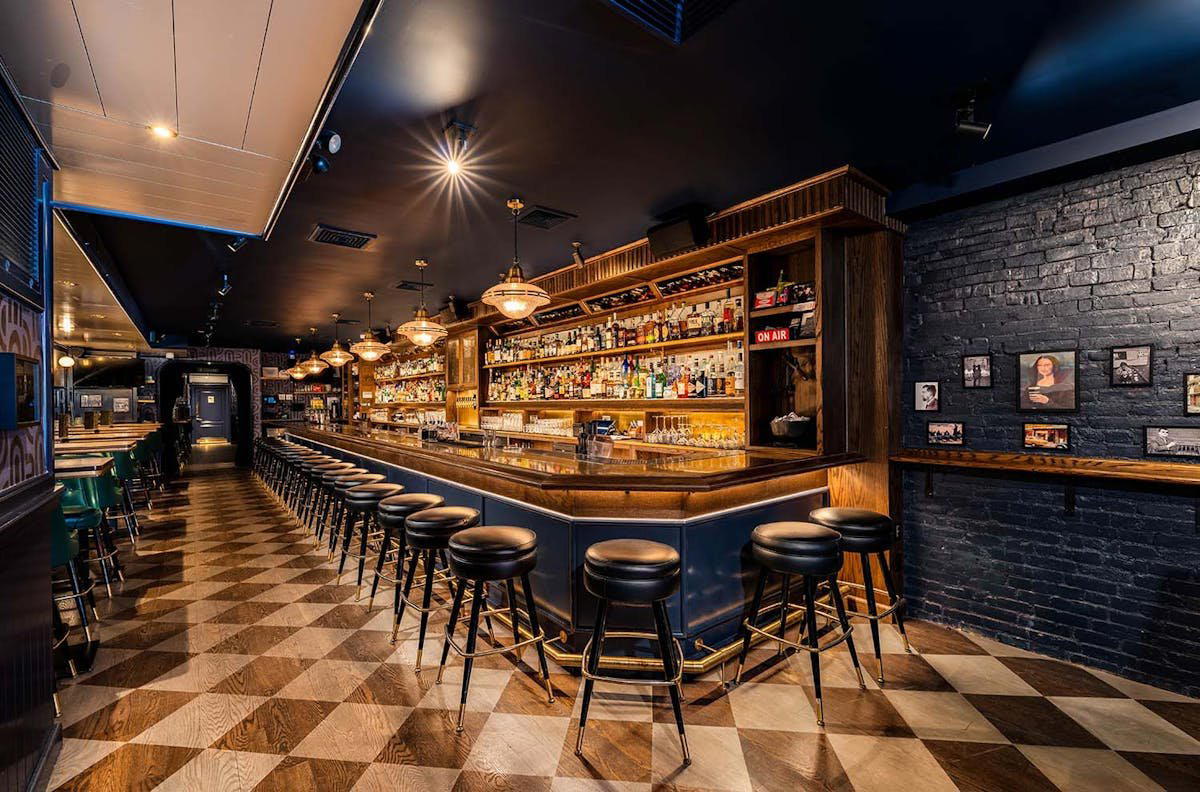
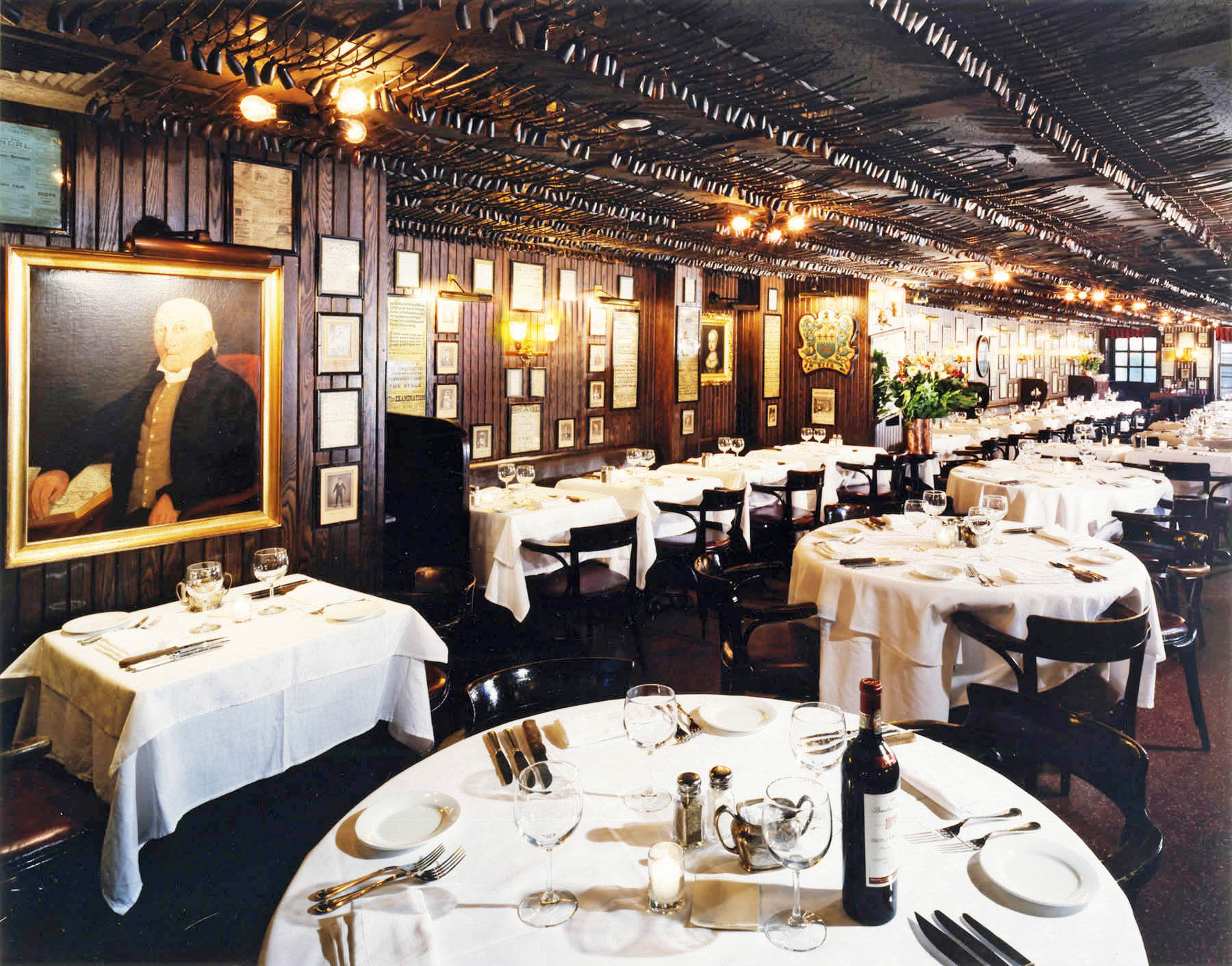
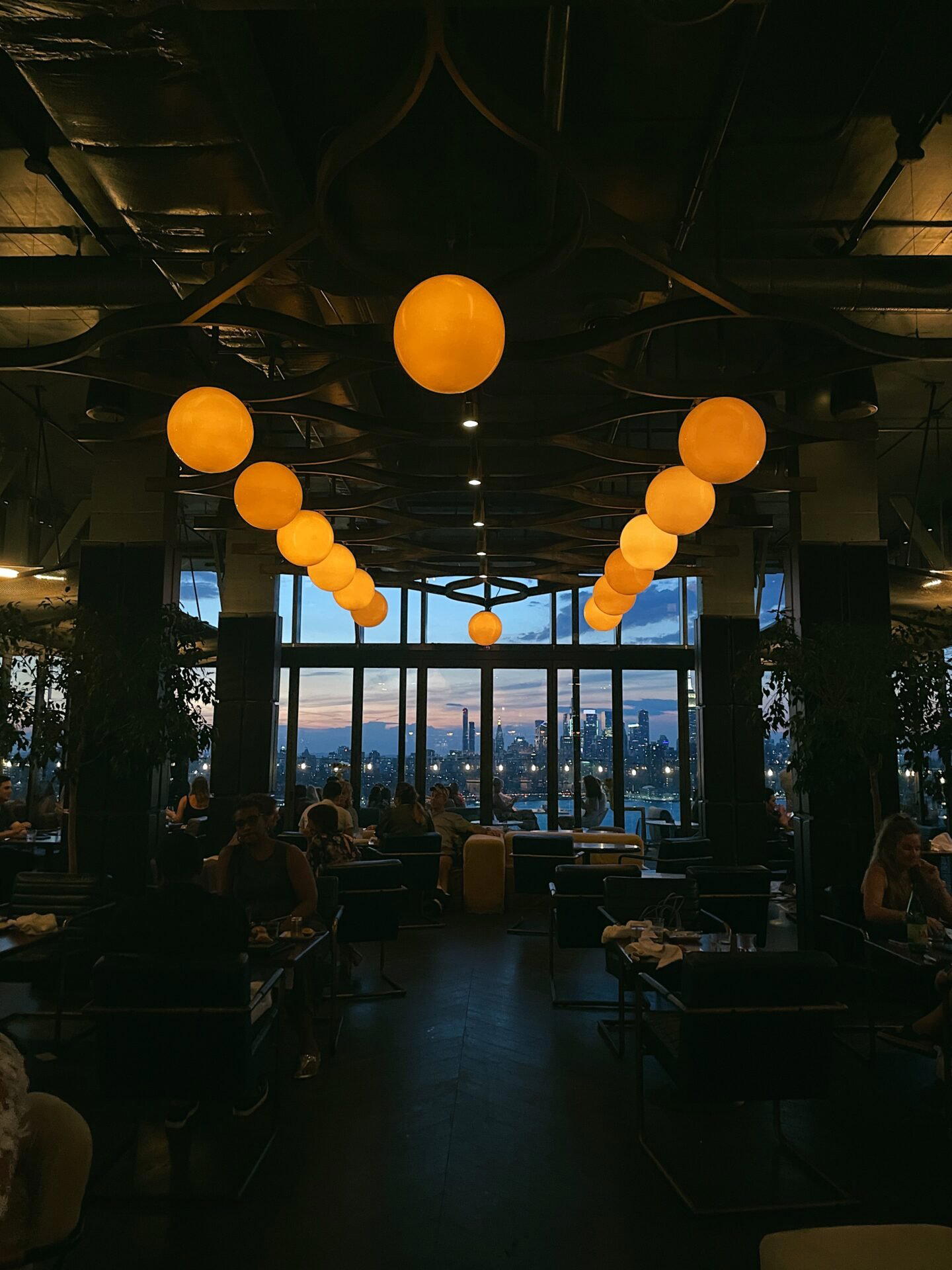
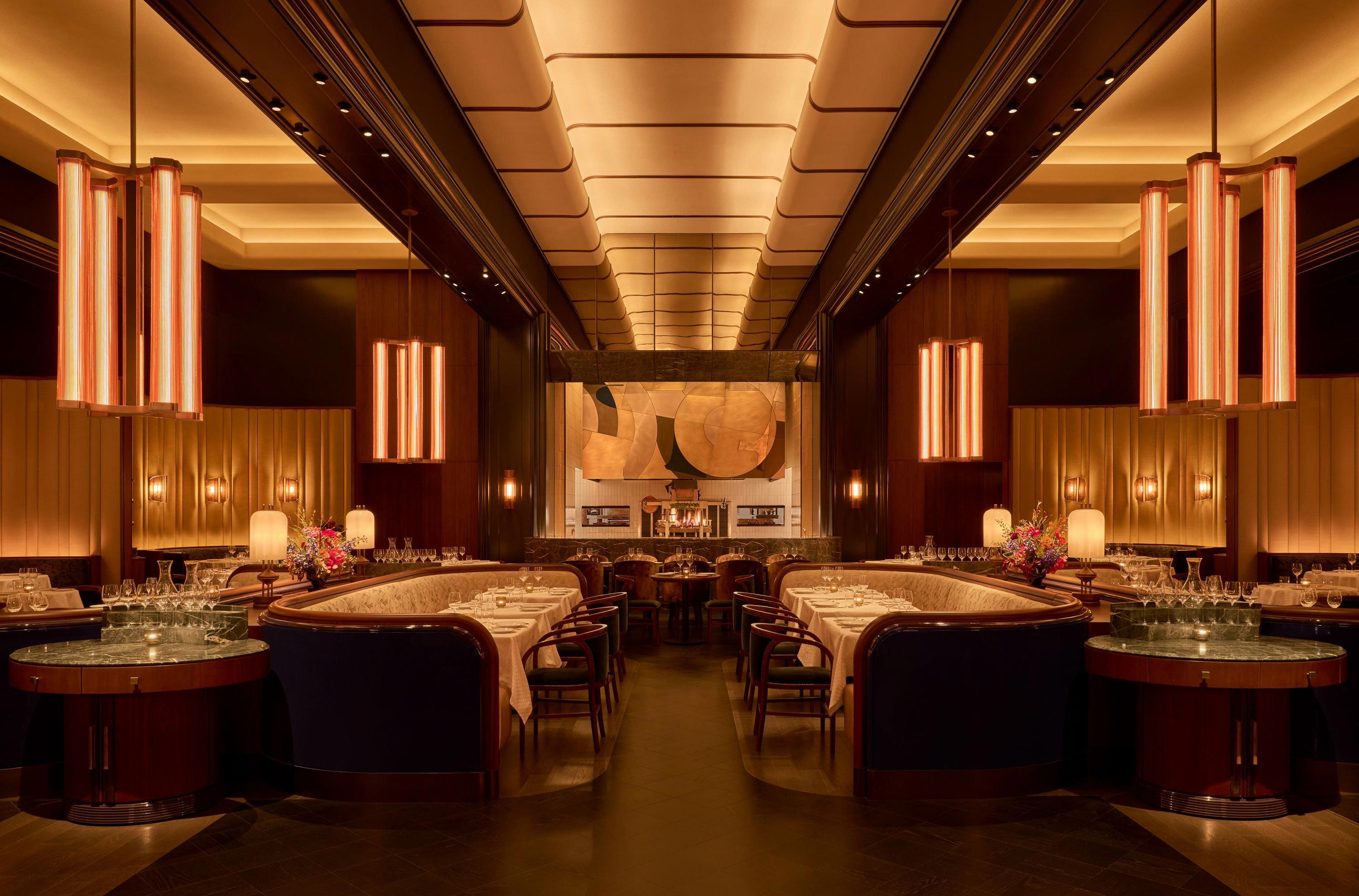
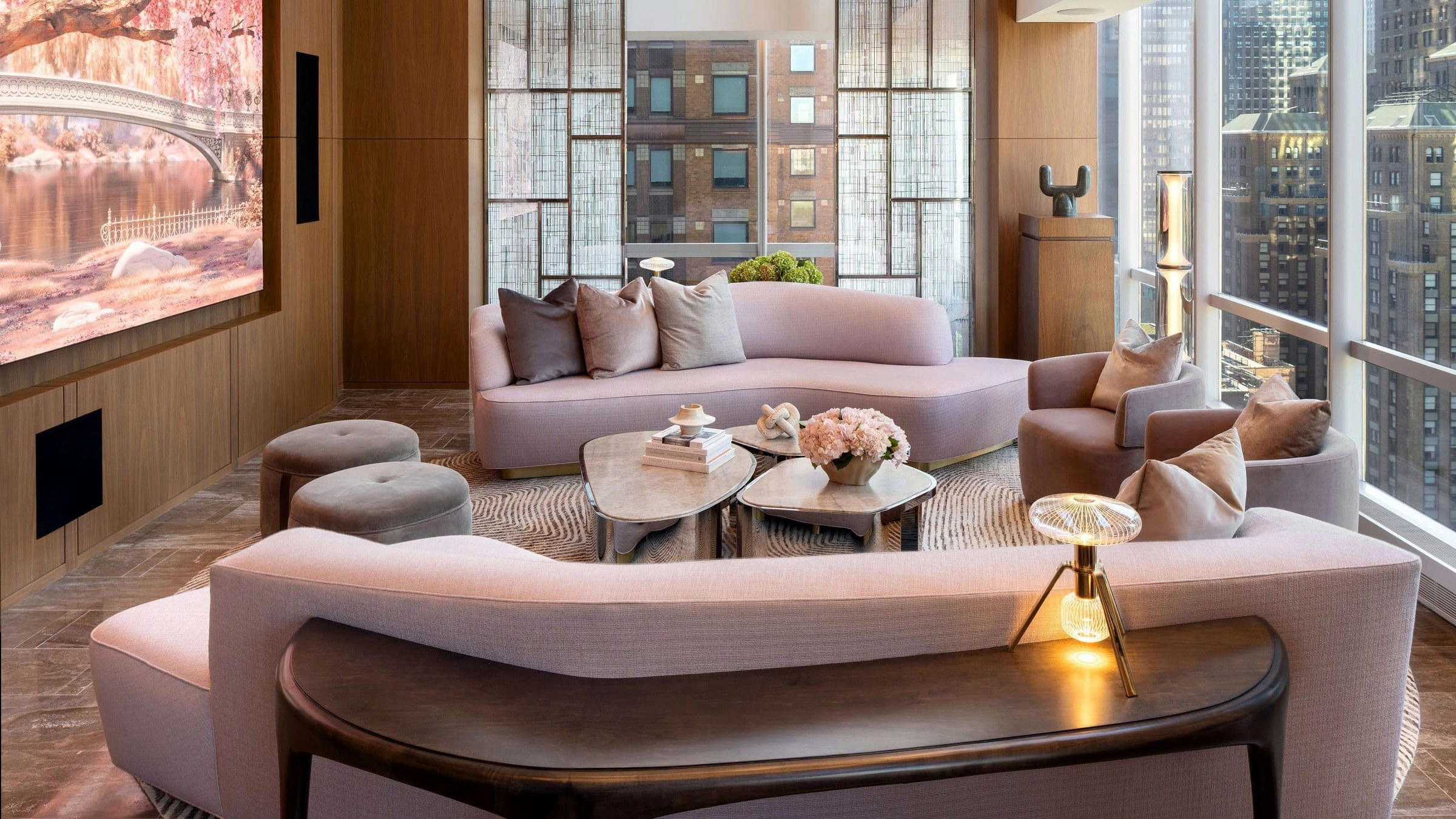
Moody lighting with playful art, lively disco atmosphere, and eclectic bordello-style decor.