Native Manchester


Michelin Selected · Mr & Mrs Smith Seal of Approval
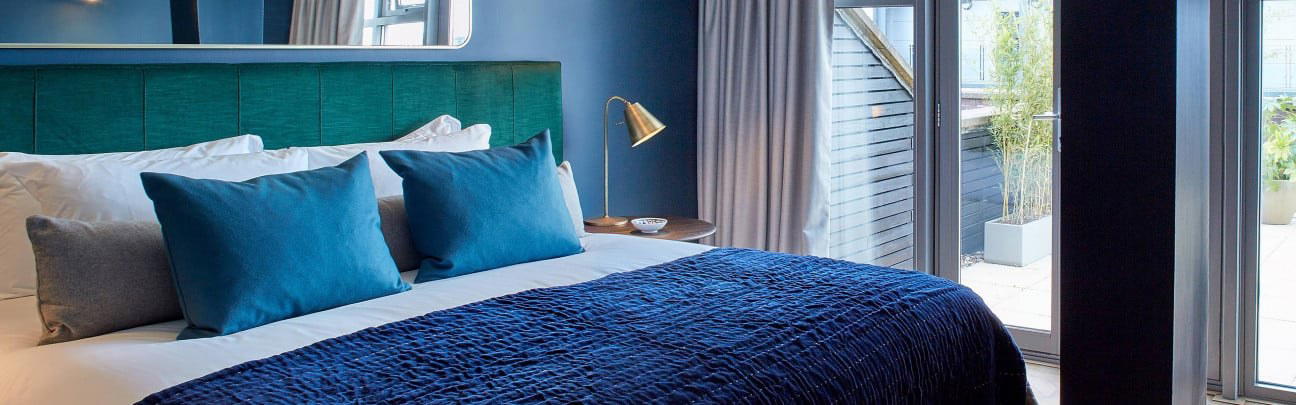
A Michelin Selected aparthotel occupying a converted Victorian warehouse on Ducie Street, Native Manchester sits in Manchester's emerging Northern Quarter fringe, where industrial heritage and contemporary hospitality overlap. The property offers apartment-format accommodation within a building whose bones predate the city's modern reinvention, making it a reference point for travellers who want architectural context alongside practical space.

Pearl is the En Primeur Club membership app — saves, bookings, and concierge access live there. Same editors, same standards.
- Address
- Ducie Street Warehouse, Ducie St, Manchester M1 2TP, United Kingdom
- Phone
- +44 20 7221 2028
- Website
- nativeplaces.com
- Directions
- Get directions
Ducie Street and the Warehouses That Shaped a City
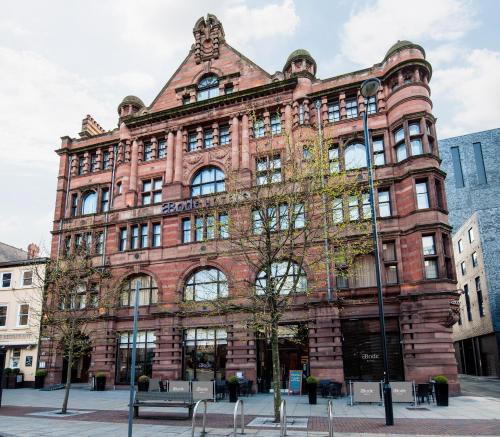
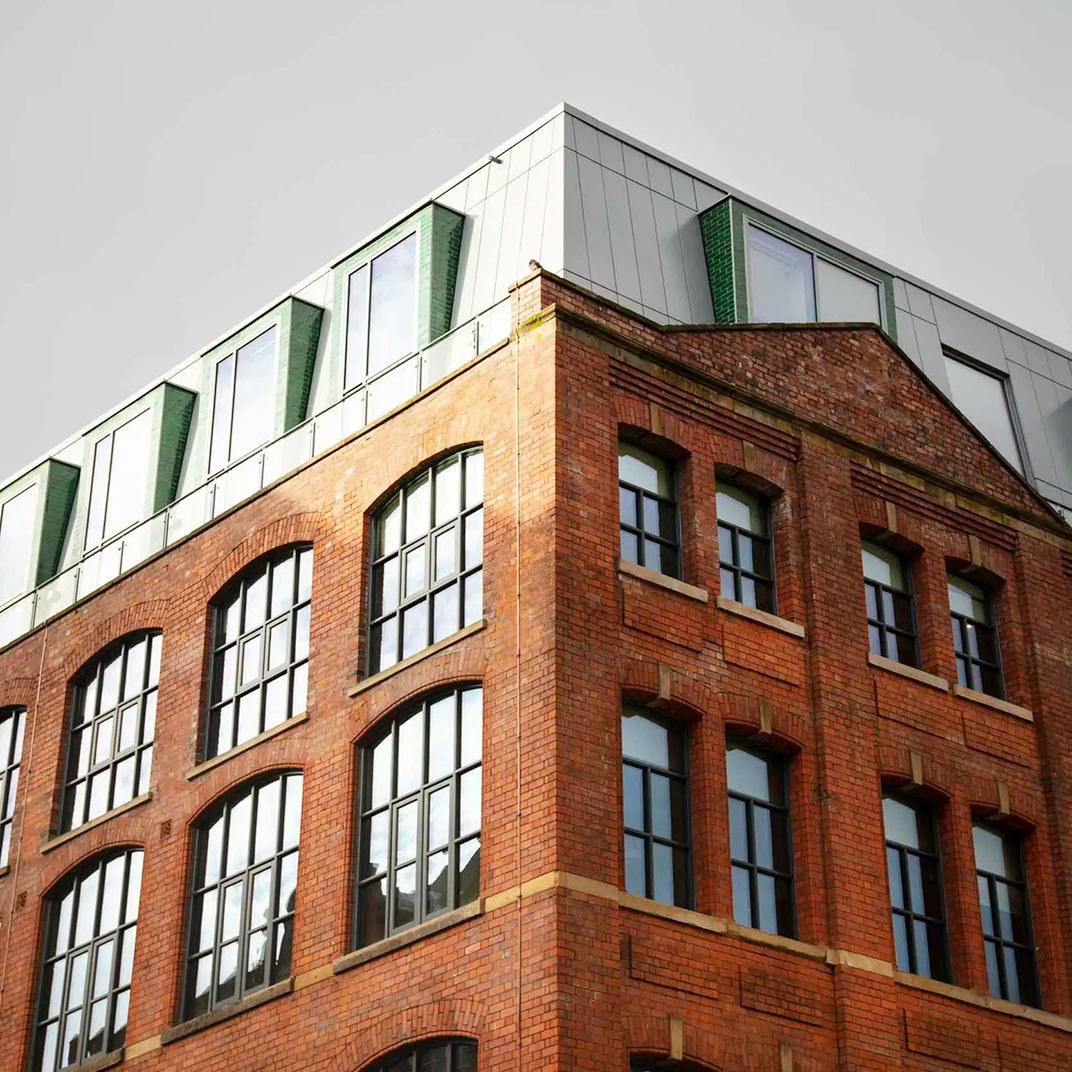
Manchester's relationship with its Victorian industrial fabric has never been tidy. For decades, the city's warehouse districts oscillated between dereliction and opportunistic conversion, and the streets around Piccadilly and the Northern Quarter fringe became testing grounds for a particular kind of adaptive reuse that has since defined how the city presents itself to visitors. Ducie Street sits in that transitional zone, where the canal network once carried raw cotton and finished goods and where the brick-and-iron architecture of the 1800s now accommodates a quite different kind of traffic. Native Manchester, at number 51, occupies one of those converted warehouses, and the building's mass and materiality set the register before a guest has crossed the threshold.
The aparthotel format has proliferated across British cities over the past fifteen years, and Manchester has been one of its more active markets. Where the city's older hotel stock concentrated around Deansgate and the civic core, the newer wave of accommodation has pushed into the post-industrial fabric east and north of the centre, following creative industries and the residential repopulation of formerly commercial streets. Native, as a brand, has made warehouse conversions something of a deliberate editorial choice, and the Manchester property continues that logic: the space is shaped by the building rather than the building being reshaped to fit a standard room template.
What a Michelin Selection Signals in the Aparthotel Category
Native Manchester holds a Michelin Selected designation in the 2025 Michelin Hotels guide, which places it in a bracket that the Michelin inspectors reserve for properties demonstrating consistent quality and a clear sense of character. In Manchester specifically, Michelin Selected properties occupy a middle tier between the full-service luxury hotels clustered around the city centre and the budget or anonymous corporate stock. The designation carries weight in the aparthotel segment precisely because the format is often overlooked by prestige guides that default to traditional hotel structures.
Within Manchester's Michelin Selected cohort, Native sits alongside properties such as King Street Townhouse and the Kimpton Clocktower Hotel, both of which lean into the city's Victorian architectural legacy from different angles. The Kimpton occupies a Grade II listed building with a formal hotel service model; King Street Townhouse offers boutique intimacy on one of the city's oldest commercial streets. Native's position in that company is earned through a different proposition: the apartment format provides kitchen facilities and living space that the others do not, making it a distinct competitive choice for stays of three or more nights. For a comparison of the broader Manchester hotel field, our full Manchester restaurants and hotels guide maps the options across neighbourhoods and price tiers.
The Building as the Primary Argument
The editorial angle that makes Native Manchester worth understanding is not the amenity list but the building itself. Victorian warehouse construction in Manchester followed a functional grammar: deep floor plates, high ceilings, exposed ironwork, and facades of Accrington brick or local sandstone built to withstand industrial loads rather than to impress. Converting these structures into residential or hospitality use requires working with that grammar rather than against it, and the better conversions in the Northern Quarter have preserved load-bearing columns, original windows, and the raw surface textures that distinguish these buildings from purpose-built hotels.
The result, in properties that handle conversion well, is accommodation that carries spatial generosity almost by accident. Ceilings that were designed to accommodate goods hoists or factory machinery translate into rooms that feel proportionally different from standard hotel builds. Natural light enters through windows sized for industrial ventilation, not for guest comfort, which can mean uneven distribution across different room orientations. This is worth knowing before booking: a warehouse conversion's light quality depends heavily on which floor and which aspect you occupy, and the character of the space shifts accordingly.
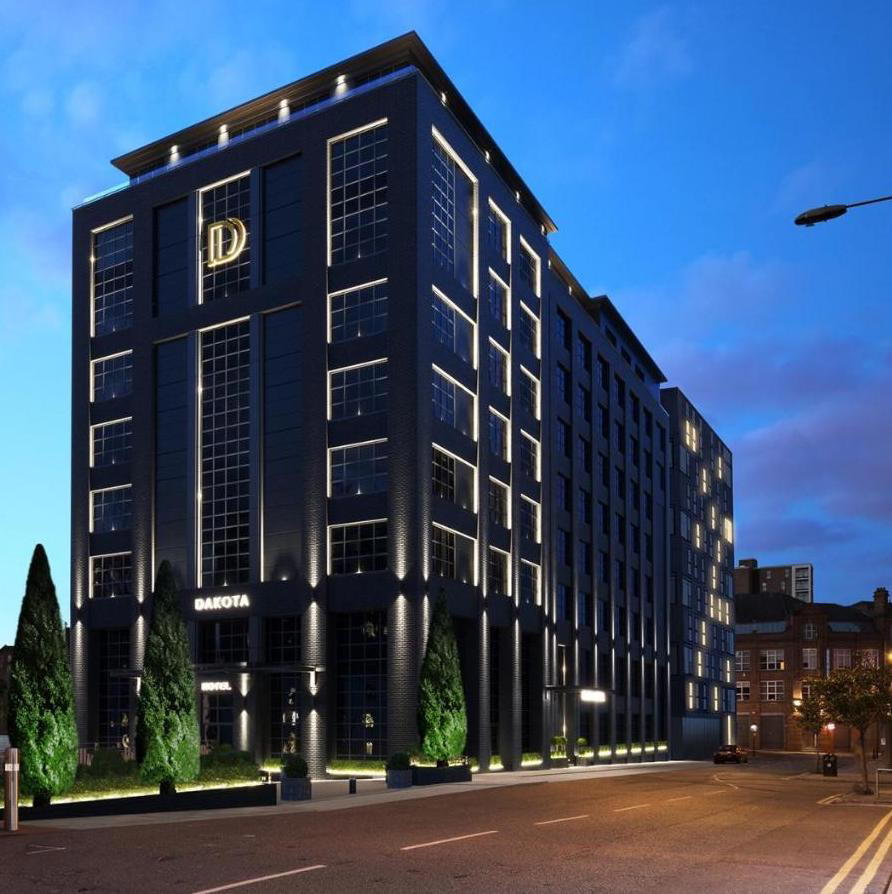
Manchester's hotel market has matured considerably since the post-IRA-bomb rebuilding of the late 1990s that reshaped much of the city centre. The current landscape includes full-service luxury properties such as Hotel Gotham Manchester, which occupies a 1930s banking hall and pitches firmly at the luxury end, and design-led conversions such as ABode Manchester. Further from the centre, Didsbury House Hotel operates in the quieter residential south, and Dakota Manchester brings a harder-edged, American-influenced aesthetic to the Northern Quarter itself.
Native sits closest to Dakota in geographic terms, but the two properties make different arguments. Dakota's brand identity is built on darkness, precision, and a certain urban cool that suits short weekend stays. Native's apartment format skews toward practicality and spatial comfort over atmosphere, which makes it a different calculation for a traveller arriving for a week-long work stay versus a Friday-to-Sunday city break. Both hold Michelin recognition in their respective categories, and both occupy post-industrial buildings, but the experience they deliver diverges at the room level.
For travellers comparing Native against properties in other British cities, the reference points that sit in a similar niche include The Rutland in Edinburgh and Hotel du Vin at One Devonshire Gardens in Glasgow, both of which balance historic architecture with contemporary hospitality in city-centre locations. At the upper end of the British conversion market, Estelle Manor in North Leigh and Lime Wood in Lyndhurst represent what happens when heritage buildings receive significant capital investment; Native operates at a more accessible price point within the same broad tradition.
Planning a Stay: Practical Orientation
Ducie Street sits a short walk from Piccadilly station, which makes Native Manchester one of the more logistically sensible choices for arrivals by rail from London, Edinburgh, or Birmingham. The Northern Quarter's independent food and bar scene is within ten minutes on foot, and the Ancoats neighbourhood, which has developed the most concentrated cluster of serious restaurants in the city over the past five years, is similarly accessible. For guests using Manchester Airport, the train connects to Piccadilly in approximately twenty minutes, which keeps transfer times predictable regardless of terminal.
The aparthotel format means that guests with early arrivals or late departures can use kitchen facilities to manage meals independently, which reduces the dependency on hotel restaurant hours that affects more conventional stays. This is a practical advantage on multi-night stays, particularly during periods when Manchester's central dining options are under pressure from event-driven demand around the Manchester Arena or Old Trafford fixture calendar.
Booking ahead of major cultural events or during the Christmas markets period, which draws significant visitor numbers to the city centre from late November through December, is advisable.
Same-City Peers
| Venue | Cuisine | Price | Awards |
|---|---|---|---|
| Native ManchesterThis venue — the venue you are viewing | This venue | Not listed | Michelin Selected · Mr & Mrs Smith Seal of Approval |
| Oddfellows On The Park | Not listed | $1–100 | Michelin Selected |
| Stock Exchange Hotel, Manchester, Autograph Collection | Not listed | $200–300 | Michelin Selected |
| Velvet Hotel | Not listed | $100–200 | Michelin Selected |
| King Street Townhouse | Not listed | $200–300 | Michelin Selected · Mr & Mrs Smith Seal of Approval |
| Kimpton Clocktower Hotel | Not listed | $100–200 | Michelin Selected |
Recognition history
Dated appearances from independent guides and award organizations, with the underlying list record or original source where available.
Michelin Selected
Michelin
Mr & Mrs Smith Seal of Approval
Mr & Mrs Smith
Details
- Modern
- Trendy
- Sophisticated
- Industrial
- Business Trip
- Weekend Escape
- Group Retreat
- Historic Building
- Design Destination
- Terrace
- Wi Fi
- Restaurant
- Bar
- Fitness Center
- Concierge
- Skyline
- Wheelchair Accessible
- Elevator
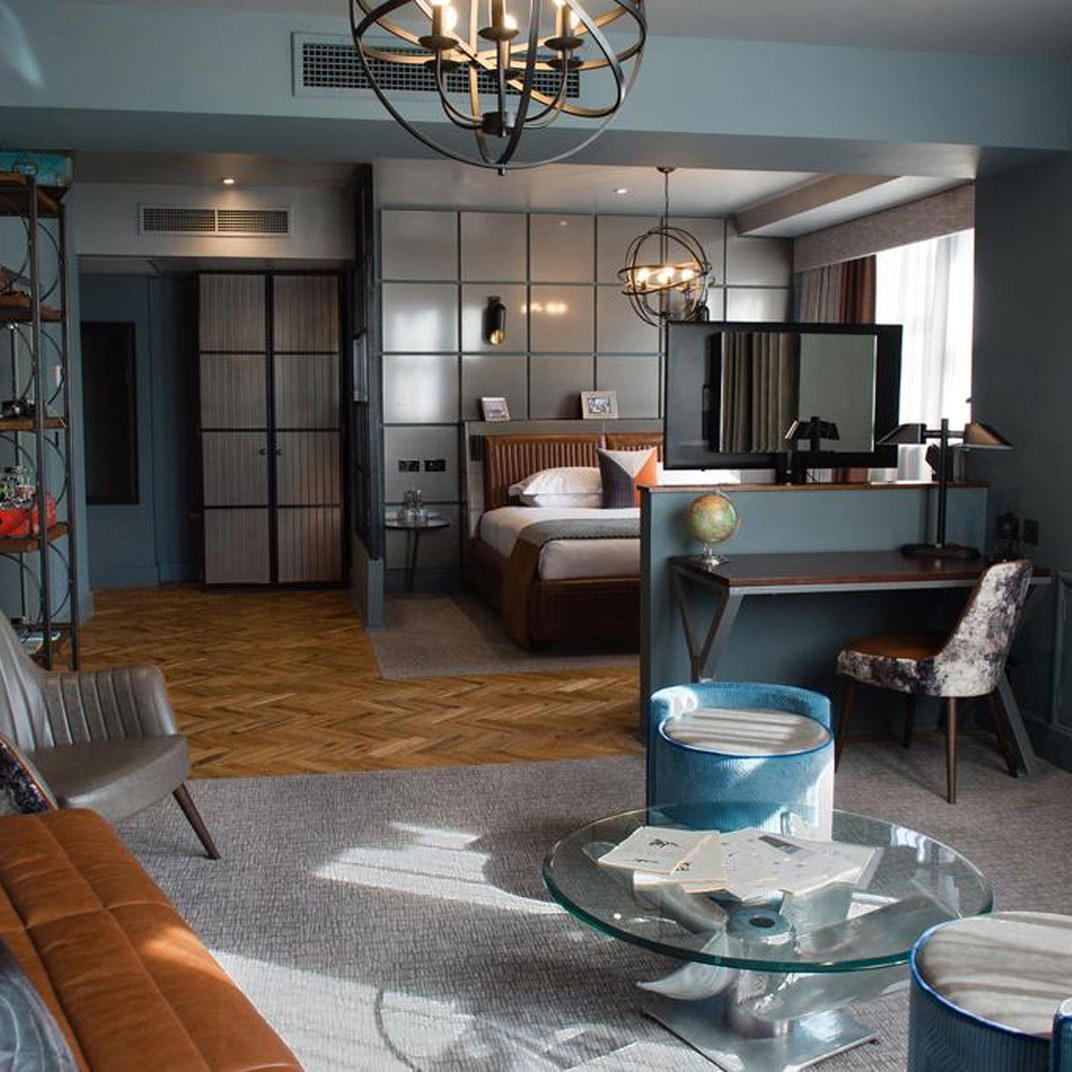
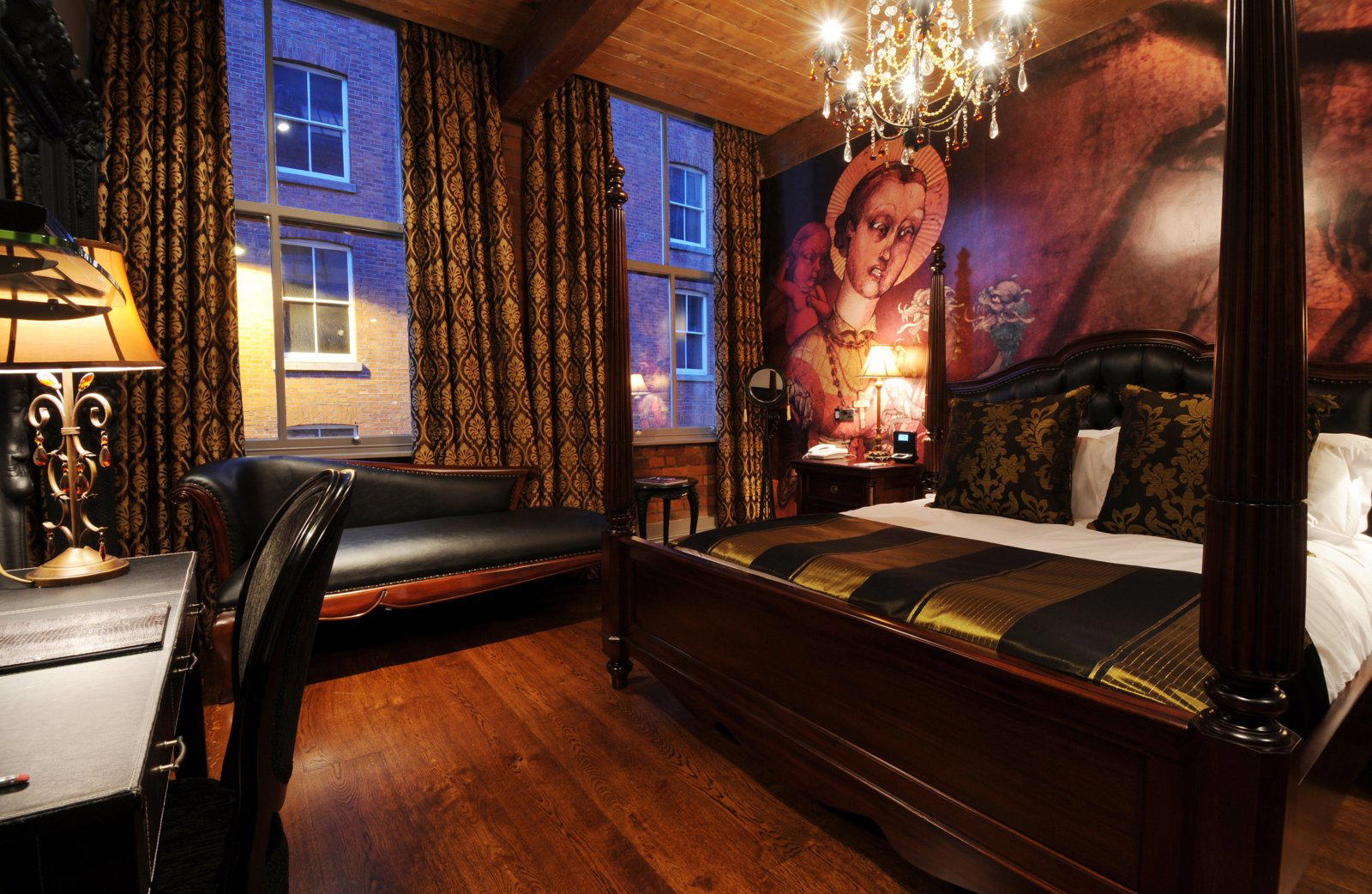
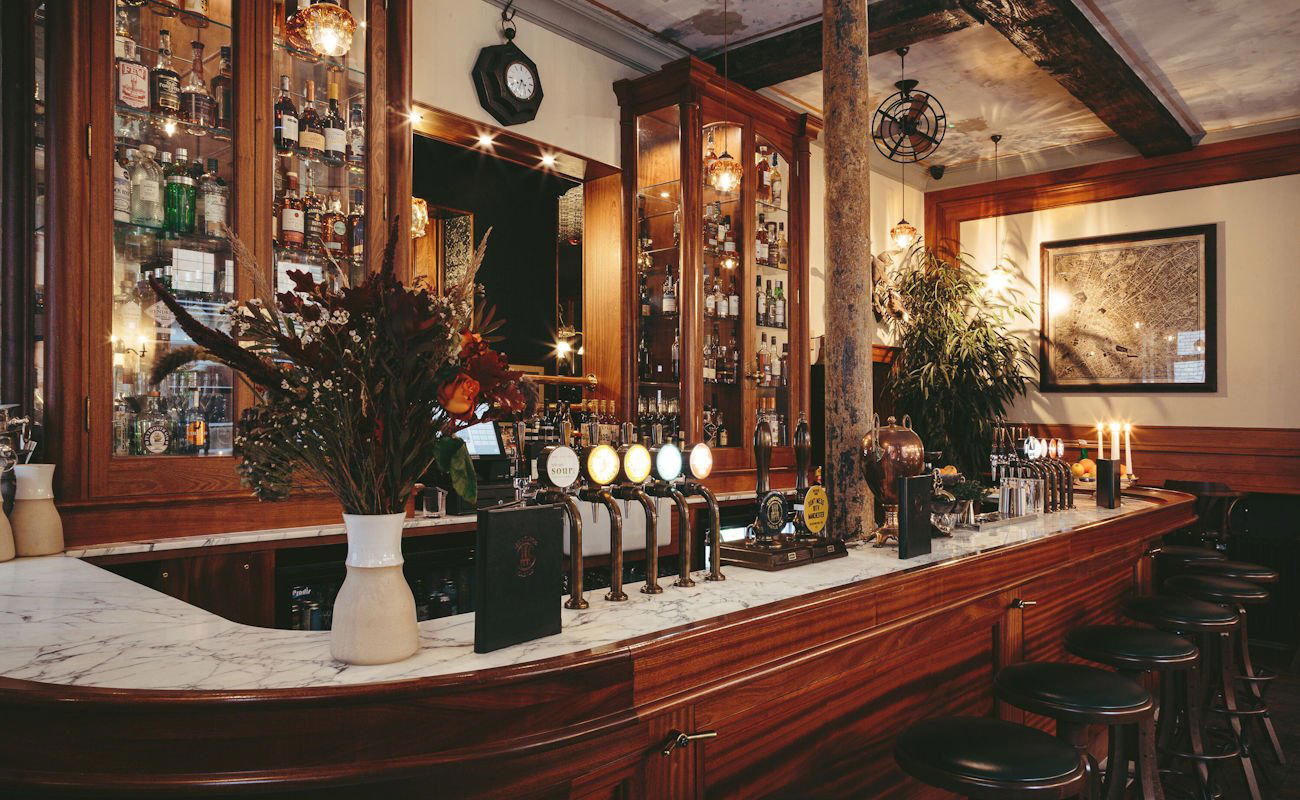
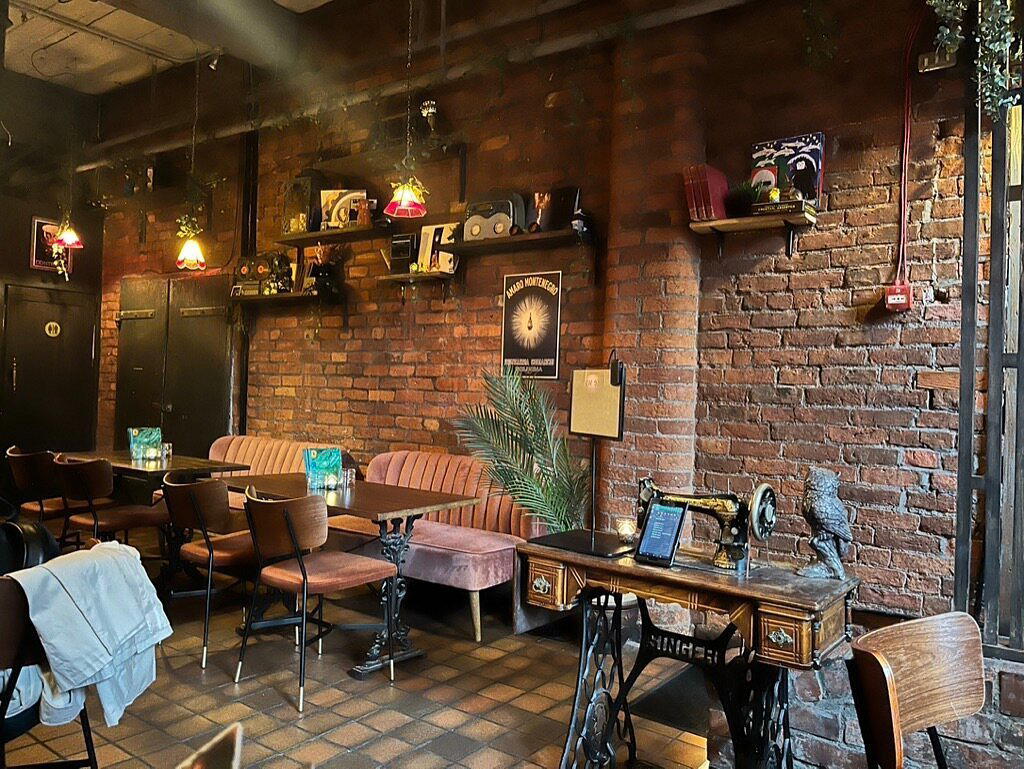
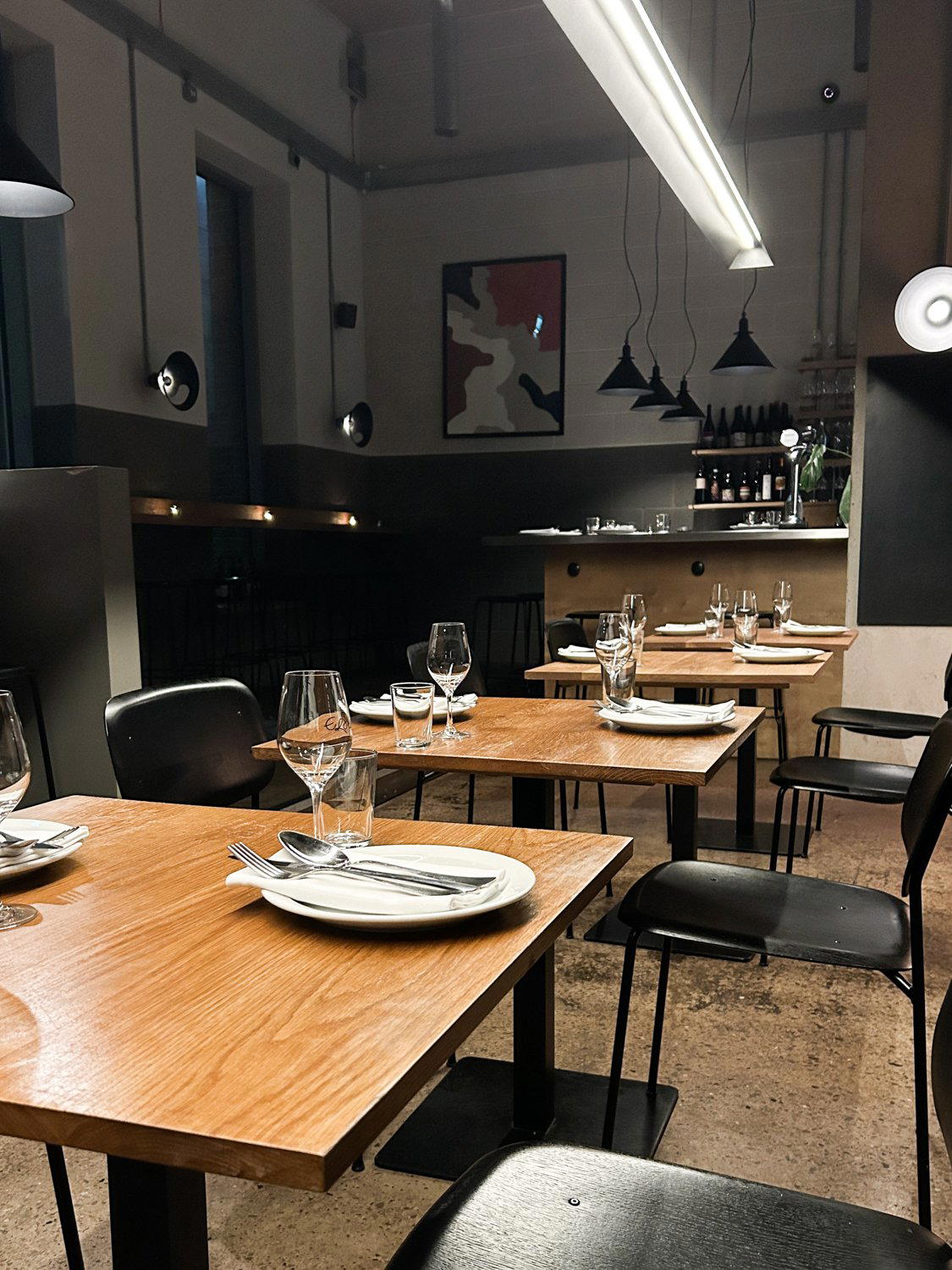
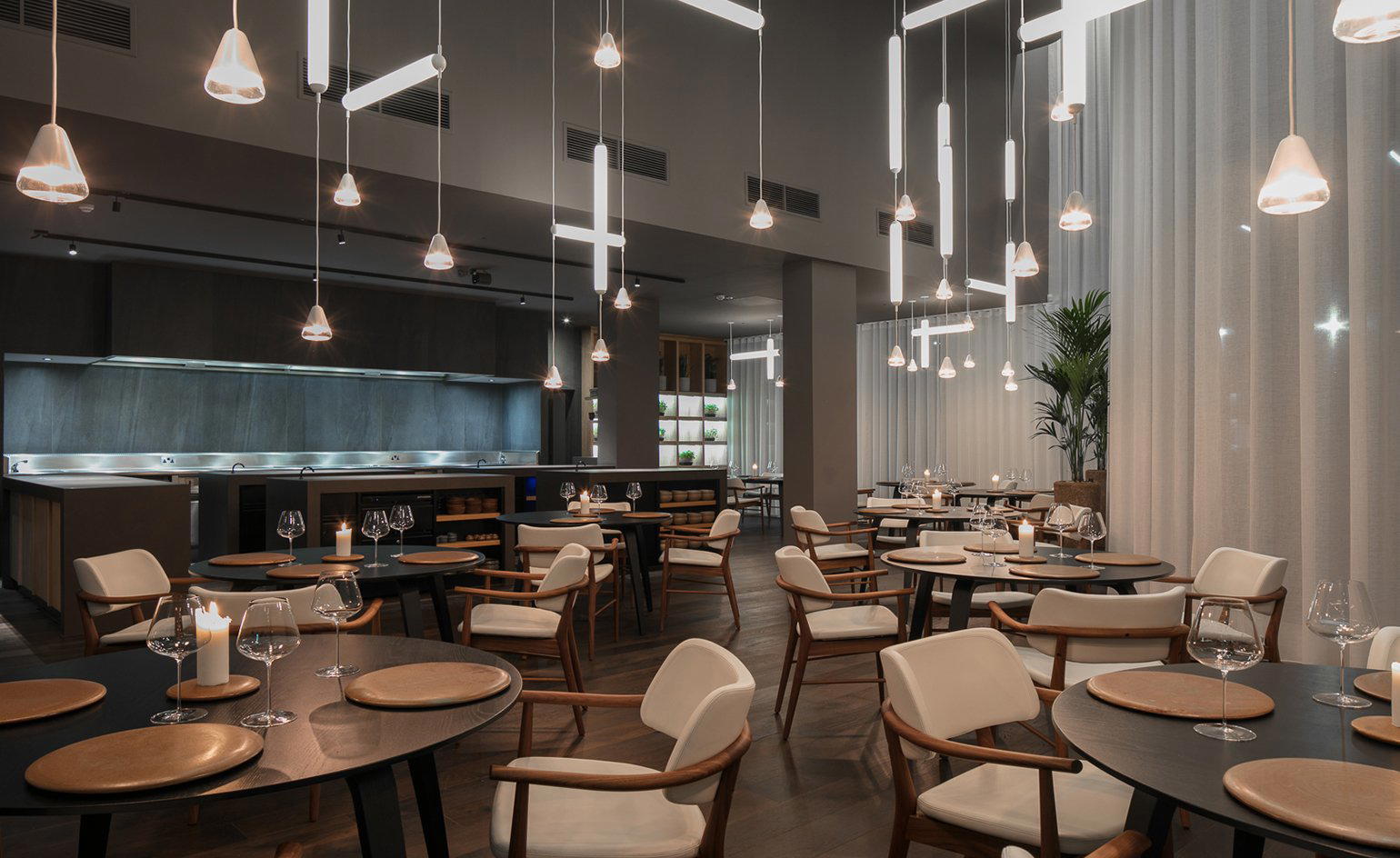
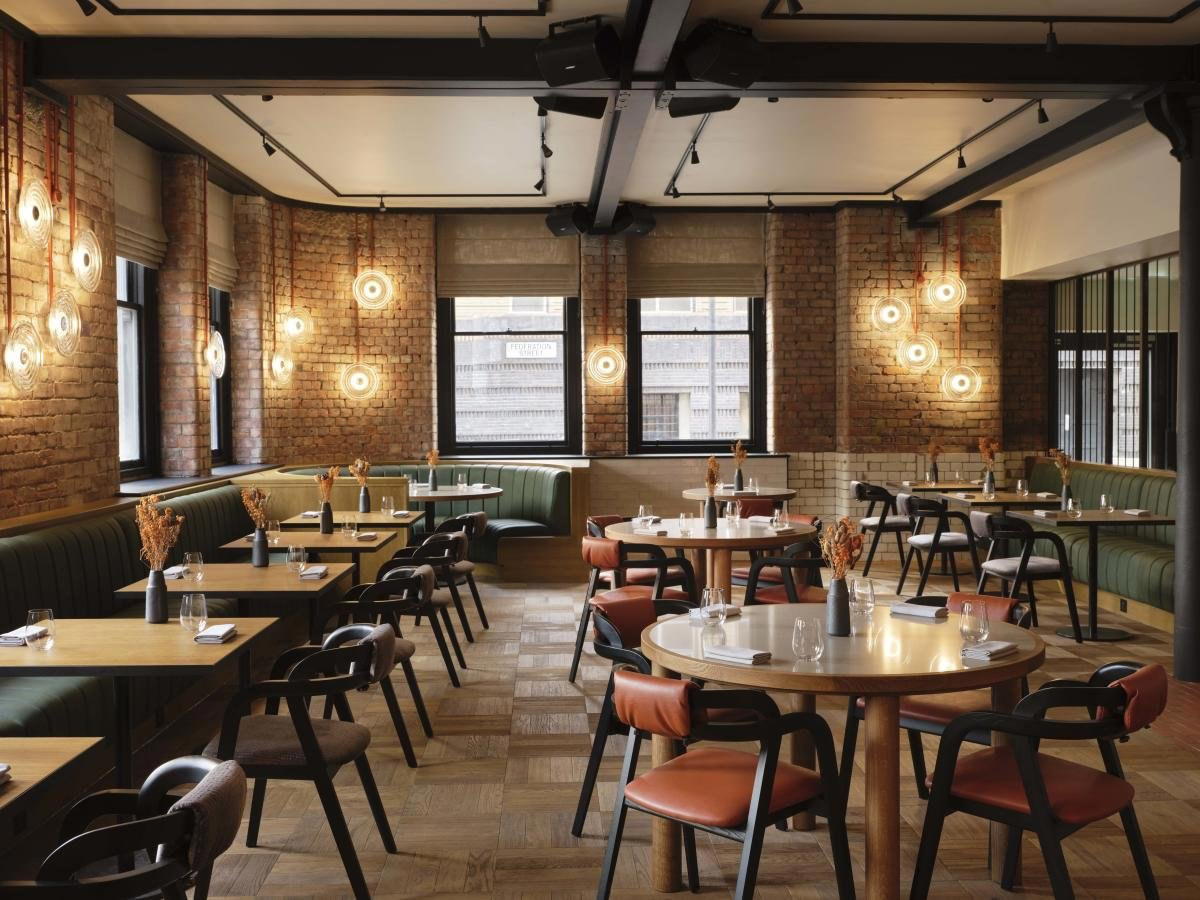
Industrial-chic and design-led, with a light-filled atrium, exposed brick, cast-iron columns, and a lively social-hub atmosphere that blends hotel guests with local visitors.