Tête en l'air serves French Market Bistro cooking at 19 Av. Emmanuel Maignan in Toulouse, with local sourcing and riz au lait caramel beurre salé noix de pécan.
Pearl is the En Primeur Club membership app — saves, bookings, and concierge access live there. Same editors, same standards.
- Address
- 19 Av. Emmanuel Maignan, 31200 Toulouse, France
- Phone
- +33988394026
- Website
- restaurant-tetenlair.com
- Directions
- Get directions
 Saves & bookings on Pearl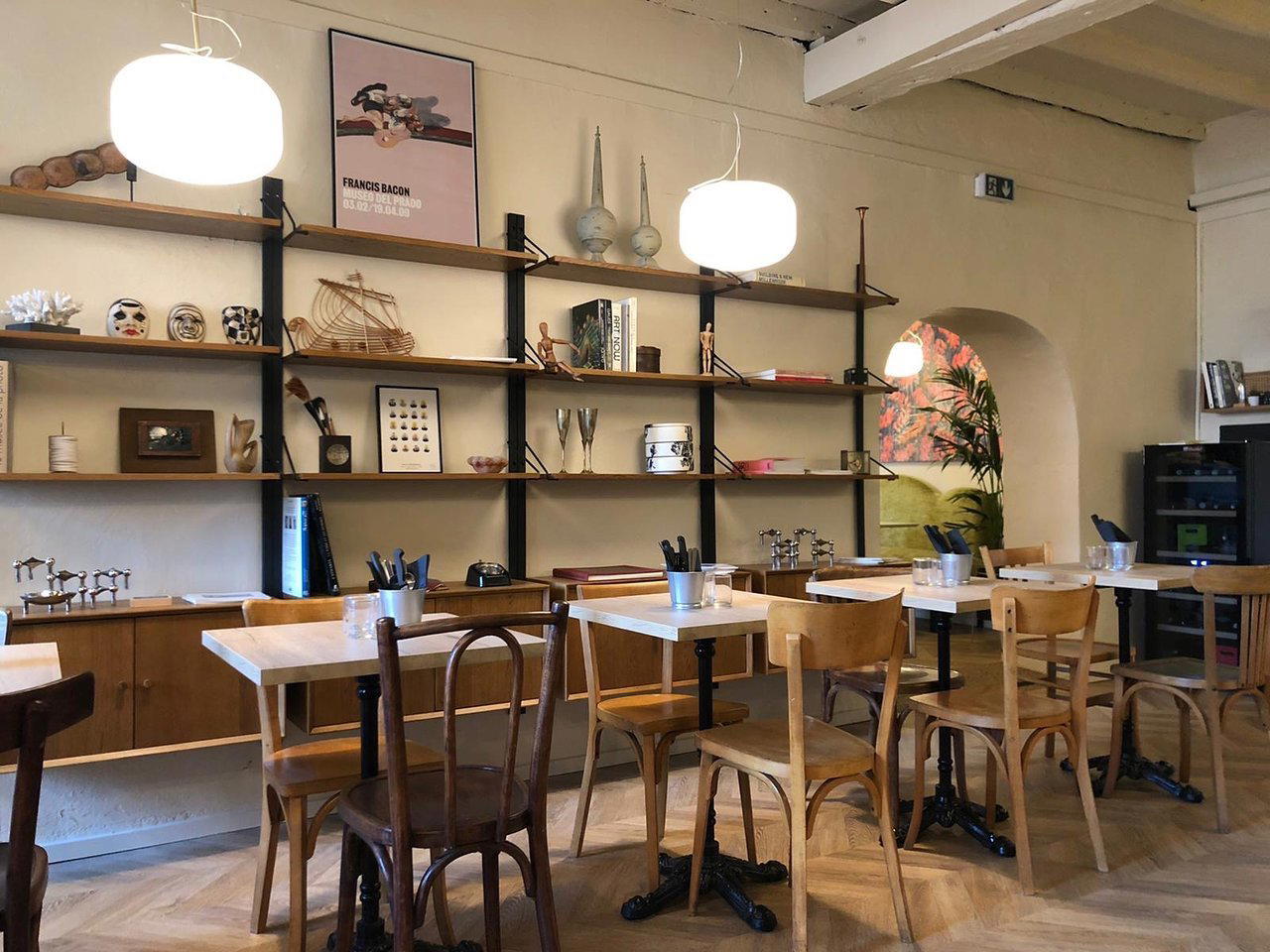
Where Avenue Emmanuel Maignan Meets a Quieter Kind of Ambition
There is a particular register of Toulouse restaurant that sidesteps the city's well-documented appetite for spectacle. These are places that arrive without fanfare, occupy addresses that require looking up rather than stumbling upon, and communicate their intentions through the plate rather than the press release. The address places it away from the dense restaurant cluster around Place Wilson and the Canal du Midi tourist circuit, in a part of Toulouse where the dining public tends to be local rather than transient.
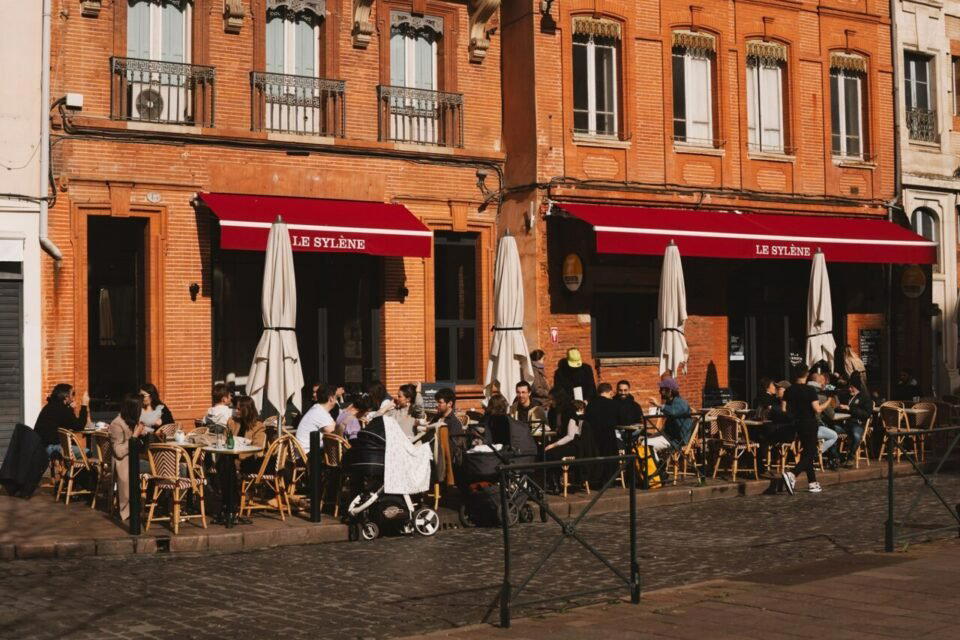
Approaching from the avenue, the venue reads less as destination than as neighbourhood fixture, which in France is rarely a disadvantage. French urban dining has long valued the restaurant that belongs to its street over the one that announces itself from it. That sense of rootedness matters especially when the broader editorial framing concerns sustainability, sourcing ethics, and an orientation toward the immediate rather than the imported.
The Toulouse Context: A City That Sources Seriously
Toulouse's dining identity has never been reducible to cassoulet and foie gras, though both remain reference points. The city sits within reach of the Gers, the Aveyron, the Pyrénées, and the Hérault wine country, a geographic position that gives serious kitchens access to some of France's most coherent regional produce networks. Chefs in the €€€ to €€€€ bracket here have spent the past decade doing what their counterparts in Lyon and Bordeaux had already been doing: building direct relationships with small-scale producers, shortening supply chains, and treating seasonal constraint as a creative asset rather than a limitation.
That shift is visible across the city's serious dining tier. Michel Sarran, operating at the summit of the Toulouse market, has long emphasised southwest terroir as the anchor for his tasting menu format. Py-r runs a similarly produce-led creative programme. Acte 2 Yannick Delpech and SEPT occupy the middle band of the market where modern cuisine technique meets regional ingredient sourcing at a price point that draws a broader dining public. Agapes works a comparable register. Tête en l'air operates within this continuum, in a city where the farm-to-table orientation has moved from differentiator to baseline expectation among quality-conscious diners.
Sustainability as Structural Commitment, Not Aesthetic Gesture
France's most credible sustainability-oriented kitchens in recent years have distinguished themselves not by menu language but by operational choices: what they refuse to source as much as what they choose, how they handle waste, and whether their supplier relationships involve genuine reciprocity or simply box-ticking proximity claims. The restaurants in France that have set the reference points for this approach include Mirazur in Menton, which committed to biodynamic growing on its own land before sustainability became a menu talking point, and Bras in Laguiole, where the kitchen's relationship with Aubrac's landscape has been a defining creative constraint for decades, not a recent pivot. Flocons de Sel in Megève and Troisgros in Ouches represent the same seriousness at the three-Michelin-star level.
Below that elite tier, the more instructive comparison set involves restaurants that have built ethical sourcing into their cost structure and menu design without the scale or recognition of the grandes maisons. In Toulouse, the farm-to-table end of the market, where venues like L'Alouette operate at the €€ bracket, has shown that local sourcing is viable without high ticket prices.
Across French fine dining more broadly, the conversation has moved on from whether to source locally to how transparently and how completely. Venues at Alléno Paris au Pavillon Ledoyen and Assiette Champenoise in Reims have both, in different ways, engaged with the question of how classical French technique and contemporary sourcing ethics can coexist without one undermining the other. Auberge de l'Ill in Illhaeusern and Au Crocodile in Strasbourg frame the Alsatian answer to the same question. Paul Bocuse in Collonges-au-Mont-d'Or remains the canonical reference point for a certain kind of French culinary identity that the current sustainability conversation both inherits from and pushes against. Even internationally, venues like AM par Alexandre Mazzia in Marseille, Le Bernardin in New York City, and Atomix in New York City demonstrate how sourcing transparency and culinary ambition can reinforce rather than compete with each other.
What the Address Tells You
Avenue Emmanuel Maignan is a residential artery rather than a dining corridor. A restaurant choosing this address is, by default, making a statement about its intended public: people who live nearby, who come back regularly, who do not need the validation of a tourist-dense postcode. That relationship between venue and neighbourhood is itself a form of sustainability argument. The restaurant embedded in its local community generates repeat custom, reduces its dependence on seasonally volatile tourist traffic, and tends to build supplier relationships that are personal rather than transactional.
This is the model that French neighbourhood bistronomy has championed for two decades, and it is distinct from the more visible farm-to-table positioning of tasting-menu restaurants that source responsibly but price at a level that excludes their immediate neighbourhood. Tête en l'air's location suggests it belongs to the former camp, whether or not the menu explicitly signals it.
Planning Your Visit
The venue is located at 19 Avenue Emmanuel Maignan, 31200 Toulouse, in a residential part of the city that sits outside the main tourist and dining circuits. Given the address and format, reservations are recommended, particularly for Thursday and Friday dinner service. The restaurant is closed on Saturday and Sunday, and weekday lunch service runs Monday through Friday, with Thursday and Friday also offering dinner. Toulouse's public transport network connects the southern arrondissements adequately; driving or taxi remains one direct option from the city centre.
Cuisine and Credentials
Comparable venues nearby, for context on price, style, and recognition.
| Venue | Cuisine | Price | Notes |
|---|---|---|---|
| Tête en l'airThis venue — the venue you are viewing | French Market Bistro | $$ | Not listed |
| Le Restaurant | French Regional Bistro | $$ | Capitole / Arnaud Bernard / Carmes |
| Blanquette | Modern French Bistro | $$ | Les Chalets / Bayard / Belfort / Saint-Aubin / Dupuy |
| Café La Fiancée | Brunch Toulouse Capitole | French Brunch Café | $$ | Capitole / Arnaud Bernard / Carmes |
| Mordus | Neo-bistro Market Cuisine | $$ | Saint-Michel / Saint-Agne / Empalot / Le Busca / Île du Ramier / Monplaisir |
| Combustible | Modern French Bistro | $$ | Capitole / Arnaud Bernard / Carmes |
Continue exploring
More in Toulouse
Restaurants in Toulouse
Browse all →
At a Glance
- Cozy
- Retro
- Intimate
- Casual Hangout
- Family
- Local Sourcing
Current opening hours
- Monday
- 12–2 PM
- Tuesday
- 12–2 PM
- Wednesday
- 12–2 PM
- Thursday
- 12–2 PM, 7:30–10 PM
- Friday
- 12–2 PM, 7:30–10 PM
- Saturday
- Closed
- Sunday
- Closed
Hours can change for holidays and private events. Last verified .
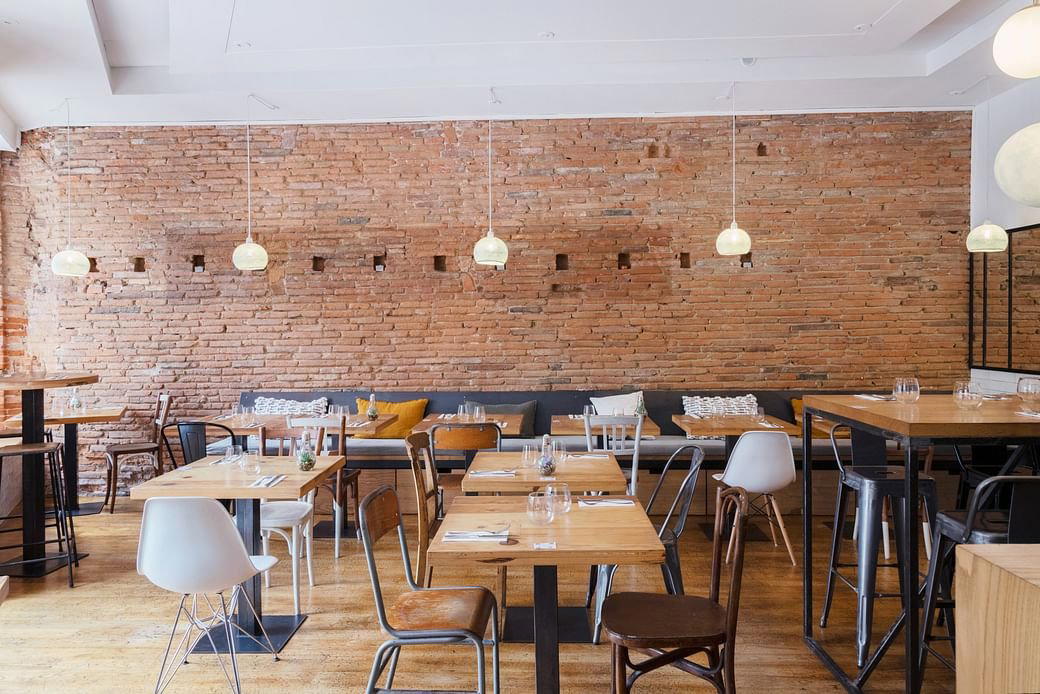
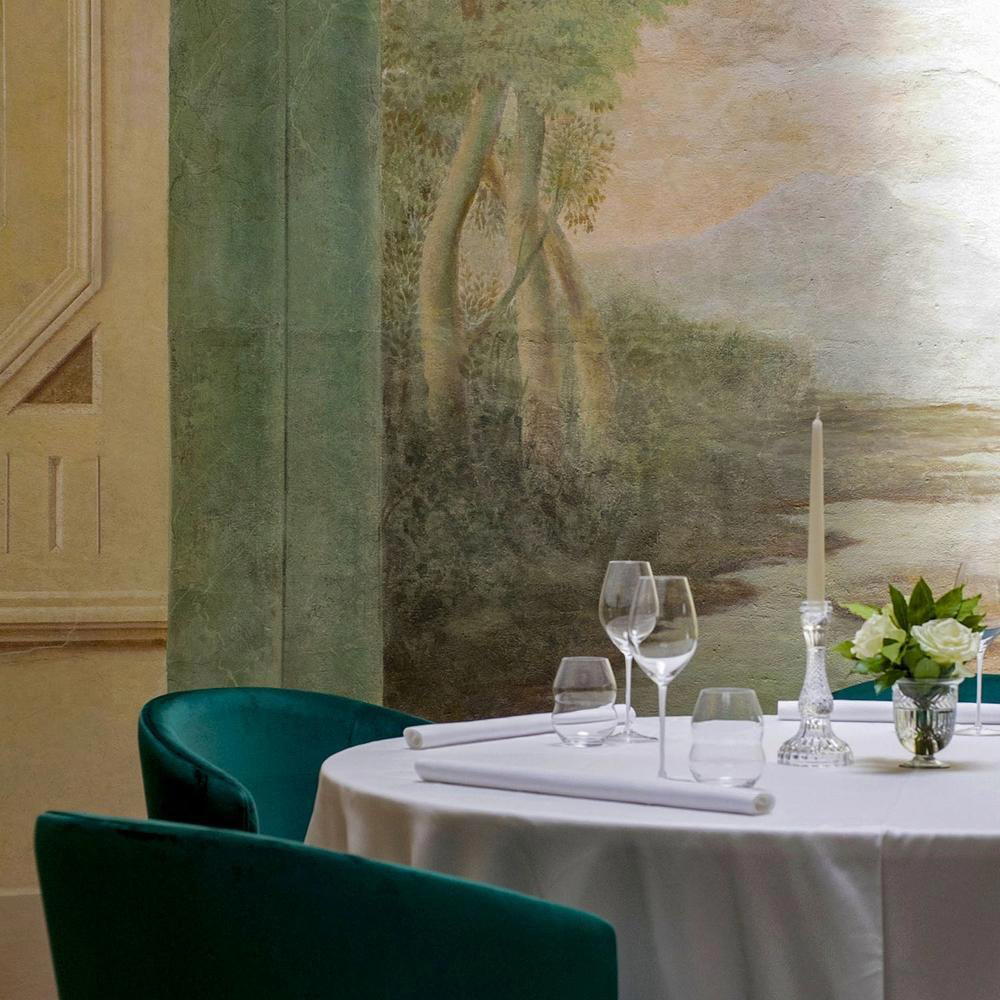
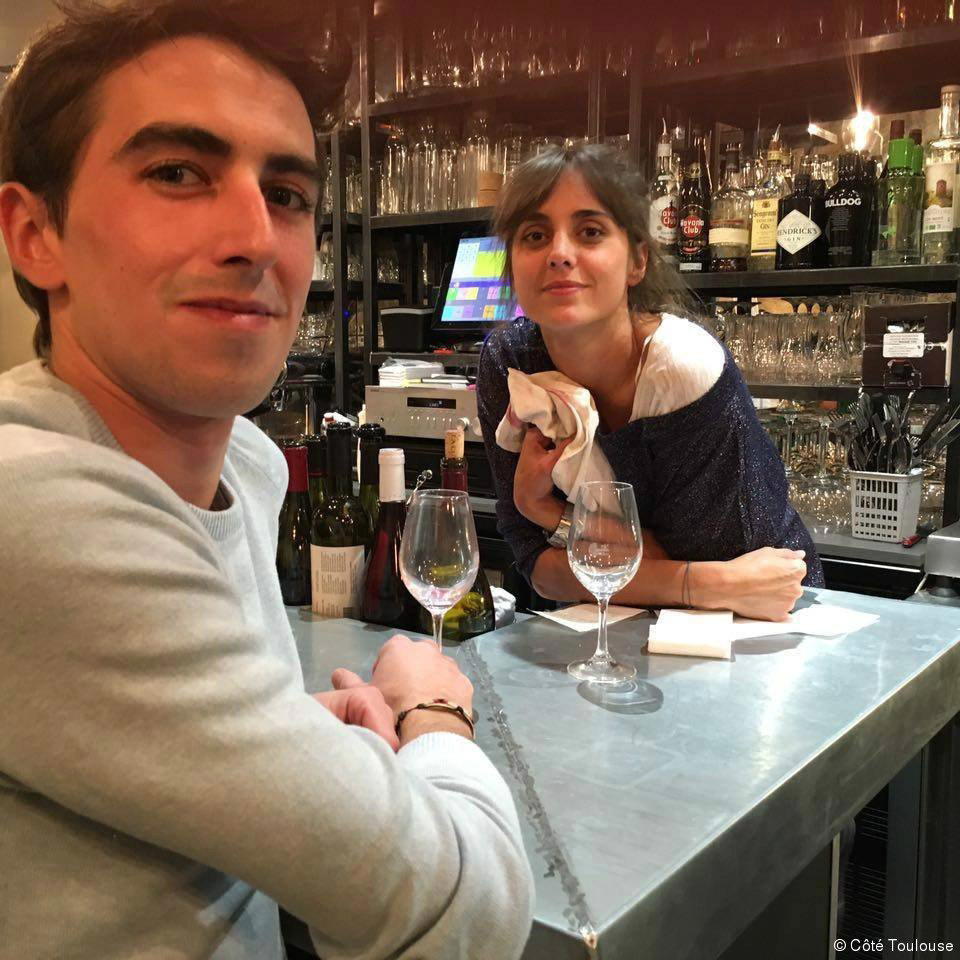
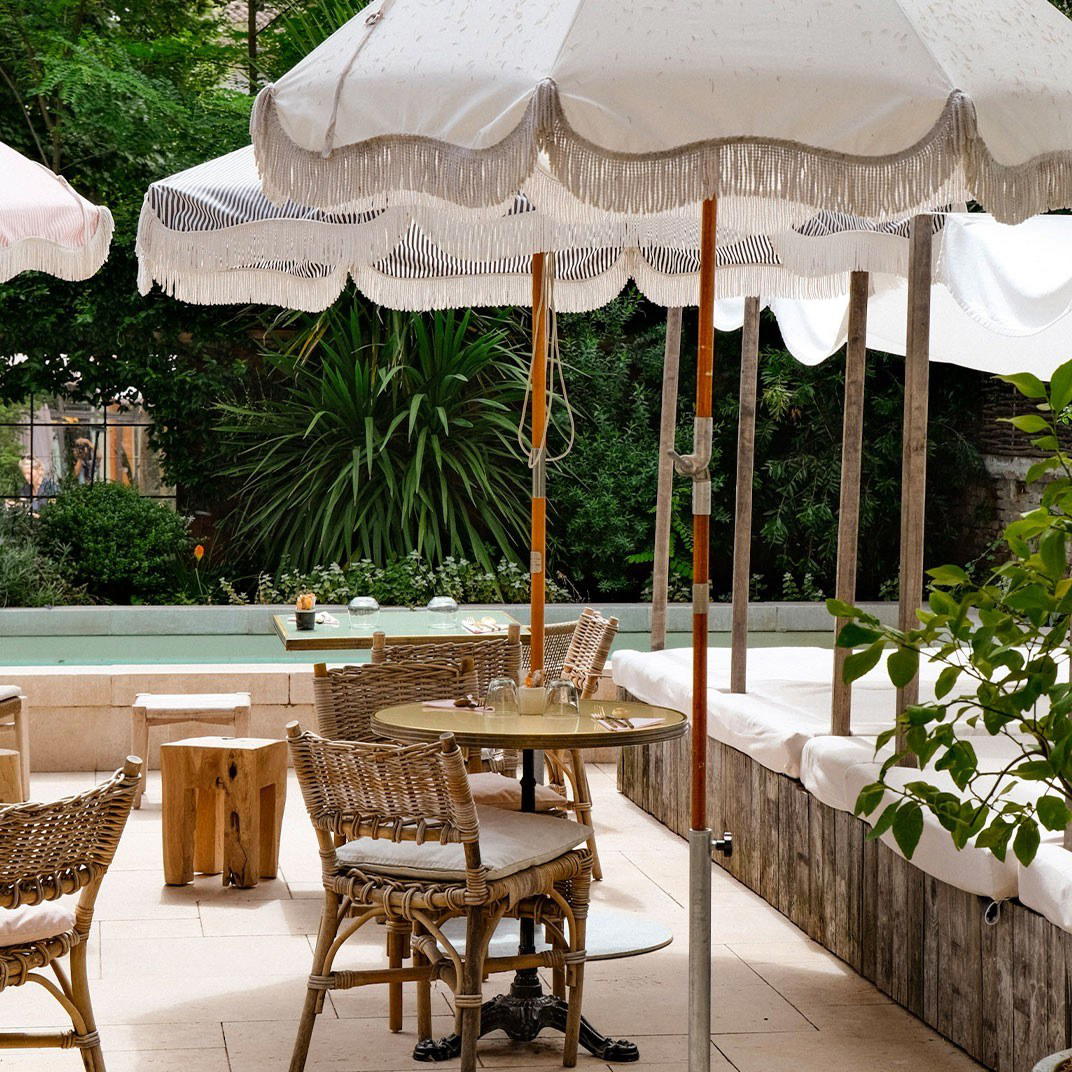
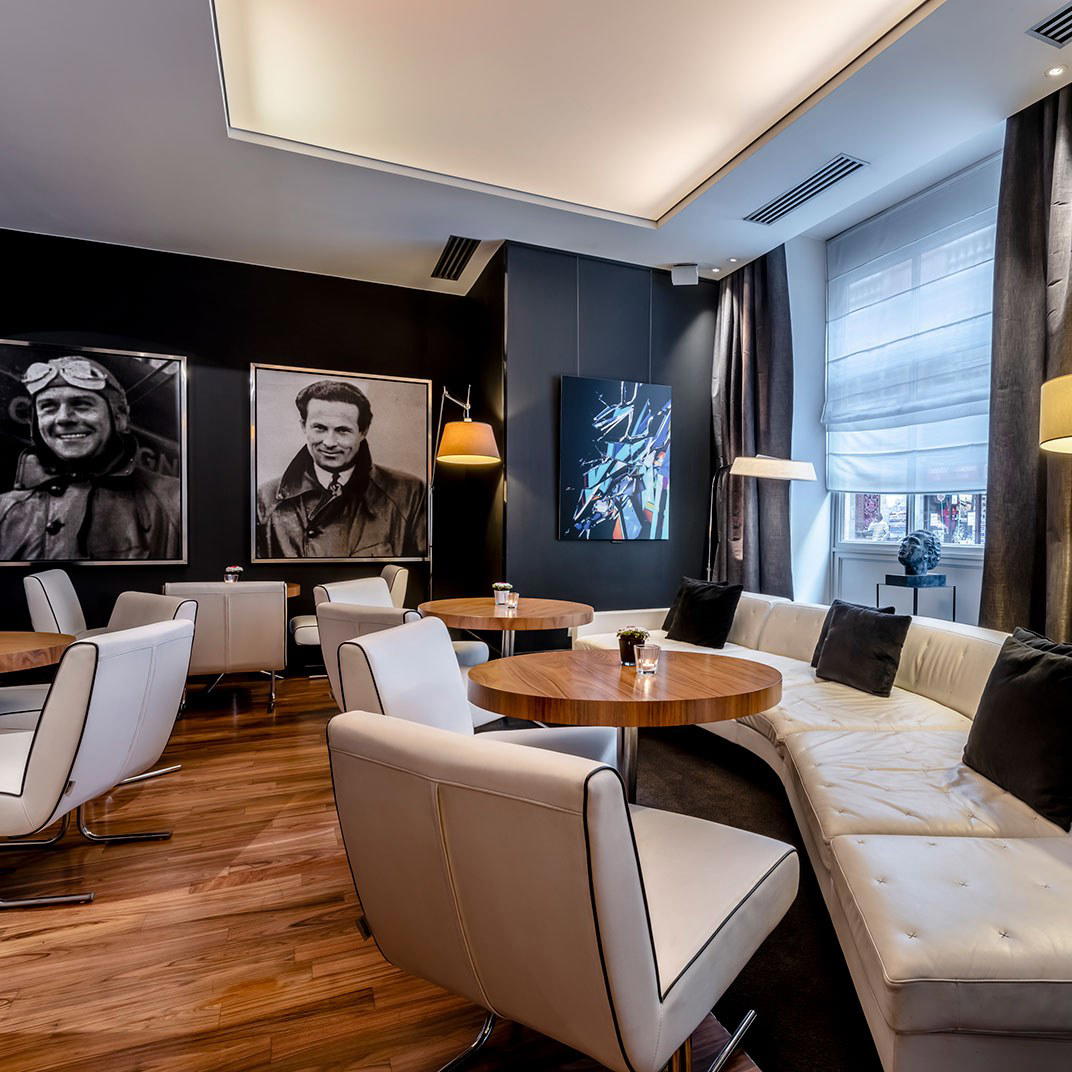
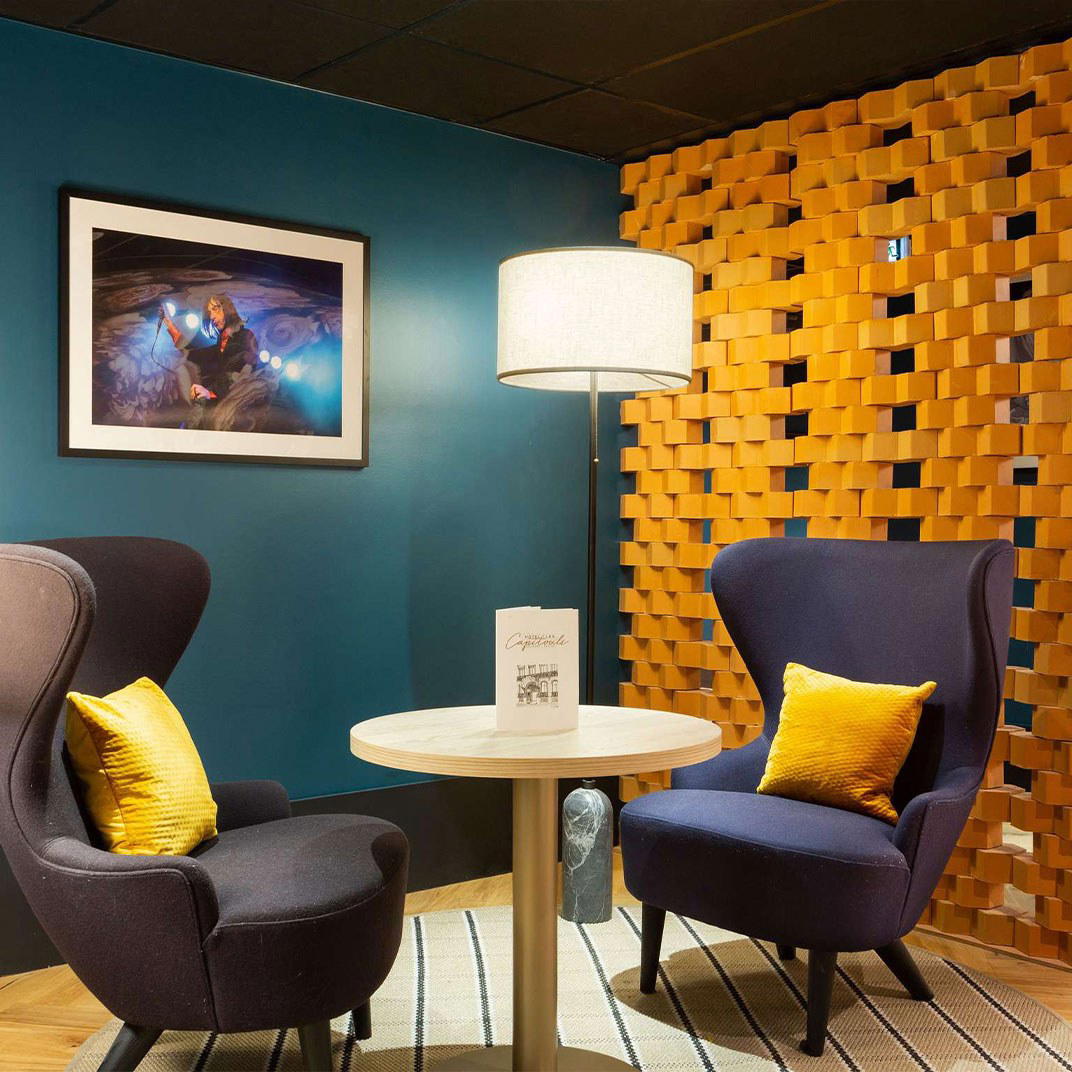
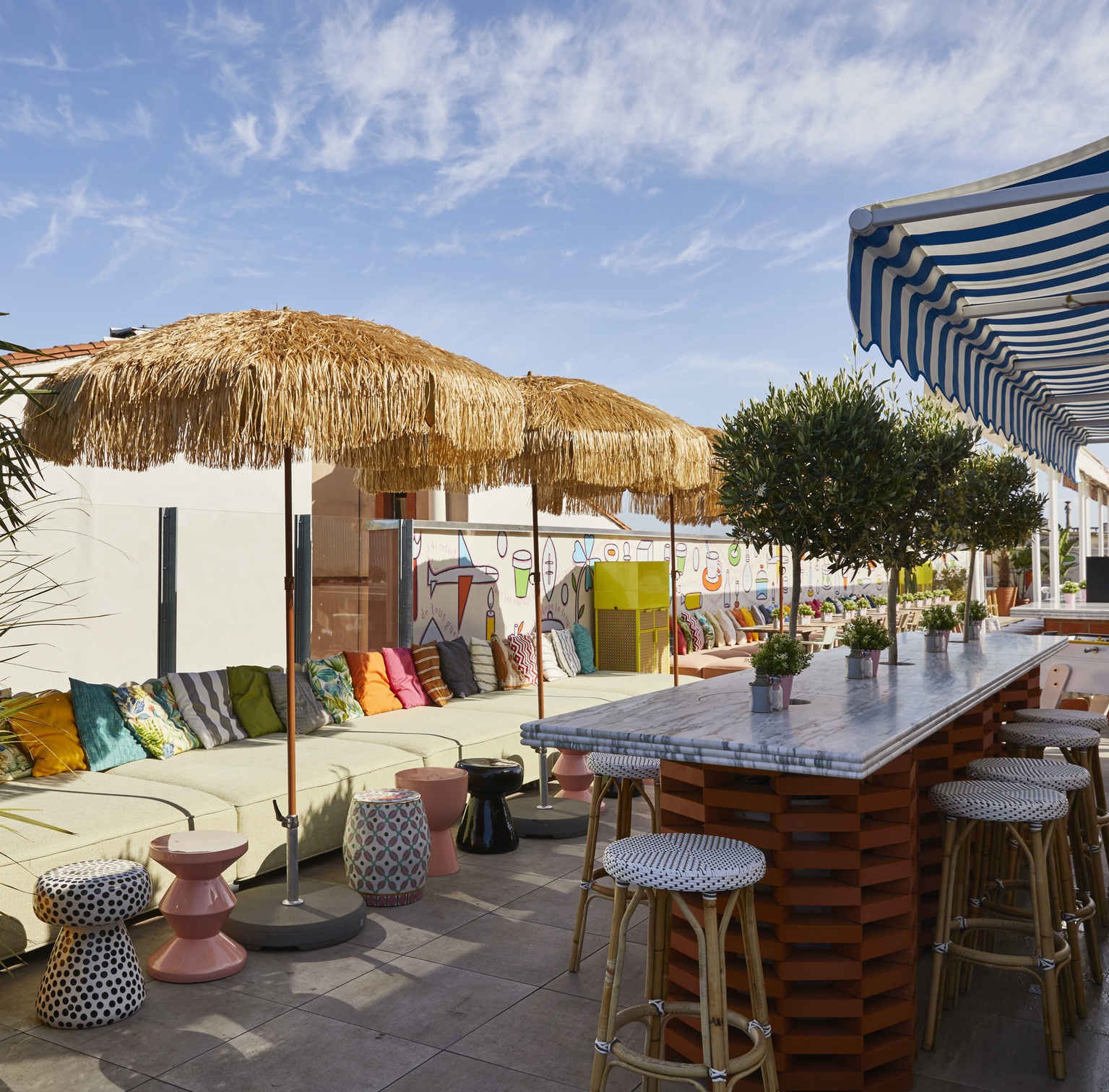
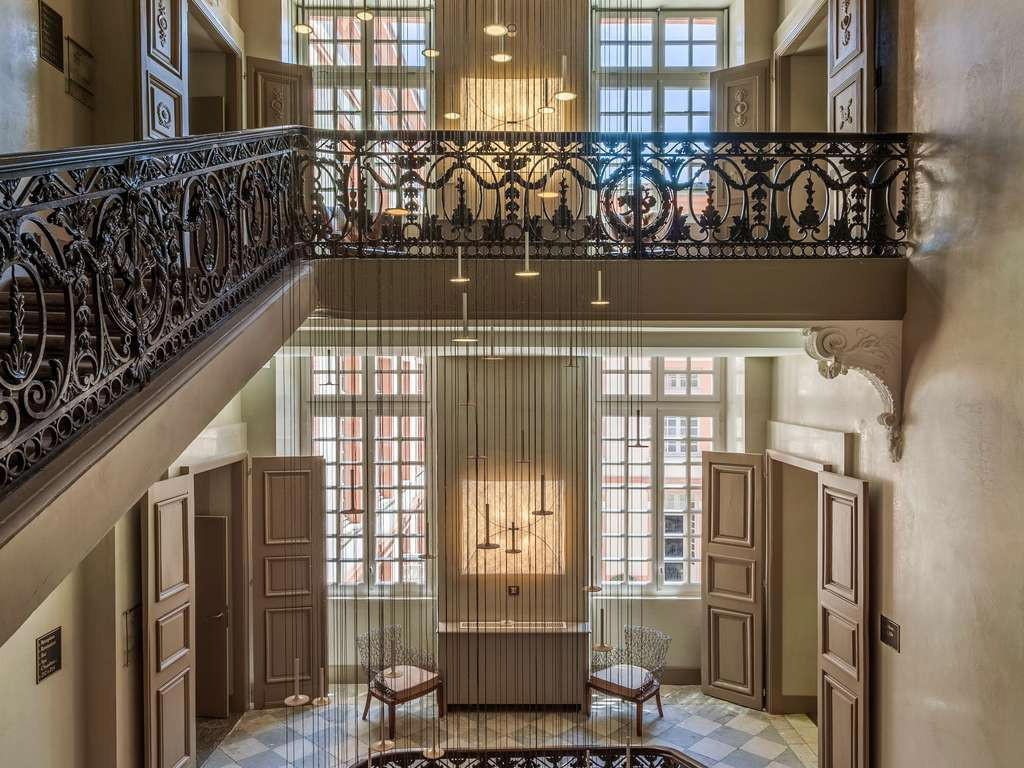
Retro decor with charm of yesteryear, calm and cozy atmosphere evoking a familial bistro feel.