
Tabelog 100 #99
Our verdict
A basement bar in Ginza with 21 seats, counter-first geometry, and a cocktail focus recognized by Tabelog 100 Bar 2022. BAR Opa Ginza belongs to Tokyo’s disciplined small-bar culture: intimate, formal enough to discourage beachwear-level casualness, and priced in the JPY 4,000–4,999 evening bracket.

Pearl is the En Primeur Club membership app, where members save venues, book tables and use the concierge.
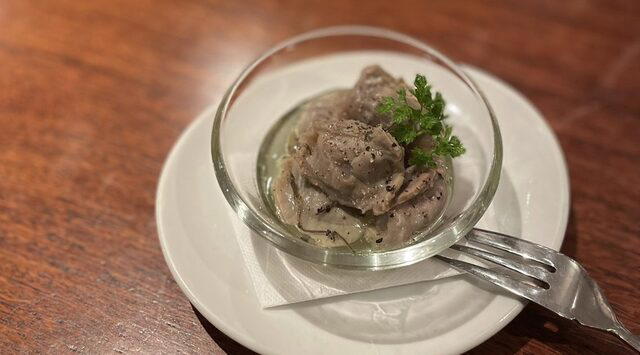
Ginza’s serious bars often start below street level, where retail glare gives way to lower ceilings, closer voices, and counter choreography. BAR Opa Ginza follows that Tokyo grammar: a basement address in Ginza 1-chome, 21 seats, and an 11-seat counter that makes the room feel less like a lounge than a workshop. In a district where cocktail bars compete through precision rather than volume, the container matters: seating, sightlines, and service pace shape the evening before the first glass lands.
Tokyo’s bar culture rewards small rooms with strong habits. Serious cocktail addresses are rarely built for large groups or table-hopping; they favor proximity to the bartender, measured conversation, and fewer decisions than a hotel bar menu might suggest. BAR Opa Ginza’s Tabelog 100 Bar 2022 selection places it inside Japan’s recognition system, where repeat local use and category-specific evaluation matter more than international spectacle. Its 3.79 Tabelog score signals established domestic attention rather than imported glamour.
A Ginza basement room built around the counter
The spatial logic is direct: 11 counter seats, four two-person tables, and one four-person table. The counter is the main event; tables absorb pairs or a small group without turning the room into a party bar. The posted request to limit visits to a maximum of four people reinforces the point. This is Tokyo small-format drinking culture at its clearest, with scale controlled to protect tempo, acoustics, and service rhythm.
Ginza has multiple price tiers within a few blocks. STAR BAR GINZA sits higher in the comparison set at JPY 6,000–7,999, while BAR Opa Ginza occupies a lower evening bracket at JPY 4,000–4,999. That matters for travelers planning a night around cocktails rather than a full tasting-menu dinner. It is not a casual budget bar; it is a serious Ginza cocktail address with a spend level that leaves room for dinner before or after. Nearby dining stretches both ways, from the much higher JPY 40,000–49,999 bracket at Oryori Shibuu to more casual Ginza stops such as Ginza no Ginger Ginza honten.
The design also explains why solo drinking works here. Counter seating in Tokyo is not a consolation prize; it is often the clearest view of the bar’s discipline. For solo guests, it removes the awkwardness of occupying a dining table. For pairs, it makes the evening quieter and more deliberate. For groups, the four-person ceiling is the practical boundary. Anyone seeking a loud celebratory bar should choose another category.
Cocktails, restraint, and the local recognition economy
The defining idea is not a named drink or chef-led story. It is a cocktail bar built around technique, compact seating, and Ginza formality. The listing notes cocktails and a particular focus on cocktails, placing the bar in Tokyo’s classic cocktail lineage without inventing a house serve. Here, restraint is a competitive language. Menus matter, but the stronger signal is often the seriousness of the room: counter seating, controlled party size, and a late-night service window.
Tabelog 100 Bar 2022 recognition is the relevant trust marker. For visitors used to global bar lists, Tabelog’s category lists can be more useful in Japan because they reflect domestic dining and drinking habits rather than destination travel narratives. A Tabelog 100 selection does not automatically mean theatrical cocktails or elaborate garnishes; it usually points to category consistency, local repeat value, and craft that Japanese drinkers have taken seriously enough to keep in circulation.
That distinction helps in Ginza, where the surrounding dining scene can overwhelm first-time visitors. Sushi counters such as Sushiya Ichiyanagi, French dining such as Dominique Bouchet Tokyo, and high-spend Japanese restaurants share the same urban grid, but cocktail bars play a different role. They extend the night rather than define the itinerary. BAR Opa Ginza reads best as a calibrated Ginza stop: formal enough to require attention, compact enough to feel local, and priced below some of the district’s more expensive cocktail rooms.
Travelers building a broader Tokyo plan can cross-reference Our full Tokyo bars guide, then map dinner around Our full Tokyo restaurants guide. The wider city file also includes hotels, wineries, and experiences via Our full Tokyo hotels guide, Our full Tokyo wineries guide, and Our full Tokyo experiences guide. For adjacent restaurant research, EP Club’s Tokyo and Japan entries range from. 鮪と炭火焼き うお炭 秋葉原店, 12/10 Shinjuku ten, 124. KAGURAZAKA (Yakitori), 2D Cafe, and 3 Chome no Curry Ya San to regional and international references such as -Grilled beef Sukiyaki- KAMAKURA TANUKIAN 鎌倉 たぬき庵 in Kamakura.cafe in Osaka.know in Kumamoto, (Shoku) Vietnam in Kawasaki, [Curry Senmon Ten] Maruyama Kyoju. in Sapporo, [ki:] in Kyoto, Jōdo Saké Bar in Los Angeles, and Onigiri Time in Pasadena.
Who should put it on a Ginza night plan
This suits drinkers who value a controlled room over a theatrical one. The counter-led layout fits solo guests and pairs, while the four-person guidance sets expectations for small groups. The no-smoking policy, credit-card acceptance, and late operating hours from Monday through Saturday make it practical by Tokyo standards, but the lack of parking and basement setting make rail access cleaner. Ginza-itchome is the natural station reference, with Yurakucho also workable for visitors connecting from dinner.
The editorial judgment is simple: BAR Opa Ginza belongs in a Ginza itinerary when the goal is a compact, craft-focused cocktail stop rather than a scene-driven night out. The award signal, seat count, and party-size discipline all point the same way. It is a room designed for attention, not drift.
Recognition Snapshot
Comparable venues at a glance for context.
| Venue | Cuisine | Price | Awards | Notes |
|---|---|---|---|---|
| BAR Opa GinzaThis venue (the venue you are viewing) | Classic Cocktail Bar | $30–50 | Tabelog 100 #99 | Not listed |
| No.4 | Bakery café and casual all-day restaurant | $20–30 | Tabelog 100 #38 | Chiyoda |
| PÂTISSERIE BIEN-ÊTRE | French-style patisserie and dessert shop | $10–20 | Tabelog 100 #59 | Shibuya |
| Nicolas | Japanese-style cafe and sweets | $10–20 | Tabelog 100 #70 | Setagaya |
| Parlour Laurel | Classic Japanese-French patisserie and café | $10–20 | Tabelog 100 #91 | Setagaya |
| Neighbors Café | Organic Grab-and-Go Cafe | Not listed | Not listed | Akasaka |
Recognition history
Dated appearances from independent guides and award organizations, with the underlying list record or original source where available.
Tabelog 100 #99 · No. 99
Tabelog · Tabelog 100 - Bar - 2022
Continue exploring
More in Tokyo
Restaurants in Tokyo
All restaurants in Tokyo →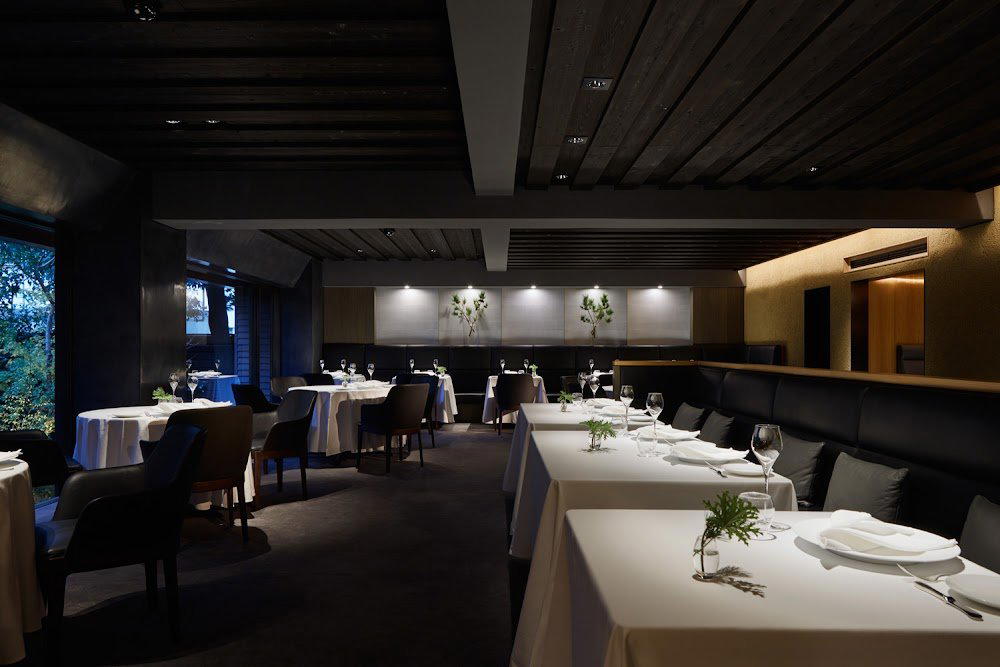










Details
- Classic
- Intimate
- Sophisticated
- Quiet
- Solo
- Date Night
- After Work
- Casual Hangout
- Special Occasion
- Standalone
- Historic Building
- Craft Cocktails
- Zero Proof
- Beer Program
- Local Sourcing
- Street Scene
- A La Carte
- Counter Dining
- Cocktails
- Zero Proof Cocktails
- Beer
- Vegetarian Friendly
- Vegan Options
- Gluten Free Options
Current opening hours
- Monday
- 5 PM–1 AM
- Tuesday
- 5 PM–1 AM
- Wednesday
- 5 PM–1 AM
- Thursday
- 5 PM–1 AM
- Friday
- 5 PM–1 AM
- Saturday
- 5 PM–1 AM
- Sunday
- Closed
Hours can change for holidays and private events. Hours as of .
Refined, unhurried, and quiet, with a classic basement-bar feel that emphasizes craftsmanship over spectacle.