Google: 4.6 · 877 reviews

Eight years into its run on Agricola Street, Bar Kismet holds a specific position in Halifax dining: a room that trades in Mediterranean and French regional cooking, weekly-changing menus, and a beverage program anchored to Eastern Canadian producers. The food moves with the seasons and the local catch, which is reason enough to return more than once.
 Discover on Pearl
Pearl is the En Primeur Club membership app — saves, bookings, and concierge access live there. Same editors, same standards.
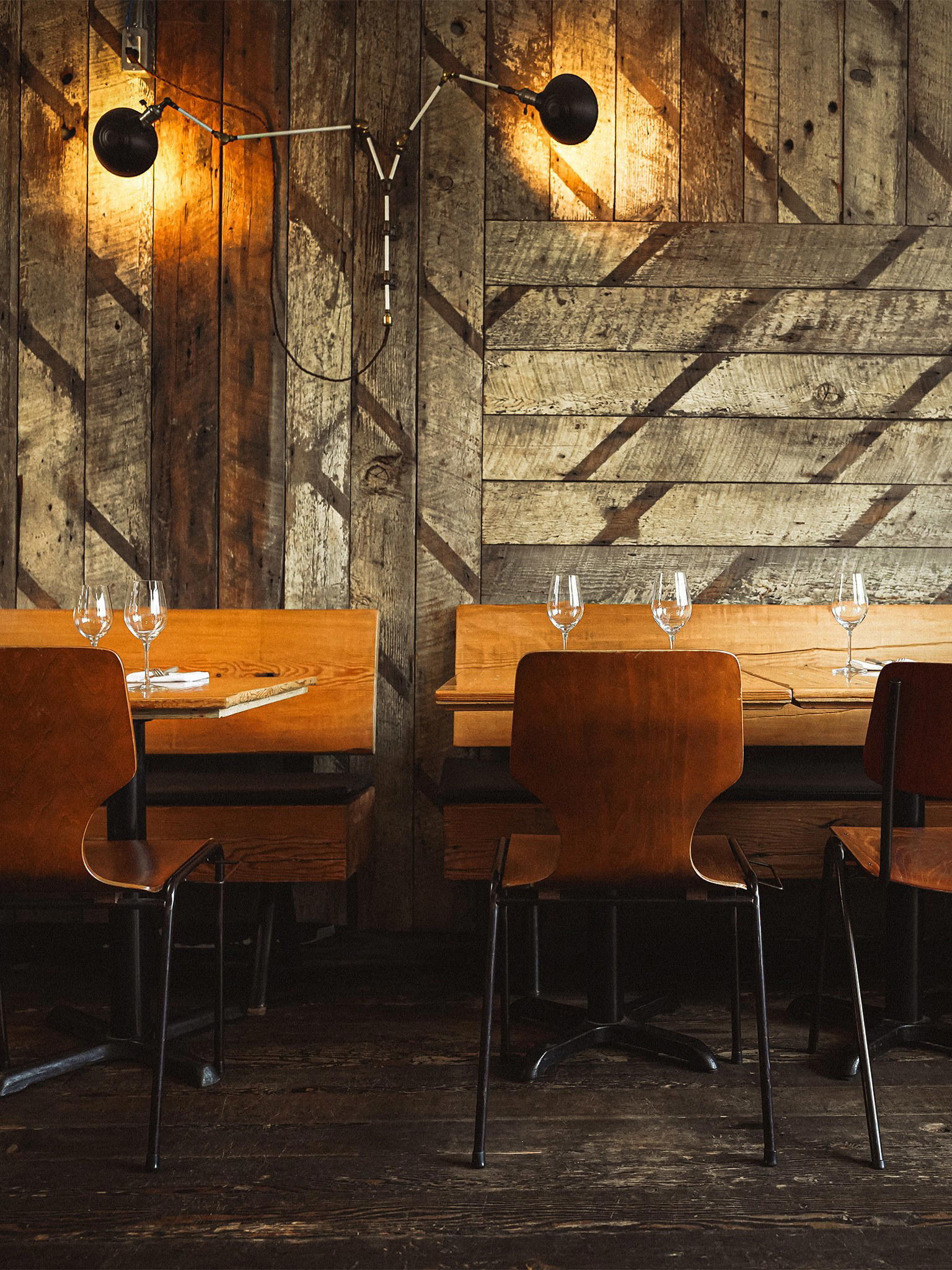
Dark Wood, Beadboard, and the Discipline of Weekly Menus
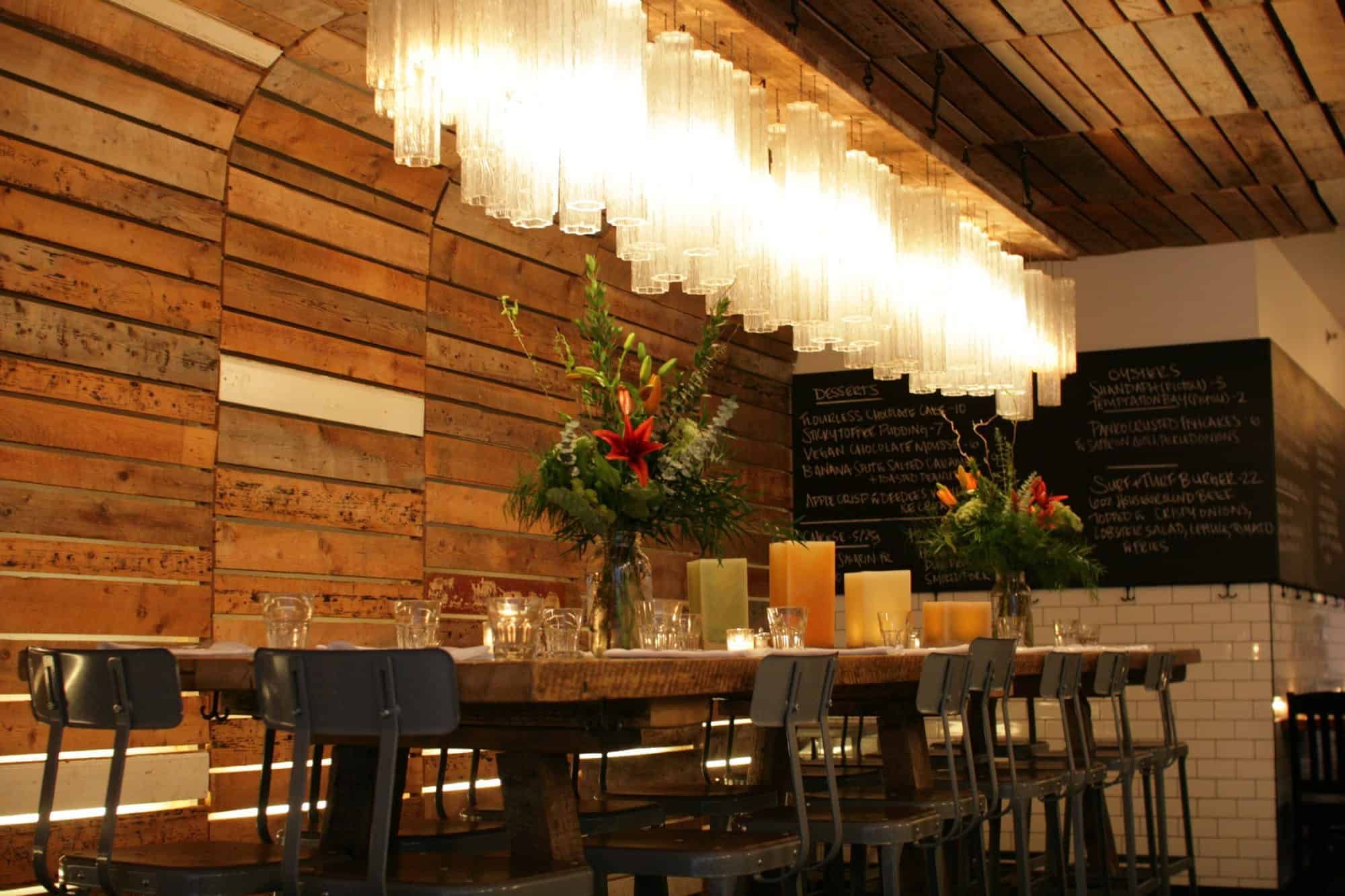
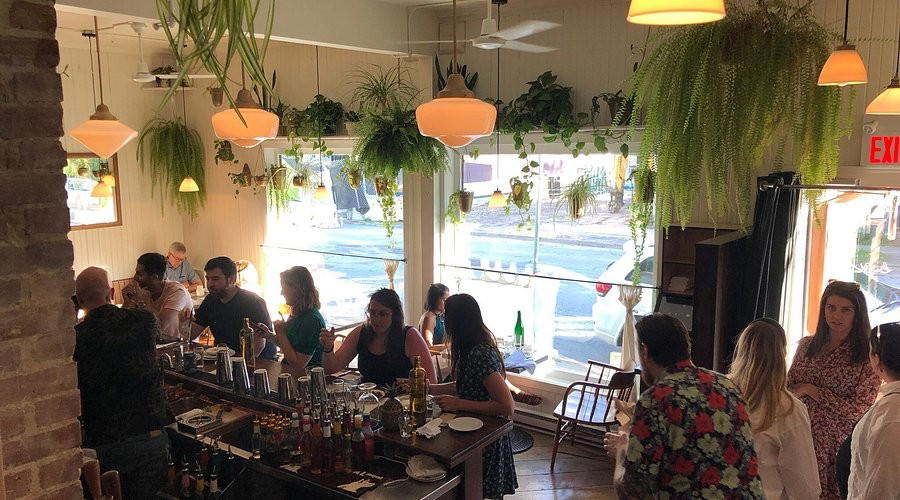
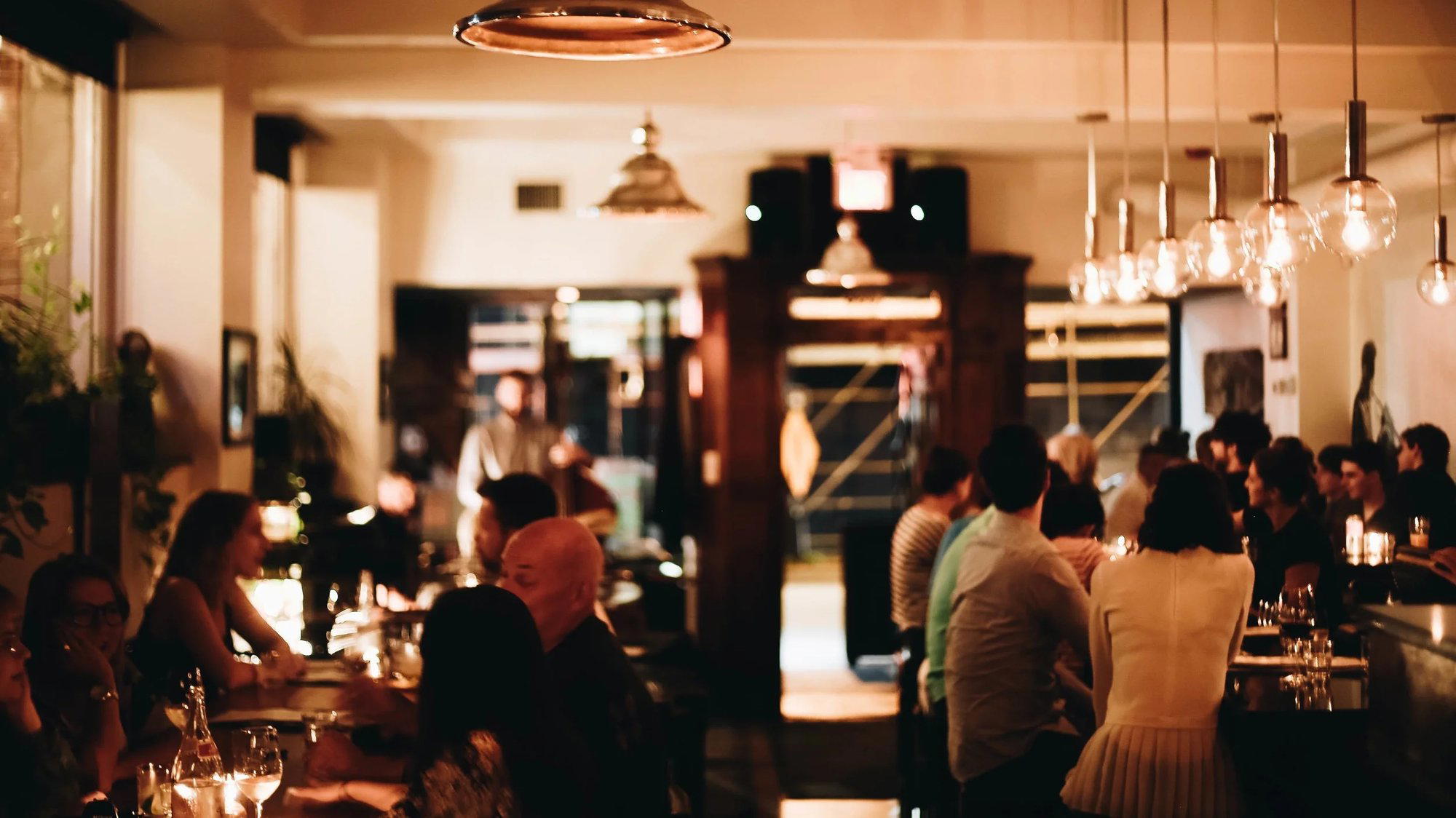
On Agricola Street in Halifax's north end, the signals of what Bar Kismet is arrive before you sit down. Dark wood and white beadboard, milk-glass light fixtures, mix-and-match china, and potted plants compose a room that reads somewhere between a grandmother's dining room and a French farmhouse inn. The comfort is deliberate but not cloying. After eight years of operation, the space has the settled confidence of a place that stopped trying to impress and simply started working — a condition that many newer rooms spend years chasing and never quite achieve.
That atmosphere frames a particular kind of dining: ingredient-forward, regionally sourced, structured by a menu that changes most weeks. In a city where Halifax's restaurant culture has matured considerably over the past decade, Bar Kismet's format sits in a specific niche. It is not a destination showcase for a named chef's biography. It is a room organised around what is available, what is growing, and what is running in Atlantic waters — and the kitchen's job is to respond to that supply with enough skill to make the choice feel inevitable.
The Source Logic Behind the Menu
The Mediterranean and French regional frame that guides Bar Kismet's cooking is worth examining as a method rather than an aesthetic. Both culinary traditions are built on a core discipline: identify what is good in the immediate environment, then subordinate technique to that material. Applied to Atlantic Canada, that means oysters, clams, and mussels appear not as novelties but as foundational ingredients , the way they would appear on a table in Brittany or the Ligurian coast. Blackened octopus and whelks in their shells extend the same logic outward. The sea is the pantry.
What distinguishes the kitchen's approach is the willingness to move beyond the expected roster of local seafood. Seasonal vegetables receive the same treatment: charred, grilled, braised, torched. Unusual ingredients , tardivo, a colourful, bitter Italian lettuce , appear alongside more familiar proteins, such as seared duck. The combination is not fusion in the modern branding sense but something older: a cook's response to abundance and scarcity at the same time, which is precisely how French regional and Mediterranean cooking developed over centuries.
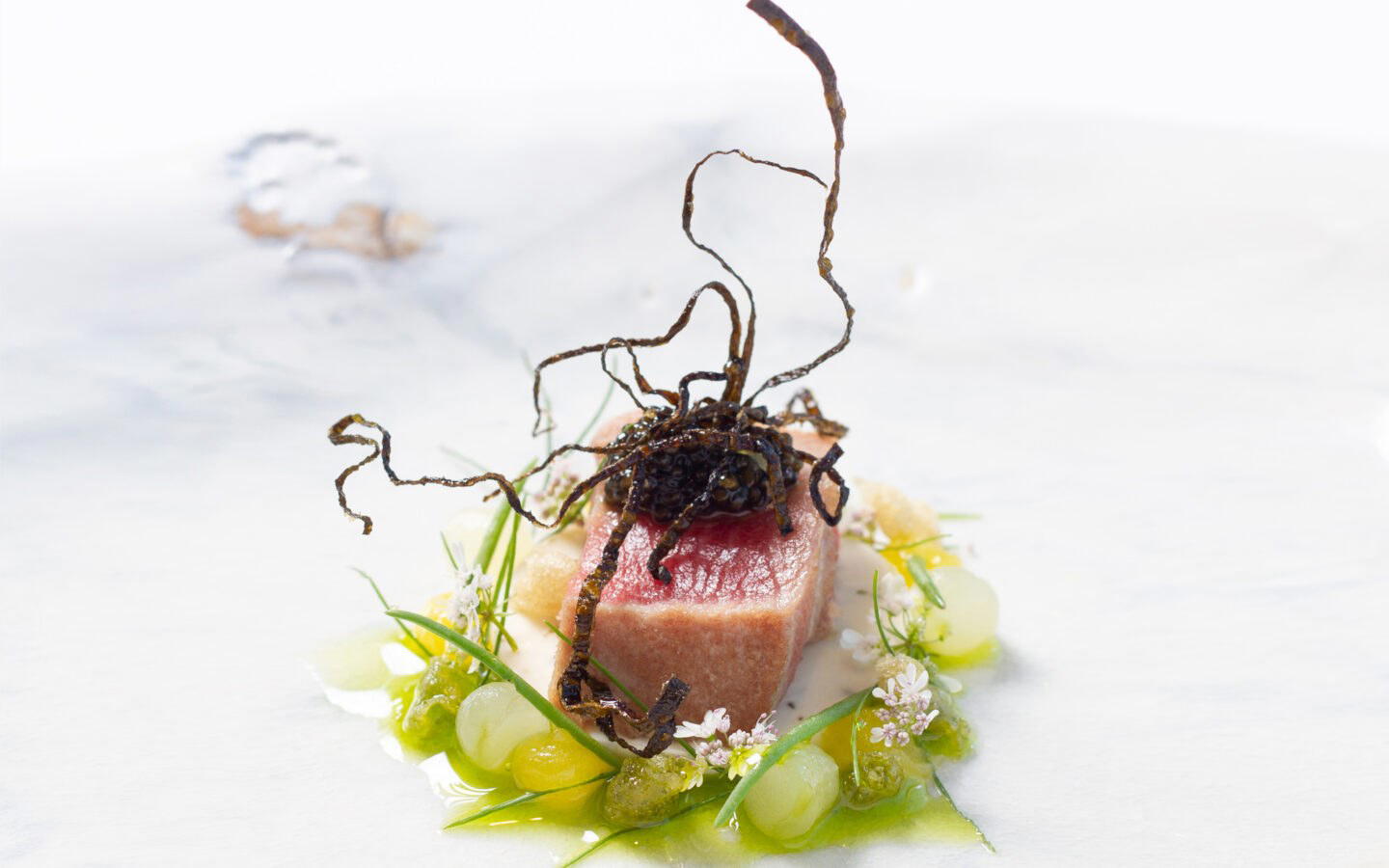
Handmade pasta is a consistent specialty, a craft that requires both technical investment and a willingness to build from scratch each service. Seasonal iterations have included leek and ricotta ravioli doppio with chanterelles. Summer menus have featured albacore tuna with blackberry and beurre noisette , a pairing that uses local catch against a classical French sauce technique, with fruit as the acidic bridge. That kind of combination only works when the tuna is in genuine condition and the kitchen has enough confidence to keep the preparation spare.
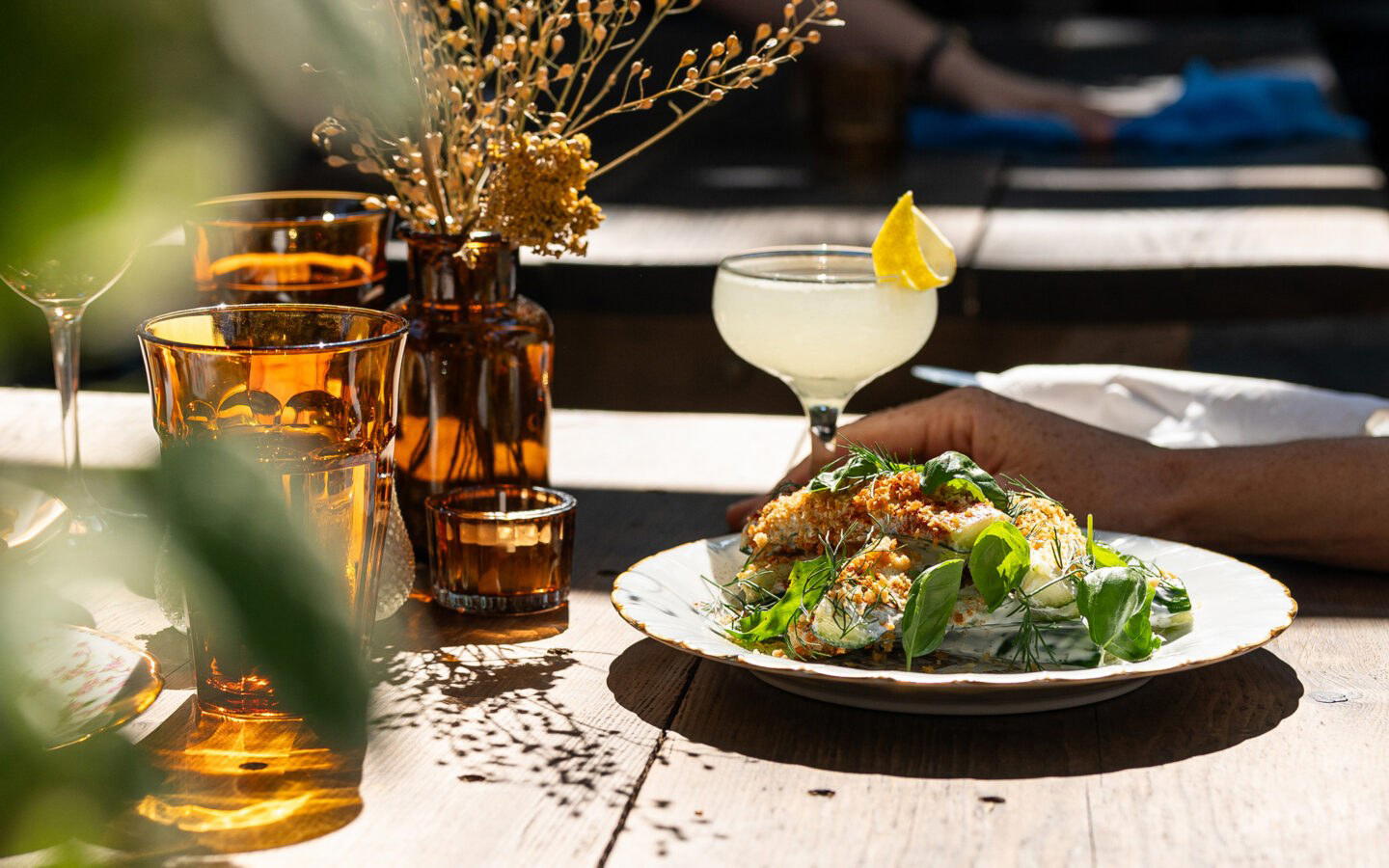
The beverage program is built on the same sourcing logic as the kitchen. Wines and beers focus on Eastern Canadian producers, a deliberate positioning that mirrors the food's regional commitment rather than defaulting to the European labels that most French-inflected rooms reach for automatically. Cocktails change alongside the food menu. Native plants including pineapple weed and spruce tips appear in modern classics, connecting the drink program to the same ingredient geography that drives the plates. The result is a bar that functions as an extension of the kitchen's thinking rather than a separate operation running its own logic.
This kind of integrated sourcing approach , where the bar's foraged ingredients echo the kitchen's local-first ethos , has become more common at ambitious independent restaurants across Canada. Kitchens from Tanière³ in Québec City to AnnaLena in Vancouver have adopted versions of the same philosophy, each calibrated to their specific regional environment. At Bar Kismet, the Atlantic Canadian context gives the approach a particular texture: the proximity of cold-water seafood, the short growing season that intensifies summer produce, and a foraging culture tied to the Maritime landscape.
Eight Years In, and What That Means
Longevity in independent restaurants is its own kind of credential. Bar Kismet has operated for eight years , long enough that the format has been tested against multiple supply conditions, staff changes, and shifts in local dining expectations. Lauren Campbell, a five-year veteran of the kitchen, has taken over head-chef duties from founding chef and co-owner Annie Brace-Lavoie, a transition that speaks to a kitchen with enough depth to evolve without restarting. That kind of internal succession rarely happens without sustained investment in the team over time.
The weekly-changing menu is what makes the longevity meaningful rather than simply familiar. A restaurant that runs the same menu for years builds loyalty through consistency; one that changes weekly builds loyalty through engagement. Regular visitors return to Bar Kismet not to repeat a favourite dish but to find out what the kitchen is responding to this week. It is a higher-maintenance relationship with the audience, and it requires more from the kitchen in terms of sourcing discipline and menu construction. The fact that Bar Kismet has sustained it for eight years is a data point worth registering.
For context in the broader Canadian independent dining scene, the format places Bar Kismet alongside operations like Eigensinn Farm in Singhampton and The Pine in Creemore in terms of its commitment to seasonal, sourced-first cooking , though Bar Kismet's urban Agricola Street address and French-Mediterranean frame give it a different register than those rural destination formats. Closer to home, it occupies a different tier than the larger-scale ambition of Alo in Toronto or Europea in Montreal, functioning instead as the kind of neighbourhood anchor that a city's dining culture depends on but rarely celebrates loudly enough.
Halifax has other rooms worth knowing. MYSTIC operates in the same city with a different register, and the Halifax bars guide covers the wider drinking scene across the north end and downtown. For those extending the trip, the Halifax hotels guide and Halifax experiences guide map the wider picture. Internationally, the seafood-forward sourcing philosophy at work on Agricola Street shares lineage with what Le Bernardin in New York City does at the highest level of formality , a reminder that the underlying respect for raw material quality is not a scale-dependent virtue.
Planning Your Visit
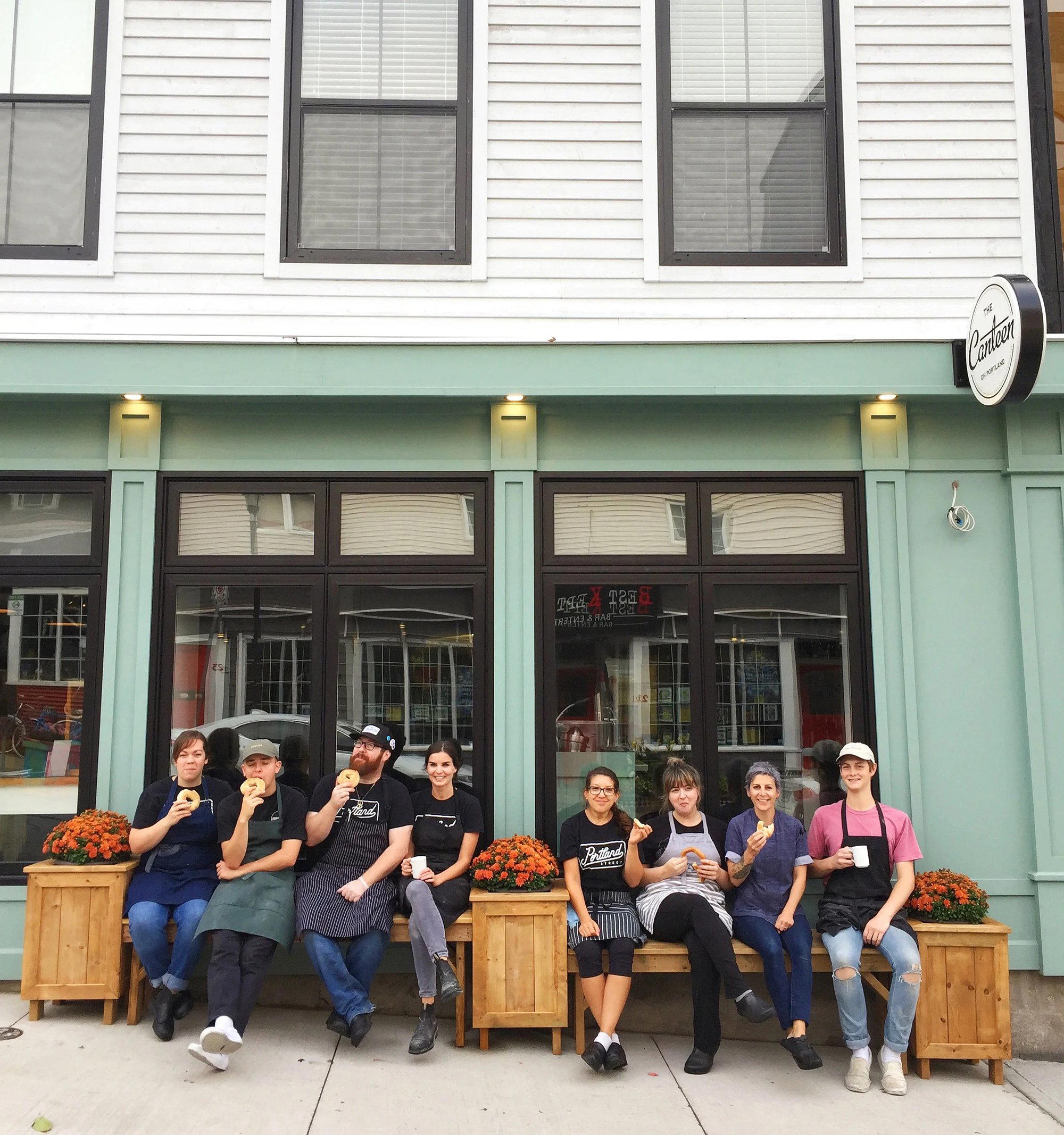
Bar Kismet is located at 2733 Agricola Street in Halifax's north end, a neighbourhood that also supports a range of independent food and drink operations. The weekly-changing menu means that what is on the board on a Thursday may not be available the following week; visiting with openness to the current selection rather than a fixed target dish is the appropriate orientation. Given the loyal regular clientele the restaurant has built over eight years and the limited seating that a room of this scale typically implies, booking ahead is advisable for weekend evenings. The full Halifax restaurants guide situates Bar Kismet within the wider dining picture for visitors building an itinerary.
Peer Set Snapshot
A fast peer set for context, pulled from similar venues in our database.
| Venue | Cuisine | Price | Awards | Notes |
|---|---|---|---|---|
| BAR KISMET | Bar Kismet is refined, relaxed and a little bit retro — a combination that, eigh… | This venue | ||
| Alo | Contemporary | $$$$ | Michelin 1 Star | Contemporary, $$$$ |
| Sushi Masaki Saito | Sushi, Japanese | $$$$ | Michelin 2 Star | Sushi, Japanese, $$$$ |
| Aburi Hana | Kaiseki, Japanese | $$$$ | Michelin 1 Star | Kaiseki, Japanese, $$$$ |
| AnnaLena | $$$$ · Contemporary | $$$$ | Michelin 1 Star | $$$$ · Contemporary, $$$$ |
| Don Alfonso 1890 | Contemporary Italian, Italian | $$$$ | Michelin 1 Star | Contemporary Italian, Italian, $$$$ |
Continue exploring
More in Halifax
Restaurants in Halifax
Browse all →
At a Glance
- Cozy
- Elegant
- Trendy
- Intimate
- Date Night
- Group Dining
- Special Occasion
- Casual Hangout
- Standalone
- Terrace
- Natural Wine
- Craft Cocktails
- Local Sourcing
- Sustainable Seafood
- Natural Wine
- Street Scene
Vintage coastal aesthetic with dark wood, white beadboard, milk-glass light fixtures, mix-and-match china, and potted plants creating an inviting space between a grandmother's dining room and a French farmhouse inn.