Bamboo Asia
Bamboo Asia occupies a distinct position in San Francisco's fast-casual dining scene, translating pan-Asian flavors into a format built for the Financial District lunch crowd at 41 Montgomery Street. The menu draws from across the continent without anchoring to a single culinary tradition, making it a useful reference point for understanding how the city's mid-market dining has evolved beyond the taqueria-and-sandwich default.
Pearl is the En Primeur Club membership app — saves, bookings, and concierge access live there. Same editors, same standards.
- Address
- 41 Montgomery St, San Francisco, CA 94104
- Directions
- Get directions
 Saves & bookings on Pearl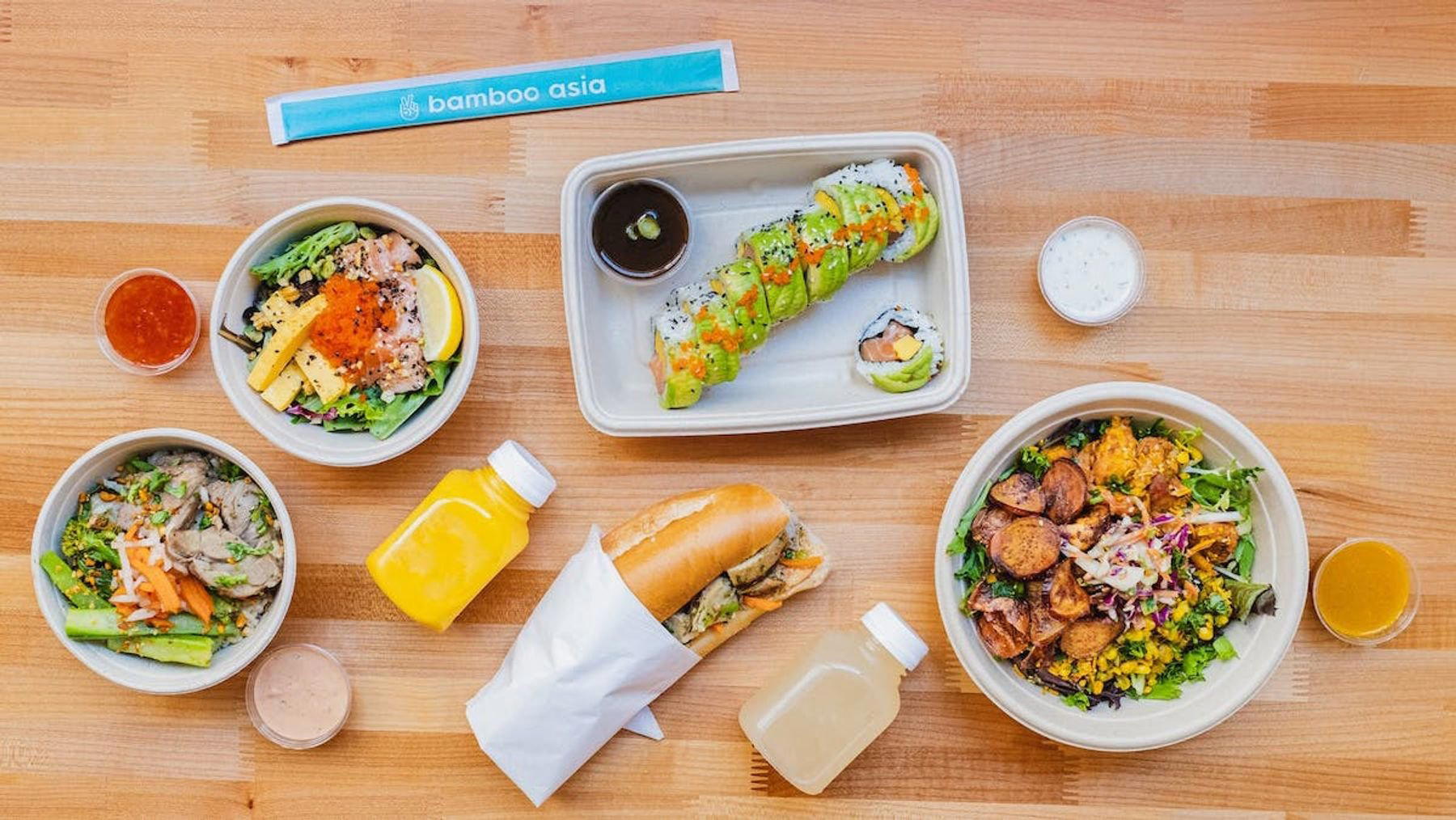
Where Financial District Lunch Culture Meets Pan-Asian Cooking
Montgomery Street at midday operates at a different register than San Francisco's destination-dining corridors. The Financial District crowd wants speed and quality in the same transaction, and the blocks around 41 Montgomery have long served as a testing ground for whether that combination is genuinely achievable. Fast-casual has matured considerably since its early-2010s wave, and the formats that have survived in dense downtown cores tend to share a few characteristics: clear identity, reliable execution, and a menu that rewards repeat visits without exhausting its range on the first pass.
Bamboo Asia sits inside that evolution. Rather than anchoring to a single national cuisine, the kitchen draws from a broader pan-Asian register, a format that carries real risk. Done without discipline, pan-Asian becomes an undifferentiated assembly of crowd-pleasers. Done well, it functions as a considered survey of the continent's most adaptable flavors, scaled to a format where the transaction takes minutes but the sourcing decisions take considerably longer.
The Progression of a Meal: How the Menu Is Built to Be Read
The structure of a pan-Asian fast-casual menu tells you almost everything about the kitchen's ambitions. At its weakest, the format produces protein-over-grain bowls with interchangeable sauces. At its most considered, it sequences components the way a tasting menu sequences courses: each element chosen to do specific work, whether textural contrast, acidity balance, or aromatic depth.
This kind of thinking is increasingly common at San Francisco's more serious casual operations. The city's dining culture, shaped partly by proximity to the produce of the Central Valley and the wine country of Sonoma and Napa, has pushed even its non-destination restaurants toward ingredient-led decisions. A bowl format in this context becomes less about novelty and more about the quality of its component sourcing. The grain base, the protein treatment, the sauce architecture: these are the variables that separate a fast-casual concept with staying power from one that exhausts its appeal in a single visit.
For context, San Francisco's most scrutinized tasting menus, places like Benu with its French-Chinese synthesis, or Lazy Bear's progressive American format, spend considerable energy on exactly this kind of progression logic. The discipline filters down. Diners who eat at Atelier Crenn or Quince on Friday evenings are eating at fast-casual counters on Tuesday afternoons, and they carry the same critical instincts with them.
Pan-Asian as a Culinary Position, Not a Shortcut
The pan-Asian format has a complicated reputation in American dining. At its most cynical, it functions as a hedge: no commitment to any single tradition means no accountability to any single standard. But the format has also produced some of the country's more interesting mid-market restaurants, precisely because it requires the kitchen to understand multiple culinary systems well enough to translate them into a coherent whole.
In San Francisco specifically, the pan-Asian register has deep roots. The city's Japantown, its Richmond District Chinese restaurants, its Mission District Filipino spots, its SoMa Korean operations: these are not separate scenes but a single, densely layered food culture that has been cross-pollinating for decades. A concept that draws from this breadth is not inventing a category. It is acknowledging the city's actual culinary geography.
This distinguishes San Francisco's relationship with pan-Asian cooking from, say, the version you encounter in cities without that underlying depth. Restaurants like Atomix in New York demonstrate what happens when a single Asian culinary tradition is taken to its highest formal expression. The pan-Asian fast-casual model operates at a different register, but the cities with the strongest Asian culinary infrastructure tend to hold it to a higher standard. San Francisco qualifies on both counts.
The 41 Montgomery Context
Location matters more in fast-casual than in destination dining. A tasting menu destination like The French Laundry in Napa or Saison here in San Francisco draws from a regional and international audience willing to plan months ahead. A lunch counter at 41 Montgomery draws from a radius that can be measured in city blocks.
That constraint is also a discipline. Financial District diners are time-sensitive and, in aggregate, food-literate. The neighborhood's lunch rotation includes competition from every format and price point, and the turnover rate for underperforming concepts is faster here than in residential neighborhoods where a loyal local base provides more runway. Surviving in this corridor for any sustained period is itself a signal.
For visitors using San Francisco as a dining city, it is worth understanding how the tiers operate. The city's upper-tier commitments, restaurants covered in our full San Francisco restaurants guide, require advance booking and formal planning. The mid-tier fast-casual operations serve a different function: accessible, repeatable, calibrated to the everyday rhythms of a city that takes its food seriously at every price point. That context includes national peers like Smyth in Chicago, Providence in Los Angeles, and Addison in San Diego, all operating in cities where the relationship between high-end and everyday dining shapes the standards across the board.
Planning Your Visit
| Venue | Format | Price Tier | Booking Lead Time | Leading For |
|---|---|---|---|---|
| Bamboo Asia | Fast-casual, counter service | $–$$ | Walk-in | Weekday lunch, quick turnaround |
| Benu | Tasting menu, formal | $$$$ | Weeks to months | Special occasion, long evening |
| Lazy Bear | Communal tasting, ticketed | $$$$ | Weeks ahead | Social dining, progressive format |
| Atelier Crenn | Tasting menu, formal | $$$$ | Weeks to months | Destination evening |
| Quince | À la carte and tasting, formal | $$$$ | Days to weeks | Business dinner, Italian-focused |
Bamboo Asia is located at 41 Montgomery Street in the Financial District.
Credentials Lens
Comparable venues nearby, for context on price, style, and recognition.
| Venue | Cuisine | Price | Notes |
|---|---|---|---|
| Bamboo AsiaThis venue — the venue you are viewing | Asian Fusion Hawker-Style | $$ | Not listed |
| Citrus Club | Asian Fusion Noodle House | $$ | Haight Ashbury |
| Café Claude | Classic French Bistro | $$ | Financial District |
| Gada | Tunisian raclette sandwich shop | $$ | Castro |
| Dabba | Indian Fusion | $$ | Financial District |
| Mariposas | Authentic Peruvian Rotisserie | $$ | Financial District/South Beach |
Continue exploring
More in San Francisco
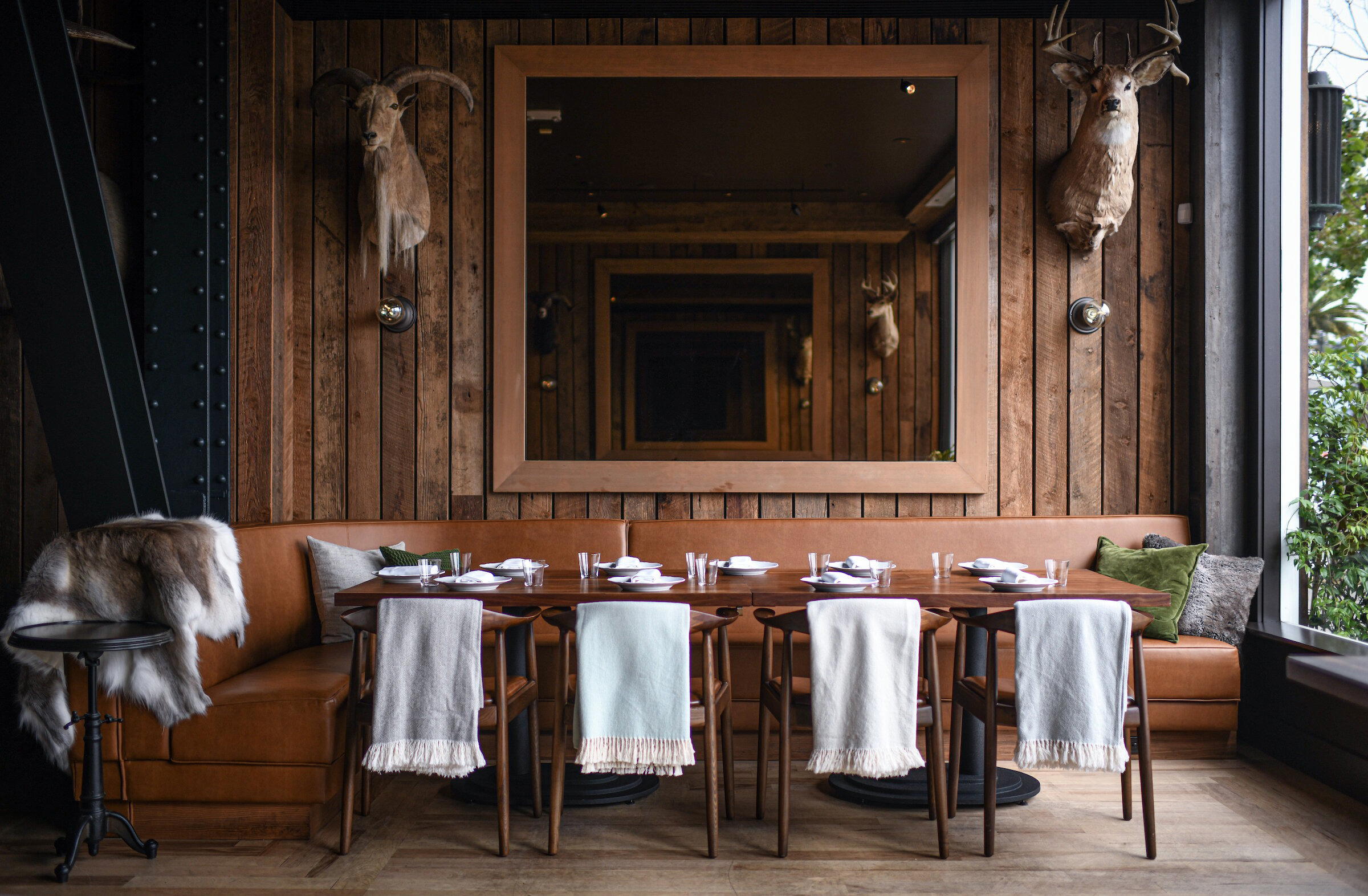
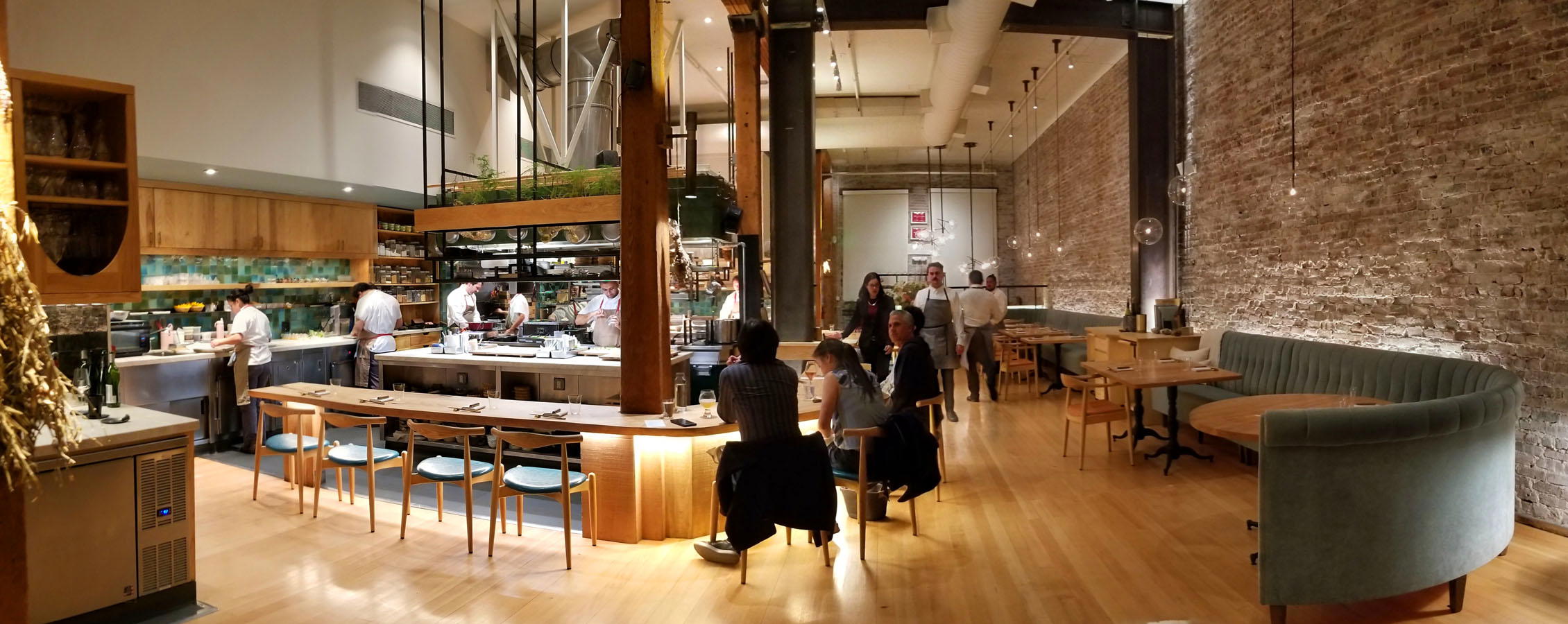
Restaurants in San Francisco
Browse all →
Bars in San Francisco
Browse all →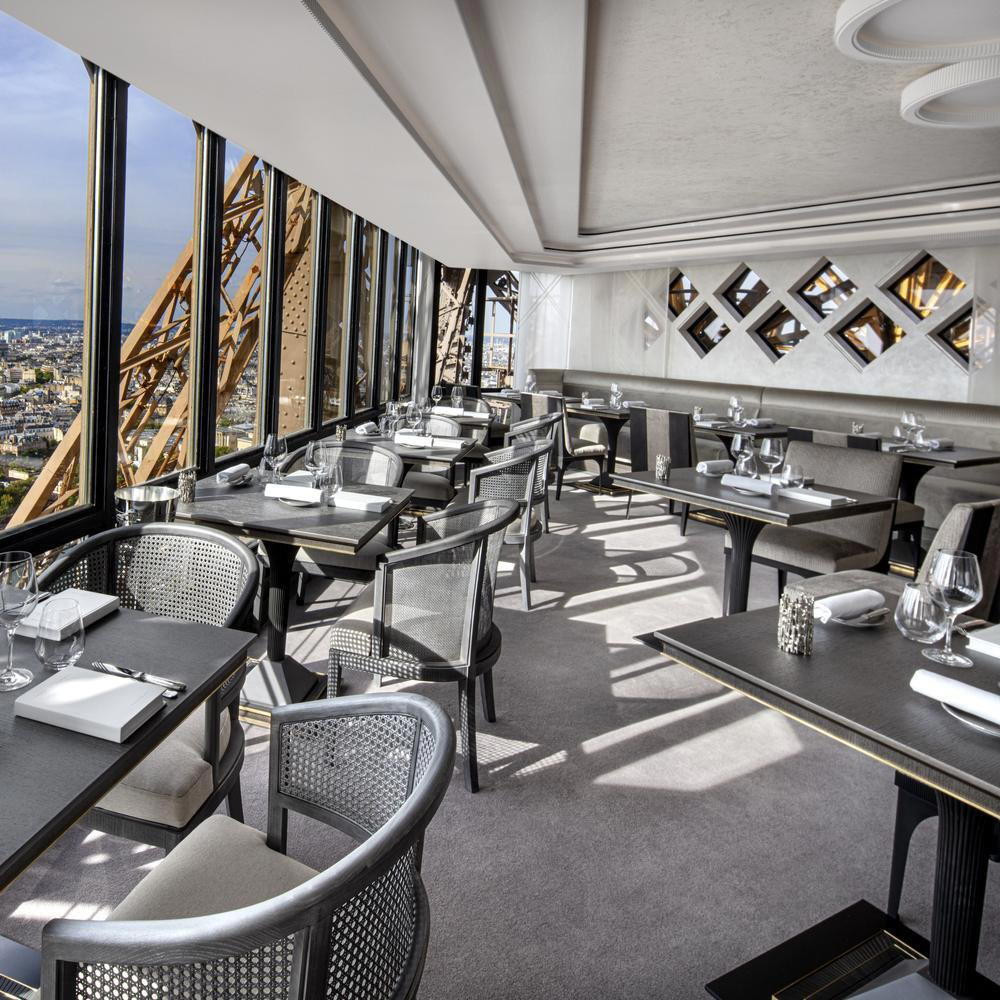
Hotels in San Francisco
Browse all →
At a Glance
- Trendy
- Lively
- Modern
- Casual Hangout
- Group Dining
- After Work
- Open Kitchen
- Local Sourcing
Canteen-like setting with lively, inviting atmosphere blending Far East flavors and West Coast casual vibes.